The Evolution of Polar Travel and Expedition Guiding A Strategic Shift in Arctic Tourism Advocacy

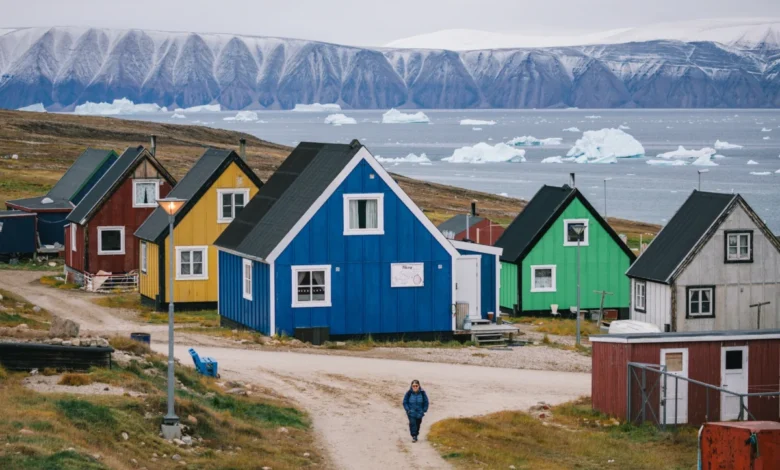
Liz Carlson, a prominent figure in the global travel media landscape, has formally announced a significant pivot in her professional trajectory, moving away from traditional digital content creation toward a career as a polar expedition guide and specialized travel consultant. This transition, centered on her work in the Arctic and Antarctica, reflects a broader evolution within the high-end adventure tourism sector, where the demand for deep-field expertise is increasingly outpacing the influence of traditional digital marketing. Carlson’s shift into professional guiding with organizations such as Adventure Canada marks a strategic response to a changing travel industry, one that prioritizes logistical complexity, environmental stewardship, and community-integrated tourism in some of the world’s most remote regions.
The Changing Landscape of the Polar Tourism Market
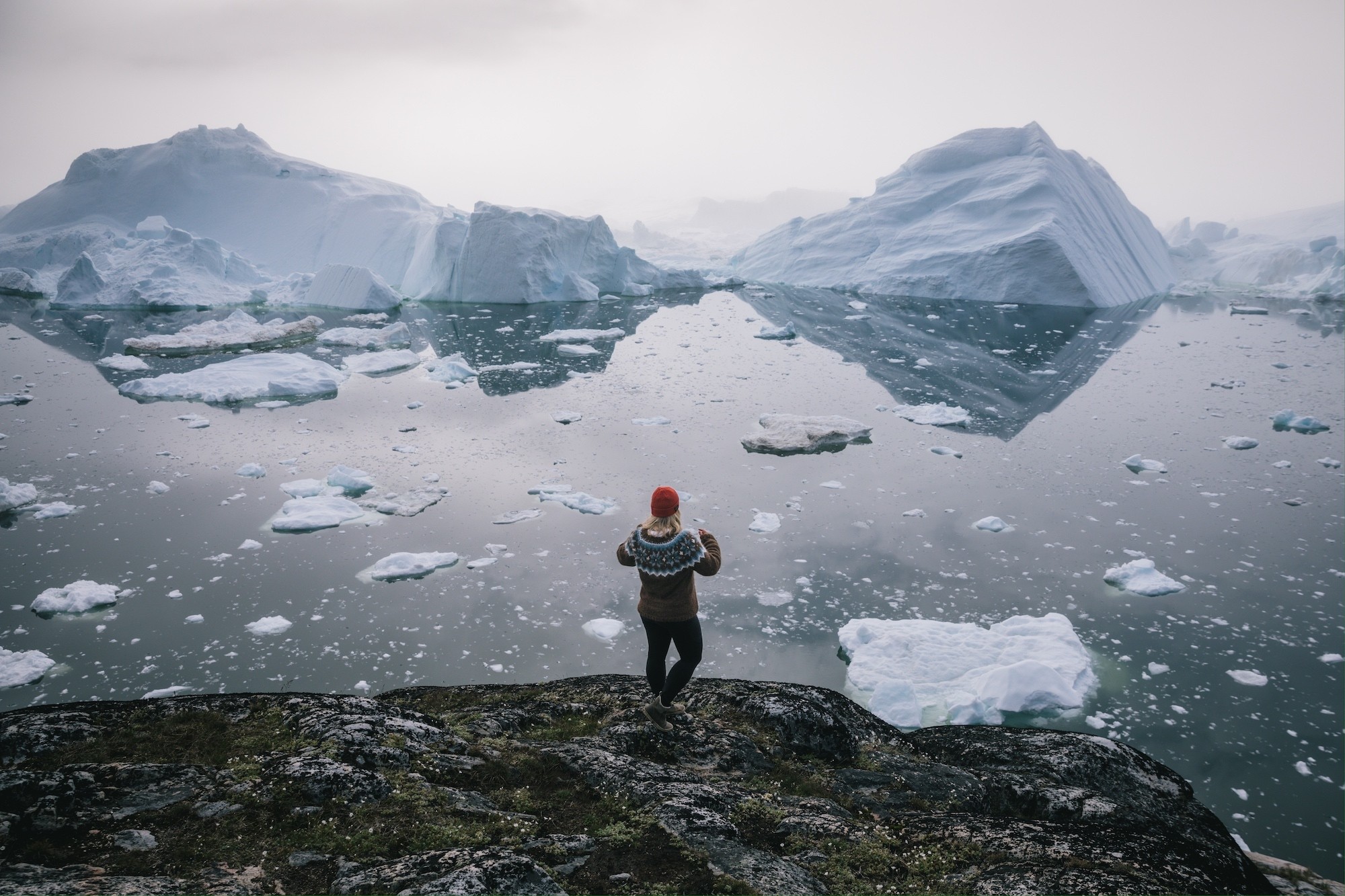
The polar tourism industry has undergone a radical transformation over the last decade. Historically reserved for scientific researchers and the most intrepid explorers, the Arctic and Antarctic regions have become increasingly accessible via ice-strengthened expedition vessels. According to data from the Association of Arctic Expedition Cruise Operators (AECO), tourism in the high north has seen steady growth, driven by a global fascination with "last-chance tourism" as climate change rapidly alters the polar landscape.
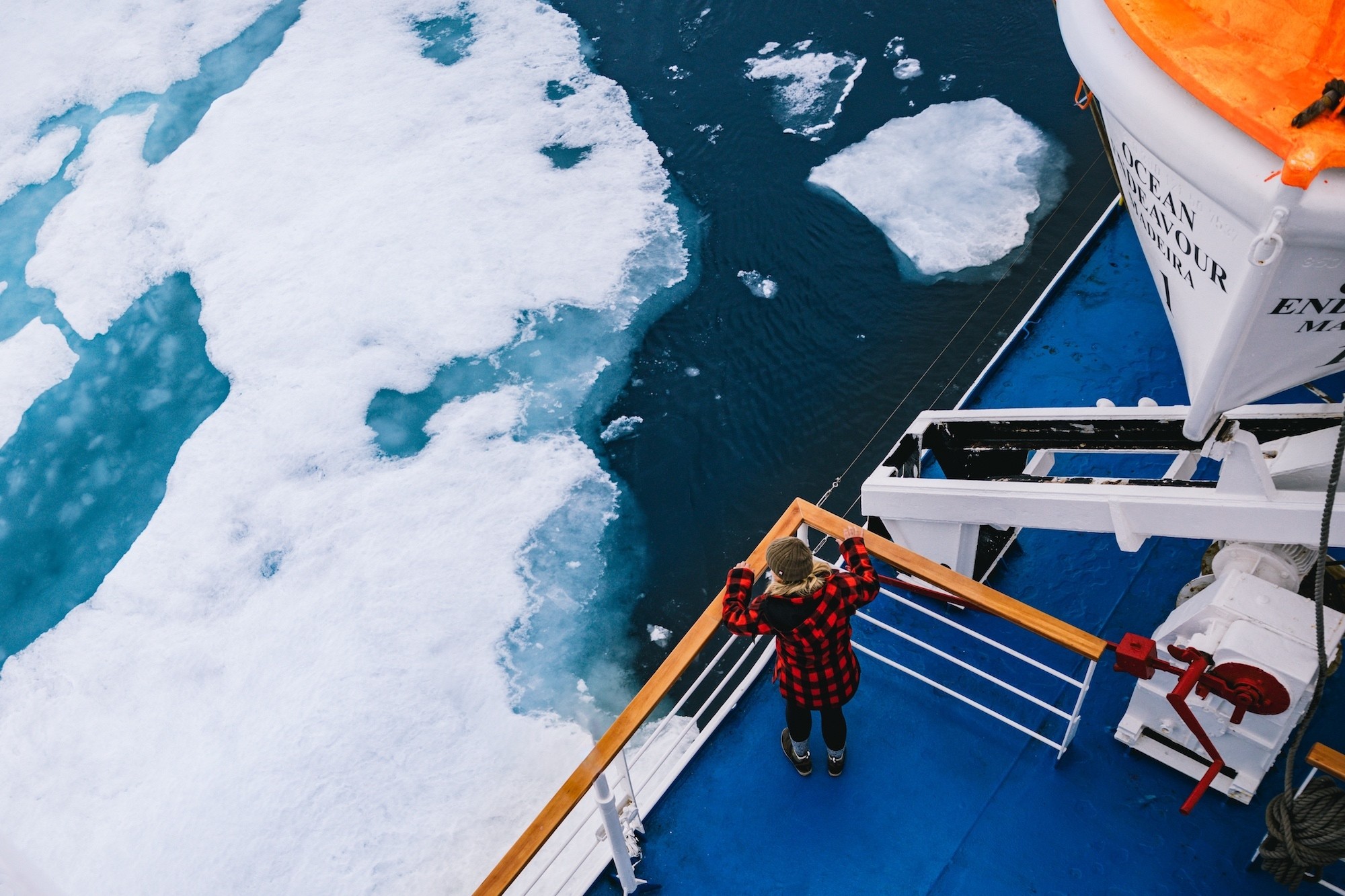
In this context, the role of the expedition guide has evolved from a purely logistical position to one of an educator and environmental ambassador. Carlson’s move into this space aligns with a market trend where travelers seek out experts who possess both the technical skills to navigate ice-choked waters and the narrative ability to explain the region’s complex ecology and history. By spending approximately half of each year at sea, Carlson is transitioning from a distal observer of global travel to an active participant in the operational side of the industry.
A Strategic Pivot from Digital Influence to Field Expertise
For over a decade, Carlson operated as a high-profile travel blogger and "influencer," a career path that relied on the "hustle culture" of constant content production and brand partnerships. However, the post-pandemic travel environment has fostered a sense of disillusionment among many long-term digital creators. Carlson has noted that the competitive nature of the influencer economy often lacks the depth and community connection found in field-based roles.
Her decision to join Adventure Canada as a guide represents a commitment to a more collaborative and team-oriented professional environment. Adventure Canada, a family-owned and operated company founded in 1987, has built a reputation on "expeditionary learning." Unlike mass-market cruise lines, the company emphasizes a "family" atmosphere, where a high percentage of both staff and passengers are repeat participants. This model of loyalty and community is a cornerstone of the niche expedition market, providing a stable professional foundation that contrasts with the volatility of the digital attention economy.
Chronology of a Professional Transition
The timeline of Carlson’s career shift highlights a deliberate move toward specialization:
- Pre-2020: Carlson establishes herself as a leading travel blogger, focusing on remote destinations and adventure photography.
- 2020–2022: The global pandemic halts international travel, providing a period of reflection on the sustainability and fulfillment of the "influencer" business model.
- 2023: Carlson begins formalizing her role as a polar expedition guide, completing seasons in both the Arctic (Canada and Greenland) and Antarctica. During this period, she documented significant field experiences, including the observation of rare wildlife events and historical site visits.
- 2024: Carlson announces the launch of a specialized travel consultancy. While continuing her work as a guide and writer, she now serves as a referral agent for polar travel, leveraging her first-hand knowledge to curate trips for high-net-worth individuals and adventure seekers.
This chronology illustrates a shift from generalist adventure content to specialized polar expertise, a move that provides greater career longevity in a niche with high barriers to entry.
Logistical Challenges and the Reality of Arctic Operations
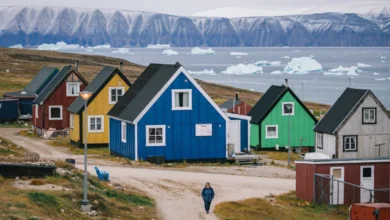
Arctic travel is defined by its extreme isolation and environmental volatility. Most regions of the high Arctic remain locked in sea ice for the majority of the year, with a narrow window of accessibility occurring only during the summer months (typically July through September). During this time, transportation is limited to expedition ships, small aircraft, and local watercraft.
In her capacity as a guide, Carlson’s responsibilities extend beyond passenger entertainment. Guiding in these regions involves:

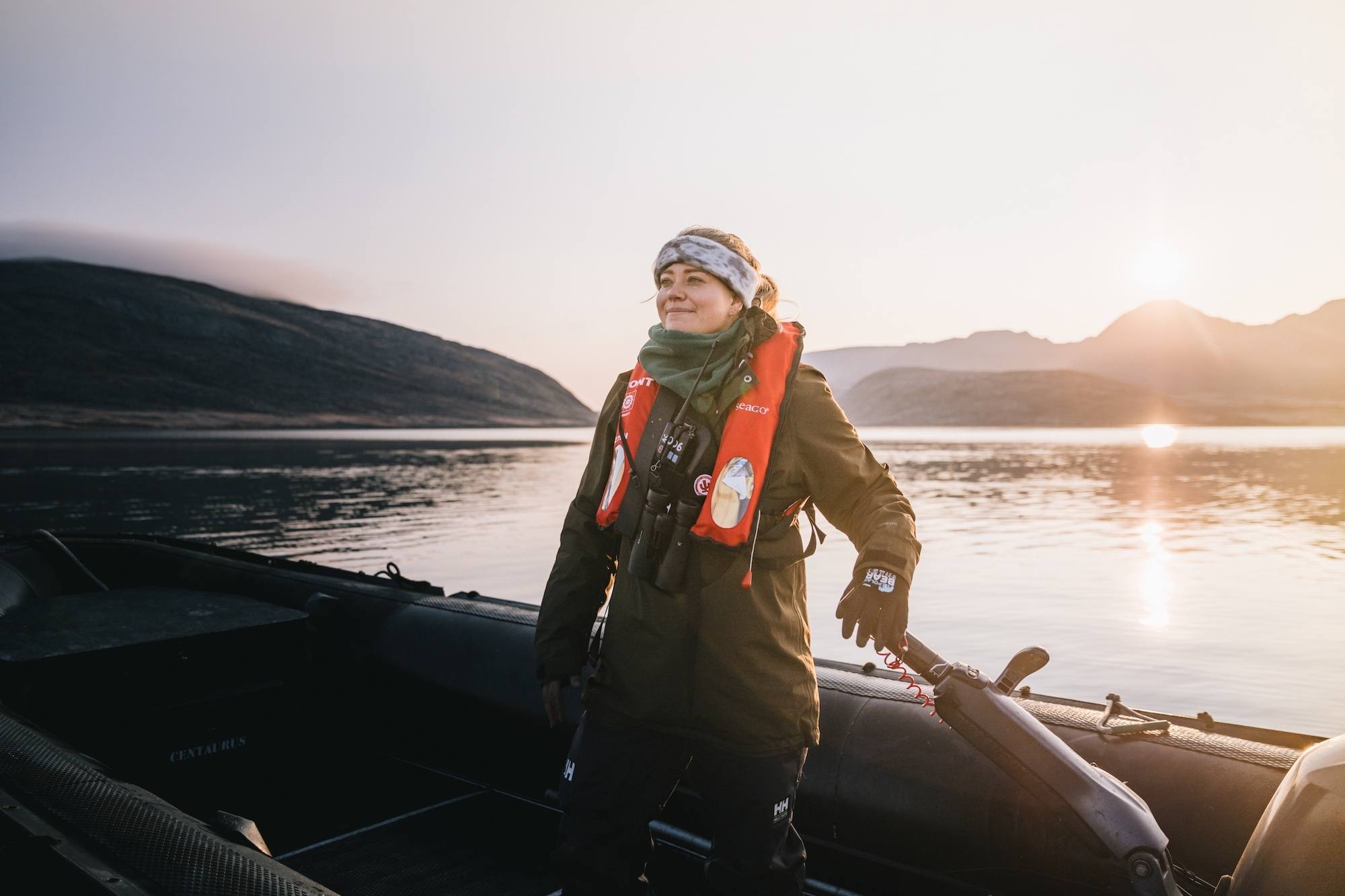
- Zodiac Operations: Navigating small, inflatable boats through ice-filled waters and around icebergs to facilitate shore landings.
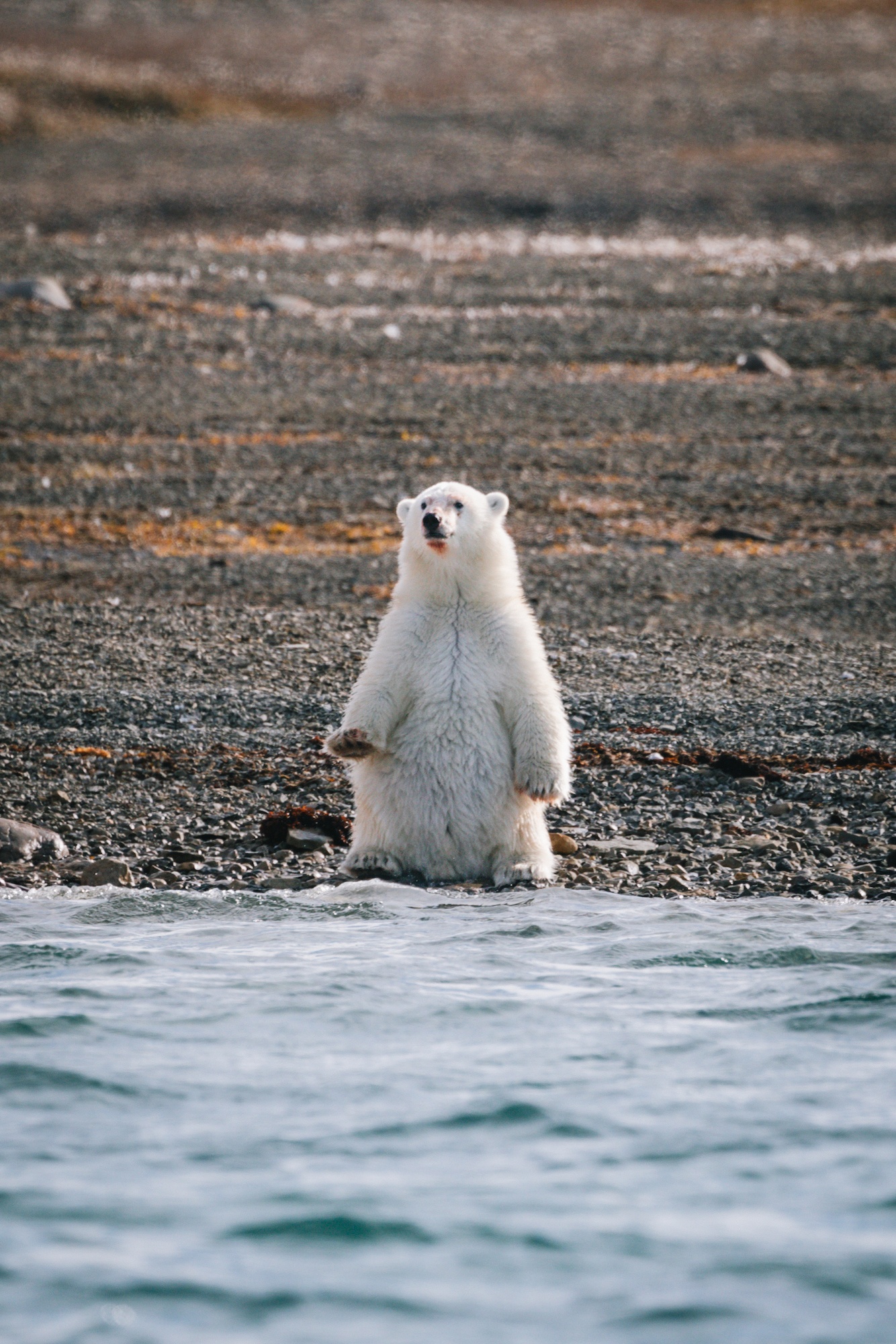
- Wildlife Safety: Monitoring for polar bears and other hazardous wildlife to ensure the safety of passengers during land excursions.
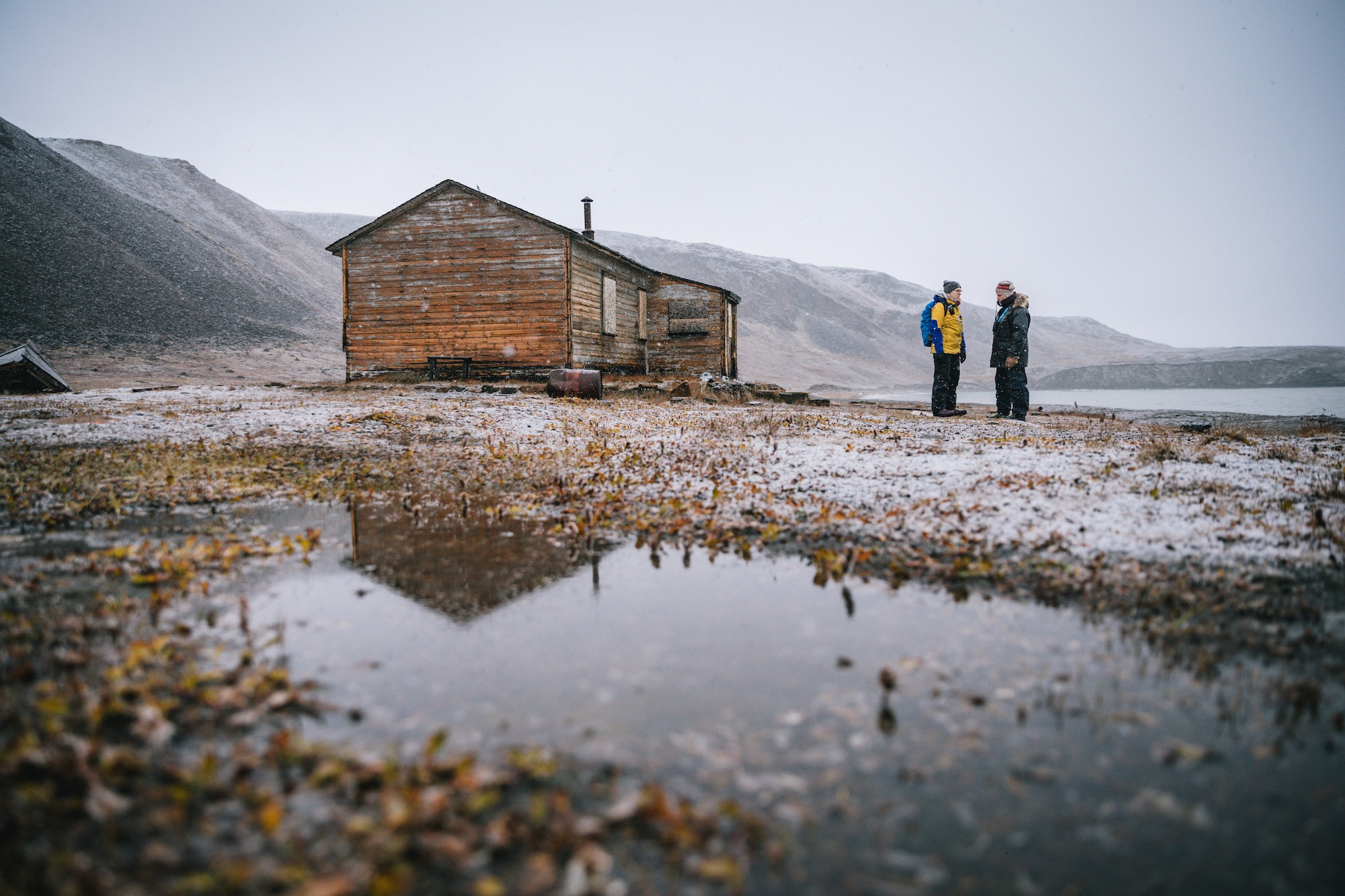
- Historical Interpretation: Providing context at sites such as Beechey Island, a significant location in the history of the lost Franklin Expedition.
- Environmental Monitoring: Observing and reporting on ice conditions and wildlife populations, contributing to the "citizen science" initiatives often hosted on expedition vessels.
The "freakishly hard work" Carlson describes is a hallmark of the industry, where guides must be proficient in multi-disciplinary tasks while maintaining a high level of guest service in unpredictable conditions.
Supporting Data: The Value of Polar Wildlife and Ecology
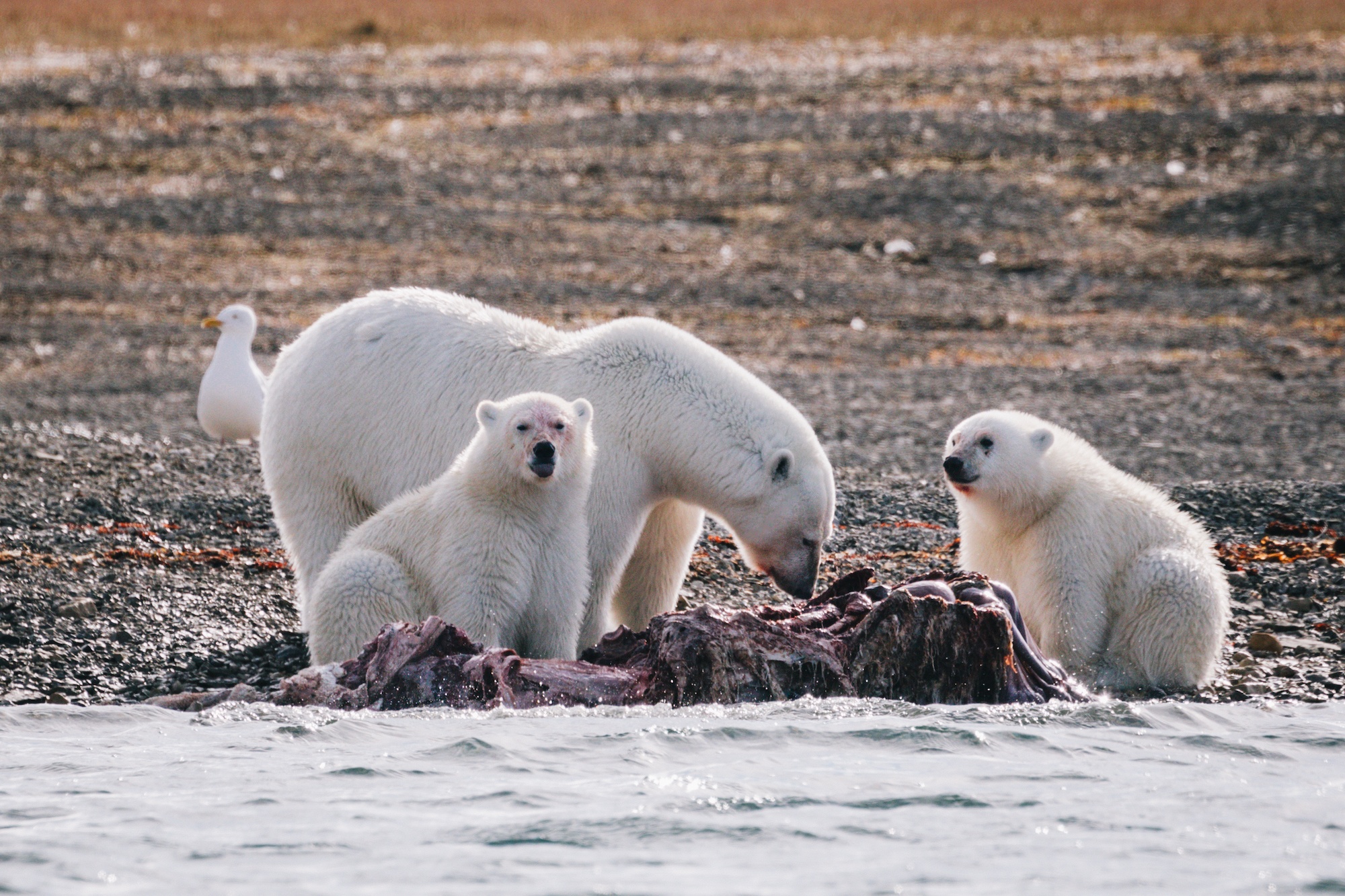
The draw of the Arctic is inextricably linked to its charismatic megafauna and pristine landscapes. During a single expedition in the previous year, Carlson reported sightings of 20 polar bears, including significant behavioral observations such as a mother and cubs scavenging a beluga whale. These sightings are not merely highlights for tourists; they are critical data points for understanding the health of the Arctic ecosystem.
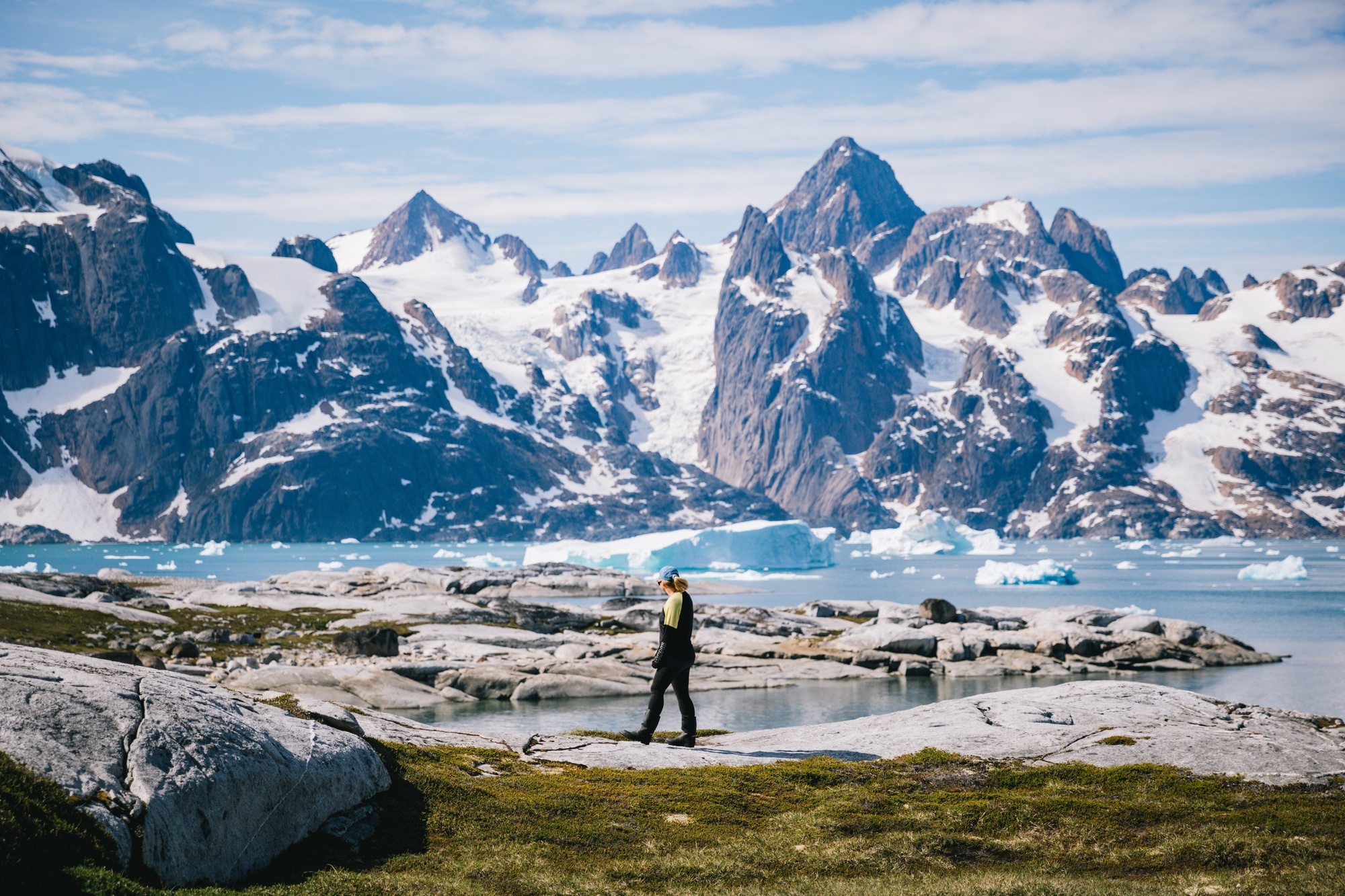
Supporting data from the World Wildlife Fund (WWF) indicates that the Arctic is warming at nearly four times the global average. This rapid change makes the role of the expedition guide even more critical. Guides serve as the primary interface between the fragile environment and the visiting public. By facilitating these encounters, guides help transform tourists into "ambassadors" for polar conservation. This pedagogical approach is a key differentiator for companies like Adventure Canada, which integrate Inuit cultural perspectives and scientific expertise into their itineraries.
The Economic Model of the New Travel Consultant
In addition to her guiding duties, Carlson has introduced a referral-based business model that bridges the gap between a travel agent and a field expert. By earning commissions on trips booked through her referral, she is able to monetize her expertise without relying on traditional advertising or sponsored content.
This model offers several benefits:
- Authenticity: Recommendations are based on personal experience and professional involvement with the tour operator.
- Reduced Friction: Potential travelers receive direct advice from someone who has physically navigated the routes and stayed on the vessels.
- Sustainability: By focusing on high-value, low-impact expedition travel, the consultant can promote more responsible tourism practices.
This shift allows Carlson to distance herself from the "Influencer" label, which has increasingly been associated with superficiality, and instead adopt the mantle of a professional consultant and field expert.
Broader Impact and Industry Implications
Carlson’s professional evolution reflects a broader trend in the travel industry where "authority" is being redefined. In the early days of social media, authority was often measured by follower counts and aesthetic appeal. Today, as the market for experiential travel matures, authority is increasingly measured by certifications, field hours, and a deep understanding of complex ecosystems.
The implications for the polar tourism industry are significant. As more experienced travelers and media professionals move into guiding and consultancy roles, the quality of information available to the public improves. This expertise is vital for the long-term viability of Arctic tourism, which must balance economic benefits for local communities—such as those in Nunavut and Greenland—with the need to protect a rapidly changing environment.
Furthermore, the emphasis on community and "family" within companies like Adventure Canada suggests a move toward more ethical tourism models. By prioritizing long-term relationships with guides, passengers, and local Inuit communities, these operators create a sustainable ecosystem that benefits all stakeholders. Carlson’s integration into this system as both a guide and a consultant reinforces the value of specialized knowledge in the modern travel economy.
Conclusion: The Future of Arctic Advocacy
As Liz Carlson embarks on her three-month season in the Arctic, her transition from digital influencer to polar guide serves as a case study for the professionalization of the travel media industry. The move represents a shift from "showing" the world to "leading" people through it. By leveraging her platform to promote deep-field expertise and environmental advocacy, Carlson is contributing to a more informed and responsible form of global exploration.
The Arctic remains one of the final frontiers of travel—vast, unpredictable, and increasingly fragile. The role of the guide, once seen as a seasonal job, is now recognized as a critical component of global conservation and cultural exchange. For Carlson and her peers in the expedition world, the goal is clear: to ensure that every visitor to the high north leaves with a profound respect for the region and a commitment to its preservation. Through this new path, the "Young Adventuress" is no longer just writing about the world; she is actively helping to shape the future of how we experience its most vulnerable and magnificent corners.