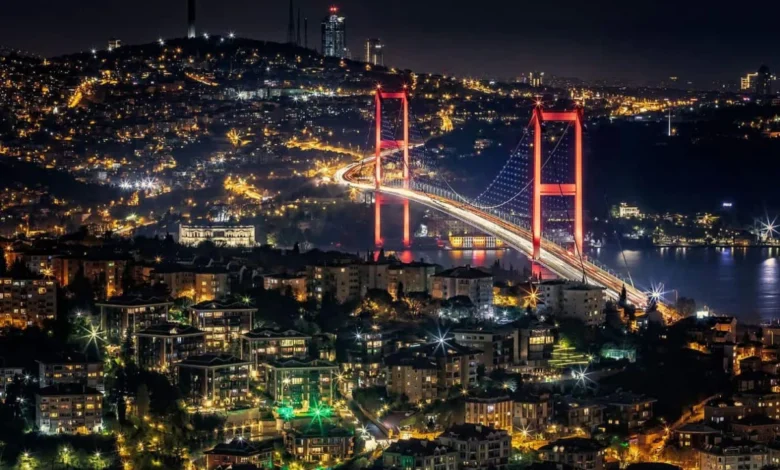
The culinary landscape of Turkiye serves as a profound intersection where ancient history, regional geography, and legendary hospitality converge at the dining table. While international travelers have long been drawn to the nation’s Greco-Roman ruins, sprawling bazaars, and otherworldly landscapes like Cappadocia, a growing demographic of "gastrotourists" is now visiting specifically for the country’s sophisticated sugar-based heritage. Turkish desserts are far more than mere caloric afterthoughts; they are cultural touchstones refined over centuries in the kitchens of the Ottoman sultans and preserved through generations of family-run confectioneries. For those navigating the country via comprehensive travel packages, understanding the nuances of the "sweet side" of Turkiye transforms a standard vacation into a multi-sensory exploration of the nation’s identity.
The Ottoman Legacy and the Evolution of Turkish Confectionery
The history of Turkish sweets is intrinsically linked to the evolution of the Ottoman Empire. During the height of the empire, the Topkapi Palace in Istanbul housed a specialized department known as the Helvahane (House of Halva). This kitchen was dedicated exclusively to the production of desserts, jams, and medicinal sherbets. It was here that the transition from simple nomadic honey-and-grain preparations to the complex, multi-layered pastries known today took place.

Chronologically, the development of these sweets follows the expansion of the empire’s borders. As the Ottomans moved through the Balkans, the Middle East, and North Africa, they integrated ingredients like rosewater from the Levant, pistachios from Upper Mesopotamia, and spices from the Silk Road. By the 18th and 19th centuries, the art of the tatlıcı (dessert maker) had become a prestigious profession, with specific guilds established to protect the secrets of phyllo-dough stretching and syrup-balancing.
Baklava: The Architectural Pinnacle of Pastry
Baklava remains the undisputed sovereign of Turkish desserts. However, to the uninitiated, the term "baklava" oversimplifies a highly technical craft. Authentic Turkish baklava consists of approximately 40 layers of paper-thin phyllo dough, each brushed with clarified butter (sade yağ) and layered with crushed nuts.
The epicenter of this craft is Gaziantep, a city in Southeastern Anatolia that has earned a place in the UNESCO Creative Cities Network for its gastronomy. Gaziantep’s baklava is distinguished by its use of "Antep" pistachios, harvested in late summer when they are at their most vibrant green and aromatic. In 2013, "Antep Baklavası" became the first Turkish product to receive a Protected Designation of Origin (PDO) from the European Commission, a legal framework that ensures only baklava produced in the region using traditional methods can bear the name.
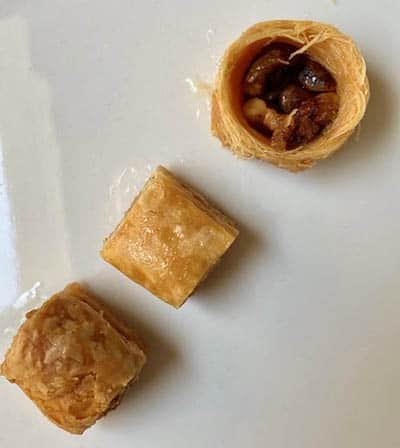
Beyond the standard diamond-cut variety, travelers will encounter fıstık sarma (pistachio rolls), şöbiyet (cream-filled triangles), and sütlü nuriye, a lighter variation that substitutes milk for the traditional heavy sugar syrup, resulting in a paler, softer texture that gained popularity during the economic shifts of the 1980s.
The Engineering of Texture: Künefe and Dondurma
While baklava relies on crispness, other Turkish favorites focus on the interplay of temperature and elasticity. Künefe is perhaps the most dramatic example of this. Originating in the Hatay province near the Syrian border, the dessert consists of two layers of kadayıf (shredded wheat) sandwiching a thick layer of unsalted, stretchy Hatay cheese. The dish is baked in shallow copper plates over an open flame until the exterior is golden and crunchy. It is then doused in hot syrup and served immediately. The experience of the "cheese pull"—the stretching of the molten interior—is a mandatory rite for any visitor to the region.
Parallel to this is the unique phenomenon of Maraş Dondurması (Turkish ice cream). Unlike Western ice cream, dondurma is dense, chewy, and resistant to melting. This is achieved through the addition of salep—a flour made from the tubers of wild orchids—and mastic, a resin from the lentisk tree. In the city of Kahramanmaraş, the birthplace of the dish, the ice cream is so thick it is often served with a knife and fork. The street performance associated with dondurma, where vendors in traditional attire tease customers by flipping the ice cream on long metal rods, serves as a significant draw for tourism, though the technical mastery behind the recipe remains a serious culinary endeavor.
Confectionery as Diplomacy: The Rise of Lokum
Turkish Delight, or lokum, represents the country’s oldest surviving confectionery style. Its history changed forever in 1777 when Bekir Effendi, a confectioner from the Black Sea region, opened a small shop in Istanbul. He introduced a refined version of the starch-and-sugar gel that captivated the Ottoman court. His shop, Hacı Bekir, still operates in the Eminönü district of Istanbul, managed by the fifth and sixth generations of the family.
Lokum served a social and diplomatic function; it was often presented in ornate lace handkerchiefs as a gesture of friendship or romantic interest. Today, the variety is staggering, ranging from traditional rose and lemon to modern iterations filled with pomegranate, barberries, and double-roasted pistachios. Data from the Turkish Statistical Institute indicates that lokum remains one of the country’s top food exports, symbolizing the "sweet" diplomatic face of Turkiye abroad.
The Palace Puddings: Milk-Based Sophistication
For travelers seeking a lighter experience, the world of Turkish milk puddings (muhallebi) offers a different perspective on Ottoman refinement. Sütlaç, a creamy rice pudding, is a staple found in nearly every home and restaurant. The fırın (baked) version is particularly prized for its caramelized skin.
However, the most intriguing dish in this category is tavuk göğsü. Historical records from the Ottoman palace show that this pudding, made with finely shredded chicken breast, was a favorite of the Sultans. The chicken is boiled until it dissolves into individual fibers, which are then used to provide a unique, elastic texture to the sweetened milk. The flavor of the meat is entirely neutralized, leaving only a smooth, silky consistency. When the bottom of the pudding pan is intentionally burned to create a smoky, caramelized layer, the dish is called kazandibi, which remains one of the most popular orders in modern Istanbul "pudding shops" (muhallebici).
Ritual and Community: Aşure and Helva
In Turkiye, sweets are also used to mark the passage of time and religious milestones. Aşure, often called "Noah’s Pudding," is arguably the oldest dessert in the world. According to legend, when Noah’s Ark came to rest on Mount Ararat, the survivors gathered the last remaining scraps of food—grains, dried fruits, beans, and nuts—to create a celebratory meal. Today, it is prepared during the Islamic month of Muharrem and distributed to neighbors and the less fortunate, symbolizing communal harmony and diversity.
Similarly, helva holds a somber yet beautiful place in the social fabric. While semolina and tahini helvas are common snacks, "Remembrance Helva" is traditionally prepared by the family of a deceased person. The act of stirring the heavy flour and butter mixture is a meditative process, and the final product is shared with the community to honor the memory of the departed.

Economic Impact and Culinary Tourism Data
The Turkish Ministry of Culture and Tourism has recently intensified efforts to promote the country’s gastronomic heritage. According to 2023 tourism data, food and beverage expenditures by foreign visitors accounted for approximately 18% to 20% of total tourism revenue, totaling billions of dollars. The "Turkish Cuisine Week" initiative, launched under the auspices of the Presidency, specifically highlights regional desserts to encourage travel beyond the well-trodden paths of Istanbul and Antalya.
Industry analysts note that the preservation of traditional dessert-making techniques is vital for the rural economy. In regions like Afyonkarahisar (known for its clotted cream, kaymak) and Aydın (famed for its candied figs), the production of dessert ingredients supports thousands of small-scale farmers and artisanal producers.
Broader Implications: Preservation of Heritage
As global food trends shift toward mass production, Turkiye’s dessert culture stands as a bastion of slow-food principles. The time-intensive nature of stretching phyllo by hand or slow-cooking fruit in copper vats ensures that these traditions remain resistant to full industrialization. For the traveler, this means that the "sweet side" of Turkiye is not just a culinary category, but a living museum of human skill.

The broader implication of this sweet culture is its role in nation-branding. By leveraging the historical prestige of the Ottoman kitchen and the geographical diversity of Anatolia, Turkiye has successfully positioned itself as a premier destination for cultural immersion. Whether it is a piece of baklava in a bustling bazaar or a bowl of rice pudding in a quiet mountain village, these desserts offer a tangible connection to the past, ensuring that the country’s history is not just seen in its ruins, but tasted in its traditions.