Exploring the Grand Canyon’s Depths: An Unforgettable Journey Demanding Meticulous Preparation

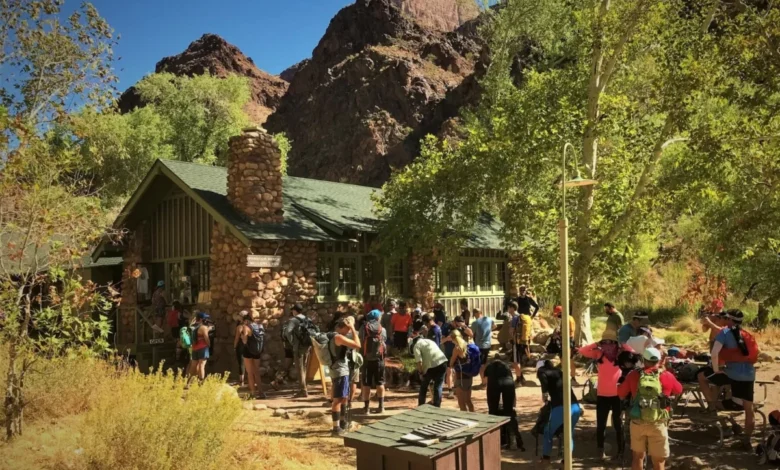
While the panoramic vistas from the Grand Canyon’s rim draw millions annually, a stark reality exists: a mere 5% of its visitors venture below the rim, missing out on an immersive experience that reveals the canyon’s true majesty and profound geological narrative. The breathtaking grandeur observed from above, though undeniably stunning, pales in comparison to the intimate, awe-inspiring journey into its depths, a pilgrimage that transcends mere sightseeing to offer a profound connection with Earth’s ancient past.
A Descent Through Time: Unveiling Geological Wonders
The Grand Canyon stands as an open book of geological history, meticulously carved over six million years by the relentless power of the Colorado River. This natural wonder, stretching 277 miles long, up to 18 miles wide, and plunging over a mile deep (precisely 6,093 feet at its deepest point), is not a static monument but a dynamic landscape continually shaped by the river’s persistent erosion. Each year, the canyon subtly expands, a testament to the ongoing geological processes that sculpted it.

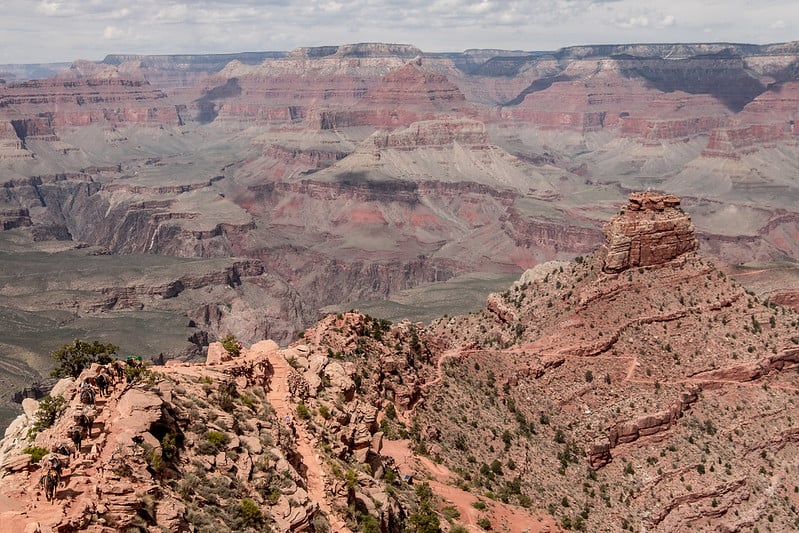
Descending into this colossal chasm is akin to embarking on a temporal journey. The sheer walls reveal an intricate tapestry of interchanging beige and red limestones, sandstones, and shales, layered like grains in an hourglass. Each distinct band represents a unique chapter in Earth’s history, some nearly 70 million years old, others far more ancient, dating back almost two billion years. Hikers traverse three primary rock layers: the Metamorphic basement rocks, the Precambrian Grand Canyon Supergroup, and the Paleozoic strata.
The deepest, oldest layers, often exposed at the very bottom, include the Vishnu Schist, a dark, metamorphic rock estimated to be around 1.7 billion years old, forming the canyon’s crystalline basement. Above this lies the Precambrian Grand Canyon Supergroup, a sequence of sedimentary and volcanic rocks laid down between 1.2 billion and 750 million years ago, showcasing evidence of ancient rift valleys and shallow seas. Further up, the Paleozoic strata, ranging from roughly 550 to 250 million years old, offer a wealth of paleontological insights. For instance, the sage-colored Bright Angel Shale near the bottom unveils marine fossils, indicating a prehistoric ocean environment. The Supai Group, a collection of redbeds found midway down, speaks of shallow seas and coastal plains, while the white Coconino Sandstone near the top bears the ripple marks of vast ancient sand dunes. In essence, the deeper one ventures, the older the geological record, transforming a physical hike into a profound expedition through Earth’s epic past.
A Living Tapestry: Biodiversity and Ancient Histories
Beyond its geological marvels, the Grand Canyon is a vibrant ecological zone, a testament to the surprising biodiversity supported by its extreme elevation range and diverse microclimates. The canyon’s immense scale creates a mosaic of desert, forest, and aquatic ecosystems, fostering thousands of plant species, many unique to this specific region, alongside a rich array of wildlife.
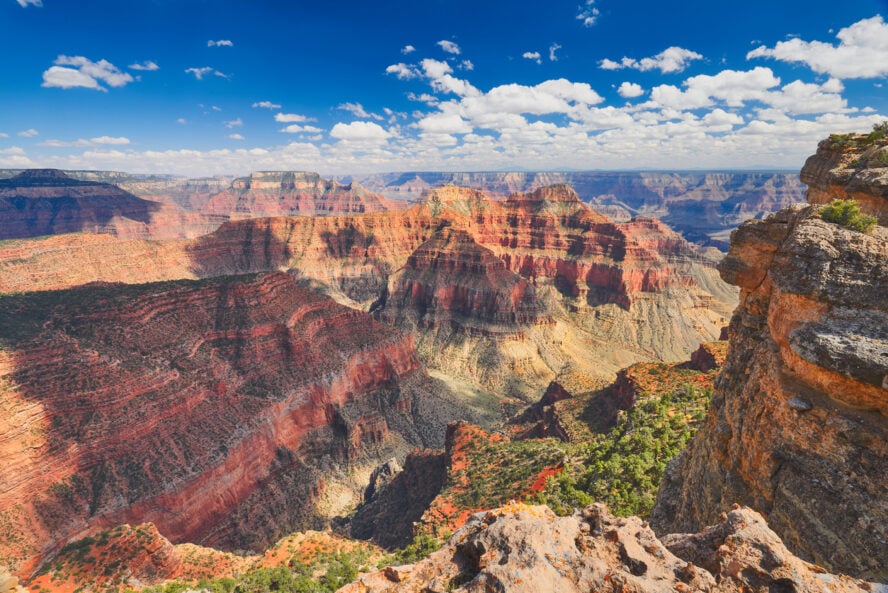
Rocky ridges are adorned with resilient vegetation, from green sagebrush and junipers at higher elevations to ponderosa pines, which thrive in cooler zones. The lower, hotter reaches support desert flora like mariola. Birdwatchers might glimpse the majestic golden eagle, the swift peregrine falcon, or, with exceptional luck, the critically endangered California condor, soaring effortlessly along the steep-walled corridors. For those prepared to delve below the rim, the journey introduces a different cast of characters: the melodious trills of canyon wrens echoing off the cliffs and the curious, cock-eyed gazes of leathery chuckwalla lizards basking on sun-warmed rocks. This remarkable ecological diversity underscores the canyon’s significance as a natural habitat.
Moreover, the canyon walls serve as an invaluable time capsule of human history. For millennia, Native American tribes have called this region home, leaving behind a rich legacy. Along trails like the Bright Angel, hikers can encounter sites such as the Pictograph Panel in Mallery’s Grotto, a silent testament to ancient artistic expression. Havasupai Gardens, a verdant oasis halfway down the canyon, historically served as a dwelling place for Ancestral Puebloans and the Havasupai people, who continue to maintain a deep spiritual and cultural connection to this land. Their enduring presence adds another profound layer to the Grand Canyon’s story, reminding visitors that this landscape has been a cradle of human civilization for thousands of years.
The Allure of the Inner Canyon: Why Few Venture Below
The striking statistic that only 5% of Grand Canyon visitors hike below the rim highlights a significant divide in the visitor experience. For most, the Grand Canyon is a "drive-through" national park, with an average visit lasting merely 30 minutes to two hours, primarily spent admiring the readily accessible rim views. While these vistas are undeniably iconic, they offer only a superficial glimpse of the canyon’s true character. The decision to embark on an inner-canyon hike, even a day trip, unlocks a perspective that eludes the vast majority, revealing the canyon’s intimate scale, complex geology, and diverse ecosystems in a way that rim-side viewing cannot. This exclusivity, however, comes with substantial demands.
Navigating the Extremes: The Grand Canyon’s Formidable Environment
Venturing into the Grand Canyon’s interior is an undertaking that requires serious consideration and meticulous preparation, primarily due to the unique and often extreme environmental conditions.
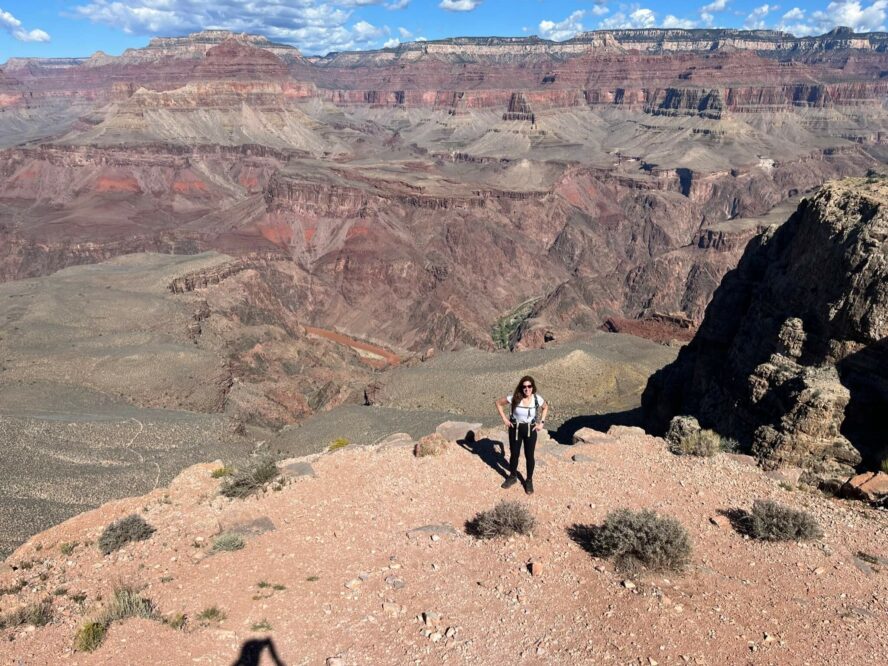
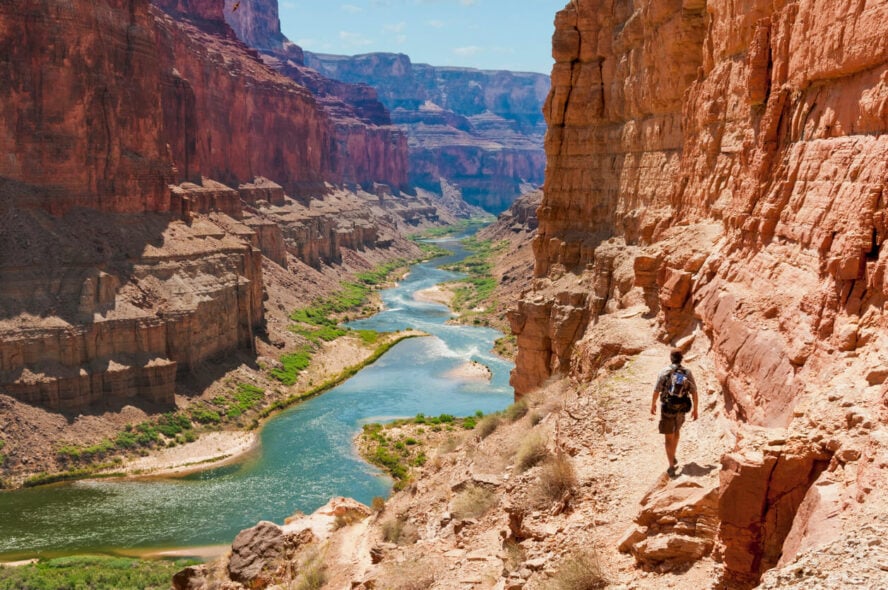
Elevation and Terrain: The canyon’s trails are notoriously steep, challenging even experienced hikers. The South Rim stands at approximately 7,000 feet above sea level, while the North Rim is even higher, around 8,000 feet. A "Rim-to-River" hike, which aims to reach the Colorado River at the canyon’s base, involves an elevation loss of over 5,000 feet, translating to a strenuous ascent of 5,000 to 6,400 feet on the return journey. While the distance to the bottom typically ranges from 6.5 to 8 miles, the elevation gain on the uphill trek is the primary physical challenge, often requiring double or triple the time of the descent. The National Park Service (NPS) explicitly advises against attempting a Rim-to-River-to-Rim hike in a single day, particularly during the hot months of May through September, due to the extreme physical demands.
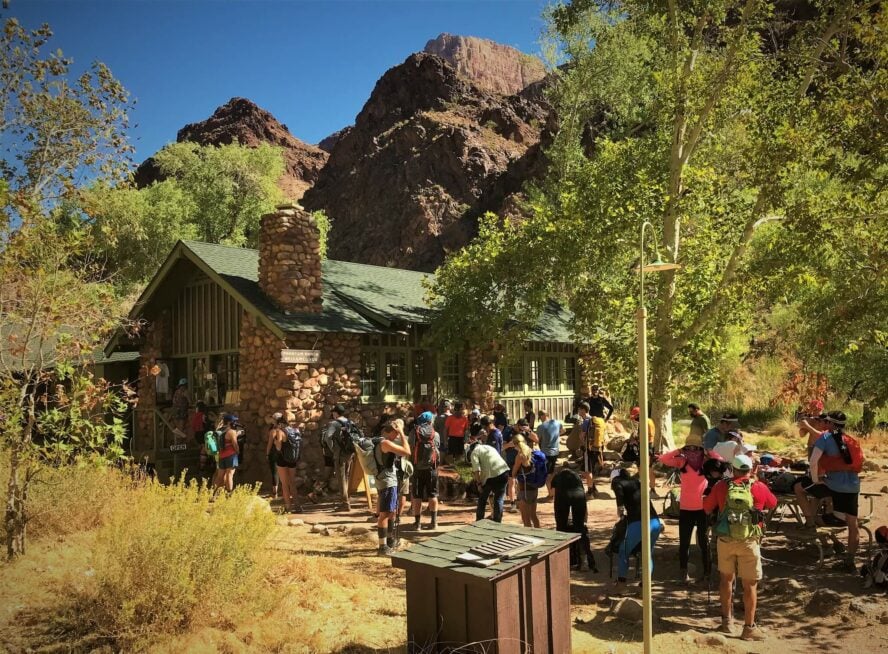
Scorching Temperatures and Adiabatic Heating: The Grand Canyon creates its own microclimate, characterized by significantly higher temperatures below the rim. This phenomenon, known as adiabatic heating, occurs when air descends, becomes compressed, and consequently heats up. While the rim might experience a comfortable 85°F with a gentle breeze, temperatures at the canyon floor, especially at Phantom Ranch, can regularly soar above 100°F, frequently reaching 120°F or more during summer months. This drastic temperature differential, often a 30°F increase from rim to river, is a critical factor hikers must account for.
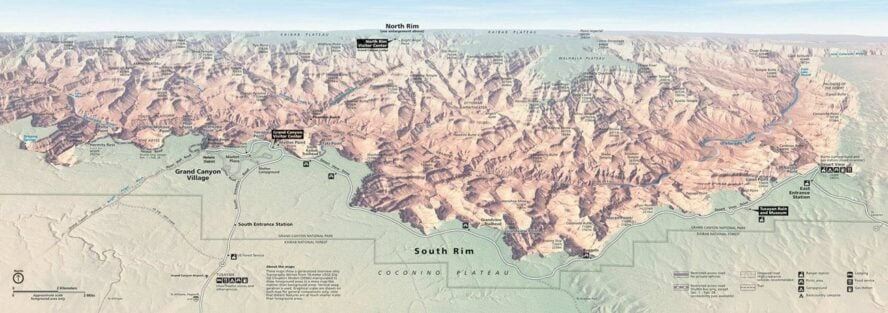
Sun Exposure: Compounding the heat is the pervasive lack of shade within the inner canyon. Apart from a few designated rest houses and campgrounds, hikers are exposed to direct sunlight for extended periods. The NPS identifies the hours between 10 AM and 4 PM as the hottest and most dangerous time of day for hiking, during which the majority of heat-related medical emergencies occur.
Safety First: Essential Preparations for Inner-Canyon Hiking
The Grand Canyon’s beauty is matched by its dangers. Since 2010, the park has recorded 134 fatalities, the highest death toll among all U.S. national parks. Furthermore, over 250 individuals require rescue annually, primarily due to medical emergencies like dehydration, overheating, or falls. These statistics underscore the imperative for comprehensive preparation.
Hydration and Nutrition: Proper hydration and nutrition are paramount. Dehydration, caused by excessive water and electrolyte loss, and its less intuitive counterpart, hyponatremia (overhydration, which dilutes electrolytes), are common and dangerous conditions in the canyon. Symptoms for both include paleness, headaches, nausea, vomiting, and confusion.
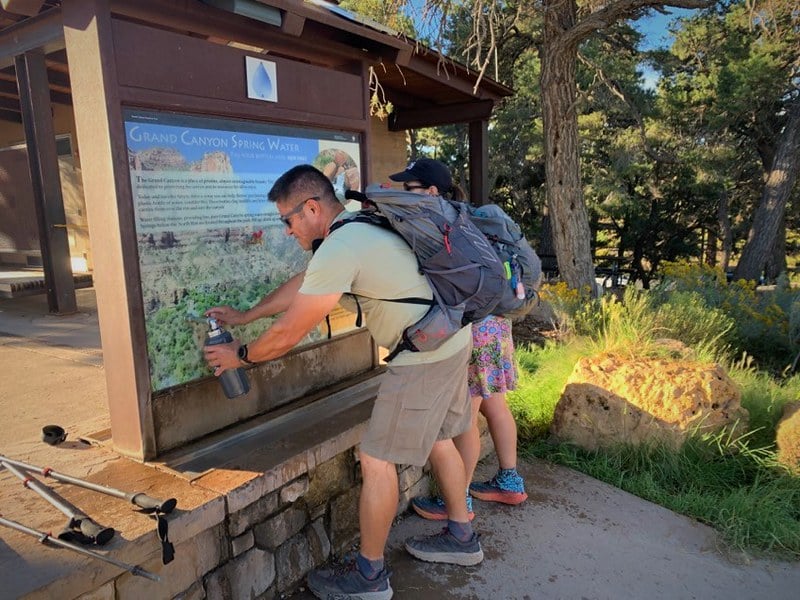
- Recommendation: Hikers should consume a hearty meal rich in carbohydrates, proteins, and sugars the night before their hike, along with 1-2 liters of water. During the hike, consistent intake of water fortified with electrolytes is crucial. Carrying an emergency stash of glucose tablets can also be vital. In summer, the general guideline is one liter of water per hour of hiking. For trails without water stations (like South Kaibab), carrying at least 5 liters of water is recommended. The Bright Angel Trail is the only major inner-canyon trail with regular water filling stations. As the NPS advises, "Don’t force fluids, drink when you are thirsty, rest, and eat often."
Appropriate Gear and Attire: Selecting the right gear is critical for comfort and safety.
- Recommendation: Start early in the morning to avoid peak heat. Wear light, breathable layers that offer ample coverage to protect against the sun. Sun shirts, wide-brimmed hats, sunglasses, and long pants are more effective at keeping hikers cool and preventing sunburn than minimal clothing. Plan a shorter distance than typically accustomed to, and schedule regular check-ins with hiking companions to assess conditions, especially given that the uphill return journey is significantly more demanding. A well-stocked first-aid kit is also indispensable.
Strategic Timing and Route Selection: The timing of a visit significantly impacts the hiking experience.
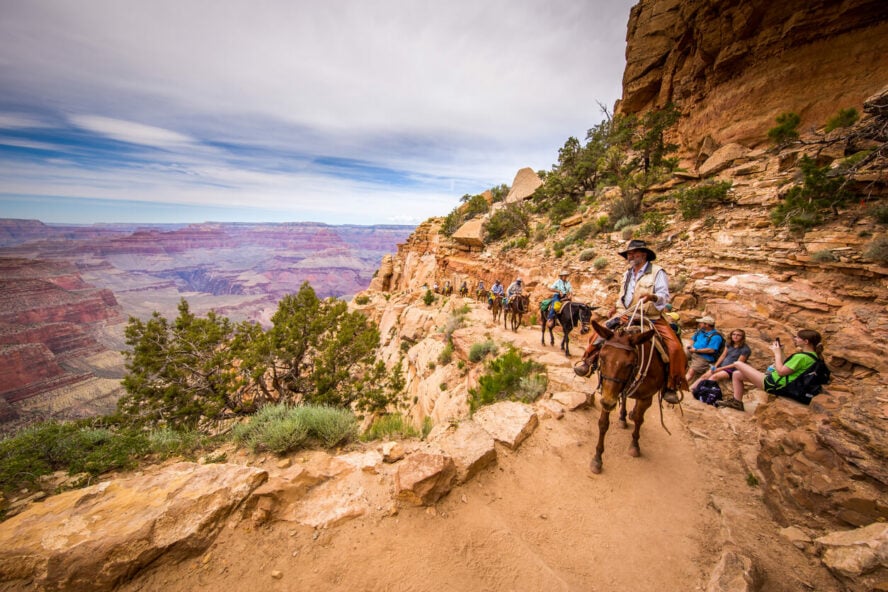
- Recommendation: The shoulder seasons—spring (March through May) and fall (September through November)—offer the most favorable temperatures. Winter hiking is possible but carries the risk of icy paths, particularly on steep sections, and the North Rim is closed. To avoid crowds, visiting on weekdays and starting early in the day is advised. For first-timers, the Bright Angel Trail is often recommended due to its amenities, including water stations and restrooms. The South Kaibab Trail, while also maintained, notably lacks water sources. Backcountry trails like the Hermit Trail and Grandview Trek offer solitude but demand advanced backpacking skills and experience; guided multi-day tours are recommended for those unfamiliar with such routes. Hikers must also be aware of mule trains, yielding to them by moving to the inside of the trail (away from the cliff edge) and following rider instructions.
Permits, Logistics, and Trail Etiquette
Effective planning extends beyond personal gear to include administrative and ethical considerations.
Backcountry Permits and Reservations: For overnight stays below the rim, securing backcountry permits and campground reservations is highly competitive and must be arranged months, often up to a year, in advance due to limited availability. An entrance fee to the park is also typically required, especially during peak seasons, though advanced reservations for park entry are not usually necessary.
- Recommendation: Hikers should consult the NPS website for current permit requirements and reservation procedures. Utilizing a guided service can alleviate the burden of permit acquisition and itinerary planning.
Leave No Trace Principles: The increasing popularity of the Grand Canyon has unfortunately led to a rise in litter. The desert ecosystem is fragile, and waste, including organic materials like food scraps and tissues, takes years to decompose. Non-biodegradable items persist for centuries.
- Recommendation: Adherence to Leave No Trace (LNT) principles is paramount. This includes packing out all trash (food wrappers, water bottles, toilet paper, etc.), using Wag Bags for human waste when facilities are unavailable, and storing all food and fragrant items in bear-proof containers at campsites to prevent wildlife interactions. Regular checks of personal gear are essential to ensure nothing is inadvertently left behind. As the NPS emphasizes, "Litter left in the canyon takes years to decompose. Packing out all of your trash helps to preserve the natural environment. Place your trash in resealable plastic bags that you can carry in your pack."
Emergency Protocols and Communication Challenges
The Grand Canyon’s remote nature presents unique challenges during emergencies, particularly regarding communication.
Lack of Cell Service: Cell service below the rim is virtually non-existent. While a faint signal might occasionally be found on higher points within the canyon, reliable communication is impossible. This significantly complicates emergency response.
Emergency Resources: Emergency phones are strategically placed along the main trails, providing direct contact with the Park Service, which can pinpoint the caller’s location. Additionally, medically trained rangers are stationed at each campground. Evacuations from the inner canyon can only be conducted by mule or helicopter. During daylight hours, the Park Service manages these operations. However, for nighttime evacuations below the rim, a private company must be contracted, with the caller responsible for potentially thousands of dollars in fees. The NPS notes, "We have found that many of the visitors who request help during an inner canyon hike have underestimated how difficult hiking in the Grand Canyon can be—especially in the heat of the summer months."
Personal Safety Measures:
- Recommendation: Hikers venturing into the inner canyon should carry a satellite communication device, such as a Garmin InReach, especially for backcountry trips. Furthermore, it is crucial to inform the Park Service of planned itineraries and expected return times. Communicating these details to friends and family outside the park provides an additional safety net, enabling quicker response in case of an overdue party.
The Guided Experience: Enhanced Safety and Insight
For many, the complexities of planning and the inherent risks of inner-canyon hiking can be overwhelming. This is where professional guiding services become invaluable.
Benefits of Guided Tours: Hiring a certified guide simplifies the entire process, handling intricate logistics, permit acquisition, and itinerary development. Critically, guides are typically Wilderness First Responder-trained, providing immediate medical expertise in remote settings. Beyond safety, guides offer deep knowledge of the canyon’s geology, ecology, and cultural history, enriching the hiking experience with interpretive insights that might otherwise be missed. As an OP Treks client, Tamara, recounted, "Thank you Andy! This was an amazing experience. You did an amazing job with all the details, from food selection to gear to chats along the trail, all was perfect!"
Types of Guided Tours: Guided options range from accessible South Rim strolls, suitable for all ages and abilities, to adventurous multi-day backpacking trips and challenging Rim-to-Rim expeditions. These tours cater to various experience levels, ensuring that more visitors can safely explore the canyon’s depths.
Conclusion: A Journey of Discovery, Respect, and Preparedness
The Grand Canyon offers an unparalleled opportunity for geological, ecological, and historical discovery. While the challenges of inner-canyon hiking—extreme temperatures, significant elevation changes, and isolation—are formidable, they are not insurmountable with adequate preparation. By prioritizing proper hydration and nutrition, selecting appropriate gear, timing visits strategically, securing necessary permits, strictly adhering to Leave No Trace principles, and understanding emergency protocols, visitors can transform a potentially dangerous endeavor into an unforgettable and safe adventure. For those seeking additional assurance or deeper insights, professional guides provide an invaluable resource, ensuring a well-planned, secure, and enriching exploration of this magnificent natural wonder. The journey below the rim is more than just a hike; it is a profound step back through time, demanding respect and rewarding those who prepare with an experience unlike any other.