Three Shores One Lake: A Comprehensive Guide to Navigating the Cultural and Geographical Diversity of Lake Garda

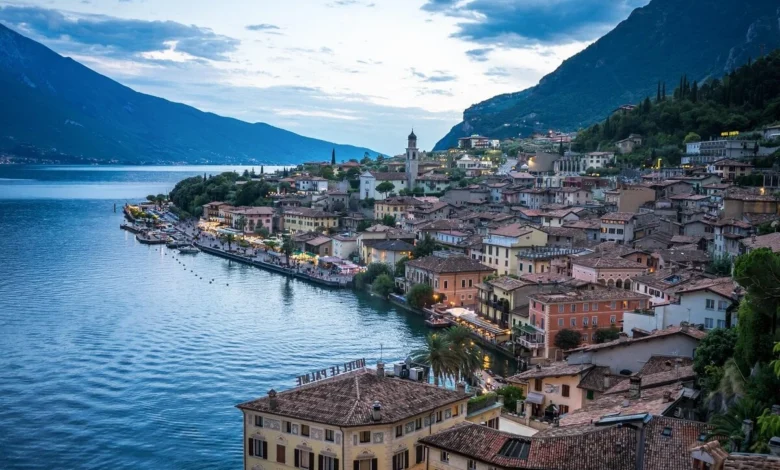
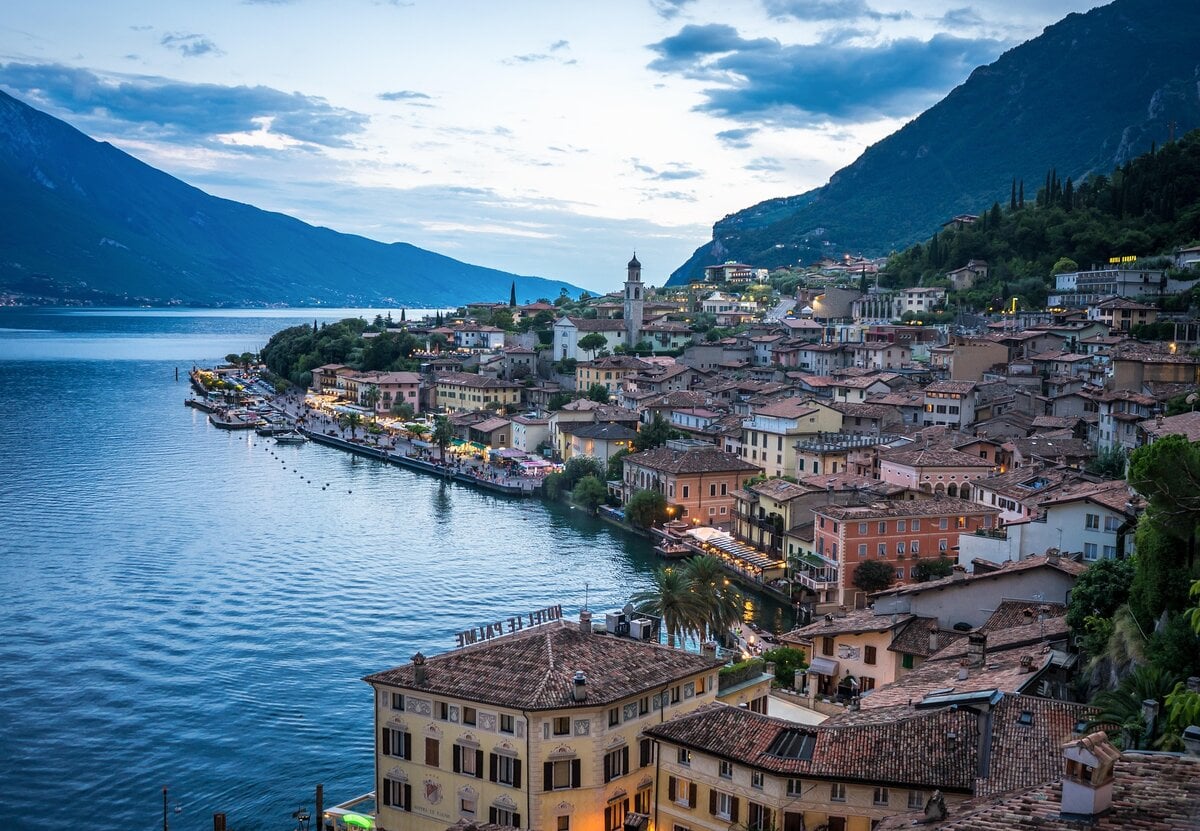
Lake Garda, Italy’s largest inland body of water, represents a unique convergence of geography, history, and microclimatology, stretching 52 kilometers across three distinct administrative regions: Lombardy, Veneto, and Trentino-Alto Adige. Each shore functions as a distinct cultural entity, offering a variety of experiences ranging from Roman archaeological sites and high-speed rail hubs in the south to medieval maritime fortifications in the east and dramatic alpine cliffs in the north. Despite its vast scale, the lake is increasingly recognized as a model for sustainable, car-free tourism, facilitated by a sophisticated public ferry network and an expanding infrastructure of cycling paths that capitalize on a microclimate capable of supporting Mediterranean flora at a sub-alpine latitude.
Historical Context and Regional Evolution
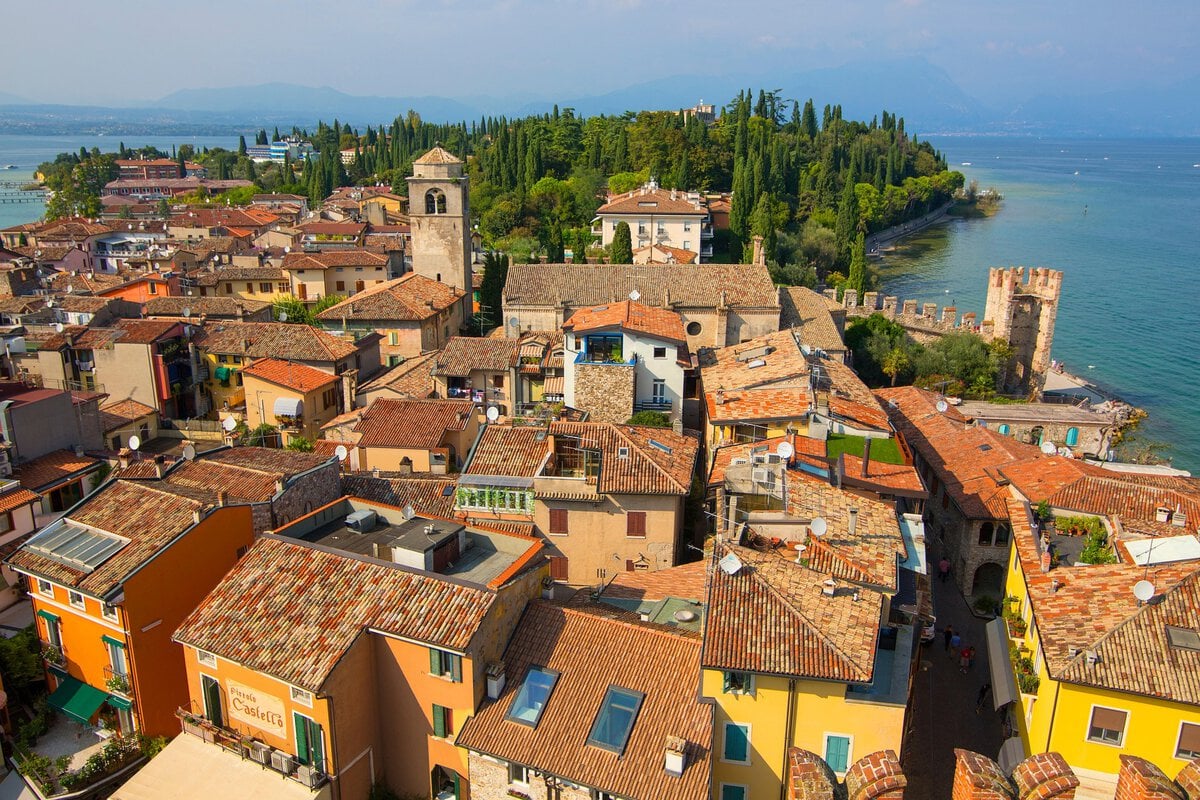
The historical trajectory of Lake Garda is defined by its strategic importance as a frontier. For centuries, the lake served as a border between the Republic of Venice, the Duchy of Milan, and the Austro-Hungarian Empire. This tripartite history remains visible in the architecture and linguistic nuances of the lakeside towns. In the south and west, the influence of the Roman Empire is paramount, evidenced by the preservation of grand villas. In the east, the Scaliger family of Verona and later the Venetian Republic left a legacy of fortified harbors and customs houses. The northern tip, centered around Riva del Garda, remained under Austrian rule until the conclusion of World War I in 1918, a fact reflected in the Germanic order and Austro-Hungarian aesthetic of its public squares.
The modern era has seen these historical foundations transition into a powerhouse of Italian tourism. According to regional data, Lake Garda attracts millions of international visitors annually, contributing significantly to the GDP of Northern Italy. The integration of the three regions into a cohesive tourist destination has been a decades-long project, culminating in initiatives like the "Ciclovia del Garda," a proposed 140-kilometer cycling ring intended to encircle the entire lake.
The Eastern Venetian Shore: Maritime Heritage and Family Infrastructure
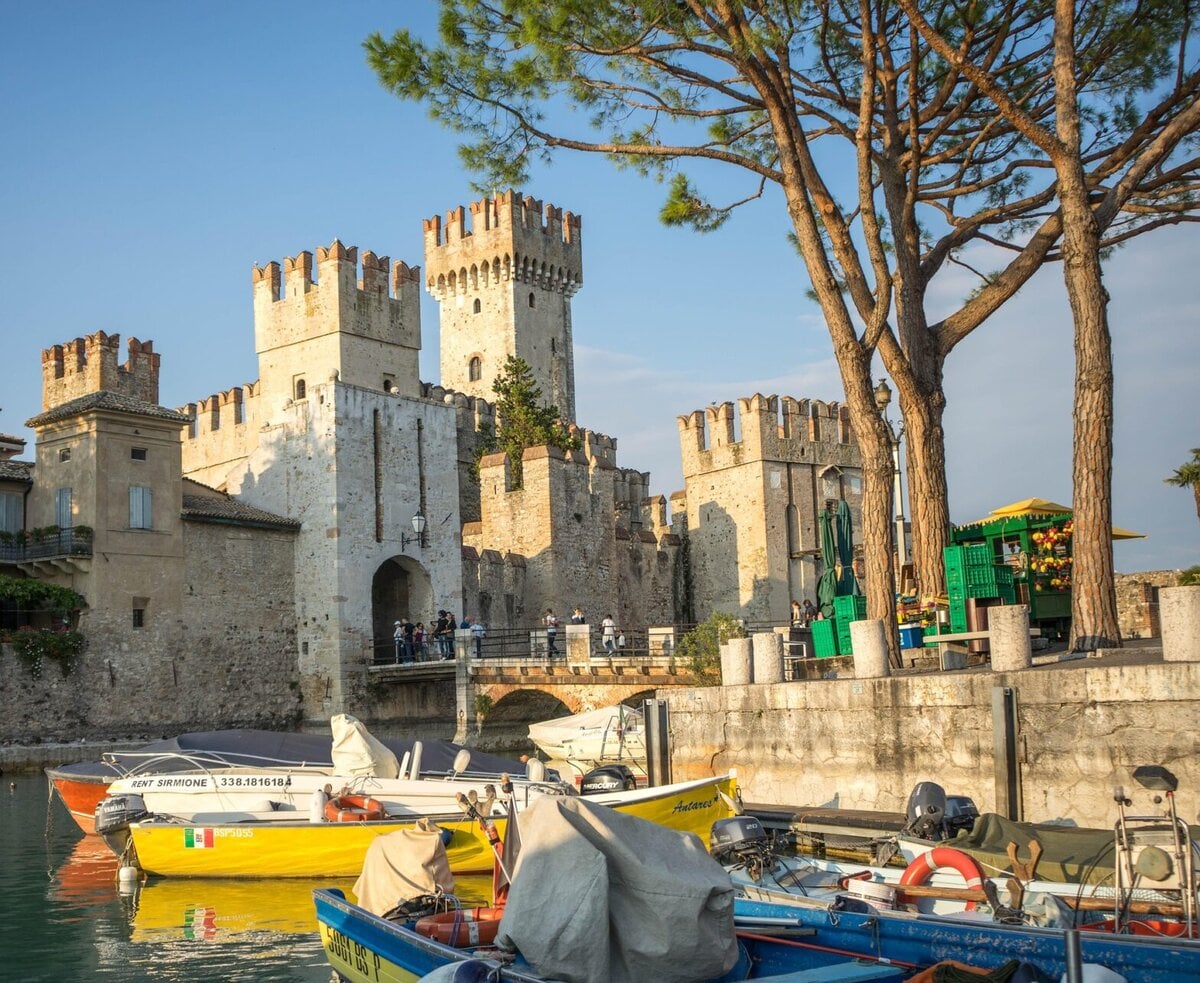
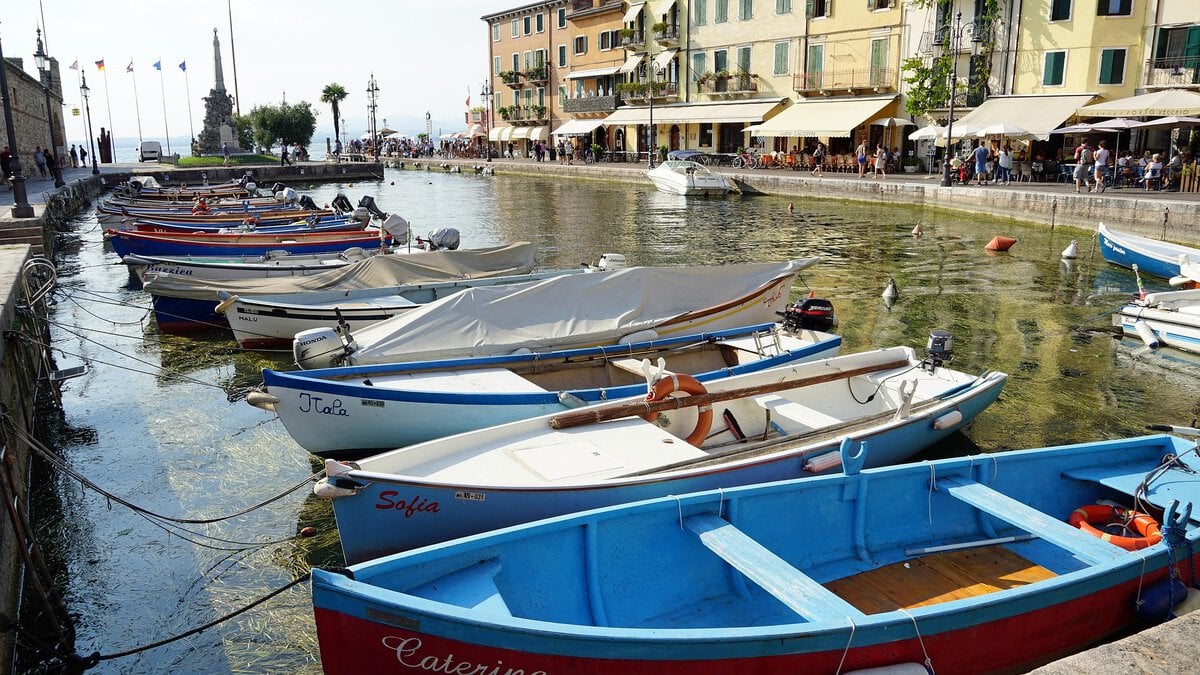
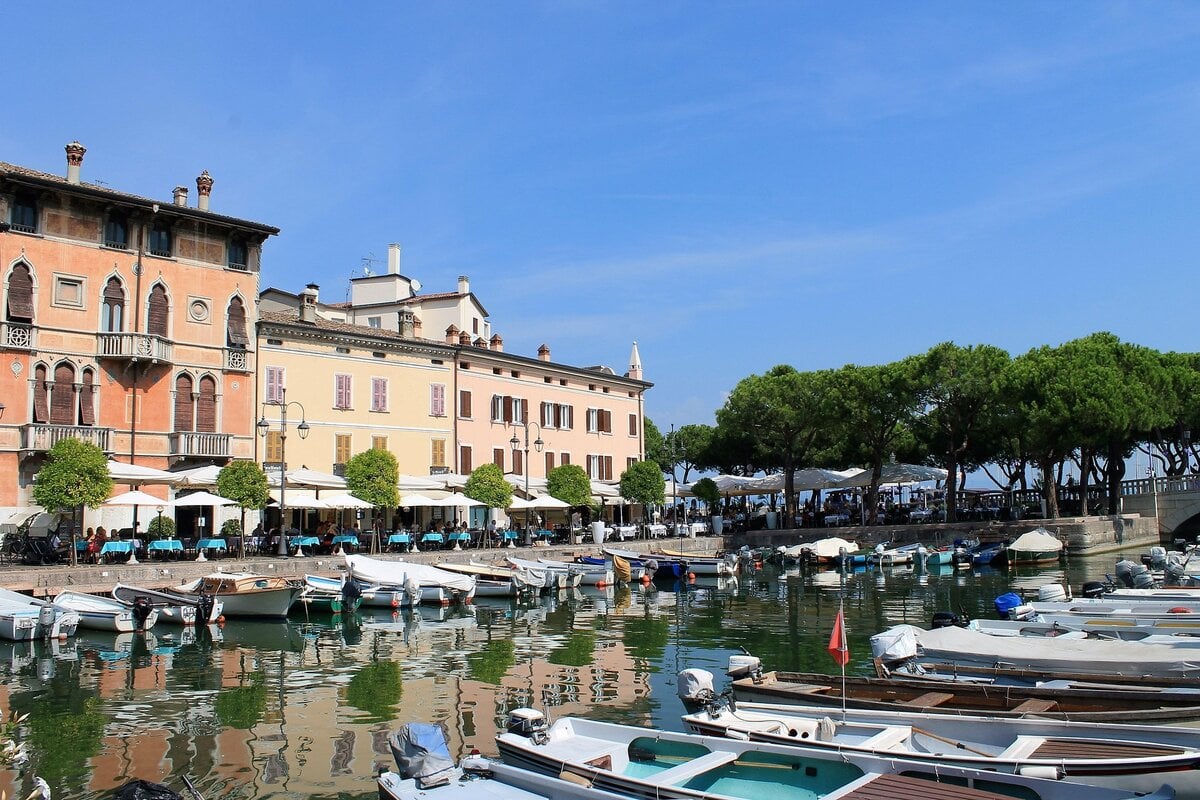
The eastern shore, situated within the Veneto region, is characterized by its flat topography and medieval "borghi" (fortified villages). Lazise stands as a focal point of this sector, holding the distinction of being one of Italy’s first free municipalities. In 983 AD, Emperor Otto II granted the town self-governing rights, a civic independence that dictated its urban planning. The town is still enclosed by 14th-century Scaliger walls, with the Dogana Veneta—a former Venetian customs house—serving as a reminder of the era when Lake Garda was a vital commercial artery for the Republic of Venice.
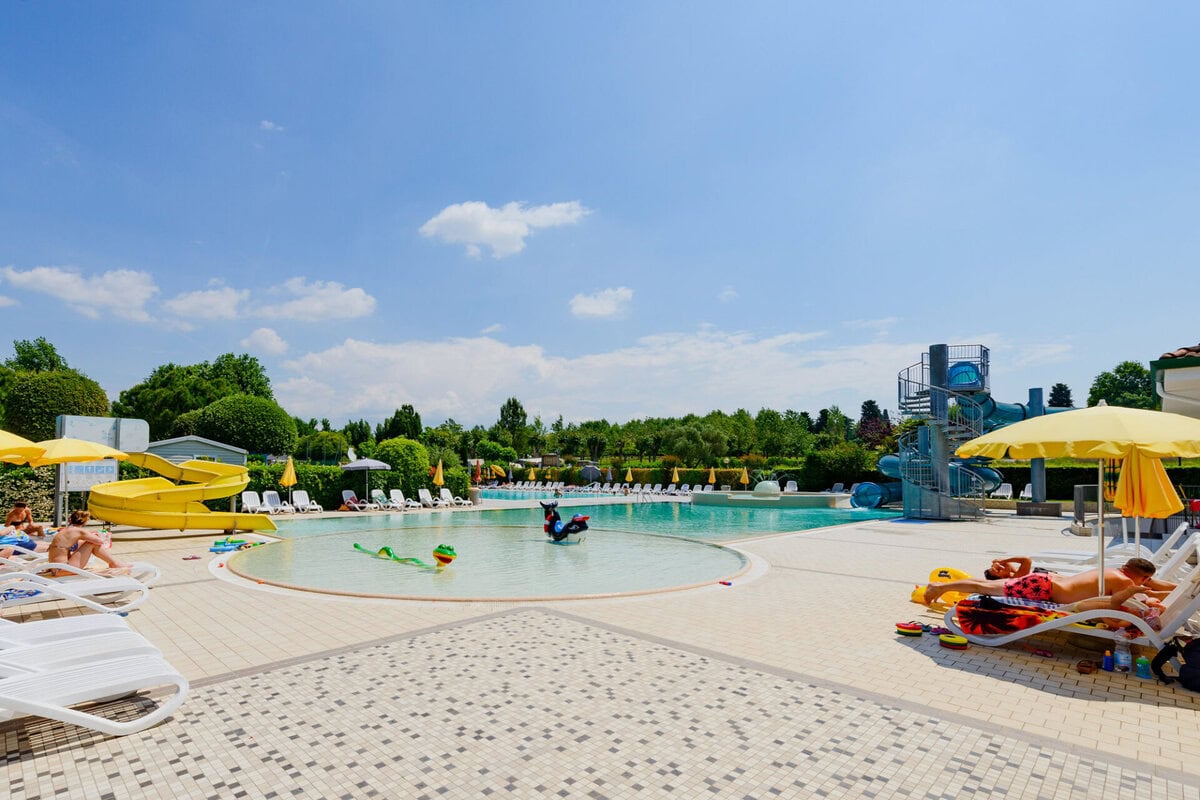
Beyond its history, the eastern shore is the primary hub for Italy’s leisure and theme park industry. Gardaland, the nation’s largest amusement park, is a central economic driver for the region. The 2026 season is scheduled to run from March 28 to November 1, with gate prices reflecting its status as a premier European attraction. Adjacent to this, the Caneva World complex provides cinema-themed entertainment and water parks, while Parco Natura Viva in nearby Bussolengo focuses on conservation and zoological research, housing 1,500 animals across 42 hectares.
Viticulture and Agriculture of the Veneto Shore
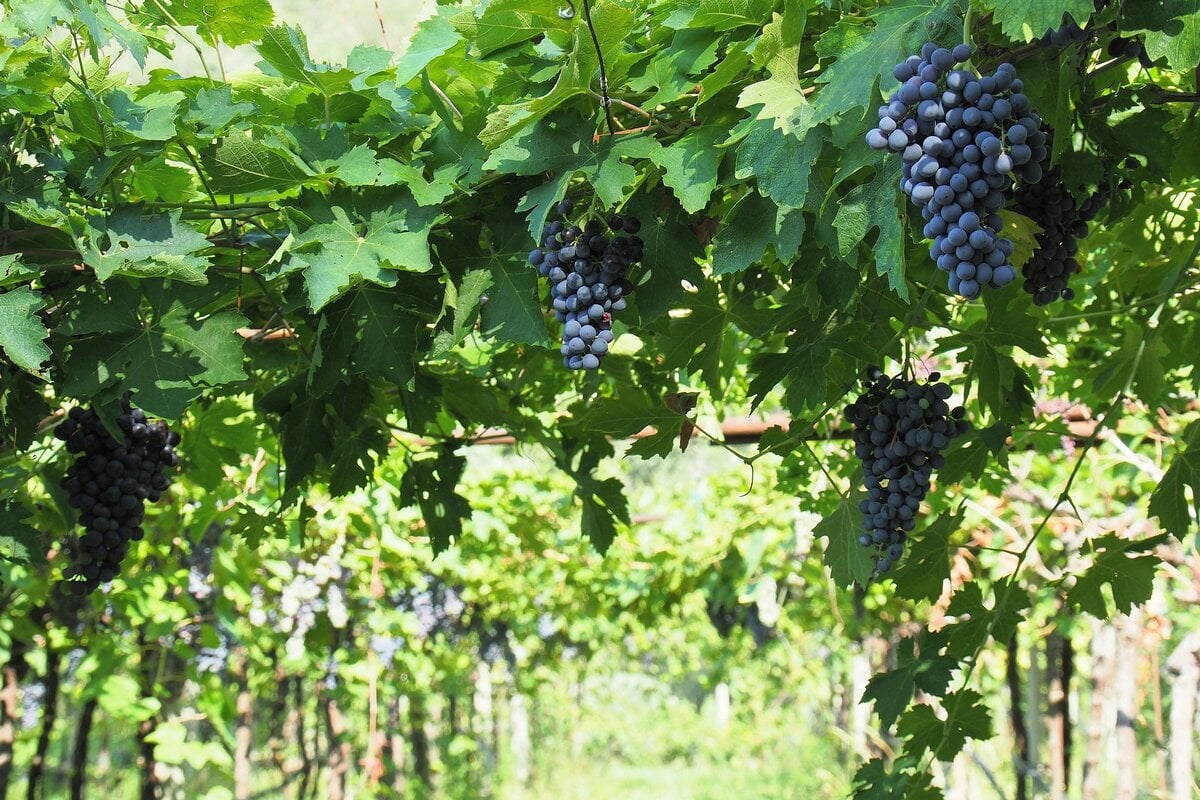
The economy of the eastern shore is equally rooted in the Bardolino DOC wine region. Established as one of Italy’s first protected designations in 1968, the area produces over 25 million bottles annually. The focus has recently shifted toward the "Chiaretto di Bardolino," a rosé that earned its own DOC in 2018. The viticulture here benefits from the morainic soil left by receding glaciers, producing light-bodied reds from Corvina and Rondinella grapes. Complementing the wine industry is the Garda DOP olive oil production. Producers on this shore utilize the Casaliva variety, adhering to strict cold-pressing standards that result in a high-quality oil characterized by a sweet almond finish.
The Southern Lombardy Shore: Connectivity and Roman Antiquity
Desenzano del Garda serves as the logistical gateway to the lake. Positioned on the high-speed rail line connecting Milan and Venice, it allows travelers to reach the lake from Milan in approximately 50 minutes. This connectivity has transformed Desenzano into a year-round urban center rather than a seasonal resort.
Archaeologically, the southern shore is home to some of the most significant Roman remains in Northern Italy. The Villa Romana dei Mosaici in Desenzano, discovered in 1921, contains over 1,000 square meters of polychrome floor mosaics dating from the 1st to the 5th century AD. These ruins provide insight into the "otium" (leisure) culture of the Roman elite who frequented the lake 2,000 years ago.
Sirmione: Thermal Science and Archaeological Scale
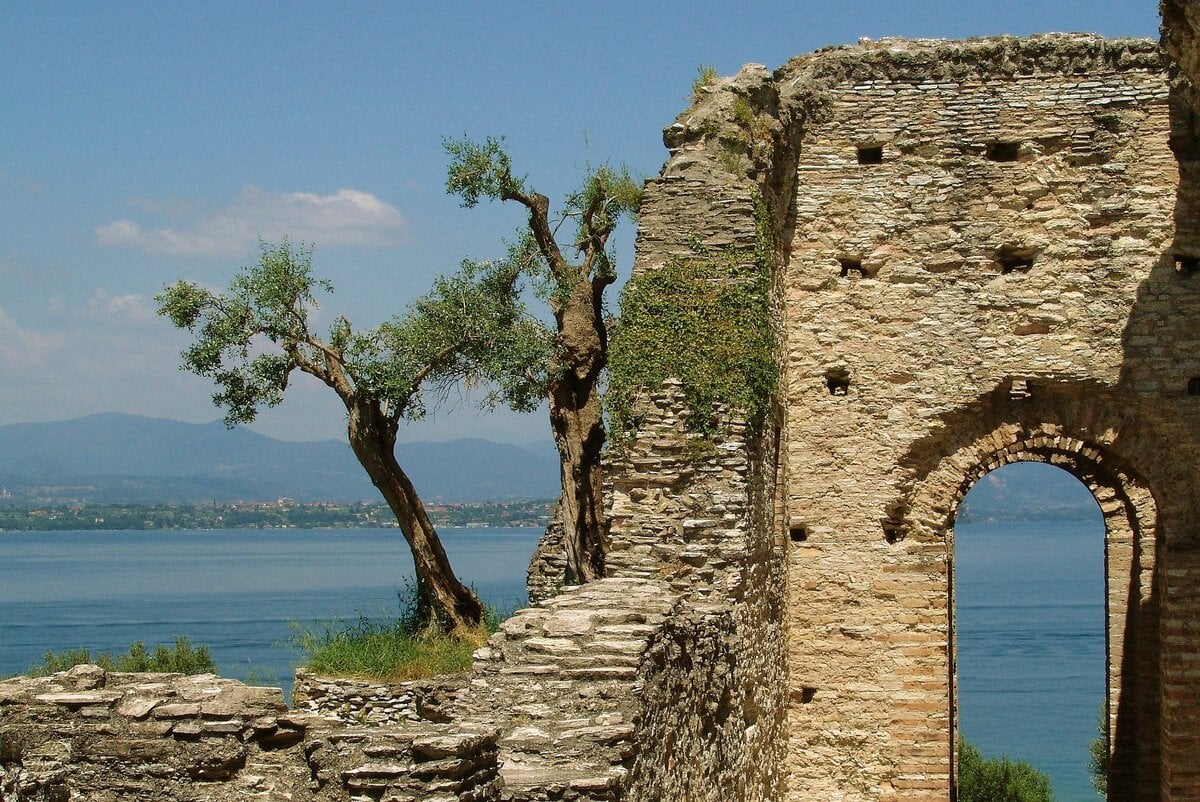
Nearby, the Sirmione peninsula represents a geological and historical anomaly. At its northernmost tip lies the Grotte di Catullo, the remains of the largest Roman private villa in Northern Italy. Spanning two hectares, the site is framed by an olive grove of 1,500 trees and overlooks the turquoise waters of the southern basin.
Sirmione’s global reputation is further bolstered by its thermal springs. The Fonte Boiola, a sulphurous spring, originates 20 meters below the lake bed. The water emerges at 69°C after a 20-year journey through the rock of Monte Baldo, where it absorbs minerals essential for respiratory and skin treatments. The Aquaria Thermal SPA utilizes this water in a modern wellness context, representing a significant sector of Sirmione’s luxury tourism economy.
The Northern Trentino Shore: Aerodynamics and Alpine Engineering
The landscape shifts dramatically in the north, where the lake narrows and is flanked by the sheer cliffs of the Gruppo del Baldo and the Brescian Prealps. Riva del Garda and Torbole are the primary centers here, world-renowned for their unique wind conditions.
The thermal wind system is a daily occurrence: the "Pelér" blows from the north in the early morning, while the "Ora" blows from the south from midday until sunset. This reliability has made the northern shore a primary destination for international sailing and windsurfing competitions.
The Ciclopista del Garda and the 2025 Expansion
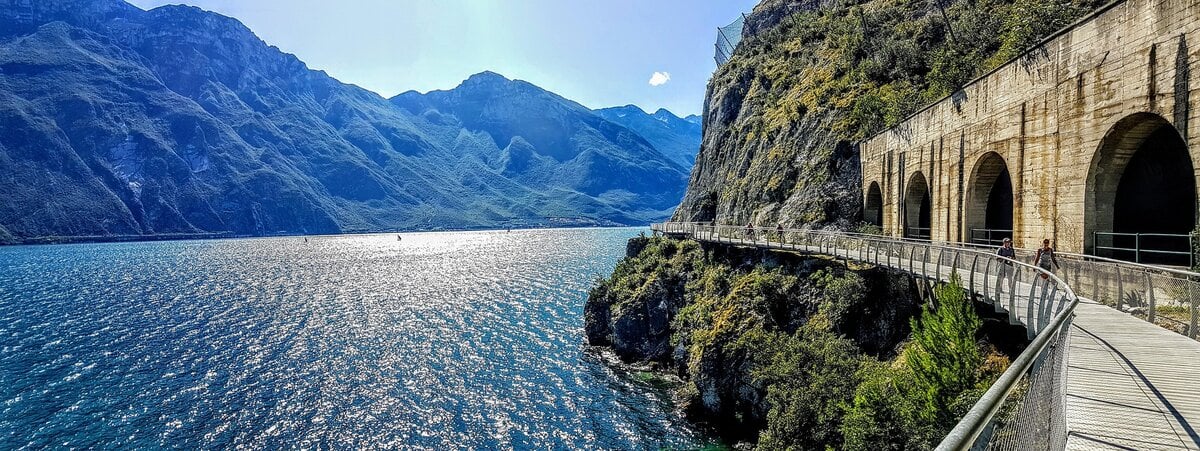
Engineering feats define the modern experience of the northern shore. The Ciclopista del Garda at Limone sul Garda, inaugurated in 2018, is a cantilevered pathway suspended 50 meters above the water. In March 2025, a critical new 1-kilometer section was opened, further connecting Riva del Garda toward Limone. This path is part of a broader infrastructure project aimed at reducing vehicular traffic and promoting "slow tourism."
Furthermore, the Funivia Malcesine-Monte Baldo provides a vertical link between the Mediterranean climate of the lakeshore and the alpine environment of the summit at 1,760 meters. The cable car’s rotating cabins offer a 360-degree view of the lake’s 52-kilometer expanse, highlighting the geographical diversity that allows for skiing in the winter and windsurfing in the summer within the same vista.
Chronology of Key Developments
- 983 AD: Emperor Otto II grants Lazise administrative independence.
- 1375–1381: Reconstruction of the Scaliger Castle in Lazise.
- 1848–1851: Construction of the Sentiero del Ponale as a military road.
- 1918: The northern shore (Trentino) is annexed to Italy from the Austro-Hungarian Empire.
- 1921: Accidental discovery of the Roman Villa mosaics in Desenzano.
- 1968: Bardolino receives DOC status for its wine production.
- 1997: Garda Olive Oil receives DOP protection.
- 2018: Inauguration of the cantilevered cycle path in Limone sul Garda; Chiaretto di Bardolino receives separate DOC status.
- 2025: Opening of the new 1km section of the Ciclovia del Garda connecting Riva del Garda southward.
Economic and Environmental Implications
The transition of Lake Garda toward a multi-modal transport hub is a strategic response to environmental pressures. Local tourism boards have noted that the reliance on cars during the peak months of July and August previously led to significant congestion and carbon emissions. By investing in the "Navigazione Lago di Garda" ferry system—which now operates 30 vessels, including hydrofoils and catamarans—regional authorities have successfully incentivized car-free travel.
The economic impact of this shift is measurable. The demand for e-bike rentals has surged, with daily rates ranging from €40 to €80, creating a secondary market for adventure tourism. Furthermore, the integration of regional rail passes with ferry tickets has encouraged visitors to stay longer and explore multiple shores, increasing the average spend per visitor across the three regions.
Practical Information for Planning
For those planning a visit in 2026, the optimal periods remain May, June, and September, when temperatures average 25°C and the full ferry schedule is in operation.
Transport Costs and Logistics:
- Ferry: A whole-lake day pass is priced at approximately €39.50.
- Rail: High-speed connections from Milan to Desenzano start at €12.
- Cable Car: A round trip on the Monte Baldo funicular is €30 (€28 if booked online).
Daily Expenses:
- Aperitivo: A standard Spritz ranges from €5 to €8.
- Dining: A mid-range dinner with local wine typically costs between €30 and €50 per person.
In conclusion, Lake Garda’s success as a premier European destination lies in its ability to balance high-capacity modern attractions with the preservation of its deep historical and environmental roots. Whether through the lens of Roman archaeology, Venetian maritime history, or Alpine engineering, the lake offers a complex, multi-layered experience that rewards those who navigate its three distinct shores.