Embracing the Ephemeral: A Strategic Guide to Japan’s Cherry Blossom Season and Responsible Tourism

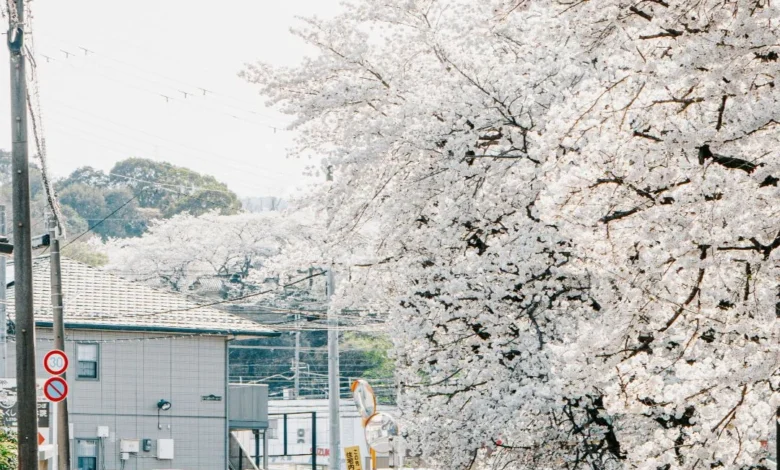
Japan’s cherry blossom season, known locally as sakura, represents one of the most significant cultural and economic periods for the island nation, drawing millions of international visitors eager to witness the fleeting transition from winter to spring. While the image of soft pink petals framing ancient architecture has become a global symbol of Japanese aesthetics, the reality of modern travel requires a sophisticated understanding of timing, geography, and social responsibility. The blooming period, which typically lasts only two weeks in any given location, is a masterclass in the Japanese philosophy of "mono no aware"—the bittersweet realization of the impermanence of all things. As tourism numbers in Japan reach record highs, the challenge for the modern traveler is to navigate this legendary landscape in a way that respects local communities and ensures the preservation of the very traditions they seek to experience.
The Cultural and Historical Significance of Sakura
The tradition of hanami, or flower viewing, dates back more than a millennium to the Nara Period (710–794), though it was originally the plum blossoms (ume) that held the nation’s attention. By the Heian Period (794–1185), the focus shifted to cherry blossoms, which were believed to house deities and signal the beginning of the rice-planting season. Today, the blossoms represent renewal and the start of the new academic and fiscal year in Japan.
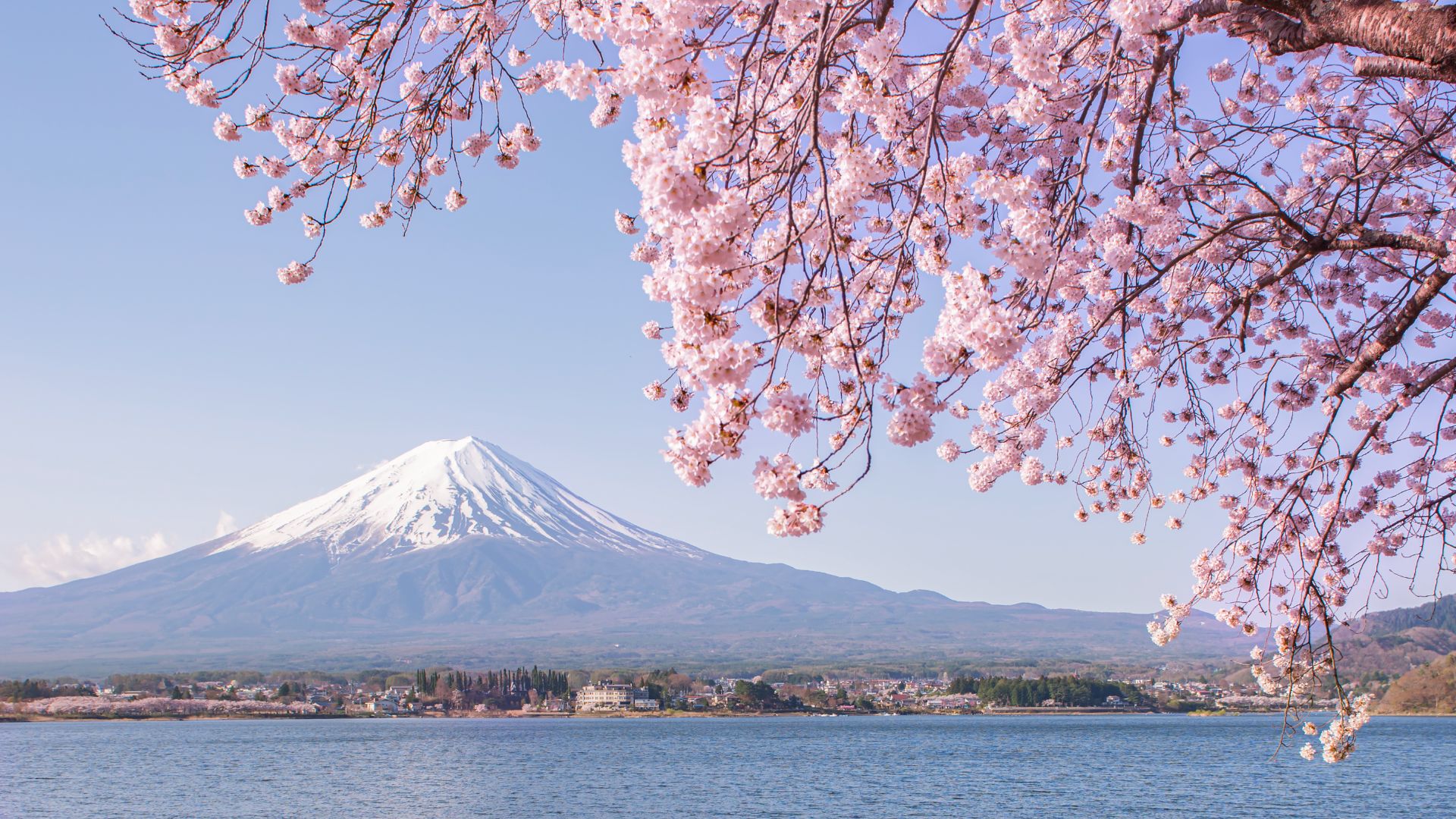
Central to this experience is the concept of "mono no aware." This aesthetic value emphasizes the beauty found in things that do not last. The cherry blossom is the ultimate avatar for this belief; its peak bloom is short-lived, and the subsequent "sakura fubuki" (cherry blossom blizzard), where petals fall like snow, is considered just as beautiful as the full bloom itself. Understanding this cultural context is essential for visitors, as it shifts the focus from a mere photo opportunity to a deeper, more meditative appreciation of nature’s cycles.
The Sakura Zensen: A Chronology of the Bloom
Planning a trip around cherry blossoms requires monitoring the "Sakura Zensen" or Cherry Blossom Front. Because Japan spans a wide range of latitudes, the trees do not bloom simultaneously. Instead, a wave of pink moves from the subtropical south toward the colder northern regions over several months.
- Early Bloomers (February to Early March): In towns like Kawazu on the Izu Peninsula, the Kawazu-zakura variety blooms much earlier than the standard trees, offering a vibrant, deeper pink hue.
- The Main Wave (Late March to Early April): This is when the most common variety, the Somei Yoshino, reaches peak bloom in major cities like Tokyo, Kyoto, and Osaka.
- The Northern Migration (Late April to May): As the season ends in the south, the blossoms begin to appear in the Tohoku region and finally in Hokkaido, where the bloom can coincide with the Golden Week holidays in early May.
- Autumn Deviations: Interestingly, Japan also hosts "Jugatsuzakura" (October cherry blossoms), which bloom sparingly from October through January, often overlapping with the fiery autumn foliage.
Data and Economic Impact of Spring Tourism
According to the Japan National Tourism Organization (JNTO), visitor arrivals have surged post-pandemic, with March and April 2024 seeing record-breaking numbers that exceeded 3 million monthly visitors for the first time in history. The economic impact is staggering; estimates suggest that the "sakura economy" contributes billions of dollars to the Japanese GDP through transport, hospitality, and seasonal retail products.
However, this influx of capital comes with a logistical cost. Major hubs like Kyoto and Tokyo face significant "overtourism" challenges. Data indicates that during peak bloom, hotel occupancy in Kyoto often exceeds 90%, and public transportation systems operate at maximum capacity. This has led to a growing dialogue regarding "tourist pollution" (kanko kogai), where the sheer volume of visitors disrupts the daily lives of residents.
The Challenge of Overtourism and Local Responses
The impact of mass tourism on local communities is a primary concern for Japanese authorities. Kenny Onishi, General Manager of Intrepid Japan, notes that some rural areas have been forced to cancel long-standing cherry blossom festivals. These cancellations often stem from an inability to manage crowd control, waste disposal, and the disrespectful behavior of a minority of visitors who trespass on private property or damage trees for the sake of social media content.
In response, several municipalities have implemented new measures:
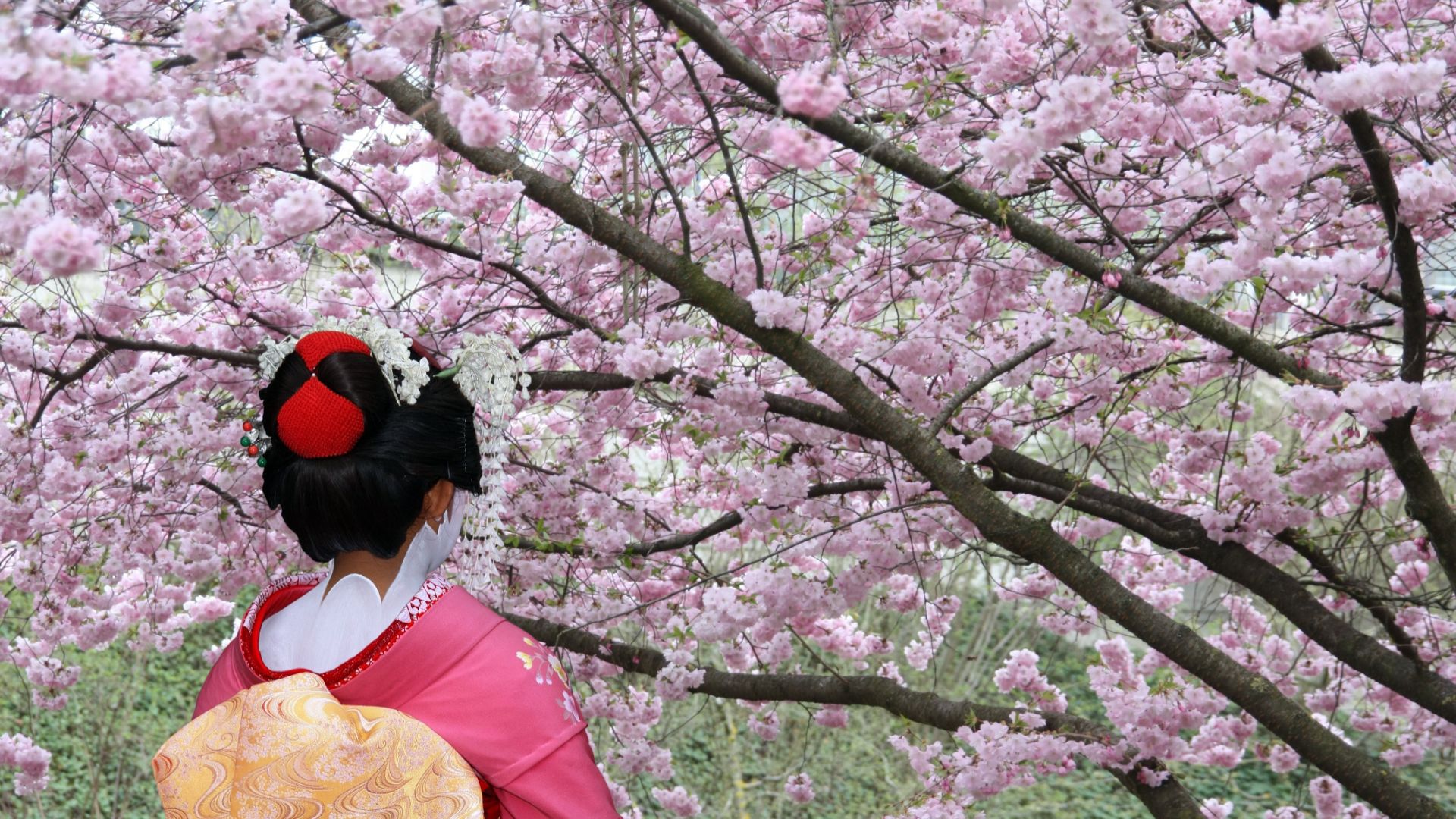
- Kyoto: The city has introduced "tourist-only" bus routes to alleviate pressure on local commuter lines and has banned photography in certain private alleys of the Gion district to protect the privacy of geiko and maiko.
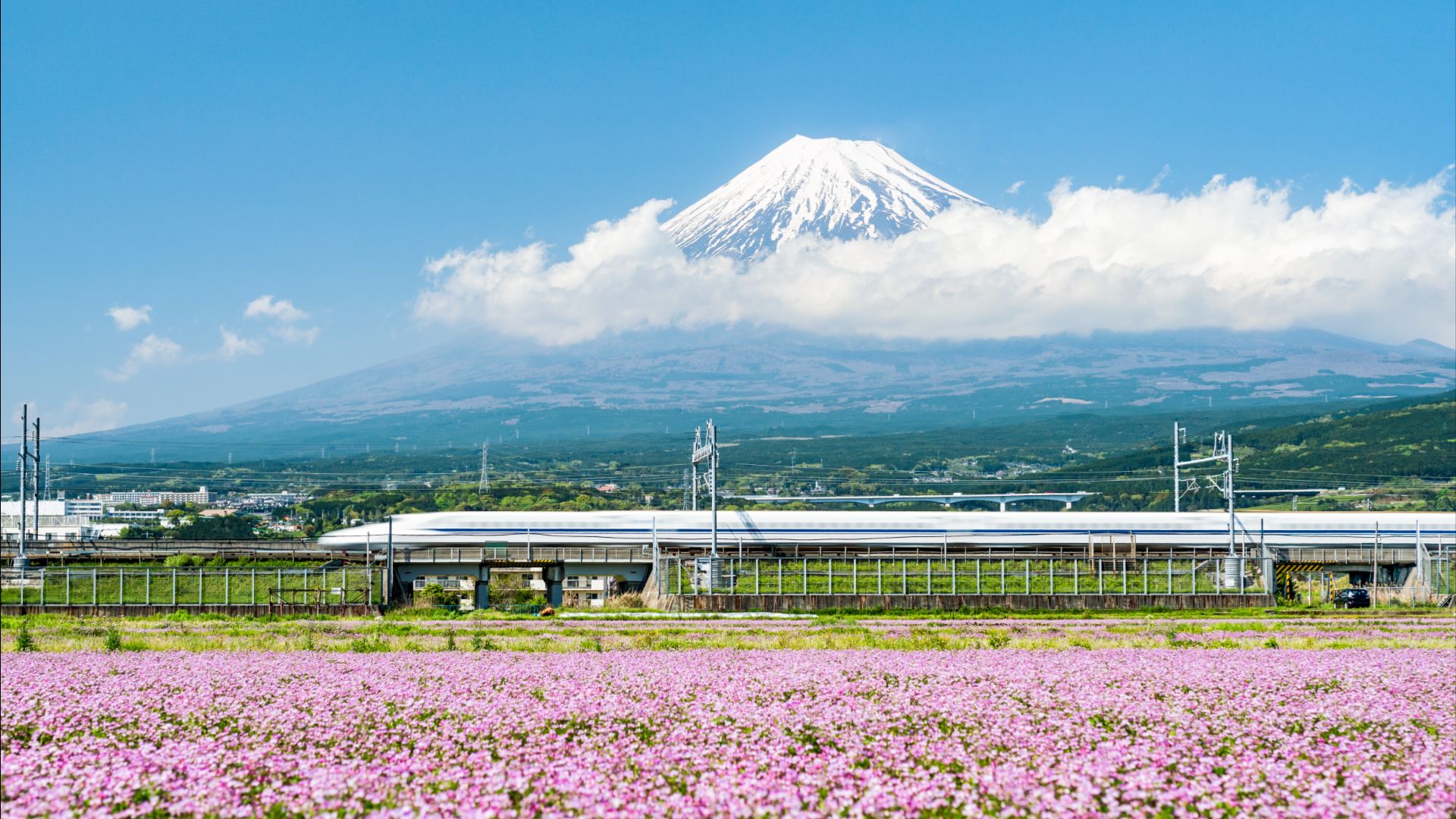
- Mount Fuji: Authorities have implemented hiker caps and entry fees for popular trails to manage the environmental impact of the crowds.
- Rural Incentives: The Japanese government is actively promoting "decentralized tourism," encouraging visitors to explore lesser-known prefectures like Akita, Ishikawa, or Kochi, which offer stunning blossoms with a fraction of the crowds found in the "Golden Route" cities.
Regional Guide: Strategic Locations for Viewing and Beyond
Tokyo: The Urban Canopy
Tokyo offers a unique juxtaposition of futuristic skylines and delicate nature. Ueno Park, home to over 1,000 trees, is the city’s premier hanami spot. The trees here often bloom slightly earlier than the rest of the city. The Meguro River provides a different atmosphere, where trees lean over the canal, creating a tunnel of pink that is illuminated at night (yozakura).
- Beyond the Bloom: Travelers are encouraged to visit the traditional neighborhood of Asakusa or explore the "depachika" (basement food halls) of major department stores to sample seasonal sakura-flavored wagashi (traditional sweets).
Hokkaido: The Late Season Frontier
Hokkaido is the last stop for the cherry blossom front, making it ideal for those who miss the main April window. Sapporo’s Maruyama Park and the star-shaped Goryokaku Fort in Hakodate are iconic locations.
- Beyond the Bloom: Hokkaido is a center for Indigenous Ainu culture. Visiting the Upopoy National Ainu Museum and Park provides critical historical context regarding the island’s original inhabitants.
Hirosaki: The Castle Moats
Located in Aomori Prefecture, Hirosaki Park is widely considered one of the top three cherry blossom spots in Japan. The park features over 2,500 trees, some over a century old. When the petals fall into the castle moats, they create a "hana-ikada" (flower raft), covering the water in a solid carpet of pink.
- Beyond the Bloom: Hirosaki is Japan’s largest producer of apples. Visiting local orchards or exploring the city’s well-preserved samurai district offers a glimpse into the region’s agricultural and feudal history.
Nara and Mount Yoshino: The Sacred Slopes
Mount Yoshino has been Japan’s most famous cherry blossom destination for centuries. More than 30,000 cherry trees of various types are planted across the mountain’s slopes, divided into four sections that bloom at different times as the altitude increases.
- Beyond the Bloom: Nara Park is home to hundreds of protected, free-roaming deer, considered messengers of the gods in Shintoism. The city also houses the Todai-ji Temple, which contains one of the world’s largest bronze Buddha statues.
Kyoto: The Cultural Heart
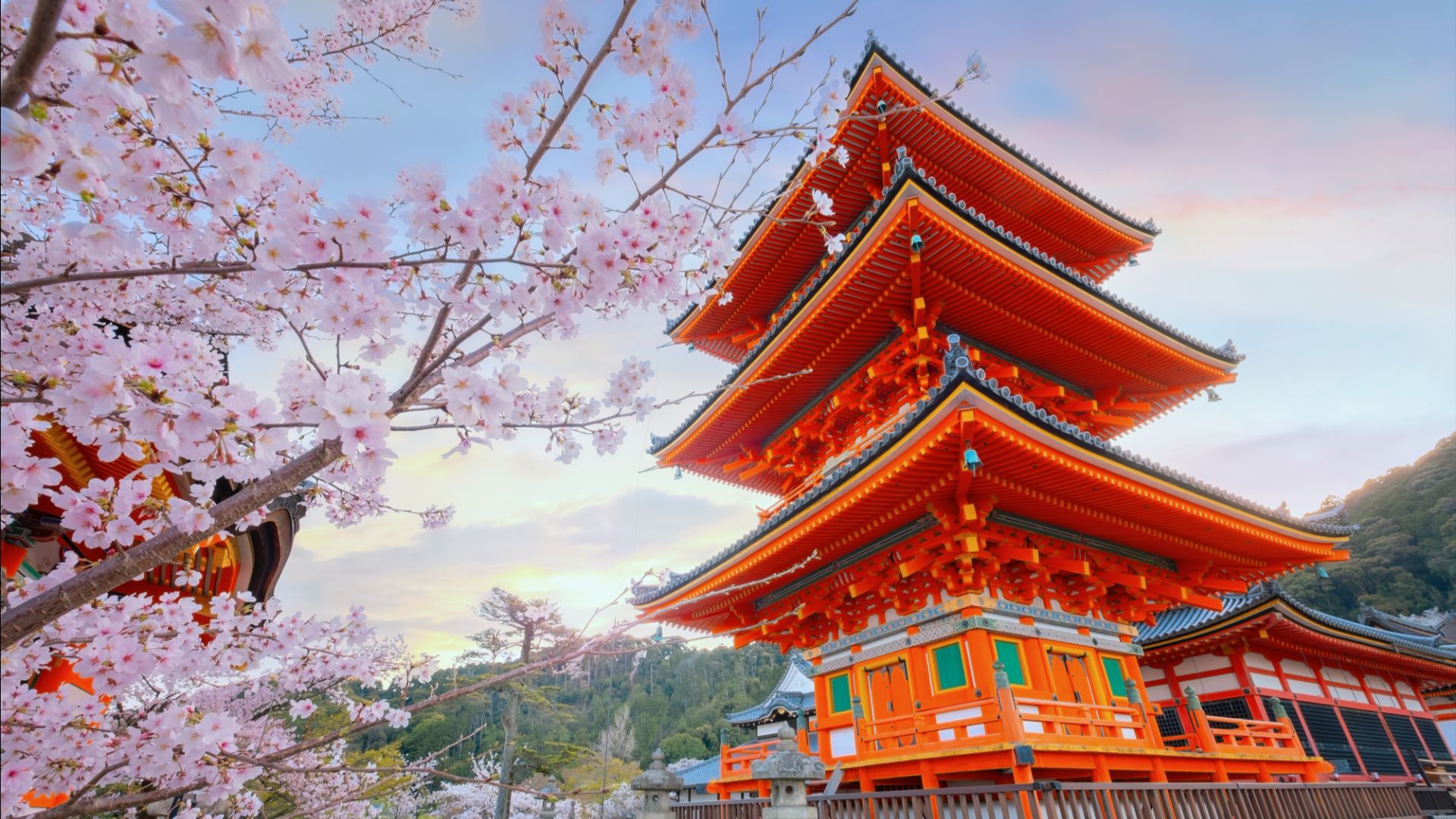
Kyoto’s Philosopher’s Path, a stone walkway along a canal lined with hundreds of cherry trees, is the city’s most famous viewing spot. Arashiyama, on the western outskirts, offers a more rugged landscape where blossoms dot the forested mountainsides.
- Beyond the Bloom: Kyoto is the center of traditional Japanese crafts. Engaging in a Kyo-yuzen silk dyeing workshop or attending a formal tea ceremony (chado) provides a tangible connection to the city’s 1,200-year history.
Practical Strategies for Responsible Travel
To travel respectfully during this high-traffic season, experts suggest several key behaviors:
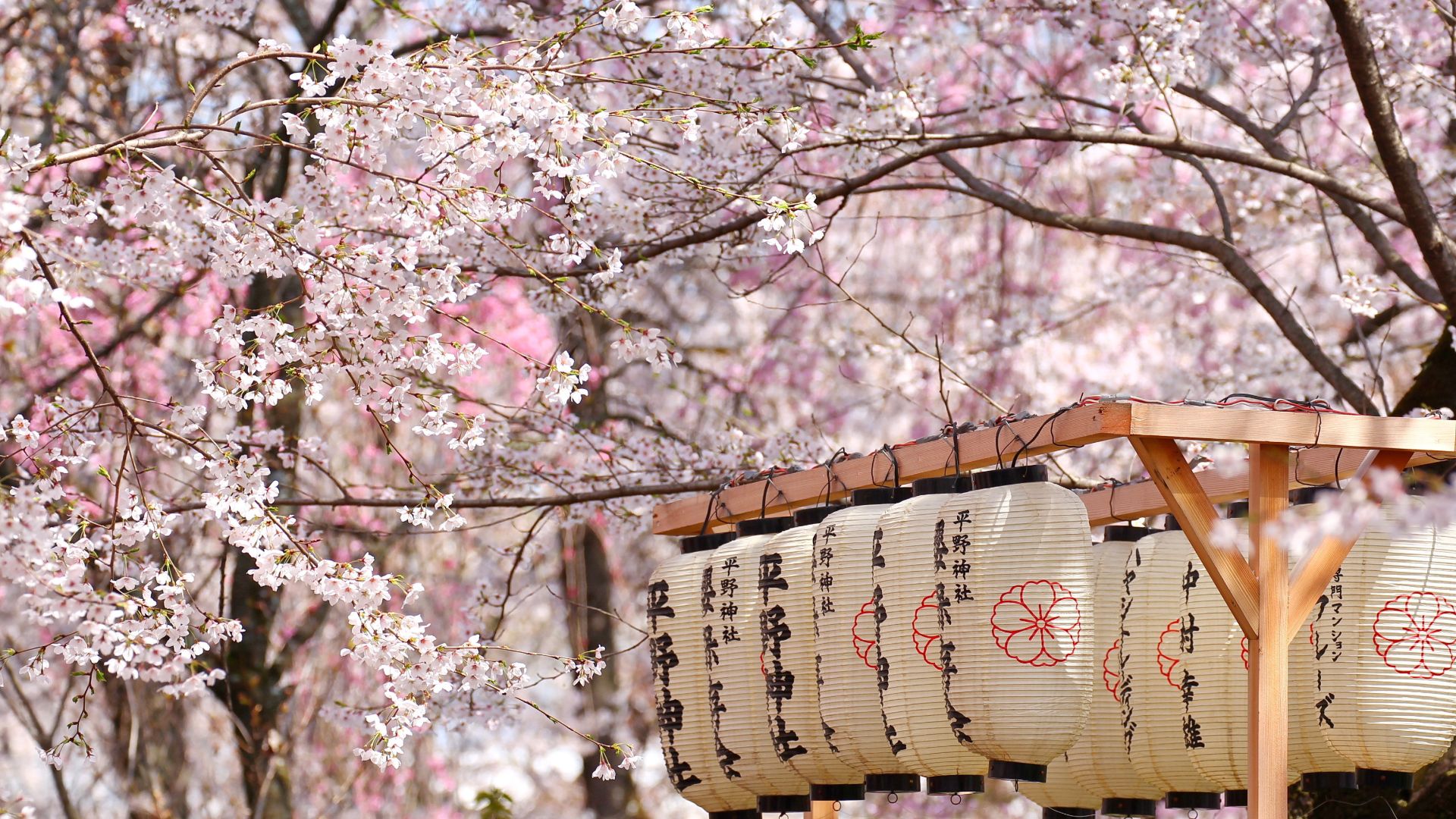
- Practice Hanami Etiquette: When picnicking, use designated areas, never touch or climb the trees (as they are fragile and susceptible to disease), and always take your trash with you.
- Support the Local Economy: Stay in locally-owned ryokans (traditional inns) and dine at small, independent restaurants rather than international chains.
- Embrace Off-Peak Hours: Visiting popular shrines and parks at sunrise not only provides better lighting for photography but also reduces the midday congestion that frustrates local residents.
- Consider the "Koyo" Alternative: For those wary of spring crowds, the autumn foliage (koyo) season from late October to early December offers equally stunning landscapes with more predictable weather and slightly fewer tourists.
Implications and Long-term Outlook
The future of Japan’s cherry blossom season is inextricably linked to climate change. Historical data from Kyoto, which has records dating back to 812 AD, shows that peak bloom dates are occurring earlier than at any point in the last millennium. In 2021, Kyoto reached peak bloom on March 26, the earliest date in 1,200 years. This shift forces the tourism industry to become more adaptable and emphasizes the need for visitors to remain flexible.
Ultimately, the allure of the cherry blossoms lies in their ability to force a pause in the frantic pace of modern life. While the "perfect" photo is often the goal for many, the true value of a spring visit to Japan is found in the quiet moments: a shared meal under the trees, a conversation with a local artisan, or the simple sight of a single petal floating on a temple pond. By prioritizing responsibility and cultural depth over mere sightseeing, travelers can ensure that the tradition of hanami remains a vibrant and sustainable part of Japan’s heritage for centuries to come.