Seven Premier Remote Destinations for Global Wilderness Backpacking and Off-Grid Exploration

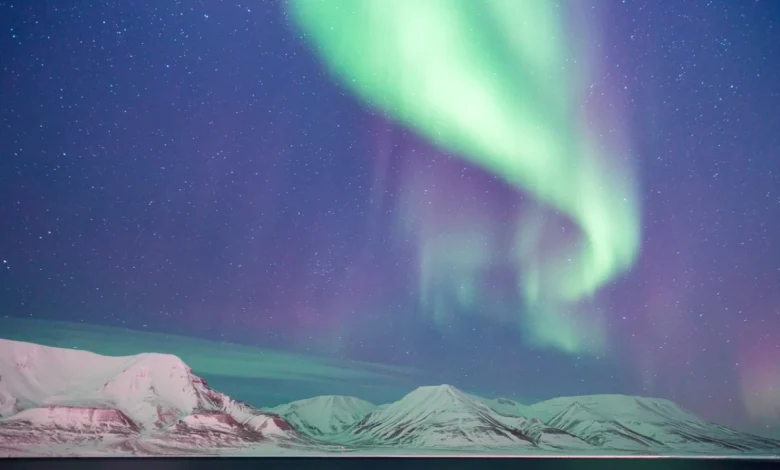
As global urbanization continues to expand at an unprecedented rate, the preservation of untamed wilderness has become a focal point for environmentalists and adventure travelers alike. According to United Nations projections, approximately 68% of the world’s population will reside in urban areas by 2050, a shift that intensifies the "parasitic" encroachment of infrastructure onto natural habitats. For the modern backpacker, the quest for isolation now requires navigating deeper into the world’s remaining frontiers. From the rift valleys of Siberia to the volcanic highlands of Iceland, several key destinations remain where human presence is minimal and the ecological integrity of the land is largely intact. These locations offer more than just aesthetic value; they represent the final bastions of Earth’s undisturbed geological and biological history.
1. Lake Baikal, Russia: The Geological Frontier of Siberia
Lake Baikal, situated in southeastern Siberia near the Mongolian border, represents a unique convergence of geological history and ecological diversity. Known as the "Galapagos of Russia," the lake contains approximately 20% of the world’s unfrozen freshwater. Geologically, it sits within the Baikal Rift Zone, a divergent plate boundary where the Asian continent is slowly splitting apart at a rate of approximately two centimeters per year. Scientists project that in several million years, this rift will widen sufficiently to form a new ocean.
Ecological Significance and Landmark Features
The lake’s isolation has fostered the evolution of over 2,000 species of flora and fauna, many of which are endemic. The Nerpa, the world’s only exclusively freshwater seal, is a primary attraction for researchers and visitors. On the western shore, Olkhon Island serves as the spiritual heart of the region. The island is home to Shamanka Rock, an ancient site of Shamanistic rituals. Historically, the local Buryat people viewed the rock as a dwelling for the spirits of the lake, and it remains a site of significant cultural heritage.
Logistics and Infrastructure
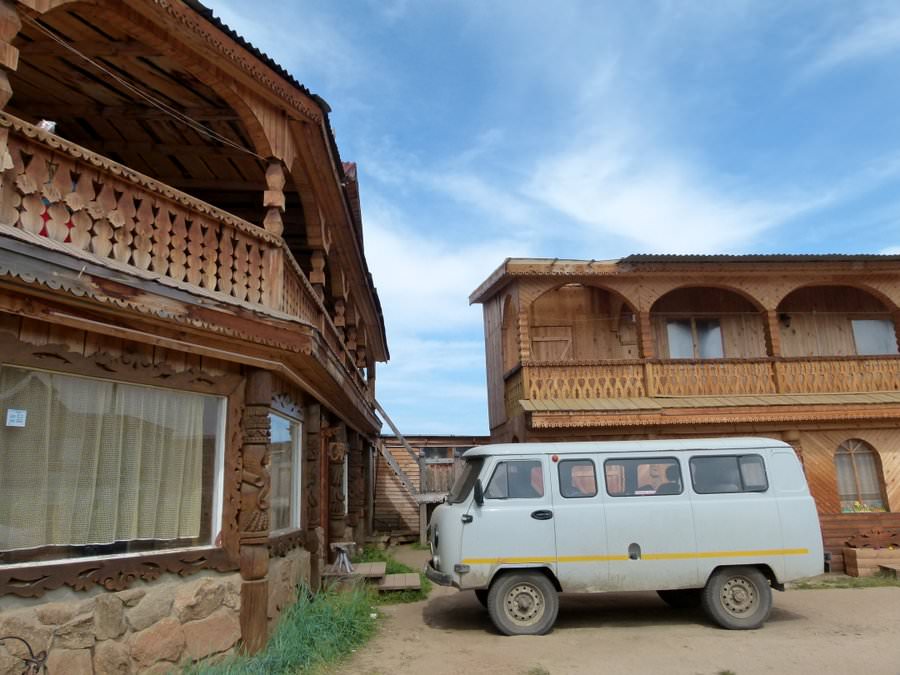
Accessing Baikal requires significant planning. The primary gateway is the city of Irkutsk, a major hub on the Trans-Siberian Railway. From Irkutsk, travelers typically proceed to Listvyanka to access the Great Baikal Trail. This ongoing infrastructure project, maintained by volunteers, aims to create a sustainable trekking route around the lake’s perimeter. Alternatively, a seven-hour journey via rugged van transport leads to the ferry terminal for Olkhon Island. Accommodations like Nikita’s Homestead provide essential services in an environment where extreme weather can fluctuate rapidly.
2. Svalbard Archipelago, Norway: Arctic Isolation and Polar Safety
Located halfway between mainland Norway and the North Pole, the Svalbard Archipelago is one of the world’s northernmost inhabited areas. It is a land of extreme conditions, characterized by the "Midnight Sun" from late May to mid-August and the "Polar Night" during winter. The region is governed by the Svalbard Treaty of 1920, which grants Norway sovereignty while allowing international citizens equal rights to reside and conduct business, making it a unique geopolitical anomaly.

The Phenomenon of Fata Morgana and Arctic Wildlife
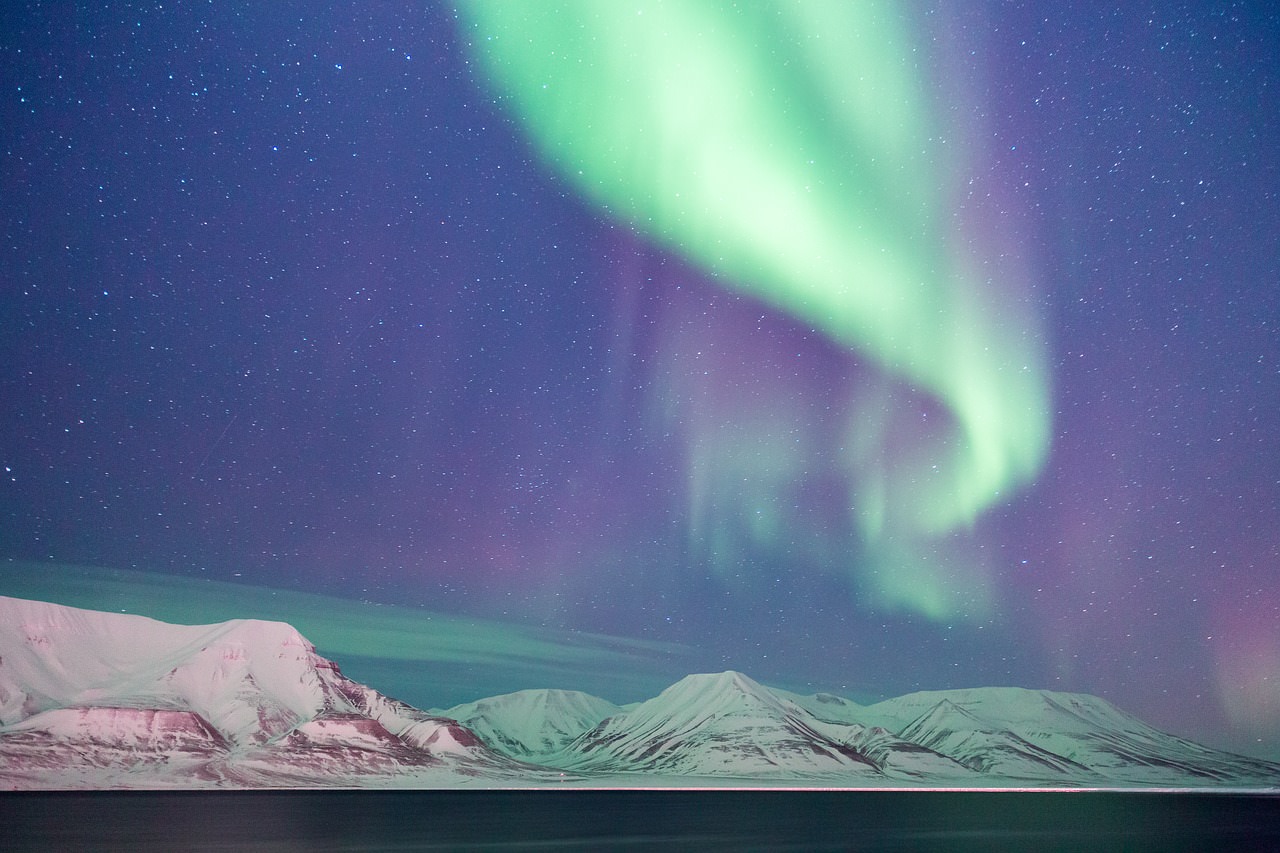
Svalbard is famous for the Fata Morgana, an atmospheric optical illusion where distant objects appear elongated or distorted due to temperature inversions. The purity of the Arctic air removes traditional depth perception, creating a two-dimensional visual landscape. The archipelago is also a critical habitat for the Ursus maritimus (polar bear). Due to the high density of these predators, local laws require travelers venturing outside the main settlement of Longyearbyen to carry a firearm or be accompanied by a licensed guide for protection.
Transportation and Scientific Importance
The archipelago is primarily accessed via flights from Oslo or Tromsø to Longyearbyen. Beyond the town, there are virtually no roads, necessitating the use of snowmobiles, boats, or expedition-grade trekking equipment. Svalbard also houses the Global Seed Vault, a "doomsday" facility designed to preserve the world’s crop diversity against global catastrophes, highlighting the region’s role as a secure, remote laboratory for humanity.
3. Torres del Paine, Chile: Conservation in the Patagonian Steppe
Torres del Paine National Park in southern Chile is a cornerstone of South American conservation. Once a sprawling sheep ranch, the 227,000-hectare area was designated a national park in 1959 and later a UNESCO Biosphere Reserve. It is defined by its dramatic granite pillars, calving glaciers, and the vast Patagonian steppe.

The "O" and "W" Trekking Circuits
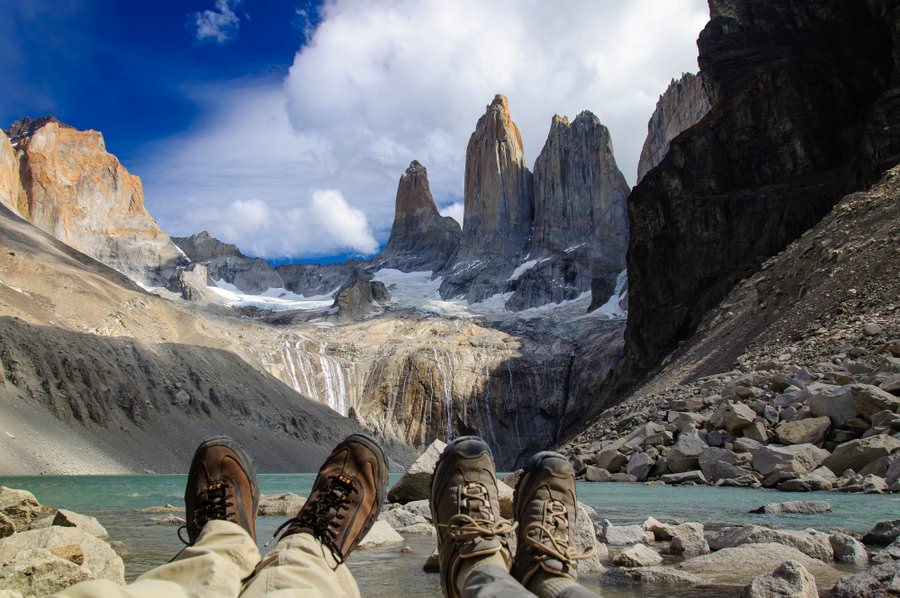
The park is world-renowned for its trekking infrastructure, specifically the "O" Circuit (a full loop) and the "W" Trek (a partial route). These trails take backpackers past Lake Nordenskjöld and the Salto Grande waterfall. Lake Pehoe offers iconic views of the Cuernos del Paine (Horns of Paine). Environmental data indicates that the region is experiencing rapid glacial retreat, particularly at the Grey Glacier, making the preservation of these trails a high priority for the Chilean National Forest Corporation (CONAF).
Access and Environmental Regulations
Travelers typically fly into Punta Arenas and proceed by bus to Puerto Natales before entering the park. Due to its popularity and fragile ecosystem, CONAF has implemented strict booking systems for campsites and mountain huts (refugios). Backpackers are required to carry out all waste and adhere to strict fire bans, following several devastating wildfires caused by human negligence in previous decades.
4. Laugavegurinn Trail, Iceland: Volcanic Highlands and Geothermal Activity
The Laugavegurinn Trail, stretching 55 kilometers between Landmannalaugar and Þórsmörk, is often cited as one of the most geologically diverse paths on Earth. The trail traverses the Southern Highlands, an area shaped by the constant tension between volcanic heat and glacial ice.
Geological Features and Seasonal Constraints
The landscape is characterized by rhyolite mountains, which display vibrant hues of yellow, pink, and green due to mineral deposits. The trail passes through active geothermal zones featuring steaming vents and hot springs, as well as obsidian lava fields. Because of its high altitude and proximity to the North Atlantic, the trail is only accessible from mid-July to mid-September. Outside this window, heavy snow and impassable rivers make the route hazardous for even experienced trekkers.
Management of Tourism Growth
The Icelandic government and the Iceland Touring Association (FÍ) have worked to manage the influx of "adventure tourists" by maintaining a network of mountain huts. This infrastructure is essential for protecting the delicate moss-covered tundra, which can take decades to recover from a single human footprint.
5. Mount Rinjani, Indonesia: Volcanic Resilience on Lombok
At 3,726 meters, Mount Rinjani is the second-highest volcano in Indonesia. Located on the island of Lombok, it holds deep spiritual significance for the local Sasak people and the Balinese, who perform annual pilgrimages to the summit and the Segara Anak crater lake.
Impact of Seismic Activity
The trekking landscape of Rinjani was significantly altered by a series of powerful earthquakes in 2018. These events caused massive landslides, temporarily closing the park and destroying parts of the trail infrastructure. The subsequent reopening of the park has seen a renewed focus on safety and porter welfare. The trek is categorized as "difficult," involving steep climbs through tropical rainforests and loose volcanic scree.
Biodiversity and Guide Regulations
The park is a haven for biodiversity, including the rare proboscis monkey and various species of tropical birds. While independent trekking is possible, the Indonesian government strongly encourages the hiring of local guides and porters. This policy serves as a vital economic driver for the surrounding villages and ensures that "Leave No Trace" principles are enforced in the sensitive volcanic environment.
6. Golden Bay, New Zealand: Isolation at the Tip of the South Island
Golden Bay, located at the northwestern extremity of New Zealand’s South Island, is separated from the rest of the country by the formidable Takaka Hill. This geographic barrier has preserved a "laid-back" counter-culture and a pristine natural environment that differs significantly from the more commercialized hubs of Queenstown or Auckland.
Natural Landmarks and Marine Life
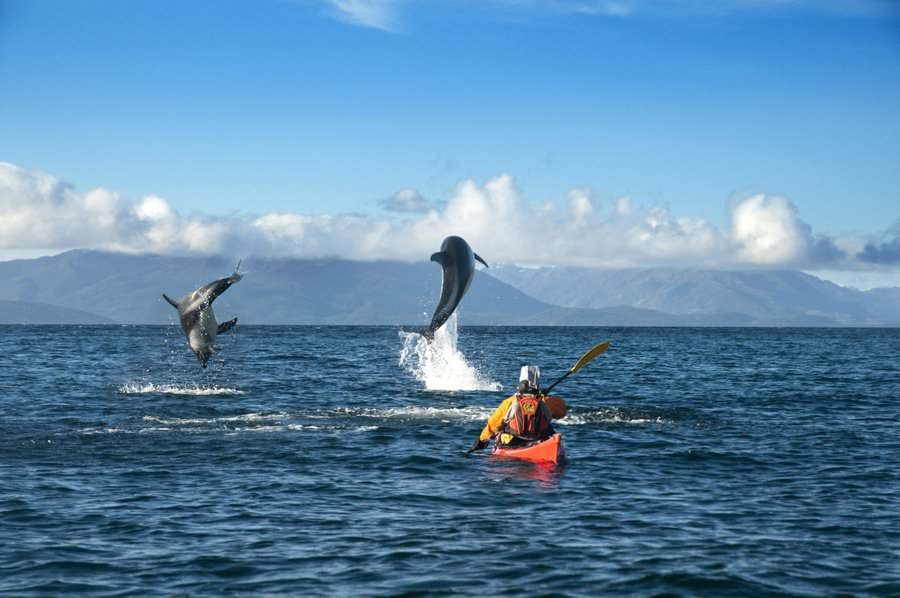
The region serves as the gateway to the Abel Tasman National Park and the Kahurangi National Park. Key landmarks include Wharariki Beach, famous for its massive sea stacks and resident seal pups, and the Te Waikoropupū Springs. These springs are among the clearest in the world, with horizontal visibility exceeding 60 meters. For the Māori people, the springs are wāhi tapu (sacred), and swimming is strictly prohibited to maintain their purity.
Infrastructure and Accessibility
The lack of a commercial airport in Golden Bay necessitates a drive over the winding "Marble Mountain" (Takaka Hill). This isolation ensures that visitor numbers remain manageable, preserving the quietude that backpackers seek. The Abel Tasman Coast Track, one of New Zealand’s "Great Walks," offers a coastal trekking experience that combines native bush with golden sand beaches.
7. Kyrgyzstan: The Emergence of Central Asian Trekking
Kyrgyzstan is rapidly becoming a premier destination for off-grid backpacking due to its 90% mountainous terrain and its heritage of nomadic hospitality. The country has leveraged its location on the ancient Silk Road to develop a robust "Community Based Tourism" (CBT) network.
High-Altitude Lakes and Nomadic Culture
The Jyrgalan Valley and the shores of Lake Issyk-Kul offer vast, uncrowded landscapes for exploration. Backpackers often engage in multi-day horse treks to Song Kol Lake, where they can stay in traditional felt yurts with nomadic families. The Pamir Highway, which connects Kyrgyzstan to Tajikistan, provides access to some of the highest mountain passes in the world, offering a level of isolation rarely found in Europe or North America.
Policy and Broader Impact
Kyrgyzstan’s decision to implement a visa-free regime for many Western nations has significantly boosted its profile. This "open door" policy, combined with investment in trail marking and mountain safety, positions the nation as a leader in sustainable mountain tourism.
Broader Implications: The Future of Remote Wilderness
The rise in remote backpacking reflects a broader societal shift toward "slow travel" and environmental consciousness. However, the increased accessibility of these once-hidden gems poses a significant challenge for conservation. The "official response" from many of these regions—ranging from Chile’s permit systems to Iceland’s infrastructure investment—indicates a growing recognition that wilderness must be managed to be preserved.

As urbanization continues to reclaim natural spaces, the value of these seven destinations lies not just in their beauty, but in their ability to offer a baseline of what the planet looks like in its natural state. For the global backpacking community, the responsibility is clear: to explore these regions with a commitment to minimal impact, ensuring that the "remote" remains remote for generations to come.