The Impact of Perception on Global Tourism and the Role of Interpersonal Trust in Solo Travel

The global tourism industry is currently navigating a complex dichotomy between increased accessibility and a rising tide of travel-related anxiety fueled by digital misinformation and cultural stereotypes. While international arrivals have seen a robust recovery in the post-pandemic era, a significant segment of potential travelers remains deterred by perceptions of danger, scams, and localized "hassle." This phenomenon, often termed "travel paralysis," is frequently rooted in a lack of interpersonal trust and an overreliance on negative anecdotes found in social media echo chambers. Industry analysts suggest that while safety precautions are essential, the erosion of trust in local populations risks undermining the very essence of cross-cultural exchange that drives the multi-billion dollar travel sector.
The Psychological Barrier: Negativity Bias and the Digital Echo Chamber
The tendency for travelers to focus on negative experiences over positive ones is a well-documented psychological trait known as negativity bias. In the context of modern travel, this bias is amplified by social media platforms where "scam warnings" and "safety alerts" often garner more engagement than stories of hospitality or successful cultural immersion. This creates a skewed reality where destinations like Egypt, Morocco, or parts of Southeast Asia are branded as "dangerous" based on the persistent actions of a small minority of touts or vendors in high-traffic tourist zones.
Experts in travel sociology note that the "hassle" often reported in historical or cultural hubs is rarely a precursor to physical danger. Instead, it is frequently a manifestation of the informal economy in regions heavily dependent on tourism. However, for the uninitiated solo traveler, the aggressive sales tactics encountered at sites such as the Giza Plateau or the souks of Marrakech can trigger a "fight or flight" response, leading to mass generalizations about the safety of an entire nation. The result is a growing trend of "defensive traveling," where visitors isolate themselves from local interactions, thereby missing the nuanced cultural connections that define the travel experience.
Case Study: The Perception Gap in Egyptian Tourism
Egypt serves as a primary example of the disconnect between perceived risk and on-the-ground reality. Despite the Egyptian Ministry of Tourism and Antiquities implementing rigorous safety measures—including the deployment of dedicated Tourist Police and the modernization of infrastructure—social media platforms remain rife with warnings about the "relentless" nature of touts at the Pyramids.
A recent analysis of social media commentary regarding Giza revealed a high level of hysteria. Comments ranging from "they are all out to scam you" to advice suggesting travelers "just don’t speak to anyone" highlight a fundamental breakdown in the traveler-host relationship. This climate of mistrust is often perpetuated by individuals who have never visited the country but are influenced by viral negative content.
In reality, while the presence of persistent street vendors is a factual aspect of the Egyptian tourism landscape, it does not equate to a lack of safety. Data from international travel safety indices suggests that the vast majority of visits to Egypt are trouble-free. The Egyptian government has responded to these perceptions by introducing new regulations for site guides and vendors, aiming to professionalize the experience while maintaining the livelihoods of those who depend on the site.
A Chronology of the Traveler’s Perception Shift
The evolution of a traveler’s mindset typically follows a distinct chronology, influenced by both external data and personal experience:
- The Pre-Departure Phase: Travelers often begin with excitement, which is quickly tempered by research. In this phase, negative reviews and government travel advisories carry disproportionate weight.
- The Initial Encounter: Upon arrival in a new destination, the "culture shock" phase can heighten sensitivity to perceived threats. Simple cultural differences in communication styles may be misinterpreted as aggression or intent to scam.
- The Defensive Plateau: If a traveler experiences a minor negative interaction (e.g., being overcharged for a taxi), they may enter a phase of total mistrust, closing themselves off to all local engagement.
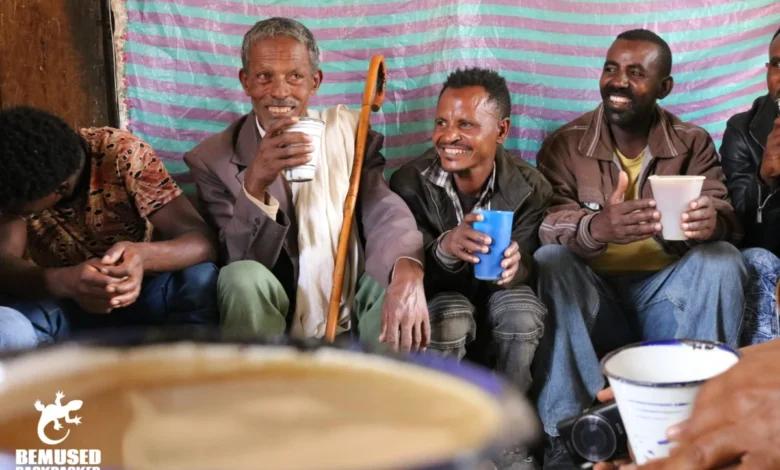
- The Realization/Immersion Phase: For many, a single act of genuine local kindness—such as receiving directions without an ulterior motive or being invited for tea—breaks the defensive barrier. This is the point where the traveler recognizes that the majority of the population is inherently helpful.
Supporting Data: Global Peace and Tourism Growth
According to the 2023 Global Peace Index, while global peacefulness has seen slight fluctuations, the vast majority of traditional tourist destinations remain statistically safe for foreign visitors. Furthermore, data from the World Tourism Organization (UNWTO) indicates that solo travel is one of the fastest-growing sectors in the industry, with a 25% increase in solo bookings over the last three years.
This growth occurs alongside a contradictory rise in travel insurance claims related to "perceived insecurity," suggesting that while more people are traveling alone, they are doing so with higher levels of baseline anxiety. Financial analysts in the tourism sector argue that destinations which fail to manage the "hassle factor" risk losing significant revenue to more "sterile" or highly regulated environments, even if those environments offer less cultural depth.
The Role of Human Connection in Travel Efficacy
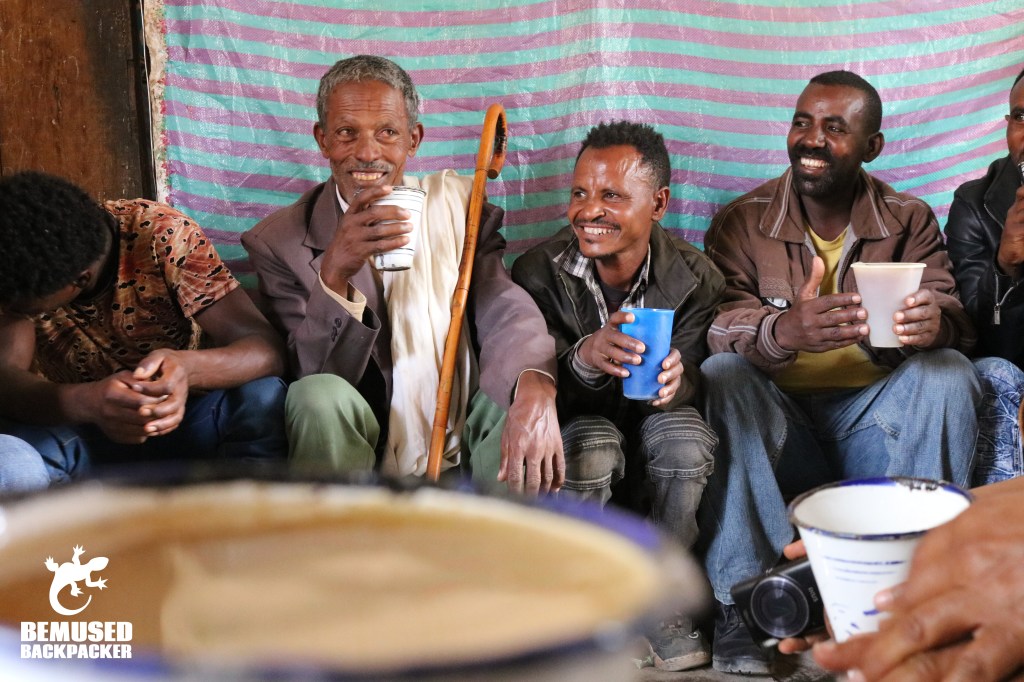
Veteran travelers and industry experts, including those with decades of experience in the field, argue that the world is inherently good and that human connection is the primary "gift" of travel. This perspective is supported by countless documented instances of local altruism that often go unreported in mainstream media.
Examples of such interactions include:
- Emergency Medical Assistance: In rural Thailand, local massage schools have been known to provide free traditional treatments for travelers suffering from severe ailments, refusing payment as a gesture of hospitality.
- Altruistic Rescue: In high-altitude regions like the Himalayas, local villagers frequently assist trekkers suffering from altitude sickness, providing transport and care without financial solicitation.
- Preventative Care: In the heat of Rajasthan, India, it is not uncommon for locals to offer clothing or water to tourists to prevent heatstroke, driven by a cultural mandate of guest protection.
These interactions demonstrate that a refusal to trust local populations can lead to a significant loss of support systems and authentic experiences. The "inherent goodness" of people is a recurring theme in the narratives of long-term backpackers, who suggest that a "reasonable level of wariness" should never evolve into "paranoia."
Official Responses and Safety Infrastructure
Tourism boards globally are increasingly aware of the "trust deficit." In response, many have moved beyond traditional marketing to focus on "experience management."
- Thailand: The "Land of Smiles" campaign has been supplemented by a robust Tourist Police app that allows for immediate communication with authorities.
- India: The "Incredible India" initiative has integrated "Tourist Friends" (Paryatak Mitra) volunteers to assist visitors in navigating local customs and avoiding common pitfalls.
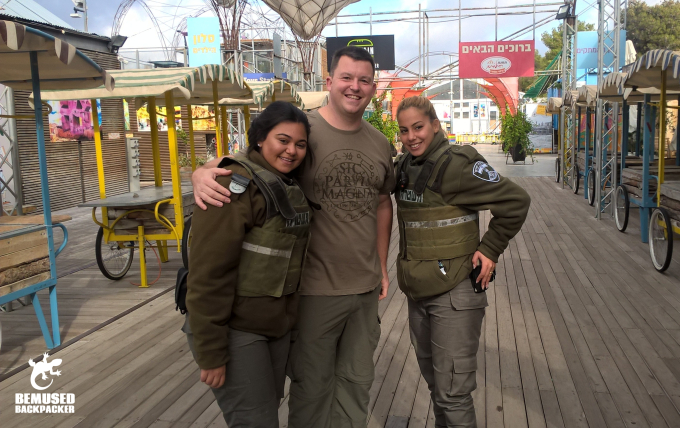
- Israel: Despite regional complexities, the tourism sector emphasizes the "Perception vs. Reality" gap, providing transparent, real-time safety updates to potential visitors.
Official statements from these organizations consistently emphasize that while "common sense" and "sensible precautions" are essential, the demonization of local populations based on the actions of a few is detrimental to global diplomacy and economic stability.
Broader Impact and Implications for the Future of Travel
The long-term implications of a "fear-based" travel culture are significant. If travelers continue to favor "sanitized" experiences over authentic local engagement, the economic benefits of tourism may fail to reach the communities that need them most. Instead, wealth will be concentrated in large, international hotel chains and tour operators that provide a "buffer" between the tourist and the local environment.
Furthermore, the loss of trust hinders the development of global citizenship. Travel has historically been a tool for breaking down stereotypes and fostering international understanding. When fear dictates the itinerary, travel becomes a series of checked boxes rather than a transformative experience.
In conclusion, the modern traveler faces a choice: to be governed by the mass generalizations and hysteria of the digital age, or to trust in their own instincts and the documented history of human kindness. The consensus among those who have spent decades navigating the globe is clear—the world is far safer and more welcoming than the comment sections of social media would suggest. By maintaining a balance of common sense and an open heart, travelers can navigate the complexities of the world while reaping the invaluable rewards of genuine human connection.