The Unexpected Safari: How St. Lucia is Redefining Family Wildlife Encounters in South Africa

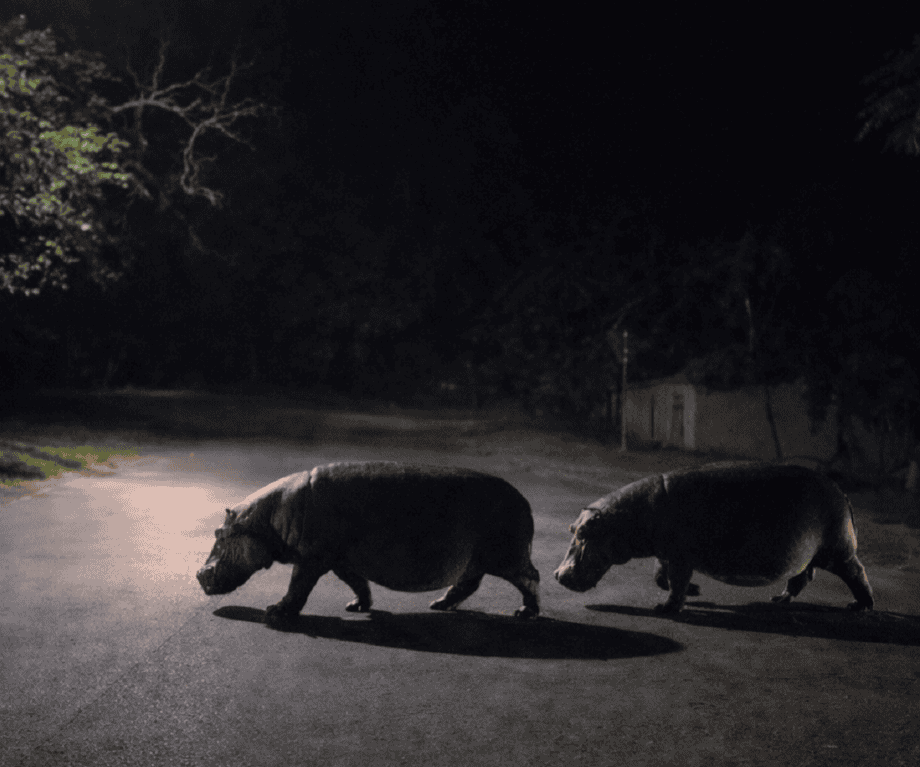
The first glimpse of Africa’s wildlife often conjures images of vast, untamed reserves and meticulously planned expeditions. However, for many families visiting the charming coastal town of St. Lucia in South Africa, their initial encounter with the continent’s iconic fauna can be far more immediate and surprisingly accessible. Under the warm glow of streetlights, a rotund, slow-moving figure emerges from the darkness – a hippopotamus, its prehistoric form a stark contrast to the suburban landscape. This is not an unusual occurrence in St. Lucia, a town that has embraced its unique position at the nexus of urban life and the wild, offering families an unparalleled opportunity to connect with nature.
St. Lucia, situated in the KwaZulu-Natal province, serves as the primary gateway to the iSimangaliso Wetland Park, a UNESCO World Heritage Site renowned for its extraordinary biodiversity and breathtaking landscapes. This sprawling protected area encompasses a diverse array of ecosystems, from intricate estuarine systems and lush coastal forests to expansive wetlands and pristine oceanfronts, stretching all the way to the Mozambican border. Its conservation significance is globally recognized, making it a crucial haven for a multitude of species. A short drive inland from St. Lucia lies the Hluhluwe-iMfolozi Park, an area steeped in history as Africa’s oldest proclaimed game reserve and a sanctuary for the legendary Big Five: lion, leopard, elephant, rhinoceros, and buffalo.
The geographical juxtaposition in St. Lucia is remarkable. It offers visitors a rare combination of bush and beach experiences, allowing for a dynamic itinerary that can shift from exhilarating wildlife spotting in the morning to serene beach strolls in the afternoon. This unique setting has not only captivated travelers but has also inspired local entrepreneurs to develop innovative approaches to wildlife tourism, particularly for families.
A Tale of Two Worlds: A Family’s Vision for Wildlife Tourism
The story of how St. Lucia has become a hub for family-friendly wildlife encounters is deeply intertwined with the personal journey of a local couple, a South African guide with a background in anti-poaching and a British expatriate drawn to the region’s allure. They initially found solace and romance in St. Lucia during their weekend getaways, captivated by the tranquility of the estuary and the laid-back atmosphere of the small town. Their connection deepened, leading them to settle in St. Lucia and start a family.
As they navigated parenthood, their perspective on experiencing the wilderness shifted. The challenges and joys of raising children in an environment teeming with wildlife sparked a desire to make the African safari experience more inclusive and less intimidating for young visitors. Their dream was to bridge the gap between the raw beauty of the wilderness and the needs of families, particularly very young children. This vision led to the establishment of "The Little Bush Baby Co.," a venture born out of lived experience rather than a sterile marketing strategy. They recognized the need for a more tailored approach, understanding that a successful family safari requires a delicate balance of adventure and comfort, a concept that contrasts with the often-demanding nature of traditional safari tours.
The core philosophy of The Little Bush Baby Co. revolves around creating experiences that feel less like formal tours and more like an extension of a family outing. This means carefully timing excursions to coincide with the natural behaviors of animals, such as the evening emergence of hippos from the estuary to graze, and understanding the attention spans of young children, ensuring that game drives are engaging rather than taxing. This nuanced approach addresses a significant gap in the market, where traditional safari operators often overlook the specific requirements of families with very young children, who may not be suited to the rigors of pre-dawn starts, long hours of silent observation, and complex ecological explanations.
From Urban Wildlife to Big Five Adventures: St. Lucia’s Unique Offerings

The unique charm of St. Lucia lies in its ability to seamlessly blend the familiar with the extraordinary. Visitors can find themselves observing hippos grazing on manicured lawns just meters from their accommodation, a surreal experience that underscores the town’s remarkable coexistence with nature. This accessibility is particularly appealing to families, offering a gentle introduction to the wonders of African wildlife without the perceived barriers of remote wilderness.
The Little Bush Baby Co. offers a range of curated experiences designed to cater to different interests and age groups. The "Little Beach Bums" safari, for instance, combines wildlife viewing within the iSimangaliso Wetland Park with enjoyable beach time, providing a well-rounded coastal adventure. For families eager to encounter the iconic Big Five, the "Little Adventurers Big Five Safari" ventures into the renowned Hluhluwe-iMfolozi Park.
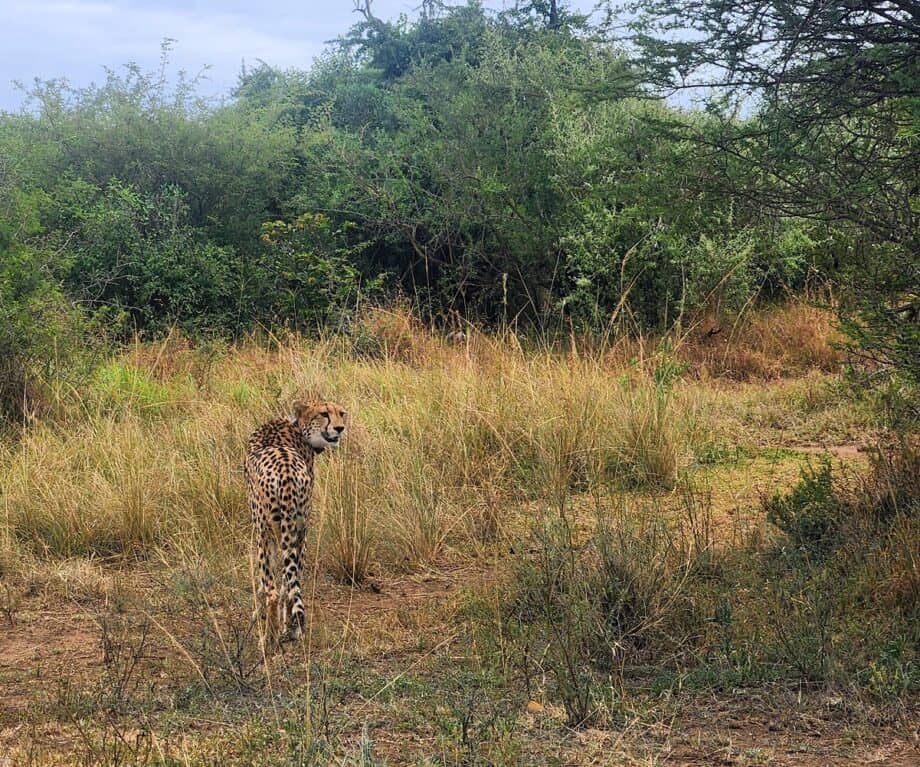
The traditional Big Five safari, while offering the potential for extraordinary sightings of animals like cheetahs crossing roads or hyenas scavenging, often demands a level of adult stamina and sustained focus that can be challenging for younger participants. This has led many operators to exclude children from their tours, citing concerns about noise, restlessness, and the unpredictable needs of young travelers. The Little Bush Baby Co. has carved out a niche by fundamentally rethinking the safari structure for families.
A New Paradigm for Family Safaris: The Little Bush Baby Co. Approach
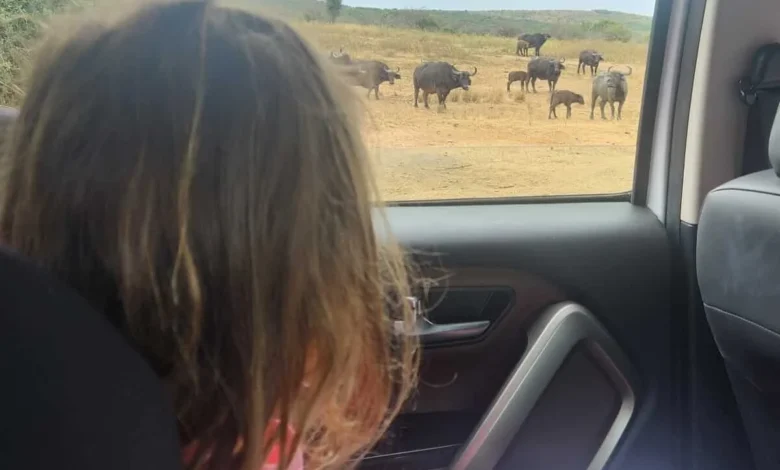
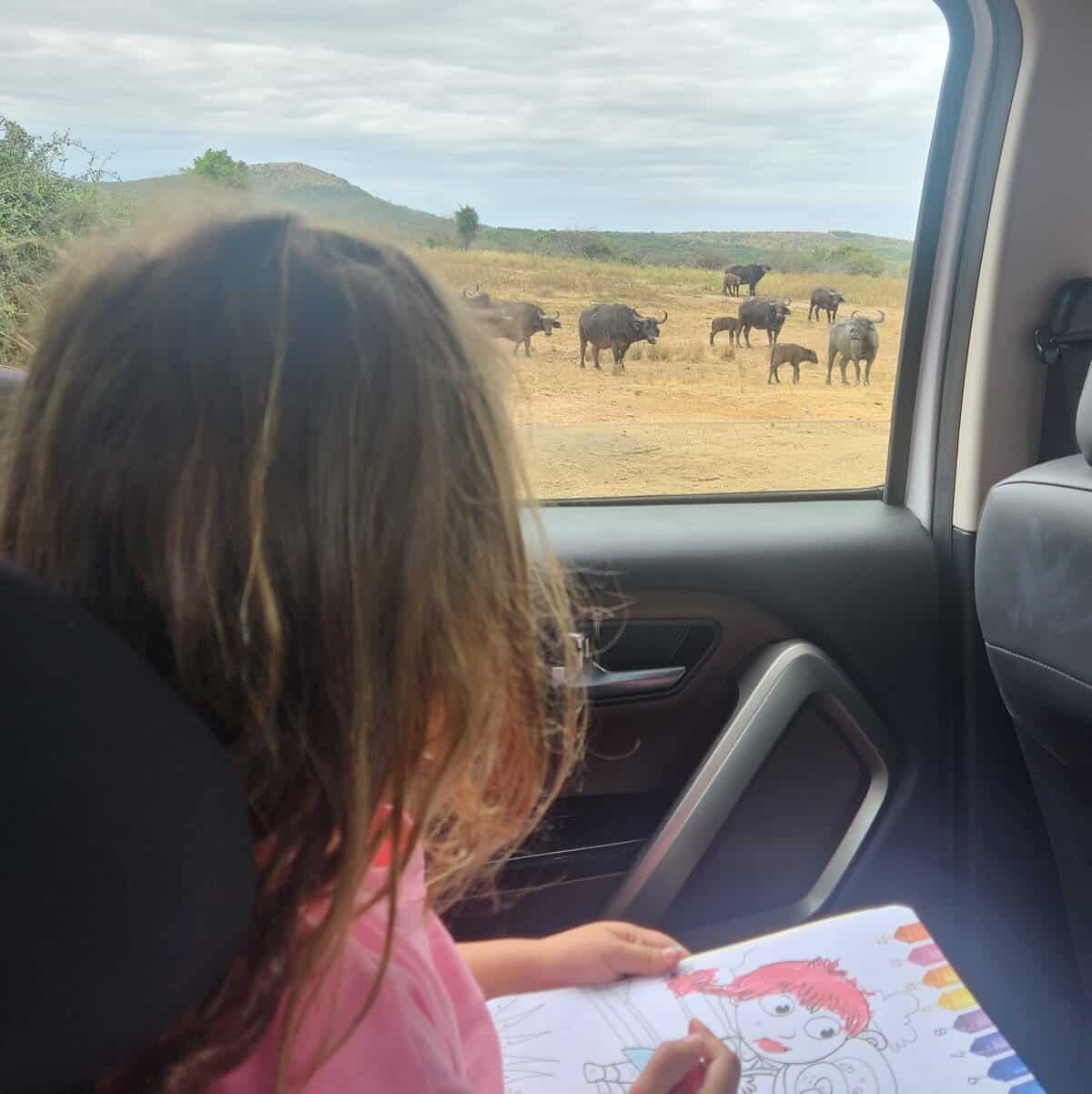
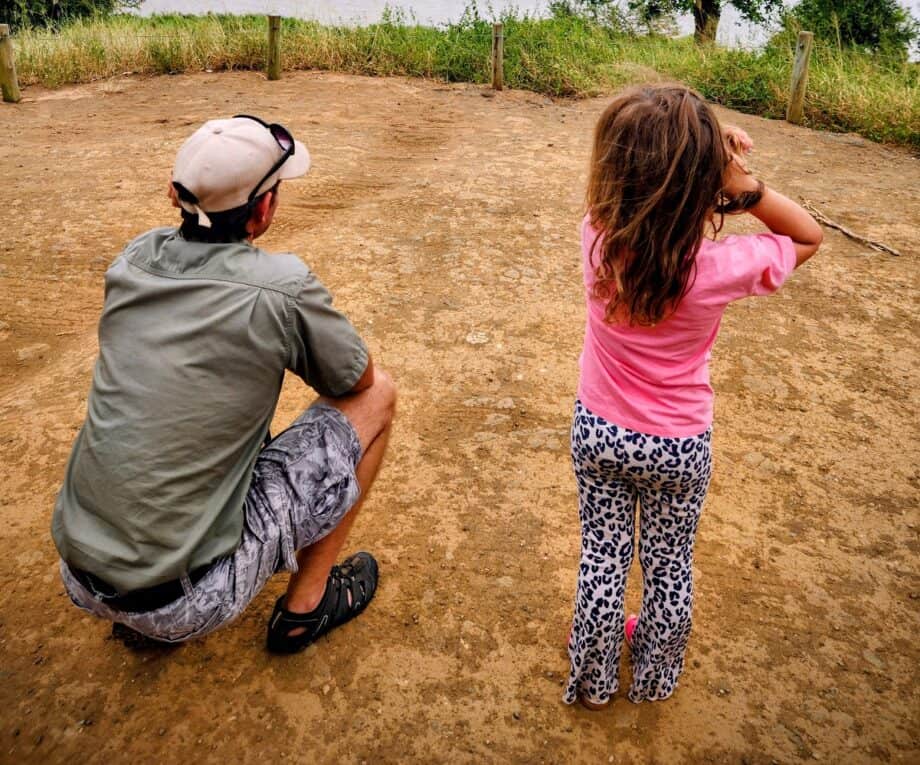
The family-focused game drives offered by The Little Bush Baby Co. are a testament to their innovative approach. These excursions are characterized by shorter, more dynamic bursts of activity interspersed with planned breaks, ensuring that children remain engaged and comfortable. The company provides child-friendly binoculars, enabling little hands to participate actively in spotting wildlife. Instead of demanding silence, guides encourage curiosity with questions like, "What do you think that sound is?" This interactive method transforms animal sightings into engaging stories rather than rote lectures.
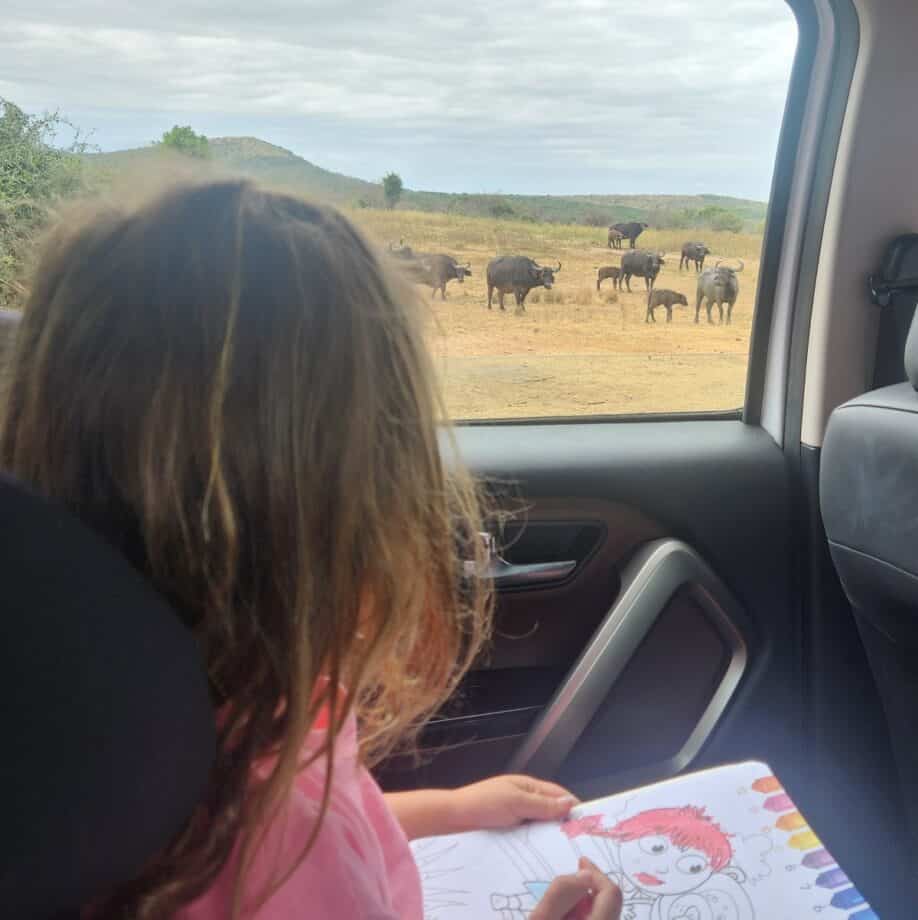
The provision of snacks, toys, and a flexible approach to interruptions like meal breaks or restroom needs ensures that the focus remains on enjoyment and discovery. The use of enclosed vehicles, rather than open-top safari vehicles, offers a greater sense of security and accommodates the natural noise and movement of children. The intimate nature of these private tours, with only the family and the guide, fosters a deeply personal and memorable experience.
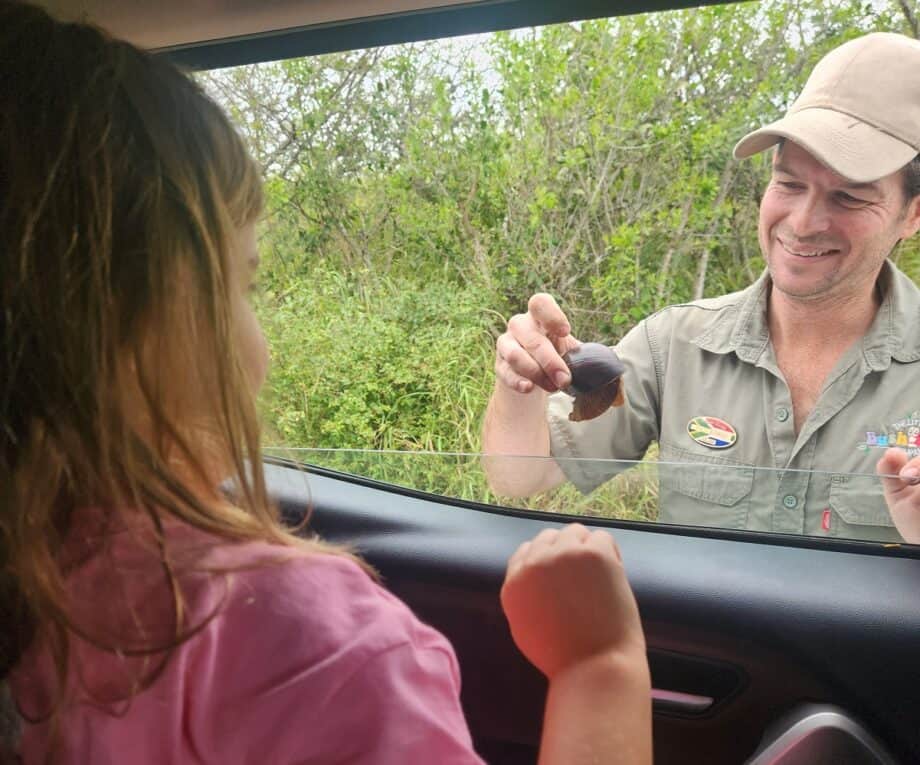
The company’s commitment to a family-centric safari is evident in every aspect of their operation. This dedication to adapting traditional safari formats to meet the needs of younger travelers is a significant development in the field of ecotourism. By prioritizing comfort, engagement, and a sense of shared adventure, The Little Bush Baby Co. is making the wonders of the African bush accessible to a new generation of explorers.
Beyond the Big Five: The Enchantment of the Night Drive
The Little Bush Baby Co.’s innovative spirit extends to their family night drives, an experience that truly encapsulates the magic of St. Lucia. These are not arduous expeditions into remote wilderness but rather gentle explorations along quiet roads and sandy verges, where the town’s nocturnal inhabitants, most notably hippos, are frequently observed grazing under the cloak of darkness.
These night drives, conducted in open-top vehicles, offer the thrill of being out in the wild after sunset while allowing the symphony of nocturnal sounds – the chirping of frogs, the rustling of leaves – to take center stage. Under a canopy of a million twinkling stars, the atmosphere is truly enchanting. The company’s namesake, the elusive bushbaby, can be spotted scampering in the branches, and the sight of a hippo’s immense silhouette in the darkness is both humorous and awe-inspiring.
By the end of the evening, as families are driven back through the quiet streets, the children, transformed into seasoned young explorers, whisper with newfound confidence. The hippos, once a mere spectacle, have become integral characters in a larger narrative, a narrative of the natural world that they have been gently invited to be a part of. This gradual immersion into the wild, facilitated by thoughtful and engaging experiences, is the hallmark of The Little Bush Baby Co.’s success.
The Broader Impact: Fostering a Love for Conservation
The success of ventures like The Little Bush Baby Co. has a ripple effect, extending beyond individual family enjoyment to broader implications for conservation. By creating positive and accessible early experiences with wildlife, these initiatives cultivate a lifelong appreciation for nature and a commitment to its preservation. When children are exposed to the wonders of the natural world in a way that is both educational and fun, they are more likely to grow into adults who understand and champion conservation efforts.
The ability of St. Lucia to offer these unique, family-friendly wildlife encounters also contributes to the local economy. It provides a sustainable tourism model that benefits the community while highlighting the importance of protecting the region’s rich biodiversity. The couple behind The Little Bush Baby Co. have not only built a successful business but have also become ambassadors for conservation, demonstrating how a deep love for nature can be translated into tangible action and shared with others.
In a world increasingly focused on polished and often hurried tourism, the quiet radicalism of slowing down and creating intimate, meaningful connections with nature for families is a powerful testament to the evolving landscape of travel. St. Lucia, with its unexpected urban wildlife and its innovative tourism providers, stands as a beacon for a new era of family adventure, proving that the magic of the wild can be accessible, intimate, and profoundly impactful, even for the smallest of travelers. The couple’s achievement is not just in offering safaris, but in transforming a wild and potentially overwhelming environment into a welcoming, personal, and achievable adventure for all.