Costa Rica is frequently underestimated by travelers consulting standard geographical maps. Spanning roughly 51,100 square kilometers—approximately the size of the U.S. state of West Virginia—the Central American nation creates a deceptive illusion of compact convenience. In practice, a massive mountainous spine bisects the country, giving rise to microclimates and distinct geographic regions that function less like neighboring counties and more like entirely separate destinations.
Travelers planning an itinerary must navigate the sun-drenched northwest Pacific coast, the Caribbean side operating on an inverted weather calendar, a high-altitude cloud forest resting at 4,500 feet, and lowland rainforests accessible exclusively by maritime transit. Ground transit frequently requires double or triple the estimated time calculated via straight-line map distances, burdened by infrastructure that prioritizes scenic preservation over rapid vehicular velocity. Consequently, family travel logistics in Costa Rica depend entirely upon regional selection and sequence curation rather than superficial mileage calculations.
Understanding Regional Geography and Infrastructure Realities
The foundational challenge of Costa Rican transit stems from the Cordillera de Tilarán and Cordillera Central mountain ranges. These geological formations divide the nation’s weather patterns, creating distinct ecosystems within hours of each other. A journey from the dry tropical forests of Guanacaste to the humid Caribbean lowlands crosses multiple elevations, transforming simple road trips into multi-hour expeditions over winding, unpaved, or heavily trafficked roadways.
Geographical and transportation data indicates that average driving speeds rarely exceed 45 to 50 kilometers per hour outside of primary national highways like Route 27. This reality requires travel planners to adopt a regional focus rather than attempting to circumnavigate the country within a standard seven-to-ten-day vacation window.
Guanacaste: The Sun-Drenched Northwest
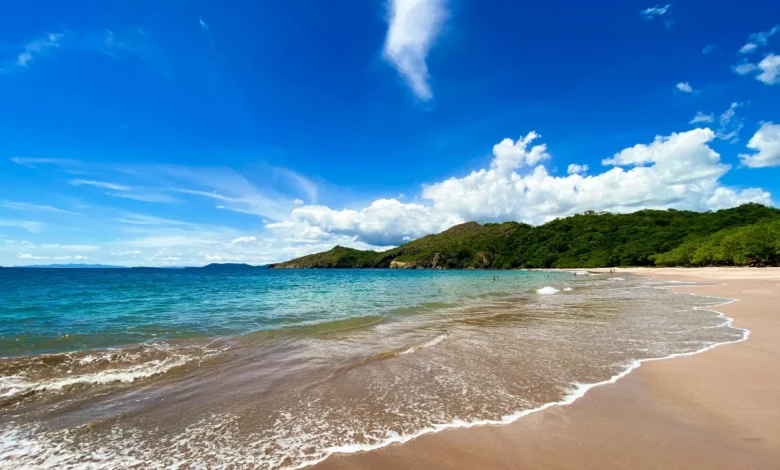
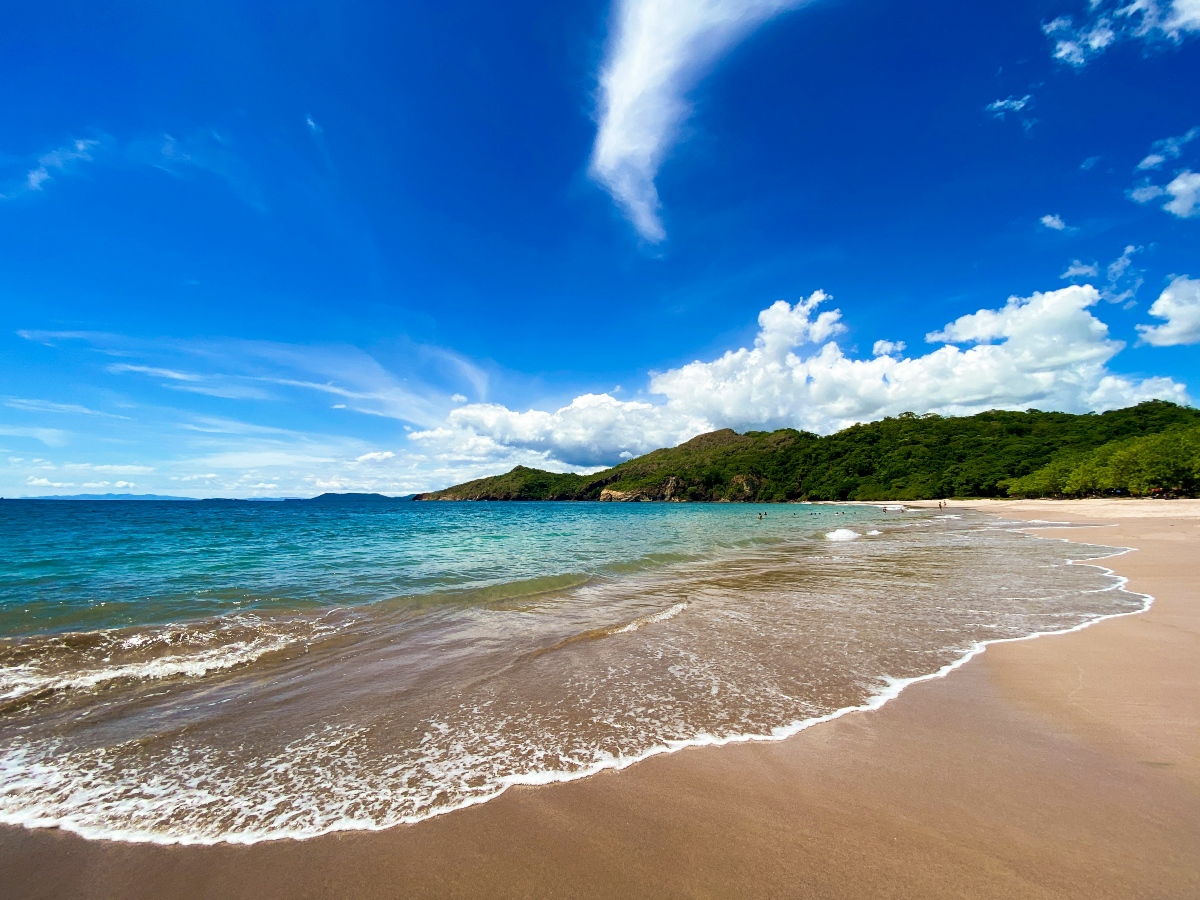
Occupying the northwest corner of the nation, Guanacaste stretches from the calm coves of the Peninsula Papagayo down to the active surf breaks of Tamarindo and Nosara. Inland topography shifts dramatically into rolling ranchlands and active volcanic zones, prominently featuring Rincón de la Vieja. This territory preserves a distinct sabanero (Costa Rican cowboy) cultural heritage.
For families, Guanacaste offers an accessible entry point. Pediatric-friendly activities include beginner surf lessons on forgiving breaks, catamaran excursions for marine mammal observation, and guided hikes through Rincón de la Vieja National Park, where visitors encounter active mud pots and natural geothermal hot springs. The region also hosts reputable wildlife rescue sanctuaries and horseback riding operations suitable for multi-generational groups.
Logistical advantages include proximity to Daniel Oduber Quirós International Airport in Liberia (LIR). Many regional resorts sit within a 30- to 45-minute radius of the terminal, minimizing transit stress for families managing young children and car seats. However, travelers must weigh these logistical conveniences against environmental trade-offs: the pronounced dry season, which guarantees reliable sunshine, also desiccates the landscape by March, leaving hillsides arid and natural beach shade scarce.
The Caribbean Coast: Culture, Canals, and Biodiversity
Operating on an entirely different meteorological and cultural rhythm, the Caribbean coast reflects deep Afro-Caribbean and Bribri Indigenous heritage, characterized by reggae music and aromatic Creole culinary traditions. Puerto Viejo and Cahuita anchor a coastal strip where dark- and white-sand beaches abut dense tropical jungles.
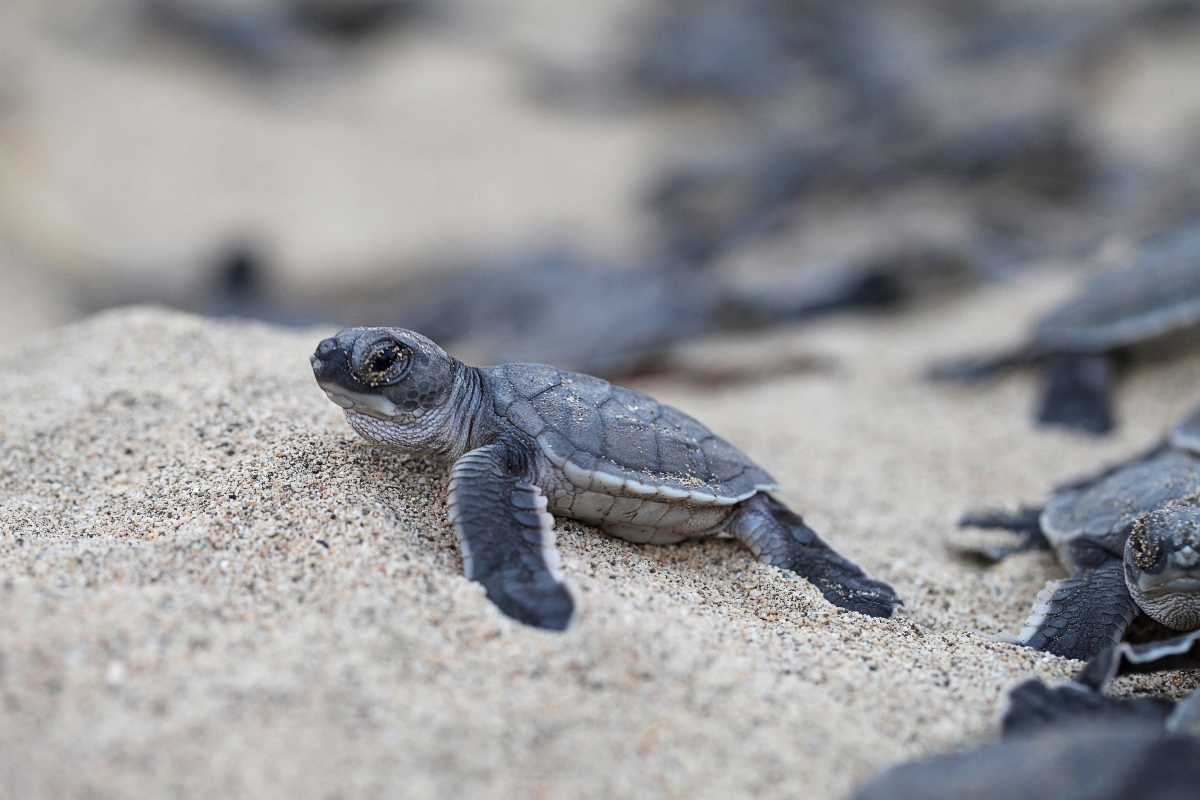
Further north, the labyrinthine canals of Tortuguero form a roadless aquatic highway network accessible exclusively by boat or small aircraft. This northern sector serves as a critical nesting sanctuary for green sea turtles. Overall, the Caribbean side is significantly more humid, ecologically lush, and less commercialized than its Pacific counterpart.
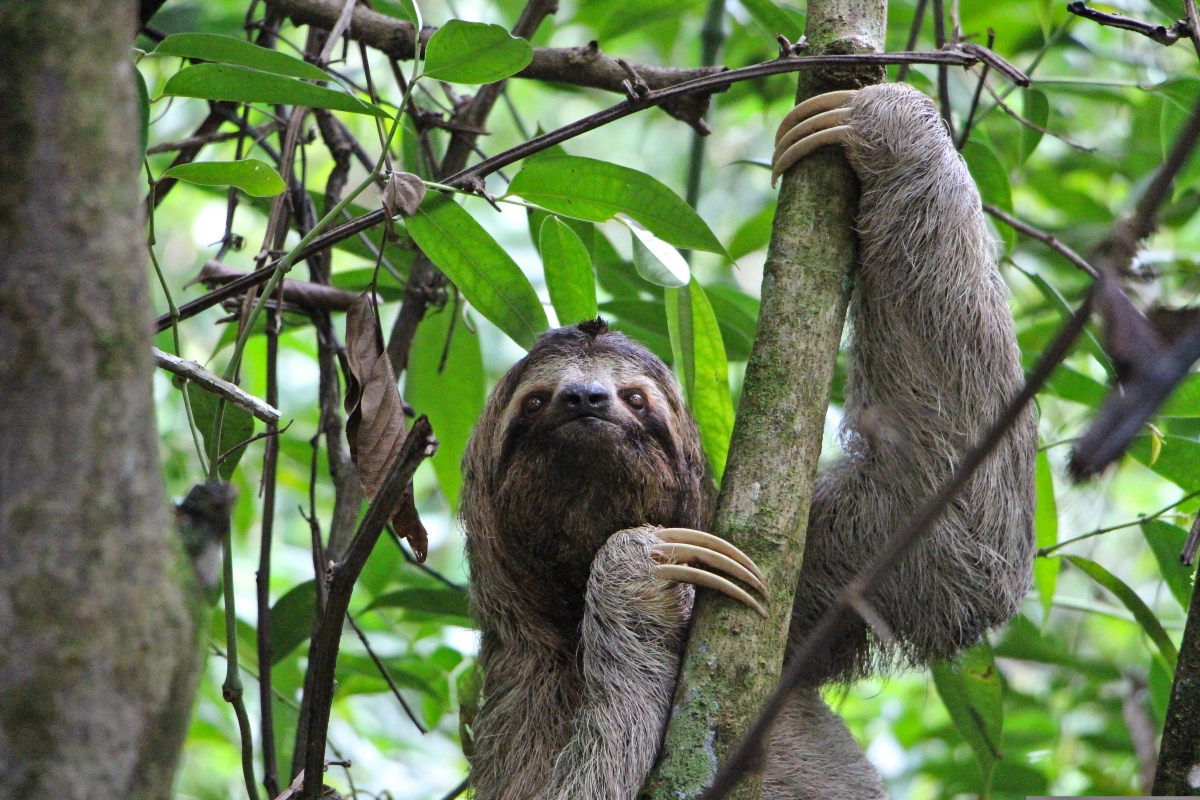
Attractions include snorkeling along the coral formations of Cahuita National Park, wildlife spotting walks targeting sloths and toucans, and dawn kayaking through the Tortuguero canals to observe caimans and endemic avifauna. The relaxed pace of local towns accommodates bicycle rentals, artisanal chocolate-making workshops, and aquatic recreation.
Reaching this coast requires a substantial time commitment. Puerto Viejo sits more than a four-hour drive east of San José, while Tortuguero demands coordinated boat transfers or strict luggage-restricted regional flights. Green turtle nesting peaks between July and October, coinciding with a regional weather window where the Caribbean experiences drier conditions just as the Pacific side enters its heaviest rainfall period.
The Nicoya Peninsula: Rugged Landscapes and Blue Zone Longevity
Positioned directly south of Guanacaste, the Nicoya Peninsula presents a more rugged and isolated coastal environment. Famous locales such as Santa Teresa and Montezuma rely on unpaved dirt networks rather than asphalt highways, connecting surf breaks, hidden waterfalls, and expansive stretches of undeveloped shoreline.
The peninsula holds official designation as a global Blue Zone—one of several distinct regions worldwide boasting an exceptional concentration of centenarians. The unhurried pace of village life mirrors this demographic phenomenon. The region accommodates families prioritizing unscripted experiences: tide-pooling, equestrian rides along the surf, and jungle treks toward the Montezuma cascades. Maritime excursions to Isla Tortuga provide protected turquoise waters for swimming and snorkeling.
Transportation to the Nicoya Peninsula varies by destination. Northern zones like Nosara and Sámara remain accessible via road links from Liberia, whereas southern access typically requires utilizing the Puntarenas-Paquera ferry, navigating the perimeter of the Gulf of Nicoya, or booking a short domestic flight into Tambor. Certain southern routes remain unpaved and subject to seasonal degradation during the green season, making four-wheel-drive or high-clearance vehicles essential. The reward for these transit challenges is access to secluded coastal stretches.
The Central Valley: Heartland and Coffee Country

Cradled within high-altitude mountain basins, the Central Valley serves as the demographic and political core of Costa Rica. Containing the capital city of San José alongside the nation’s primary international aviation hub, Juan Santamaría International Airport (SJO), the valley houses roughly two-thirds of the country’s populace.
Generations of agricultural production have transformed the temperate, springlike highlands into prime coffee-growing territory. Local plantations offer educational agritourism experiences where older youth trace the bean-to-cup continuum while younger children interact with localized hummingbird populations in landscaped gardens. Excursions to the Poás or Irazú volcano craters provide accessible day trips for travelers arriving or departing via international flights.
The region’s elevation, frequently exceeding 3,000 feet above sea level, provides a natural climatic buffer. Average temperatures remain mild during daylight hours with noticeably cooler evenings, offering travelers a restorative transition following excursions in humid coastal lowlands.
The Northern Region: Volcanic Adventure and Cloud Forests
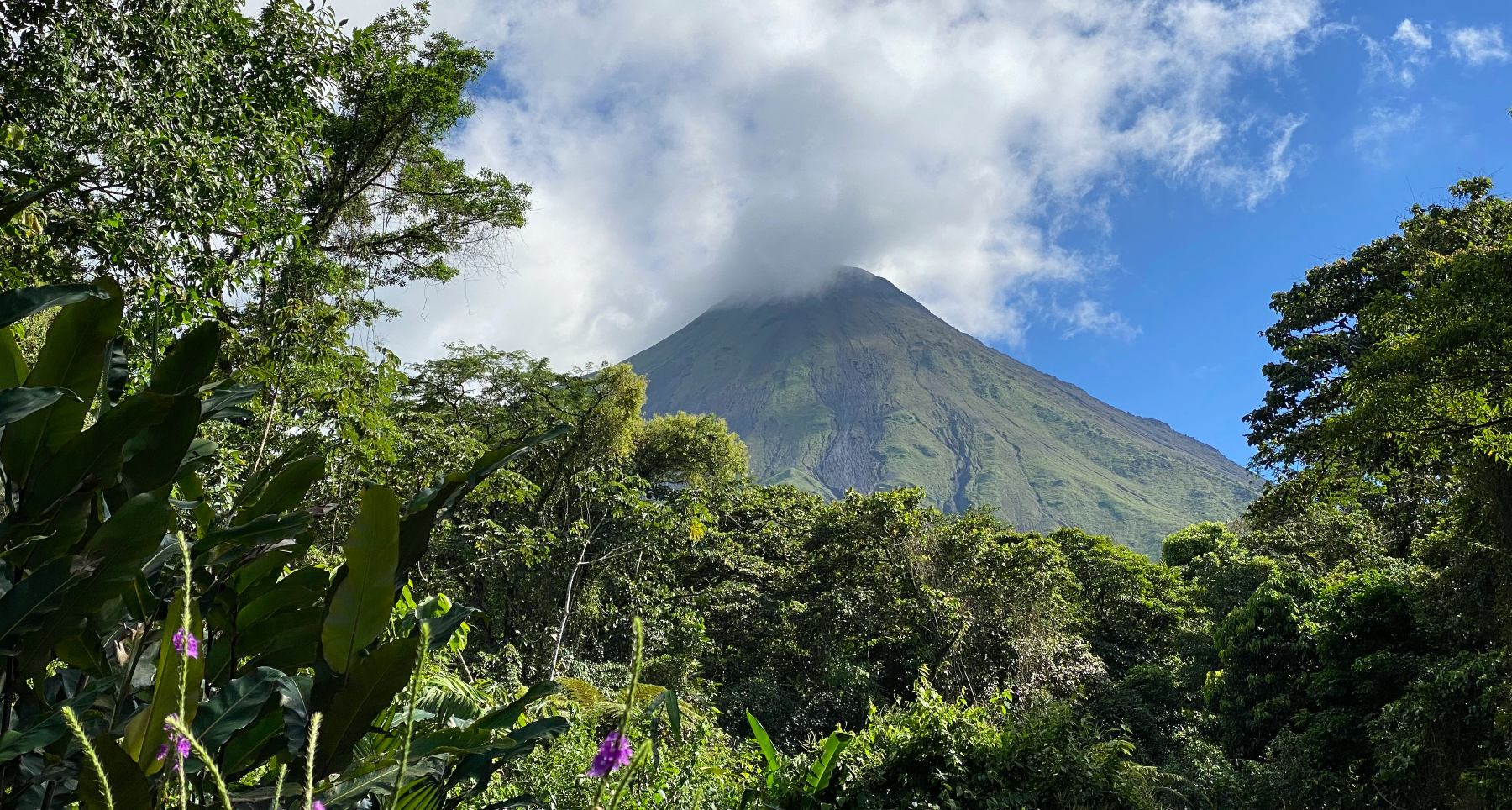
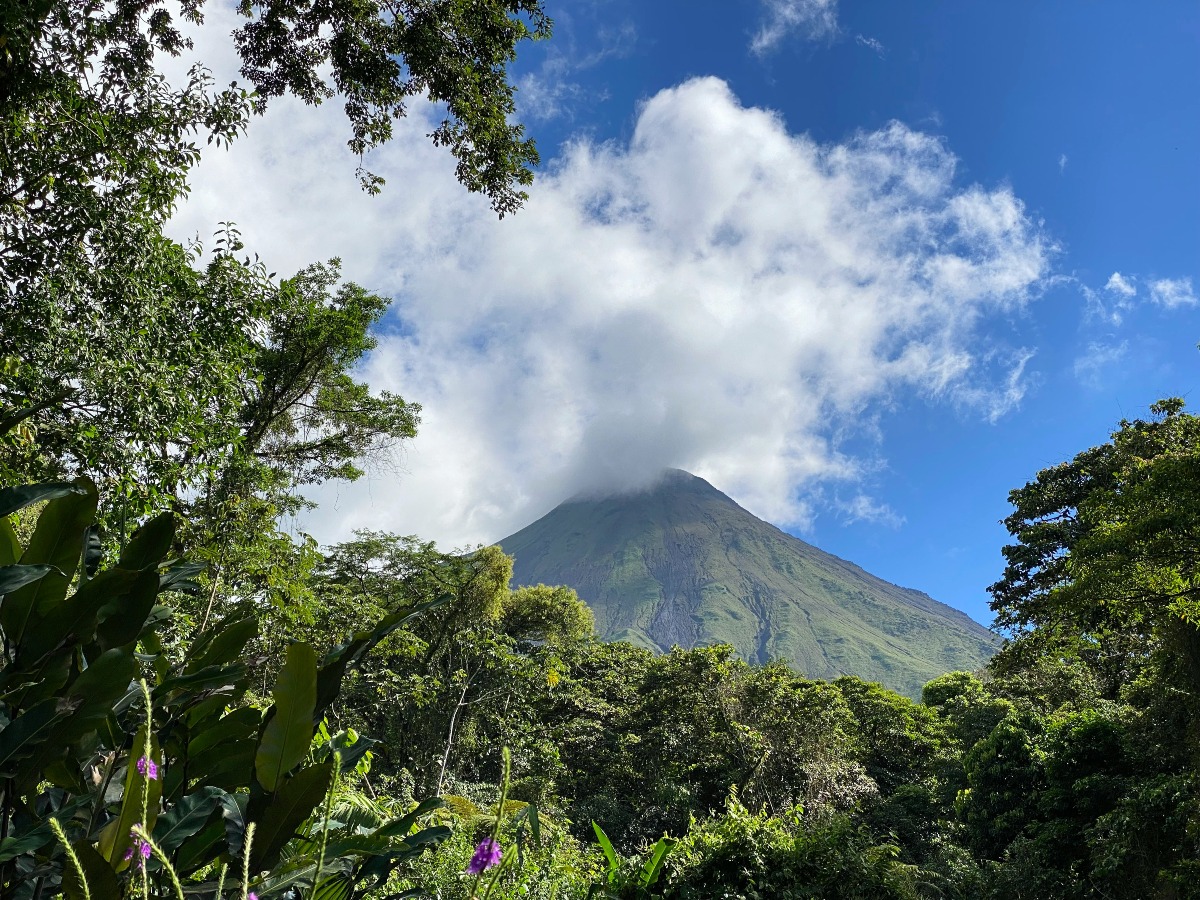
Sweeping across the interior lowlands toward the northern border with Nicaragua, the Northern Region is anchored by the symmetrical cone of the Arenal Volcano and the adventure epicenter of La Fortuna. This sector also encompasses the rich wetlands of Cañon Negro and, along its western ridgeline, the mist-shrouded Monteverde Cloud Forest—representing the highest density of ecological adventure infrastructure in the country.

Beyond commercial geothermal hot springs, families navigate rainforest canopies via suspension bridges, drift quietly down the Peñas Blancas River to observe troops of monkeys, or embark on nocturnal guided walks targeting endemic amphibian species. High-adrenaline offerings include ziplining, canyoning, and whitewater rafting.
La Fortuna is reachable within a three-to-four-hour drive from either San José or Liberia airports, depending on prevailing road conditions. Demographically, the Northern Region is exceptionally versatile, offering gentle thermal soaking for toddlers alongside rigorous canyoning expeditions for teenagers. Planners should note the expansive geography: Monteverde and La Fortuna operate best as distinct overnight home bases rather than reciprocal day-trip destinations due to intervening mountainous topography.
The Central Pacific: Accessible Wildlife and Coastal Variety
The Central Pacific corridor packs concentrated ecological and recreational diversity into a short, easily navigable coastal strip connected efficiently to San José. Manuel Antonio pairs a compact national park with palm-fringed beaches, where wild white-faced capuchin monkeys and sloths frequent the shoreline. Neighboring Jacó offers commercial surf infrastructure and urban amenities.
For first-time visitors or compressed travel itineraries, the Central Pacific provides a streamlined introduction to Costa Rican biodiversity. Guided walks through Manuel Antonio National Park yield reliable sightings of iguanas, coatis, and birds without requiring deep wilderness penetration. Standardized excursions include introductory surf instruction, mangrove kayaking, and coastal catamaran cruises.
Proximity to San José—roughly a three-hour drive via paved national routes—makes Manuel Antonio popular for short itineraries. Consequently, visitor volume is exceptionally high. The national park enforces strict daily capacity caps and mandatory advance ticket reservations, and the surrounding municipality features a greater degree of commercial development than alternative destinations.
The South Pacific: Remote Wilderness and Marine Sanctuaries
Representing Costa Rica’s untamed frontier, the South Pacific grows progressively wilder, more humid, and less commercialized toward the southern border. Corcovado National Park and the Osa Peninsula contain primary rainforest ecosystems of global biological significance, drawing serious researchers and naturalists.
Geographical features like the Whale’s Tail sandbar at Marino Ballena National Park, the towering Talamanca mountain range, and off-grid eco-lodges define a zone engineered for immersion. Families with older children undertake multi-hour guided treks through Corcovado to encounter Baird’s tapirs, scarlet macaws, and all four native Costa Rican monkey species. Seasonal marine excursions provide platforms for humpback whale and dolphin observation.
Access to the Osa Peninsula demands logistical commitment. Reaching remote eco-lodges typically requires a combination of domestic flights, boat transfers, or rugged overland transit. The environment rewards resilient travelers capable of enduring high temperatures and extended physical exertion, while younger children often find greater comfort in regional lodges featuring dedicated aquatic amenities and localized trail networks.
Strategic Planning Recommendations for Travelers
Evaluating Costa Rica’s distinct regional ecosystems underscores the necessity of calibrated itinerary design. Travel advisors emphasize that minimizing inter-regional transit maximizes vacation quality. By selecting two complementary zones—such as pairing the volcanic adventure of Arenal with the wildlife density of Manuel Antonio or the cultural immersion of the Caribbean—families can experience the nation’s ecological breadth without spending excessive hours inside transit vehicles. Advance coordination of park permits, transport logistics, and lodging remains critical across all seven regions to ensure seamless multi-destination journeys.