The Ultimate Guide to Timing Your Disneyland Resort Vacation: Crowds, Climate, and Cultural Festivals

Planning a trip to the Disneyland Resort in Anaheim, California, requires a strategic balance of weather forecasting, crowd management, and alignment with seasonal celebrations. While Walt Disney World in Central Florida experiences volatile weather patterns and sweeping humidity shifts, Southern California offers a more temperate, predictable climate. Nevertheless, choosing the optimal time to visit Disneyland depends heavily on individual travel priorities, ranging from festival attendance and weather preferences to budget management and school schedules.
Unlike its Florida counterpart, Disneyland Resort requires all guests to secure both a valid park admission ticket and an advance theme park reservation for entry. This administrative requirement makes advance planning essential, particularly during peak operating periods. Industry analysts note that while Walt Disney World has phased out park reservations for date-based ticket holders, Disneyland maintains this system to manage daily capacity caps across its two theme parks: Disneyland Park and Disney California Adventure.
Climate and Weather Patterns in Southern California
Southern California is widely celebrated for its year-round Mediterranean climate, characterized by mild winters and warm, dry summers. However, seasonal weather variations still impact the theme park experience.
The warmest period of the year spans from July through early September. Temperatures during these months frequently peak, though meteorological data indicates that Southern California heat lacks the oppressive humidity typical of Central Florida and other southeastern theme park destinations. Consequently, outdoor queueing and walking between attractions remain more manageable during peak summer months, though hydration and sun protection are necessary.
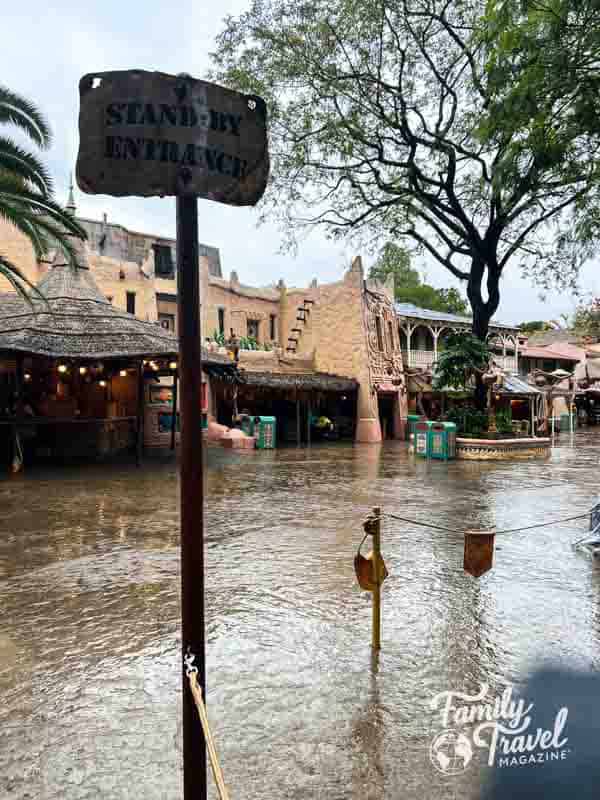
Winter months in Anaheim are mild, with daytime temperatures rarely dropping to uncomfortable levels. However, evenings require layers, as temperatures routinely dip, necessitating light jackets or sweatshirts once the sun sets. Precipitation is generally minimal throughout the year, though historical climate data identifies February as the region’s statistically wettest month. Occasional winter storms can bring rain showers to the parks, temporarily altering outdoor entertainment schedules and ride operations.
Crowd Fluctuations and Strategic Travel Windows
Managing crowd sizes is a primary consideration for prospective visitors. Peak attendance periods at the Disneyland Resort predictably align with school calendars and federal holidays. Large crowds and extended wait times are standard during major school breaks, including spring break, the peak summer tourism season, Thanksgiving week, and the stretch between Christmas Eve and New Year’s Day. Extended holiday weekends—such as Presidents’ Day, Memorial Day, and Labor Day—also drive a surge in local and national visitors.
Conversely, historical attendance trends point to specific windows that experience lower average crowd densities:

- Late January: Directly following the conclusion of the winter holiday season and New Year festivities.
- Early May: Sandwiched between spring break rushes and the commencement of summer vacation.
- Late August: Occurring after local and national school districts resume classes for the autumn term.
While these periods historically feature shorter wait times and lower park congestion, travel industry experts caution that lower crowd levels are never guaranteed. Park operators frequently adjust operating hours and schedule ride refurbishments during these lulls, which can occasionally concentrate crowds in specific areas.
To mitigate the impact of heavy crowds during peak seasons, theme park strategists recommend several operational best practices. Arriving at the turnstiles prior to park opening—commonly referred to as "rope dropping"—allows visitors to experience high-demand attractions with minimal wait times before afternoon congestion peaks. Additionally, purchasing the Lightning Lane Multi Pass can significantly reduce standby wait times for participating rides, while adding the Park Hopper option provides flexibility to navigate between Disneyland Park and Disney California Adventure based on daily crowd shifts.
Seasonal Events and Cultural Festivals
The Disneyland Resort calendar is anchored by high-profile seasonal events and cultural festivals that draw significant regional and international tourism. Aligning a vacation with these events offers distinct entertainment, culinary, and thematic experiences.
Disney California Adventure Food and Wine Festival
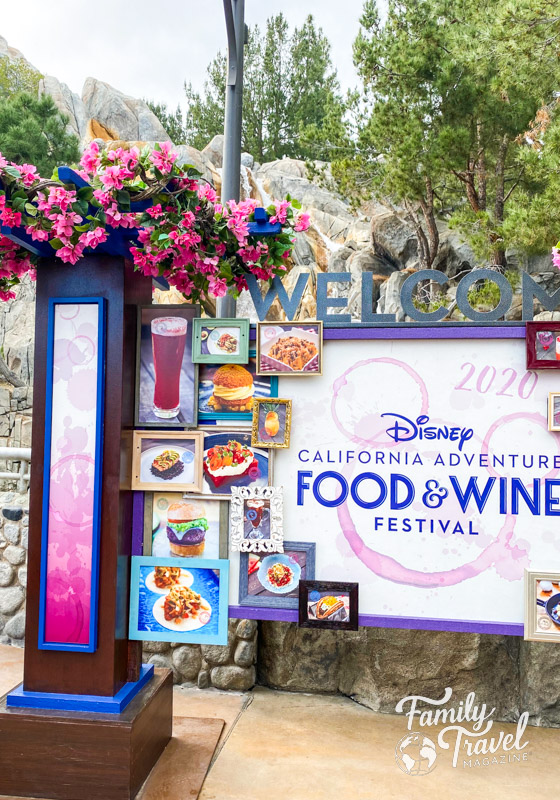
Typically commencing in late February or early March and running through late April, the Disney California Adventure Food and Wine Festival highlights culinary traditions from across the state. The festival features specialized food kiosks, beverage seminars, and chef demonstrations. Small-plate pricing structures allow visitors to sample diverse culinary offerings without committing to traditional sit-down dining reservations.
Lunar New Year Celebrations
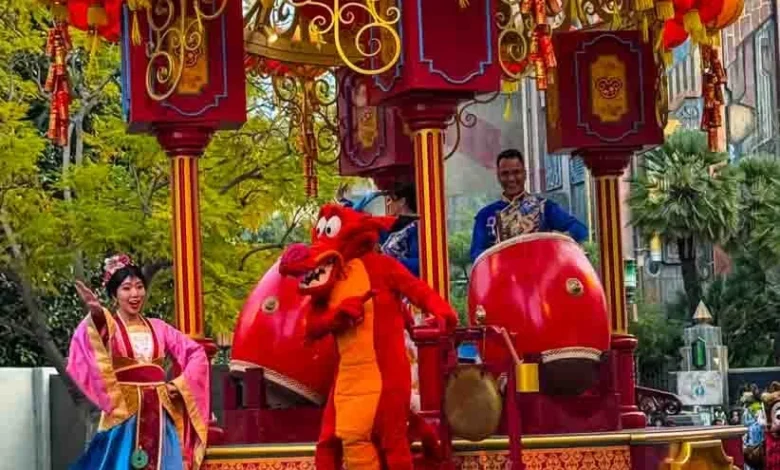
Honoring Asian cultural traditions, the Lunar New Year festival at Disney California Adventure typically runs in January and February. The event features thematic entertainment, including the Mulan Lunar New Year Procession, culturally inspired culinary booths, festive red-and-gold decor, and exclusive character meet-and-greets.
Halloween Time and Oogie Boogie Bash
Beginning in early September and running through October 31, Halloween Time transforms both theme parks. Seasonal offerings include the transformation of Haunted Mansion into Haunted Mansion Holiday (themed around Tim Burton’s The Nightmare Before Christmas), as well as seasonal overlays like Guardians of the Galaxy – Monsters After Dark and Luigi’s Honkin’ Haul-O-Ween.
Additionally, Disney California Adventure hosts the Oogie Boogie Bash, an after-hours, separately ticketed event held on select nights in September and October. This limited-capacity event offers unique character interactions, immersive treat trails, and themed entertainment, drawing strong demand and selling out months in advance.
Holiday Season and Winter Festivities
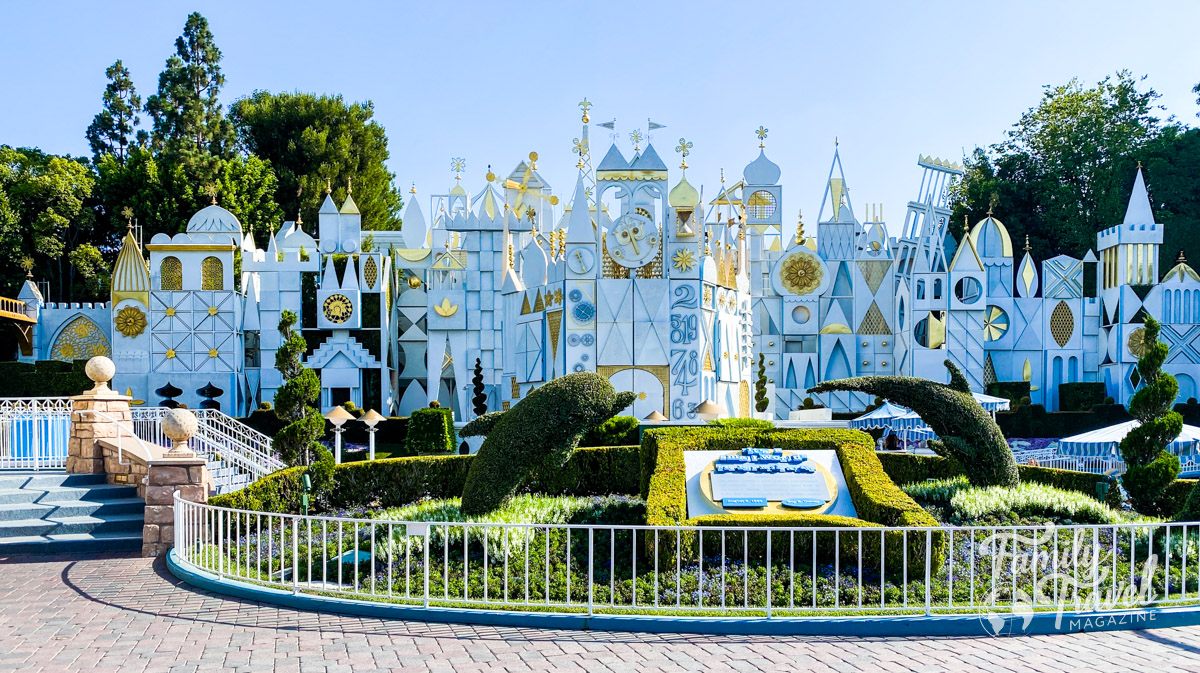
The winter holiday season commences immediately following Halloween in early November and extends through New Year’s Day. Disneyland Park and Disney California Adventure feature extensive holiday decor, themed fireworks displays, festive parades, and seasonal ride overlays—including "it’s a small world" Holiday and Luigi’s Rollickin’ Roadsters.
Special After-Dark Events
Throughout the year, the resort hosts specialized ticketed events such as Disneyland After Dark series (including Sweethearts Nite and Star Wars Nite). These events provide access to exclusive snacks, character encounters, and lower overall park populations due to capped attendance figures.
Economic Implications and Ticketing Strategies
Navigating ticket purchases and vacation packaging requires careful financial consideration. Authorized third-party travel agencies, such as Get Away Today, offer discounted Disneyland Resort tickets and bundled Southern California vacation packages designed to reduce overall travel expenditures. Promotional discount codes are frequently available for multi-day itineraries, providing cost-saving opportunities for families and budget-conscious travelers.
Ultimately, travel experts emphasize that there is no objectively incorrect time to visit the Disneyland Resort. Whether visitors prioritize temperate weather in May, culinary exploration during the Food and Wine Festival in March, or the immersive atmosphere of Halloween Time in October, tailoring the itinerary to personal travel objectives ensures a rewarding theme park experience. Prospective travelers are advised to consult official Disneyland Resort availability calendars well in advance to secure park reservations and synchronize their itineraries with preferred seasonal offerings.