Chasing the Celestial Dance: A Comprehensive Guide to Experiencing the Northern and Southern Lights

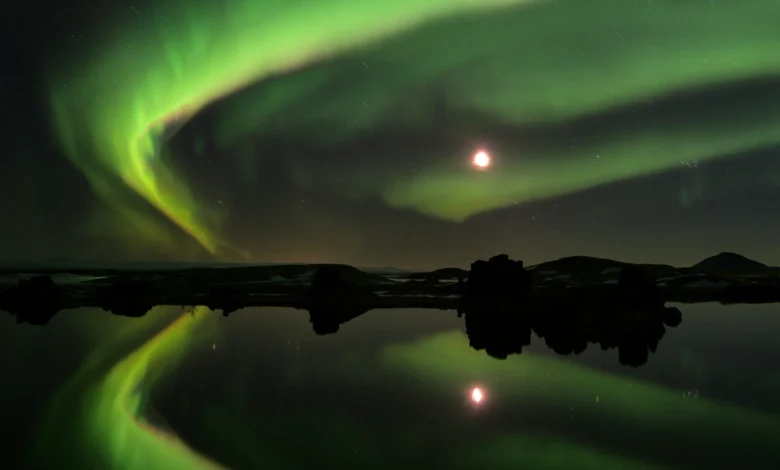
The pursuit of the aurora borealis is a venture that demands patience, significant logistical planning, and a deep respect for the unpredictable nature of the upper atmosphere. While modern luxury travel has made the "waiting game" significantly more comfortable, the fundamental reality remains: the aurora is a natural phenomenon that follows no human itinerary. For travelers seeking to witness the ethereal curtains of green, violet, and red light that define the Arctic and Antarctic skies, success lies at the intersection of geographical positioning, duration of stay, and expert-led observation.
The Physics and Chronology of the Aurora
The Northern Lights, or aurora borealis, are the result of solar wind—a stream of charged particles emitted by the sun—colliding with the Earth’s magnetosphere. When these particles reach the thermosphere, they collide with atoms of oxygen and nitrogen, releasing energy in the form of light. This process is governed by the 11-year solar cycle, a period of fluctuations in the sun’s magnetic activity.

Data from the National Oceanic and Atmospheric Administration (NOAA) indicates that the Earth is currently approaching a period of high solar activity known as "solar maximum," which began in 2024 and is expected to continue through 2025. During this peak, the frequency and intensity of geomagnetic storms increase, theoretically making the lights more vibrant and visible at lower latitudes than during the solar minimum.
The peak season for observation generally spans from late September to March. While the winter months provide the necessary darkness, the equinoxes—September and March—are often favored by researchers and enthusiasts. During these periods, the Earth’s magnetic field is more effectively coupled with the solar wind, leading to a higher probability of geomagnetic disturbances that fuel the aurora.
Strategic Destination Selection
For those prioritizing comfort alongside visibility, the infrastructure in Finnish Lapland remains the global gold standard. The region offers a reliable combination of clear interior climates and specialized tourism services. Liam Dunch, director of Tailormade at Abercrombie & Kent, emphasizes that the region’s strength lies in its ability to integrate the hunt for the lights with culturally immersive activities, such as traditional Sámi experiences and reindeer husbandry.

Beyond Finland, the geography of the northern high latitudes provides several distinct "corridors" of visibility. Iceland’s northern coast, particularly the Troll Peninsula, offers a dramatic backdrop of fjords and mountains. Sweden’s Abisko National Park is frequently cited by climatologists as an ideal site due to the "blue hole" phenomenon—a microclimate where mountain ranges often keep the sky clear even when surrounding regions are overcast. Further afield, the remote territories of Canada’s Yukon, Greenland, and the Svalbard archipelago offer true isolation, essential for those seeking an unobstructed view of the night sky away from urban light pollution.
Accommodations and the "Aurora Concierge"
The modern luxury travel sector has shifted the aurora experience from a rugged expedition to a curated retreat. Properties such as Iceland’s Deplar Farm have redefined the expectations for Arctic hospitality. By integrating high-end wellness facilities—such as heated outdoor geothermal pools—with proximity to prime viewing zones, these properties ensure that guests remain comfortable during long periods of waiting.
In Finnish Lapland, the Octola Private Wilderness has pioneered the concept of the glass-igloo suite, allowing guests to observe the sky from the climate-controlled comfort of a bedroom. Furthermore, the inclusion of "aurora wake-up calls"—a service where staff monitor sky conditions throughout the night and alert guests only when the lights appear—has mitigated the need for travelers to spend their entire vacation in a state of sleep-deprived vigilance.

In Norway’s Lyngen Alps, the approach is focused on exclusivity. Operators like Black Tomato utilize private, purpose-built lodges that offer a sense of "seclusion by design." These locations often feature specialized staff who monitor real-time data from the Icelandic Meteorological Office and other atmospheric agencies to predict, with increasing accuracy, the potential for a display.
Optimizing the Viewing Experience
A critical error made by many travelers is the duration of their trip. Industry experts across the luxury spectrum, including Grace Bunker of Scott Dunn, consistently advise a minimum stay of four to five nights. The reliance on short, two-night "weekend" trips significantly lowers the probability of success, as localized weather patterns can easily obscure the sky for 48 consecutive hours.
The use of technology and expert guidance is the second pillar of a successful aurora hunt. A professional photographer or guide does more than just find the lights; they interpret the data. A common misconception is that a clear night guarantees a sighting. In reality, the Kp-index (which measures geomagnetic activity) must align with local cloud cover. Tools such as the Icelandic Met Office’s vedur.is provide granular, real-time data on cloud density, which is often more critical to a successful hunt than the Kp-index itself.

Furthermore, photographers play a vital role in the experience. Because the human eye is less sensitive to low-light color spectrums than a high-end camera sensor, the lights often appear as a faint, greyish-white mist to the naked eye, even when they are vibrant in photographs. A professional guide can explain the nuances of the display and assist in capturing long-exposure imagery, transforming a fleeting, dim visual into a permanent, high-definition memory.
The Emerging Interest in the Southern Lights
While the aurora borealis dominates the conversation, the aurora australis, or Southern Lights, offers a distinct and often more exclusive experience. Because the Southern Hemisphere has significantly less landmass in the high-latitude regions, the aurora australis is rarely seen from populated areas.
New Zealand’s South Island, specifically the Aoraki Mackenzie International Dark Sky Reserve, has become a focal point for Southern Lights tourism. Tom Marchant of Black Tomato suggests that while the Southern Lights are less predictable than their northern counterpart, the cultural context of the trip provides an added dimension. Incorporating Māori astronomy—which holds the stars and celestial events in high spiritual regard—offers a depth of experience that goes beyond the scientific observation of light. For a trip to the southern latitudes, experts recommend a minimum 10-day itinerary to account for the increased difficulty of locating the phenomena and to allow for the exploration of diverse landscapes, from the Otago Peninsula to the alpine regions of Mount Cook.

Broader Implications and Future Outlook
The rise in luxury aurora tourism has had a notable impact on the infrastructure of remote Arctic and sub-Antarctic regions. Investments in sustainable, eco-friendly lodge designs are becoming more common as high-net-worth travelers demand carbon-neutral or low-impact travel options. However, this growth also brings challenges; increased traffic to sensitive ecological areas requires stricter adherence to environmental regulations and a focus on "dark sky" preservation, where artificial light usage is strictly minimized to ensure the natural environment remains pristine.
As we move through the current solar maximum, the demand for high-end, expert-led aurora experiences is expected to grow. Whether in the depths of a Finnish winter or the crisp, clear nights of the New Zealand autumn, the success of the modern aurora seeker rests on the transition from "chasing" the lights to "positioning" oneself within a curated environment where nature is allowed to take center stage. The final takeaway for the prospective traveler is clear: the aurora is not a spectacle to be conquered, but a variable to be anticipated, requiring both the foresight to plan for the long term and the humility to accept the whims of the atmosphere.