Navigating Cape Cod with Kids: A Comprehensive Guide to New Englands Premier Family Summer Destination


Cape Cod, a hook-shaped peninsula extending into the Atlantic Ocean from the southeastern corner of mainland Massachusetts, remains one of the most significant pillars of the American summer tourism industry. Renowned for its blend of nostalgic charm, historic maritime architecture, and over 500 miles of pristine coastline, the region serves as a quintessential destination for multi-generational travel. While the area is celebrated for its aesthetic beauty, navigating the 15 towns and various villages during the peak summer season—typically from Memorial Day through Labor Day—requires a strategic approach to logistics, lodging, and recreational planning. As families increasingly seek destinations that offer a balance of outdoor activity and high-end amenities, Cape Cod’s diverse geography provides a unique template for a summer excursion that caters to both toddlers and teenagers.
The Regional Landscape and Geographic Framework
To effectively navigate Cape Cod, one must understand its four distinct sub-regions, each defined by its proximity to the mainland and its specific environmental characteristics. The peninsula is divided into the Upper Cape, Mid Cape, Lower Cape, and Outer Cape.

The Upper Cape, encompassing the towns of Bourne, Sandwich, Falmouth, and Mashpee, is the most accessible region for travelers arriving from Boston or New York. Sandwich, founded in 1637, stands as the oldest town on the Cape and offers a glimpse into the region’s early colonial history. The Mid Cape, consisting of Barnstable, Yarmouth, and Dennis, serves as the commercial hub of the peninsula, featuring the highest density of family-oriented attractions, including museums and traditional boardwalks.
Moving further east, the Lower Cape includes Brewster, Harwich, and Chatham. This region is often associated with a more upscale, tranquil atmosphere, characterized by historic shingled homes and manicured landscapes. Finally, the Outer Cape—comprising Orleans, Eastham, Wellfleet, Truro, and Provincetown—is home to the Cape Cod National Seashore. Established in 1961 by President John F. Kennedy, this protected area preserves 40 miles of Atlantic beachfront, massive sand dunes, and diverse ecosystems, offering a more rugged and wild coastal experience.
Coastal Dynamics: Comparing Bay Side and Atlantic Beaches
The primary draw for families is the Cape’s extensive beach system, which is bifurcated into two distinct environments: the Cape Cod Bay side and the Atlantic Ocean side. Understanding the tidal patterns and water temperatures of these areas is essential for parents planning daily itineraries.

The Cape Cod Bay Experience
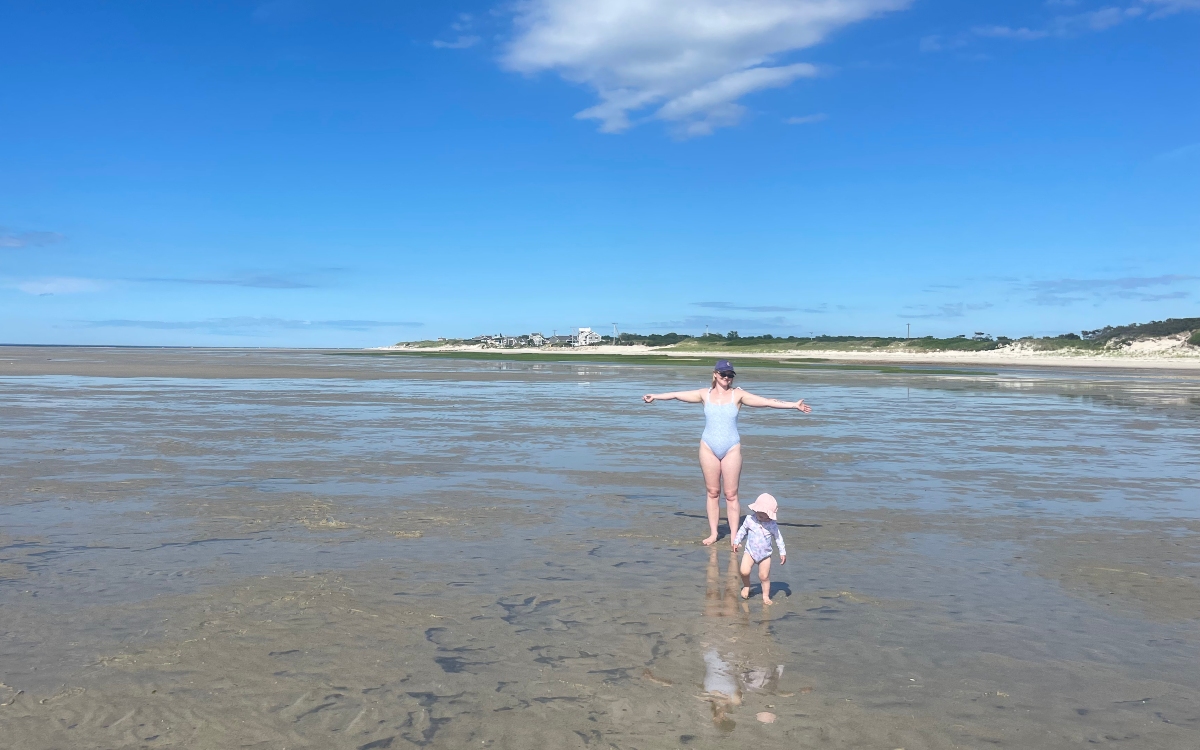
The Bay side, particularly along the shores of Brewster and Dennis, is defined by its mellow surf and significant tidal shifts. At low tide, the "Brewster Flats" emerge, exposing miles of sandy floor and shallow pools. This phenomenon allows families to walk hundreds of yards into the basin, providing a safe and educational environment for young children to observe marine life such as hermit crabs and minnows. The water on the Bay side is notably warmer than the Atlantic, often reaching temperatures in the low 70s during August, making it the preferred choice for families with infants and toddlers.
The Atlantic Ocean and National Seashore
Conversely, the Atlantic side offers a more dramatic maritime environment. Beaches such as Nauset in Orleans and Coast Guard Beach in Eastham are characterized by cold, nutrient-rich waters and powerful surf. These locations are ideal for older children and teenagers interested in water sports like surfing and boogie boarding. However, tourism officials and environmental agencies have increased safety messaging in recent years regarding the presence of Great White sharks, which are drawn to the region’s thriving seal population. Lifeguard stands are equipped with modern surveillance and emergency response protocols to ensure public safety while maintaining the ecological integrity of the National Seashore.
Infrastructure and Family-Centric Activities
Beyond the coastline, Cape Cod has invested heavily in recreational infrastructure that facilitates safe, vehicle-free exploration. A cornerstone of this effort is the Cape Cod Rail Trail (CCRT), a 25-mile paved path that follows a former railroad right-of-way from Yarmouth to Wellfleet. The trail is entirely flat and separated from motor vehicle traffic, making it a premier destination for cycling, jogging, and stroller-based walks. According to local transit data, the CCRT sees hundreds of thousands of users annually, providing a vital artery for eco-tourism that connects various town centers and state parks.
Educational opportunities are also a significant component of the Cape Cod experience. The Chatham Fish Pier serves as a live classroom where visitors can observe the region’s commercial fishing industry in real-time. When fishing vessels return to the pier to unload their catch, they are frequently trailed by large numbers of gray seals. This interaction offers a rare, close-up look at the local food chain and highlights the importance of sustainable fishing practices in the North Atlantic.
For evening entertainment, the region maintains a "classic Americana" aesthetic. Town centers like Chatham and Provincetown feature high streets lined with independent bookstores, galleries, and ice cream parlors. These areas are designed for pedestrian traffic, allowing families to explore at a leisurely pace after a day at the beach.
The Economic Impact of Luxury Hospitality
The hospitality sector on Cape Cod is a multi-billion dollar industry that has evolved to meet the demands of modern families. While short-term rentals through platforms like Airbnb and Vrbo account for a significant portion of the lodging market, the region’s luxury resorts remain the anchors of the tourism economy.

Institutions such as the Chatham Bars Inn and the Wequassett Resort & Golf Club have set the standard for "kid-friendly luxury." These establishments provide specialized programming, such as supervised kids’ clubs and maritime-themed activities, which allow parents to utilize on-site spa and dining facilities. Economic analysts suggest that the trend toward "resort-based" vacations on the Cape is driven by a desire for convenience and high-touch service in an increasingly crowded seasonal market.
Industry experts note that booking windows for these premier properties have lengthened, with many families securing their summer reservations six to nine months in advance. "The demand for high-end, family-oriented coastal lodging in New England currently outpaces supply," says a representative from the Massachusetts Office of Travel and Tourism. "Properties that can offer both private beach access and robust children’s programming are seeing record-high occupancy rates."
Environmental Conservation and Future Implications
As Cape Cod continues to grow in popularity, local governments and environmental organizations are facing the challenge of balancing tourism with conservation. The Cape Cod National Seashore acts as a buffer against overdevelopment, but coastal erosion remains a significant threat. Severe winter storms and rising sea levels have led to the loss of several feet of shoreline annually in certain areas of the Outer Cape.

In response, the National Park Service and local municipalities have implemented "managed retreat" strategies, moving parking lots and bathhouses further inland to adapt to the changing landscape. For the visiting family, this means that the "nostalgic charm" of the Cape is now being paired with a contemporary lesson in climate resilience.
Furthermore, the region is grappling with the logistics of "over-tourism" during the peak weeks of July and August. Traffic management at the Sagamore and Bourne bridges—the only two vehicular access points to the peninsula—remains a primary concern for the Massachusetts Department of Transportation (MassDOT). Plans for bridge replacement and expanded transit options are currently under federal review, reflecting the long-term necessity of improving access to this critical economic engine.
Conclusion: The Timeless Appeal of the Peninsula
Ultimately, the enduring appeal of Cape Cod for families lies in its ability to offer a "timeless" vacation experience in an era of rapid digital change. The combination of low-tech pleasures—such as searching for shells on the Brewster Flats—and high-end hospitality creates a versatile travel product that spans generations.

Whether it is the historical significance of the Upper Cape, the commercial vibrancy of the Mid Cape, or the wild beauty of the Outer Cape, the peninsula remains a vital part of the American cultural fabric. For families navigating the region, success depends on a combination of early planning, an understanding of the local geography, and a respect for the delicate coastal environment that makes these summer memories possible. As the region looks toward the future, the integration of modern infrastructure and environmental stewardship will be essential to ensuring that Cape Cod remains a premier destination for the next century of travelers.