Unlocking Golden Bay: A Regional Travel and Conservation Analysis on New Zealand’s Isolated Northern Paradise

Nestled at the northernmost extremity of New Zealand’s South Island, Golden Bay remains one of the country’s most geographically isolated yet ecologically and economically vibrant destinations. Stretching in a dramatic "C" shape from the upper boundary of Abel Tasman National Park to the 26-kilometer expanse of Farewell Spit, the region operates at a distinct cultural and climatic pace compared to the rest of the nation. Recent travel logistics, regional tourism developments, and ongoing environmental monitoring underscore the unique position Golden Bay holds within New Zealand’s broader socio-economic and conservation landscape.

Geographical Isolation and Transport Infrastructure
The accessibility of Golden Bay has historically been defined by its formidable topography. The primary vehicular route into the region traverses Takaka Hill, a mountain pass connecting Motueka to Takaka characterized by steep inclines and hundreds of sharp turns. Infrastructure maintenance on this vital corridor has faced persistent challenges; a severe storm several years ago caused structural damage that resulted in prolonged single-lane restrictions and extended traffic management delays.
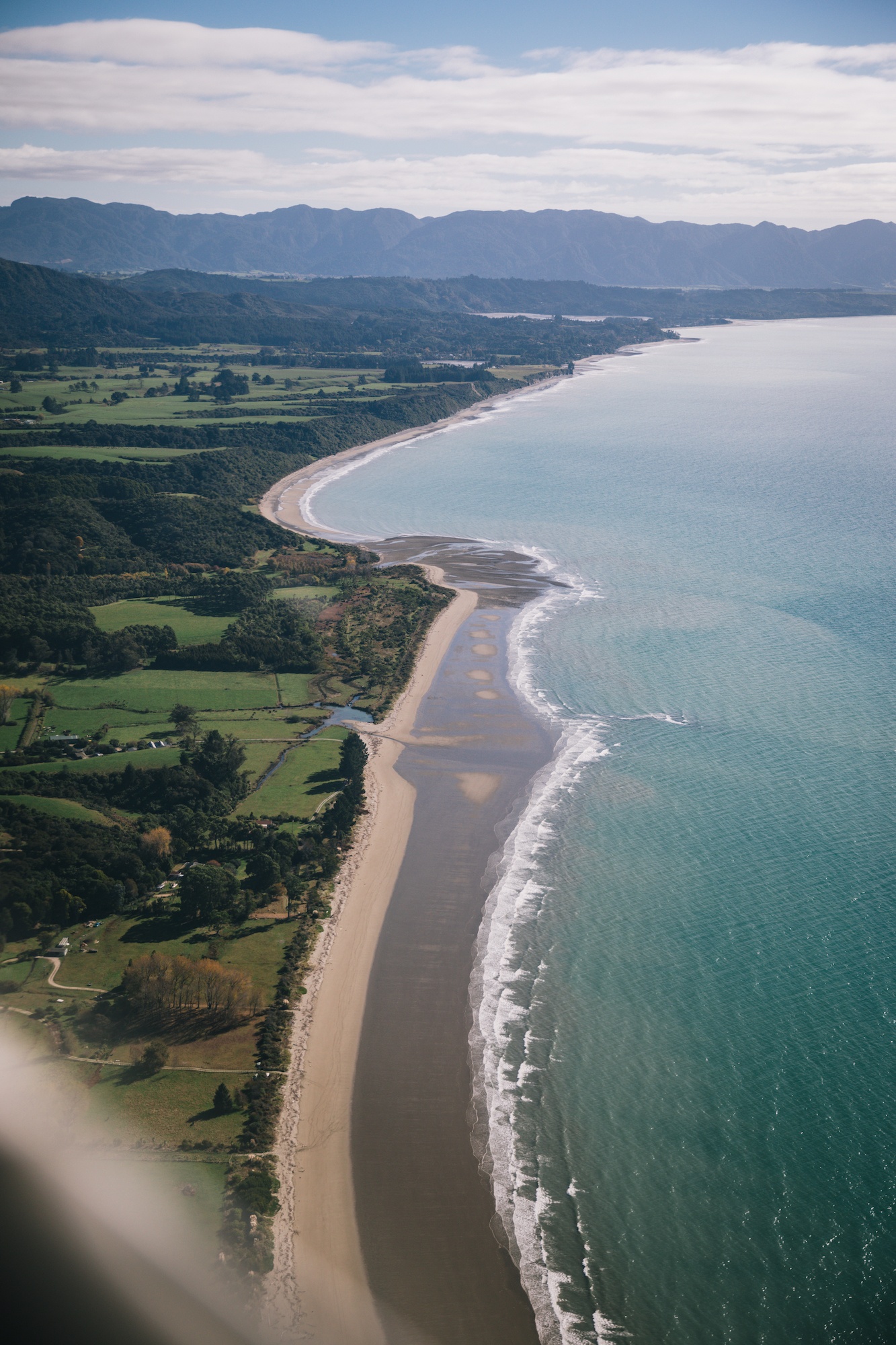
Despite these logistical hurdles, alternative transit solutions have evolved to support both residents and visitors. Regional carriers such as Golden Bay Air provide essential logistical connectivity, offering scheduled flights and charter services that link the isolated bay with surrounding areas, including Wellington and the termini of major trekking routes like the Heaphy Track. This multi-modal transport network mitigates the isolation of the region, facilitating tourism and commerce without overwhelming local infrastructure.
Socio-Economic Dynamics and Local Agriculture
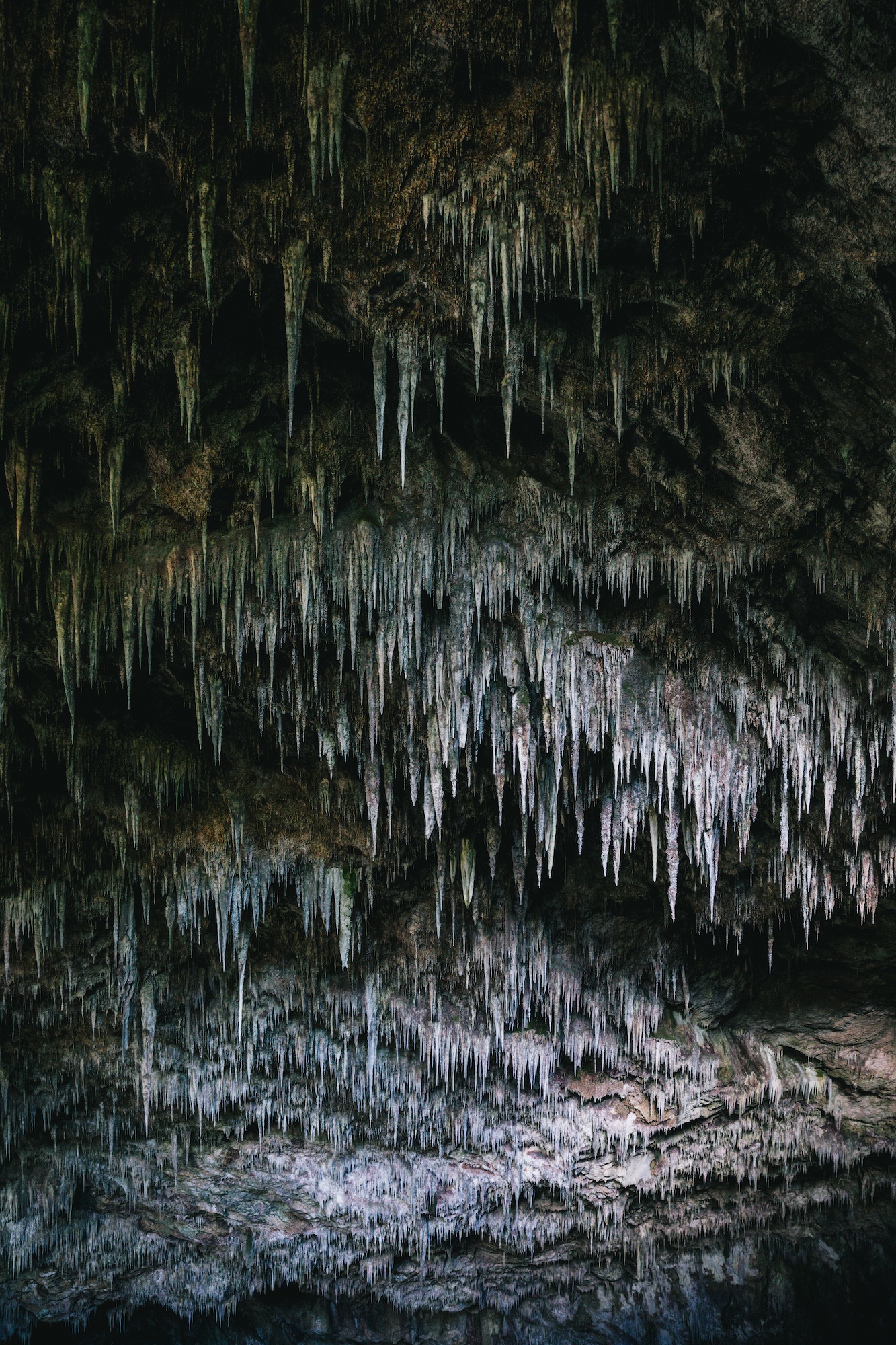
Golden Bay’s microclimate yields some of the highest sunshine hours in New Zealand, fostering a thriving agricultural sector dominated by independent growers, organic farms, and small-scale producers. The local economy relies heavily on sustainable horticulture, artisanal goods, and regional tourism, underpinned by a community-centric ethos reminiscent of late-20th-century rural life.

The region’s affordability and warmer climate offer a distinct contrast to the southern alpine regions of the South Island, such as Wānaka, where residents frequently face high winter utility costs and severe frost cycles. Economists and regional planners note that Golden Bay’s emphasis on localized food production and community-based commerce provides a resilient economic model, albeit one that maintains a strictly regulated approach to commercial development to preserve its unique rural character.
Marine Conservation and the Farewell Spit Phenomenon
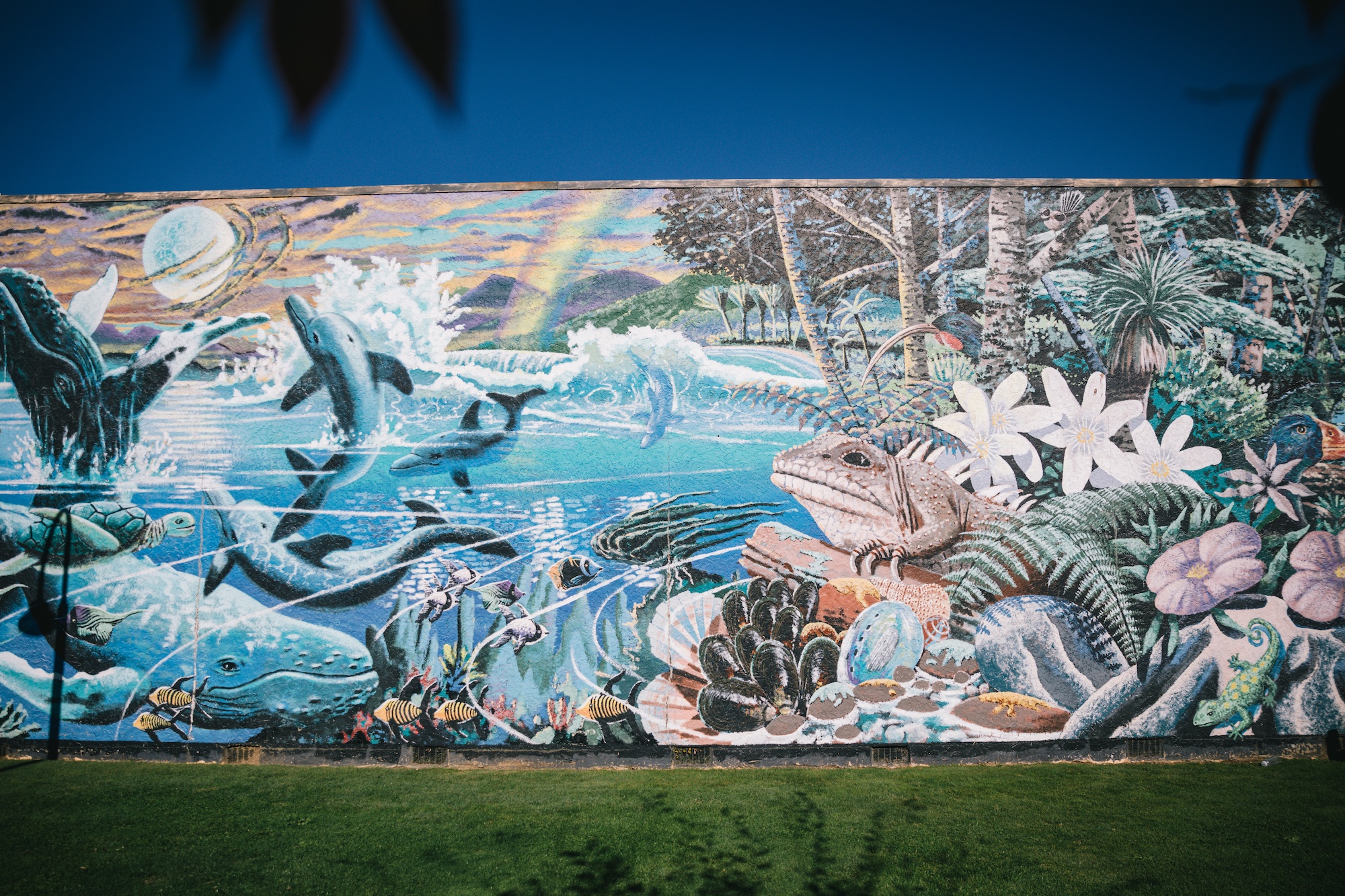
Beyond its agricultural output, Golden Bay is internationally recognized for its ecological significance—and its vulnerability to marine mammal stranding events. Farewell Spit, a sweeping sand formation featuring extensive shallow tidal flows and deep offshore waters, acts as a natural trap for cetaceans, most notably pilot whales.

The area has historically recorded some of New Zealand’s largest mass strandings, including an incident seven years ago involving more than 400 whales. Marine biologists and conservation organizations, such as Project Jonah, attribute these recurring events to a combination of complex underwater topography, shifting magnetic fields, and extreme tidal fluctuations. In response to these ecological challenges, New Zealand’s Department of Conservation (DOC) and various volunteer networks have refined rapid-response protocols, significantly improving rescue success rates and enhancing ongoing research into marine mammal behavior and stranding mitigation.

Ecotourism and Sustainable Infrastructure Development
In recent years, Golden Bay’s tourism sector has pivoted toward low-impact, high-value ecotourism, diversifying the local economy while safeguarding its natural assets. Developments such as specialized glamping networks and off-grid accommodations reflect a broader national trend toward sustainable travel. These enterprises frequently utilize locally sourced, recycled, and milled timber, minimizing the ecological footprint of visitor infrastructure.
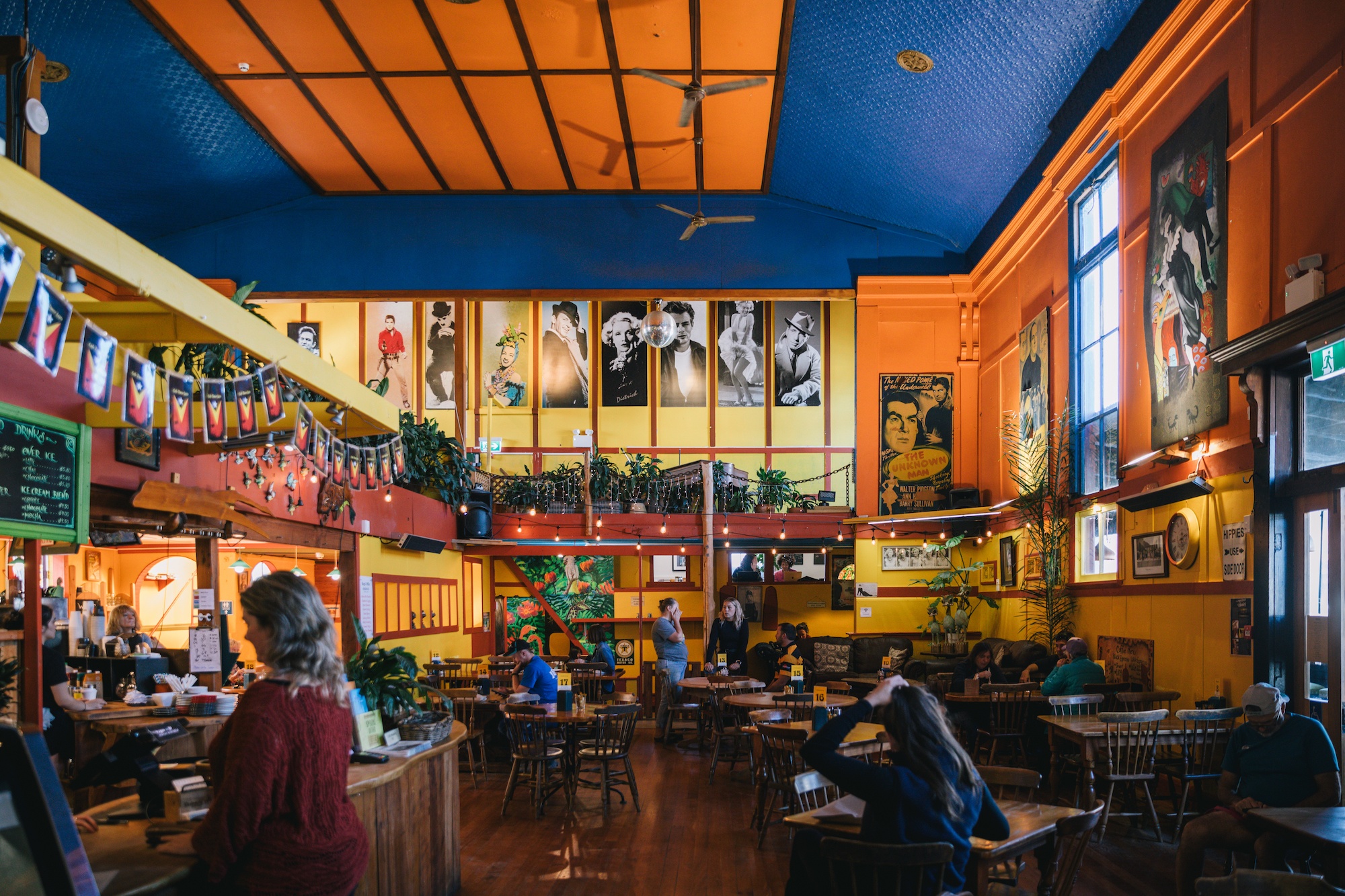
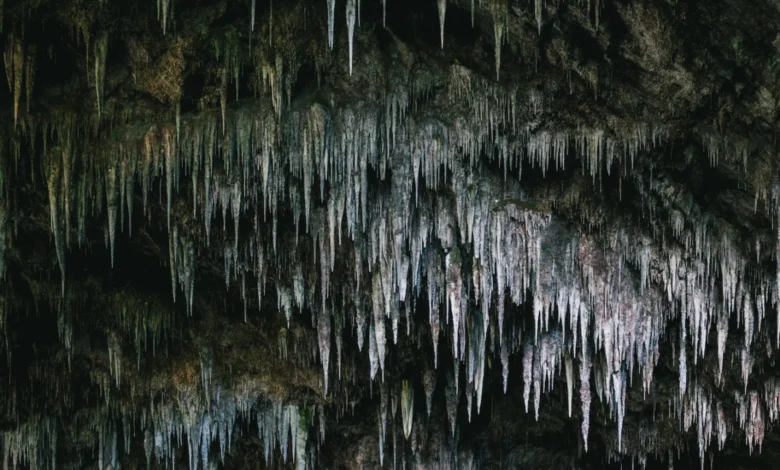
Key natural attractions, including the Rawhiti Caves within the Kahurangi National Park limestone belt and the pristine Te Waikoropupū Springs, underscore the region’s commitment to environmental preservation. Te Waikoropupū Springs, holding status as a culturally significant taonga (treasure) for local Māori, feature some of the clearest freshwater visibility recorded globally, reaching up to 81 meters. Stringent biosecurity and conservation measures prohibit physical contact with the water, balancing public access with absolute ecological protection.

Broader Implications and Future Outlook
The trajectory of Golden Bay reflects broader national debates surrounding rural sustainability, tourism management, and infrastructure resilience in New Zealand. As domestic and international travel patterns shift toward regional exploration, destinations like Golden Bay face the dual challenge of accommodating economic growth while maintaining environmental integrity and community cohesion.
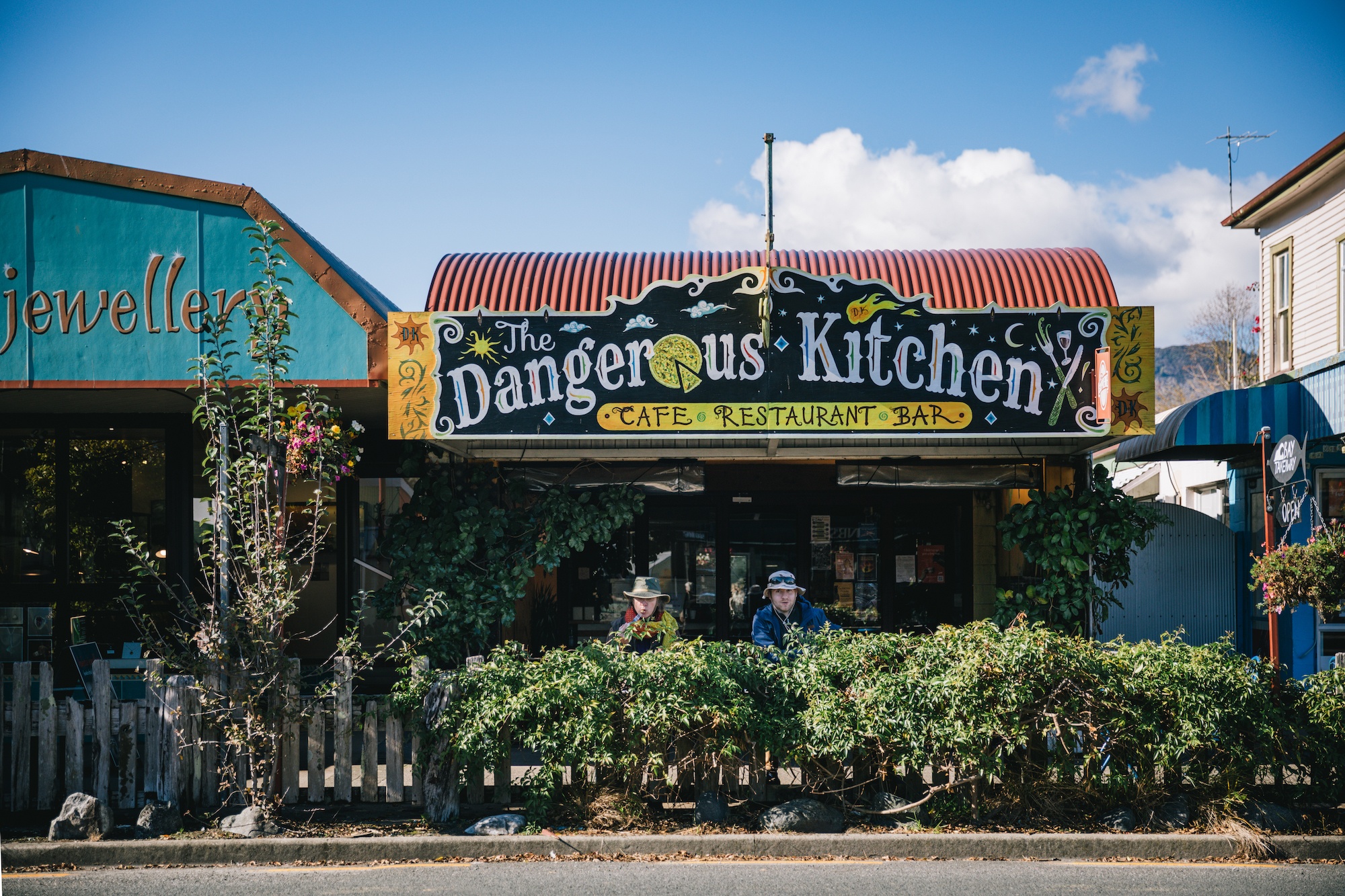
Industry analysts suggest that the collaborative framework between regional aviation providers, local independent enterprises, and conservation bodies serves as a viable blueprint for isolated regions. By prioritizing environmental stewardship—particularly in vulnerable marine zones—and fostering self-sustaining local economies, Golden Bay maintains its status as a vital ecological sanctuary and a resilient economic enclave at the top of the South Island.