The professional landscape of polar exploration is undergoing a significant transformation as seasoned travel experts transition from digital content creation to direct roles within the expedition cruise industry. This shift, exemplified by the career trajectory of industry veterans like Liz Carlson, reflects a broader trend in high-latitude tourism where authentic expertise and on-the-ground guiding are becoming as valuable as digital influence. As the Arctic becomes increasingly accessible during the summer melt, the demand for specialized knowledge in navigating these remote environments—ranging from the Canadian High Arctic to the glacial coastlines of Greenland—has reached unprecedented levels. This evolution marks a departure from traditional "influencer" marketing toward a more integrated model of expedition guiding, community-based tourism, and specialized travel consultancy.
The Operational Realities of Arctic Expedition Cruising
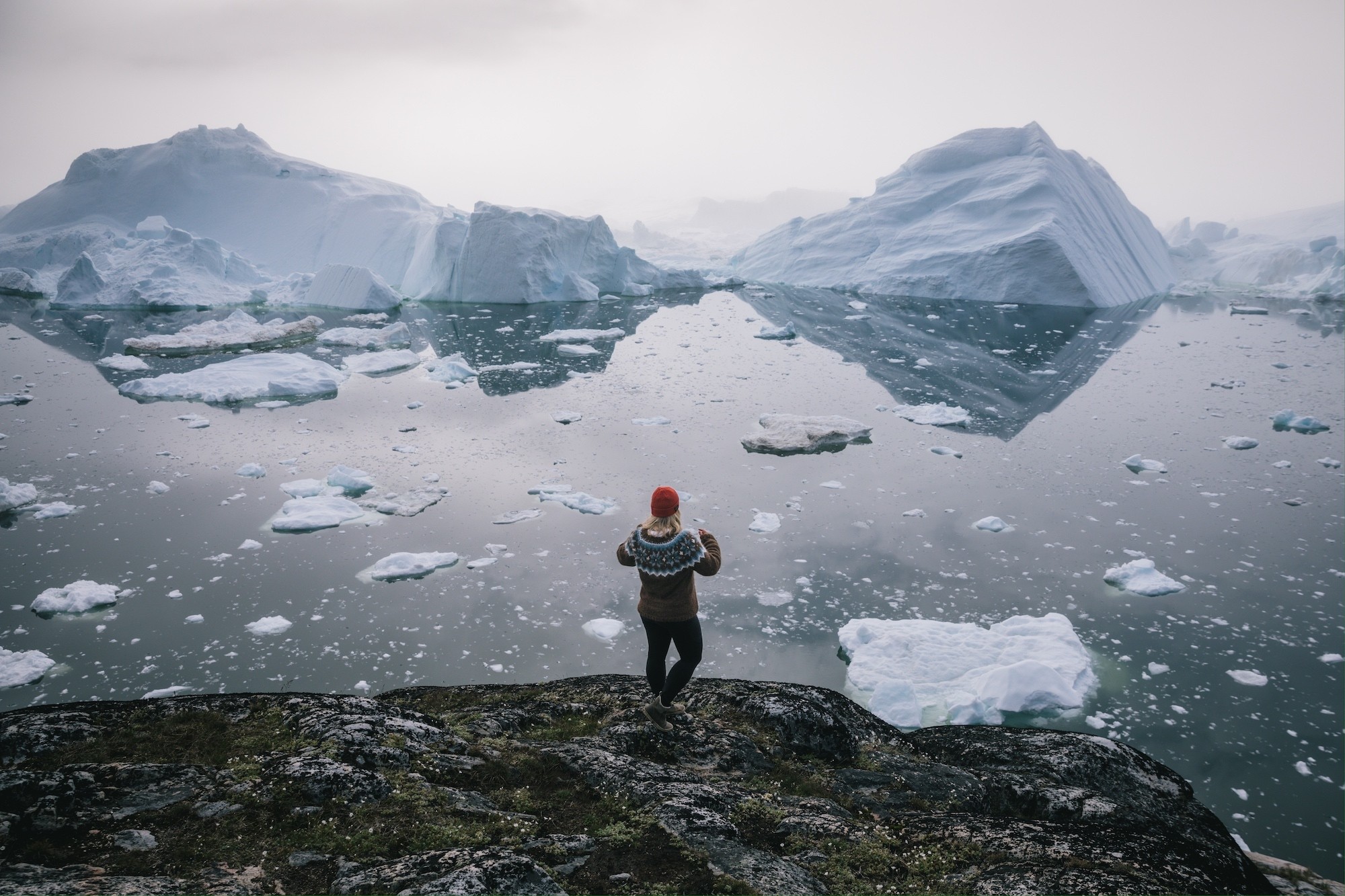
The Arctic remains one of the most logistically challenging environments on Earth for tourism. Unlike traditional cruise destinations, the polar regions are governed by extreme seasonal fluctuations in sea ice, which effectively seal off the high latitudes for the majority of the year. The operational window for tourism is restricted to a few months during the northern summer when the ice retreats sufficiently to allow passage for ice-strengthened expedition vessels.
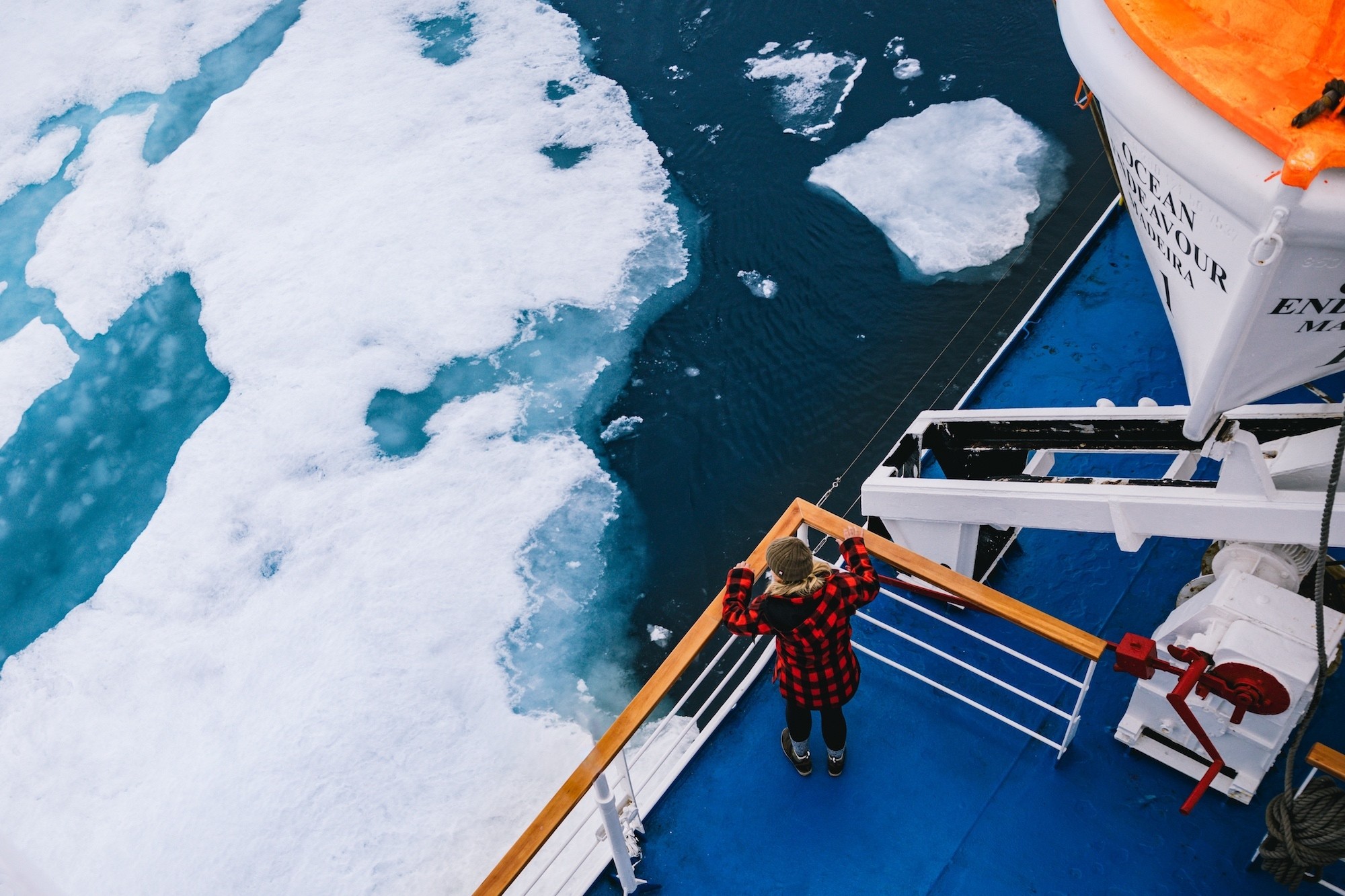
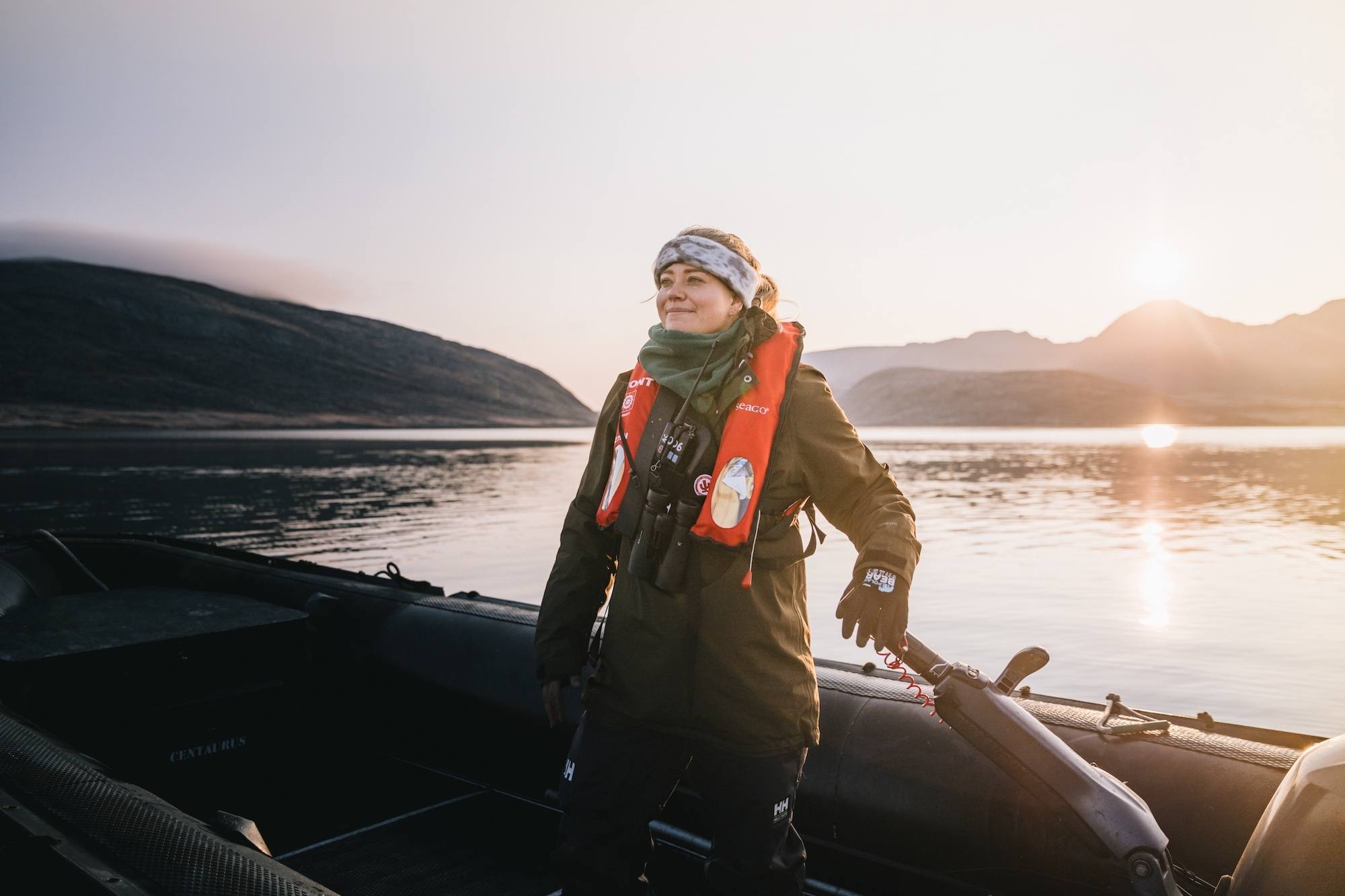
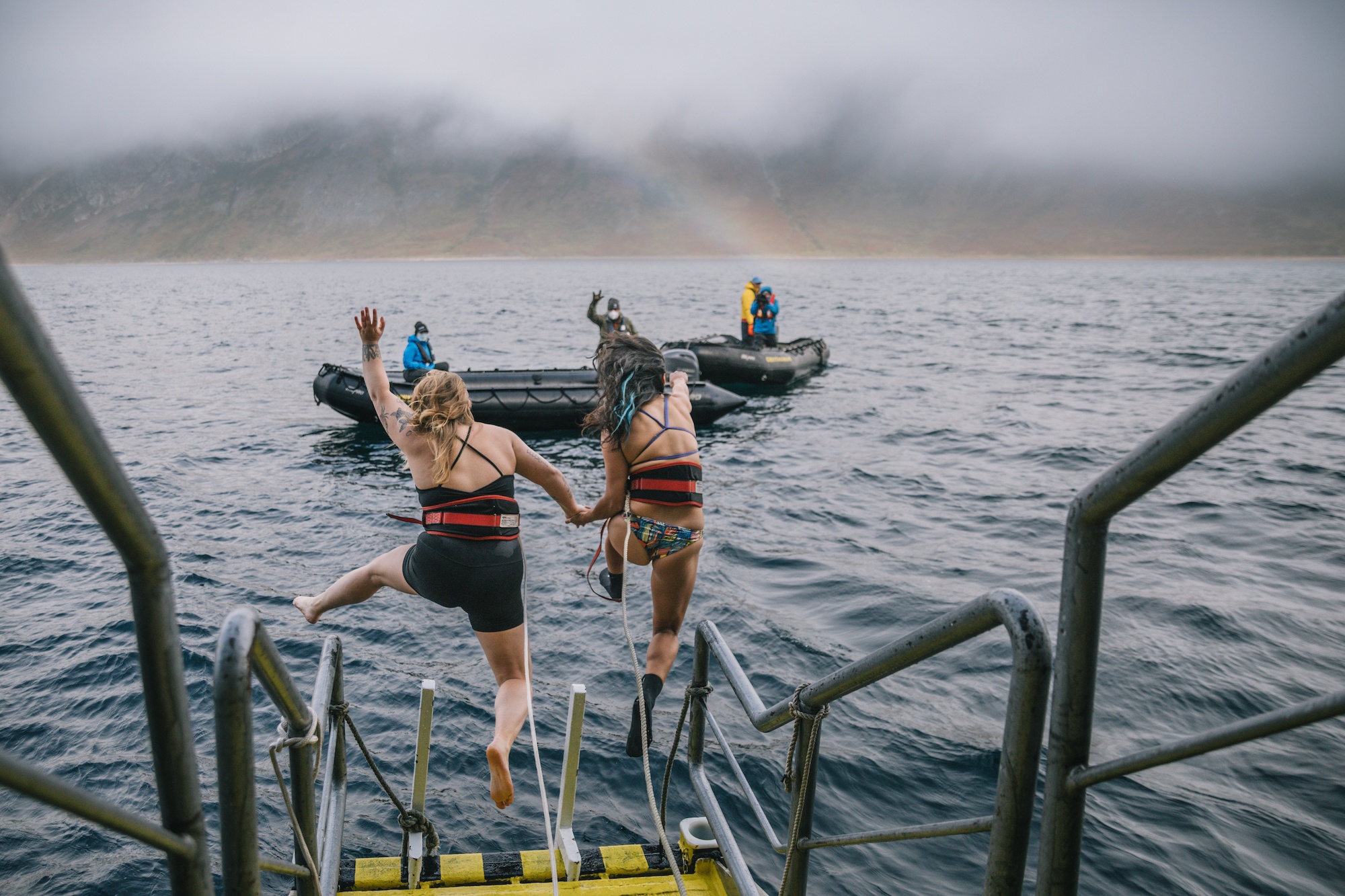
For operators like Adventure Canada, a family-owned entity that has become a cornerstone of Arctic exploration, the logistics involve a complex orchestration of maritime expertise and educational programming. Access to these regions is primarily facilitated by expedition ships, which serve as mobile base camps. In areas lacking deep-water ports or terrestrial infrastructure, passengers and crew rely on Zodiacs—heavy-duty inflatable boats—to conduct shore landings and wildlife viewing. This mode of travel is essential for visiting remote Inuit communities and historical sites, such as Beechey Island, where the infrastructure is nonexistent and the terrain is rugged.
A Chronology of Professional Transition in the Travel Industry
The movement of high-profile travel writers and photographers into the realm of professional guiding is a phenomenon that has accelerated in the post-pandemic era. The timeline of this transition typically follows a specific pattern of professional maturation:
- Digital Establishment (2010–2019): Travel professionals built substantial audiences through blogging and social media, often focusing on "bucket list" destinations and high-frequency content production.
- The Pandemic Pivot (2020–2022): The global cessation of travel led to widespread reflection within the industry. Many professionals reported "hustle fatigue" and a disillusionment with the competitive nature of social media metrics.
- Specialization and Integration (2023–Present): A strategic shift toward niche expertise, specifically in polar regions. Professionals are now seeking "meaningful work" that emphasizes community, such as joining expedition teams where they spend up to half the year at sea in Antarctica and the Arctic.
This professional shift is not merely a change in job title but a move toward a more sustainable and integrated business model. By combining the roles of expedition guide, storyteller, and travel consultant, industry figures are able to offer a more comprehensive service to a demographic of travelers seeking deep immersion rather than superficial sightseeing.
The Socio-Economic Impact of Niche Polar Tourism
The economic model of Arctic tourism is unique due to the high costs associated with polar operations. Expedition cruising is a high-cap cost industry, requiring specialized vessels, ice navigators, and expert staff including biologists, historians, and geologists.
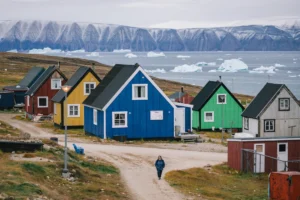
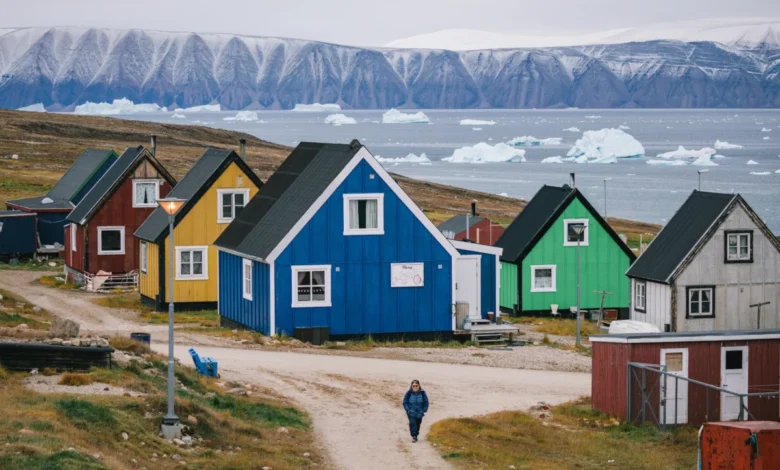
Data from the Association of Arctic Expedition Cruise Operators (AECO) suggests that the sector provides significant economic contributions to remote northern communities. For instance, when expedition ships visit colorful Inuit hamlets in Greenland or Nunavut, they often provide the primary source of tourism revenue for the year. This includes the purchase of local artwork, payments for cultural performances, and fees for local guides.
Furthermore, the "referral and commission" model being adopted by former influencers represents a new frontier in travel sales. By acting as specialized agents, these experts leverage their firsthand knowledge to match clients with specific itineraries—such as those focusing on Inuit art, Franklin Expedition history, or wildlife photography—ensuring a higher satisfaction rate and fostering long-term loyalty to operators.
Environmental Context and Wildlife Conservation
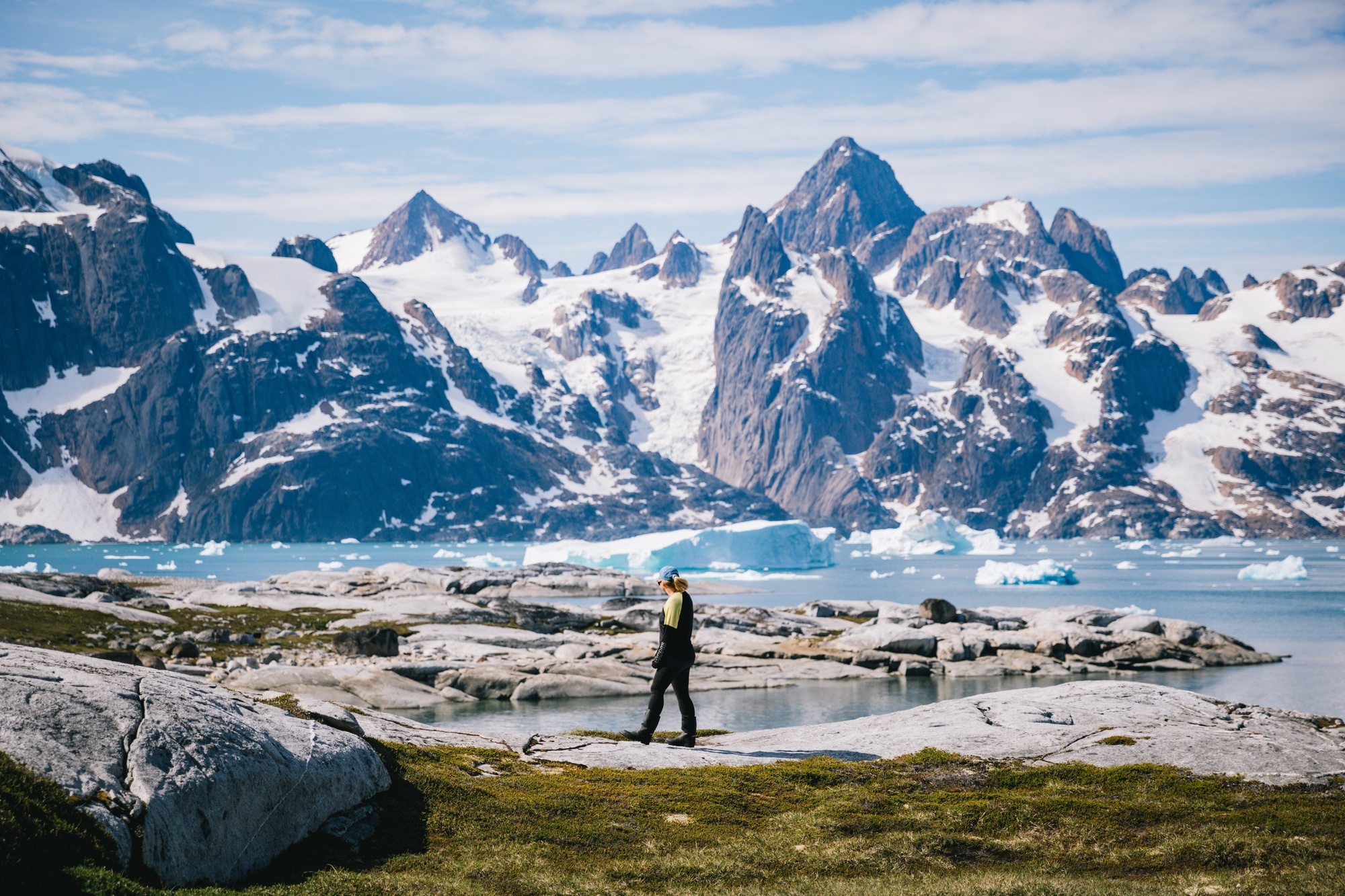
The Arctic is currently warming at a rate nearly four times faster than the global average, a phenomenon known as Arctic amplification. This environmental shift has profound implications for the tourism industry and the wildlife that defines it.

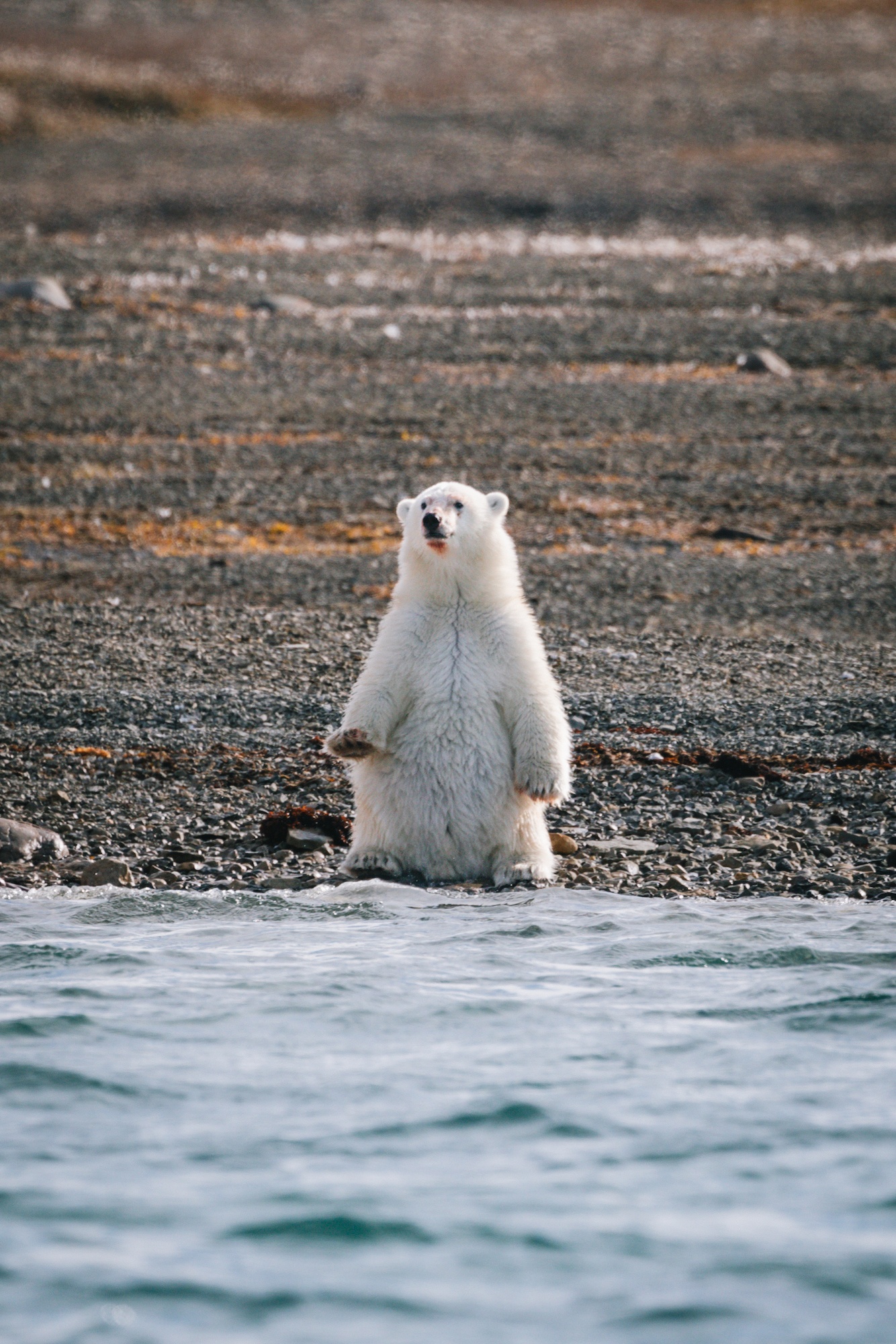
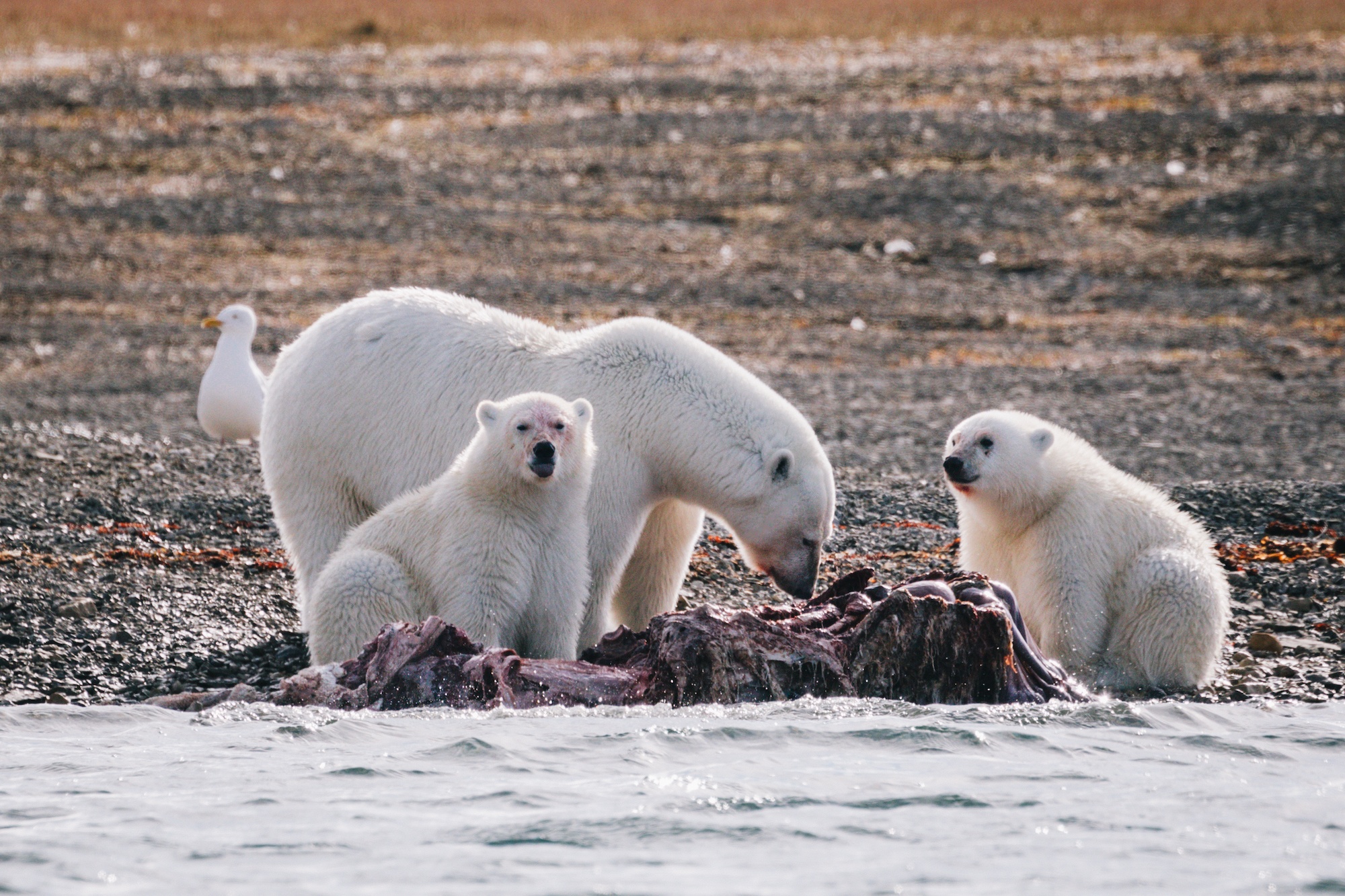
Wildlife sightings are the primary driver for Arctic tourism. The region is home to the "Big Five" of the North: polar bears, walruses, narwhals, beluga whales, and muskoxen. In 2023, expedition reports from the Canadian Arctic documented significant wildlife events, including sightings of polar bears scavenging on beluga whales—a stark reminder of the raw and unpredictable nature of the ecosystem.
However, the presence of tourism in these sensitive areas is a subject of ongoing debate. The industry’s response has been the promotion of the "ambassador" concept. Proponents argue that by bringing visitors to these regions to witness the effects of climate change and the majesty of the wildlife firsthand, they create a global network of advocates for polar conservation. This educational aspect is a core component of the guiding role, where experts translate scientific data and historical context for a lay audience.
Historical and Cultural Significance of the High Arctic
Arctic travel is often as much a journey through time as it is through geography. A primary focal point for many expeditions is the history of European exploration, specifically the search for the Northwest Passage.
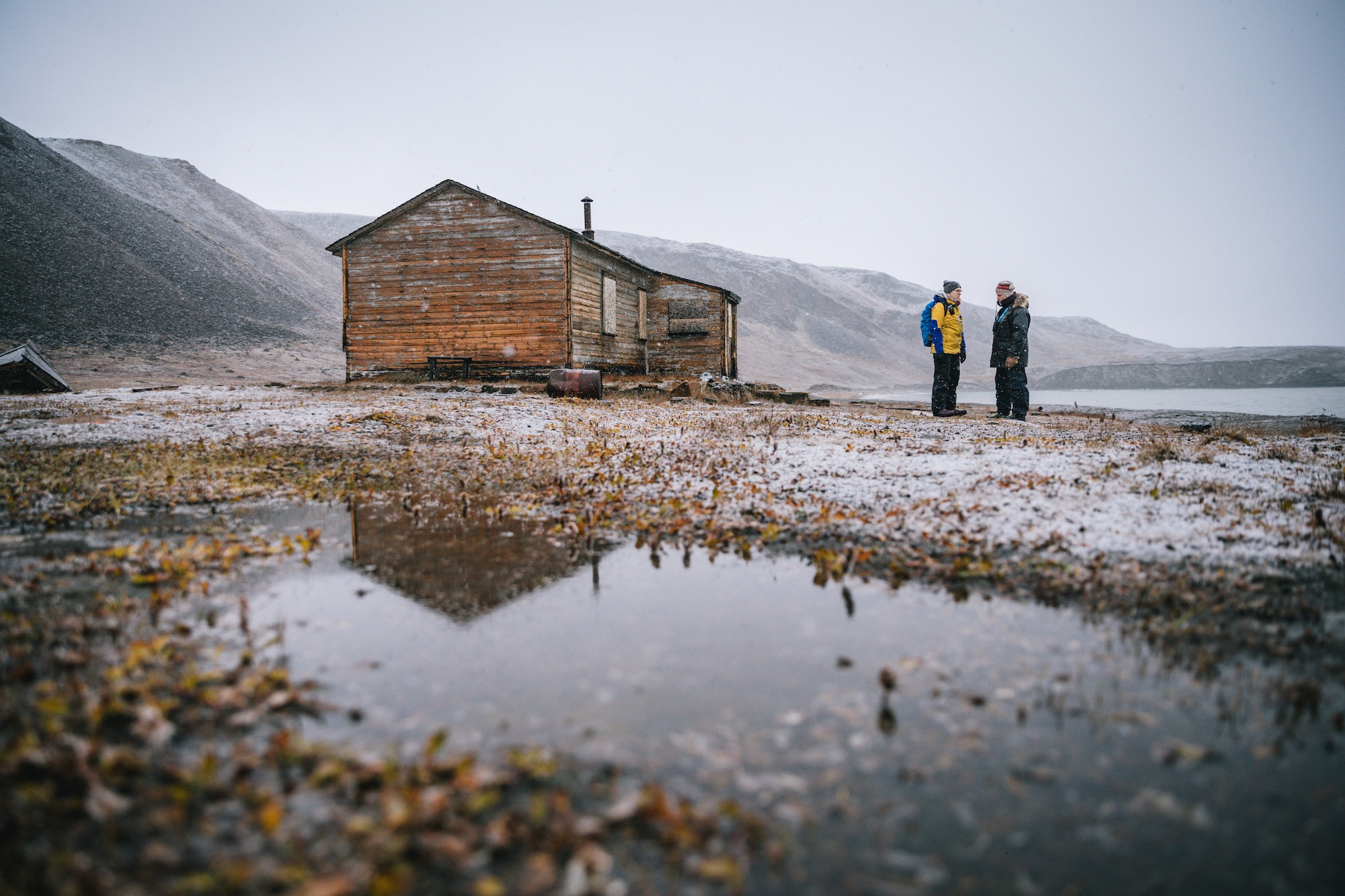
Beechey Island, located in the Canadian Arctic Archipelago, serves as a poignant historical site. It is the location where Sir John Franklin’s ill-fated 1845 expedition spent its first winter. The graves of three crewmen remain on the island, serving as a somber monument to the risks of polar exploration. Modern expedition guides play a crucial role in contextualizing these sites, linking the Victorian era of exploration to contemporary Inuit knowledge and modern maritime technology.
In addition to history, the cultural welcome provided by Arctic communities is a hallmark of the experience. These interactions are carefully managed to ensure they are respectful and mutually beneficial. The "family" atmosphere reported by staff at Adventure Canada is often mirrored in the relationships built with local residents, who share their traditional knowledge and contemporary life with visitors.
Market Analysis: The Rise of the "Expert-Led" Journey
The travel market is seeing a surge in demand for expert-led journeys. Consumers are increasingly willing to pay a premium for trips where they are accompanied by recognized authorities in their field. This trend is particularly evident in the polar regions, where the stakes are higher and the environment is more complex.
The transition from "Influencer" to "Expert Consultant" addresses a gap in the market. While traditional travel agents may have a broad knowledge of global destinations, they rarely possess the specific, granular experience required to advise on the nuances of an Arctic expedition—such as which ship is best for photography, which itinerary offers the best chance of seeing specific wildlife, or the physical requirements for Zodiac landings.
By adopting a more "hands-on" and "official" role in the booking process, polar experts are providing a service that is both organic and highly specialized. This model allows for a more authentic connection between the guide, the destination, and the traveler.
Broader Implications and Future Outlook
As the boundaries between digital storytelling and professional guiding continue to blur, the Arctic tourism industry is likely to see further professionalization. The emphasis is shifting away from the "hustle" of content creation toward the "craft" of expedition management.
The future of the Arctic remains precarious. Diminishing glaciers in Greenland and the thinning of sea ice in the Canadian North present both a challenge to the ecosystem and a "last chance" appeal for travelers. In this context, the role of the guide becomes even more critical. They are no longer just facilitators of travel; they are interpreters of a changing world.
The commitment to transparency regarding income models—such as moving away from traditional influencer sponsorships toward commission-based referrals—is a sign of a maturing industry. It reflects a desire for professional integrity and a focus on long-term sustainability over short-term digital trends. For the Arctic, this means a tourism model that is more deeply rooted in experience, education, and a profound respect for the wild, unpredictable nature of the far north. Travelers who venture into these regions are encouraged to do so not just as tourists, but as students of the ice, ready to return home as ambassadors for one of the planet’s most fragile and magnificent frontiers.