The Evolution of Modern Travel Media From Digital Influencer to Specialized Polar Expedition Guide

The global travel industry is witnessing a significant shift in the professional trajectory of digital content creators as the "influencer" model evolves toward high-level specialization and expedition-based expertise. This transition is exemplified by the recent career pivot of established travel journalists who are moving away from traditional blogging and social media "hustle" to assume formal roles within the polar expedition sector. As the demand for remote, educational, and sustainable travel grows, professionals are increasingly integrating content creation with technical guiding and specialized travel consultancy, particularly in the high-latitude regions of the Arctic and Antarctica.
The Paradigm Shift in Travel Journalism and Content Creation
For over a decade, the travel industry was dominated by the rise of the "digital nomad" and the travel influencer—individuals who leveraged social media platforms to document global excursions, often funded by brand partnerships and advertising revenue. However, the post-pandemic landscape has introduced a period of reflection and professional fatigue among many top-tier creators. Industry analysts note a growing disillusionment with the "meaningless competition" and the "hustle culture" inherent in algorithm-driven content creation.
This disillusionment has catalyzed a movement toward "slow travel" and professional "guiding," where creators seek deeper connections with specific geographical regions and communities. By transitioning into roles such as expedition guides, these professionals are moving from being external observers to active participants in the travel ecosystem. This shift allows for a more sustainable career model that prioritizes expertise and community over fleeting digital engagement.
The Growth and Dynamics of Polar Tourism
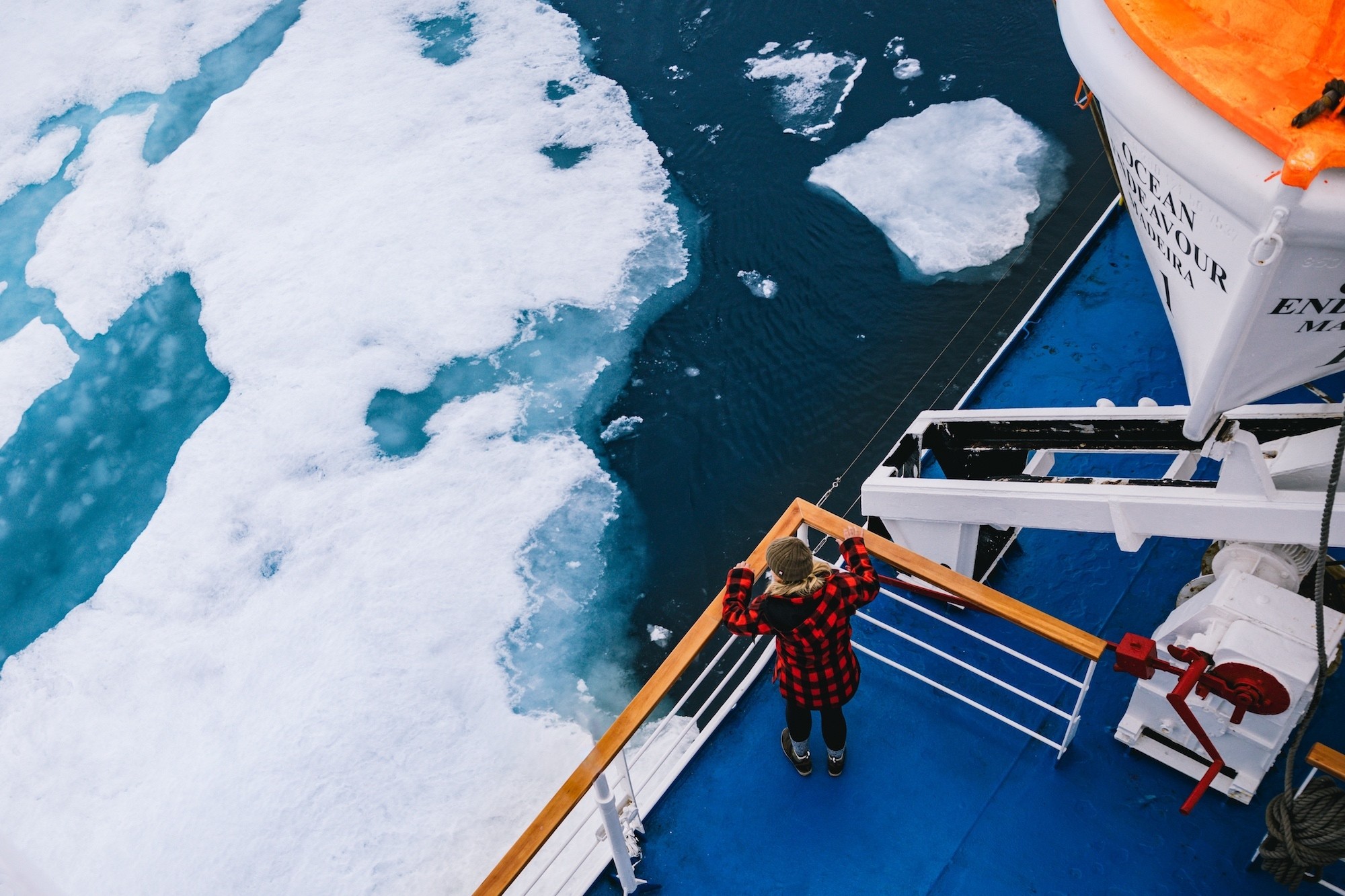
The Arctic and Antarctic regions represent the final frontiers of global tourism. Accessible primarily by ice-strengthened expedition ships, these regions are governed by strict environmental regulations and seasonal windows. In the Arctic, the tourism season is confined to a few months during the northern summer when sea ice melts sufficiently to allow passage.
According to data from the Association of Arctic Expedition Cruise Operators (AECO), tourism in the high North has seen steady growth, driven by an increasing interest in "last-chance tourism"—the desire to witness glaciers and polar ecosystems before they are further altered by climate change. This surge in interest has created a need for guides who possess not only technical skills, such as Zodiac boat operation and polar bear safety, but also the ability to communicate complex environmental and cultural narratives to passengers.
Chronology of a Professional Transition: From Blogger to Guide
The career evolution of specialized guides often follows a distinct timeline that reflects the changing nature of the travel industry over the last 15 years:
- The Blogging Era (2010–2015): The initial phase characterized by the "crafting of a career out of thin air." Creators focused on high-volume content production, SEO, and building a digital audience.
- The Influencer Peak (2016–2019): A period of intense competition and commercialization. The focus shifted to brand deals and the "influencer lifestyle," which many now describe as exhausting and creatively stifling.
- The Pandemic Interruption (2020–2021): The global cessation of travel provided a forced period of reflection. Many creators evaluated the longevity of the influencer model and sought more meaningful engagement with the industry.
- The Specialization Phase (2022–Present): A pivot toward polar travel and expedition guiding. This involves rigorous training in safety, logistics, and regional history, leading to seasonal contracts with established expedition companies.
The Role of Expedition Companies: A Case Study of Adventure Canada
The transition from digital creator to expedition professional is often facilitated by partnerships with specialized travel operators. Adventure Canada, a family-owned and operated company, has emerged as a key player in this niche. Founded by three siblings and rooted in a legacy started by their father and uncle, the company emphasizes a "family" atmosphere that contrasts with the corporate nature of larger cruise lines.
A defining characteristic of such high-end operators is the loyalty of both staff and passengers. Industry reports suggest that on many polar expeditions, up to 50% of the passengers are "repeaters" who have traveled with the same company previously. This high retention rate is attributed to the expertise and interpersonal skills of the guides, many of whom return year after year, fostering a community-centric environment often compared to a "summer camp for adults."
Technical and Environmental Responsibilities in Polar Guiding
Guiding in the Arctic and Antarctica is a physically demanding and high-stakes profession. It requires a diverse skill set that goes far beyond traditional tour guiding. Key responsibilities include:

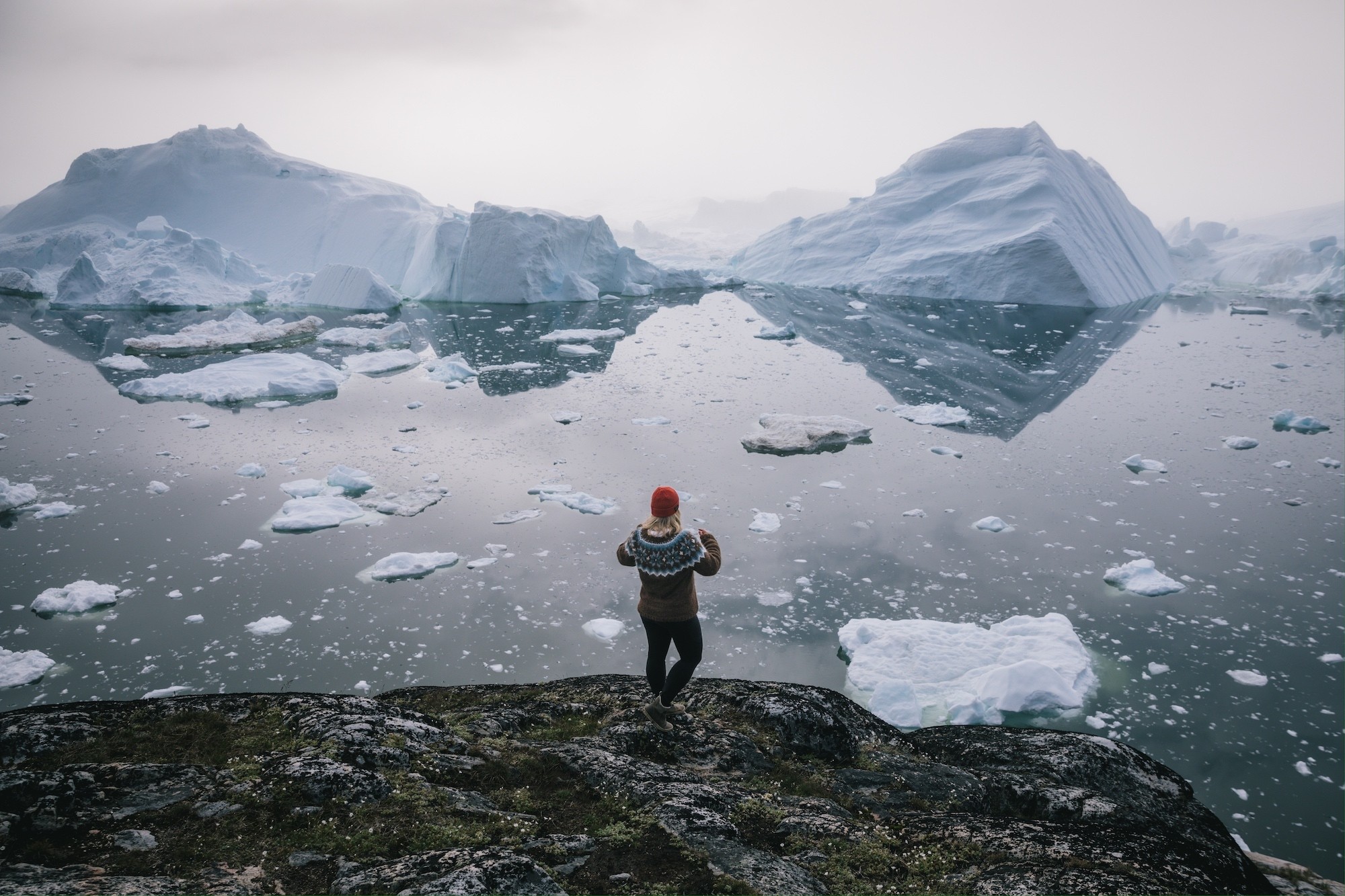
- Zodiac Operations: Navigating small, inflatable boats through ice-choked waters and around icebergs that can reach the height of skyscrapers.
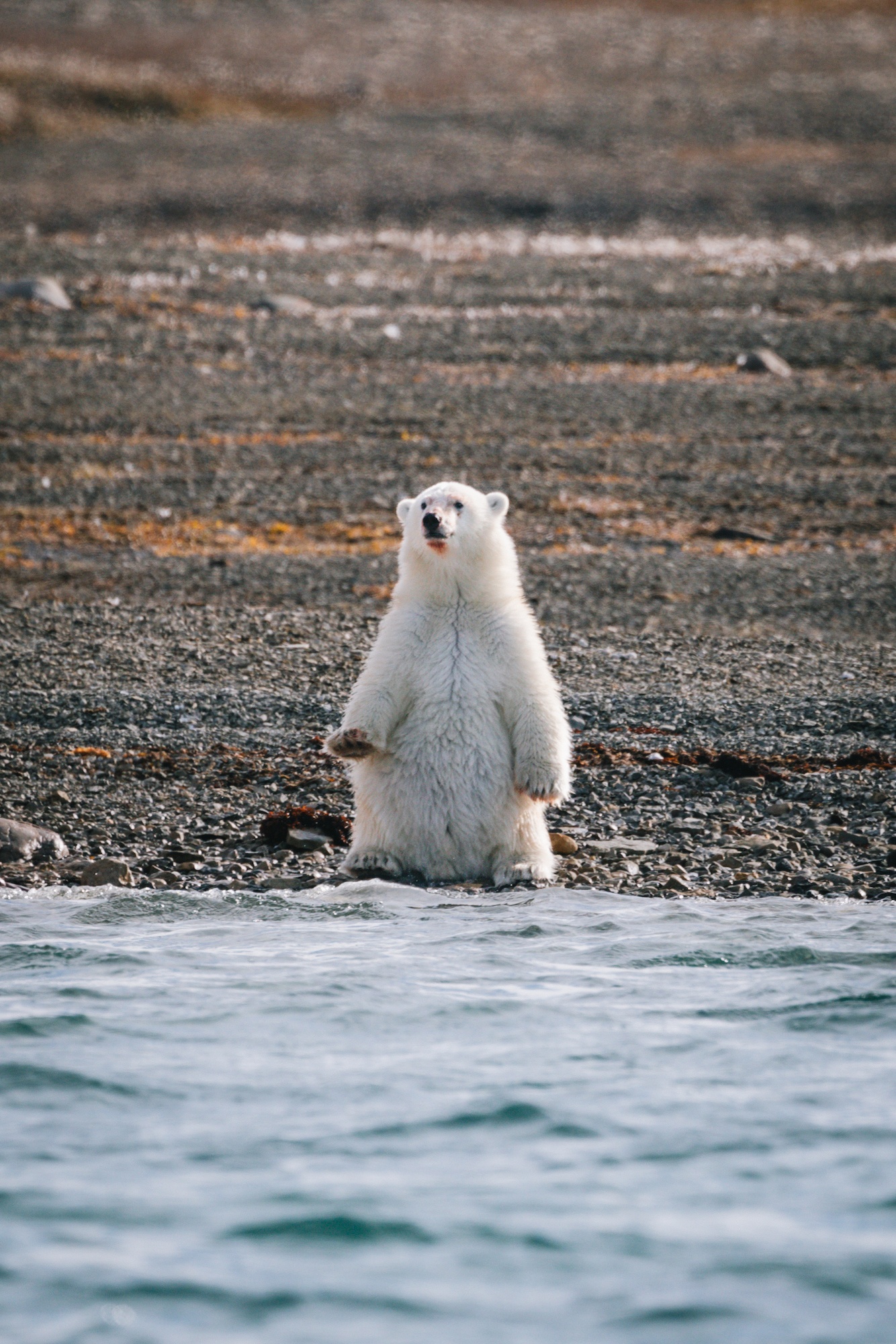
- Wildlife Monitoring: Using high-powered binoculars and local knowledge to spot polar bears (Ursus maritimus), whales, and other Arctic fauna while ensuring passenger safety and adhering to wildlife viewing distances.
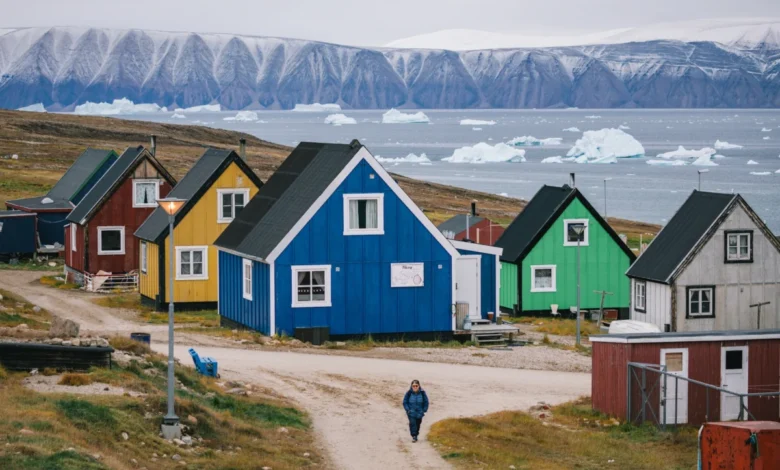
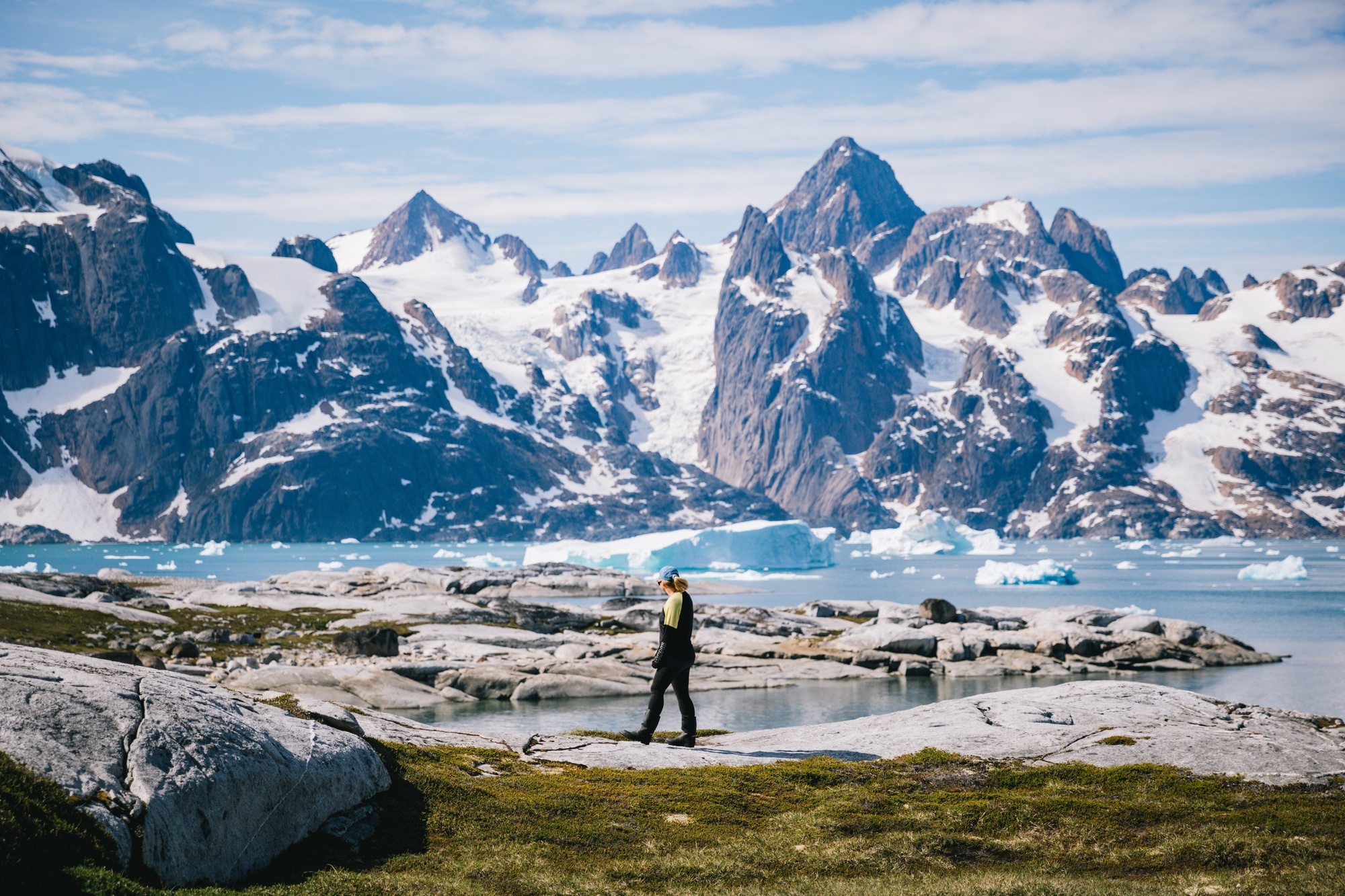
- Cultural Liaison: Facilitating respectful visits to northern communities, such as those in Greenland and Nunavut, and promoting Inuit art and culture.
- Safety Protocols: Managing "polar bear watches" during shore landings and following in the historical footsteps of explorers like Sir John Franklin at sites such as Beechey Island.
The work is described by industry insiders as "freaking hard work" but deeply fulfilling, as it allows guides to share their passion for these fragile ecosystems with a captive audience.
The Economics of Specialized Travel Consulting
A significant aspect of this career shift is the integration of travel sales into the content creator’s business model. By acting as a specialized travel consultant or "referral agent," guides can leverage their firsthand experience to help clients select the appropriate trip. This model offers several benefits:
- Commission-Based Revenue: Agents earn a commission on bookings, providing a more stable income stream than traditional advertising.
- Transparency: Professionals emphasize the importance of being "honest and official" about their financial interests, which builds trust with their audience.
- Curation: Using deep regional knowledge to ensure passengers are matched with trips that align with their specific interests, whether it be Inuit art, glacial geology, or wildlife photography.
This hybrid model allows professionals to step back from the "Influencer world" and focus on creative pursuits and education while maintaining a viable business.
Environmental Implications and the "Ambassador" Philosophy
The overarching goal of many polar expedition professionals is to foster a sense of environmental stewardship among travelers. There is a firm belief within the industry that "everyone who visits becomes a lifelong ambassador" for the polar regions. In an era of rapid climate change, these ambassadors play a crucial role in advocating for the protection of sea ice and diminishing glaciers.
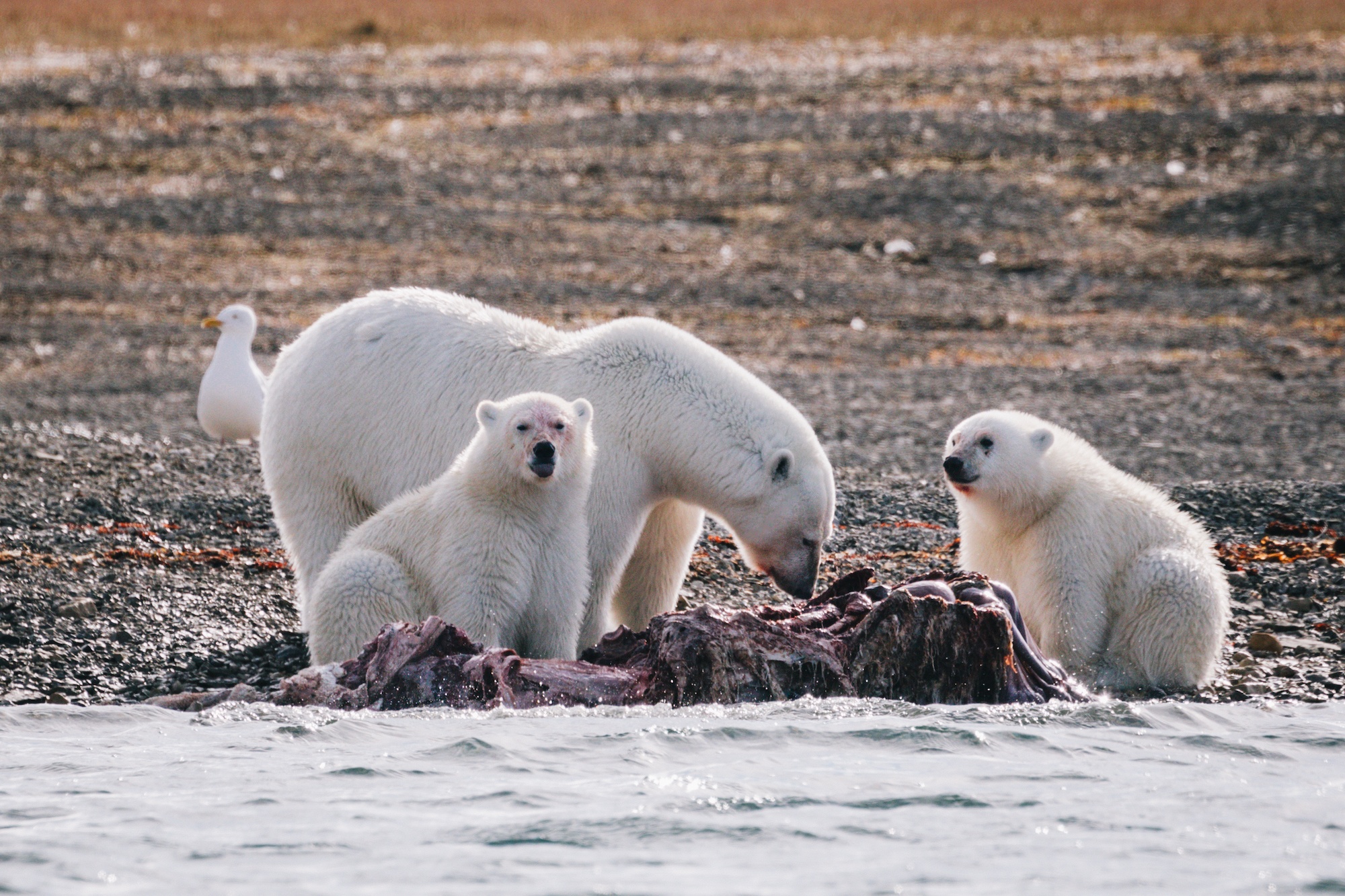
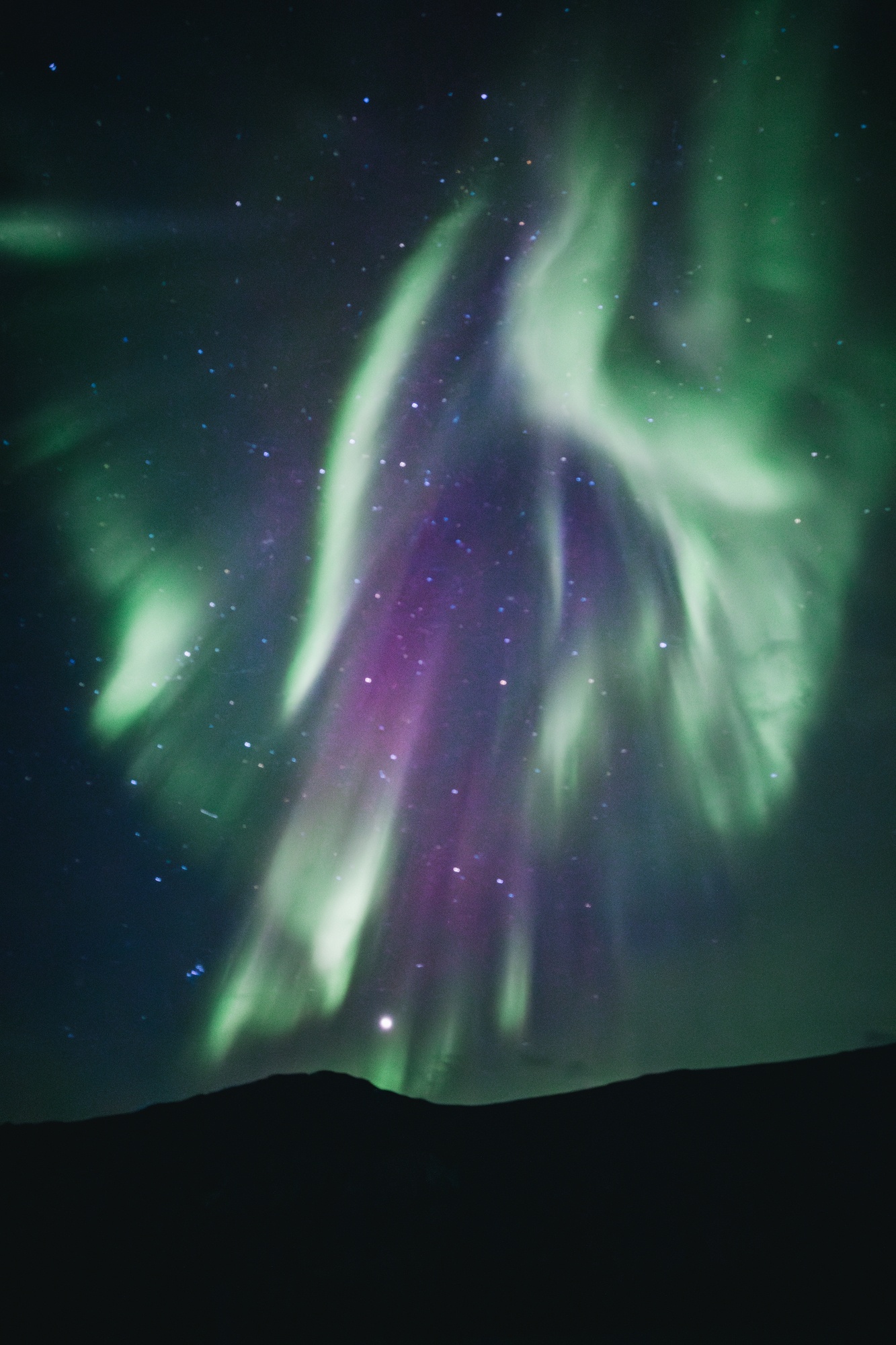
The educational component of these trips—lectures on marine biology, glaciology, and polar history—ensures that tourism serves a purpose beyond mere sightseeing. By experiencing the "dancing northern lights" or witnessing a mother polar bear with cubs, travelers develop an emotional connection to the Arctic that often translates into conservation action.
Future Outlook: The Sustainability of Polar Expeditions
As the travel industry continues to recover and evolve, the trend toward niche expertise is expected to accelerate. The "influencer" of the future will likely be a specialist—a scientist, a historian, or a certified guide—who uses digital platforms to share deep, factual knowledge rather than aspirational lifestyle content.
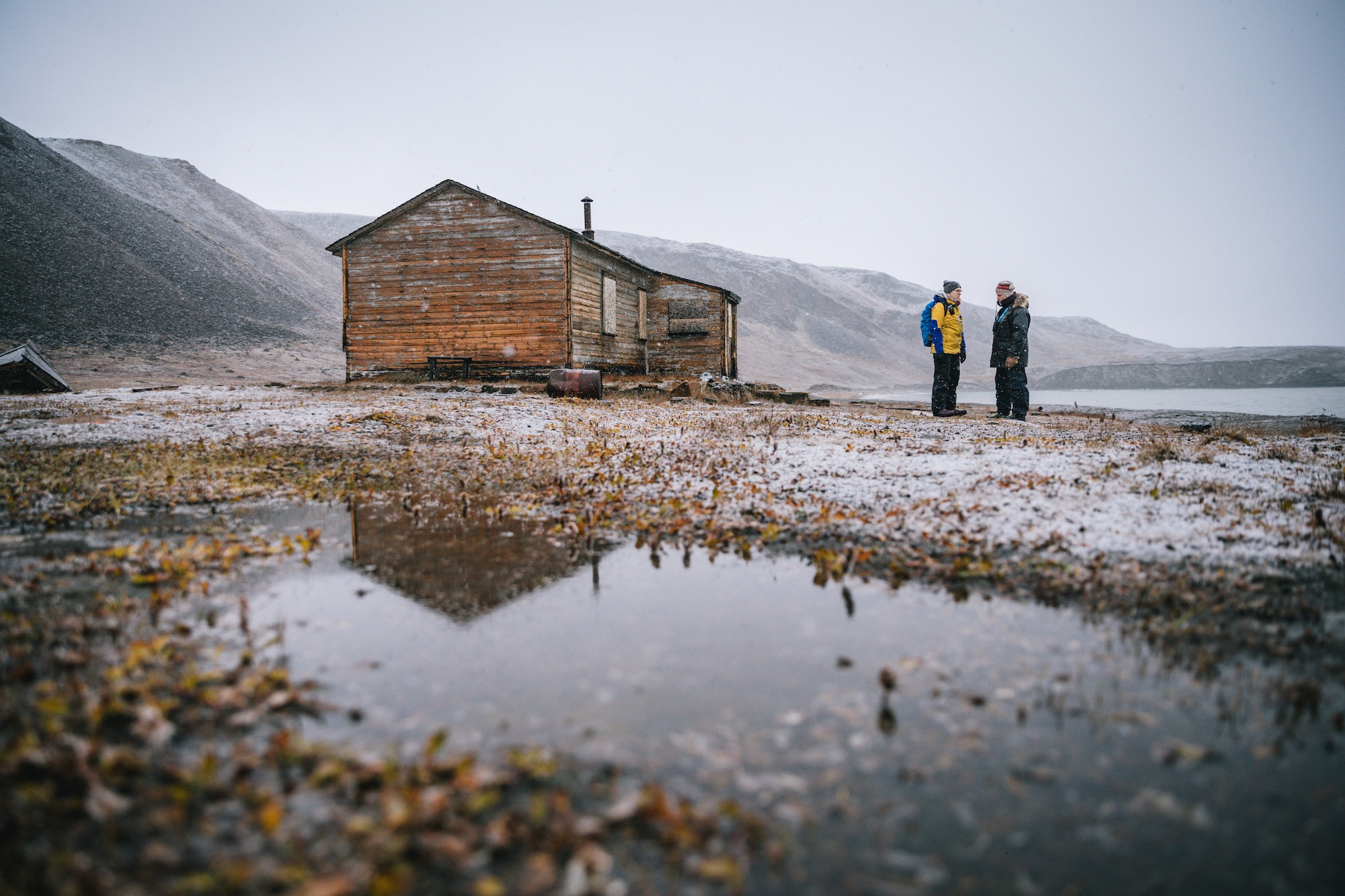
For the Arctic and Antarctic, the challenge remains the balance between accessibility and preservation. The shift toward smaller, expedition-style vessels and the employment of highly trained, passionate guides is a step toward a more responsible form of tourism. These professionals serve as the bridge between the remote wonders of the far North and a global public that increasingly values authenticity, expertise, and environmental integrity.
In conclusion, the movement from general travel blogging to specialized polar guiding represents a maturation of the travel media industry. It reflects a desire for more profound professional engagement and a recognition that the world’s most vulnerable ecosystems require not just visitors, but informed and dedicated advocates.