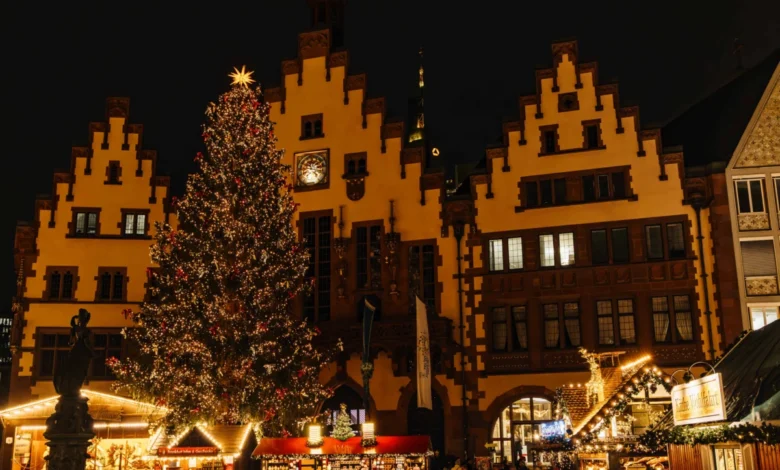
Germany’s legendary Christmas markets, or Weihnachtsmärkte, are set to return in late 2025, transforming city squares and historic cobblestone streets into festive hubs of commerce and culture. These markets, which trace their origins back to the Late Middle Ages, have evolved from simple winter supply depots into a cornerstone of the German tourism industry and a vital cultural export. For travelers and historians alike, the 2025 season promises a blend of centuries-old tradition and modern logistical precision. As municipal tourism boards across the Federal Republic begin finalizing their schedules, early projections and official confirmations indicate a season that will largely span from mid-November through the conclusion of the Advent season.
The Historical Evolution of the Christmas Market
To understand the significance of the 2025 dates, one must look at the historical timeline of the German Christmas market. The tradition began as "winter markets" during the 14th century, intended to provide citizens with food and supplies to survive the cold months. The Bautzen Christmas market, first mentioned in 1384, is frequently cited as one of the oldest, while Dresden’s Striezelmarkt traces its official lineage back to 1434.
Over centuries, these markets shifted from utilitarian necessity to festive celebrations. By the 19th century, they became synonymous with German Romanticism, featuring the artisanal toys, ornaments, and regional delicacies that remain staples today. In the contemporary era, these markets are not merely local gatherings but international attractions that draw millions of visitors, necessitating advanced planning and significant municipal investment.
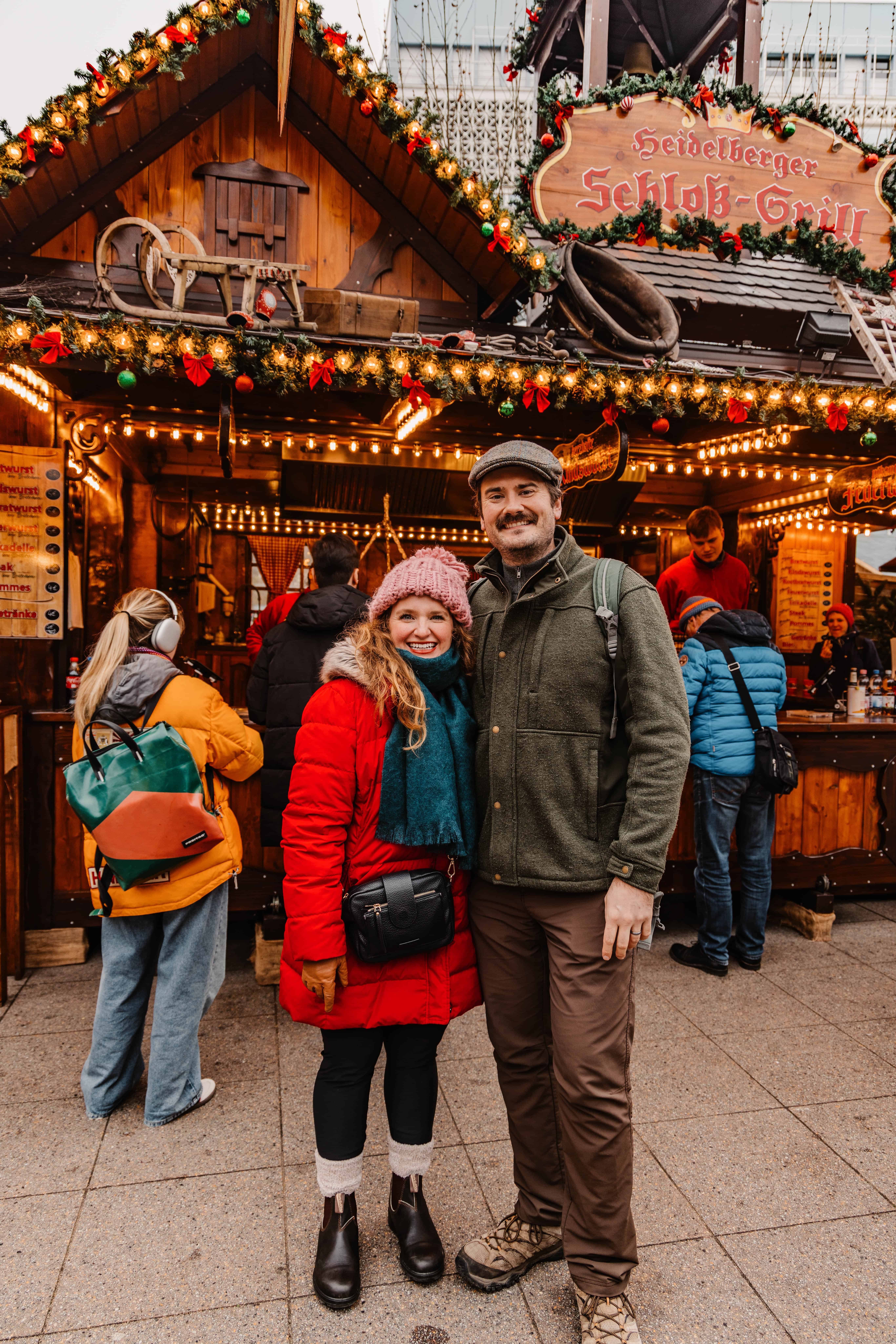
Projected and Confirmed 2025 Opening Dates
The timing of German Christmas markets is traditionally dictated by the liturgical calendar, specifically the period of Advent. In 2025, the first Sunday of Advent falls on November 30. However, many larger cities have moved toward earlier opening dates in November to accommodate the high volume of international tourism and to maximize economic impact.
Based on official releases from city tourism departments and historical scheduling patterns, the following timeline represents the 2025 operational window for Germany’s most prominent markets:
- Cologne: November 17 – December 23
- Düsseldorf: November 20 – December 30
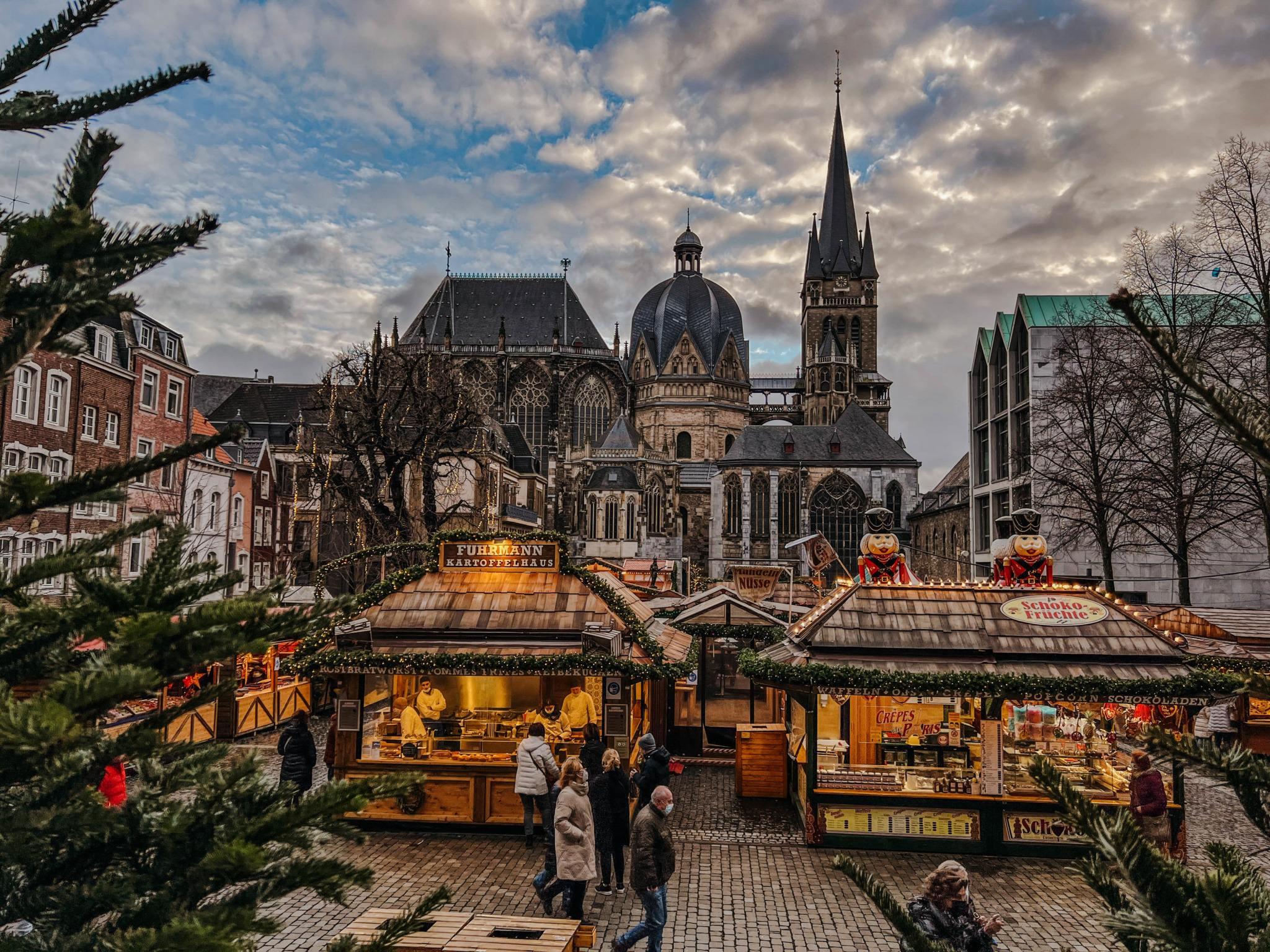
- Aachen: November 21 – December 23
- Rothenburg ob der Tauber: November 21 – December 23
- Trier: November 21 – December 22
- Berlin: November 24 – December 31 (Selected markets extend into January)
- Munich: November 24 – December 24
- Frankfurt: November 24 – December 22
- Hamburg: November 24 – December 23
- Heidelberg: November 24 – December 22
- Erfurt: November 24 – December 22
- Hannover: November 24 – December 22
- Leipzig: November 25 – December 23
- Wiesbaden: November 25 – December 23
- Bamberg: November 25 – December 23
- Dresden: November 26 – December 24
- Stuttgart: November 26 – December 23
- Nuremberg: November 28 – December 24
It is important to note that most markets close by the afternoon of Christmas Eve (December 24) to allow vendors and local staff to celebrate the holiday with their families. A select few, particularly in Berlin and Düsseldorf, maintain operations through the New Year, offering a "Winter Market" experience that persists after the traditional Advent period ends.
Economic Impact and Tourism Data
The German Christmas market sector is a multi-billion euro industry. According to data from the German Tourism Association (DTV), the markets collectively attract approximately 85 million visitors annually. These visitors generate significant revenue not only for the stallholders but also for the broader hospitality sector, including hotels, restaurants, and transportation services.
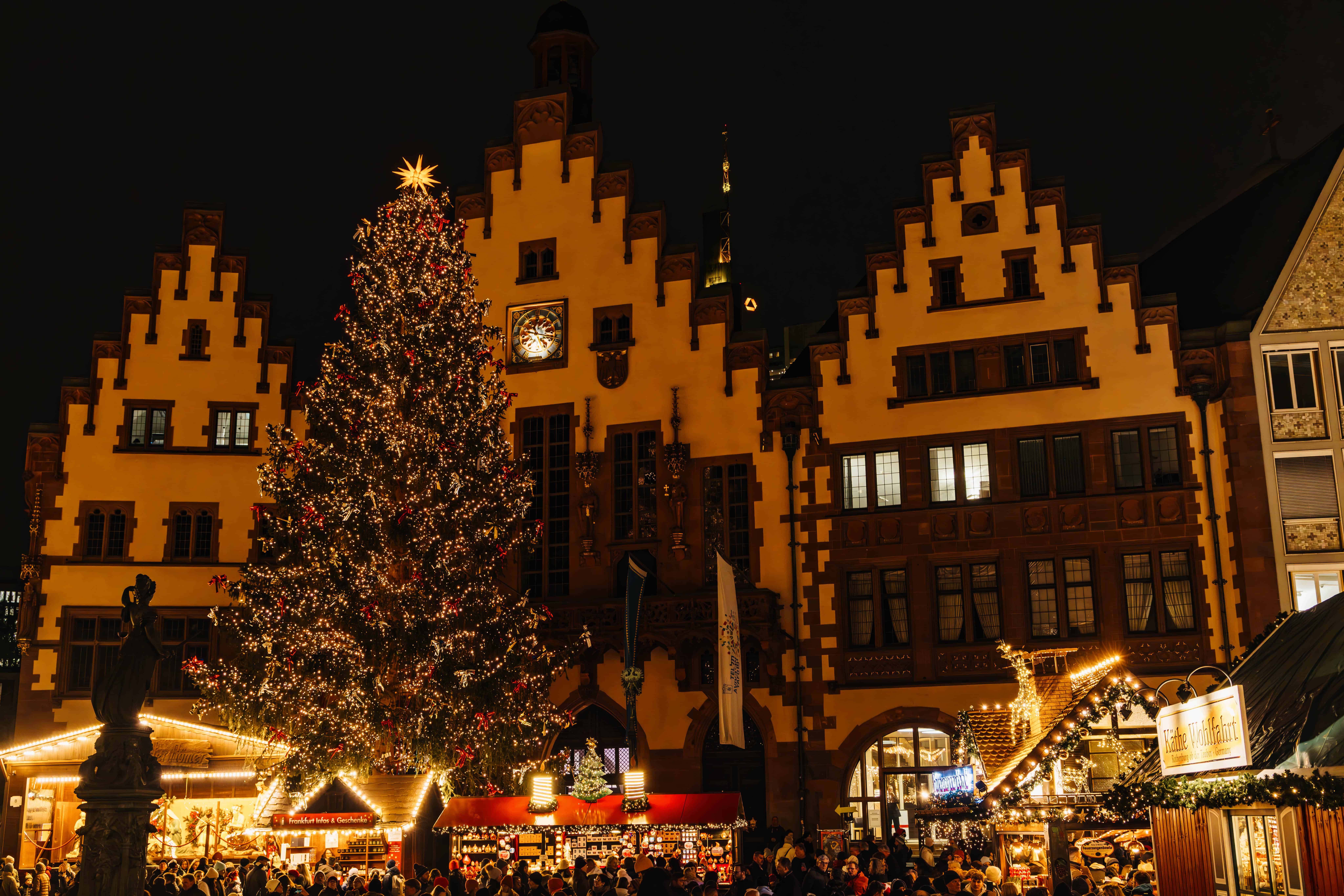
In cities like Nuremberg and Dresden, the Christmas market period can account for a substantial percentage of the annual tourism revenue. For instance, Nuremberg’s Christkindlesmarkt typically hosts over two million visitors within a four-week window. This influx of capital supports local artisans and traditional craftsmen who specialize in regional products such as Erzgebirge wood carvings, Lebkuchen (gingerbread), and hand-blown glass ornaments from Lauscha.
Regional Variations and Cultural Highlights
The 2025 season will showcase the distinct regional identities of Germany’s various states. While the core elements—mulled wine (Glühwein), roasted nuts, and twinkling lights—are universal, each region offers unique specialties.
The Saxon Tradition (Dresden and Leipzig):
Dresden’s Striezelmarkt is famous for the Stollenfest, where a giant Christmas cake is paraded through the streets. The region is the heart of German Christmas woodworking, producing the iconic nutcrackers and "Christmas pyramids" that are exported globally.
The Bavarian Experience (Munich and Nuremberg):
Bavarian markets are characterized by their alpine charm. Munich’s Marienplatz market is set against the neo-Gothic backdrop of the New Town Hall, while Nuremberg’s market is strictly regulated to ensure only traditional goods are sold, prohibiting modern plastic decorations to maintain its "Little City of Wood and Cloth" aesthetic.
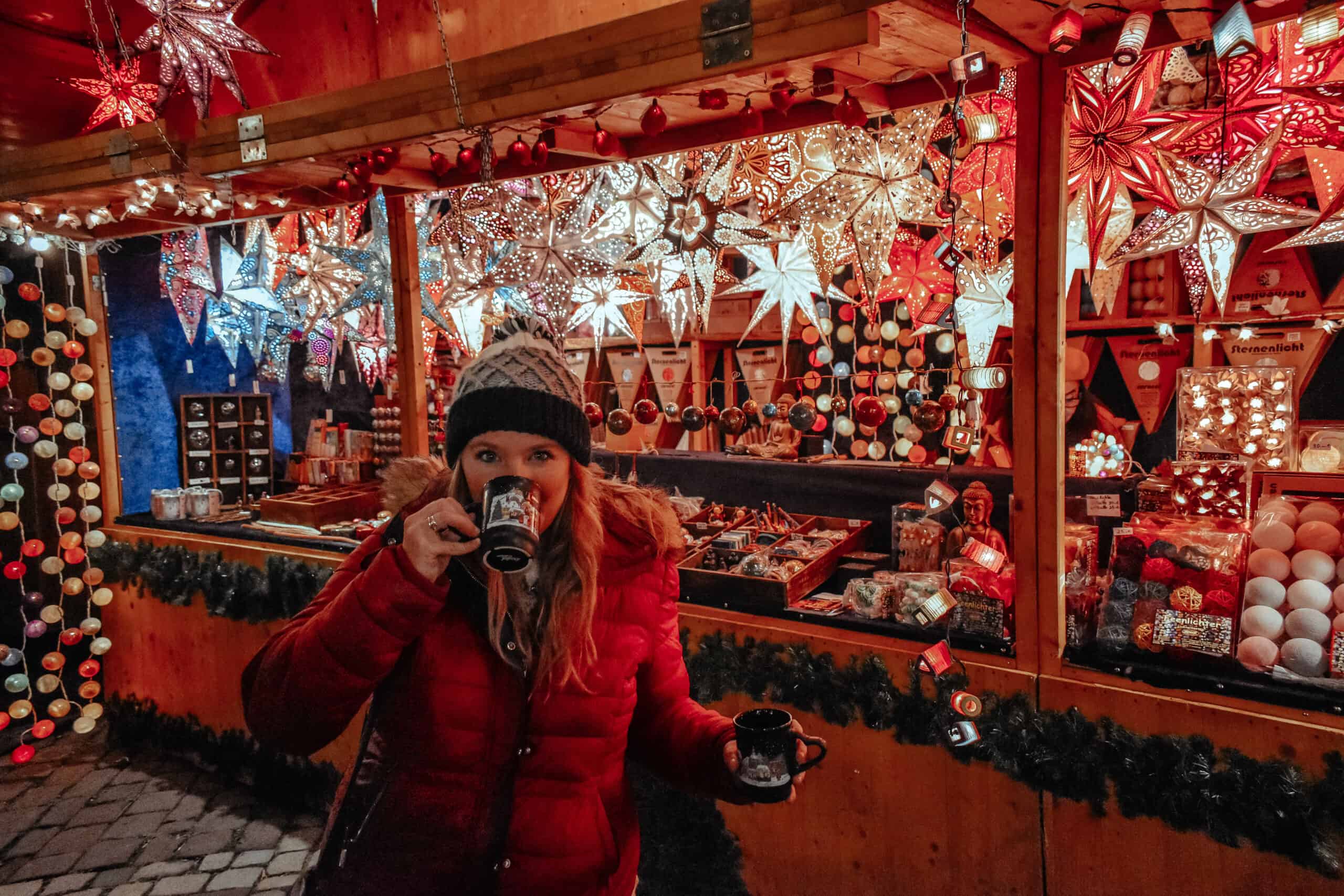
The Rhineland Markets (Cologne and Düsseldorf):
Cologne offers a diverse array of themed markets, including the "Market of the Elves" and a maritime-themed market at the Chocolate Museum. These markets are known for their high-production value and accessibility via the Rhine River, making them popular stops for European river cruises.
Logistical Infrastructure and Sustainability Trends
For the 2025 season, German municipalities are placing an increased emphasis on sustainability and logistical efficiency. The "Pfand" system—a small deposit paid on ceramic mugs used for Glühwein—remains a standard practice to reduce waste. Many cities are also transitioning to 100% LED lighting and sourcing electricity from renewable energy providers to mitigate the environmental footprint of the month-long celebrations.
Transportation is a critical component of the Christmas market experience. Deutsche Bahn, Germany’s national railway, typically increases its service frequency on major routes connecting cities like Frankfurt, Nuremberg, and Munich during the Advent season. Tourism experts recommend that international travelers utilize the extensive rail network rather than renting vehicles, as parking in historic city centers is notoriously difficult and heavily restricted during market hours.
Official Responses and Planning Recommendations
City officials and tourism boards emphasize that while the markets are festive, they are also highly organized events requiring adherence to safety and security protocols. In recent years, security measures have been modernized to include discreet bollards and increased police presence to ensure the safety of large crowds.
Official advice for 2025 visitors includes:
- Mid-week Visitation: Tourism boards in Berlin and Munich suggest visiting on Tuesdays or Wednesdays to avoid the heavy weekend crowds of local residents and regional day-trippers.
- Cash Readiness: Despite the digitization of the German economy, many small artisanal stalls still operate on a cash-only basis.
- Weather Preparedness: December in Germany is characterized by damp, cold conditions. Average temperatures range from -1°C to 5°C (30°F to 41°F), requiring thermal layers and waterproof footwear for those spending several hours outdoors.
Broader Implications: Culture and Diplomacy
Beyond the economic and festive aspects, the German Christmas markets serve as a tool of soft power and cultural diplomacy. The "German-style" Christmas market has been replicated in cities across the globe, from London and Birmingham to Chicago and Tokyo. However, the authentic German experience remains a significant draw for those seeking the historical and atmospheric roots of the holiday season.
The 2025 season will also reflect the ongoing recovery and resilience of the European travel sector. Following the disruptions of previous years, the consistency of the 2025 dates signals a return to the predictable rhythms of German civic life. These markets are not just commercial ventures; they are "third places"—social spaces where community bonds are strengthened over shared mugs of cider and the collective celebration of the winter solstice and the Nativity.
In conclusion, the 2025 German Christmas markets represent a sophisticated intersection of history, economy, and culture. With official dates now largely established, the focus shifts to the immense task of physical setup, artisanal production, and logistical coordination. For the millions of visitors expected to descend upon Germany this November, the markets will offer a tangible connection to the past and a vibrant, illuminated respite from the winter darkness. Whether in the shadow of the Cologne Cathedral or the medieval walls of Rothenburg, the 2025 season is poised to uphold Germany’s reputation as the global heart of Christmas tradition.