The Definitive Guide to Strategic Packing for an Unforgettable Backpacking Journey Through Europe

Packing for travel, particularly for an extensive backpacking adventure across Europe, presents a significant challenge for many, especially those embarking on their first international trip. The common pitfall of overpacking can severely diminish the travel experience, leading to physical strain, logistical difficulties when navigating various modes of transport, and an increased vulnerability to theft as managing numerous belongings becomes cumbersome. This comprehensive guide aims to demystify the packing process, offering actionable advice on selecting appropriate clothing and gear, while emphasizing the critical importance of packing light to enhance efficiency, safety, and overall enjoyment. It serves as an essential resource for travelers seeking to optimize their luggage, ensuring a seamless journey across the diverse landscapes and vibrant cities of Europe. For female travelers, a specialized guide detailing women-specific packing suggestions is also available, addressing unique needs and preferences.
The Strategic Imperative: Why Pack Light?

The decision to pack light transcends mere convenience; it is a strategic choice that impacts every facet of a European backpacking experience. The recommended weight limit of 20-22 lbs (approximately 9-10 kg), including the backpack itself, is not arbitrary. This weight threshold is meticulously chosen to align with the stringent carry-on weight limits imposed by many European budget airlines, such as Ryanair and EasyJet, which frequently charge exorbitant fees for overweight or oversized luggage. Exceeding these limits can quickly transform a cost-effective flight into an unexpectedly expensive leg of the journey, undermining budget-conscious travel plans. Beyond financial considerations, the physical demands of hauling heavy luggage through cobbled streets, up countless stairs in hostels, and onto crowded public transport can lead to exhaustion and discomfort, detracting from the joy of exploration. Furthermore, a cumbersome bag can make a traveler appear disoriented and an easier target for opportunistic thieves, as it impedes quick movement and makes it harder to maintain awareness of one’s surroundings. The objective is to achieve a balance where every item serves a purpose, contributing to an agile, secure, and enriched travel experience.
Evolution of Backpacking: Adapting to Modern Travel
The art of backpacking has undergone a significant transformation since its early days, evolving from rugged, wilderness-focused expeditions to more urban and technologically integrated journeys. The rise of budget airlines in the late 20th and early 21st centuries fundamentally reshaped European travel, making inter-country exploration more accessible but also introducing new constraints, particularly regarding luggage. Simultaneously, advancements in material science have revolutionized travel gear, offering lightweight, durable, and multi-functional clothing and equipment that were previously unimaginable. This evolution necessitates a modern packing approach that leverages these innovations to meet contemporary travel demands. Today’s backpacker is often digitally connected, reliant on smartphones for navigation, communication, and information, requiring efficient power solutions and connectivity. The emphasis has shifted from simply carrying essentials to carrying smart essentials that enhance mobility, adaptability, and cultural immersion, all while minimizing environmental footprint through conscious consumption and reusable items.
Core Principles of the Minimalist Packer

Achieving an ultralight packing list hinges on three fundamental principles: judiciously cutting clothing, streamlining toiletries, and minimizing footwear.
- The Art of Curated Clothing: Clothing typically constitutes the largest volume and weight in a backpack. The misconception that longer trips require significantly more clothing is easily dispelled by the reality of accessible laundry facilities across Europe. Whether a trip spans two weeks or two months, the core wardrobe remains largely consistent, relying on regular laundry cycles. Strategic selection of versatile, quick-drying, and layering-friendly garments is paramount.
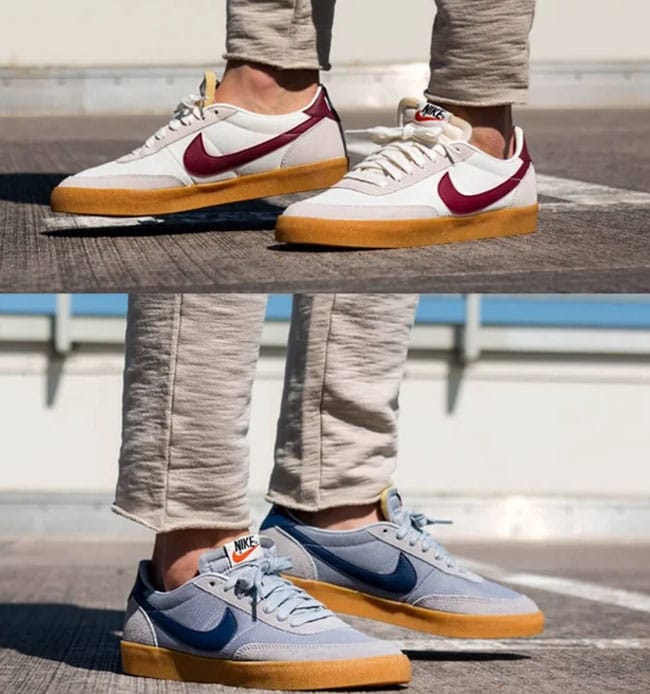
- Essential Footwear for European Adventures: Shoes are notoriously heavy and bulky. Limiting oneself to a maximum of two pairs—one primary, comfortable walking shoe and one versatile secondary option—is a cornerstone of light packing. This approach ensures comfort for extensive sightseeing without burdening the traveler with unnecessary weight.
- Streamlining Personal Care: Full-sized bottles of liquids, gels, and creams are significant weight contributors. Opting for travel-sized versions or solid alternatives (e.g., shampoo bars) or planning to purchase larger items upon arrival in Europe can drastically reduce the load. Many common toiletries are readily available and often more affordable at local European pharmacies and supermarkets.
The Essential European Backpacking Wardrobe
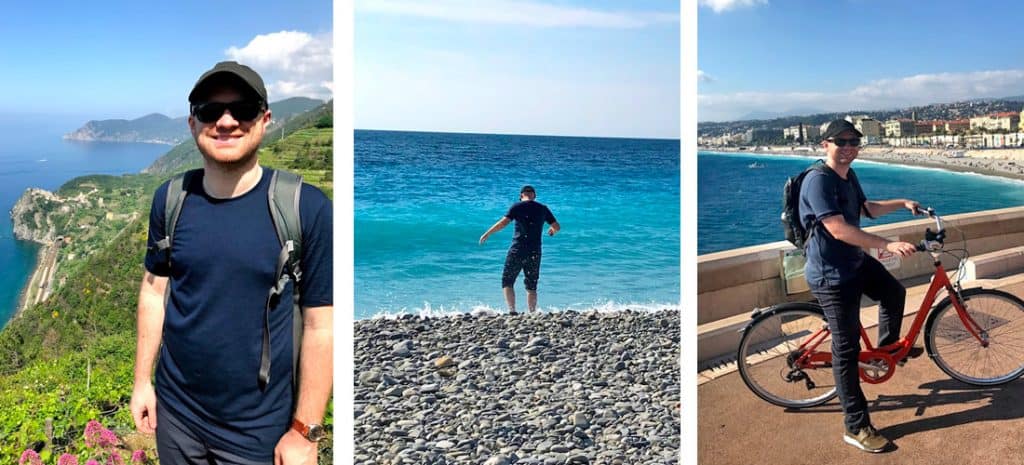
Building a versatile and functional wardrobe for European travel involves careful consideration of fabric, style, and layering capabilities to adapt to varying climates and cultural norms, while also aiming to avoid the stereotypical "tourist" appearance.
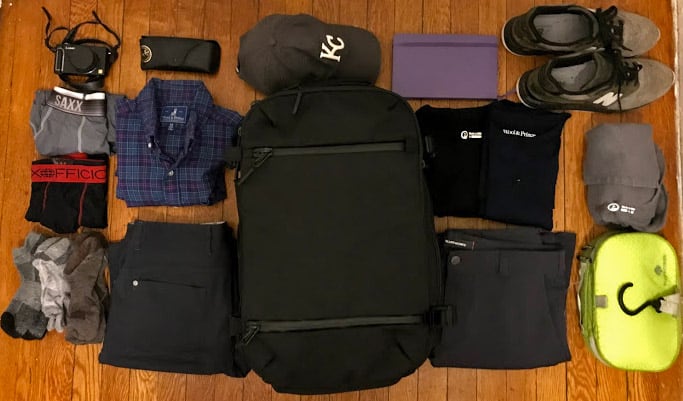
- Foundation: Socks and Underwear (5-9 Pairs Each):
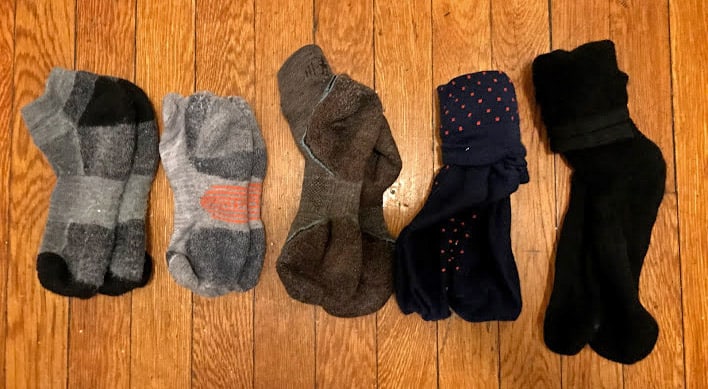
- Socks: Experienced travelers universally advocate for investing in high-quality socks. Merino wool socks, known for their natural ability to regulate temperature, wick moisture, and resist odor, are ideal for both summer and winter travel. Their antimicrobial properties allow for multiple wears before washing, significantly reducing the number of pairs needed. Brands like Darn Tough and Smartwool are highly recommended for their durability and comfort.
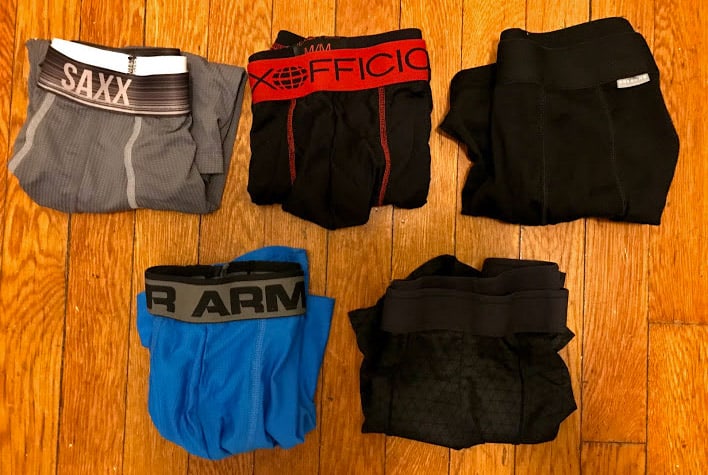
- Underwear: Synthetic-blend underwear (e.g., ExOfficio, Patagonia) or merino wool options are superior due to their quick-drying, breathable, and odor-resistant characteristics. These properties are invaluable for hand-washing on the go and maintaining hygiene.
- Tops: Versatility and Layers (3-4 T-shirts, 2-4 Button-Ups, 1-2 Sweaters):
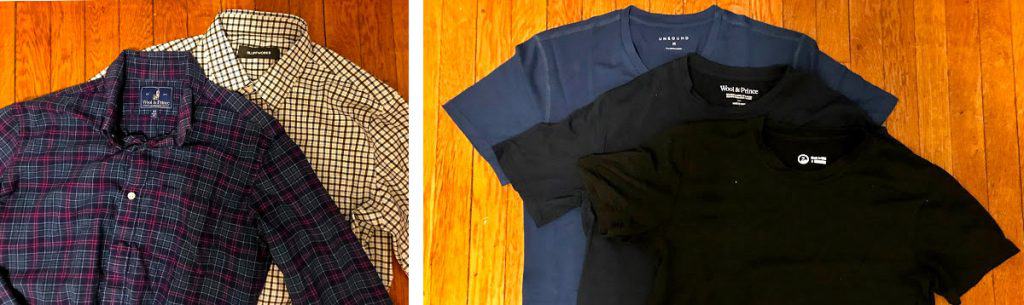
- T-Shirts: Solid-colored t-shirts made from 100% cotton or merino wool offer versatility for layering or standalone wear. They can be dressed up or down.
- Casual Button-Up Shirts: Long-sleeve button-ups are travel staples, easily adaptable by rolling sleeves. Look for wrinkle-resistant, quick-drying fabrics. Brands like Uniqlo, Ministry of Supply, and Bluffworks offer excellent options.
- Sweaters/Sweatshirts: A lightweight sweater or sweatshirt provides an extra layer for cool evenings or air-conditioned spaces. Merino wool or performance fleece are excellent choices for warmth without bulk. For summer travel, this item might be omitted to save space.
- Bottoms: Style Meets Practicality (2 Pairs of Pants, 1 Pair of Shorts):
- Pants: Two pairs of pants are usually sufficient. Dark-wash jeans offer universal appeal, are durable, and can be worn for extended periods without washing, blending seamlessly into European fashion. A pair of neutral-colored chinos provides a slightly dressier alternative. While specialized "travel pants" exist, standard well-fitting options often suffice.
- Shorts: While historically less common among European adults, shorts are increasingly accepted, especially in Southern Europe during warmer months. Opt for well-fitting, classic styles rather than bulky cargo or athletic shorts to maintain a more European aesthetic.
- Outerwear: Adapting to European Climates (1 Jacket/Rainwear):
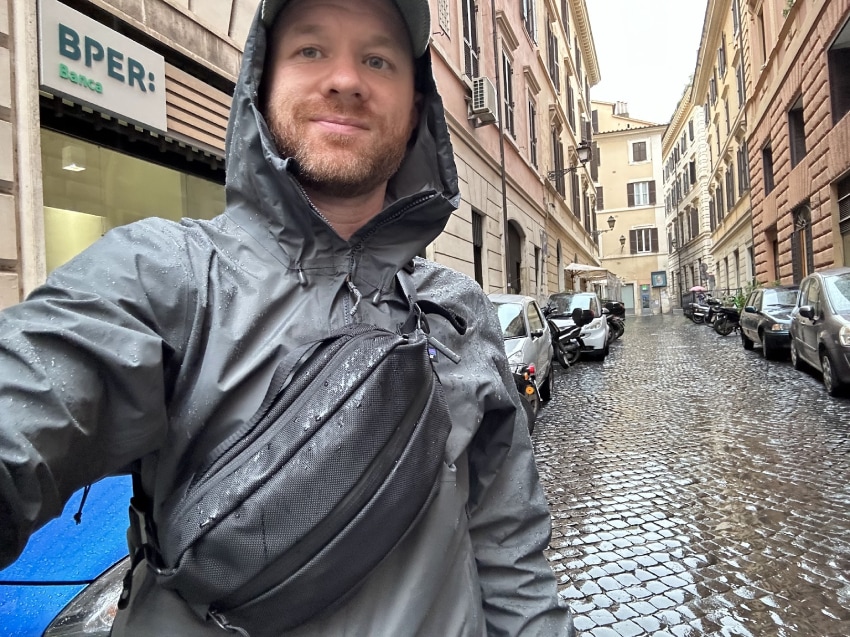
- Rain Jacket: A lightweight, packable, and waterproof rain jacket (e.g., Marmot, Patagonia) is a non-negotiable item, providing protection against unpredictable weather without adding significant bulk.
- Insulated Jacket/Fleece: Depending on the season and itinerary, a packable insulated jacket (down or synthetic) or a versatile fleece jacket can provide necessary warmth, especially when layered under a rain shell. For summer, a fleece might suffice for cooler evenings.
Smart Accessories for the Savvy Traveler
Beyond clothing, a selection of carefully chosen accessories can significantly enhance the comfort, convenience, and safety of a backpacking trip.
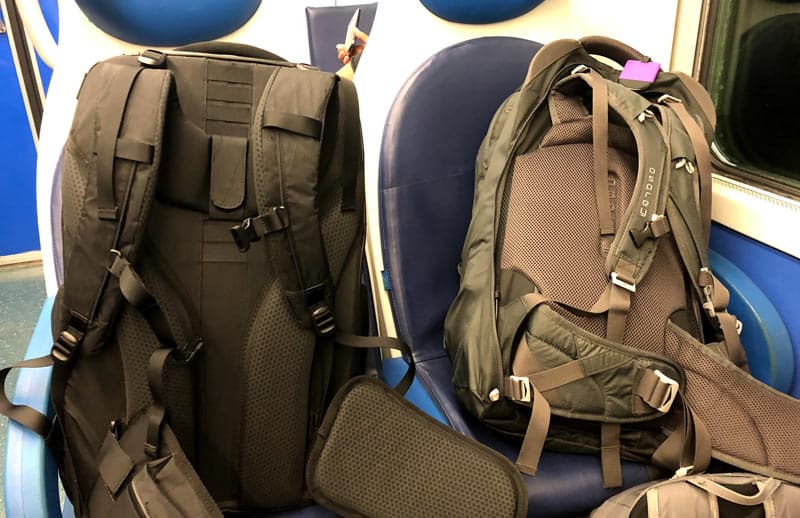
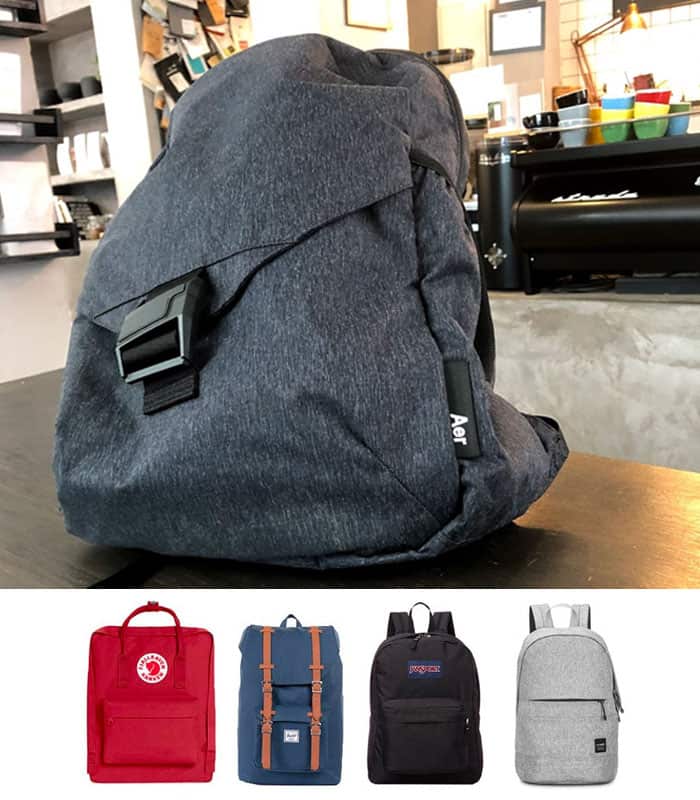
- The Right Backpack: Your Mobile Home: The choice of backpack is paramount. A carry-on sized travel backpack (typically 40-45 liters) that opens like a suitcase, rather than a top-loading hiking pack, is ideal for urban travel. Recommendations often include the Tortuga Outbreaker and Osprey Farpoint, renowned for their ergonomic design, durability, and airline compatibility.
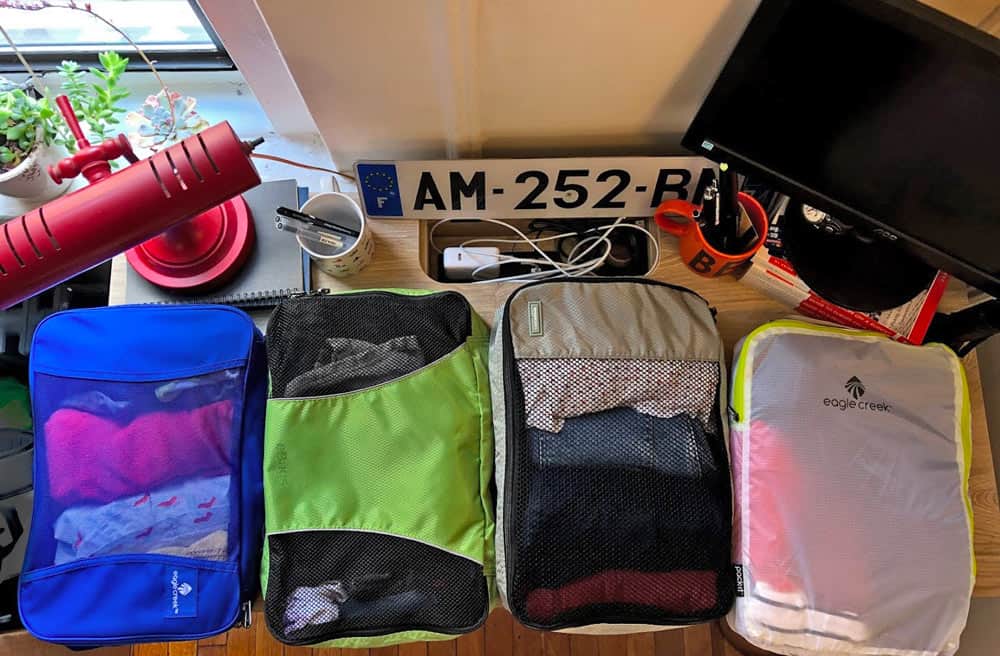
- Organization Mastery: The Power of Packing Cubes: Packing cubes are a game-changer for organization. These lightweight fabric compartments compartmentalize clothing, making it easy to locate items without rummaging, minimizing wrinkles, and often providing a degree of compression to fit more into less space. Eagle Creek and Gonex are popular brands.
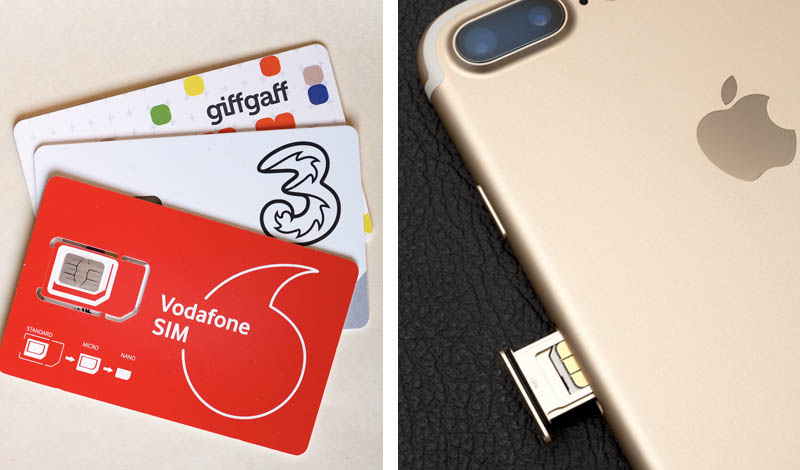
- Staying Connected: eSIMs and Power Solutions:
- eSIM Data Plan: For affordable and reliable mobile data, European eSIMs or local SIM cards are far more cost-effective than international roaming plans offered by home carriers, often reducing daily data costs by 70-80%. Providers like SimOptions.com and Holafly offer convenient multi-country data plans.
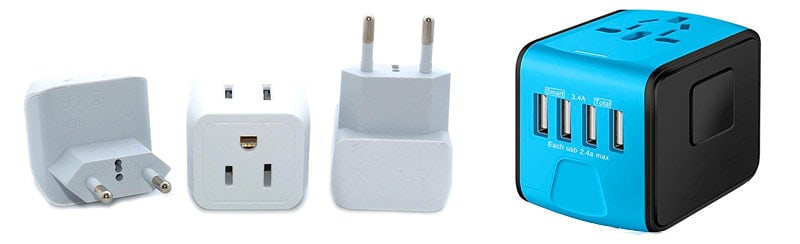
- Outlet Plug Adapters: Essential for charging electronics, a universal travel adapter or a set of Type F/C adapters for continental Europe and a Type G for the UK is necessary. Many modern adapters also feature USB ports, reducing the need for multiple wall chargers.
- Travel Power Strip: Hostels and older hotels often have limited power outlets. A compact travel power strip with USB ports allows simultaneous charging of multiple devices from a single European outlet, a critical convenience.
- Portable Phone Charger: High smartphone usage for navigation, photography, and communication demands a portable power bank (e.g., Anker PowerCore) to ensure devices remain charged throughout long days of exploration.
- Comfort and Convenience on the Go:
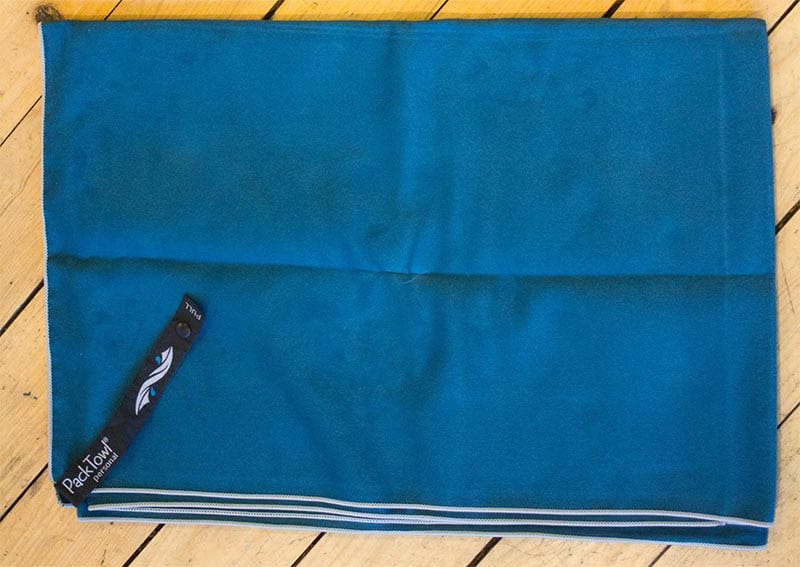
- Travel Towel: A quick-drying microfiber travel towel is a hygienic necessity, particularly for hostel stays, drying significantly faster than traditional cotton towels.
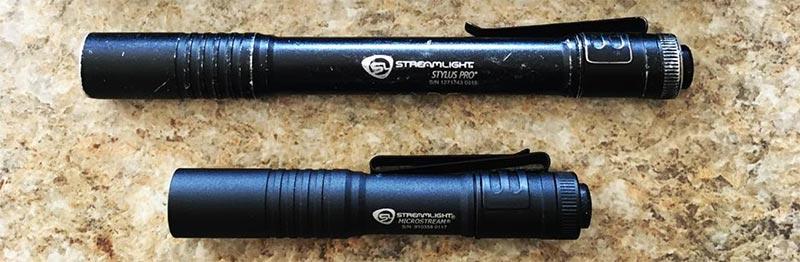
- Small Flashlight: A compact keychain flashlight proves invaluable in dimly lit hostel dorms, for navigating dark streets, or finding items in a backpack without disturbing others.
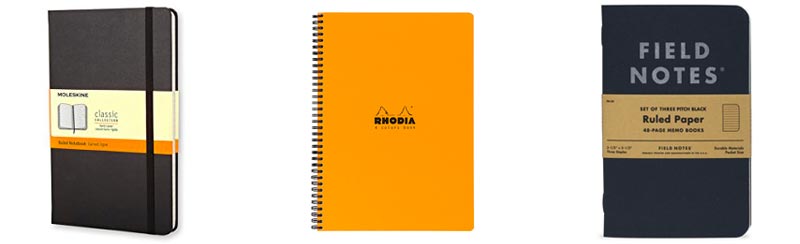
- Notebooks: Physical notebooks (Moleskine, Field Notes) are excellent for jotting down observations, directions, contact information, or reflections, doubling as cherished souvenirs.
- Earplugs & Eye Mask: Indispensable for restful sleep in noisy hostels, on trains, or planes, these items significantly enhance comfort in diverse sleeping environments.
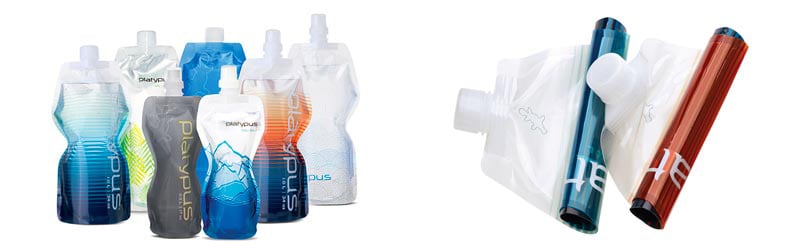
- Water Bottle: A reusable water bottle, preferably collapsible like the Platypus Soft Bottle, is an environmentally conscious choice that saves money on bottled water.
- Travel Utensils: A lightweight set of reusable travel utensils or a titanium spork facilitates picnics and eating on the go, reducing reliance on single-use plastics.
- Security and Preparedness:
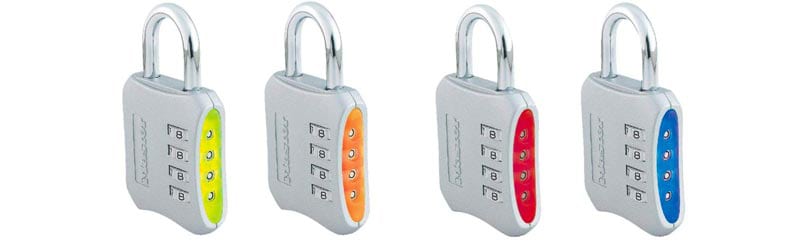
- Padlock & Retractable Cable Lock: Essential for securing lockers in hostels or fastening a backpack to a bunk or luggage rack, deterring opportunistic theft. A combination padlock offers convenience without keys.
- Photocopies of Important Documents: Digital and physical copies of passports, visas, and other critical documents should be stored separately from the originals as a safeguard against loss or theft.
- Ziploc Bags: Multi-sized resealable bags are incredibly versatile for organizing small items, separating wet or dirty clothes, and securing liquids to prevent leaks.
- Money Belt: While not universally adopted, a money belt worn discreetly under clothing provides an extra layer of security for essential documents and emergency cash, particularly in areas prone to pickpocketing.
- Basic First-Aid Kit: A compact kit containing pain relievers, adhesive bandages, antiseptic wipes, and any personal medications is crucial for addressing minor injuries or ailments without immediate access to pharmacies.
Electronics: Powering Your Journey
Modern travel is increasingly reliant on electronics. While Europe and North America utilize different voltage standards, most contemporary high-end electronics (laptops, phones, cameras) are dual-voltage and will function safely with a simple plug adapter. Lower-power devices, however, might require a voltage converter, though these are rarely needed for typical traveler gadgets. Beyond adapters, e-readers like the Amazon Kindle offer a lightweight solution for carrying multiple guidebooks and leisure reading material, significantly reducing physical bulk. Wireless headphones, such as Apple AirPods, provide convenience, while a basic wired pair remains useful for in-flight entertainment systems.
Toiletries: Less is More
The golden rule for toiletries is minimalism. Liquids are heavy, and full-sized products contribute significantly to overall luggage weight. Travelers should prioritize travel-sized versions of essential items (shampoo, conditioner, body wash, toothpaste, deodorant, sunscreen, basic skincare) or opt for solid alternatives. Crucially, almost any toiletry can be purchased locally in Europe, often at competitive prices, eliminating the need to carry large quantities from home.
The Indispensable Safety Net: Travel Insurance
While not a physical item to pack, travel insurance is an indispensable component of any responsible European backpacking trip. It provides a vital safety net, covering unforeseen circumstances such as medical emergencies, trip cancellations, lost luggage, or theft. Providers like World Nomads are popular among backpackers for their comprehensive coverage options tailored to adventurous travel. Investing in travel insurance offers peace of mind, allowing travelers to focus on experiencing their journey without the added stress of potential financial burdens from unexpected incidents.
Debunking Packing Myths: What You Can Leave Behind
Many items commonly perceived as necessary for travel are, in fact, superfluous for a European backpacking trip, especially when prioritizing light packing.

- Excessive Clothing: As established, laundry facilities make large wardrobes redundant.
- Full-Size Toiletries: Readily available for purchase.
- Bulky Shoes: More than two pairs are rarely necessary; focus on versatility.
- Hairdryers: Almost all accommodations, including many hostels, provide them, or they can be purchased cheaply if absolutely needed.
- Fancy Camera Gear: While a dedicated camera is excellent for enthusiasts, modern smartphones offer exceptional photographic capabilities for most travelers, reducing bulk.
- Too Many Books: E-readers are a lighter, more versatile alternative.
- Expensive Jewelry/Valuables: Attracts unwanted attention and poses a security risk.
- Heavy, Rigid Luggage: Backpacks offer superior maneuverability.
- Travel Pillows: Often bulky and can be improvised with clothing.
- Large Laptops: Tablets or even smartphones can handle most digital tasks for leisure travelers.
- Cooking Gear: Hostels typically provide well-equipped communal kitchens.
- Sleeping Bags: Unless specific camping or remote trekking is planned, hostel sheets are generally provided, rendering a sleeping bag unnecessary.
Sourcing Your Gear: A Guide to Retailers

Acquiring the right gear is fundamental to successful light packing. A variety of reputable retailers, both online and brick-and-mortar, offer high-quality travel essentials. Online giants like Amazon provide a vast selection across all categories. Specialized outdoor and travel stores such as REI, Patagonia, and Osprey are excellent sources for durable backpacks, performance clothing, and technical accessories. Brands like Tortuga and Eagle Creek focus specifically on travel-oriented luggage and organization solutions. For performance apparel, Cotopaxi, Arc’teryx, Keen, Darn Tough, and Smartwool are highly regarded for their innovative and reliable products. Visiting local retail stores allows for trying on backpacks and footwear, ensuring a comfortable and appropriate fit before a long journey.
Conclusion: The Rewards of Mindful Packing
Mastering the art of strategic, light packing is more than just fitting items into a bag; it is about cultivating a mindset of efficiency, adaptability, and preparedness that profoundly enhances the European backpacking experience. By shedding unnecessary weight, travelers unlock greater mobility, reduce physical stress, and minimize financial expenditures on baggage fees. This streamlined approach also fosters a deeper immersion into the local culture, as travelers are less encumbered and more open to spontaneous adventures. The careful selection of versatile clothing, essential accessories, and smart electronics transforms the journey from a logistical challenge into an opportunity for seamless exploration and unforgettable memories. Ultimately, a thoughtfully packed backpack is not merely a container for belongings, but a testament to a traveler’s readiness to embrace the unknown, navigate diverse environments, and fully savor the rich tapestry of Europe.