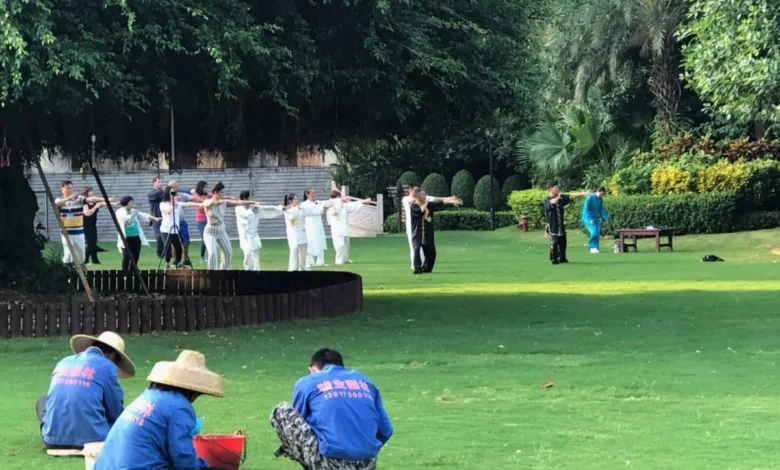
The island’s evolution is characterized by a dual identity: a high-octane resort destination in the south and a culturally rich, administratively focused capital in the north. While domestic travelers have flocked to its shores for decades, the provincial government has recently intensified efforts to attract international visitors through aggressive infrastructure development, visa-free entry policies, and the expansion of luxury amenities. The result is a destination that blends the rapid-fire modernization of 21st-century China with the relaxed, sun-drenched pace of Southeast Asian island life.
The Strategic Shift: From Tourism Island to Free Trade Port
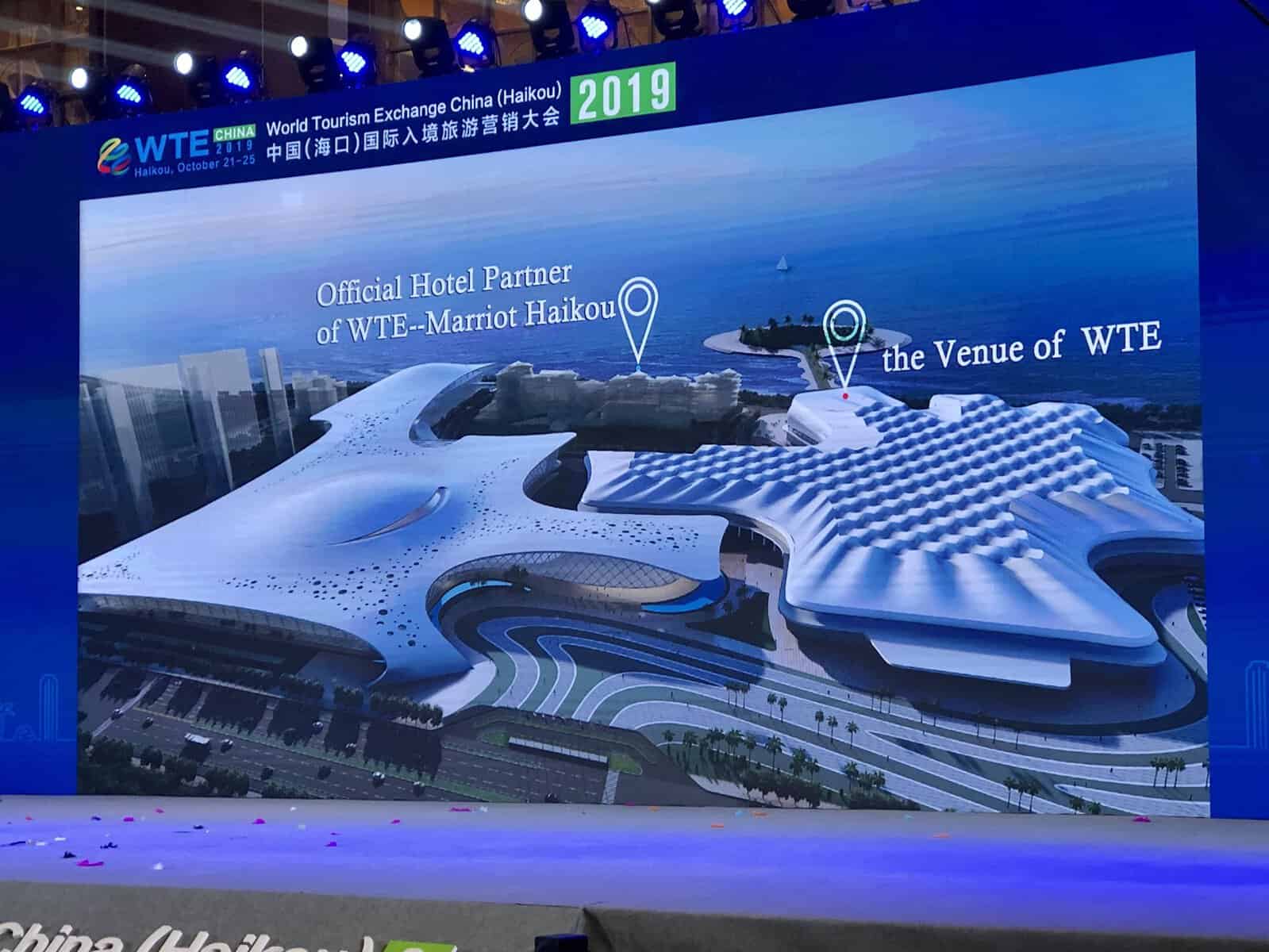
Hainan’s modern trajectory was fundamentally altered in 2018 when the Chinese central government announced plans to transform the entire island into a Free Trade Port. This designation represents the highest level of opening-up in the Chinese economic system. By 2020, as construction crews worked to double the capacity of the island’s massive convention centers, the strategic goal became clear: to create a global hub for trade, investment, and high-end consumption that could eventually rival Singapore or Hong Kong.
Supporting this economic shift is a massive investment in infrastructure. The island is served by two major international gateways: Haikou Meilan International Airport (HAK) in the north and Sanya Phoenix International Airport (SYX) in the south. These hubs facilitate hundreds of daily flights, including an increasing number of direct international routes. Furthermore, Hainan boasts the world’s first circular high-speed railway, a 653-kilometer loop that allows travelers to transit between the northern and southern coasts in under three hours, effectively shrinking the island’s geography for both business and leisure travelers.
Haikou: A Capital of Culture and Quiet Innovation
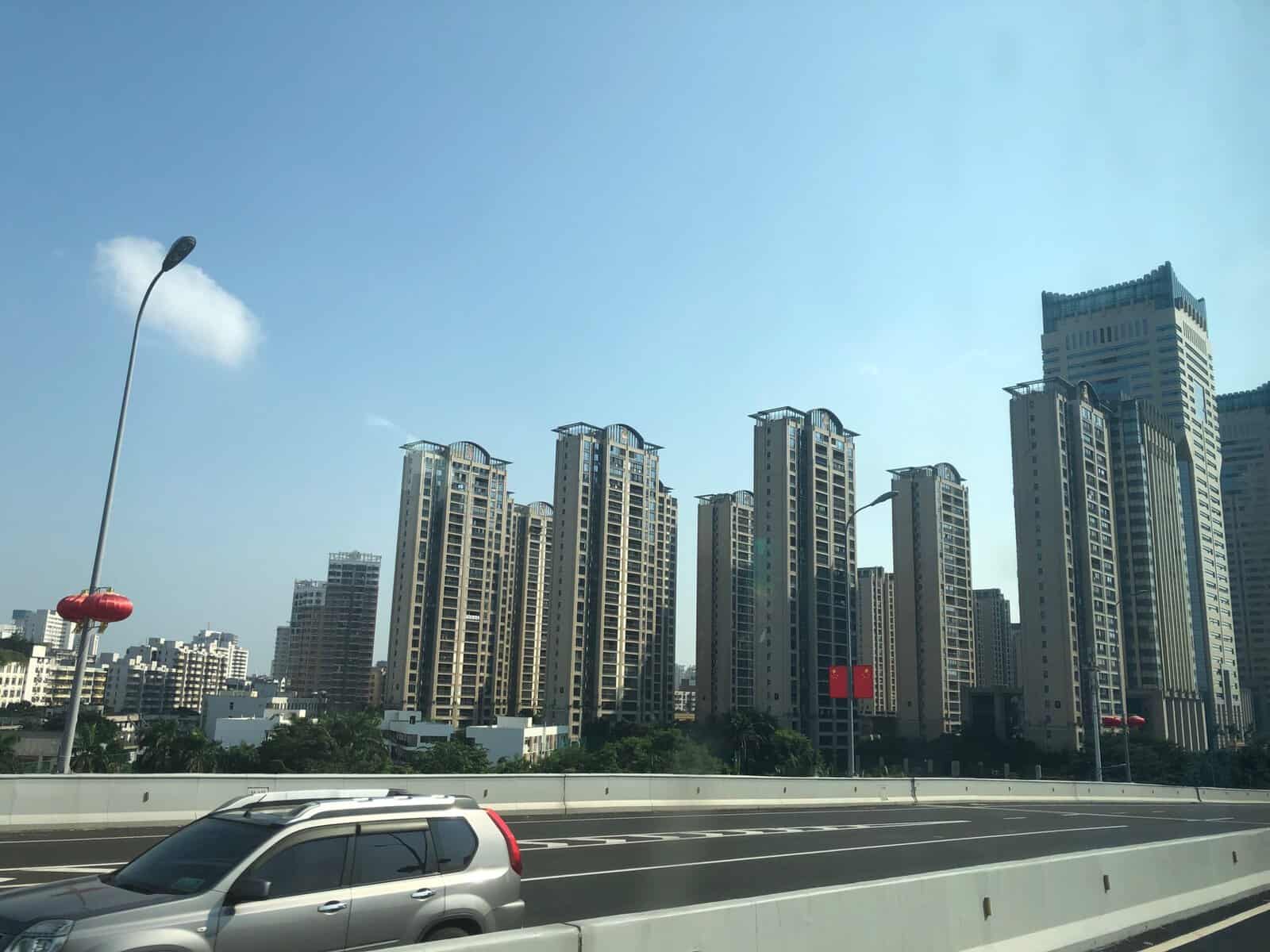
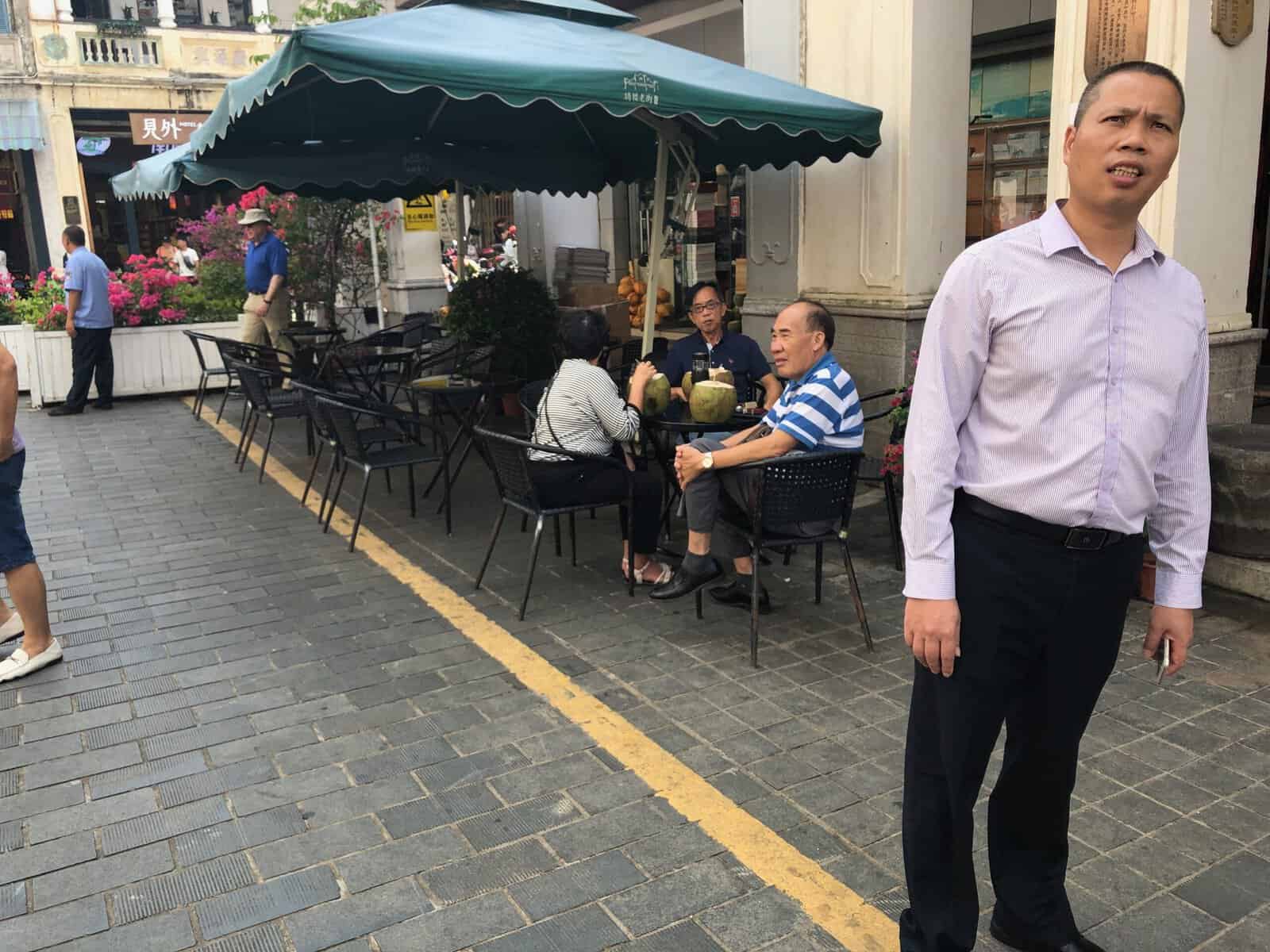
Haikou, the provincial capital, serves as the island’s cultural and political heart. Unlike the resort-heavy south, Haikou offers a glimpse into the island’s historical and social evolution. The Qilou Old Street district stands as a testament to the island’s maritime history. These "shophouse" buildings, featuring a blend of European, Southeast Asian, and traditional Chinese architectural styles, were built by returning overseas Chinese in the late 19th and early 20th centuries. Today, the district has undergone extensive restoration, housing museums, traditional tea houses, and noodle shops that preserve the "Nanyang" (South Seas) atmosphere.
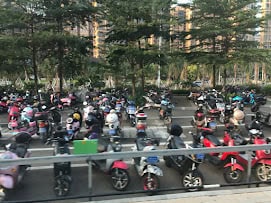
One of the most striking features of modern Haikou is its commitment to green energy. In a move toward environmental sustainability, the provincial government has mandated a transition to electric vehicles. Visitors frequently remark on the "silent streets" of the capital; despite the dense traffic of motorcycles and scooters, the absence of internal combustion engines has significantly reduced urban noise pollution and improved air quality. Hainan aims to ban the sale of all fuel-powered vehicles by 2030, a policy that is already reshaping the urban experience in Haikou.
Sanya and the South: The Resort Frontier
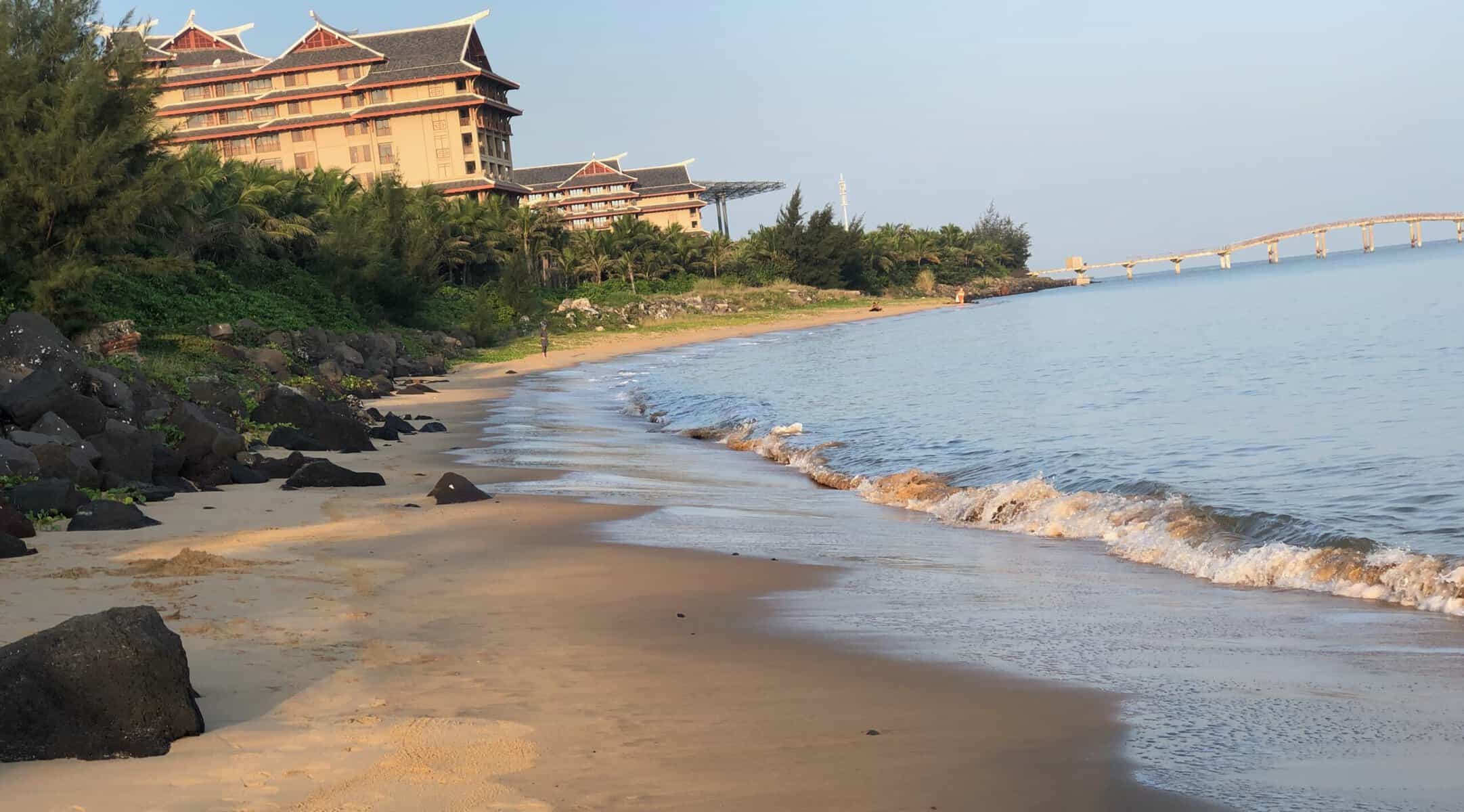
Three hundred kilometers south of the capital lies Sanya, the primary driver of Hainan’s tourism economy. Sanya is defined by its series of distinct bays, each catering to a different segment of the market. Yalong Bay is widely considered the premier destination, hosting a concentrated row of five-star international hotel brands along a seven-kilometer stretch of white sand. To the east, Haitang Bay has emerged as a center for luxury and "medical tourism," also home to the world’s largest stand-alone duty-free shopping complex.
For a more localized experience, Dadonghai offers a bustling boardwalk atmosphere where domestic tourists and residents mingle at beachside cafes. Despite the proliferation of high-rise hotels and glossy brochures, Sanya retains a tropical energy reminiscent of Phuket or Bali. However, the scale of development here is uniquely Chinese, with massive artificial islands and architectural landmarks designed to signal the province’s arrival on the global stage.
Specialized Tourism: Golf, Spas, and Cinematic History
A significant portion of Hainan’s appeal lies in its specialized luxury facilities. The Mission Hills Golf Center is a primary example of the island’s "bigger is better" development philosophy. The complex features ten championship 18-hole golf courses carved out of volcanic rock. In 2020, the facility continued to expand its footprint, even as it maintained its status as the world’s largest golf resort.
Complementing the sports facilities is the Volcanic Mineral Springs, which holds the Guinness World Record for the largest mineral springs spa. The facility features over 160 pools, each modeled after different global bathing traditions, ranging from Turkish hammams to Roman baths. Adjacent to this is "Movie Town" (Movie City), a cinematic theme park and active film studio designed to replicate the aesthetics of 1940s China. This site has become a cultural phenomenon, where tourists rent period-accurate clothing to immerse themselves in a curated version of China’s Republican-era history.
Natural Heritage and the Indigenous Li People
Beyond the coastal developments, the interior of Hainan is home to rugged mountains and dense tropical rainforests. Wuzhishan, or "Five Finger Mountain," is the island’s highest peak and serves as a focal point for eco-tourism and hiking. The Yanoda Rainforest Park and the Hainan Tropical Rainforest National Park offer managed access to the island’s biodiversity, featuring canopy walks and waterfalls.
These highlands are also the traditional home of the Li and Miao ethnic groups. The Li people, the original inhabitants of Hainan, have a history on the island dating back over 3,000 years. Their culture is characterized by traditional weaving techniques—specifically Li brocade, which is recognized by UNESCO as an intangible cultural heritage in need of urgent safeguarding. Cultural museums and heritage villages across the island provide visitors with insights into these indigenous traditions, offering a necessary counterpoint to the modernization of the coastal cities.
Chronology of Development
The transformation of Hainan can be traced through several key milestones:
- 1988: Hainan is officially separated from Guangdong Province to become its own province and is designated as China’s largest Special Economic Zone (SEZ).
- 2010: The State Council of China releases guidelines to develop Hainan into an "International Tourism Island" by 2020.
- 2015: The completion of the world’s first circular high-speed railway on an island.
- 2018: President Xi Jinping announces the plan to build the Hainan Free Trade Port.
- 2020: The "Master Plan for the Development of Hainan Free Trade Port" is released, detailing tax incentives and visa-free policies.
- 2025: The target year for Hainan to initiate "closed-customs" operations, a major step in its transition to a full-scale Free Trade Port.
Economic and Geopolitical Implications
The enrichment of Hainan’s tourism and trade infrastructure carries significant implications for regional dynamics. By creating a high-end domestic alternative to international destinations, China is successfully capturing "outbound" spending within its own borders. The 59-nation visa-free policy—which includes the United States, the United Kingdom, and much of Europe—is a clear signal of the island’s intent to diversify its visitor base beyond the domestic market.

Analysts suggest that Hainan’s success as a Free Trade Port will depend on its ability to balance rapid industrial growth with its environmental commitments. As a "National Ecological Civilization Pilot Zone," the island is under pressure to maintain its air quality and forest coverage while simultaneously expanding its ports and convention centers.
Culinary Identity: The Hainanese Legacy
No analysis of the island is complete without addressing its culinary contributions. While Hainanese Chicken Rice is a global staple, particularly in Singapore and Malaysia, the dish’s origins are firmly rooted in the Wenchang region of Hainan. Local cuisine emphasizes freshness and the use of indigenous ingredients, such as coconut, tropical fruits, and seafood. From the spicy Hainan crab to the ubiquitous coconut rice, the island’s food culture reflects its maritime connections and tropical abundance.
Conclusion: A New Chapter for the Tropical Province
Hainan Island is currently in the midst of its most significant transformation since 1988. The combination of state-led economic ambition and natural tropical appeal has created a destination that is unique within the Chinese landscape. For the international traveler, it offers a paradox: a place of ancient indigenous culture and colonial history that is being rapidly overwritten by the high-tech, green-energy, and luxury-retail demands of the future. As the island moves toward its 2025 goal of becoming a fully operational Free Trade Port, Hainan is poised to redefine its role not just as China’s tropical escape, but as a primary gateway for trade and tourism in the Asia-Pacific region.