A Culinary Odyssey: Unveiling the Rich Tapestry of Nasi Ulam at D’Umi Nasi Ulam Restaurant in Kelantan

Nasi Ulam, a cornerstone of Malaysian cuisine, transcends its literal translation of "herb rice" to represent a vibrant and complex culinary experience, particularly in the northern state of Kelantan. This traditional dish, celebrated for its intricate blend of fresh herbs, diverse seafood, and the indispensable accompaniment of Budu sauce, offers a profound insight into the regional gastronomic heritage. D’Umi Nasi Ulam Restaurant, a prominent establishment in Kelantan, serves as a gateway to this flavorful exploration, presenting a meticulously curated feast that highlights the unique culinary artistry of the state.
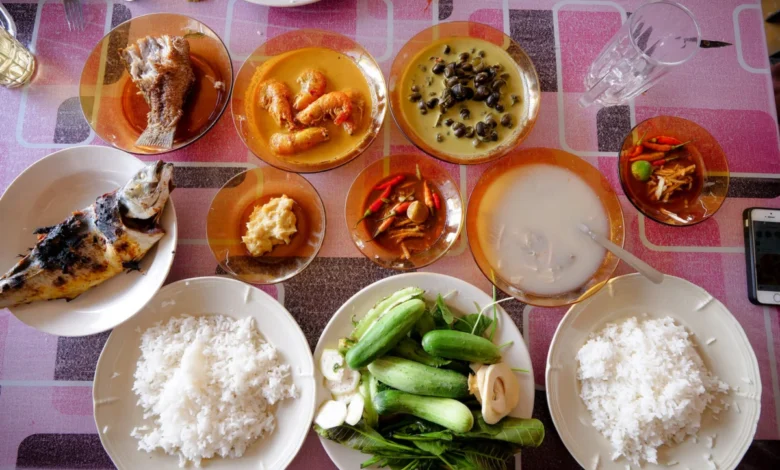
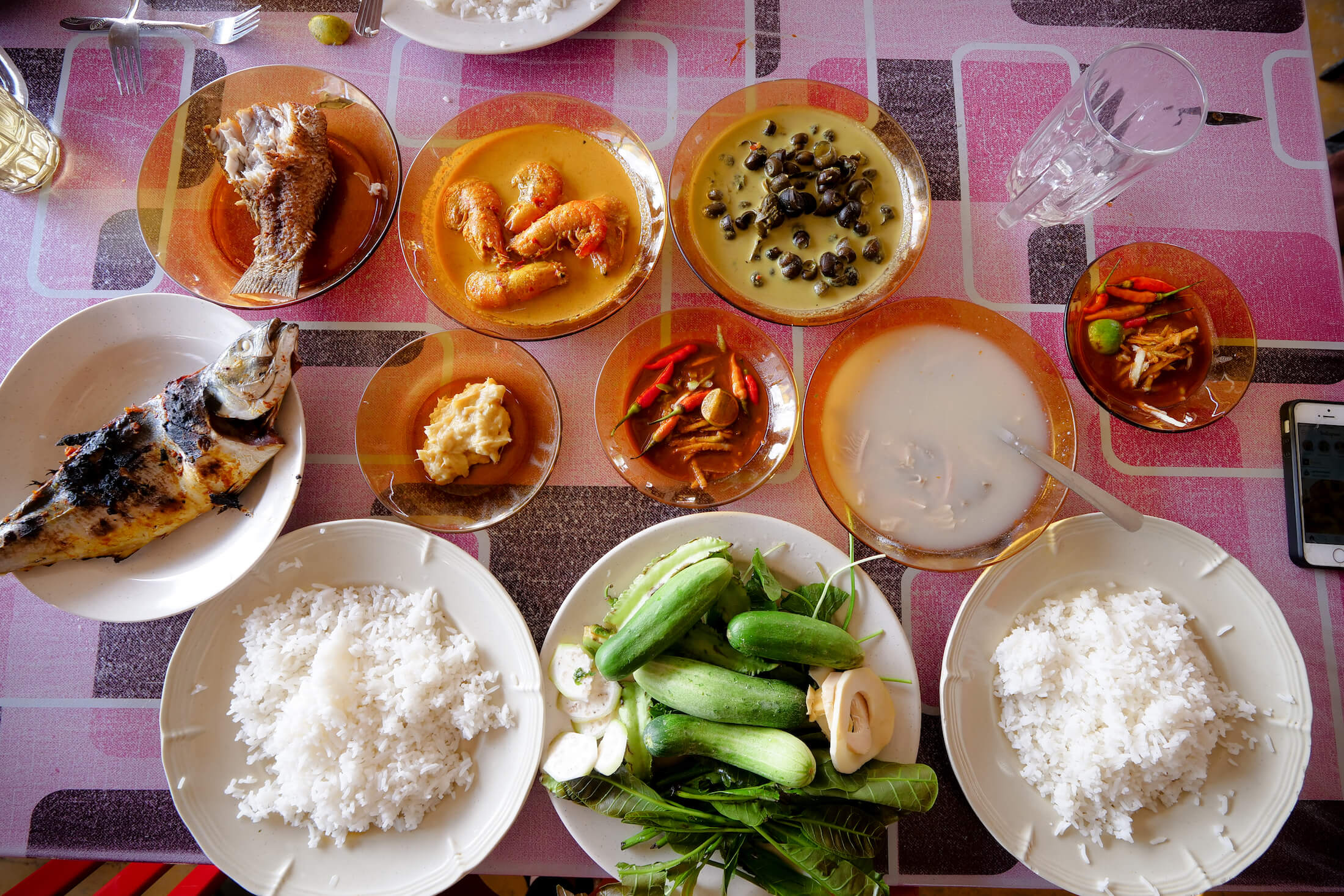
The essence of Nasi Ulam lies not merely in its name but in the astonishing variety and depth of its components. While "herb rice" provides a basic descriptor, a true Nasi Ulam meal is an assembly of distinct elements, each contributing to a harmonious and utterly delicious whole. At its heart is steamed white rice, a blank canvas for the symphony of flavors that accompanies it. This is typically served alongside an array of curries, freshly caught grilled fish, and an abundant, almost overwhelming, selection of meticulously prepared fresh herbs and raw green vegetables. These vibrant greens are not meant to be consumed plainly; rather, they are designed to be enrobed in potent local sauces, most notably Budu and Tempoyak, transforming them into flavor powerhouses.
The origins of Nasi Ulam can be traced back through generations of Malay culinary tradition, with each region and household potentially boasting its own unique variations. In Kelantan, a state renowned for its distinctive cultural identity and culinary prowess, Nasi Ulam has evolved into a signature dish. Its prevalence is such that it is often cited as a quintessential "must-try" for any visitor to the northernmost state of Peninsular Malaysia. This widespread local recommendation underscores the dish’s deep integration into the fabric of Kelantanese life and its status as a source of regional pride.
A Deeper Dive into the Components: More Than Just Rice and Herbs
The nomenclature of Southeast Asian dishes can often be deceptively simple, a characteristic that applies to many Malaysian culinary offerings. Terms like "fat rice," "travel rice," or "rice salad" hint at richer complexities. Similarly, "Nasi Ulam" belies the sheer diversity of ingredients that can constitute this meal. At D’Umi Nasi Ulam Restaurant, the focus is on a particular iteration that exemplifies the Kelantanese approach. This involves not just a generous assortment of herbs but also a carefully selected range of main dishes that complement the fresh produce.

The sheer volume of fresh produce available at establishments like D’Umi Nasi Ulam is a testament to the region’s agricultural bounty and the unwavering commitment to freshness. Visitors will find a dazzling array of vegetables and herbs, often presented in vast quantities, ensuring that patrons can indulge without reservation. This abundance is not just for show; it forms the foundation of the Nasi Ulam experience, providing a palate-cleansing counterpoint to richer dishes and a vehicle for the potent local sauces.
Among the array of greens and herbs typically offered, one might encounter the distinctive bite of jungle pepper (wild pepper), the slightly tangy notes of cashew tree leaves, the subtle sweetness of mango tree leaves, the refreshing zest of Indian pennywort, the pungent aroma of Vietnamese mint, and even the earthy undertones of betel nut leaves. This meticulous selection of indigenous ingredients showcases a profound understanding of flavor profiles and their interplay.
A Culinary Timeline: From Morning Markets to Late-Night Feasts

D’Umi Nasi Ulam Restaurant’s operating hours are as remarkable as its menu. While many establishments in the region cater to traditional mealtimes, this restaurant opens its doors at 10 am and continues to serve patrons until a staggering 5 am the following morning. This extended operational window is particularly noteworthy given its strategic location, reportedly serving as one of the first culinary landmarks encountered by all-night truck transporters making the border crossing from Thailand. This positioning likely influences its diverse clientele, attracting not only local residents but also travelers and long-haul drivers seeking a hearty and authentic meal at any hour. This unique schedule suggests a deep understanding of the local economy and the needs of its patrons, catering to early risers, lunch crowds, and late-night diners alike.
The restaurant’s commitment to fresh, high-quality seafood is a direct reflection of its proximity to the ocean. This geographical advantage allows for the daily procurement of succulent shrimp and a wide variety of fish, prepared through various methods, including grilling. The sheer size and freshness of the ocean shrimp, often served in a creamy, coconutty orange sauce, are a highlight. This sauce, described as sweet but not cloying, offers a delightful contrast to the often bitter notes of certain herbs, creating a balanced flavor profile. For those seeking to enhance this experience, a recommendation is made to pair the shrimp curry with herbs that resemble cilantro, using them to soak up the flavorful broth and incorporating it into the rice along with a dollop of Tempoyak and a drizzle of Budu.
Beyond shrimp, the restaurant also features an array of shellfish, prepared in a rich coconut broth. The act of consuming these shells is described as a joyous, tactile experience, engaging multiple senses as one works to extract the succulent morsels of meat. This method of preparation, while shared with other Southeast Asian cuisines, is noted for its lingering spicy finish in the Malay version. The shells are thoughtfully prepared, with sharp ends removed, facilitating an uninhibited enjoyment of each slurp and suck.

A Culinary Masterpiece: Grilled Fish (Ikan Bakar)
The grilled fish, or Ikan Bakar, at D’Umi Nasi Ulam is a testament to innovative culinary technique. While typically a mackerel, the sheer size of the fish presented is remarkable, with the tail section described as resembling "armor plating." The preparation method here is particularly noteworthy: the sambal, a spicy chili paste, is not merely applied to the exterior but is meticulously spread inside the fish before it is grilled. This ingenious approach, involving a second grilling after stuffing, allows for a profound infusion of flavor, enhancing the naturally delicious fish meat with the smoky notes of the sambal. This unique preparation sets it apart from other Ikan Bakar experiences documented in Kuala Lumpur and Melaka, underscoring Kelantan’s distinct culinary contributions.
The Art of Assembly: Mastering the Nasi Ulam Experience

Understanding how to properly enjoy Nasi Ulam is as crucial as the ingredients themselves. The visual appeal of the dish is undeniable, with vibrant colors and textures creating an appetizing tableau. However, the true magic lies in the combination of elements, particularly the sauces. Budu, a murky, intensely flavored sauce, is a non-negotiable accompaniment. Its salty and sour profile is described as mind-blowing, capable of transforming any dish it touches. The author even humorously suggests the possibility of smuggling it home, a testament to its addictive qualities.
The process of assembling a perfect bite of Nasi Ulam involves a thoughtful combination of rice, herbs, vegetables, and sauces. Patrons are encouraged to create their own "mini-plates," strategically selecting from the array of fresh herbs, raw vegetables, whole chilies, limes, and bean sprouts. The key is to generously incorporate Budu sauce into this assembly. A crucial warning is issued: running out of Budu sauce is considered a culinary tragedy. The restaurant’s ordering system, where patrons select main dishes at the counter and then build their own herb and sauce plates, emphasizes the interactive and customizable nature of the meal.
The role of Tempoyak, a fermented durian paste, is also paramount. While seemingly an unusual addition, its pungent and complex flavor profile, when combined with Budu and fresh chilies, creates what is described as "Flavor Overload Level 10." This potent combination is a signature of Kelantanese Nasi Ulam, offering a taste experience that is both unique and unforgettable.

The Health Benefits of Budu Sauce: A Probiotic Powerhouse
Beyond its culinary significance, Budu sauce also boasts considerable health benefits. Centuries before the current global trend of probiotic-rich foods like kefir and kombucha, Budu was already a staple, packed with beneficial halophilic bacteria cultures. The meticulous fermentation process, carefully controlled by the chefs, involves precise ratios of salt, fish, palm sugar, and tamarind to create an optimal environment for these bacteria to thrive. This ancient practice highlights a sophisticated understanding of food preservation and its impact on both flavor and well-being. While similar fermented fish sauces exist in Southern Thailand, the Malay version, particularly the Kelantanese rendition, is lauded for its distinct and captivating flavor.
Broader Impact and Implications: A Culinary Destination

Kelantan’s culinary landscape is characterized by a unique fusion of jungle ingredients, the spice-loving traditions of central Malay cooking, and the abundant seafood from its northern coastline. This distinctive blend makes the state a compelling destination for culinary enthusiasts. While Kelantan may be geographically removed from the more frequented tourist hubs of Malaysia, its rich gastronomic heritage offers a compelling reason to venture off the beaten path. The shared love for flavor and the dedication to culinary excellence that permeates Malaysia ensures that even in its less-traveled regions, visitors can find deeply satisfying and culturally significant food experiences.
D’Umi Nasi Ulam Restaurant, with its commitment to authentic Kelantanese flavors, its generous offerings, and its unique operational hours, stands as a beacon for those seeking to explore this vibrant culinary tradition. Its location, a mere few minutes from the Thai border, positions it as an accessible yet distinctly Malaysian culinary experience for those traversing the northern reaches of the country. The affordability of the meals, with an estimated cost of 15-20 Malaysian Ringgit per person for a comprehensive feast, further enhances its appeal. The complimentary nature of the meal for the author underscores the hospitality often extended by local businesses, encouraging visitors to engage with and appreciate their culinary heritage.
In conclusion, Nasi Ulam at D’Umi Nasi Ulam Restaurant is far more than a simple meal; it is a cultural immersion, a testament to the ingenuity of local ingredients, and a celebration of the complex, layered flavors that define Kelantanese cuisine. It is a culinary journey that promises not only to satisfy the palate but also to deepen an appreciation for the rich tapestry of Malaysian food culture.
Related posts: