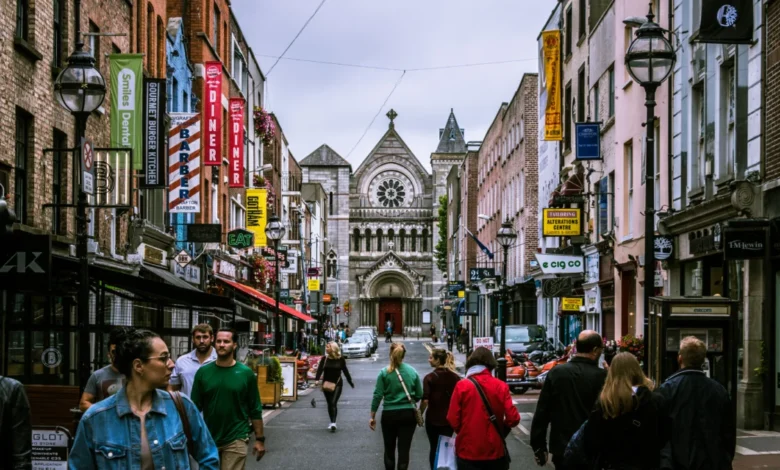
Tripadvisor has officially designated Dublin, Ireland, as the premier global destination for solo travel in 2026. This announcement follows a multi-year upward trend in independent tourism, with Dublin consistently outperforming other European capitals in categories related to safety, social accessibility, and the density of cultural attractions. Industry analysts point to the city’s unique combination of historical significance and a welcoming social fabric as the primary drivers behind this recognition. For the modern solo traveler, Dublin offers an environment that balances the introspective nature of independent exploration with a communal culture that minimizes the isolation often associated with traveling alone.
The Rise of Solo Tourism and Dublin’s Strategic Positioning
The solo travel sector has seen a significant global expansion since 2022, with a reported 20% year-over-year increase in bookings for individuals traveling without companions. Dublin’s rise to the top of the 2026 rankings is not incidental; it is the result of concerted efforts by Fáilte Ireland (the National Tourism Development Authority) to enhance urban safety, improve public transport connectivity, and promote the city’s "Céad Míle Fáilte" (a hundred thousand welcomes) ethos.
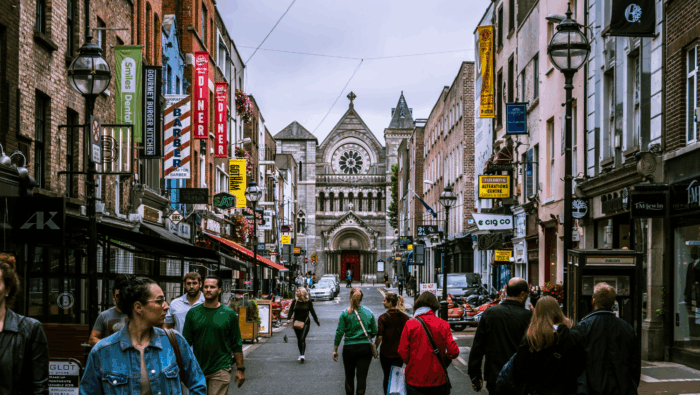
According to data from international travel platforms, solo travelers prioritize destinations where the "social barrier to entry" is low. Dublin’s pub culture and compact city center facilitate spontaneous interactions, making it an ideal entry point for first-time solo adventurers. Furthermore, the city’s high ranking on the Global Peace Index contributes to its reputation as a secure environment for solo female travelers and those navigating unfamiliar urban landscapes.
A Chronology of Dublin’s Tourism Evolution (2022–2026)
To understand Dublin’s current status as a solo travel hub, it is necessary to examine the timeline of its development over the past four years:
- 2022–2023: Post-pandemic recovery saw a surge in "experiential tourism." Dublin began pivoting away from mass-market group tours toward curated, small-group experiences, such as the Fab Food Trails and specialized distillery workshops.
- 2024: The revitalization of the Dublin Docklands area was completed, introducing new luxury and boutique accommodation options like the Samuel Hotel and the Gibson Hotel. This expanded the city’s bed capacity and modernized the eastern gateway to the city.
- 2025: The Museum of Literature Ireland (MoLI) and the Guinness Storehouse introduced enhanced digital and audio-guided experiences tailored for individual visitors, allowing solo travelers to engage with exhibits at their own pace without the need for large groups.
- 2026: Tripadvisor’s data-driven analysis of millions of user reviews culminates in Dublin being named the #1 Solo Travel Destination, citing high scores in "friendliness," "walkability," and "quality of solo-friendly dining."
Infrastructure and Logistics: Navigating the Capital Independently
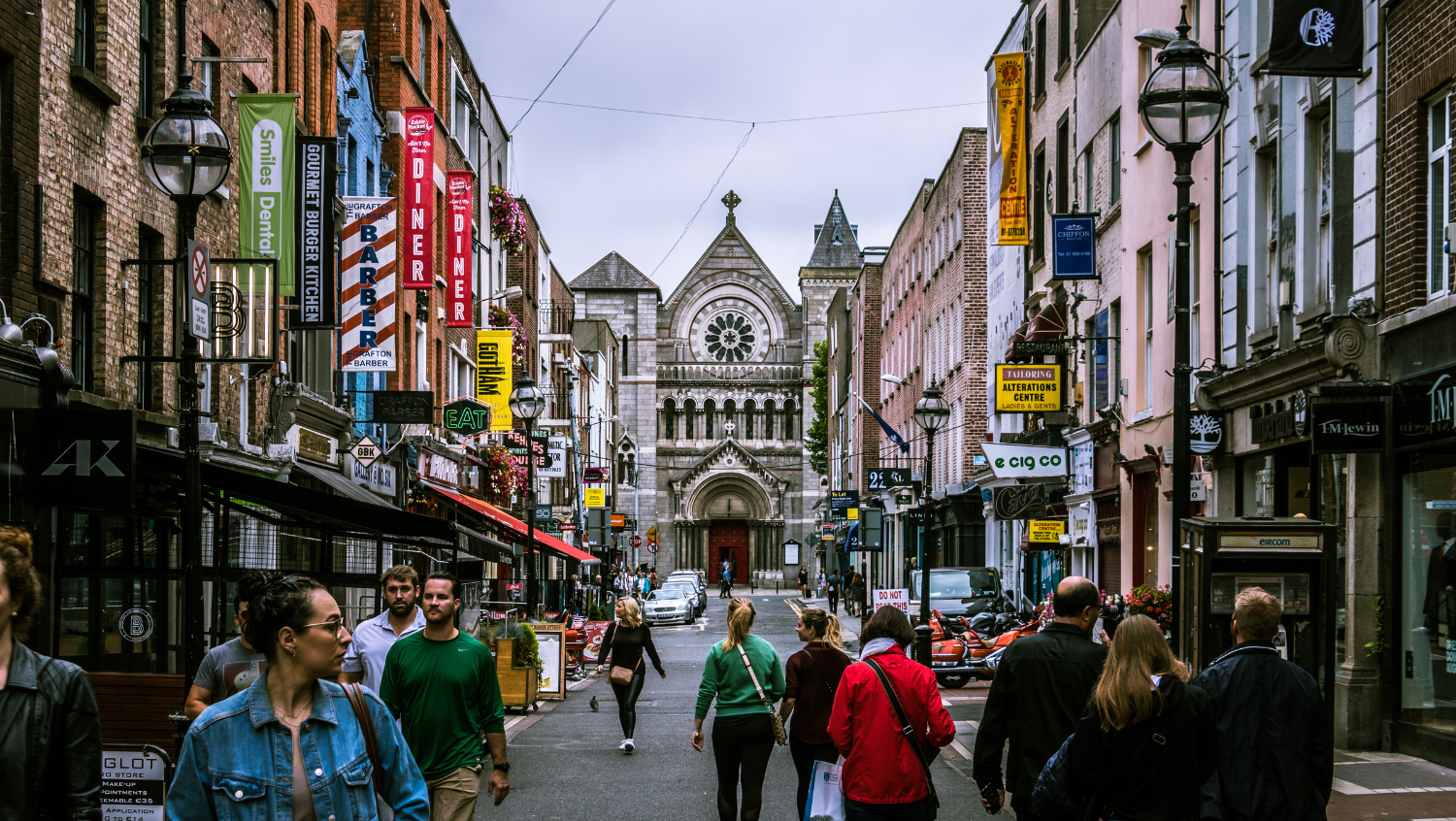
One of the most critical factors for solo travelers is the ease of navigation. Dublin’s city center is famously compact, allowing for most major landmarks to be reached on foot. However, for broader exploration, the city’s infrastructure supports a variety of solo-friendly modes of transport.
Hop-On Hop-Off Connectivity
The "Hop-On Hop-Off" bus system remains a staple for solo visitors. Beyond serving as a practical transport link between sites like St. Patrick’s Cathedral and Kilmainham Gaol, it provides a safe, sheltered environment during Dublin’s frequent rain showers. For individuals traveling alone, these tours offer a low-pressure overview of the city’s geography, helping them orient themselves before embarking on deeper explorations.
The Accommodation Crisis and Booking Strategies
Despite its popularity, Dublin faces ongoing challenges regarding hotel capacity. Industry experts advise that solo travelers book accommodations at least three to four months in advance. The market is currently characterized by high demand, particularly in the Docklands and the city center. Hotels such as the Gibson and the Samuel have become popular for solo guests due to their proximity to the EPIC Irish Emigration Museum and their integration with the Luas (light rail) system, which provides direct access to the nightlife and shopping districts without the need for expensive taxi fares.
Culinary and Social Integration
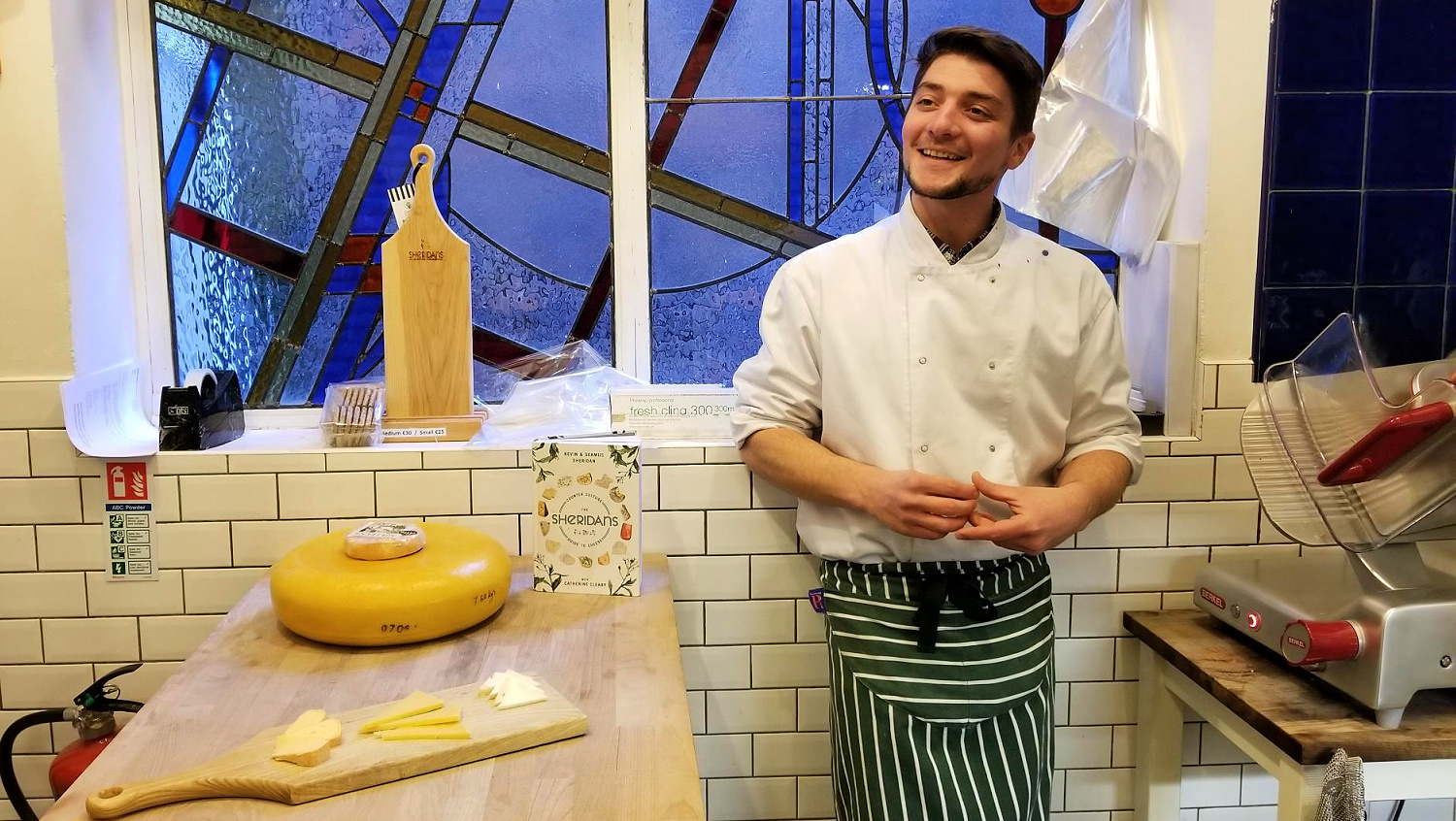
A common deterrent for solo travel is the "dining for one" experience. Dublin has mitigated this through a surge in food-centric tours and communal workshops.
The Evolution of the Irish Spirit
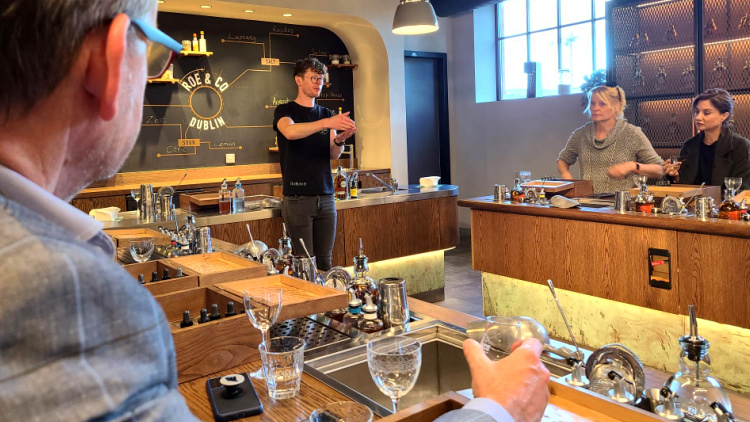
The Irish whiskey industry has undergone a transformation, moving from traditional distillery tours to interactive educational experiences. Roe & Co, for instance, has introduced cocktail workshops that focus on the "Five Pillars of Flavor"—sweet, sour, bitter, salty, and umami. These workshops are particularly effective for solo travelers as they provide a structured social setting where individuals can interact with staff and other travelers while learning a new skill. This shift reflects a broader trend in Dublin’s tourism: moving from passive observation to active participation.
Gastronomy as a Social Bridge
Guided food tours, such as the Dublin City Centre Underground Donut Tour or Fab Food Trails, have seen a 35% increase in solo bookings since 2024. These tours solve two problems for the independent traveler: they remove the guesswork from finding quality dining and they provide a built-in social group. By sitting down for a drink or a meal at the end of a tour, solo travelers often exchange recommendations, creating an informal network of information that enhances the remainder of their trip.
Cultural and Literary Heritage
Dublin’s status as a UNESCO City of Literature is a significant draw for the solo demographic, which statistically shows a higher interest in historical and literary pursuits than group travelers.
The Museum of Literature Ireland (MoLI)
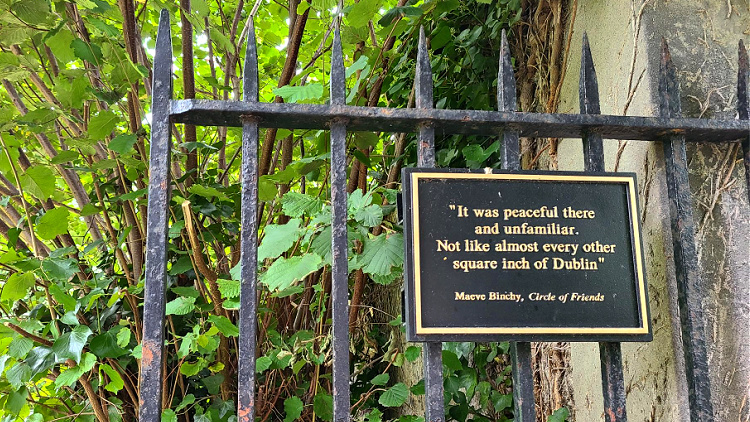
MoLI has become a cornerstone of the solo itinerary. Located in the historic UCD Newman House, the museum offers a tranquil environment that encourages slow exploration. Its multimedia exhibits and interactive displays are designed for individual engagement. The museum’s gardens and café also provide a "third space" where solo travelers can read or reflect in a quiet, aesthetically pleasing environment, away from the bustle of the Temple Bar district.
The Literary Pub Crawl
For those seeking a more energetic engagement with Dublin’s heritage, the Dublin Literary Pub Crawl offers a blend of performance art and history. This experience is frequently cited by the Solo Travel Society as a highlight, as it allows individuals to enjoy Dublin’s famous pub culture within a safe, organized framework. It bridges the gap between a traditional history lecture and a social night out, making it accessible for those who might feel hesitant to enter a pub alone.
Retail and Entertainment: The Solo Perspective
Boutique Shopping at Avoca
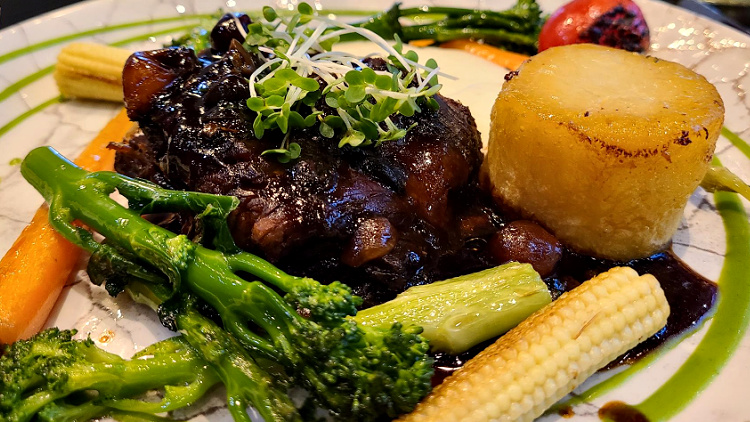
Retail experiences in Dublin have also adapted to the solo market. Avoca on Suffolk Street is a prime example of a multi-level "lifestyle" destination that caters to the curious individual. Spanning seven floors, the store combines food markets, homewares, and textiles produced in their own mills. For solo travelers, the top-floor café and basement food hall offer high-quality, informal dining options that are often preferred over formal sit-down restaurants.
The Irish Cabaret Experience
Traditional entertainment, such as the Irish Cabaret at Taylor’s Three Rock, has remained a resilient part of the tourism ecosystem. While often perceived as a group activity, these events have adapted by offering communal seating arrangements that encourage solo guests to interact with their neighbors. The inclusion of world-class Irish dancing and traditional music provides a high-value cultural experience that remains a top recommendation for those seeking an evening of entertainment without the need for a companion.
The Guinness Storehouse: A Global Icon
No analysis of Dublin tourism is complete without the Guinness Storehouse. As Ireland’s most visited attraction, it has refined its "Experience" to be entirely self-contained. The seven-floor journey through the history of the brand culminates in the Gravity Bar, which offers 360-degree views of the city. For the solo traveler, the Gravity Bar serves as an international crossroads, where the shared experience of a pint of Guinness often leads to conversations with people from across the globe.
Broader Impact and Implications
The designation of Dublin as the top solo travel destination for 2026 has significant economic implications. Solo travelers are known to stay longer in a single destination and spend more per capita on local experiences and dining compared to those in large tour groups. This shift supports local businesses and encourages the preservation of "authentic" Dublin culture over mass-produced tourist traps.
However, the surge in popularity also necessitates a focus on sustainable growth. City officials are currently debating measures to ensure that the influx of solo tourists does not exacerbate the housing shortage or lead to the "over-tourism" seen in cities like Amsterdam or Venice. The focus for 2027 and beyond will likely be on dispersing solo travelers to the "hidden gems" of the Dublin suburbs and the surrounding coastal villages like Howth and Malahide.
In conclusion, Dublin’s success in 2026 is a testament to its ability to evolve while maintaining its core identity. By providing a safe, engaging, and socially fluid environment, the city has set the standard for what a solo-friendly destination should look like in the mid-2020s. For the independent explorer, Dublin is no longer just a stop on a European tour; it is a primary destination that offers a profound sense of connection, even when one arrives alone.