Bali to Nusa Penida: Navigating Your Ideal Island Crossing – Fast Boat vs. Private Charter

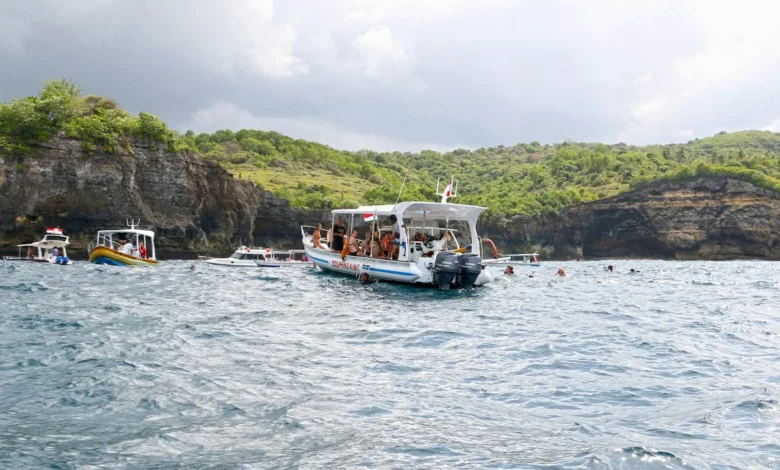
The short journey from Bali to Nusa Penida, typically under an hour, serves as a pivotal decision point that profoundly influences the entire day’s experience on the "Blue Paradise" island. While the shared fast boat remains the default choice for many, lauded for its widespread availability, ease of booking, and affordability, particularly appealing to solo travelers or couples on a constrained budget, an alternative in the form of a private charter offers a distinctly different proposition. This guide delves into both modalities, offering a comprehensive, fact-based analysis to assist travelers in making an informed decision tailored to their specific needs and aspirations for a Nusa Penida adventure.
The Ascent of Nusa Penida: A Premier Destination
Nusa Penida, one of three islands southeast of Bali (alongside Nusa Lembongan and Nusa Ceningan), has rapidly transformed from a secluded gem into a global tourism hotspot. Its dramatic cliffs, pristine beaches, vibrant coral reefs, and iconic natural landmarks like Kelingking Beach and Broken Beach draw hundreds of thousands of visitors annually. This surge in popularity, particularly over the last decade, has necessitated significant improvements in accessibility and infrastructure, both on Bali as a departure point and on Nusa Penida itself. The island’s unique blend of rugged landscapes, rich marine biodiversity, and a sense of raw, untamed beauty offers a stark contrast to Bali’s more developed tourist centers, making the crossing not just a transfer, but a gateway to a different facet of Indonesian island life. The continued growth of tourism to Nusa Penida underscores the importance of efficient and comfortable transport options from its larger, more famous neighbor.
Departure Hubs: Gateway to the Nusa Islands
The choice of departure point from Bali is the first logistical consideration for any traveler heading to Nusa Penida. The majority of crossings originate from two primary harbors: Sanur and Serangan, with Padang Bai serving as a less common, though viable, third option, particularly for those combining their trip with destinations further east.
Sanur Harbor: The Public Transport Nexus
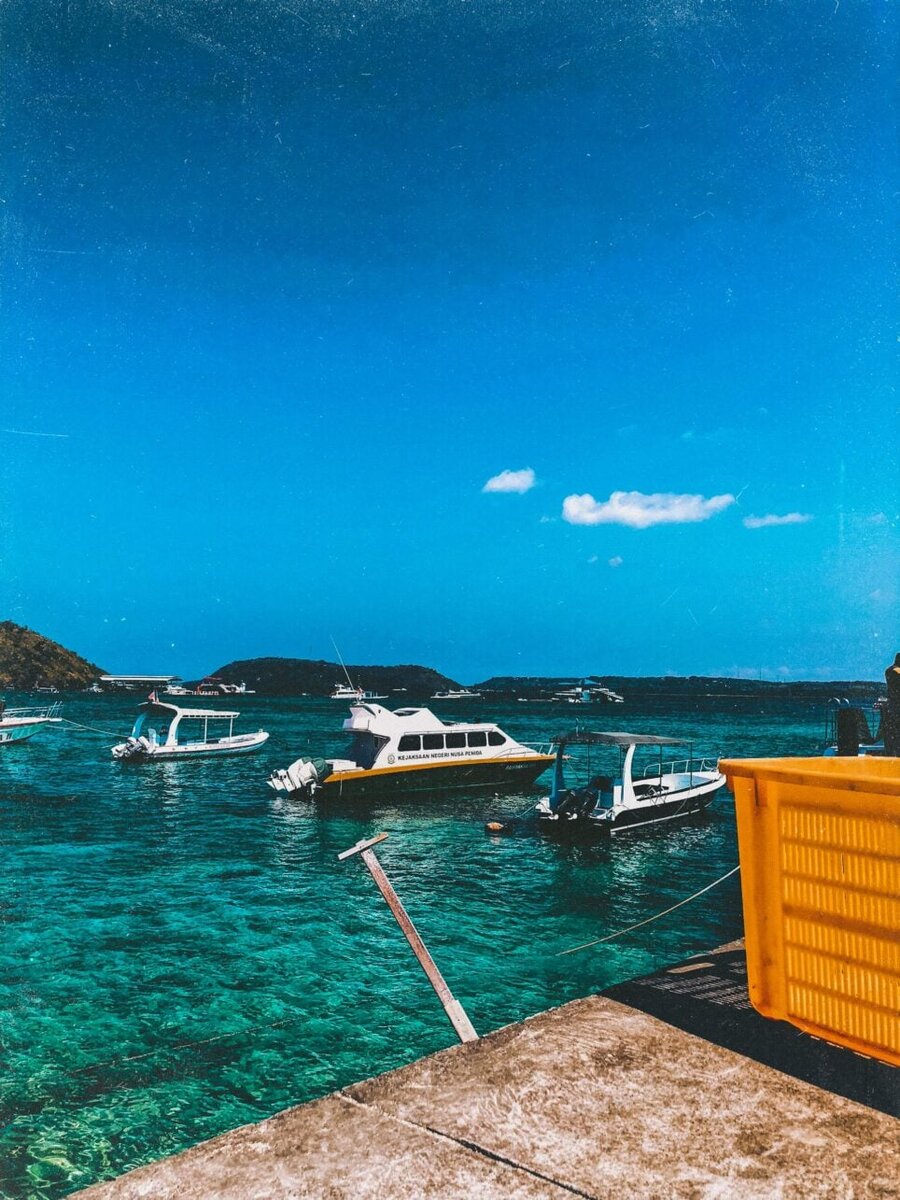
Sanur, located on Bali’s southeastern coast, has long been the bustling epicenter for shared fast boat services to the Nusa Islands. Recognising its strategic importance, the Indonesian government undertook substantial infrastructure upgrades ahead of the G20 Summit in 2022. These enhancements included the construction of a modern, multi-story terminal building, improved ticketing counters, dedicated boarding jetties, and clearer signage. The aim was to streamline passenger flow, reduce congestion, and enhance safety standards, particularly during peak periods when multiple boats load simultaneously. While it can still feel vibrant and crowded, especially during the high season (June to August) or public holidays, the revamped Sanur Harbor now offers a significantly more organized and efficient experience for independent travelers relying on scheduled fast boat services. Its central location also makes it easily accessible from popular tourist areas like Kuta, Seminyak, and Ubud.
Serangan Harbor: The Private Charter Gateway
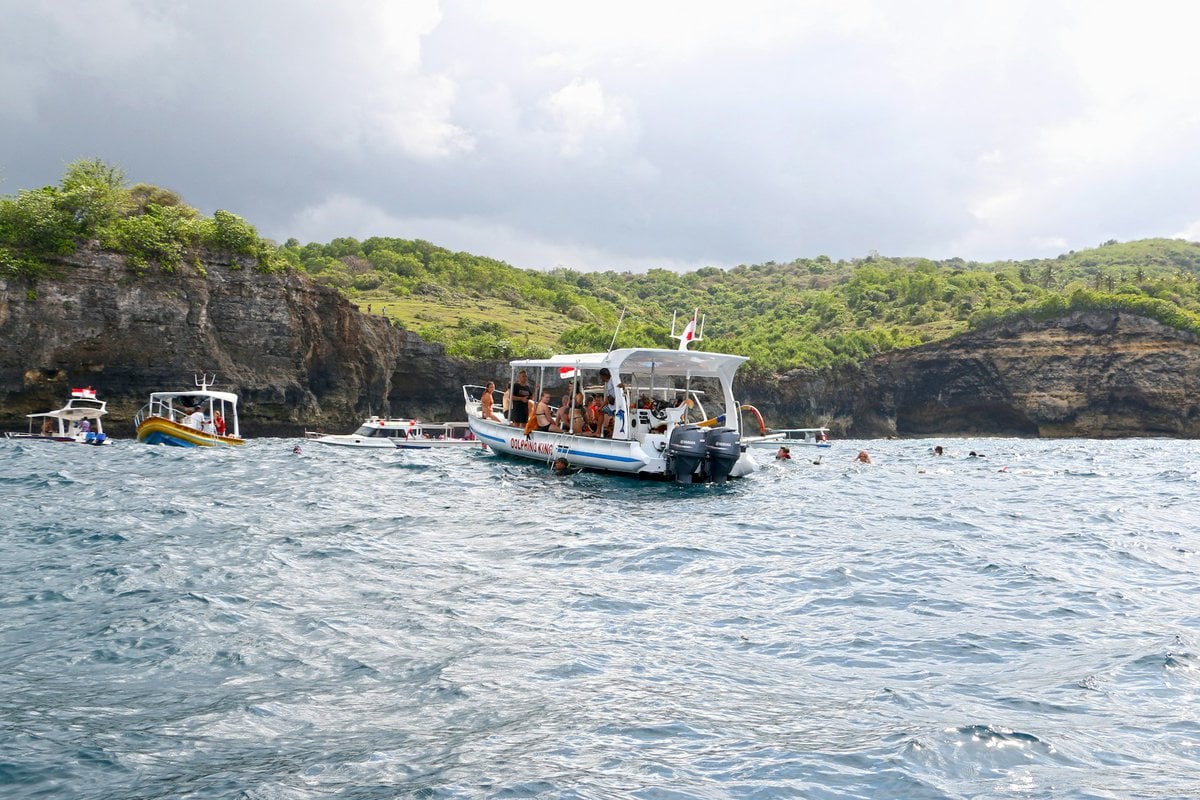
Located south of Denpasar, Serangan Harbor presents a calmer and more exclusive departure alternative, predominantly favored by private charter operators. Unlike Sanur’s high-volume public ferry operations, Serangan’s infrastructure and operational setup are better suited for smaller groups and personalized services. The boarding process is typically smoother, with less waiting and direct access to private vessels. This harbor is often the starting point for full-day private excursions that bundle island transfers with bespoke snorkeling or sightseeing itineraries. For travelers prioritizing a tranquil start to their day and seeking a more tailored experience from the outset, Serangan offers a distinct advantage, aligning with the premium nature of private charters.
Padang Bai: An Alternative for Specific Itineraries
While less common for direct Nusa Penida day trips, Padang Bai, situated further east on Bali’s coast, primarily serves as the main port for ferries and fast boats to Lombok and the Gili Islands. Some operators do offer services to Nusa Penida from here, but it generally involves a longer sea crossing and may not be as convenient for those staying in southern Bali. Its relevance is primarily for travelers planning multi-island itineraries that include destinations beyond Nusa Penida.
The Shared Fast Boat Experience: Efficiency and Economy
The shared fast boat represents the cornerstone of inter-island travel between Bali and Nusa Penida for the vast majority of tourists. These vessels, typically ranging from 25 to 70-passenger capacities, are designed for speed and efficiency, completing the crossing from Sanur in approximately 30 to 45 minutes, depending on sea conditions and the specific operator.
Operational Flow and Cost Considerations:
A typical fast boat journey begins with travelers arriving at Sanur Harbor at least 30-60 minutes prior to their scheduled departure. This allows time for check-in at the operator’s counter, where tickets are exchanged for boarding passes, and luggage is often tagged. Passengers then proceed to a communal waiting area before being called to board. The boarding process, particularly for smaller boats, might involve wading through shallow water, a common experience in many Indonesian ports. Upon arrival at Nusa Penida, usually at Toyapakeh or Banjar Nyuh harbor, passengers disembark and are then responsible for arranging their onward transportation on the island, whether by scooter rental, private car hire, or local taxi services.
The primary appeal of the fast boat lies in its cost-effectiveness. Prices generally start from around 250,000 IDR (approximately $16-18 USD) per person for a one-way ticket, making it the most budget-friendly option. Round-trip tickets often offer a slight discount. However, it’s crucial to note that this cost covers only the transfer. Any subsequent activities on Nusa Penida, such as snorkeling tours, land transport, or meals, are additional expenses that travelers must plan and budget for independently. Return journeys operate on fixed schedules, requiring careful planning to ensure travelers catch their preferred departure time back to Bali.
Advantages of Fast Boats:
- Affordability: Unbeatable price point for individual travelers and couples.
- Accessibility: Numerous operators provide frequent departures throughout the day.
- Simplicity: Straightforward booking and boarding process, especially with the Sanur Harbor upgrades.
- Independence: Allows travelers to fully customize their Nusa Penida itinerary on arrival, from choosing local transport to selecting specific attractions and dining options.
Disadvantages of Fast Boats:
- Fixed Schedules: Less flexibility for spontaneous changes or extended stays at specific locations.
- Crowds: Can be busy and sometimes chaotic, particularly during peak season.
- Comfort: Seating is often basic, and journeys can be bumpy in rougher seas.
- Additional Logistics: Requires separate arrangements for land transport and activities on Nusa Penida, potentially leading to more time spent on organization rather than exploration.
The Private Charter Experience: Tailored Luxury and Seamless Access
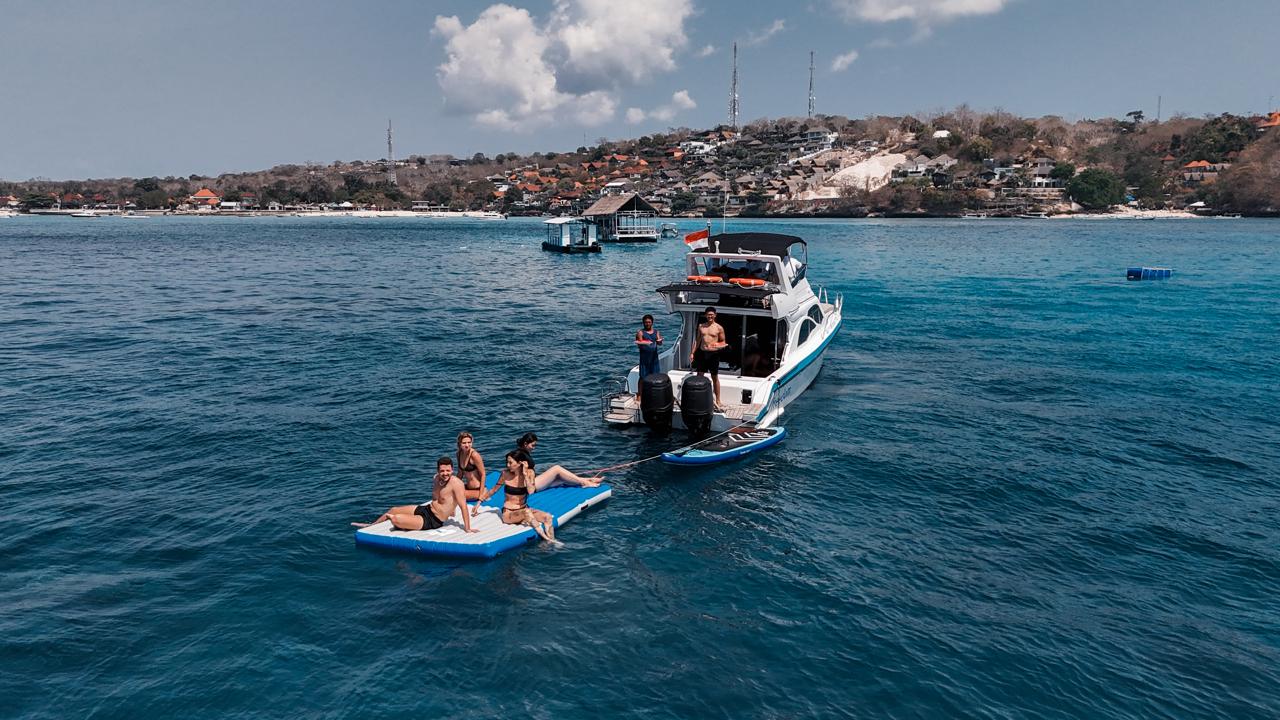
A private charter offers a departure from mere transportation, evolving into a bespoke, full-day experience designed around the preferences of a single group. This premium option redefines the journey, emphasizing comfort, flexibility, and comprehensive inclusions.
Comprehensive Inclusions and Operational Flow:
Private charters typically originate from Serangan Harbor and are characterized by a seamless, door-to-door service. This often begins with hotel pickups in Bali, transporting the group directly to the harbor. Onboard, the experience is elevated with amenities such as complimentary drinking water, fresh fruit, snacks, juices, soft drinks, towels, and high-quality snorkeling gear. Some charters even provide fishing equipment, catering to diverse interests. Crucially, the boat operates entirely on the group’s schedule, allowing for spontaneous adjustments and extended stays at preferred locations.
The most significant advantage of a private charter, particularly for those interested in Nusa Penida’s renowned marine life, is direct access to water spots. Nusa Penida’s interior roads, while improving, remain challenging in many areas, making overland travel between coastal attractions time-consuming and often uncomfortable. A private boat bypasses these land-based logistical hurdles, ferrying guests directly from one snorkeling or diving site to another. This maximizes time spent in the water and minimizes transit time.
Manta Point: A Case Study in Access:
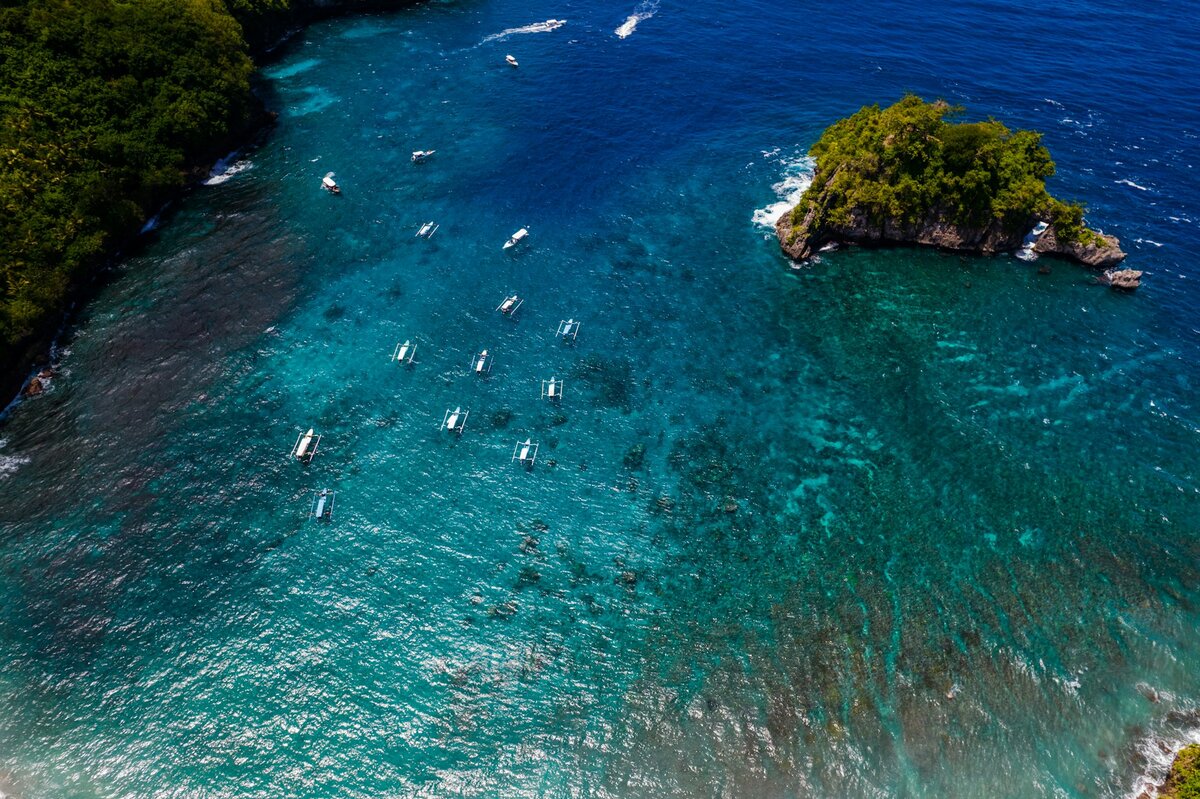
Manta Point, a famous cleaning station on Nusa Penida’s southwestern coast where majestic manta rays are frequently sighted, exemplifies the charter’s strategic advantage. On a private charter, the boat can head directly to Manta Point as part of the day’s itinerary, allowing guests to snorkel with these incredible creatures without additional transfers. Conversely, travelers arriving via shared fast boat would first need to reach Nusa Penida, then arrange a separate local boat trip from harbors like Toyapakeh or Crystal Bay to Manta Point. This involves extra cost, additional time, and more organizational complexity, diluting the overall experience.
Advantages of Private Charters:
- Unparalleled Flexibility: Custom itinerary, departure, and return times, allowing for exploration at one’s own pace.
- Enhanced Comfort: More space, privacy, and often superior amenities onboard.
- Seamless Logistics: Hotel pickups/drop-offs and direct access to water spots eliminate the need for separate arrangements.
- Comprehensive Experience: Often includes snorkeling gear, refreshments, and an experienced crew to guide the day.
- Time Efficiency: Maximizes time spent enjoying attractions rather than on transit or organization.
Disadvantages of Private Charters:
- Higher Upfront Cost: Significantly more expensive than shared fast boats.
- Group Requirement: Best value is achieved with a larger group to split costs.
Comparative Analysis: Deciphering the Value Proposition
The decision between a fast boat and a private charter hinges on a nuanced evaluation of price, comfort, flexibility, and access to specific attractions.
Price:
The fast boat’s per-person cost of approximately 250,000 IDR each way makes it the clear winner for sheer affordability. However, the economic landscape shifts when considering groups of four or more. For such groups, a private charter’s per-person cost can become surprisingly competitive, especially when factoring in the expenses saved on separate snorkeling tours, land transfers on Nusa Penida, and the inherent value of included amenities (food, drinks, gear). For instance, a private charter for six people might cost 3,000,000-5,000,000 IDR (approx. $200-350 USD), making the per-person cost $33-58, which, when coupled with a comprehensive snorkeling tour that would otherwise cost $25-50 per person locally, quickly levels the playing field. The "included extras" are not merely conveniences but integral components of the value calculation.
Comfort:
Shared fast boats, while functional, offer a basic level of comfort. Passengers share seating in a potentially crowded environment, and the ride can be bumpy, particularly during adverse sea conditions. Private charters, in contrast, provide a more spacious, private, and often quieter environment. The pace is dictated by the group, allowing for a more relaxed and personalized journey, free from the constraints of a public timetable. This difference is particularly noticeable for families with young children or individuals who prefer a more serene travel experience.
Flexibility:
The fixed schedules of fast boats are ideal for travelers who appreciate a structured itinerary. However, this rigidity offers little room for deviation. A private charter unlocks unparalleled flexibility. Whether it’s lingering longer at a captivating snorkeling spot, adding an impromptu visit to a secluded cove, or diverting to Nusa Lembongan or Ceningan, the day can be adjusted dynamically. This adaptability is invaluable, especially when ocean conditions shift or the group’s interests evolve during the day.
Access to Water Spots:
This is arguably the most compelling differentiator for marine activity enthusiasts. Navigating Nusa Penida’s often challenging roads to reach various coastal points can be arduous and time-consuming. A private charter transforms the island into a marine playground, allowing direct, swift, and comfortable access to dive sites, snorkeling spots, and hidden beaches via water. This eliminates the need for multiple land transfers and separate local boat bookings, significantly enhancing the snorkeling or diving experience.
Implications and Broader Context
The choice of transport method has implications beyond individual traveler experience, touching upon economic, environmental, and social aspects of tourism in the region.
Economic Impact: The fast boat industry supports a vast network of operators, ticketing agents, and ancillary services, providing accessible employment opportunities for many Balinese. Private charters, while serving a smaller, higher-spending segment, often support more specialized local businesses, skilled boat crews, and premium tourism providers, contributing to a diversified tourism economy.
Environmental Considerations: With the increasing popularity of Nusa Penida, both shared and private boat operators bear a responsibility for sustainable practices. Reputable operators adhere to safety regulations, proper waste management, and responsible anchoring practices to protect the delicate marine ecosystems, especially around popular snorkeling and diving sites like Manta Point. Travelers are encouraged to choose operators committed to environmental stewardship.
Tourism Trends and Infrastructure: The continuous improvement of Sanur Harbor reflects a strategic effort by the Indonesian government to manage high tourist volumes efficiently. Simultaneously, the growth of the private charter market caters to a rising demand for personalized, luxury travel experiences. The evolving road infrastructure on Nusa Penida, while still presenting challenges in parts, is a testament to the island’s ongoing development to accommodate its burgeoning tourism.
Practical Guidance and Booking Advice
When to Book:
For shared fast boats, same-day booking might be possible during low season (e.g., outside June-August and major holidays), but advance booking (at least a few days) is highly recommended, especially during peak travel periods, to secure preferred departure times and avoid sold-out situations. Private charters, due to their limited availability and personalized nature, should be booked well in advance – ideally several weeks, particularly if planning during high season or for specific dates. Reputable operators often fill their schedules quickly.
Choosing an Operator:
Regardless of the chosen option, selecting a reputable operator is paramount. Look for companies with strong safety records, positive online reviews, clear communication, and transparent pricing. Inquire about insurance coverage and emergency protocols. For fast boats, consider operators known for punctuality and well-maintained vessels. For private charters, verify the inclusions, the condition of the boat, and the experience of the crew.
Best Time to Cross:
Morning crossings are almost universally recommended as the sea conditions in the Badung Strait are typically calmer and less affected by wind. While the dry season (April to October) generally offers the most favorable conditions with smoother waters, the wet season (November to March) can bring choppier seas, particularly in the afternoons. Always check the latest weather and sea conditions with your operator before departure.
Nusa Penida Road Conditions:
While improvements are ongoing, be prepared for rough and unpaved sections of road on Nusa Penida, especially when venturing to more remote attractions on the south and west coasts. This context further highlights the advantage of sea-based travel for accessing coastal spots.
Which Option Fits Your Trip?
Choose a shared fast boat if:
- You are a solo traveler or a couple on a tight budget.
- You prioritize the lowest possible cost for transportation.
- You prefer to independently organize your activities and transport on Nusa Penida.
- You are comfortable with fixed schedules and a shared transport environment.
- Your primary goal is to reach Nusa Penida and explore its land-based attractions.
Choose a private charter if:
- You are traveling with family or a small group (4+ people) where costs can be shared.
- You prioritize comfort, privacy, and a seamless, hassle-free experience.
- You want direct access to snorkeling and diving spots (like Manta Point) without extra logistics.
- You desire flexibility in your itinerary and the ability to customize your day.
- You value a premium, all-inclusive experience that saves time and effort.
- You wish to combine visits to Nusa Penida, Nusa Lembongan, and Nusa Ceningan in a single day.
Frequently Asked Questions (Expanded)
How long does the boat crossing from Bali to Nusa Penida take?
The standard crossing from Sanur or Serangan typically ranges from 30 to 45 minutes. This duration can fluctuate based on the specific boat operator, the type of vessel, and prevailing sea conditions. Morning crossings are generally smoother and quicker, while afternoon journeys, especially during the wet season, might be slightly longer or bumpier due to increased wind and swell. Operators prioritize passenger safety, and in exceptionally rough conditions, schedules may be adjusted, or crossings may be slower.
Is a private charter worth it for two people?
For a couple, the "worth" of a private charter often becomes a matter of prioritizing experience over initial cost. While the upfront price is higher than two fast boat tickets, if the couple plans to undertake a full day of water activities, particularly visiting remote snorkeling sites like Manta Point, the private charter can be a more efficient and less stressful option. Factoring in the cost of two fast boat tickets, plus a separate local snorkeling tour (which can range from 300,000-600,000 IDR per person), and potential land transport on Penida, the total expenditure might not be drastically different. The convenience of hotel pickups, included amenities, and a personalized itinerary can offer significant value, transforming the day from a series of logistical tasks into a seamless, enjoyable adventure.
What is Manta Point and how do I get there?
Manta Point is a renowned marine site on the southwest coast of Nusa Penida, famous for being a cleaning station where majestic manta rays frequently congregate. It offers an incredible opportunity for snorkelers and divers to observe these gentle giants in their natural habitat. On a private charter, your boat can directly access Manta Point as part of your customized itinerary, minimizing travel time. If you opt for a shared fast boat, you would typically arrive at one of Nusa Penida’s main harbors (e.g., Toyapakeh), and then need to arrange a separate local boat tour from the island, often departing from Toyapakeh or Crystal Bay, to reach Manta Point. This requires additional time and cost planning upon arrival.
What are sea conditions like between Bali and Nusa Penida?
The Badung Strait, which separates Bali from Nusa Penida, is known for its strong currents and can experience choppy conditions. This is particularly true during the wet season (November to March), when winds can create larger swells. The dry season (April to October) generally offers calmer seas, making for smoother crossings. Regardless of the season, mornings typically present the most favorable conditions, as winds tend to pick up in the afternoon. It is always advisable to check the latest marine weather forecasts and consult with your chosen boat operator regarding current conditions before your departure. For those prone to seasickness, taking preventative measures is recommended.
Can I combine Nusa Penida and Nusa Lembongan in one day?
Yes, it is possible to combine visits to Nusa Penida and Nusa Lembongan in a single day, but a private charter makes this endeavor significantly more practical and enjoyable. With a private boat, you benefit from flexible routing, allowing you to seamlessly move between snorkeling spots, beaches, and viewpoints around both islands without the constraints of fixed public ferry schedules or the need to arrange multiple local transfers. This maximizes your exploration time and reduces logistical complexities. While a shared fast boat itinerary technically allows for visiting both islands, it requires very careful timing, potentially tight connections between local boats, and a more structured, less spontaneous approach.
Do I need to book in advance?
For shared fast boats, advance booking is strongly recommended, especially during high season (June to August), Indonesian public holidays, and international holiday periods. While same-day tickets might be available during quieter times, booking ahead ensures your spot and preferred departure time. For private charters, advance booking is almost essential, regardless of the season. Due to their limited availability and personalized nature, reputable private charter operators often get fully booked several days, or even weeks, in advance. Early booking secures your chosen vessel and crew, preventing disappointment.
Author
Ruby is a Bali-based travel writer from Balitravelguide.com who shares practical, experience-based tips to help travelers enjoy the island beyond the usual tourist checklist. After years of exploring Bali’s coastline, nearby islands, food scene and local travel logistics, she focuses on helping visitors make smarter decisions for smoother, more memorable trips.