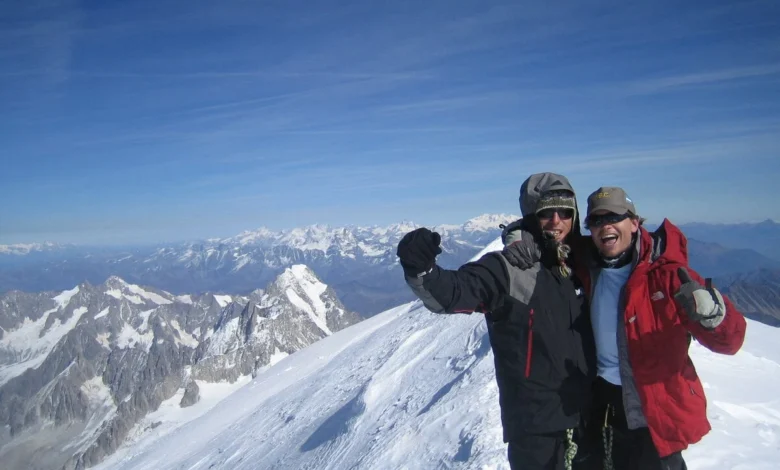
Mont Blanc, standing majestically at 4,805 meters, is not merely the highest peak in the Alps and Western Europe; it represents an enduring symbol of mountaineering ambition and natural grandeur. For countless enthusiasts, conquering its summit remains a quintessential item on their bucket lists, drawing tens of thousands of climbers annually to its challenging slopes. Despite its widespread appeal and reputation as "accessible," the reality of a Mont Blanc ascent is far more demanding than many first-time adventurers anticipate, necessitating rigorous preparation, respect for its formidable conditions, and often, the guidance of seasoned professionals.
The allure of Mont Blanc is deeply rooted in mountaineering history. It was first ascended in 1786 by Jacques Balmat and Michel-Gabriel Paccard, an achievement that marked the birth of modern alpinism. This historical significance, coupled with its breathtaking panoramas and relative accessibility compared to higher global peaks, has cemented its status as a premier alpine objective. However, its popularity often masks the inherent dangers and physical toll involved, underscoring the critical importance of comprehensive understanding and meticulous planning before embarking on an expedition to the "White Mountain."
Defining the Challenge: Beyond Technicality
While Mont Blanc’s standard routes are frequently described as "non-technical," this classification can be misleading. It implies a lack of advanced rock-climbing prowess, which is largely true, but it fails to convey the complex array of challenges inherent in high-altitude alpine environments. Climbers must contend with:
- Significant Altitude: Operating above 4,000 meters subjects the body to reduced oxygen levels, increasing the risk of acute mountain sickness (AMS), which can manifest as headaches, nausea, dizziness, and extreme fatigue. Proper acclimatization is not just recommended; it is often the deciding factor in summit success.
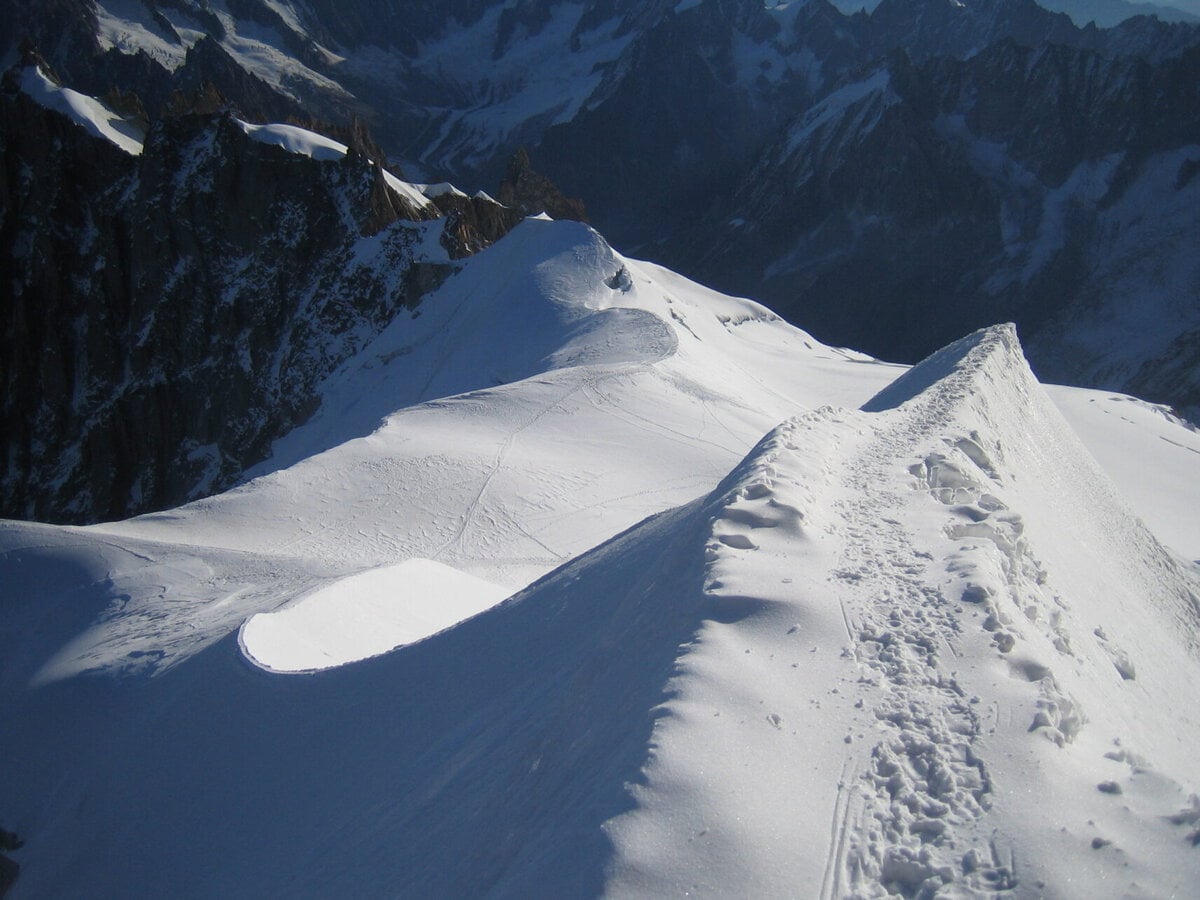
- Extreme Exposure: Many sections of the routes involve narrow, exposed ridges with precipitous drops on either side, requiring steady nerves, excellent balance, and unwavering focus.
- Variable Weather Conditions: The alpine climate is notoriously unpredictable. Sunny, calm mornings can quickly give way to violent storms, whiteouts, high winds, and rapidly falling temperatures, posing severe hypothermia and disorientation risks.
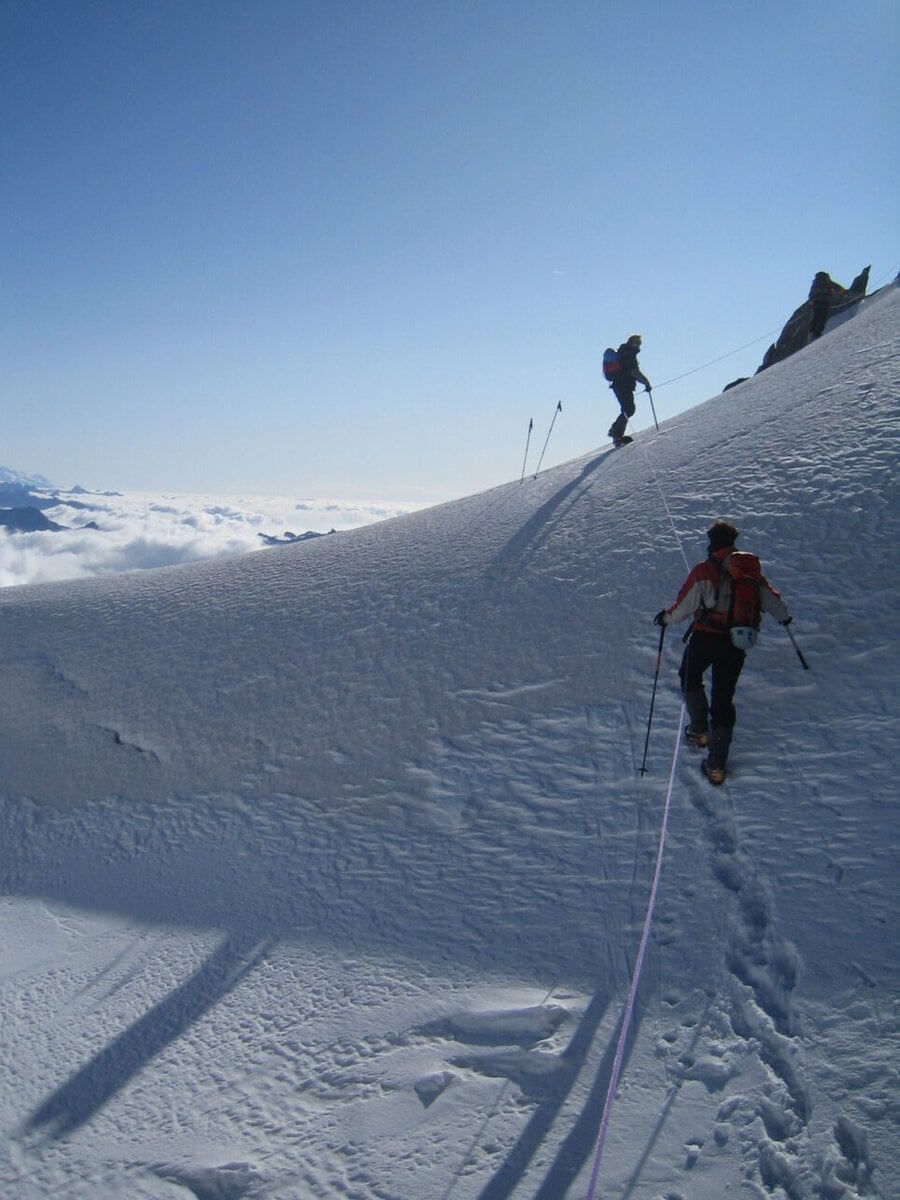
- Glacier Travel: Navigating vast glacial expanses necessitates proficiency in using crampons and an ice axe, as well as understanding crevasse rescue techniques. Hidden crevasses, often obscured by fresh snow, are a constant hazard.
- Objective Hazards: Unlike technical climbing difficulties that can be mitigated by skill, objective hazards like rockfall, icefall, and avalanches are largely uncontrollable and require constant vigilance and judicious route selection.
The cumulative effect of these factors—altitude, exposure, duration, and the constant need for vigilance—transforms what might seem like a strenuous hike into a serious mountaineering endeavor. Even for those with strong physical fitness, the mental fortitude required to push through hours of cold, thin air, and challenging terrain can be profoundly exhausting.
Primary Ascent Routes: A Detailed Overview
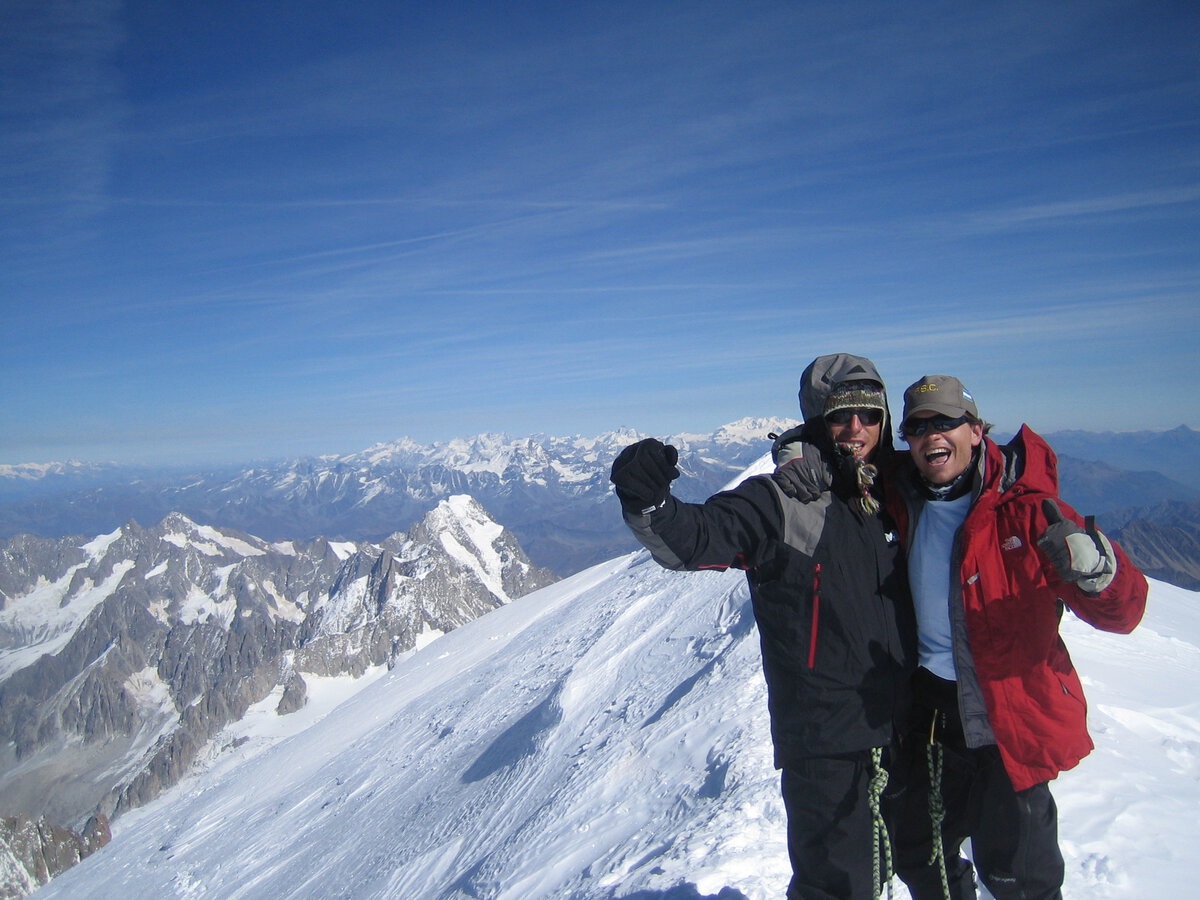
Mont Blanc offers several routes to its summit, each presenting distinct challenges in terms of commitment, technical difficulty, and objective risk.
1. The Goûter Route (Normal Route)
Often considered the most popular and the preferred choice for many first-time alpine climbers, the Goûter Route typically commences from Les Houches or Saint-Gervais. This multi-day ascent involves:
- An initial ascent via cable car and mountain train to reach the Nid d’Aigle.
- A demanding hike to the Tête Rousse Hut (3,167m), often serving as an overnight stop.
- The infamous traverse of the Grand Couloir, a notorious rockfall zone, leading to the Goûter Hut (3,835m).
- A final, pre-dawn summit push from the Goûter Hut, traversing snow and ice ridges to the summit.
Duration: Typically 2-3 days from Chamonix.
Difficulty: Moderate, but fraught with significant objective risks.
The Grand Couloir is a critical bottleneck and a major hazard, especially during warmer summer afternoons when rockfall activity increases substantially. The sheer volume of climbers during peak season can also lead to congestion, creating queues on narrow sections of the ridge and exacerbating risks.
2. The Trois Monts Route (Mont Blanc du Tacul, Mont Maudit, Mont Blanc)
This route, generally considered more technically demanding and exposed, is the one often chosen by climbers seeking a more immersive alpine experience. It traverses:
- Mont Blanc du Tacul (4,248m).
- Mont Maudit (4,465m).
- The final ascent to Mont Blanc’s summit (4,805m).
Starting from the Aiguille du Midi (accessed by cable car from Chamonix), climbers usually spend a night at the Cosmiques Hut (3,613m). The route involves steeper sections, greater exposure to seracs (ice blocks), and a higher potential for avalanche risk, particularly on the slopes of Mont Blanc du Tacul and Mont Maudit, depending on snow conditions.
Duration: Typically 2 days.
Difficulty: More technical, physically demanding, and exposed to glacial hazards. This route requires a higher level of alpine experience and competence in crevasse rescue.
3. The Italian Route via Gonella Hut
A less crowded and more remote alternative, this route starts from the Italian side of the mountain, often from Val Veny near Courmayeur. It typically involves:
- An arduous approach hike to the Gonella Hut (3,071m).
- An early morning departure from the hut, traversing the Dôme du Goûter before joining the final section of the French Goûter Route.
- The route often involves more glacier travel and a longer overall commitment.
Duration: 2-3 days.
Difficulty: More remote, logistically complex, and physically demanding due to the longer approach. It is often favored earlier in the season before glacial conditions become too unstable. This route can be an excellent option when the popular French huts are fully booked, offering a more solitary experience.
Optimal Climbing Season and Weather Dynamics
The main climbing season for Mont Blanc generally spans from June through September. However, within this window, conditions can vary dramatically.
July and August: Traditionally considered the most favorable months due to relatively stable weather patterns and warmer temperatures. This period also sees the highest traffic, leading to crowded huts and routes. Recent years have seen an alarming increase in rockfall on routes like the Goûter, attributed to rising temperatures causing permafrost melt and glacier retreat. This has led to recommendations for very early morning ascents through critical zones.
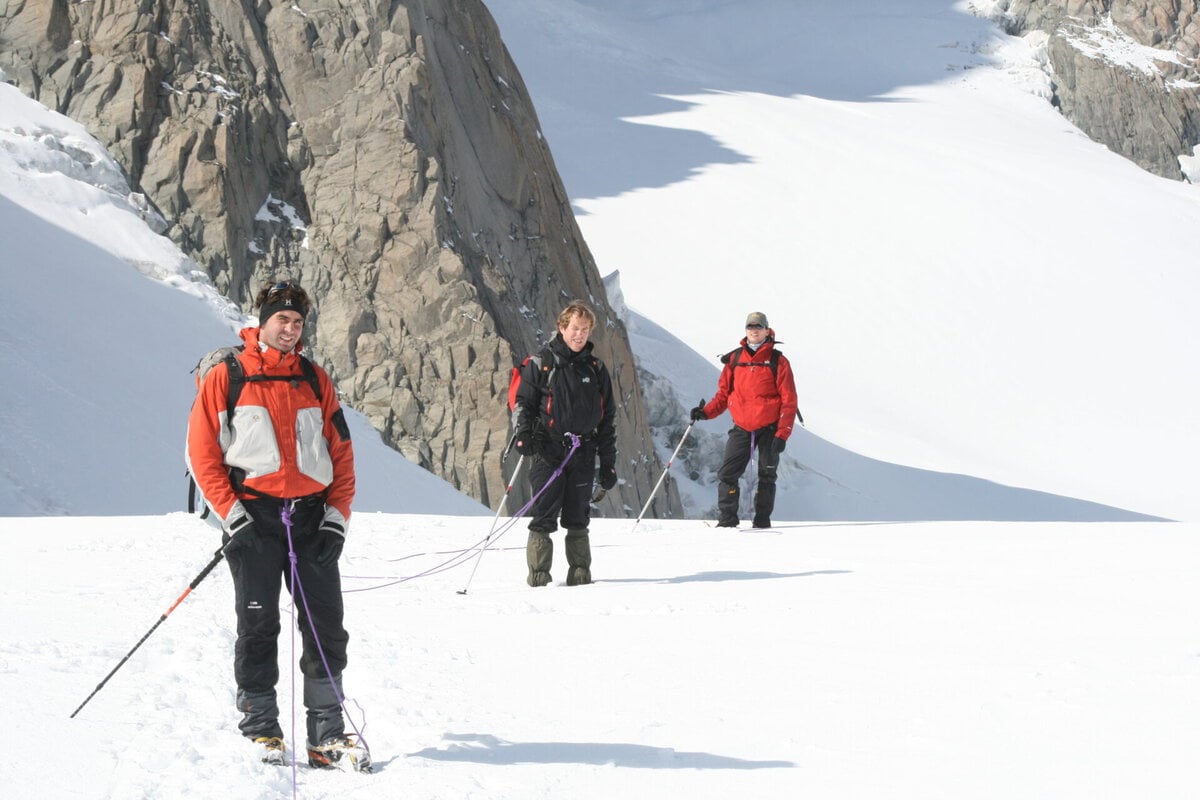
June and September: These shoulder months typically offer quieter routes but come with less predictable weather. Early June can still present significant snow cover, while late September brings colder temperatures and a higher chance of early winter storms.
Optimal climbing conditions are characterized by:
- Stable high-pressure systems: Offering clear skies and minimal wind.
- Moderate temperatures: Reducing rockfall risk and making glacier travel safer.
- Good snow cover: Consolidating glacial surfaces and covering crevasses.
- Low wind speeds: High winds above 4,000 meters can make progress impossible and significantly increase the risk of frostbite and exhaustion.
Climbers often spend days in Chamonix, patiently waiting for a suitable "weather window" to open, highlighting the capricious nature of high-alpine environments. Flexibility in scheduling is paramount for a successful and safe ascent.
The Indispensable Role of Mountain Guides
While experienced mountaineers may attempt Mont Blanc independently, for the vast majority of aspiring climbers, hiring a certified mountain guide is not merely a recommendation but a crucial safety and success factor. The UIAA (International Climbing and Mountaineering Federation) and local authorities strongly advocate for guided ascents, especially for those with limited high-altitude or glacier travel experience.
A guide provides:
- Expert Navigation: Unparalleled knowledge of the terrain, route conditions, and hazards, especially vital in changing weather.
- Safety Management: Implementing rope systems for crevasse protection, assessing rockfall and avalanche risks, and making critical go/no-go decisions.
- Pacing and Energy Management: Ensuring a sustainable pace, recognizing signs of fatigue or altitude sickness, and optimizing rest and hydration.
- Technical Instruction: Providing on-the-spot training in cramponing, ice axe use, and self-arrest techniques.
- Logistical Support: Handling hut bookings, equipment checks, and liaising with local services.
- Decision-Making: The most experienced individual in the team, capable of adapting plans based on dynamic mountain conditions, prioritizing safety above all else.
The presence of a guide transforms the experience, allowing climbers to focus on the physical challenge while trusting an expert to manage the complexities and risks.
Logistics and Financial Considerations
Climbing Mont Blanc involves several financial and logistical commitments that require careful planning.
Costs:
- Guided Expeditions: Typically range from €1,500 to €3,000 for a 2-3 day private trip, or €800 to €1,500 per person for a small group (1:2 guide-to-client ratio is common). This usually includes guide fees, hut accommodation, and some meals.
- Additional Costs:
- Equipment Rental: Technical gear like boots, crampons, ice axe, harness, and helmet can be rented in Chamonix for €100-€200 for the trip duration.
- Cable Car/Train Fares: Approximately €50-€100, depending on the route.
- Food and Drink: While hut stays often include dinner and breakfast, snacks, lunches, and extra beverages add up.
- Travel Insurance: Essential, covering high-altitude rescue and medical evacuation (often €100-€200).
- Accommodation in Chamonix: Before and after the climb.
Booking:
One of the most underestimated logistical challenges is securing hut reservations, particularly for the Tête Rousse and Goûter Huts on the Normal Route. Bookings typically open in December for the following summer season and can sell out within weeks, sometimes even hours. For a summer ascent, booking 6-9 months in advance is often necessary. Guide companies often pre-book hut spaces, simplifying this aspect for their clients.
Rigorous Preparation: Physical and Technical
Success on Mont Blanc hinges significantly on comprehensive preparation, both physical and technical.
Physical Fitness: Climbers must possess exceptional cardiovascular endurance and muscular strength. Before attempting Mont Blanc, individuals should comfortably be able to:
- Sustain 8-10 hours of continuous activity: Including hiking with a weighted backpack (8-10 kg) over varied, often steep, terrain.
- Manage significant elevation gain: Regularly completing hikes with 1,500-2,000 meters of ascent.
- Engage in consistent cardio: Running, cycling, or swimming 3-4 times a week for at least 6 months prior.
- Incorporate strength training: Focusing on core, leg, and back strength to carry packs and maintain stability.
Altitude Acclimatization: Previous experience at altitude (3,000-4,000 meters) is highly beneficial. Many guided programs include acclimatization climbs, such as Gran Paradiso (4,061m) in Italy, or shorter alpine objectives around Chamonix, allowing the body to adapt gradually to lower oxygen levels. This significantly reduces the risk of AMS.
Technical Skills: While not requiring advanced rock climbing, essential mountaineering skills are crucial:
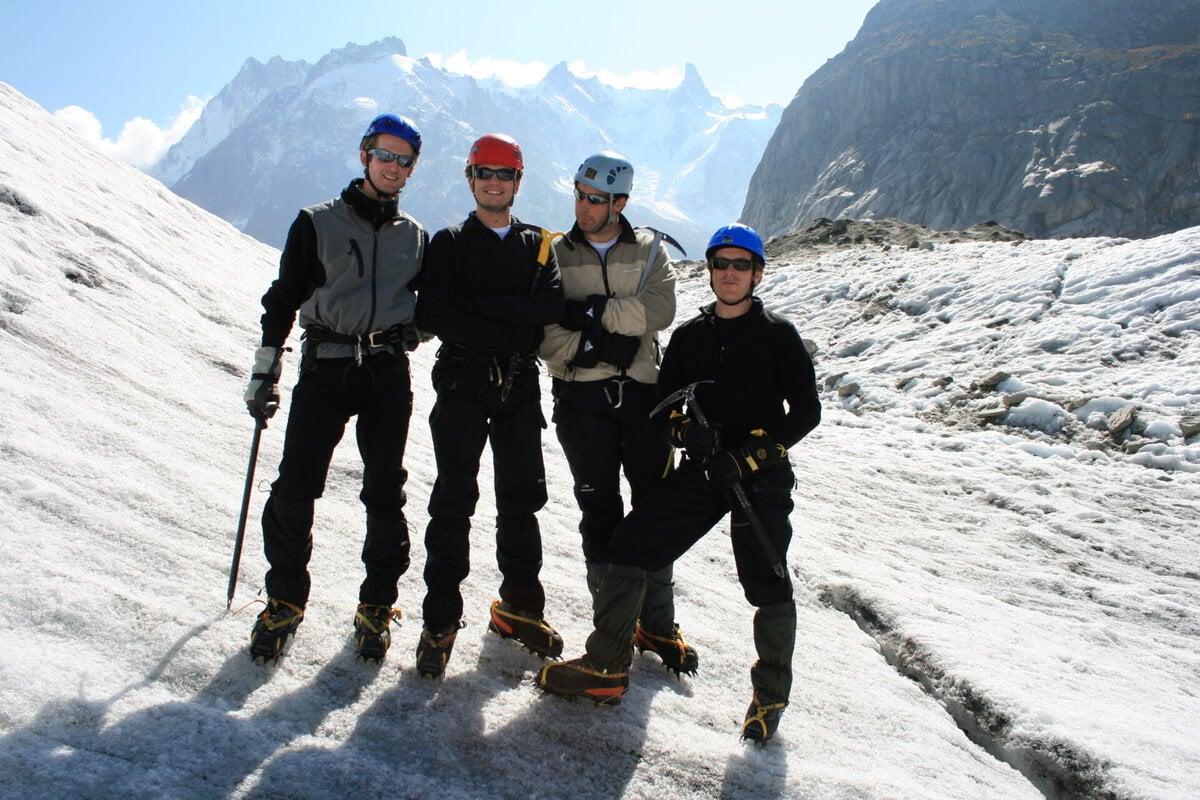
- Cramponing: Proficiently walking on snow and ice with crampons, including front-pointing on steeper sections.
- Ice Axe Use: Mastering self-arrest techniques, walking with the axe, and using it for balance and protection.
- Rope Work: Basic understanding of roped travel, knots, and crevasse rescue (often taught by guides).
- Navigation: While guides lead, basic map and compass skills are useful.
- General Alpine Awareness: Understanding weather patterns, route finding, and emergency procedures.
Navigating Objective Hazards and Risks
Mont Blanc’s danger stems less from its technical climbing difficulty and more from uncontrollable objective hazards. The mountain sees numerous rescue operations annually, underscoring the constant presence of risk. Chamonix’s mountain rescue services (PGHM) are among the busiest in the world, responding to hundreds of incidents each year, from minor injuries to fatal accidents.
The main risks include:
- Rockfall and Icefall: Particularly prevalent on the Goûter Route’s Grand Couloir and in areas exposed to seracs on the Trois Monts Route. Rising temperatures exacerbate these risks.
- Avalanches: Especially during periods of unstable snowpack or after fresh snowfall. Routes like the Trois Monts are more exposed to this.
- Crevasses: Deep fissures in the glacier, often hidden under snow bridges, posing a significant fall hazard. Roped travel is mandatory on glaciated terrain.
- Acute Mountain Sickness (AMS): Can range from mild discomfort to life-threatening conditions like High Altitude Pulmonary Edema (HAPE) or High Altitude Cerebral Edema (HACE) if ignored.
- Rapid Weather Changes: Sudden storms, blizzards, and whiteouts can lead to disorientation, hypothermia, and frostbite.
- Exhaustion and Dehydration: The cumulative effect of long hours, cold, and altitude can lead to critical decision-making errors.
- Crowding: On popular routes, congestion can delay progress, increase exposure to hazards, and contribute to frustration.
Local authorities, including the mayor of Saint-Gervais, have sometimes implemented measures, such as requiring permits or specific equipment, to manage the flow of climbers and enhance safety, reflecting the ongoing concerns about high traffic and unprepared individuals.
Conservation and Responsible Mountaineering
The immense popularity of Mont Blanc also brings environmental challenges. High traffic contributes to trail erosion, waste accumulation, and pressure on delicate alpine ecosystems. Responsible mountaineering practices are crucial:
- Leave No Trace: Pack out all waste, including organic matter.
- Stay on Marked Paths: Minimize erosion and protect fragile flora.
- Respect Wildlife: Maintain distance and avoid disturbing animals.
- Support Local Economies: Choose reputable guides and businesses committed to sustainable tourism.
Efforts by local authorities and alpine clubs aim to balance access with conservation, ensuring the long-term health of this iconic natural wonder.
Practical Information
- Best Base Town: Chamonix-Mont-Blanc, France, offers extensive amenities, guide services, and equipment rentals.
- Climbing Season: June to September, with July and August being peak months.
- Typical Summit Duration: 2-3 days for the climb itself, often preceded by 1-2 days of acclimatization.
- Fitness Level: Requires strong endurance, excellent cardiovascular fitness, and some high-altitude experience.
- Equipment Needed: Mountaineering boots, crampons, ice axe, harness, helmet, headlamp, warm layers (down jacket), waterproof shell, gloves, sunglasses, sunscreen, backpack, sleeping bag liner, and a first-aid kit. Many items can be rented.
- Crowd Levels: Expect significant crowds on the Goûter Route during peak weather windows.
Final Thoughts
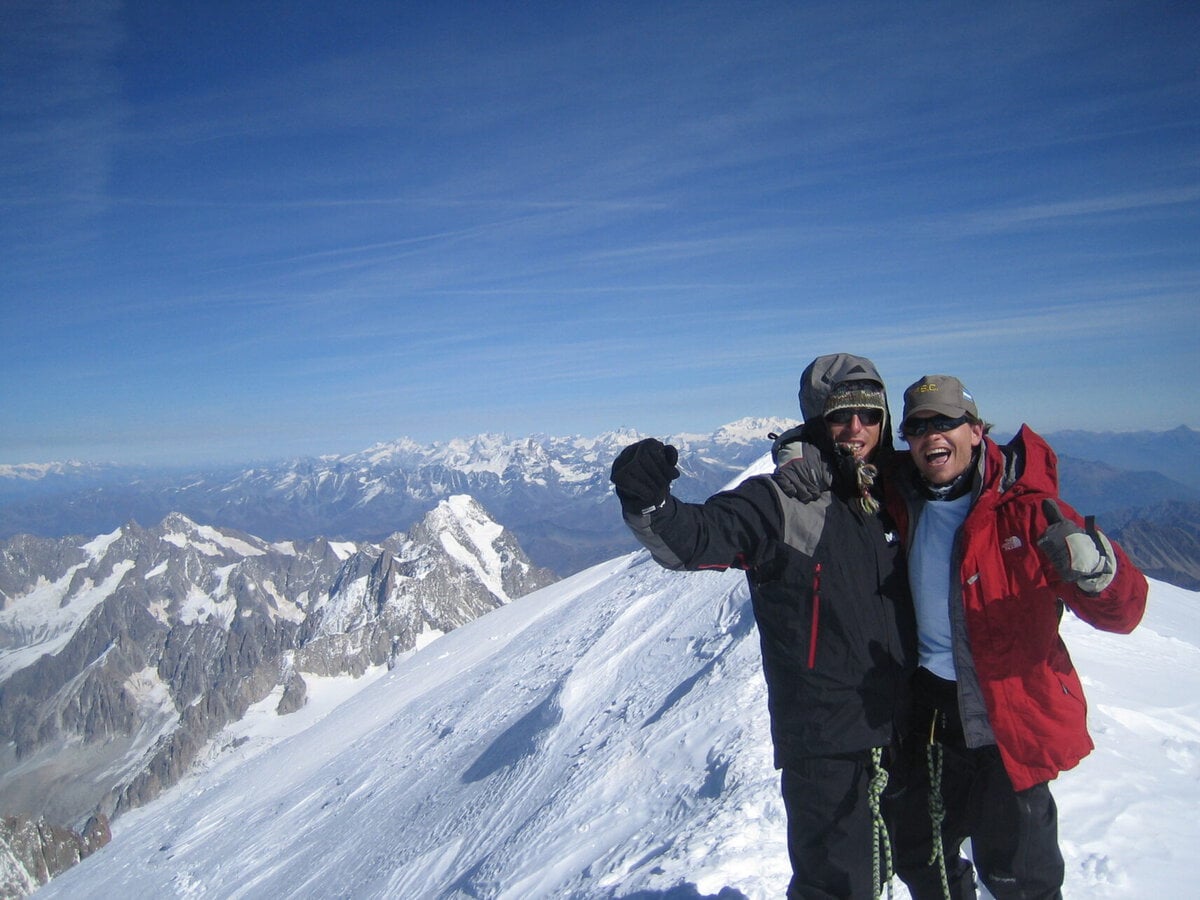
Climbing Mont Blanc is an extraordinary journey, offering unparalleled views and a profound sense of accomplishment. However, it is fundamentally a serious alpine undertaking, demanding far more than a casual approach. The blend of high altitude, exposure, dynamic weather, and objective hazards makes it a test of physical endurance, technical skill, and mental resilience. The personal experience often reveals that the sheer exhaustion from the sustained effort at altitude, coupled with cold and lack of sleep, can be the most surprising and challenging aspect.
Success on Mont Blanc is never guaranteed; indeed, knowing when to turn back due to deteriorating conditions or personal limits is a mark of true mountaineering wisdom. With meticulous preparation, realistic expectations, and the invaluable expertise of a certified guide, the dream of standing atop Western Europe’s highest peak becomes an achievable, unforgettable reality for motivated climbers.
Frequently Asked Questions
Can beginners climb Mont Blanc?
While not recommended for absolute beginners without any prior experience, individuals with strong fitness, basic alpine skills (like crampon use), and guided by a certified professional can attempt Mont Blanc. Prior experience on smaller peaks is highly beneficial.
How long does it take to climb Mont Blanc?
Most standard guided expeditions last 2 to 3 days for the ascent itself. Many tour operators include an additional 1-2 days of acclimatization on nearby peaks to improve success rates and mitigate altitude sickness.
What is the success rate for climbing Mont Blanc?
Success rates vary significantly based on weather, route conditions, and individual preparation. Guide companies typically report success rates between 50-70%. Unfavorable weather is often the primary reason for turning back, rather than a lack of fitness.
Is altitude sickness common on Mont Blanc?
Yes, altitude sickness is a common concern. Symptoms like headaches, nausea, dizziness, and fatigue can affect even highly fit individuals above 4,000 meters. Proper acclimatization, slow ascent rates, and hydration are crucial for prevention.
What’s the hardest part of climbing Mont Blanc?
For many, the hardest part is the summit day itself. It typically involves an extremely early start (around 2-3 AM), several hours of climbing in the dark and cold, often after minimal sleep, combined with the cumulative effects of altitude and physical exertion.
Is the Goûter Route dangerous?
The Goûter Route is considered serious due to objective hazards, primarily rockfall in the Grand Couloir, especially during warm afternoons. While not highly technical, it requires careful route assessment, often best done by an experienced guide who can judge current conditions and timing.
Related posts: