A Comprehensive Guide to Corfu Exploring the Cultural Heritage and Natural Landscape of the Ionian Gem

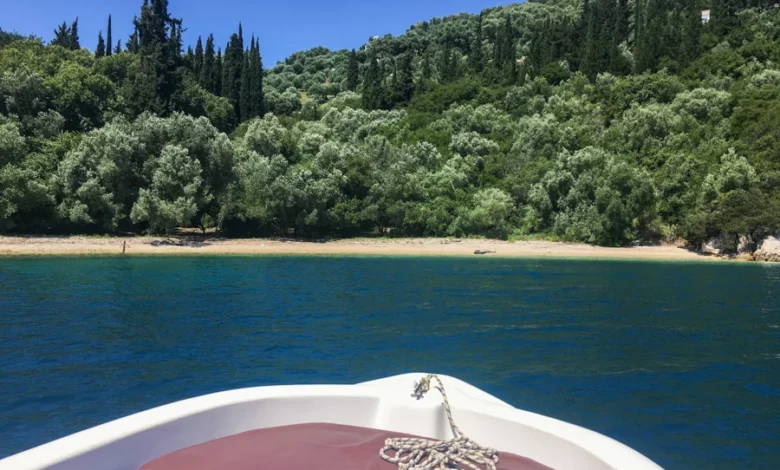
Corfu, known in Greek as Kerkyra, remains one of the most prominent destinations in the Ionian Sea, offering a complex tapestry of Venetian history, emerald landscapes, and a sophisticated tourism infrastructure that caters to both luxury travelers and cultural enthusiasts. Located at the northernmost point of the Ionian Island chain, Corfu’s proximity to mainland Greece and Albania has historically positioned it as a strategic gateway between the Adriatic and the Mediterranean. This geographical advantage, coupled with its lush interior and pristine coastline, has fostered a unique cosmopolitan atmosphere that distinguishes it from the arid, white-washed aesthetic of the Cyclades.
Historical Context and Urban Heritage
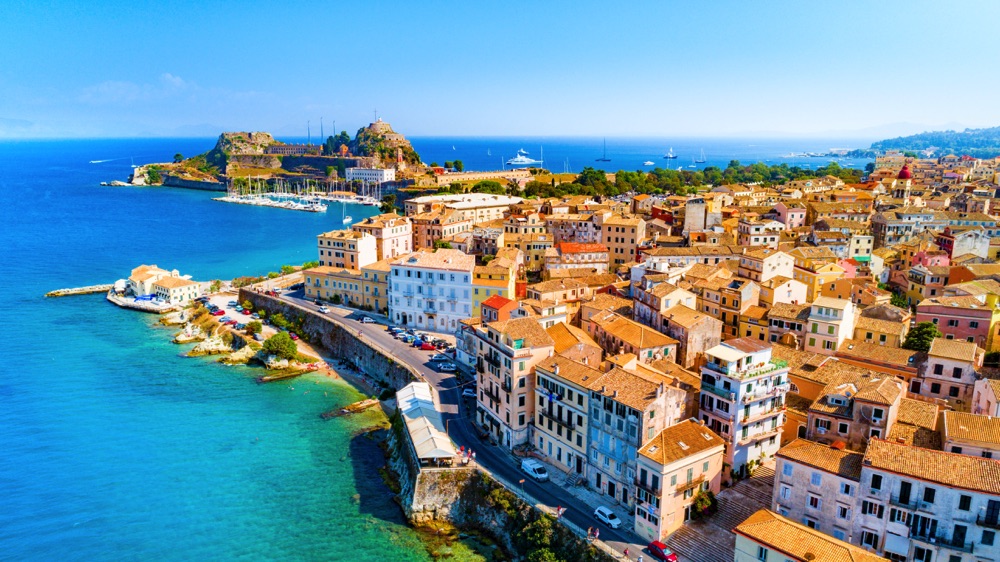
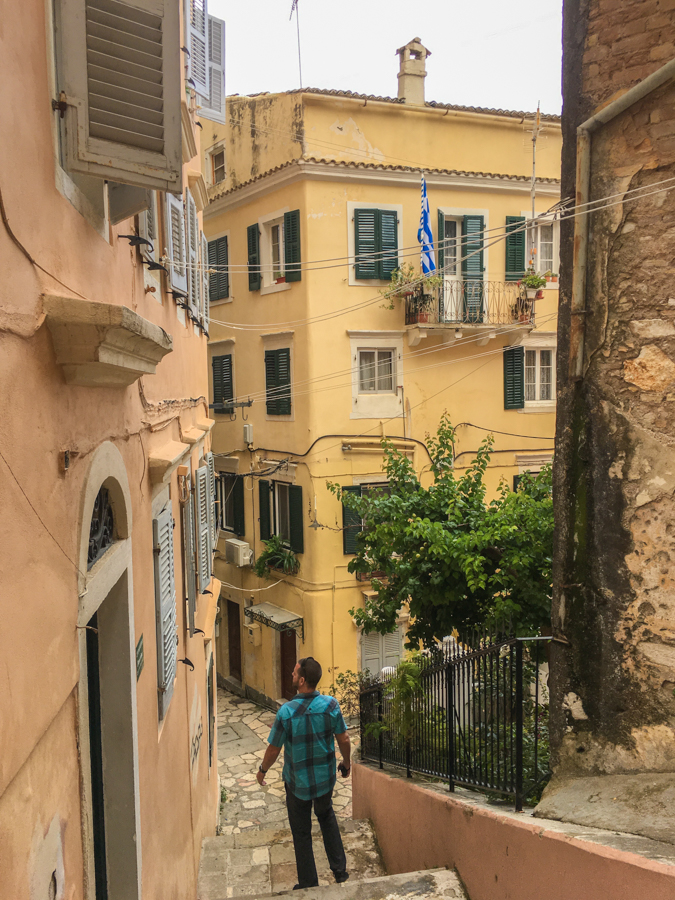
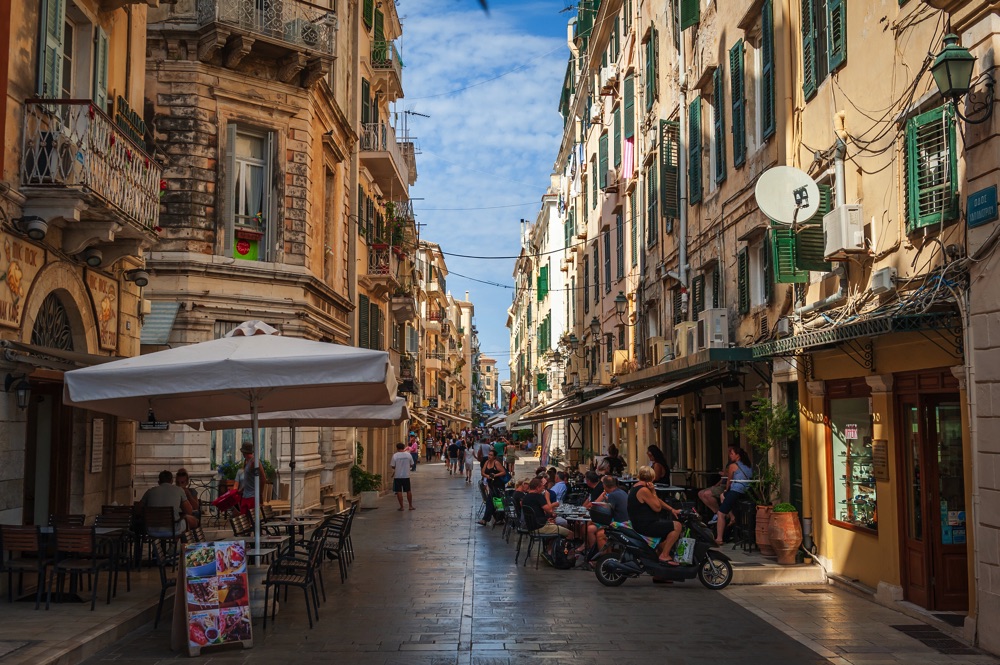
The historical trajectory of Corfu is deeply intertwined with European geopolitics. Unlike the rest of Greece, Corfu was never occupied by the Ottoman Empire. Instead, it remained under Venetian rule from the late 14th century until the end of the 18th century, followed by brief periods of French and British administration before joining the Greek state in 1864. This legacy is most visible in the UNESCO-listed Old Town of Corfu, where the architecture is characterized by multi-story pastel buildings, wrought-iron balconies, and narrow cobblestone alleys known as "kantounia."
The city is anchored by two massive fortifications: the Old Fortress (Palaio Frourio) and the New Fortress (Neo Frourio). These structures were instrumental in defending the island against repeated sieges, earning Corfu the reputation of being a bastion of Western Christendom. Today, these sites serve as cultural hubs, providing panoramic views of the Ionian Sea. The Spianada, the largest square in Greece, and the Liston—an elegant arcade inspired by the Rue de Rivoli in Paris—continue to serve as the social heart of the capital, reflecting the island’s high-society heritage.
Climate Patterns and Strategic Visitation
Tourism data suggests that the optimal window for visiting Corfu extends from late May through early October. During the shoulder seasons of May and June, daytime temperatures typically range between 22°C and 30°C. This period is favored by travel experts for several reasons: the island’s flora is at its peak vibrancy, sea temperatures begin to rise to comfortable levels, and the influx of peak-summer crowds has not yet reached its maximum.
Meteorological records indicate that July and August are the warmest months, with temperatures frequently exceeding 35°C. While this peak period offers the most reliable "beach weather," it also coincides with higher accommodation costs and increased pressure on local infrastructure. Conversely, the transition into September brings a more relaxed atmosphere, as the sea remains warm from the summer heat while the air temperature cools to a more manageable 25-28°C. By mid-October, many seasonal businesses, particularly traditional tavernas in smaller villages, begin to conclude their operations for the winter.
Regional Connectivity and Local Infrastructure
Corfu serves as a major transportation hub for the Ionian region. Ioannis Kapodistrias International Airport facilitates direct connections to major European cities, while the port provides frequent ferry services to Igoumenitsa on the Greek mainland, as well as international routes to Italy and Saranda, Albania.
For internal transit, the island’s public bus network is divided into two sectors: the Blue Buses, which service Corfu Town and its immediate suburbs, and the Green Buses, which connect the capital to more distant villages and coastal resorts. However, due to the island’s mountainous terrain and dispersed points of interest, industry analysts recommend car rentals as the most efficient means of exploration. This allows travelers to access the more secluded western coastline and the rugged interior peaks that define the island’s geography.
Agritourism and the Olive Oil Economy
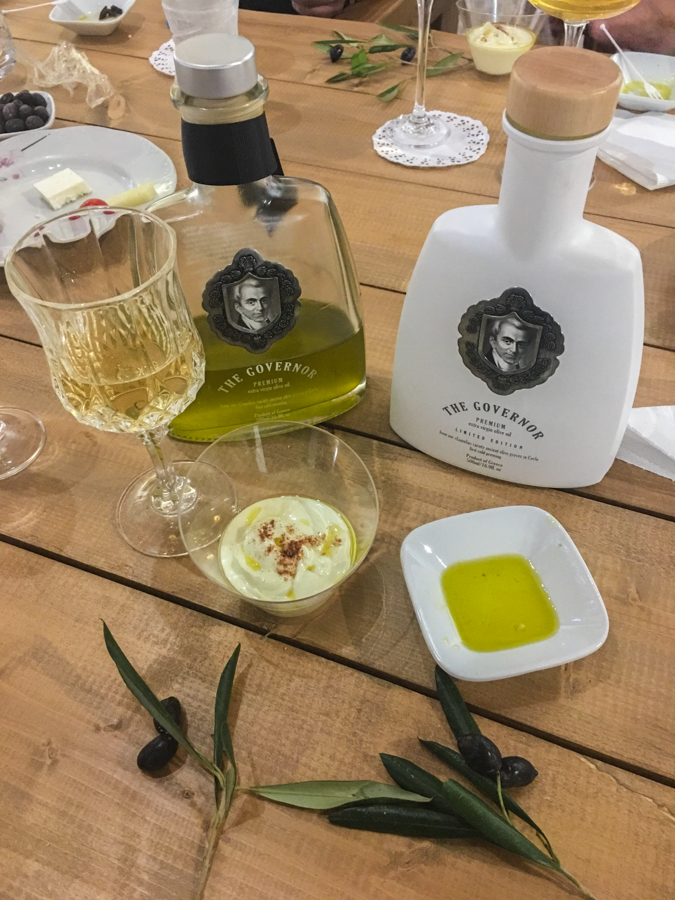
A significant pillar of the Corfiot economy and culture is the olive oil industry. The island is home to an estimated four million olive trees, many of which were planted during the Venetian era when the colonial administration offered financial incentives for every tree cultivated. The predominant variety is the Lianolia, a species that thrives in Corfu’s relatively high humidity and rainfall.
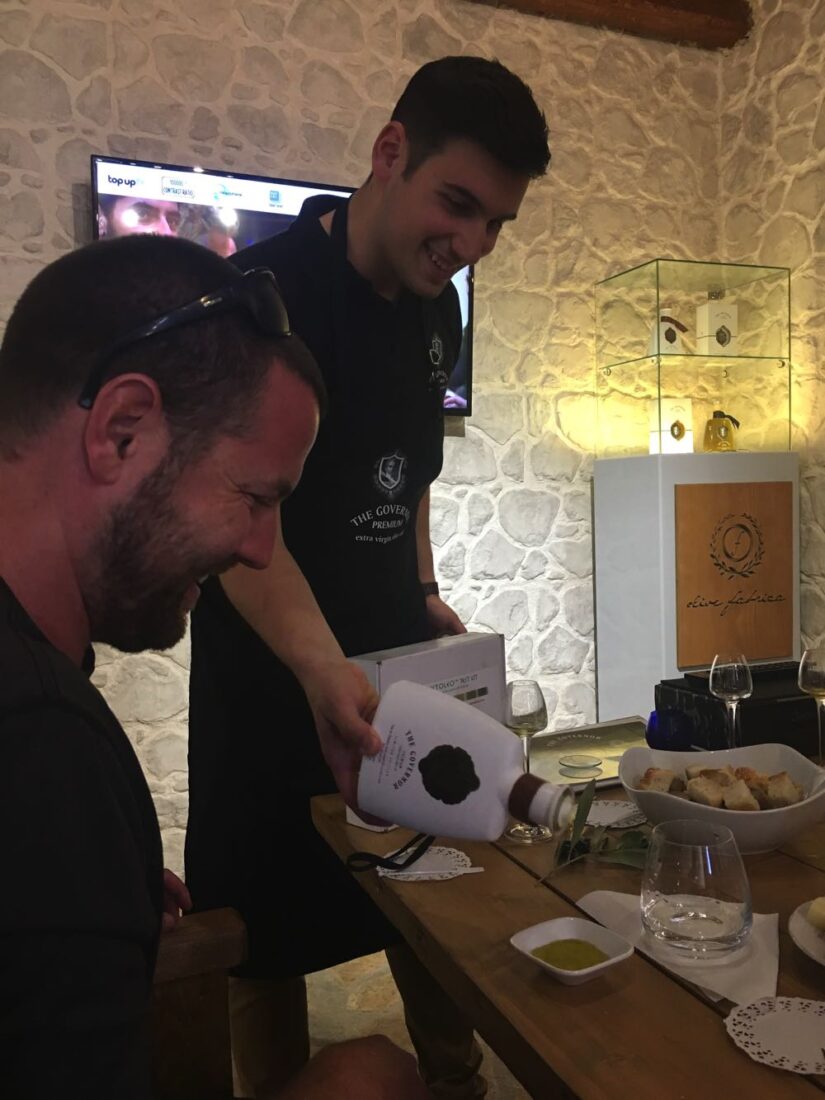
Modern producers, such as the Dafnis family of "The Governor," have elevated Corfiot olive oil to a premium global status. By focusing on high-phenolic production methods, these estates have secured numerous international awards and highlighted the medicinal properties of the oil. Educational tours of these mills provide visitors with a technical understanding of the harvest and cold-pressing processes, bridging the gap between ancient tradition and modern agricultural science.
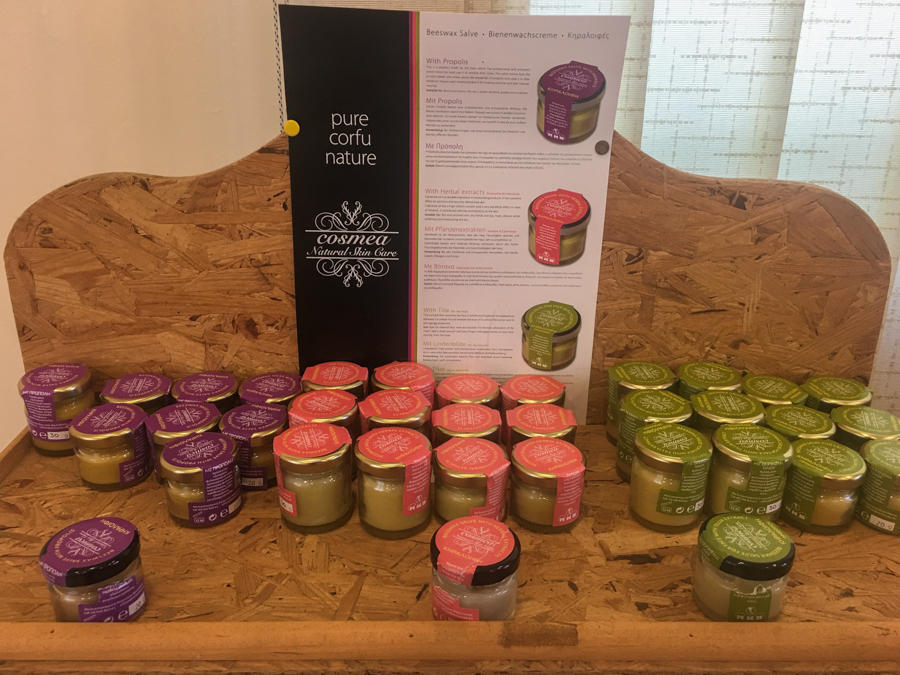
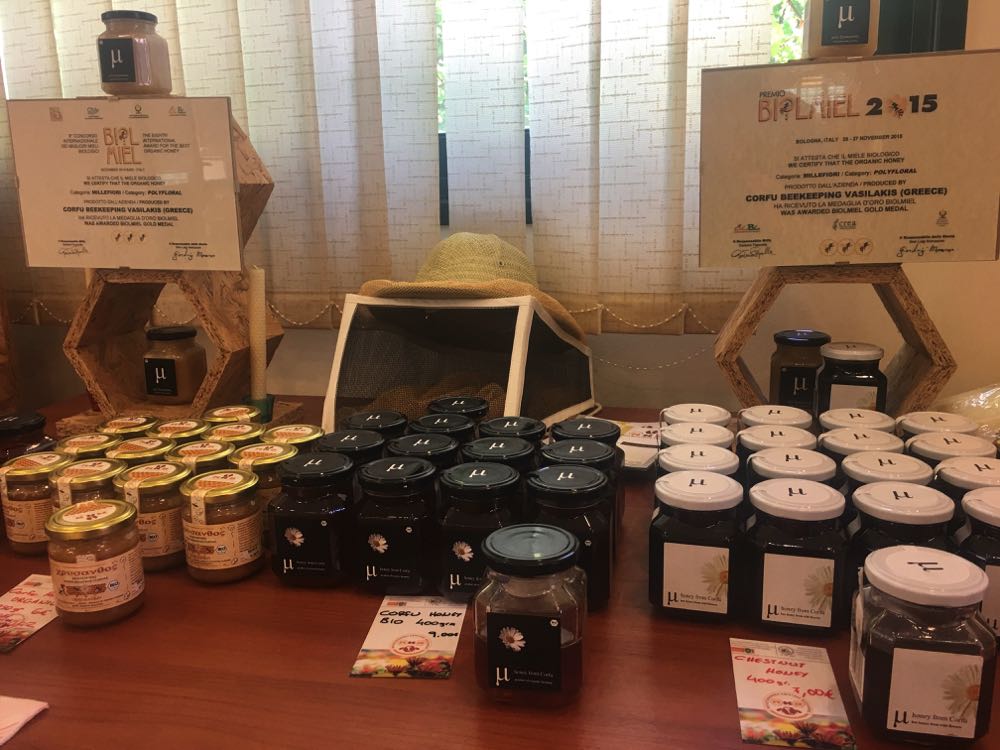
Similarly, beekeeping remains a vital traditional trade. Producers like MKV (Melissokomiki Kerkyras Vasilakis) maintain the island’s apicultural heritage, producing organic honey that has been a staple of the local diet for centuries. These agritourism initiatives are increasingly viewed by local authorities as essential for diversifying the island’s economic base beyond seasonal beach tourism.
Coastal Geography and Maritime Activities
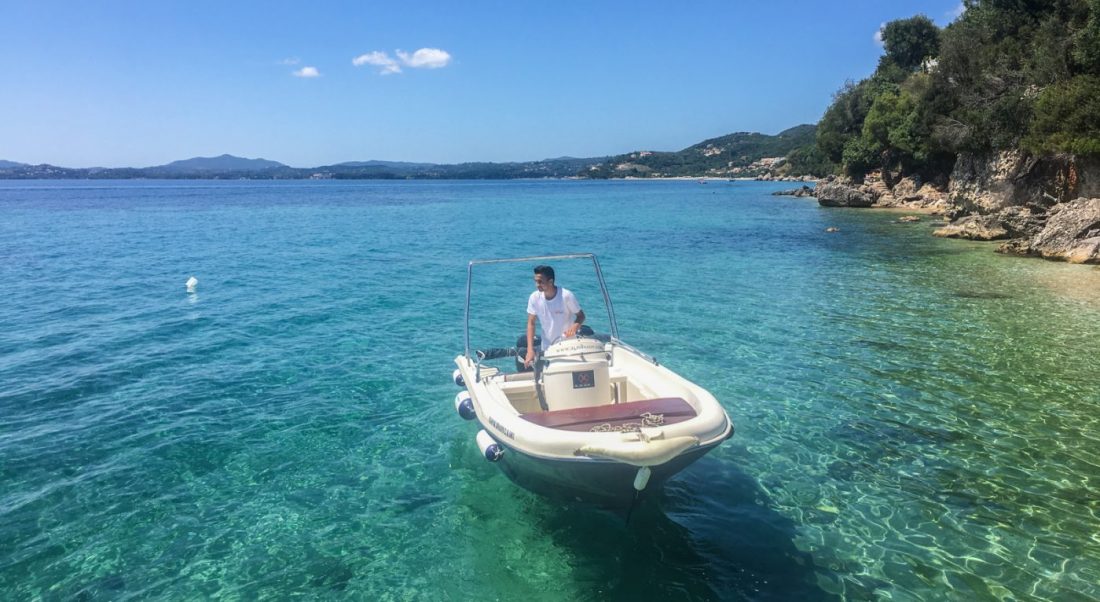
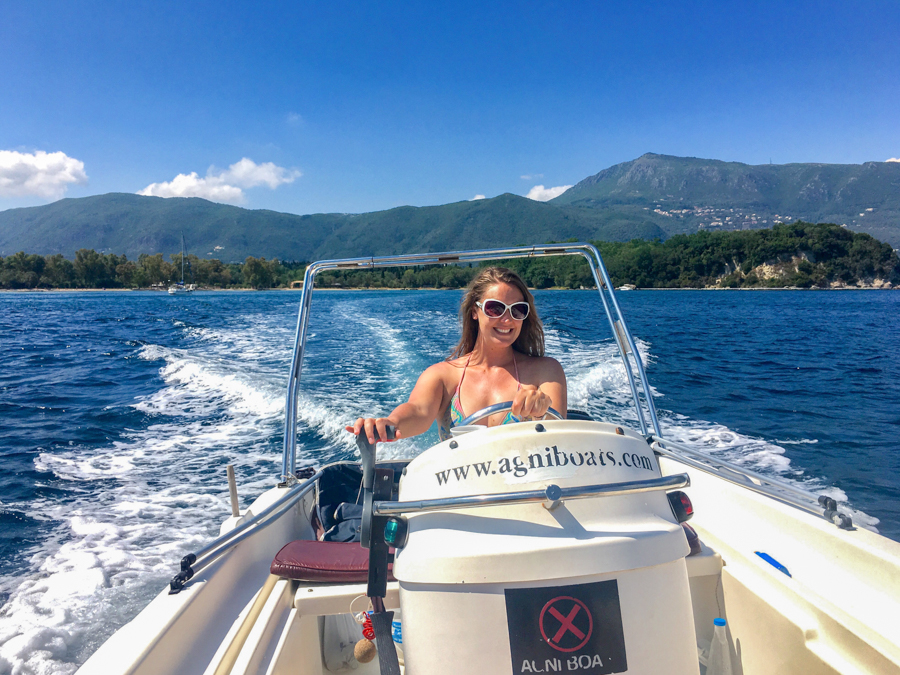
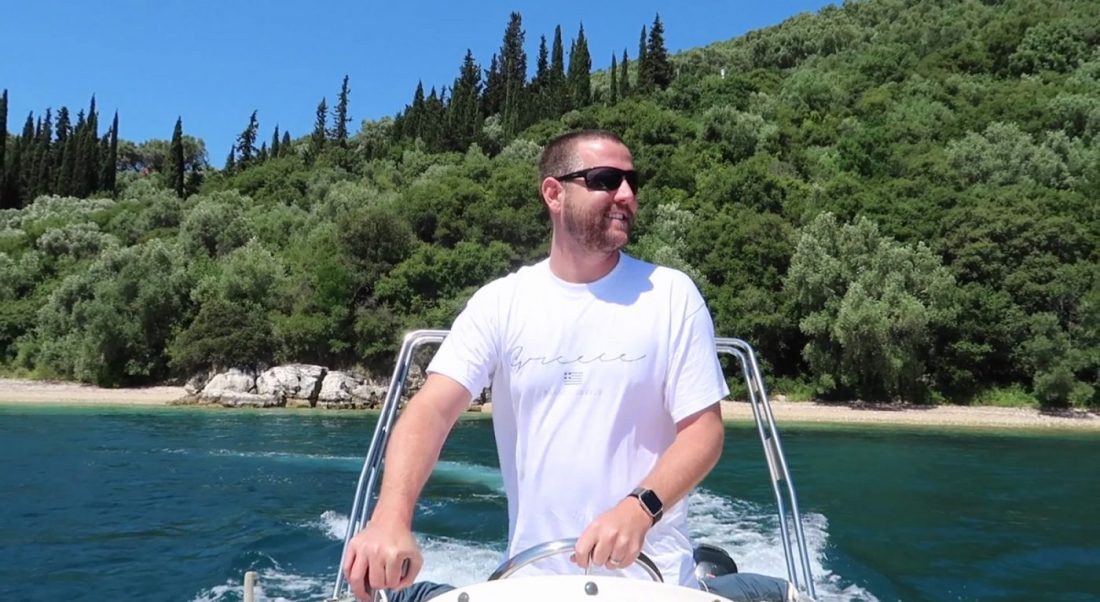
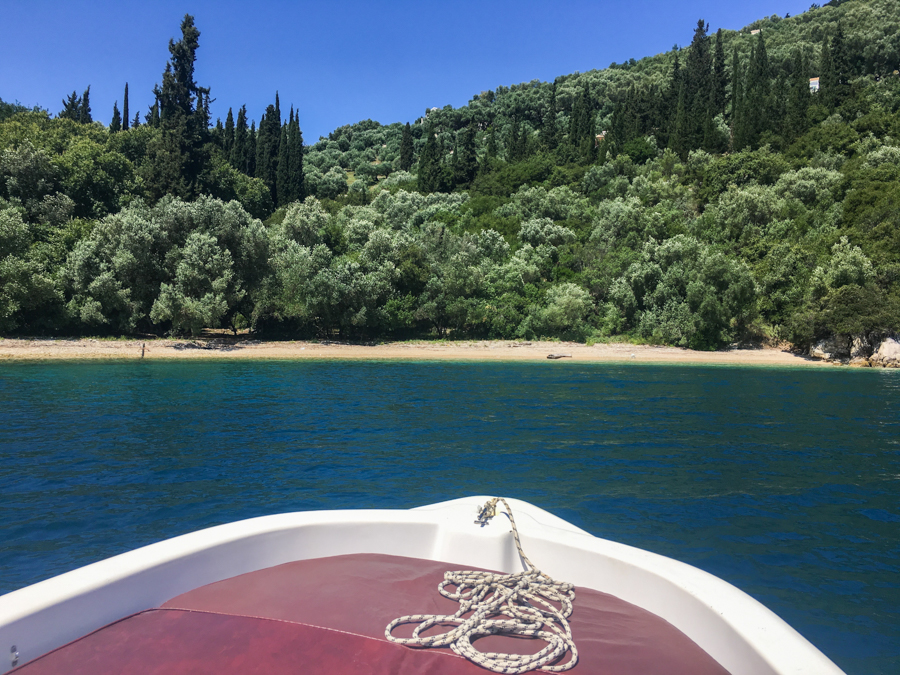
The coastline of Corfu is marked by geological diversity. The northeastern coast is characterized by calm, crystal-clear waters and pebbled coves, making it ideal for independent boat rentals. Greek maritime law allows for the operation of low-horsepower motorboats without a license, a regulation that has fostered a robust rental market in villages like Agios Stefanos and Kassiopi.
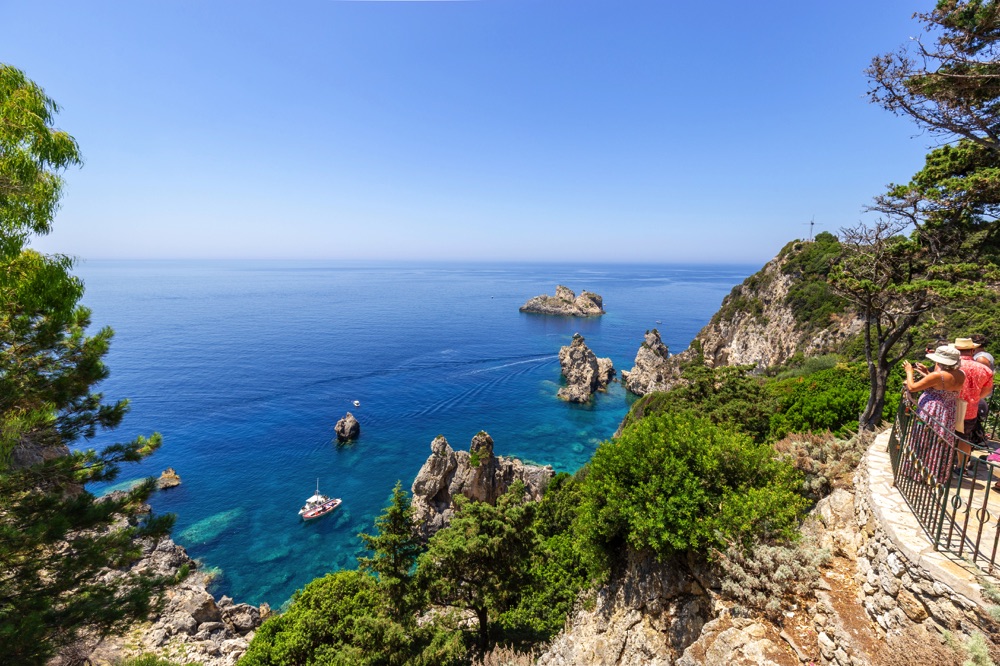
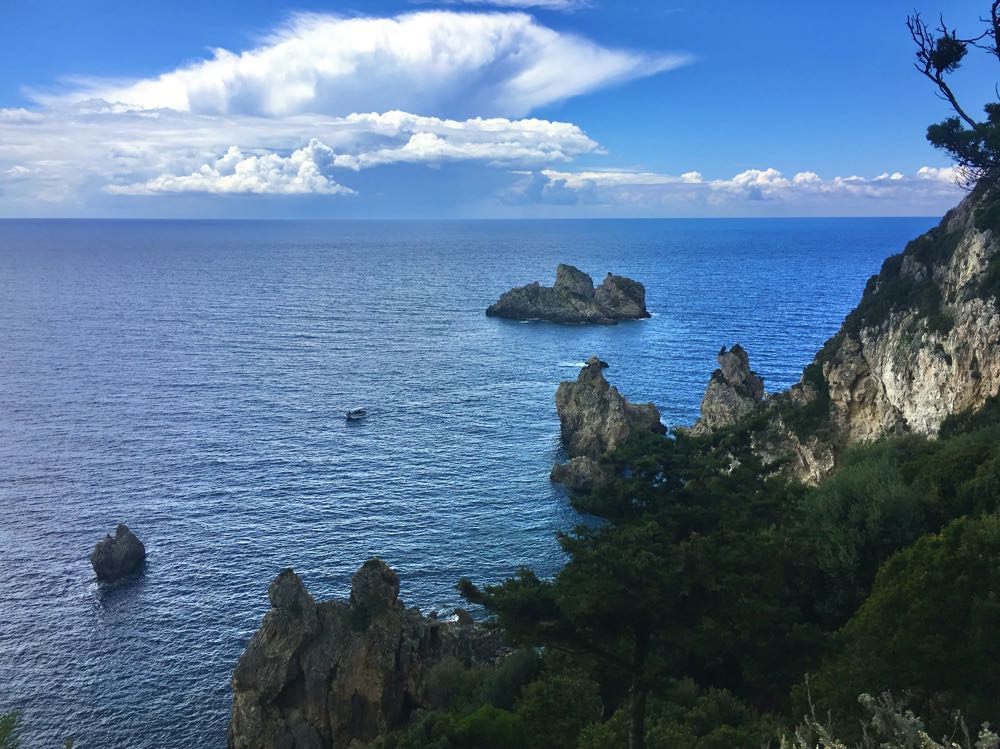
The western coast, particularly the area of Paleokastritsa, offers a more dramatic landscape. Here, six separate bays are framed by steep limestone cliffs and dense forests of cypress and olive trees. The "Canal d’Amour" in Sidari, located on the northern coast, is another geological landmark. Its unique sandstone formations have been carved by the sea into a series of narrow channels and caves, attracting significant interest for its aesthetic and folkloric value.
Religious and Monastic Landmarks
Corfu’s spiritual landscape is defined by over 250 churches and several prominent monasteries. The Vlacherna Monastery, situated on a small islet connected to the Kanoni peninsula by a narrow pedestrian bridge, is perhaps the island’s most iconic image. Built in the 17th century, it formerly served as a nunnery and remains a site of significant cultural pilgrimage.
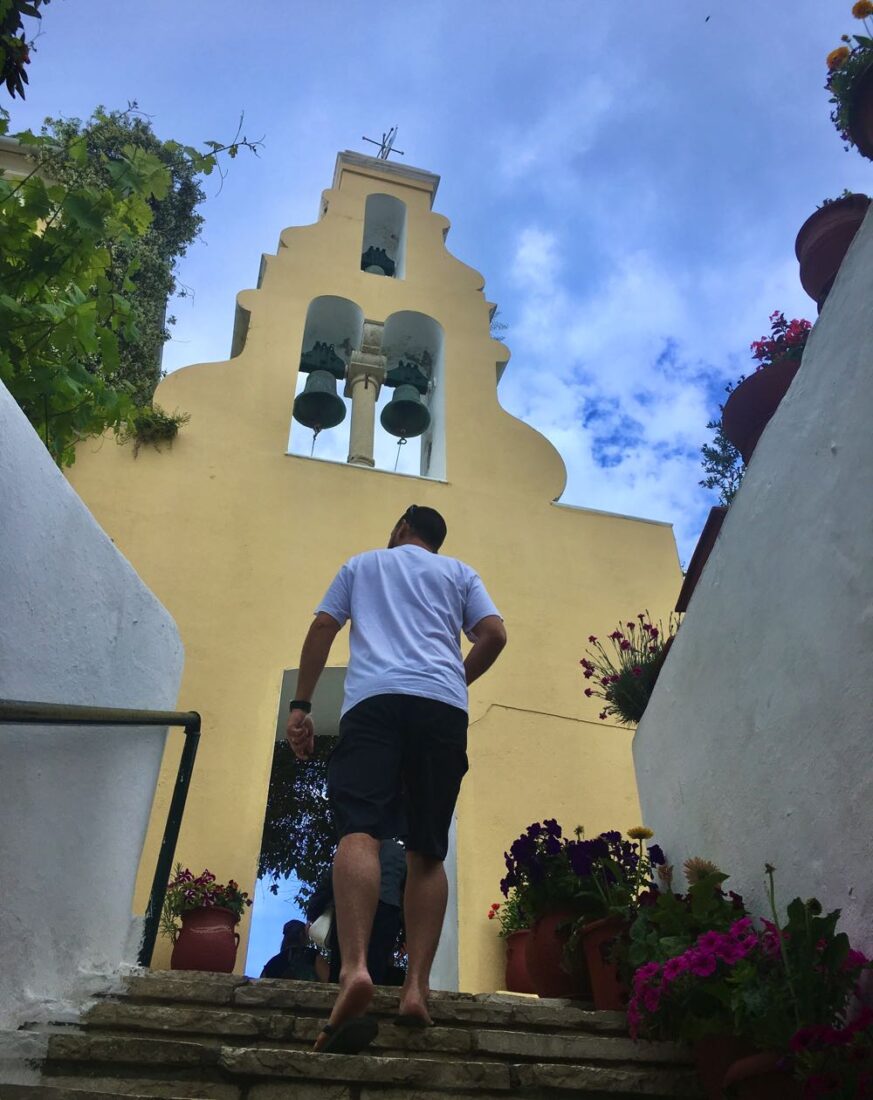
The Monastery of Paleokastritsa, dedicated to the Virgin Mary, sits atop a promontory overlooking the western sea. Founded in 1225, the current complex dates largely from the 18th and 19th centuries. It houses a museum of Byzantine icons and remains an active religious community. These sites are not only architectural treasures but also serve as quiet retreats that offer a contrast to the bustling coastal resorts.
Gastronomy and the Fine Dining Sector
The culinary scene in Corfu is a hybrid of Greek ingredients and Venetian techniques. Signature dishes such as Sofrito (veal cooked in wine, garlic, and parsley), Pastitsada (braised meat served with thick pasta), and Bourdeto (spicy fish stew) reflect this cross-cultural history.
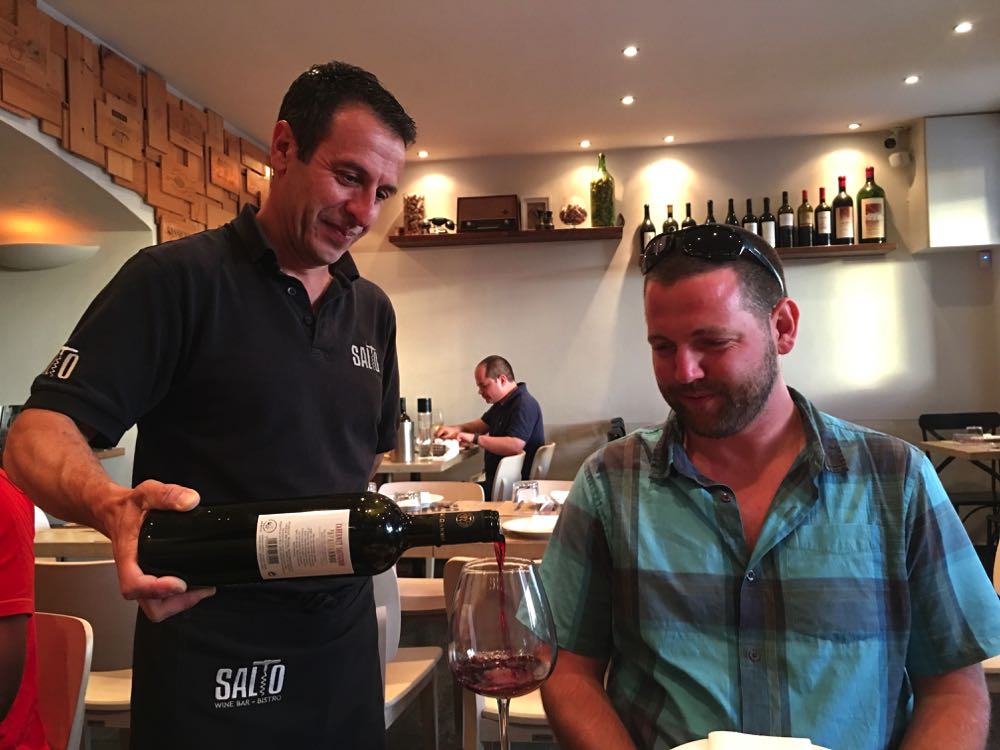
In recent years, the island has seen a surge in "New Greek Cuisine," led by high-profile chefs such as Ettore Botrini. His restaurant, Etrusco, has consistently been ranked among the best in Greece and the world, utilizing local foraged ingredients and family recipes to create a sophisticated fine-dining experience. This evolution of the gastronomic sector has positioned Corfu as a destination for "foodies," contributing to the island’s cosmopolitan appeal.
Environmental Conservation and Animal Welfare
As tourism grows, so does the focus on environmental and social responsibility. The Corfu Donkey Sanctuary serves as a notable example of local animal welfare efforts. Established to provide a home for retired, injured, or abandoned donkeys—which were historically the primary mode of transport and agricultural labor on the island—the sanctuary now operates as a volunteer-led center for education and conservation. Such initiatives reflect a growing trend toward sustainable and ethical tourism models within the Ionian region.
Regional Implications and the Albania Connection
Corfu’s role as a regional hub is further emphasized by its close links with Albania. The 30-to-40-minute ferry crossing to Saranda has turned a visit to the UNESCO World Heritage site of Butrint into a popular day-trip option for travelers based in Corfu. This cross-border synergy benefits the tourism economies of both nations and highlights the interconnectedness of the Ionian and Adriatic regions.
Conclusion and Future Outlook
Corfu continues to balance its identity as a mass-market summer destination with its aspirations as a high-end cultural and gastronomic center. The island’s ability to preserve its Venetian charm while modernizing its infrastructure suggests a sustainable path forward. For the traveler, Corfu offers a rare combination of historical depth, agricultural richness, and natural beauty. As global travel trends shift toward more meaningful and localized experiences, Corfu is well-positioned to remain a cornerstone of Mediterranean tourism, provided it continues to protect the unique cultural and environmental assets that define its character.