A 19-year-old turkey hunter, Carson Bender, experienced an alarming encounter during Wisconsin’s 2026 spring hunting season when a bobcat, drawn by his turkey calls, unexpectedly attacked him on private land near Nekoosa. The incident, which occurred on April 29, 2026, serves as a stark reminder of the unpredictable nature of wildlife encounters and the importance of situational awareness in the field. Bender sustained minor scratches but emerged largely unharmed from the rare physical confrontation with the wild feline.
Detailed Account of the Encounter
The incident unfolded as Carson Bender was engaged in a routine spring turkey hunt, employing calls to entice gobblers towards his position. He was strategically set up, camouflaged and focused on the anticipated arrival of turkeys. While patiently waiting, Bender detected subtle movements behind him. Adhering to a hunter’s instinct not to make sudden movements that could spook approaching game, he ingeniously utilized his smartphone camera to discreetly check his surroundings without turning his head. The camera’s viewfinder revealed a bobcat, surprisingly close, intently fixated on him.
The video footage, which later circulated, captured the chilling moments that followed. The bobcat, initially still, began to inch forward with predatory caution, its eyes locked on Bender. Without warning, the animal launched itself at the hunter, grabbing his arm. Bender, reacting swiftly to the sudden assault, managed to shake the bobcat off. The startled feline immediately disengaged and fled into the dense underbrush, disappearing as quickly as it had appeared. Despite the shock of the attack, Bender reported only minor scratches to his arm, which he later had examined by a doctor as a precautionary measure against infection or potential zoonotic diseases, though no serious injuries were sustained. Remarkably, in the immediate aftermath, Bender maintained his composure enough to take a shot at a turkey that presented itself, though he ultimately missed. He later lightened the mood on social media, quipping that he had discovered he was "good at calling cats and turkeys," humorously recounting how he missed a bird just minutes after the harrowing encounter before heading to the doctor.
The Rare Nature of Bobcat Aggression Towards Humans
Encounters between humans and bobcats are generally rare, and direct attacks are exceptionally uncommon. Bobcats (Lynx rufus) are typically elusive, shy creatures that prefer to avoid human contact. Their primary diet consists of small game such as rabbits, rodents, and birds, and they are generally not considered a threat to adult humans. When bobcats do come into contact with humans, it is usually a brief sighting before the animal retreats. This particular incident stands out due to the bobcat’s overt aggression and physical contact.
Wildlife experts and conservation agencies, such as the Wisconsin Department of Natural Resources (DNR), emphasize that aggressive behavior from a bobcat is often indicative of underlying issues. Potential reasons for such an uncharacteristic attack could include rabies, though no confirmation was made in this specific case, or extreme hunger, territorial defense (especially if denning kittens are nearby), or a severe injury that impairs the animal’s natural hunting ability, making it desperate. Another plausible explanation, particularly in a hunting scenario, is mistaken identity. The realistic sounds of a turkey call, designed to mimic a potential prey animal, could have attracted the bobcat, leading it to perceive the hunter as its next meal. The hunter’s static, camouflaged position could have further obscured his human form, making him appear less like a threat and more like potential prey.
The rarity of this event underscores the general safety of outdoor activities like hunting, but also highlights the need for constant vigilance. While specific data on bobcat attacks in Wisconsin is sparse due to their infrequency, broader national statistics confirm that such incidents are anomalies rather than trends. Most wildlife-related injuries to humans involve larger predators like bears or cougars, or even common animals like deer (often in vehicle collisions) or raccoons (due to rabies).
Bobcat Biology and Wisconsin’s Predator Landscape
Bobcats are fascinating and integral components of Wisconsin’s diverse ecosystem. These medium-sized wild cats are native to North America and are recognized by their distinctive tufted ears, short, "bobbed" tail, and spotted coats. In Wisconsin, bobcats primarily inhabit forested areas, swamps, and dense brush, providing ample cover and prey. They are solitary and territorial animals, primarily active during dawn and dusk (crepuscular), though they can be active at any time. Their keen senses of hearing and sight, coupled with their stealthy movements, make them incredibly efficient predators.
The bobcat population in Wisconsin has seen fluctuations over the decades. Once nearly extirpated from parts of the state due to habitat loss and unregulated hunting, conservation efforts and improved management practices have allowed their numbers to rebound, particularly in the northern and central regions. The Wisconsin DNR actively monitors bobcat populations through various methods, including track surveys, trail cameras, and harvest data from regulated trapping seasons. This monitoring helps ensure a healthy and sustainable population while managing potential conflicts with humans and livestock.
Wisconsin’s predator landscape also includes coyotes, foxes, and black bears. While bears and coyotes occasionally interact with humans, bobcats typically maintain a greater distance. The presence of these predators plays a crucial role in maintaining ecological balance by controlling populations of deer, rodents, and other smaller animals. Understanding the natural behavior of these animals is paramount for anyone venturing into their habitats, especially for activities like hunting, which involve mimicking prey sounds and remaining stationary.
Spring Turkey Hunting in Wisconsin: A Popular Pursuit
Spring turkey hunting is a cherished tradition and a highly popular outdoor activity in Wisconsin. The 2026 spring turkey season commenced on April 15 and is scheduled to run through May 26. To manage hunting pressure and ensure a quality experience, the state divides the season into six distinct 7-day hunting periods, requiring hunters to apply for specific time slots and zones. This structured approach allows for widespread participation across the state while preventing over-harvesting and maintaining healthy turkey populations.
Thousands of hunters, like Carson Bender, participate annually, drawn by the challenge of calling in a wary gobbler and the immersive experience of being in nature during spring. The economic impact of turkey hunting is significant, contributing to local economies through sales of licenses, gear, lodging, and other related services. The Wisconsin DNR issues a substantial number of turkey permits each year, reflecting the widespread interest in this pursuit.

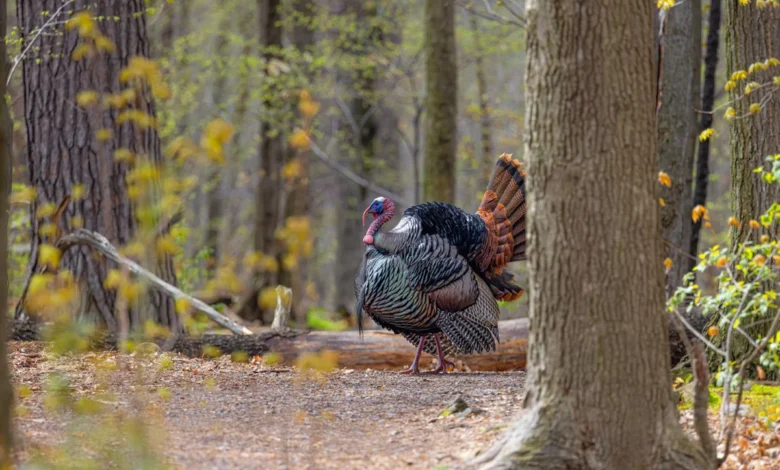
Turkey hunting techniques often involve elaborate camouflage, decoys, and a variety of calls designed to mimic the sounds of hens and gobblers. These calls, ranging from box calls and slate calls to mouth diaphragms, are highly effective at attracting turkeys. However, as Bender’s experience demonstrates, they can also inadvertently attract other wildlife, particularly predators like bobcats, coyotes, and even bears, which are opportunistic feeders and recognize these sounds as potential food sources. This adds an unexpected layer of complexity and potential risk to an otherwise peaceful endeavor.
The Allure of the Turkey Call: A Predator’s Perspective
The very effectiveness of turkey calls in attracting turkeys also makes them a potential draw for predators. From a bobcat’s perspective, the sounds of a turkey hen or gobbler can signal a readily available meal. Turkeys, especially young or injured ones, are a natural part of a bobcat’s diet. When a hunter uses a call, they are essentially broadcasting a signal that mimics a vulnerable animal.
A bobcat, with its exceptional hearing and keen hunting instincts, would interpret these calls as an opportunity. Approaching stealthily, as bobcats are known to do, allows them to assess the situation before committing to an attack. In this particular scenario, Carson Bender’s camouflage, combined with his stationary position, likely made him appear less human and more like a potential, albeit large, prey animal to the bobcat. The animal’s decision to lunge could have been a culmination of its predatory drive, the perceived vulnerability of the "prey," and possibly a lack of clear identification of the hunter as a human threat until it was in close proximity.
This incident serves as a unique case study in animal behavior and hunter interaction. It highlights that while most predators will avoid humans, certain circumstances, particularly those involving mimicry of prey and reduced visibility, can alter their natural cautiousness. It reinforces the understanding that being in the wild means being part of a complex ecosystem where every action, even a seemingly innocuous turkey call, can have unforeseen consequences.
Official Guidance and Hunter Safety Protocols
In light of such rare but impactful events, wildlife agencies like the Wisconsin DNR regularly issue guidelines and safety recommendations for hunters and outdoor enthusiasts. These protocols are designed to minimize risks and promote safe coexistence with wildlife.
Key safety recommendations typically include:
- Situational Awareness: Always be aware of your surroundings. Regularly scan behind and to the sides, not just in front, especially when using calls. While Bender used his phone, a slow, deliberate scan of the area can often be done without spooking distant game.
- Identification: Clearly identify your target and what lies beyond it before taking a shot. This also extends to identifying any non-target animals that might be approaching.
- Protective Gear: While not explicitly designed for predator attacks, wearing appropriate hunting attire, including sturdy layers, can offer some minimal protection against scratches.
- Defensive Measures: Hunters should consider carrying a sidearm or bear spray, especially in areas known for larger predators, and be proficient in their use. The decision to carry such items is personal and requires proper training and adherence to local regulations.
- Responding to Aggression: If an animal approaches aggressively, make yourself appear as large and intimidating as possible. Make noise, wave your arms, and maintain eye contact. Do not run, as this can trigger a chase response in predators. If an attack is imminent or occurring, fight back vigorously.
- Reporting Incidents: All aggressive wildlife encounters should be reported to the local DNR or wildlife authorities. This helps agencies track unusual animal behavior, investigate potential causes (like rabies), and provide public safety advisories.
- Rabies Awareness: Any animal exhibiting unusual aggression, disorientation, or lack of fear of humans should be considered potentially rabid. Bites or scratches from such animals require immediate medical attention and discussion with health officials regarding post-exposure prophylaxis.
The DNR also emphasizes ethical hunting practices and respect for wildlife. Understanding the habits of the animals being hunted, as well as other species in the area, contributes significantly to a safer and more rewarding outdoor experience.
Beyond the Encounter: Implications for Wildlife Coexistence
The bobcat encounter with Carson Bender, though a singular event, carries broader implications for human-wildlife coexistence, hunter education, and public perception of nature. For hunters, it reinforces the need for advanced field craft, not just in pursuit of game, but also in managing unexpected interactions with non-target species. It highlights the dynamic and sometimes perilous nature of entering wild spaces.
For the wider public, incidents like this often spark discussions about wildlife populations, habitat encroachment, and the balance between human recreation and natural ecosystems. As human populations expand and outdoor activities become more popular, interactions with wildlife are likely to increase. Education about wildlife behavior, preventative measures, and appropriate responses is crucial for minimizing negative outcomes.
Furthermore, the prevalence of portable recording devices, such as smartphone cameras, means that such rare events are increasingly captured and shared, bringing public attention to aspects of wildlife interaction that were once largely anecdotal. While this can sometimes lead to sensationalism, it also provides valuable data and raises awareness about safety and conservation.
Ultimately, Carson Bender’s experience is a powerful reminder that while the wilderness offers tranquility and excitement, it is also home to wild, unpredictable creatures. Respect, knowledge, and preparedness are the cornerstones of safe and responsible engagement with nature, ensuring that both humans and wildlife can thrive in shared landscapes. The incident, while harrowing for Bender, serves as a vivid lesson for all who venture into the wild heart of Wisconsin.