Former Outside Editor Chris Keyes Launches RE:PUBLIC, A Dedicated Nonprofit Newsroom for U.S. Public Lands

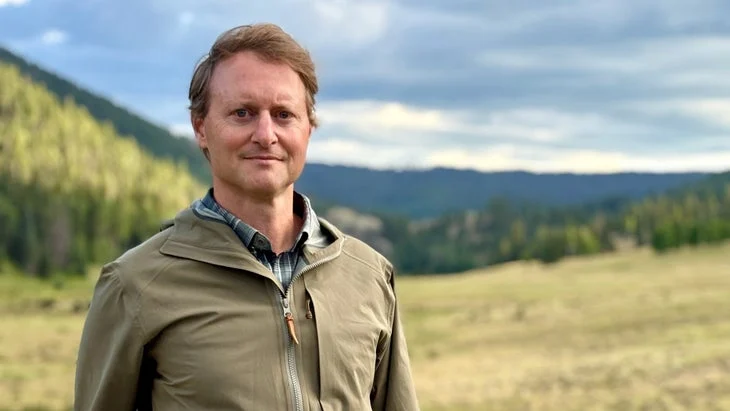
Chris Keyes, the former editor-in-chief of Outside magazine, has announced the launch of RE:PUBLIC, a new nonprofit news organization dedicated exclusively to covering the complex issues surrounding America’s vast public lands. The initiative comes at a critical juncture, as these federally held lands, comprising nearly 28 percent of the nation’s total acreage, face unprecedented environmental, political, and economic pressures. With no major media outlet currently maintaining a dedicated public lands desk, RE:PUBLIC aims to fill a significant void in national journalism, offering in-depth, independent reporting on a topic that generates trillions of dollars and is a constant flashpoint for political debate.
America’s Public Land Heritage: A National Treasure Under Scrutiny
The United States boasts an unparalleled public land estate, encompassing approximately 640 million acres. These lands are managed primarily by five federal agencies: the Bureau of Land Management (BLM), the National Park Service (NPS), the U.S. Forest Service (USFS), the Fish and Wildlife Service (FWS), and the Bureau of Reclamation. From the rugged peaks of the Rockies and the ancient forests of the Pacific Northwest to the vast deserts of the Southwest and the wild coasts, these areas represent a cornerstone of American identity, providing critical habitats for wildlife, essential natural resources, and unparalleled opportunities for recreation and cultural preservation.
Historically, the management of these lands has been a delicate balancing act, navigating competing interests such as conservation, recreation, resource extraction (including timber, mining, and oil and gas), and indigenous rights. Landmark legislation like the Wilderness Act of 1964 and the Antiquities Act of 1906 has shaped their protection, while periods like the Sagebrush Rebellion in the late 20th century highlighted deep-seated ideological divides over federal land ownership and control. More recently, debates have intensified around monument designations, leasing for energy development, and the overall funding and staffing of the agencies responsible for their stewardship. The Trump administration, for instance, drew considerable criticism for proposed budget cuts to agencies like the Park Service and Forest Service, and for actions that reduced the size of national monuments, igniting widespread public outcry and illustrating the heightened stakes involved in public lands policy. Furthermore, ongoing congressional efforts by some factions to facilitate the transfer or sale of federal lands to private entities underscore the urgent need for robust, independent journalistic oversight.
The Genesis of RE:PUBLIC: A Response to a Media Gap
The impetus for RE:PUBLIC stems from a perceived critical gap in mainstream media coverage. Despite the immense ecological, economic, and cultural significance of public lands, no major national news organization has established a dedicated reporting desk for these issues. Keyes, a veteran journalist with 25 years in the outdoor industry, including a tenure as editor-in-chief at Outside, recognized this disparity. "The issues going on with public lands are like the 18th most important topic for the national media to cover," Keyes observed, attributing this to the broader contraction within the news industry. He highlighted a sobering statistic: a 75 percent reduction in the number of journalists working in America over the past two decades, leading to overwhelmed newsrooms that often prioritize more immediate, high-profile political or social narratives.
Keyes’s journey to founding RE:PUBLIC began in February 2025, following his departure from Outside. After a period of decompression, he began to contemplate his future in a rapidly changing media landscape. Influenced by the successful nonprofit model of the Texas Tribune, founded by his mentor Evan Smith, Keyes started exploring the viability of a similar structure for public lands coverage. By April 2025, he had developed a comprehensive business plan, quickly gaining momentum for the ambitious venture. The official launch last week, which included the unveiling of RE:PUBLIC’s website, marks a significant milestone, transitioning the concept from an idea to a committed enterprise.
An Ambitious Vision for In-Depth Reporting
RE:PUBLIC’s mission is clear and singular: "an independent, nonprofit newsroom dedicated to exclusively covering public lands issues." Keyes’s vision for the organization is ambitious, with an initial budget of $500,000 for the first year. This funding is earmarked for critical foundational elements, including the hiring of an editorial director and a Washington, D.C.-based reporter to ensure coverage at the heart of federal policymaking. Beyond staffing, the budget supports the launch of a podcast and social media channels to broaden reach, and, most importantly, the production of a dozen investigative features designed to illuminate complex issues and have significant impact.
The long-term build-out for RE:PUBLIC includes expanding its journalistic capacity with a dedicated data team, regional reporters strategically located across the country to capture diverse local perspectives, and an annual printed publication, which would provide a tangible, curated offering for its readership. This multi-platform approach underscores RE:PUBLIC’s commitment to comprehensive storytelling, utilizing both digital immediacy and the enduring power of print.
The Nonprofit Model: Securing Independence and Sustainability
A cornerstone of RE:PUBLIC’s strategy is its nonprofit status, a model increasingly embraced by news organizations seeking to insulate themselves from the commercial pressures that have contributed to the decline of traditional media. As a 501(c)(3) organization, RE:PUBLIC can accept tax-deductible donations, a crucial advantage in fundraising. Recognizing the lengthy process for obtaining federal nonprofit status, Keyes has secured fiscal sponsorship from the Institute for Nonprofit News (INN), an umbrella organization supporting hundreds of independent newsrooms. This sponsorship allows RE:PUBLIC to immediately accept donations while its own 501(c)(3) application is pending.
Keyes outlined his fundraising strategy, focusing initially on individual donors and foundations. Individual contributions, he noted, offer quicker access to funds, vital for initial startup costs. Foundations, while slower to disburse funds, represent the pathway to more substantial, sustained funding necessary for long-term operations. Transparency is also a key principle, with RE:PUBLIC committed to disclosing all donors contributing more than $5,000 on its website.
The organization plans to approach outdoor industry brands for support only after establishing a solid financial foundation from individual and foundational donors. This cautious approach aims to preserve editorial independence, a critical concern for any news organization, particularly one covering potentially contentious issues involving industry interests. Keyes himself intends to transition from editor-in-chief to focus primarily on business development and fundraising, allowing an independent editorial director to oversee content decisions, thereby maintaining a clear separation between financial interests and journalistic integrity, akin to a publisher-editor relationship.
Editorial Stance: Bipartisan Reporting with Core Principles
RE:PUBLIC plans to cover public lands from a bipartisan perspective, recognizing that these issues often transcend traditional political divides. Polls consistently show a supermajority of American voters, across the political spectrum, believe public lands should remain in public hands and oppose their downsizing or sale. This broad support creates a unique opportunity for RE:PUBLIC to engage a diverse audience.
However, RE:PUBLIC will operate with two explicit "priors" or foundational principles that will inform its reporting. First, it regards climate change as real and human-caused, treating it as a settled scientific matter rather than a subject for debate within its reporting. This stance aligns with the consensus of the scientific community and will shape its coverage of environmental impacts on public lands. Second, RE:PUBLIC believes that the recreation industry and recreational considerations have not historically had an "equal seat at the table" in public land management decisions. The outdoor recreation industry, a massive $1.2 trillion economic force, is often fragmented, and RE:PUBLIC aims to highlight the importance of its voice in policy discussions, alongside conservation and other extractive uses.
While committed to objective reporting, RE:PUBLIC is not an advocacy group. Its role, Keyes explained, is to investigate and analyze, not to champion specific causes or protect particular acres. For example, regarding Senator Mike Lee’s past proposal to sell public lands to address housing crises, RE:PUBLIC’s approach would be to investigate the viability and implications of such an idea from all angles, rather than dismissing it outright. Its core principle, however, is the "defense of public lands," which Keyes clarifies as a commitment to their long-term preservation and balanced use, rather than short-term gain from extractive industries.
Addressing Challenges and Envisioning Impact
Keyes acknowledged the challenge of maintaining audience engagement when covering potentially negative or complex issues, a lesson learned from his time at Outside. The strategy for RE:PUBLIC is to focus on "big, high-impact stories" with compelling narratives, rather than merely reporting the "daily drip of bad news." The initial focus on 10 to 12 feature-length investigative pieces reflects this commitment to quality over quantity, aiming for stories that resonate and drive meaningful discussion.
The publication also faces decisions regarding its geographic focus. While the bulk of U.S. public lands, and the most intense policy debates, are concentrated in the West, Keyes is wrestling with whether to maintain a national scope or lean into a more regional, Western focus as some funders suggest. He noted a prevailing lack of understanding on the East Coast about the daily significance of public lands for Western residents, underscoring the importance of a Western-situated entity to bridge this knowledge gap.
RE:PUBLIC’s launch represents a timely and vital addition to the media landscape. By dedicating a robust, independent newsroom to America’s public lands, it promises to elevate public discourse, hold power accountable, and provide crucial information for citizens, policymakers, and stakeholders alike. In an era where misinformation and partisan divides often obscure critical environmental and land management issues, RE:PUBLIC aims to serve as an indispensable source of factual, in-depth journalism, ensuring that these invaluable national treasures receive the scrutiny and attention they deserve for generations to come.