Why these traditional beekeepers in Mexico are working to save a native stingless bee

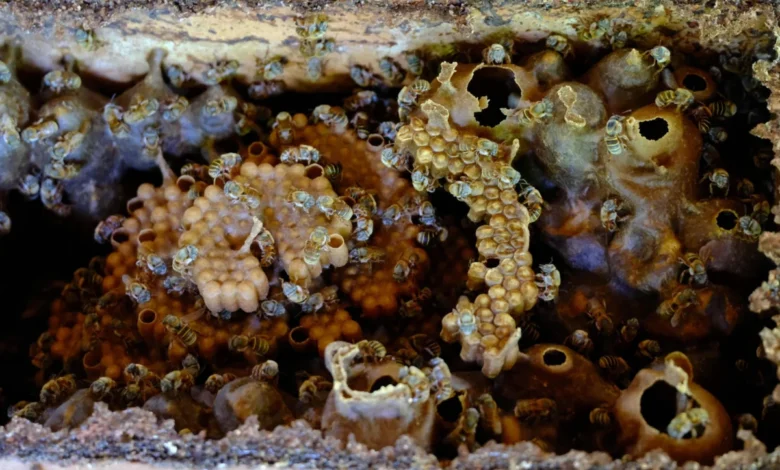
On World Bee Day, May 20, 2026, the global spotlight turns to the silent, tireless workers that underpin much of our planet’s biodiversity and food security. In Mexico’s Yucatán Peninsula, writer Emily Barlow embarked on a journey to the rural town of Maní, a designated ‘Pueblo Mágico,’ to explore the world of the native melipona beecheii, a species of stingless bee whose existence is inextricably linked to Indigenous Mayan communities and the ecological health of the region. This exploration reveals a profound symbiosis between humanity and these vital pollinators, underscoring both an ancient heritage and a contemporary struggle for survival against modern threats.
The Ancient Tapestry of Mayan Meliponiculture
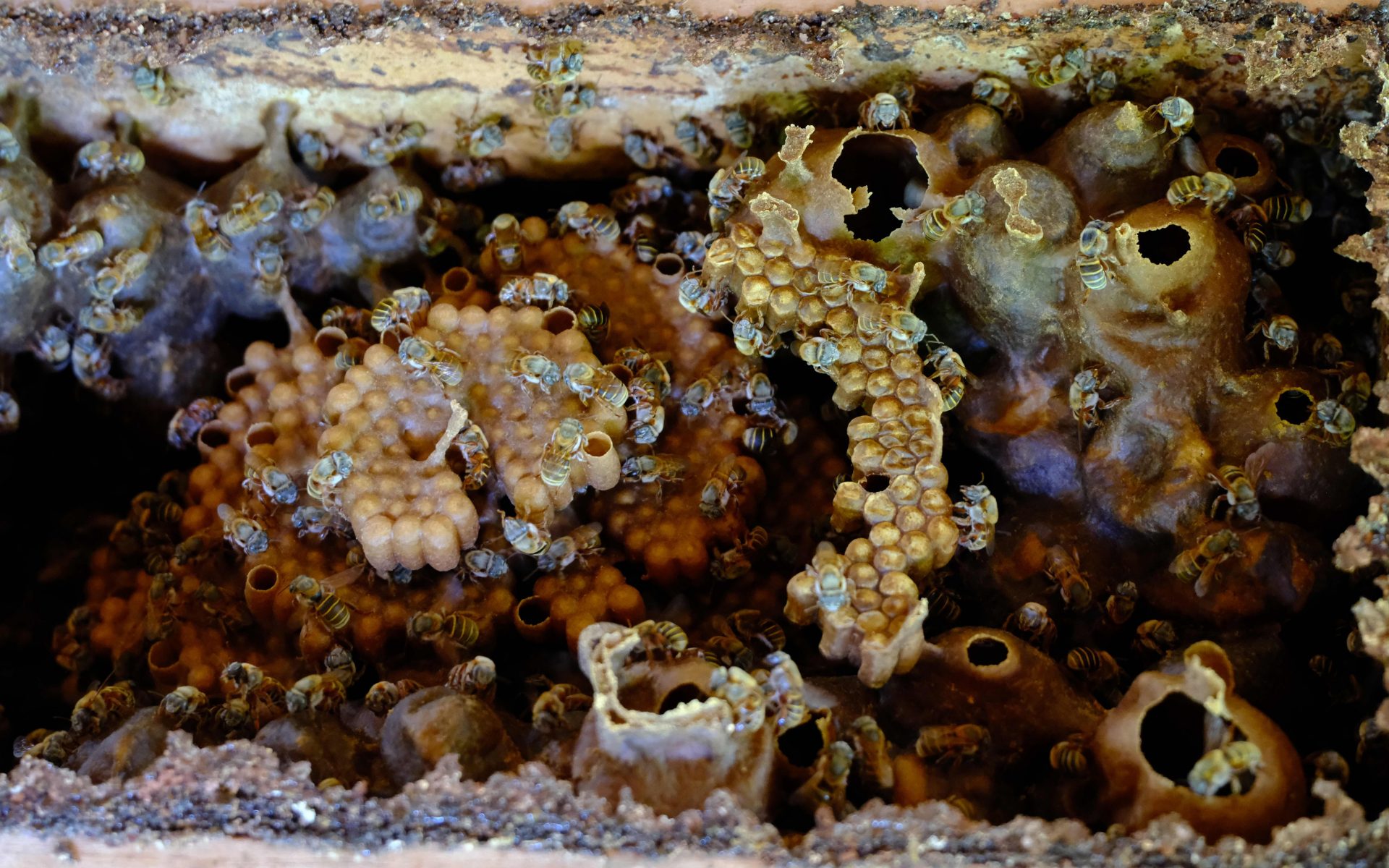
The reverence for bees among Mayan communities is not merely practical; it is deeply spiritual and historical. Doña Eliza Interián Bojorquez, a native Mayan beekeeper in Maní, recounts an ancient legend passed down through generations. This myth speaks of a man, desperate for sustenance and healing, who turned to the gods. In their wisdom, the gods bestowed upon him bees, but with a solemn covenant: "You will have to take care of it, protect it, safeguard it, and increase its population. And in return, it will give you its honey, its pollen, its propolis, and above all, the work of its daily pollination. Because from that, there will be new flowers, new fruits, new seeds, and new trees." This narrative, rich in foresight, encapsulates the profound interdependence between humans and bees, a philosophy that continues to guide meliponiculture – the cultivation of stingless bees – in the Yucatán today.
Doña Eliza, along with nine other women, dedicates her days to nurturing the melipona beecheii, a species revered as Xunáan Kab, or "royal lady" or "lady of the honey" in Maya. This is just one of an estimated 20,000 bee species documented globally, each playing a unique role in their respective ecosystems. The story’s timeless message—mutual care fosters life, food, medicine, and biodiversity—resonates deeply in the verdant landscapes of the Yucatán, a region characterized by its low-lying limestone terrain, dense deciduous jungle forests, and thousands of freshwater cenotes. Maní, approximately 62 miles (100 kilometers) southeast of Mérida, the state capital, stands as a vibrant testament to this enduring cultural and ecological bond.
A Global Crisis and the Indispensable Role of Native Pollinators

Bees are universally acknowledged as the planet’s most critical pollinators, directly influencing global food production and nutrition. Startling statistics confirm their vital importance: an estimated 75 percent of global crops depend on animal pollination, with a significant one-third of this essential work carried out by bees. While the European honeybee (Apis mellifera) often receives the majority of credit for agricultural pollination and industrial honey production, a critical distinction must be made for native bee species. These indigenous pollinators are fundamental to the health and resilience of specialized, local ecosystems, ensuring the thriving of specific plants, animals, and regional food sources that European honeybees may not service as effectively. Their nuanced interaction with endemic flora is irreplaceable, contributing to genetic diversity and ecosystem stability.
However, these crucial populations are facing an unprecedented global crisis. Declining at alarming rates, bee species worldwide are under severe threat from a confluence of human-induced factors. Widespread use of neonicotinoid pesticides, known to impair bees’ navigation and foraging abilities, alongside extensive habitat loss due to deforestation and the expansion of monocultural agriculture, are primary culprits. Climate change, with its unpredictable weather patterns and altered flowering seasons, further exacerbates these challenges, disrupting delicate ecological balances. Consequently, bees, once the silent benefactors, now desperately need humanity’s protection. Thankfully, across the globe, from the misty highlands of Peru and the vibrant communities of Mexico to the vast plains of Tanzania, concerted efforts are underway to preserve local bee species and revive traditional beekeeping practices. These initiatives are not only about environmental conservation but also about cultural preservation and community empowerment.
The Resurgence of Stingless Bees: A Timeline of Dedication and Innovation
The history of meliponiculture in the Yucatán Peninsula is a testament to both resilience and adaptation. The ancient Mayans began domesticating the melipona beecheii over 3,000 years ago, integrating these stingless bees into their agricultural practices, medicinal remedies, and spiritual ceremonies. This harmonious relationship, however, faced a severe disruption with the arrival of the European honeybee in Mexico in the early 1900s. While Apis mellifera brought increased honey production, its introduction inadvertently led to a dramatic collapse of the native melipona population, primarily due to competition for resources and disease transmission. By 1996, the number of traditional melipona beehives had plummeted to a critical low of only 500 across the entire region, signaling an impending ecological and cultural loss.
It was against this backdrop that Father Luis Quintal, an ex-priest turned dedicated beekeeper and educator, emerged as a pivotal figure in the melipona resurgence. In 1996, while serving as the local Maní parishioner, Father Luis established U Yits Ka’an, meaning "Dew from Heaven," a school of organic agriculture in the nearby village of Dzan. This institution was founded to teach men and women sacred Mayan agroecology, a sustainable farming practice rooted in ancient wisdom.
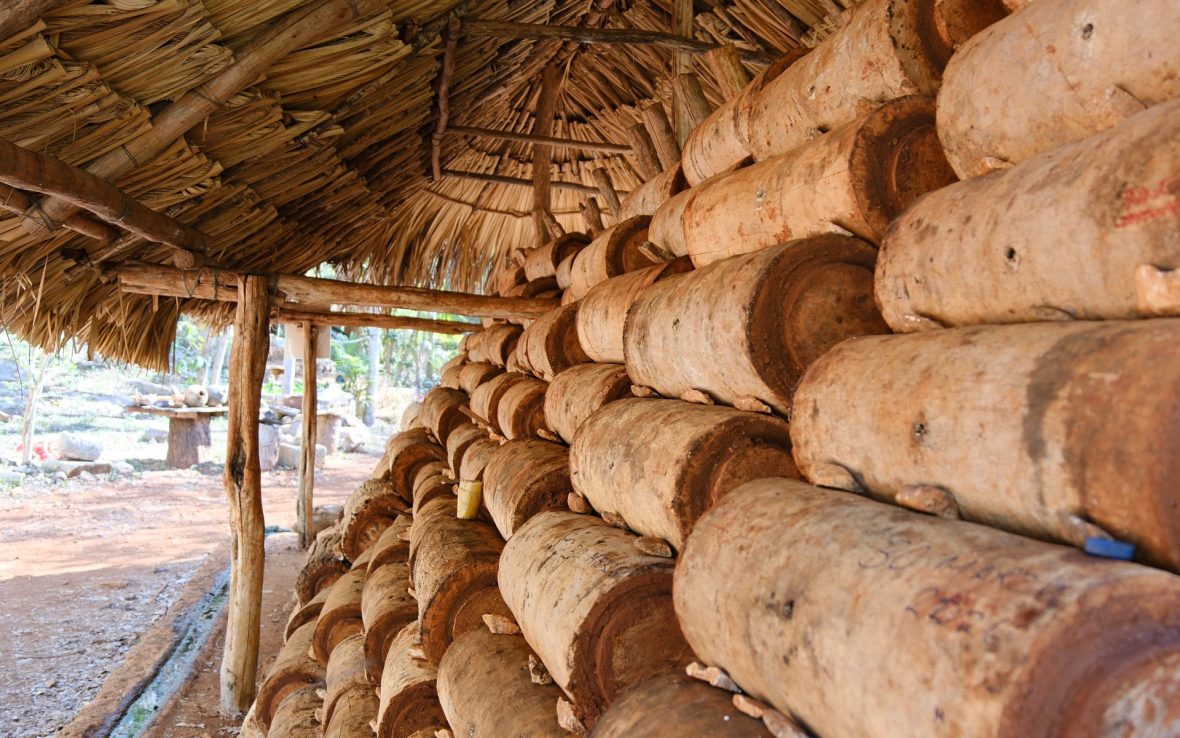
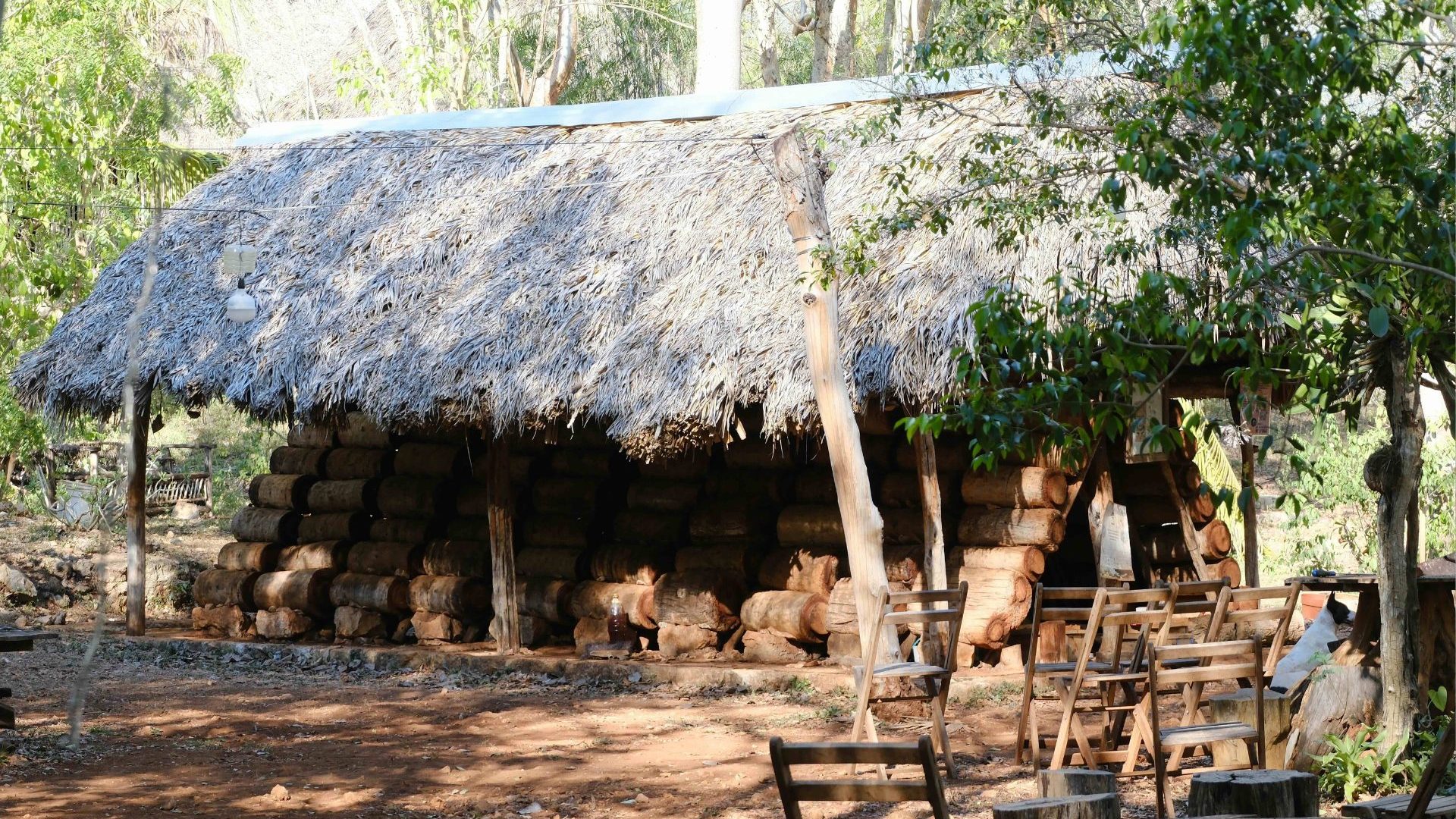
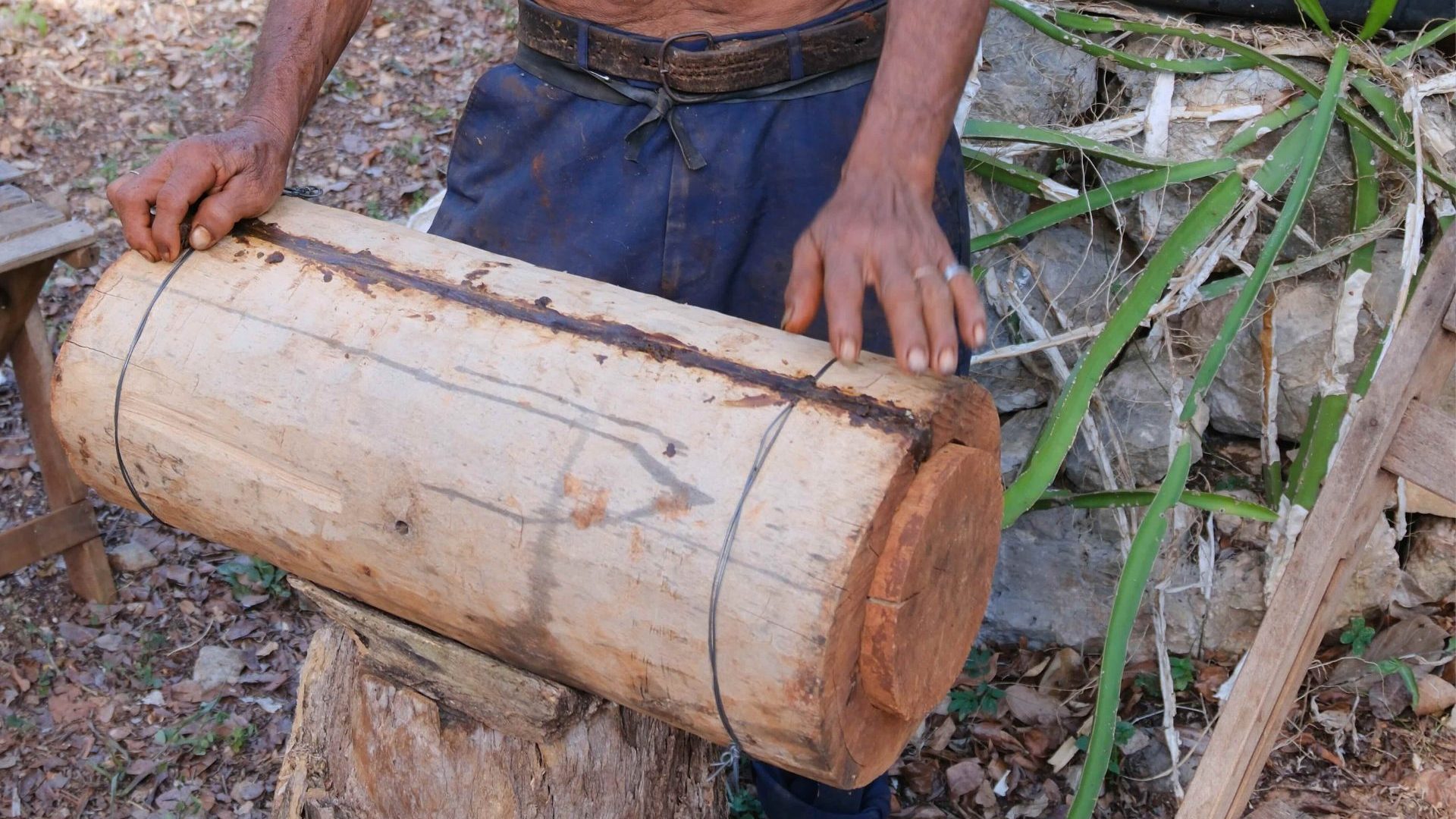
A decade later, after suffering a near-deadly heart attack, Father Luis left the ministry, dedicating his life fully to the cultivation, education, and healing centered around melipona bees. He recounts: "I managed to buy 30 hives for the school. Then women started attending [the school], which was a great thing because women are very intelligent and creative, and they have done wonders with honey." His approach revives the ancestral method of cultivating bees within jabones – hollowed-out tree trunks, typically from cedar or guano palm, sealed with clay plugs and arranged in pyramids under palm-leaf roofs. Each of his approximately 500 colonies at U Naajil Yuum K’iin ("The House of the Father Sun") meliponary comprises a queen, two princesses, four males, and around 3,000 worker bees. This traditional method not only preserves ancient practices but also provides an ideal, natural habitat for the bees.
Community-Led Conservation and Economic Empowerment
Father Luis’s pioneering efforts, alongside crucial support from the Yucatán government, the Mayan cooperative Co’ox Mayab, and UNESCO, have been instrumental in the remarkable resurgence of meliponiculture in Mexico. Though he no longer formally teaches at U Yits Ka’an, his influence is undeniable. Maní alone now boasts 18 active meliponaries, a testament to the community’s renewed commitment. Father Luis continues to expand this network, selling over 250 hives to other communities across the Yucatán and Quintana Roo states, and he harbors plans to establish a new meliponary and school dedicated to teaching children about nurturing large plants and caring for small animals, thus fostering the next generation of environmental stewards.
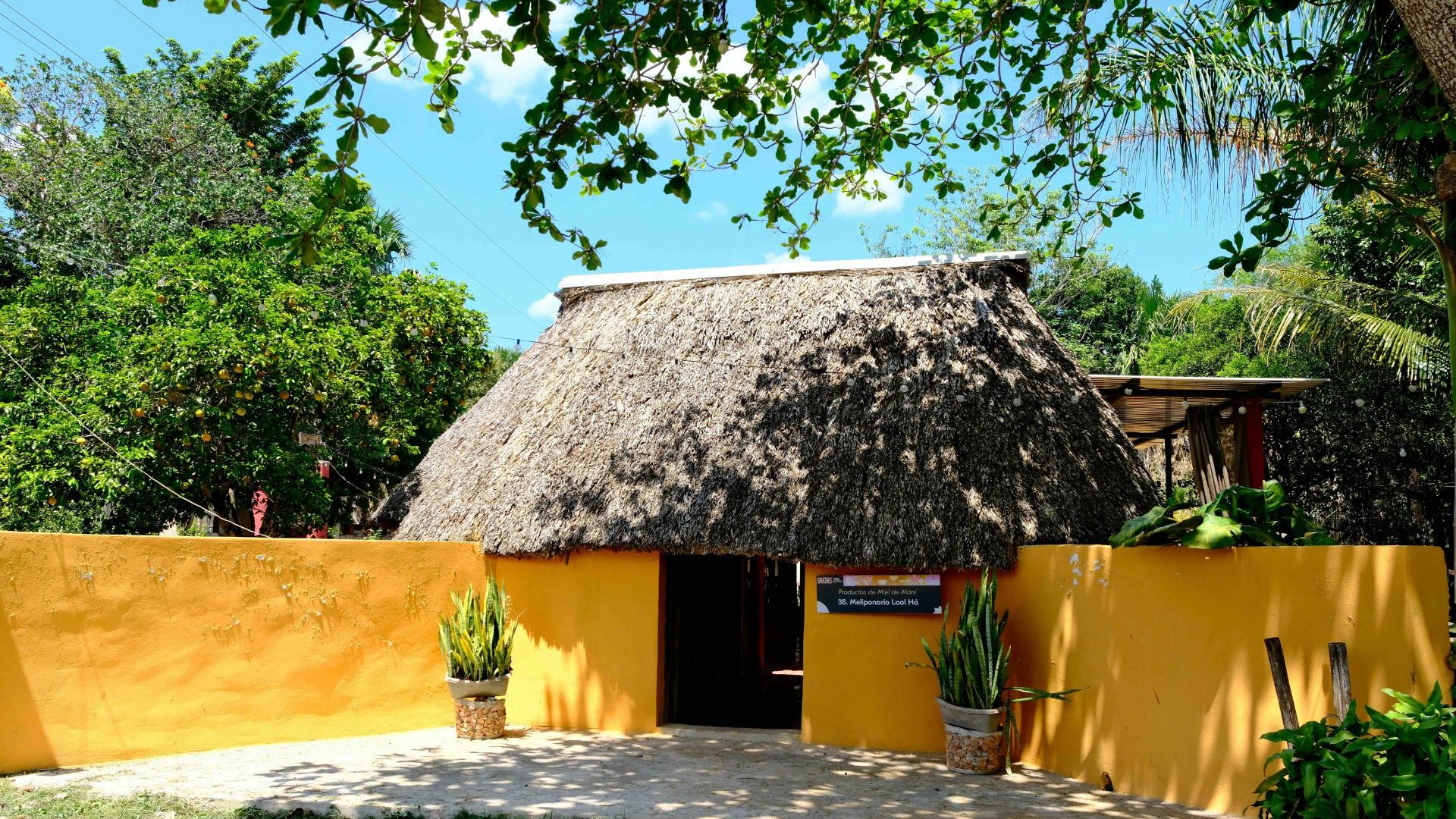
Doña Eliza Interián Bojorquez’s Lool-Ha meliponary, established 12 years ago (circa 2014), stands as a beacon of women-led conservation. Located in a lush garden fragrant with native plants like guava, guano palm, mint, zapote, and oaks, Lool-Ha is one of the earliest projects to receive government support. Doña Eliza, a gentle woman imbued with the wisdom passed down from her grandmother, guides the meliponary with a blend of spirituality—often incorporating traditional Mayan ceremonies—and a clear educational mission. "Everyone who arrives, leaves with a different learning experience," she explains. "It’s a natural, cultural learning experience, full of the wisdom of our grandparents."
The movement to protect native bees extends far beyond the Yucatán. In the misty highlands of Cuetzalan, in Mexico’s east-central state of Puebla, the Tosepan Kali cooperative, managed by the native Nahuatl people, exemplifies a successful social enterprise model. Housing native scaptotrigona bees in clay pots, Tosepan Kali provides jobs, ecological security, and community support to 35,000 residents across 430 villages, leveraging sustainable tourism and traditional practices.
Further afield, the Meli Bee Network in Brazil is a non-profit organization that unifies 30 communities across the Brazilian Amazon to foster meliponaries. This network has proven instrumental in driving the protection of the fragile Amazon rainforest, recognizing the bees’ role as indicators of forest health and vital components of its ecosystem. In northern Tanzania, a community of Maasai women beekeepers has been preserving ecological knowledge and providing vital work for widowed women for the past six years. Similarly, other Tanzanian beekeepers from the NARI Women’s Beekeeping Group, like Neema Stephene, have innovatively deployed beehives as a natural deterrent to keep elephants away from essential crops, thereby promoting sustainable agriculture and championing female leadership within their communities. These diverse initiatives underscore the universal significance of these small pollinators and the ingenuity of human communities in protecting them.
The Unique Properties of Melipona Honey and Its Wider Benefits
Unlike the European honeybee, the melipona beecheii is less productive, with a typical hive yielding only about one liter of honey per year. However, this scarcity is offset by its exceptional medicinal value. Melipona honey in Mexico is considered a potent traditional remedy rather than a commercial sweetener. Father Luis Quintal passionately outlines its extensive health benefits: "Honey for the digestive system, pollen and honey for cancer and anemia, and propolis for the respiratory system. It cures ulcers, gastritis, colitis, reflux and diabetes." This therapeutic efficacy is attributed to the unique composition of stingless bee honey, which often has a higher water content, is more acidic, and contains different enzymes and propolis compounds compared to Apis mellifera honey. The propolis, a resinous substance collected by bees, is particularly valued for its antimicrobial and anti-inflammatory properties.
The creativity of the women involved in meliponiculture has further diversified the applications of this precious resource. Beyond direct consumption, they have developed a range of honey-based tinctures, soaps, shampoos, and healing and exfoliating creams, creating sustainable economic opportunities and integrating ancient remedies into modern wellness practices.
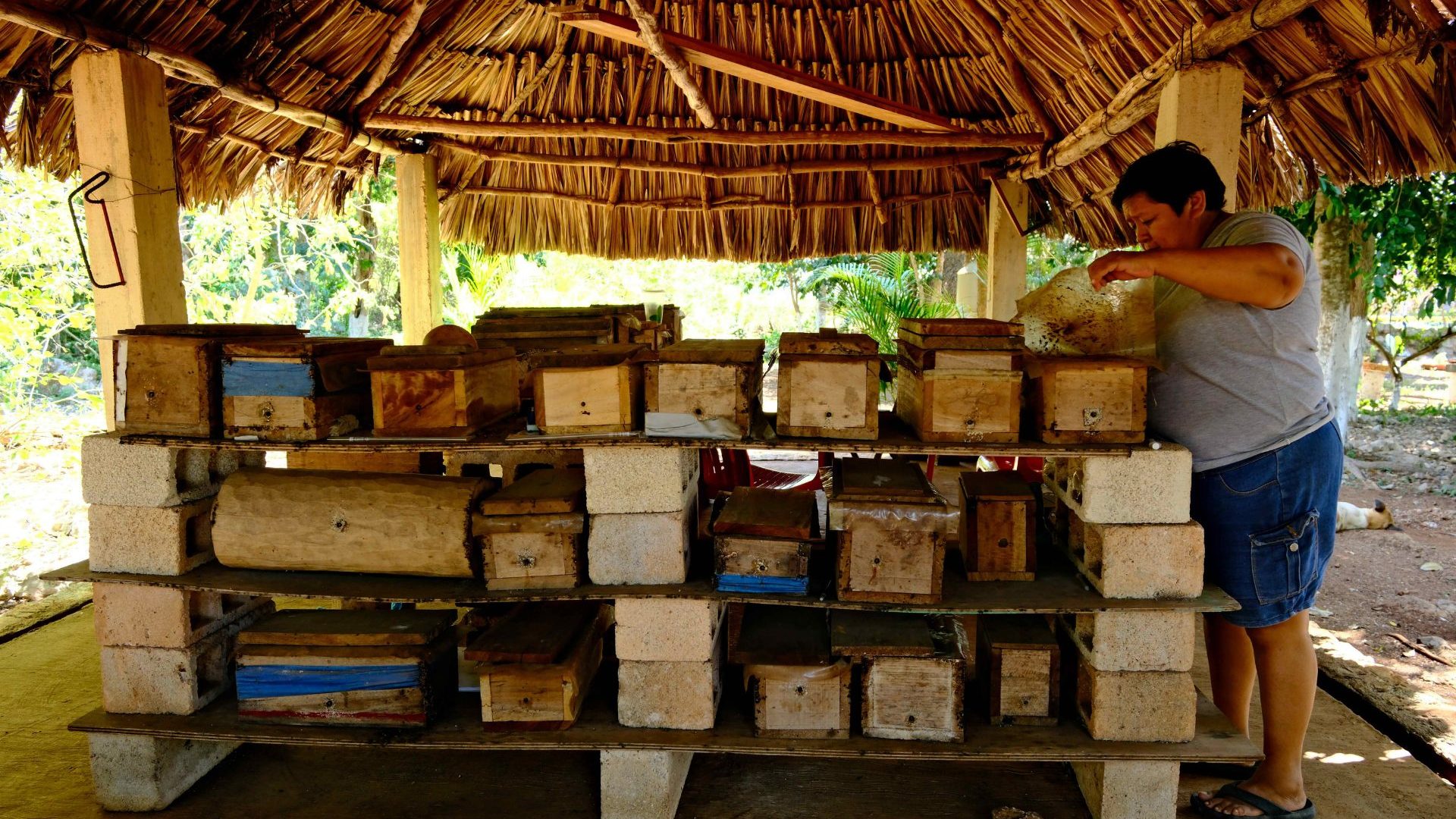
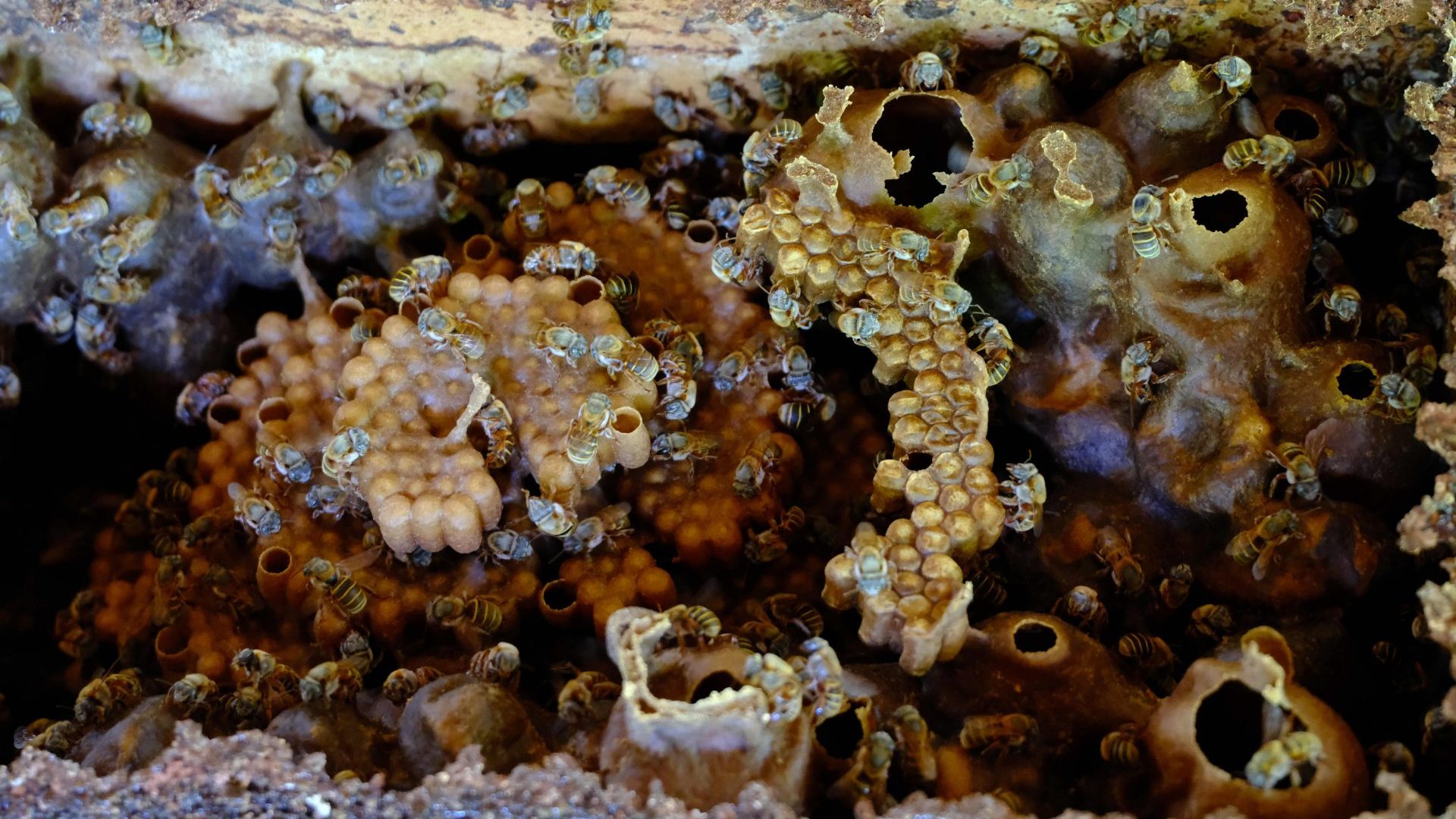
At Lool-Ha, Doña Eliza demonstrates the modern cultivation method using small wooden boxes, roughly the size of a shoebox. With a small syringe, she carefully extracts a droplet of honey from a delicate wax bulb, offering it for tasting. The flavor is distinctively jasmine, a direct reflection of the native flora her bees pollinate. From another box, the liquid is sharp with citrus notes, illustrating the diverse flavors of a self-sustaining garden. In a powerful, sensory experience, Doña Eliza gently places Emily Barlow’s hand on top of the bees, covering it first with a plastic sheet, then the wooden lid. "Tickling sensations spread across my hand and my heartbeat increases," Barlow recounts. "At first I feel nervous, then a sense of ease as I remember I’m not in danger. These bees don’t sting—they’re healers." This intimate interaction underscores the unique, non-aggressive nature of melipona bees, fostering a direct connection to their gentle power.
A Call for Conscious Change and Landmark Legal Protection
The endangered status of melipona bee populations worldwide is a stark reminder of humanity’s impact on the natural world. Doña Eliza offers a straightforward yet profound prescription for their recovery: "One: Constantly plant medicinal and native trees. Two, remove everything that is chemical, like pesticides. And switch to organic products." Her wisdom highlights the direct responsibility of human beings in putting these essential pollinators in danger. "Who puts the bee in danger?" she asks rhetorically. "Human beings. Therefore, a change in consciousness is needed. The change in consciousness is about returning to what our grandparents did: Taking care of them, so that we can take care of ourselves."
This sentiment of interconnectedness and conscious stewardship is gaining traction globally, culminating in a landmark development in Satipo, Peru, in late 2025. In an unprecedented move, native melipona bees were granted legal rights, formally recognizing their inherent value and the crucial role of Indigenous cultivation practices. This groundbreaking legislation includes the right to habitat and comprehensive legal protection, setting a powerful precedent for environmental law and Indigenous rights worldwide. It is hoped that Peru’s action will be the first of many formal measures adopted globally to safeguard these essential bees and provide robust support for the grassroots efforts of dedicated individuals like Father Luis and Doña Eliza. The future of our planet’s biodiversity, food security, and indeed, our own well-being, hinges on such recognition and collective action. The journey to Maní serves as a potent reminder that the fate of these small, stingless healers is inextricably intertwined with our own.
Adventure.com strives to be a low-emissions travel publication. We are powered by, but editorially independent of, Intrepid Travel, the world’s largest travel B Corp, who help ensure Adventure.com maintains high standards of sustainability in our work and activities. You can visit our sustainability page or read our Contributor Impact Guidelines for more information.
About the Author
Emily Barlow is a travel and lifestyle journalist from Sydney, Australia, and Adventure.com’s Head of Partnerships. She’s big on backpacking remote mountains and slow expedition-style travel, skiing, lake-hopping, and trying all the local food.