Saudi Arabia’s Public Investment Fund Pivots from ‘Rapid Growth’ to ‘Sustained Value Creation,’ Reassessing Megaprojects and Strategic Priorities.

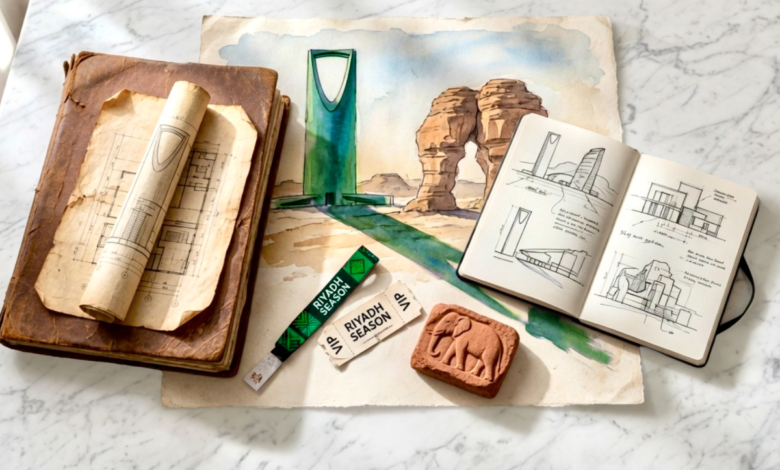
On April 15, the Kingdom of Saudi Arabia’s Public Investment Fund (PIF) officially approved its 2026-2030 strategy, signaling a significant recalibration of its investment approach from an era of "rapid growth and acceleration" to one focused on "sustained value creation." This strategic pivot, a culmination of over a year of speculation and incremental adjustments, confirms a decisive shift away from the initial aggressive expansionist phase of Vision 2030. The implications are far-reaching, encompassing substantial reductions in construction commitments, a clear distinction drawn between flagship projects like NEOM and the broader tourism ecosystem, and reports suggesting a potential divestment from high-profile, loss-making ventures such as the LIV Golf tour.
The Strategic Reassessment and Key Statements
A pivotal indicator of this new direction came from PIF governor Yasir Al-Rumayyan, whose candid remarks provided an unprecedented level of clarity regarding the future of some of Saudi Arabia’s most ambitious undertakings. Addressing the timeline for The Line, the futuristic linear city within NEOM, Al-Rumayyan stated, "Is it necessary for The Line to be completed by 2030? I don’t think so. It’s good to have, but it’s not a must-have." He further elaborated that delayed NEOM projects were not deemed to be on "the critical path," a designation he explicitly reserved for the Kingdom’s commitments to Expo 2030 in Riyadh and the FIFA World Cup 2034, which Saudi Arabia is slated to host. These statements effectively delineate between aspirational fantasy timelines and the imperative of hard deadlines tied to international obligations.
This re-evaluation translates into tangible changes, with reports indicating construction commitments have been scaled back by tens of billions of dollars. The separation of NEOM from the wider tourism ecosystem suggests a more focused, perhaps more financially disciplined, approach to each entity’s development and funding. Simultaneously, Bloomberg reported on the same day that PIF is nearing a decision to cut its reported $5 billion investment in the LIV Golf tour, an entity that has faced significant financial losses and generated considerable controversy since its inception.
Background: Vision 2030’s Ambitious Genesis
To fully comprehend the magnitude of this pivot, it is essential to revisit the genesis of Vision 2030. Launched in 2016 by Crown Prince Mohammed bin Salman, this ambitious blueprint aims to fundamentally transform Saudi Arabia’s economy, reducing its heavy reliance on oil and fostering diversified growth sectors such as tourism, technology, logistics, and manufacturing. The Public Investment Fund was designated as the primary financial engine for this transformation, tasked with deploying its vast capital to develop "giga-projects" designed to attract foreign investment, create millions of jobs, and elevate the Kingdom’s global standing.
In its initial phase, Vision 2030 was characterized by a rapid succession of grand announcements and groundbreaking ceremonies for projects of unprecedented scale. NEOM, a $500 billion futuristic city envisioned to be 33 times the size of New York City, stood at the forefront, encompassing radical concepts like The Line, the floating industrial city OXAGON, and the mountain resort TROJENA. Other notable projects included the Red Sea Project and AMAALA (now merged under Red Sea Global), focusing on luxury tourism; Qiddiya, an entertainment mega-city; and Diriyah Gate, a historical and cultural revitalization project.

The PIF’s Assets Under Management (AUM) grew exponentially during this period, from approximately $150 billion in 2015 to over $925 billion by 2024, with a stated target of reaching $2 trillion by 2030. This rapid expansion was fueled by significant government transfers, including proceeds from Aramco, and successful international investments. The fund’s mandate was clear: to act as a catalyst for economic diversification, investing both domestically in giga-projects and internationally in strategic assets across various sectors.
The Rationale Behind the Pivot: Economic Realities and Strategic Refinement
While the initial phase of Vision 2030 showcased unparalleled ambition, it also encountered practical challenges inherent in executing projects of such immense scale and novelty. The global economic landscape has evolved significantly since 2016, with rising inflation, supply chain disruptions exacerbated by geopolitical tensions, and increased borrowing costs impacting mega-projects worldwide. The war referred to in the original "Skift Take" likely alludes to broader global economic instability and the shifting landscape of international capital, which may have underscored the need for greater financial prudence.
Moreover, the sheer complexity of constructing entirely new cities and infrastructure from the ground up, coupled with the nascent nature of some proposed technologies for projects like The Line, has naturally led to longer development cycles and higher costs than initially projected. The original article’s observation that "Every ambitious project deserves a second draft" perfectly encapsulates this reality. It’s not a repudiation of the vision but rather a pragmatic adjustment to its implementation.
The shift to "sustained value creation" implies a more stringent focus on return on investment (ROI), financial viability, and a phased approach to development. This contrasts with the earlier emphasis on sheer speed and scale of deployment, often without immediate clarity on long-term profitability. By cutting construction commitments by tens of billions, the PIF is likely reallocating capital to projects with more defined revenue streams or those deemed more critical for achieving immediate strategic objectives.
Project-Specific Implications
-
NEOM and The Line: Al-Rumayyan’s statement about The Line not being a "must-have" by 2030 is arguably the most telling. While the long-term vision for NEOM remains, this signals a recognition that its timeline may extend well beyond the original ambitious deadlines. Early reports, for instance, had indicated an initial target of one million residents for The Line by 2030, a figure that has since been adjusted downwards by some analysts to closer to 300,000, and now further into question regarding the entire initial segment’s completion. This adjustment allows for more methodical development, potentially incorporating lessons learned and technological advancements, rather than rushing to meet an arbitrary date. The separation of NEOM from the broader tourism ecosystem also suggests a distinct financial and operational structure, perhaps enabling NEOM to focus on its high-tech and industrial components while other entities manage traditional tourism.
-
LIV Golf: The potential cutting of the $5 billion loss-making LIV Golf tour represents a significant recalibration of PIF’s investment in sports. While sports investments were initially seen as a powerful tool for "soft power" and enhancing Saudi Arabia’s global image, the financial performance of LIV Golf, coupled with its controversial origins and ongoing legal battles, appears to have prompted a re-evaluation. The PIF’s future sports strategy might pivot towards investments with clearer commercial pathways or those more directly aligned with domestic development goals, such as fostering local sports leagues or infrastructure.

-
Expo 2030 and World Cup 2034: These events are now explicitly designated as being on the "critical path." Riyadh’s successful bid for Expo 2030 and Saudi Arabia’s virtually guaranteed hosting of the FIFA World Cup 2034 represent major international commitments with fixed deadlines. The infrastructure required for these events – including transportation networks, hospitality facilities, and exhibition venues – aligns with the Kingdom’s broader goals of enhancing its global connectivity and tourism appeal. Prioritizing these projects ensures that resources are directed towards deliverables with high international visibility and clear economic catalysts. The World Cup alone is expected to generate billions in economic activity and attract millions of visitors, accelerating tourism infrastructure development across the country.
Broader Impact and Implications
This strategic pivot is likely to have several significant implications:
- Enhanced Financial Prudence: The shift signals a more disciplined approach to capital allocation, prioritizing projects with higher certainty of returns and strategic importance. This could improve the PIF’s overall portfolio performance and sustainability.
- Investor Confidence: For international investors, this move could be interpreted positively as a sign of maturity and pragmatism within Saudi Arabia’s investment strategy. It demonstrates a willingness to adapt to economic realities rather than rigidly adhering to initial, potentially unrealistic, timelines.
- Refined Project Scope: Projects like NEOM may see their initial phases more tightly defined and focused, allowing for incremental development and adaptation. This could lead to more robust and sustainable outcomes in the long run.
- Focus on Core Strengths: By prioritizing events like Expo 2030 and World Cup 2034, Saudi Arabia is leveraging its capacity for large-scale event management and infrastructure development, which have clearer and more immediate economic benefits.
- Market Adjustment: Contractors, suppliers, and potential residents or businesses eyeing these giga-projects will need to adjust their expectations regarding timelines and project specifics. This might lead to a more stable, albeit slower, project pipeline.
Statements and Reactions from Related Parties (Inferred)
While direct official reactions beyond Al-Rumayyan’s statements are awaited, the financial markets and analytical communities are likely to view this as a sensible and necessary adjustment. Analysts from major investment banks who have been tracking the PIF’s spending patterns and the progress of Vision 2030 projects have often highlighted the immense financial commitments and the logistical challenges involved. This pivot provides clarity and a more realistic framework for evaluating the Kingdom’s economic transformation. Industry observers might commend the PIF for its transparency and willingness to adapt, suggesting that such flexibility is crucial for the long-term success of ambitious national development plans. International partners and contractors, while potentially facing revised schedules, may appreciate the clearer strategic direction and prioritization of deliverable projects.
Conclusion: A Maturing Vision
The PIF’s adoption of its 2026-2030 strategy marks a crucial turning point for Vision 2030. It represents a maturation of Saudi Arabia’s economic diversification efforts, moving from an initial phase of expansive, often audacious, announcements to a more grounded and strategically refined execution. By distinguishing between "must-haves" and "good-to-haves" and prioritizing projects with clear deadlines and tangible economic returns, the Kingdom is signaling a commitment to sustainability and financial prudence. This strategic pivot, while adjusting timelines for some of its most iconic ventures, ultimately reinforces the long-term objective of Vision 2030: to build a diversified, resilient, and globally competitive Saudi economy, albeit with a more pragmatic and measured pace. The journey of transforming a nation is complex, and this "second draft" reflects an evolving understanding of the pathways to achieving that ambitious vision.