Discovering Seville: A Comprehensive Guide to History Culture and Family Travel in Andalucias Capital

Seville, the capital of Spain’s southern Andalucia region, stands as a premier global destination, blending thousands of years of history with a vibrant modern identity. As the fourth-largest city in Spain and a critical hub for European tourism, Seville offers a dense tapestry of Moorish, Jewish, and Christian influences that define its architecture, gastronomy, and social fabric. For families and cultural enthusiasts, the city serves as a living museum, though navigating its unique climate and historical depth requires a strategic approach. Industry experts and local authorities emphasize that a comprehensive visit requires at least 48 to 72 hours to appreciate the primary landmarks and the atmospheric neighborhoods that constitute the city’s historic core.
The Historical Evolution of the Andalucian Heartland
The cultural richness of Seville is a direct result of its strategic location along the Guadalquivir River. Historically known as Hispalis under Roman rule and later as Ishbiliya during the Moorish era, the city flourished as a center of trade and learning. Following the Christian Reconquista in 1248, Seville became the gateway to the New World, serving as the exclusive port for the Spanish Empire’s American trade.
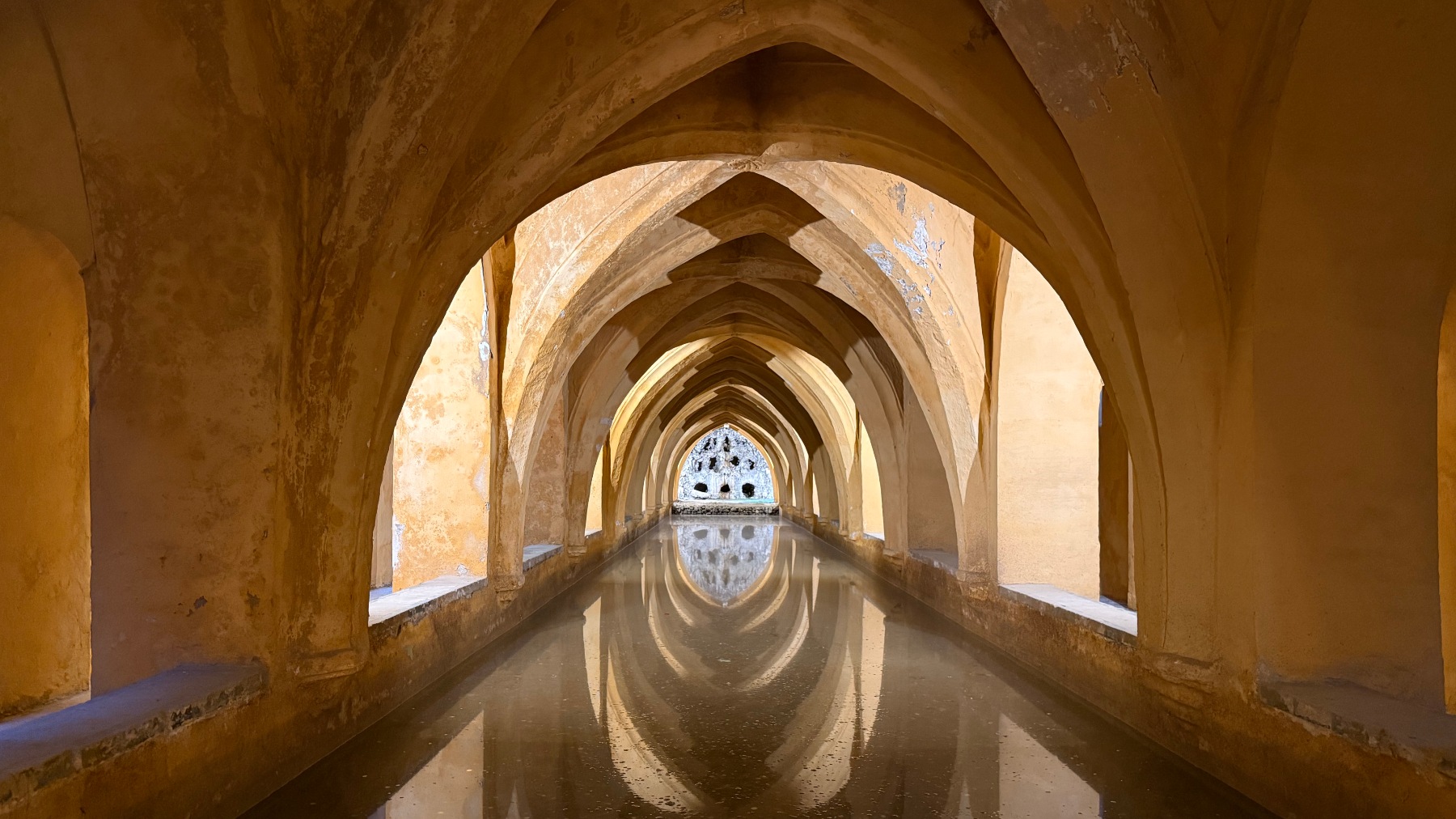
This "Golden Age" left behind an architectural legacy that remains largely intact. The city’s "Tri-Cultural" history—the coexistence and eventual friction between Islamic, Jewish, and Christian populations—is most visible in the layout of the old city. Narrow, winding streets were designed to provide shade and defensibility, while the internal courtyards (patios) of Sevillian homes reflect a tradition of privacy and climate control inherited from the Moors. Today, the city center is one of the largest in Europe, protected by UNESCO designations that cover several of its most prominent structures.
Navigating the Extreme Climate of Europe’s Hottest City
A defining characteristic of Seville is its climate. Widely cited as the hottest major city in Europe, Seville experiences a Mediterranean climate with subtropical influences. During the peak summer months of July and August, temperatures frequently exceed 40 degrees Celsius (104 degrees Fahrenheit). In recent years, climate data has shown an increase in the frequency of "heat dome" events, prompting the municipal government to implement urban cooling strategies, such as the installation of expansive awnings over major shopping streets like Calle Sierpes and Calle Tetuán.
For travelers, particularly those with children, the heat dictates the daily rhythm. The traditional Spanish "siesta" is not merely a cultural quirk but a biological necessity in the Andalucian south. Activities are typically scheduled for the early morning (8:00 AM to 11:00 AM) and the late evening (after 7:00 PM). Between 2:00 PM and 6:00 PM, the city often falls quiet as residents and visitors retreat to air-conditioned interiors. This schedule also influences the local dining scene; restaurants rarely open for dinner before 8:00 PM, with peak dining hours occurring between 9:30 PM and 11:00 PM.
The Real Alcázar: A Masterpiece of Mudéjar Architecture
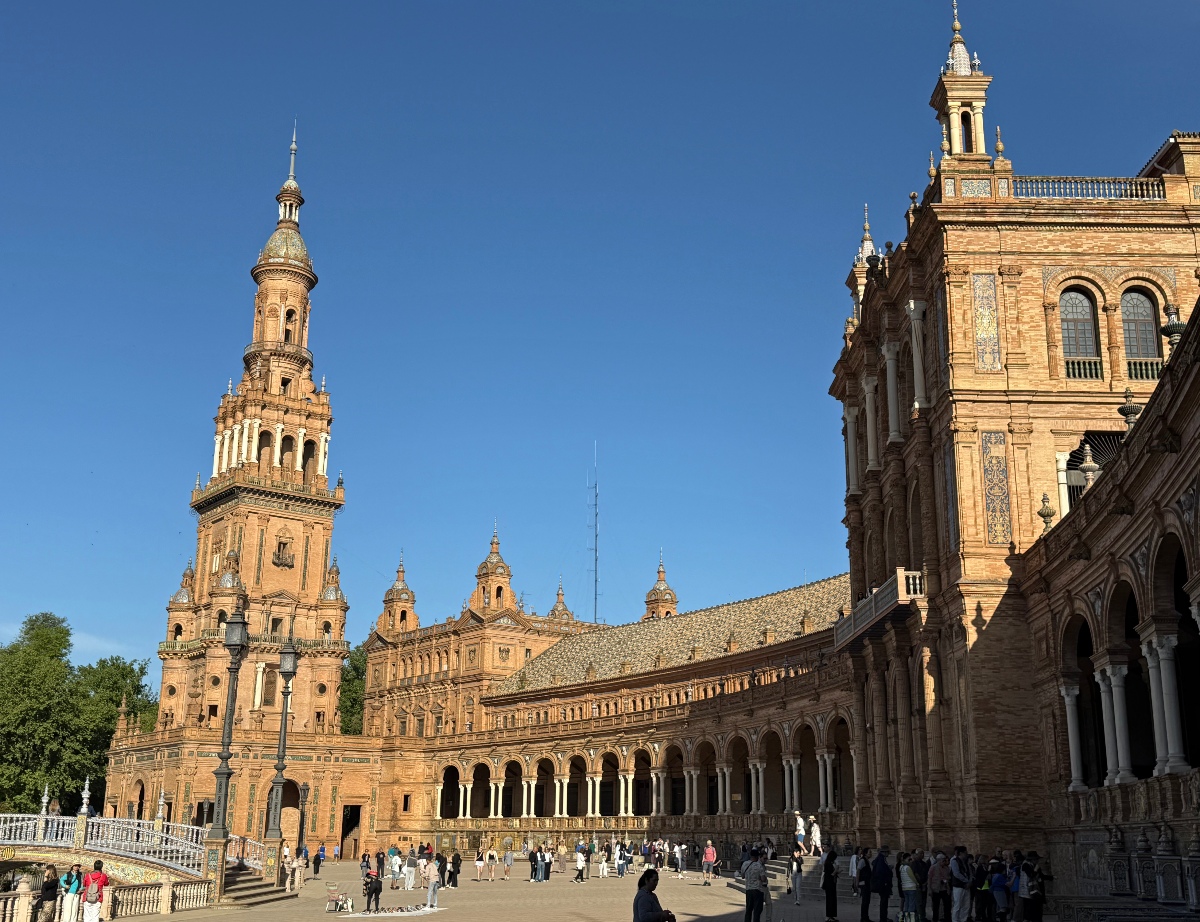
The Real Alcázar of Seville stands as the oldest royal palace still in use in Europe. Originally developed as a fort for the Umayyad Caliphate in 913 AD, the complex has undergone over eleven centuries of evolution. It is perhaps the finest example of Mudéjar architecture—a style where Islamic motifs and techniques were applied under Christian rule.
The palace’s interior, specifically the Palacio de Don Pedro, features intricate stucco work, polychrome tiles (azulejos), and the iconic Patio de las Doncellas (Courtyard of the Maidens). For younger visitors, the palace offers expansive gardens that provide a respite from the city’s stone-paved streets. These gardens represent a transition from the formal Islamic style of the Middle Ages to the Renaissance and Baroque influences of later centuries. The site gained additional global fame recently as a filming location for the television series Game of Thrones, representing the Water Gardens of Dorne, which has led to a significant uptick in youth-oriented tourism.
Seville Cathedral and the Giralda: A Monument to Transition
Adjacent to the Alcázar is the Seville Cathedral, officially known as the Cathedral of Saint Mary of the See. It is the largest Gothic church in the world and the third-largest church overall. Its construction, which began in 1401 on the site of the former Almohad Mosque, was intended to demonstrate the city’s wealth and religious devotion.
A primary point of interest within the cathedral is the tomb of Christopher Columbus. For decades, the authenticity of the remains was debated, but DNA testing conducted by the University of Granada in 2006 and further confirmed in 2024 has substantiated that at least a portion of the explorer’s remains are indeed housed in the ornate bronze monument.
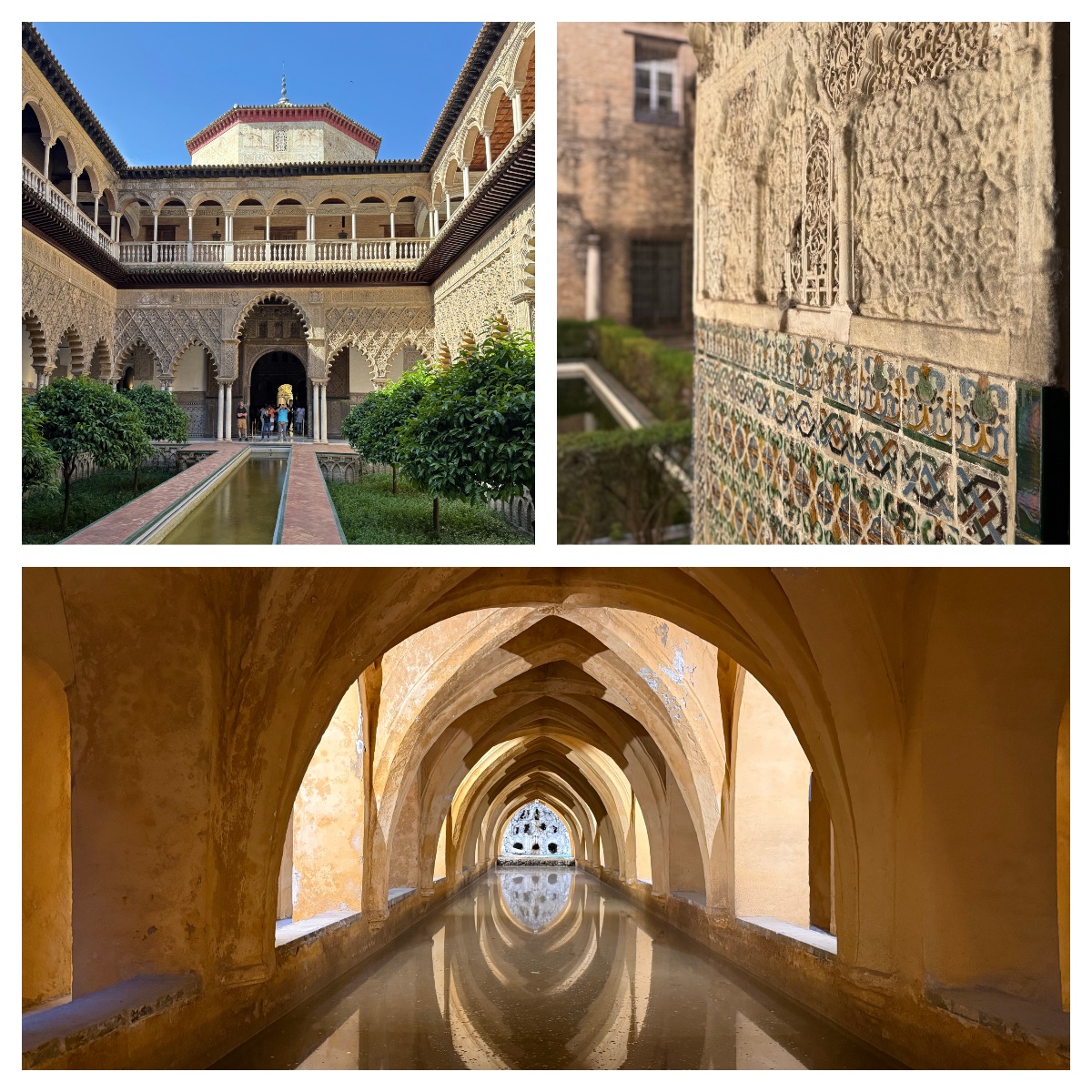
The Giralda, the cathedral’s bell tower, remains the most iconic silhouette in the Seville skyline. Standing 104 meters tall, it was originally the minaret of the mosque. In a unique architectural adaptation, the interior of the tower consists of 35 gently sloping ramps rather than stairs. This design allowed the Sultan to ride a horse to the top of the tower for the call to prayer. Today, these ramps make the ascent more manageable for families and provide various vantage points overlooking the city’s terracotta rooftops.
The 1929 Ibero-American Exposition and Plaza de España
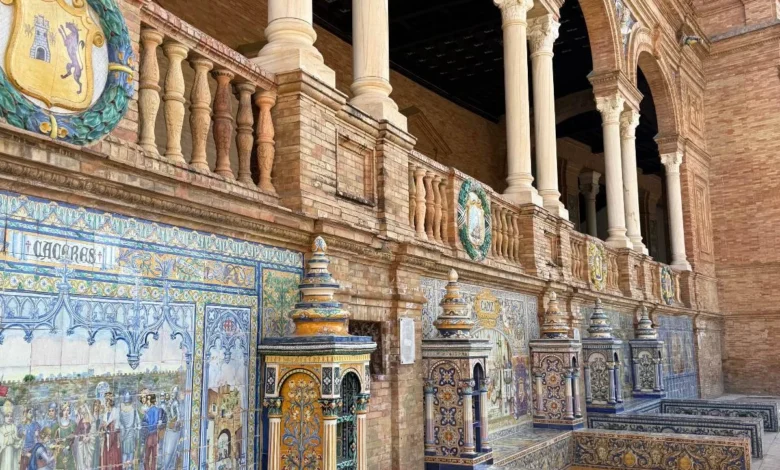
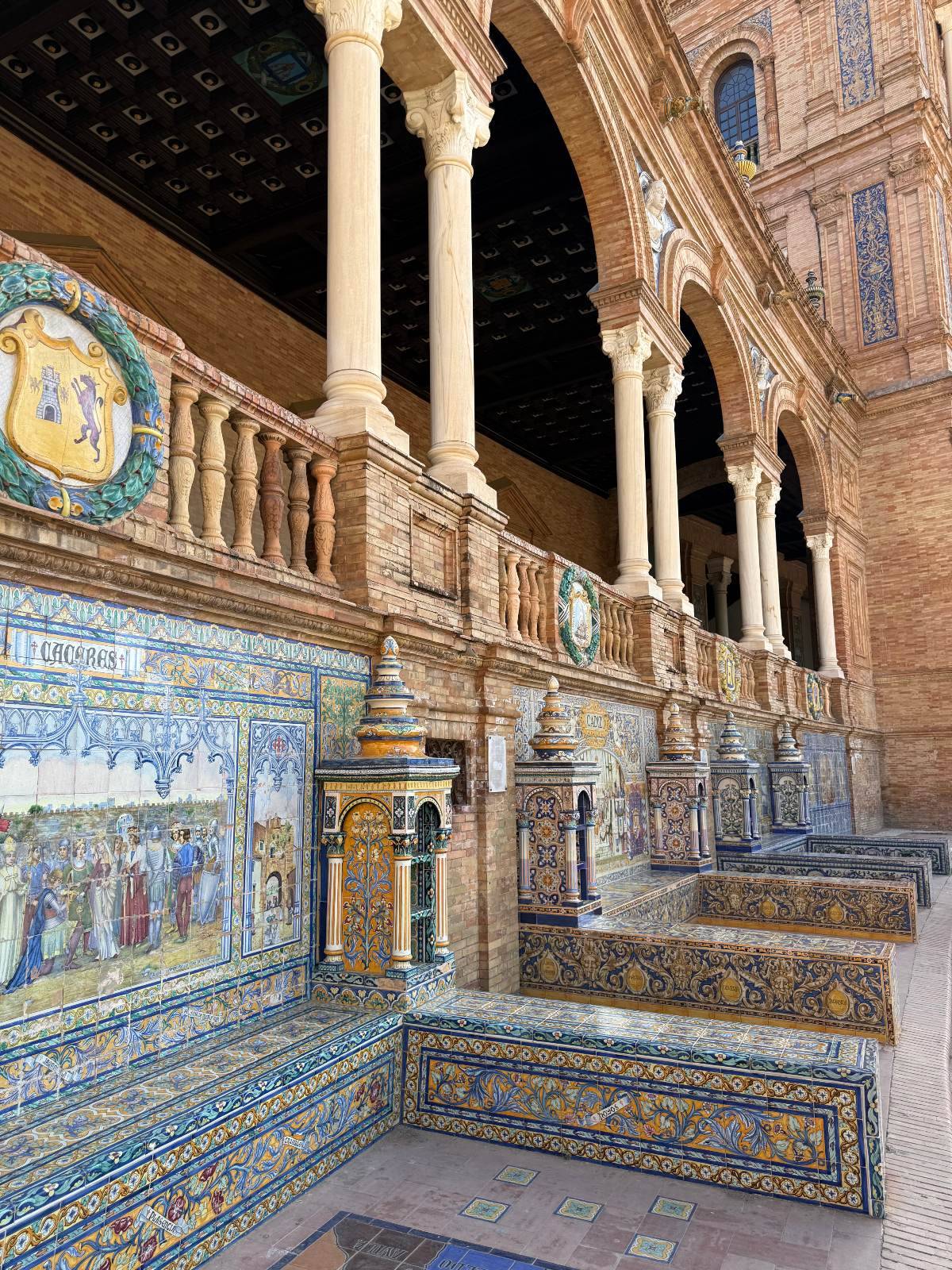
While the city’s core is medieval, the Plaza de España represents Seville’s early 20th-century ambition. Located within Maria Luisa Park, the plaza was built for the Ibero-American Exposition of 1929. Designed by architect Aníbal González, the semicircular brick building is a masterpiece of the Regionalist style, incorporating elements of Renaissance and Moorish Revival.
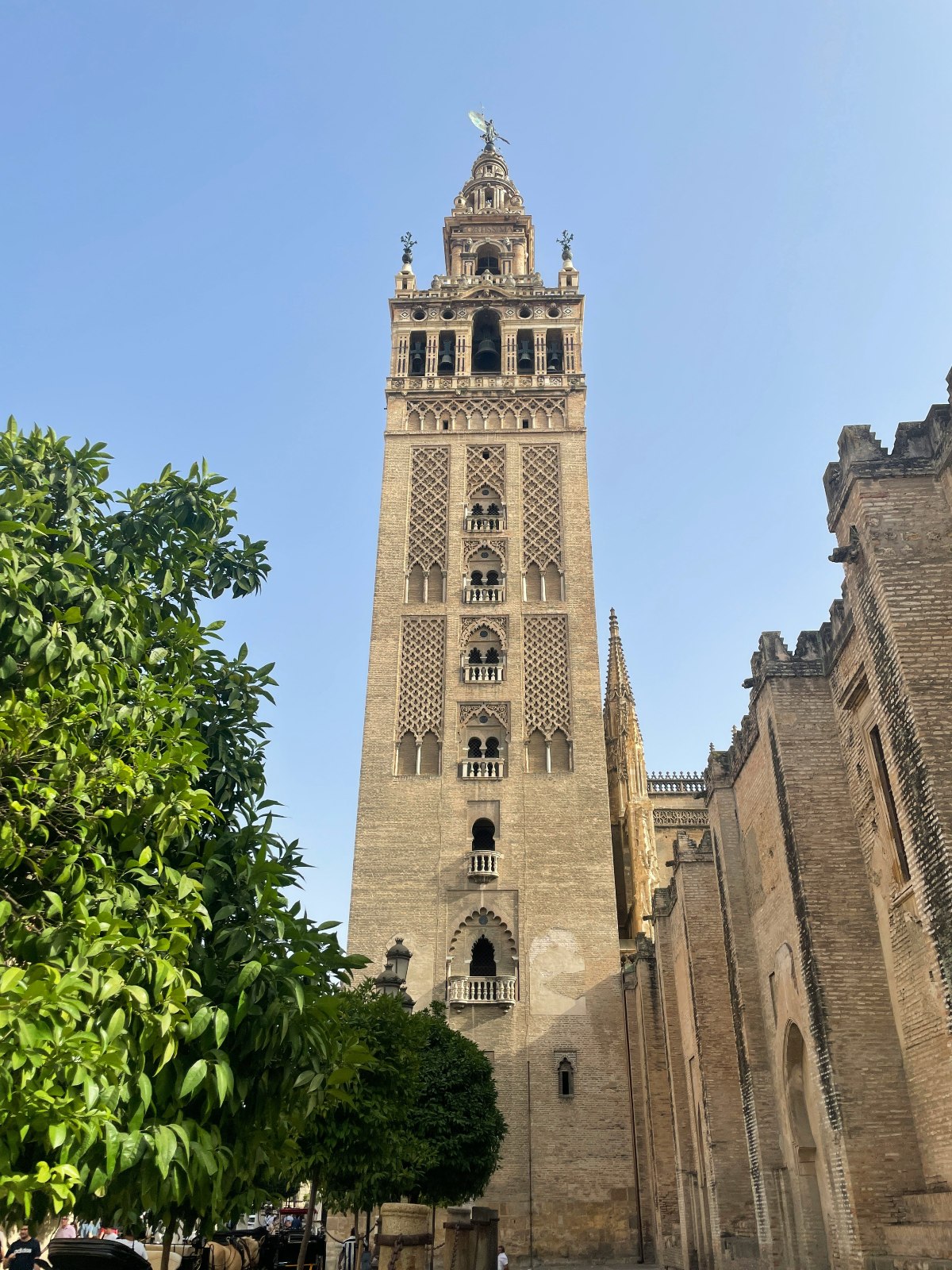
The plaza’s most educational feature is the series of 48 tiled alcoves, each representing a province of Spain. These alcoves include a map, the provincial coat of arms, and a mural depicting a significant historical event from that region. The plaza also features a 515-meter-long canal spanned by four bridges, representing the four ancient kingdoms of Spain. The site is a popular location for rowboating and serves as a public space where visitors can witness spontaneous flamenco performances under the galleries.
Urban Mobility: The Cycling Revolution
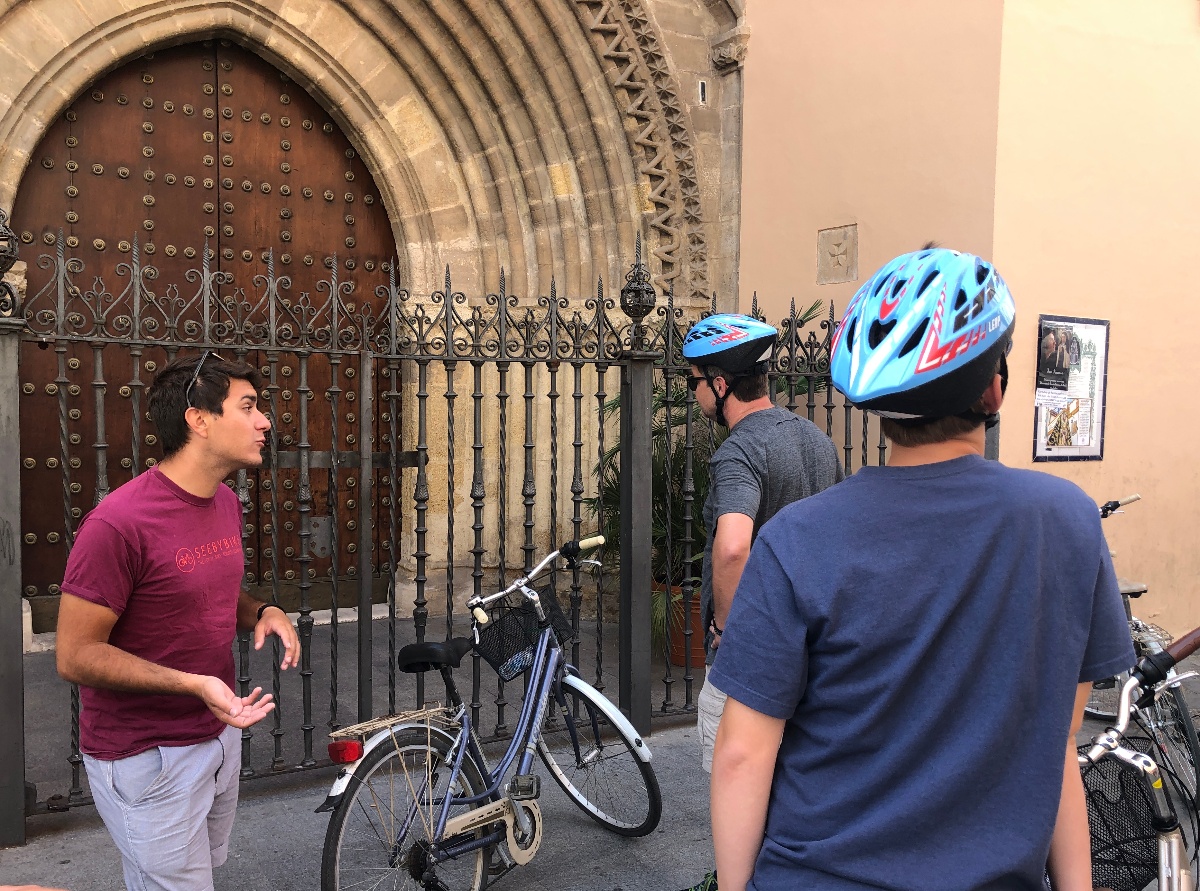
Over the last two decades, Seville has undergone a radical transformation in urban mobility. Once dominated by heavy car traffic, the city now boasts one of the most comprehensive and integrated bicycle lane networks in the world. Spanning over 180 kilometers (112 miles), the green-painted lanes are physically separated from motor vehicles, making them exceptionally safe for children and inexperienced riders.
This infrastructure has fostered a booming bike-tour industry. Local operators offer guided excursions that allow travelers to navigate the labyrinthine streets of the Barrio de Santa Cruz and the wide boulevards along the river. This shift has not only improved the tourist experience but has also contributed to the city’s sustainability goals, reducing noise pollution and carbon emissions in the historic center.
Flamenco: The Intangible Heritage of the Triana District
No visit to Seville is complete without engaging with Flamenco, which was recognized by UNESCO as an Intangible Cultural Heritage of Humanity in 2010. While performances are found throughout the city, the soul of the art form is historically tied to the Triana neighborhood, located across the Isabel II Bridge.
Flamenco is a complex art form consisting of cante (singing), toque (guitar playing), baile (dance), and jaleo (vocalizations and rhythmic clapping). For families, many tablaos (flamenco venues) in the Santa Cruz district offer early evening shows that are more accessible for children. Unlike the celebratory nature of some folk dances, flamenco is often a serious, emotional expression of the Romani (Gitanos) experience in southern Spain, characterized by intense footwork and soulful melodies.
Socio-Economic Impact and the Future of Tourism in Seville
The tourism sector is a vital pillar of Seville’s economy, contributing significantly to the city’s GDP. However, the success of the industry has brought challenges, including the management of "overtourism" in the Santa Cruz quarter and the rising costs of housing for locals. The Seville City Council has recently moved to regulate short-term holiday rentals to maintain the social balance of the historic center.
Furthermore, there is an increasing focus on "high-value" tourism—encouraging visitors to stay longer and explore beyond the main monuments. This includes promoting the city’s diverse culinary scene, from traditional tapas bars like El Rinconcillo (founded in 1670) to modern fusion restaurants.
In conclusion, Seville remains a cornerstone of European culture. Its ability to preserve its ancient history while adapting to the demands of modern travel and the realities of a changing climate makes it a resilient and captivating destination. For those willing to embrace the local rhythm—the slow afternoons, the late-night dinners, and the historical depth—Seville offers an experience that is both educational and deeply evocative of the Spanish spirit.