Navigating the Turquoise Paradises of French Polynesia: A Comprehensive Guide to Luxury Travel and Island Logistics

French Polynesia remains a cornerstone of global luxury tourism, characterized by its iconic overwater bungalows, vivid turquoise lagoons, and a deeply rooted culture of hospitality. While the region is frequently associated with honeymooners and high-end retreats, recent insights from industry experts suggest a diversifying landscape that accommodates active families, authentic cultural seekers, and multi-island explorers. Following an extensive field study by senior travel advisors from Ciao Bambino, including Kiki Humes, the logistical and experiential nuances of the South Pacific archipelago have come into sharper focus, revealing a destination that is as accessible as it is aspirational.
The Geography of Choice: Defining the Island Experience
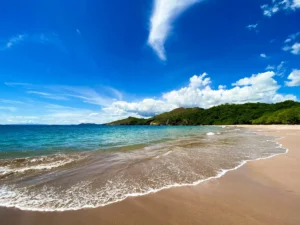
French Polynesia is comprised of 118 islands and atolls, yet most international tourism is concentrated within the Society Islands. The selection of an island is the most critical decision in the planning process, as each offers a distinct "vibe" and level of infrastructure.
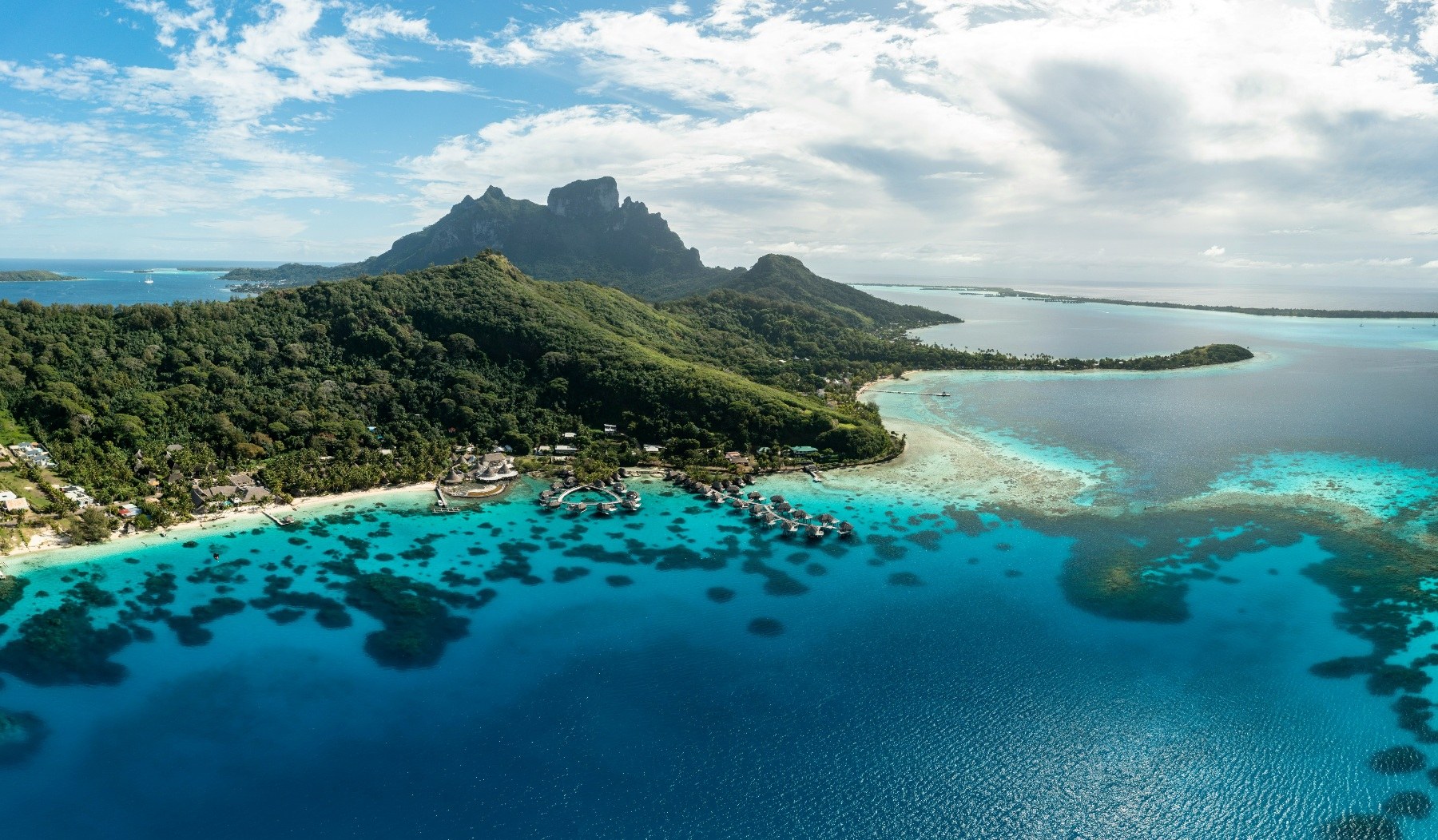
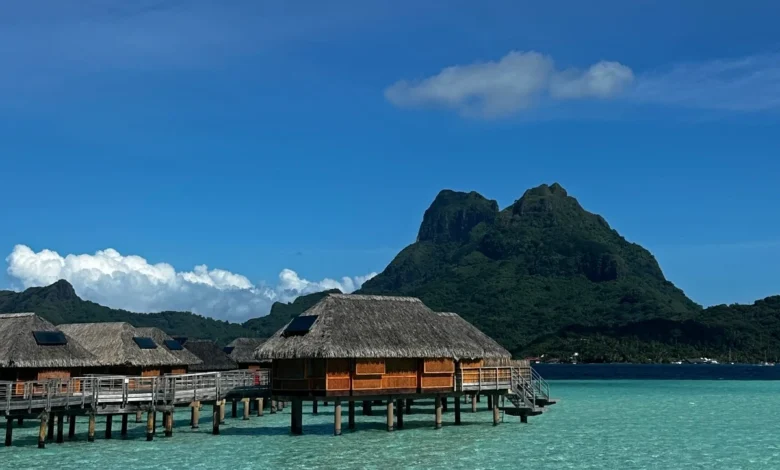
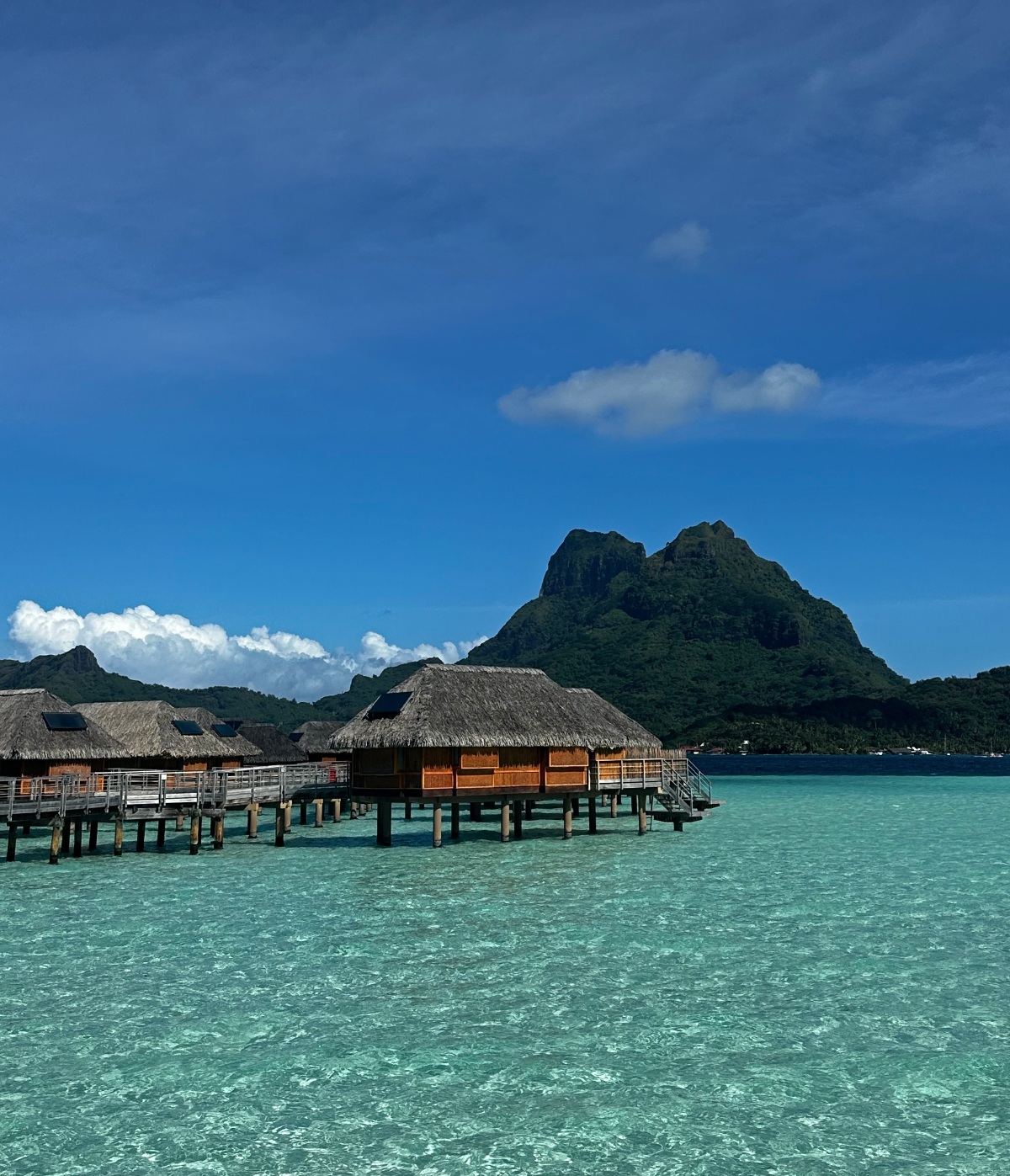
Bora Bora remains the crown jewel of the region. Dominated by the jagged peaks of Mount Otemanu, it is the primary destination for those seeking the quintessential overwater bungalow experience. Resorts such as Le Bora Bora by Pearl Resorts and the Four Seasons Bora Bora cater to a global elite, offering expansive views of the lagoon and high-touch service. However, Bora Bora is largely a "resort-centric" destination; once guests arrive at their private motu (islet), most activities—from snorkeling with stingrays to private dinners—take place within the resort’s perimeter or via boat excursions.
In contrast, Moorea offers a more rugged, accessible landscape. Known for its dramatic bays and lush interior, it is the preferred choice for travelers who prioritize land-based adventure. Here, visitors can easily exit their resorts to engage in ATV tours, hike to hidden waterfalls, or interact with local vendors. This accessibility makes Moorea a strategic choice for active families who may find the seclusion of Bora Bora too restrictive.
Taha’a, often referred to as the "Vanilla Island," provides a middle ground. As a producer of over 80% of French Polynesia’s world-renowned Tahitian vanilla, the island offers a more authentic glimpse into local life. Luxury here is found in the details—the scent of vanilla on the breeze and the intimacy of resorts like Le Taha’a by Pearl Resorts, a Relais & Chateaux property that emphasizes Polynesian craftsmanship and traditional aesthetics.
Logistical Chronology: The Journey to the South Pacific
For North American and European travelers, the journey to French Polynesia is significant, typically requiring a long-haul flight into Faa’a International Airport (PPT) in Papeete, Tahiti. However, the internal logistics of the archipelago are surprisingly efficient, according to travel advisor Kiki Humes.
The domestic carrier, Air Tahiti, operates an extensive network of flights connecting the major islands. A notable efficiency in the regional travel system is the security protocol: once a passenger clears security in Tahiti, they are generally not required to undergo further screening for inter-island hops. This allows for a streamlined airport experience on secondary islands like Bora Bora or Moorea, where travelers can arrive as late as 40 minutes before departure.
The chronology of a typical week-long itinerary often begins with an overnight stay in Tahiti due to the evening arrival of most international flights. From Tahiti, travelers typically spend three to four nights on a secondary island (like Moorea or Taha’a) before concluding with a grand finale in Bora Bora. Experts recommend building in a "buffer" night in Tahiti at the end of the trip to mitigate the risk of inter-island flight delays affecting the international return leg.
The Evolution of the Overwater Bungalow
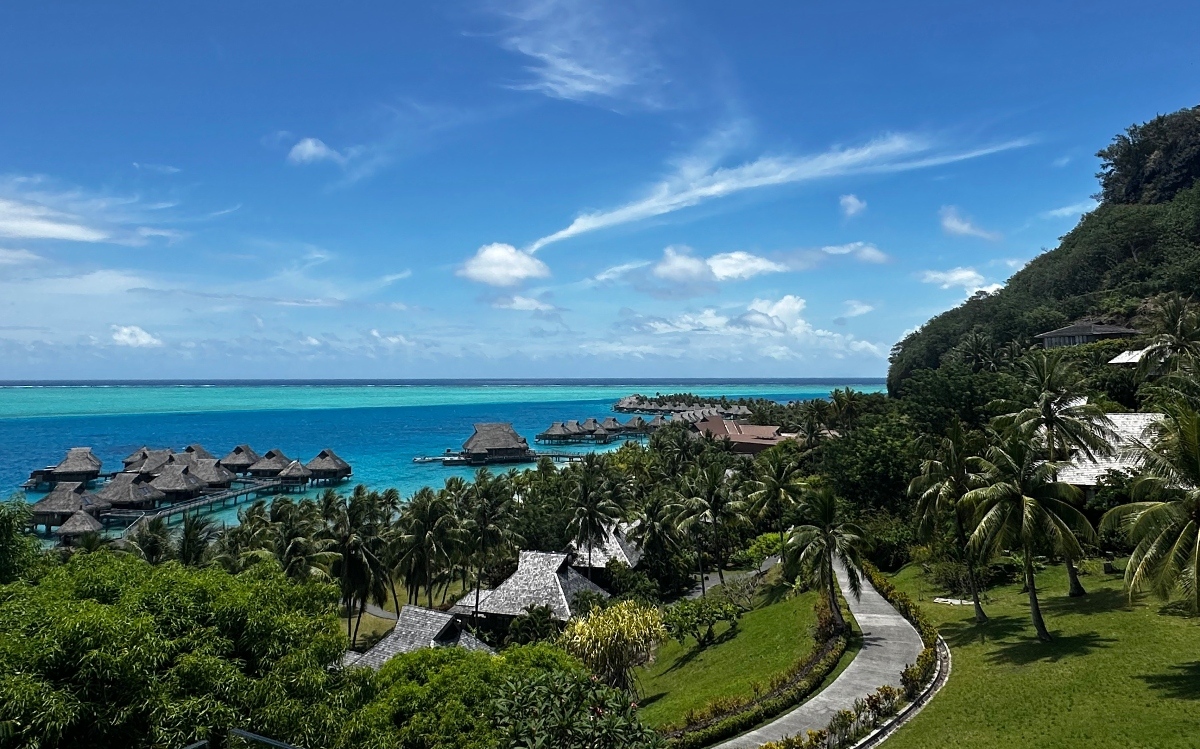
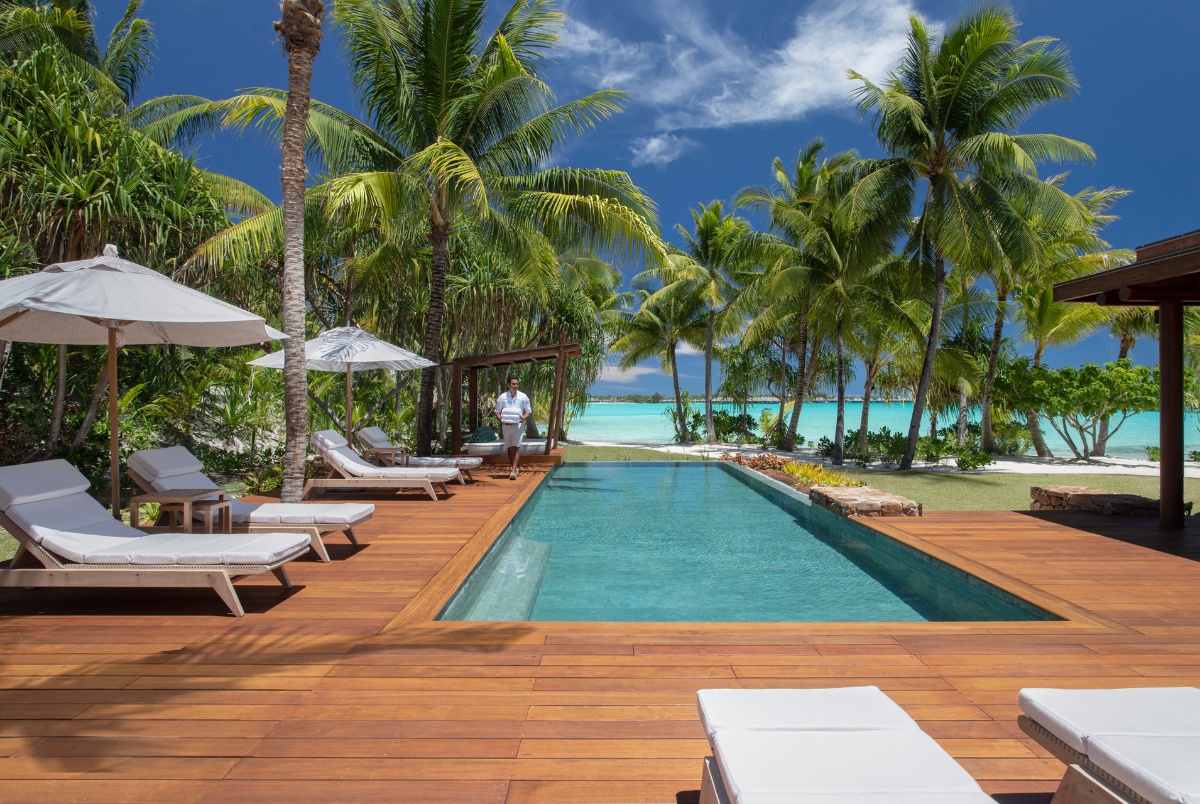
The overwater bungalow, a concept originally birthed in French Polynesia in the 1960s, has evolved from simple thatched huts into sophisticated architectural marvels. Current offerings at top-tier resorts are essentially private villas, often featuring glass floor panels for marine viewing, private plunge pools, and expansive decks.
However, a critical fact for families to note is the age restriction policy prevalent across the islands. Many overwater bungalows are restricted to guests aged 14 and older for safety and to maintain a tranquil atmosphere. Families with younger children are often directed toward beach villas, which provide direct sand access and enclosed private gardens—configurations that are frequently more practical for those traveling with toddlers or primary-school-aged children.
Demographic Trends: Romance vs. Family Travel
While French Polynesia has a long-standing reputation as a honeymoon destination, the market for family travel is expanding. This shift is driven by resorts like the Four Seasons Bora Bora, which has invested heavily in kids’ programming and family-friendly room configurations.
The distinction between "romance" and "family" vibes is often seasonal. During the North American summer and traditional holiday windows (December and late March), resorts see a surge in multi-generational groups. Conversely, traveling during the "shoulder" or "rainy" seasons (November through April) often yields a more couple-centric environment and lower room rates.
For those seeking ultimate seclusion, The Brando—located on the private atoll of Tetiaroa—represents the pinnacle of the all-inclusive luxury model. Originally the home of actor Marlon Brando, the resort is a leader in sustainable tourism, utilizing deep-sea water air conditioning and solar power. It caters to a demographic where privacy and environmental stewardship are as important as luxury.
Economic and Environmental Context
Tourism is the lifeblood of the French Polynesian economy, accounting for approximately 15% of its GDP. The government and local resorts have placed an increasing emphasis on "Reef-Safe" tourism. It is now standard practice for high-end resorts to provide complimentary, reef-safe sunscreen to all guests to protect the fragile coral ecosystems that define the region.
Furthermore, the "luxury" of the islands is increasingly being defined by cultural immersion rather than just material wealth. The use of the Tahitian greeting "Ia Ora Na" and the traditional "Maeva" (welcome) are integral to the guest experience. Resorts are also incorporating more local materials and supporting traditional crafts, such as pearl farming and vanilla cultivation, to ensure that the economic benefits of tourism reach local communities.
Supporting Data: Climate and Seasonality
Travelers must weigh the benefits of the "dry" and "rainy" seasons.
- Dry Season (May to October): Characterized by lower humidity and cooler temperatures (average 75°F to 82°F). This is the peak tourist season, resulting in the highest rates and lowest availability.
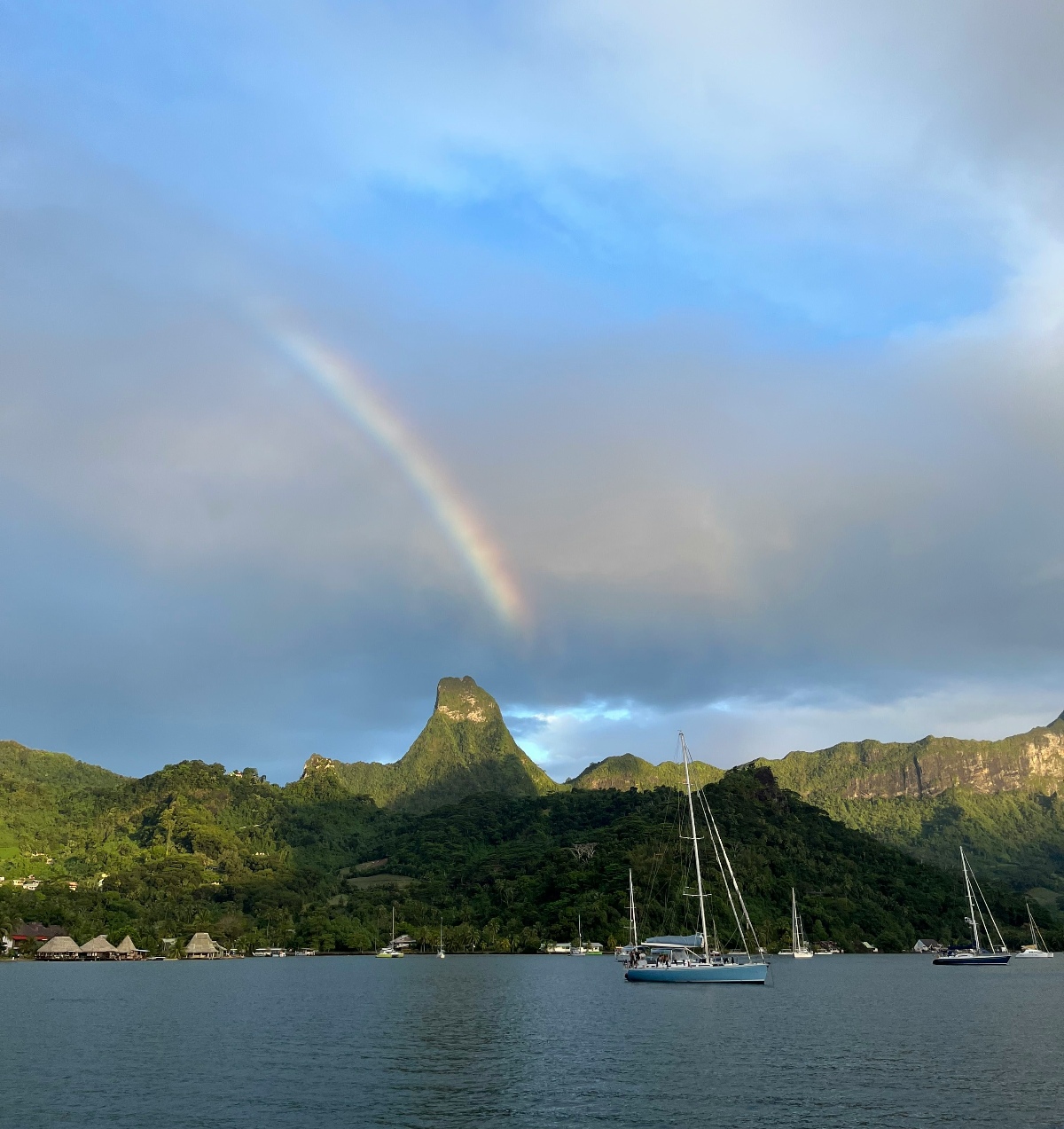
- Rainy Season (November to April): Characterized by higher humidity and frequent tropical showers. However, these showers are often brief and followed by rainbows. Temperatures are slightly higher (average 80°F to 86°F). This period offers the best value for travelers, with significant discounts on premium accommodations.
Conclusion and Advisor Recommendations
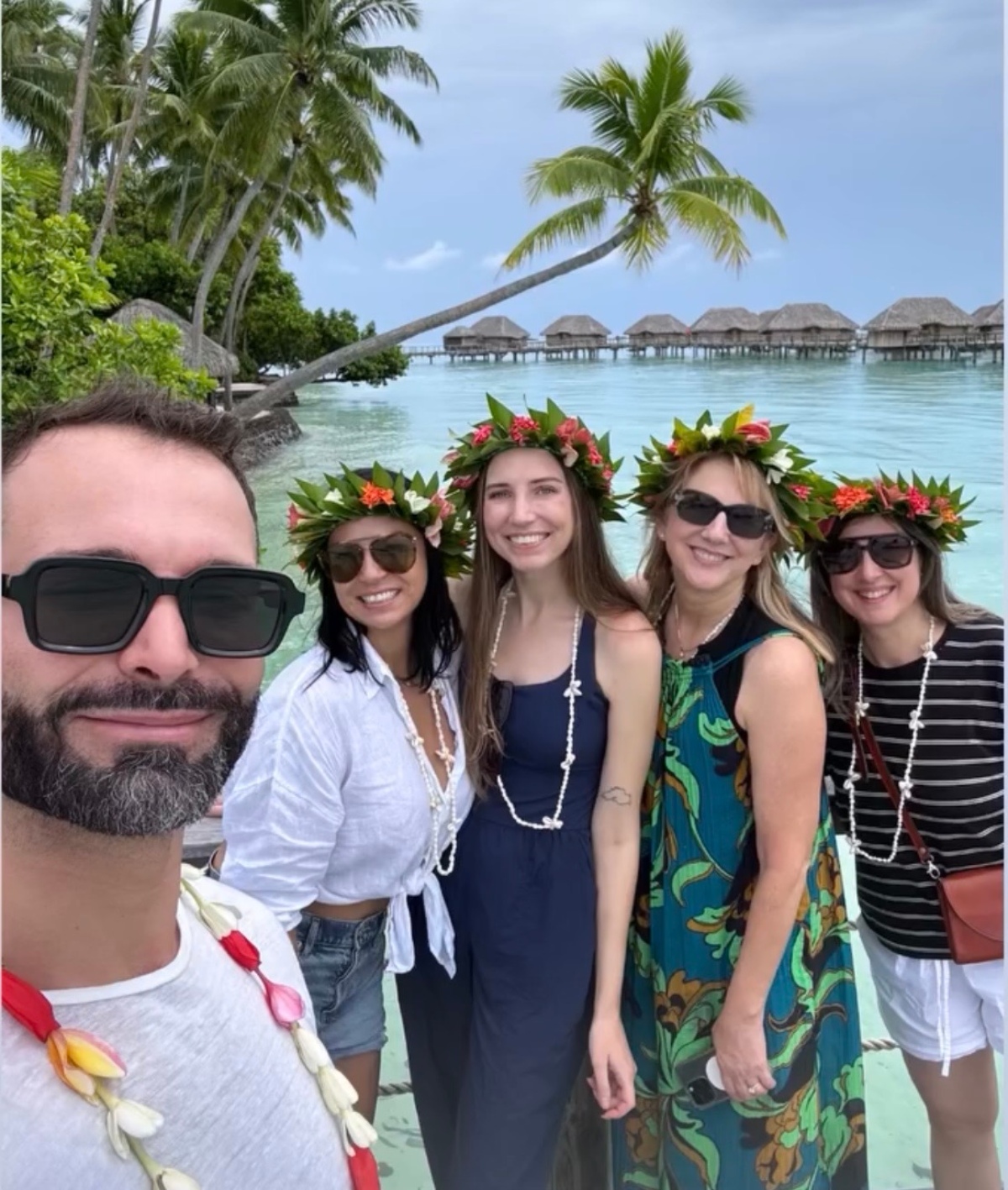
The primary takeaway from the Ciao Bambino field study is that French Polynesia is a destination that rewards meticulous planning. The "wow" factor of arriving at a remote dock via private boat, accompanied by the sounds of a ukulele and the scent of fresh floral leis, remains unparalleled in the travel world.
To maximize the experience, experts recommend the following:
- Invest in Travel Insurance: Given the reliance on small-craft aviation and the potential for tropical weather disruptions, comprehensive insurance is essential.
- Pack Lightly but Smartly: While resorts provide snorkeling gear and sunscreen, high-quality sunglasses, wide-brimmed hats, and multiple swimsuits are necessities.
- Consider a "Day Room": For travelers with late-night international departures from Tahiti, booking a day room at a local hotel allows for a comfortable transition and a final shower before the long flight home.
While cruise lines such as Paul Gauguin and Lindblad offer unique ways to see the archipelago, the consensus among luxury advisors is that a land-based (or overwater-based) stay remains the most effective way to experience the true soul of French Polynesia. By staying on the islands, travelers can engage more deeply with the rhythm of Polynesian life, the nuance of the local language, and the unparalleled beauty of the South Pacific lagoons.