The landscape of European summer tourism is undergoing a significant transformation as inflationary pressures and the rising cost of living reshape the travel habits of millions. While traditional luxury hotspots such as the French Riviera, the Amalfi Coast, and the Cyclades islands continue to command premium prices, a growing demographic of value-conscious travelers is pivoting toward "alternative" coastal hubs. According to a comprehensive March 2026 study conducted by Eminent, a global travel and logistics research firm, the demand for affordable family-friendly destinations has surged by nearly 25% compared to pre-pandemic levels. This shift is driven by a necessity to balance high-quality leisure experiences with fiscal responsibility, particularly for families of four who face escalating costs in airfare, accommodation, and dining.

The Economic Context of European Family Travel
The European travel sector has faced a dual challenge over the last three years: a surge in "revenge travel" following the lifting of global restrictions and a subsequent spike in operational costs due to energy prices and labor shortages. For a family of four, a week-long vacation in a high-tier destination like Santorini or Porto Cervo can now exceed €10,000 when accounting for boutique lodging and specialized services. In response, travel analysts have identified a selection of destinations that maintain high safety standards and diverse entertainment options while offering a daily expenditure rate significantly lower than the continental average.
The metrics used to evaluate these destinations include a "Safety Index" (rated out of 100, where 100 represents zero risk) and a comprehensive "Daily Cost" analysis. The latter encompasses mid-range accommodation, three meals, local transport, and at least one paid attraction for two adults and two children.
Portugal: The Dual Appeal of Lisbon and Porto
Portugal has consistently ranked as one of Western Europe’s most affordable nations, a reputation bolstered by its robust infrastructure and diverse geography.
Lisbon’s Cultural and Coastal Synergy
Lisbon leads the 2026 rankings not necessarily as the absolute cheapest option, but as the destination providing the highest "activity density" for the price. With a safety index of 70.4 and an average daily cost of approximately €415 for a family of four, the city offers nearly 400 family-oriented attractions. The economic strategy for families in Lisbon involves utilizing the city’s extensive rail network to reach the Cascais coastline within 30 minutes. This allows travelers to benefit from city-center amenities while accessing the calm waters of Praia da Conceição. Historically, Lisbon has invested heavily in urban renewal, transforming areas like the Parque das Nações into educational hubs featuring the Oceanário de Lisboa, one of the world’s largest indoor aquariums.

Porto’s Atlantic Influence
Further north, Porto presents a different economic profile. With a slightly higher safety index of 71.5 and a lower daily cost of €366, Porto appeals to families with older children. The Atlantic waters at Foz do Douro and Matosinhos are cooler and more volatile, catering to the growing surf-tourism market. Porto’s transition from a primarily industrial port city to a UNESCO World Heritage site has seen an influx of affordable short-term rental properties, making it a viable alternative to the more expensive Algarve region.
Spain: Diversifying the Mediterranean Experience
Spain remains the most visited country in Europe, but the focus is shifting away from exclusive resorts toward urban centers that offer integrated beach access.

Malaga and the Costa del Sol Evolution
Malaga has successfully rebranded itself from a mere transit point for British tourists into a sophisticated cultural capital. With a daily cost of €372 and a safety index of 66.4, it offers a blend of historical education—being the birthplace of Picasso—and accessible leisure at Playa de la Malagueta. Analysts note that Malaga’s competitiveness is driven by the high volume of budget carriers (EasyJet, Ryanair, and Wizz Air) servicing its international airport, which keeps transit costs low even during peak July and August windows.
Valencia: The Science and Sand Balance
Valencia, Spain’s third-largest city, offers a daily cost of €410 and a safety index of 66.8. The city’s primary draw for families is the "City of Arts and Sciences," a futuristic architectural complex that provides educational value alongside 20 kilometers of sandy coastline. Valencia’s public transport efficiency allows families to stay in lower-cost inland neighborhoods while maintaining a 15-minute commute to the protected waters of Playa de las Arenas.

Las Palmas de Gran Canaria
Located in the Canary Islands, Las Palmas represents the higher end of the budget spectrum with a daily cost of €432. However, the region’s unique tax status within Spain often results in lower costs for consumer goods and dining. The 3km-long Playa de Las Canteras is protected by a natural lava reef, reducing the need for expensive private beach club fees, as the calm waters are naturally suited for free snorkeling and swimming.
The Rise of the Balkan and Eastern Frontiers
The most significant downward pressure on travel costs is found in Eastern Europe and the Balkan Peninsula, regions that have seen aggressive tourism development over the last decade.

Varna, Bulgaria: The Black Sea Alternative
Varna is identified as the most affordable destination on the list, with a family of four spending an average of €257 per day. Sitting on the Black Sea, Varna offers a lower saline content and milder swimming conditions than the Mediterranean. While it lacks the high-density attractions of Lisbon, the economic advantage allows families to extend their stays or invest in regional travel to medieval sites like Nessebar.
Sarandë, Albania: The New Frontier
Albania has emerged as a major disruptor in the European travel market. In Sarandë, the cost of living is so low that a single scoop of ice cream can cost as little as €0.10. While official safety metrics for 2026 are still being stabilized, the daily cost is estimated to be under €250. The primary challenge for Sarandë is infrastructure; however, the rapid construction of vacation rentals has made it a "home-away-from-home" hub for frugal travelers.

Budva, Montenegro: The Adriatic’s Hidden Gem
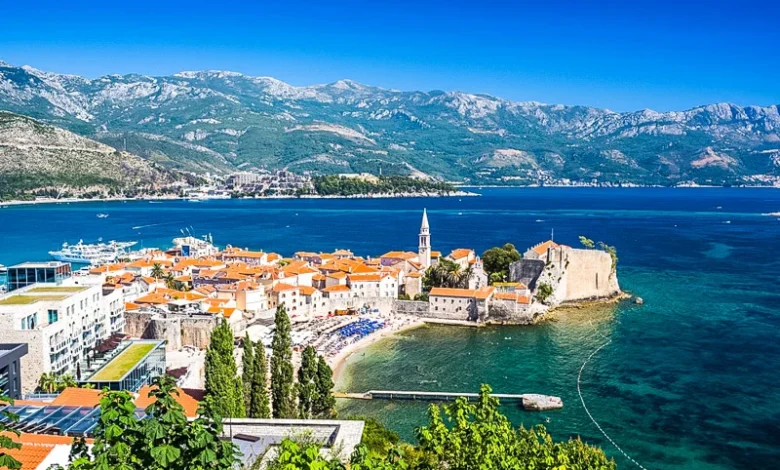
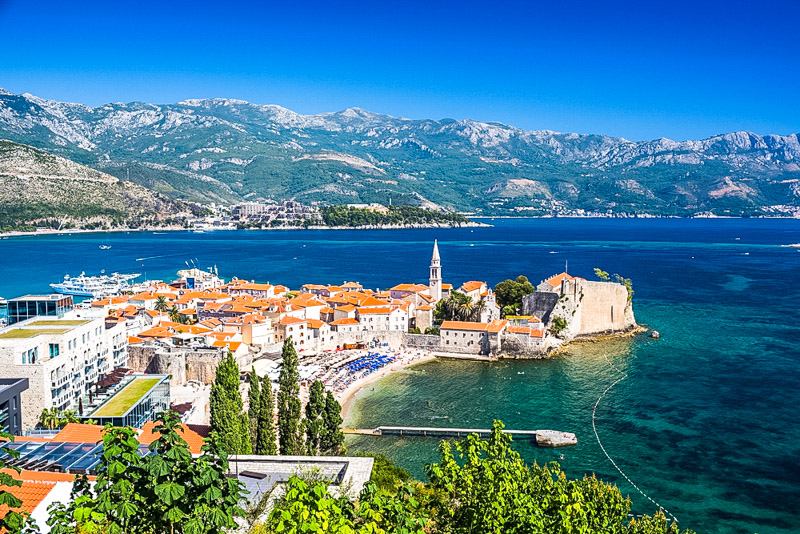
Budva offers a safety index of 62.4 and a daily cost of €365. Montenegro’s tourism board has focused on "quality over quantity," yet Budva remains accessible. The town’s medieval Stari Grad (Old Town) provides a historical backdrop to the Mogren and Budva beaches. Economists suggest that Montenegro’s use of the Euro, despite not being in the Eurozone, provides price stability for international visitors.
Italy and Greece: Strategic Value in Established Markets
Even in traditionally expensive nations, specific geographic "pockets" offer budget-friendly alternatives.

Trieste, Italy
While the Amalfi Coast remains out of reach for many, Trieste—located near the Slovenian border—offers an Italian seaside experience for €375 per day. The city’s history as an Austro-Hungarian port gives it a unique architectural flair, and its "bathing platforms" at Barcola provide a safe, supervised environment for children without the high fees associated with private Italian "bagni."
Thessaloniki, Greece
Thessaloniki serves as a gateway to the Halkidiki peninsula, offering a daily cost of €366 and a safety index of 46.8. By choosing the mainland over the islands, families avoid the "island tax" on food and logistics. The city’s proximity to Waterland, one of Eastern Europe’s largest water parks, provides a high-value entertainment option that balances the cultural weight of the city’s Byzantine monuments.

Larnaca, Cyprus
Larnaca maintains a safety index of 70.3 and a daily cost of €398. It is positioned as a "simple" vacation spot, where the primary value lies in the shallow, warm waters of Finikoudes Beach. Cyprus’s extended summer season—stretching from May to October—allows families to take advantage of "shoulder season" pricing while still enjoying tropical weather.
Broader Impact and Industry Implications
The pivot toward these twelve destinations is expected to have long-term implications for European tourism policy. Tourism boards in "budget" cities are now investing heavily in family-centric infrastructure to capitalize on this shift. For instance, the rise of Albania and Bulgaria is forcing traditional Mediterranean hubs to reconsider their pricing models for family-sized accommodations.

Furthermore, the environmental impact of this shift is under scrutiny. As budget airlines increase flight frequencies to secondary cities like Varna and Sarandë, local governments are facing the challenge of "overtourism" in areas previously unaccustomed to high volumes. Analysts suggest that the future of the European summer will be defined by "managed growth," where affordability is balanced with sustainable urban planning. For the modern family, the 2026 data confirms a vital trend: the European summer is no longer an exclusive luxury, but a diverse market where strategic planning can yield high-value experiences regardless of the bank balance.