The Best Baby Monitors for Travel in 2024: A Comprehensive Guide to Features Safety and Portability

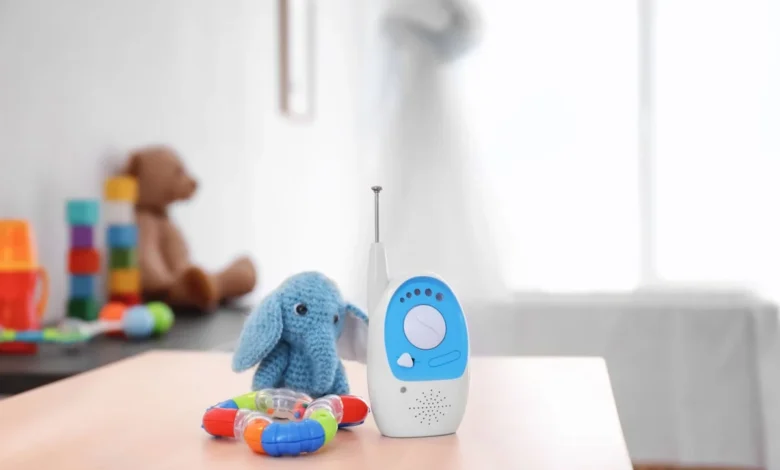
The global baby monitor market, valued at approximately $1.48 billion in 2023, is experiencing a significant shift as modern parents increasingly prioritize mobility and travel-ready gear. For families navigating the complexities of vacations, the decision to invest in a portable baby monitor is often driven by the need for safety and the desire for flexibility in various accommodation types, ranging from traditional hotels to multi-room vacation rentals. While the necessity of a monitor depends heavily on the specific travel environment, industry experts and frequent travelers emphasize that these devices provide a critical layer of security when parents are separated from their sleeping children by walls, floors, or outdoor balconies.

The Evolution of Baby Monitoring Technology: A Historical Chronology
The development of baby monitoring systems has evolved from rudimentary audio transmitters to sophisticated, AI-driven biometric sensors. Understanding this progression provides context for why certain features are now considered essential for travel.
- 1937: The Zenith Radio Nurse: Following the high-profile Lindbergh kidnapping, the first commercial baby monitor was developed. It was a simple audio transmitter designed by Japanese-American sculptor Isamu Noguchi.
- 1980s – 1990s: Analog Expansion: The market saw the rise of 49 MHz analog monitors. These were prone to interference from cordless phones and neighbors’ monitors, offering little in the way of privacy.
- 2000s: Digital Transition and Early Video: The introduction of Digital Enhanced Cordless Telecommunications (DECT) and 2.4 GHz digital signals improved clarity and security. Early video monitors appeared, though they featured low-resolution screens and limited range.
- 2010s: The Wi-Fi Revolution: The integration of smartphone apps allowed parents to monitor their children from anywhere with an internet connection. This era also introduced high-definition video and two-way talk features.
- 2020s: Hybrid Systems and Portability: Current trends focus on hybrid connectivity—offering both dedicated handheld screens and smartphone access—alongside compact designs specifically engineered for the "traveling parent" demographic.
Market Trends and Supporting Data
Recent consumer data indicates that the demand for "smart" baby monitors is growing at a compound annual growth rate (CAGR) of roughly 8%. Travelers, in particular, are moving away from audio-only devices, with video monitors now accounting for over 70% of market share. This preference is attributed to the increased peace of mind provided by visual confirmation, especially in unfamiliar environments where ambient noises might be misinterpreted by an audio-only sensor.

Furthermore, a 2023 survey of traveling parents revealed that 65% prefer non-Wi-Fi monitors for short-term stays. The primary reason cited was the difficulty of connecting smart devices to hotel Wi-Fi networks, which often require "captive portal" logins that standard baby monitors cannot navigate. This has led to a resurgence in the popularity of Frequency Hopping Spread Spectrum (FHSS) technology, which provides a secure, private connection between the camera and the parent unit without requiring an external internet source.
Analysis of Leading Travel Monitoring Solutions
When evaluating the best baby monitors for travel, products are generally categorized by their connectivity type and specialized features. The following analysis highlights the top-performing units based on reliability, ease of setup, and portability.

Best Overall Non-Wi-Fi Monitor: Infant Optics DXR-8 PRO
The Infant Optics DXR-8 PRO remains a gold standard for travelers who prioritize security and ease of use. Utilizing a closed-loop FHSS connection, it bypasses the need for Wi-Fi entirely, making it ideal for hotel rooms and remote rentals. Its standout feature is Active Noise Reduction (ANR), which filters out background sounds like fans or air conditioners, allowing parents to hear only the infant’s movements or cries. The inclusion of interchangeable lenses—allowing for both zoomed-in and wide-angle views—provides the versatility needed for different room layouts.
Best Budget-Friendly Option: HelloBaby 3.2 Inch PTZ
For families seeking a compact, cost-effective solution, the HelloBaby 3.2-inch monitor offers Pan-Tilt-Zoom (PTZ) functionality at a fraction of the cost of premium models. Its small footprint makes it easy to pack, and the VOX (Voice Activated Exchange) mode helps conserve battery life during long evenings on a balcony or in a separate room.

Best Hybrid Handheld and App System: VTech Smart Wi-Fi Monitor
The VTech Smart Wi-Fi Monitor serves the needs of parents who want the reliability of a local handheld screen but also the range of a smartphone app. This 1080p system allows a parent to monitor the child on a dedicated 5-inch screen within the rental property, while another parent might check in via a phone app while at a nearby hotel restaurant or gym.
Best Integrated Ecosystem: Nanit Pro with Flex Stand
For parents who already utilize the Nanit system at home, the Flex Stand is a specialized travel accessory that converts the permanent wall-mounted camera into a portable unit. It retains the brand’s signature features, including breathing motion monitoring and sleep tracking, provided a stable Wi-Fi connection is available.

Technical Considerations: Privacy, Range, and Battery Life
The efficacy of a travel baby monitor is defined by several technical parameters that become even more critical when away from home.
Cybersecurity and Privacy
Wi-Fi-enabled monitors are inherently vulnerable to hacking if the network is not secure. Security experts recommend using monitors with end-to-end encryption and two-factor authentication. For those staying in public-facing accommodations, non-Wi-Fi monitors (FHSS) are technically superior in terms of privacy, as the signal is localized and significantly harder to intercept.

Signal Range and Interference
In a typical vacation rental, thick walls or multiple floors can degrade signal quality. Most modern digital monitors offer a range of 600 to 1,000 feet in open space, but this is often reduced by 50-70% when passing through obstructions. Travelers should look for units with "out-of-range" indicators to ensure they are alerted the moment the connection drops.
Power and Battery Logistics
Battery life is a common pain point. While standard parent units typically offer 10 to 12 hours of use, video streaming significantly drains power. High-end travel monitors often include rechargeable lithium-ion batteries and USB-C charging ports, allowing them to be powered by external power banks—a crucial feature for camping or locations with unreliable electricity.

Regulatory Environment and Safety Standards
The baby monitor industry is subject to rigorous safety standards to prevent accidents, such as strangulation from cords. In the United States, the ASTM International (formerly the American Society for Testing and Materials) maintains standard F2951, which dictates safety requirements for baby monitors. This includes mandatory warning labels regarding cord safety and the requirement that cords be kept at least three feet away from the crib.
Official responses from pediatric health organizations, such as the American Academy of Pediatrics (AAP), emphasize that while monitors are helpful for convenience, they should not be relied upon as medical devices to prevent Sudden Infant Death Syndrome (SIDS). The AAP advocates for safe sleep environments—firm surfaces, no loose bedding—as the primary defense, with monitors serving as a secondary observational tool.

Broader Implications for Modern Parenting and Travel
The proliferation of travel-specific baby monitors reflects a broader cultural shift toward "adventure parenting," where having a young child is no longer seen as a barrier to international travel or remote work. The rise of "digital nomad" families has created a niche for gear that is not only functional but also aesthetically pleasing and highly durable.
However, the reliance on these devices also raises questions about parental anxiety. Psychologists have noted that the constant availability of high-definition video feeds can sometimes increase stress levels, as parents may spend their leisure time over-analyzing every movement of a sleeping child. Despite this, the consensus remains that the practical benefits—such as the ability to enjoy a meal in a separate part of a villa while the baby sleeps safely—outweigh the potential for over-monitoring.

Conclusion and Future Outlook
As technology continues to advance, the next generation of travel baby monitors is expected to integrate more AI-driven features, such as cry translation and automatic temperature adjustments via smart-home integration. For the contemporary traveling family, the "best" monitor is one that balances the high-tech requirements of modern life with the rugged, simple reliability needed when far from home. Whether through a dedicated high-end device or a clever use of existing tablets and apps, the goal remains the same: ensuring the safety of the child and the peace of mind of the parent, regardless of the destination.