Ecologists Embark on a Vital Quest to Map and Protect Scotland’s Last Ancient Scots Pine Forests

A new short documentary, "The Pine Hunters," casts a spotlight on the critical mission of two dedicated ecologists, James Rainey and Jane Sayers, from the conservation charity Trees for Life. Their compelling journey takes viewers deep into the Scottish Highlands, where they are meticulously searching for the last vestiges of Scotland’s once-mighty wild forests – the venerable Scots pine. This endeavor is not merely an academic exercise but a race against time to identify and safeguard the precious, scattered remnants of an ecosystem teetering on the brink. What was once a sprawling, ancient wilderness, vital to Scotland’s ecological identity, has been reduced to tiny, threatened pockets, making the work of Rainey and Sayers more urgent than ever.
The Vanishing Giants: A Historical Perspective on Scotland’s Forests
The Scots pine (Pinus sylvestris) holds a distinguished place in the natural history of the British Isles. As a native species to the Scottish Highlands, it was among the first trees to re-establish itself in Britain following the retreat of the last ice age, approximately 10,000 years ago. For millennia, deep, dark, ancient forests, dominated by these resilient conifers, blanketed vast swathes of what is now Scotland, forming the legendary Caledonian Forest. This primeval woodland was a complex and rich ecosystem, home to an incredible array of biodiversity, including iconic species such as the capercaillie, red squirrel, pine marten, and Scottish crossbill, many of which are now endangered or severely restricted in their range.
The decline of this magnificent forest is a tragic saga spanning centuries, driven by a complex interplay of human activity and environmental pressures. While some early clearances occurred during the Neolithic period for agriculture, the most significant impacts began in the medieval era. Timber was a crucial resource for shipbuilding, housing, and fuel. However, the pace of deforestation accelerated dramatically from the 17th century onwards, fueled by the demands of the Industrial Revolution. Vast quantities of timber were felled for construction, charcoal production, and the burgeoning iron industry. The 18th and 19th centuries saw further devastation as land was cleared for sheep farming, driven by economic policies and the infamous Highland Clearances, which replaced trees and communities with vast, treeless grazing lands.
The 20th century delivered further blows. Both World Wars led to immense exploitation of remaining woodlands for strategic timber reserves, with little thought given to replanting native species. By the mid-20th century, the Caledonian Forest, which once covered an estimated 1.5 million hectares, had shrunk to a mere fraction of its original extent, with some estimates suggesting less than 2% of the original ancient woodland remains today. This fragmentation has left surviving Scots pines isolated, vulnerable, and struggling to regenerate naturally.
The Modern-Day Quest: Methods and Challenges
In their mission, Rainey and Sayers employ a blend of historical research and intrepid fieldwork. Rainey’s initial phase involves poring over old maps and historical records, seeking out subtle clues that hint at unlisted pockets of woodland. Gaelic place names, for instance, often provide vital indicators. Terms like "Coille" (wood), "Doire" (grove), or "Fearn" (alder, often found alongside pines) can signal areas where trees once thrived or might still persist. These historical linguistic markers, combined with modern satellite imagery and topographical maps, help them pinpoint potential sites that have escaped contemporary surveys.
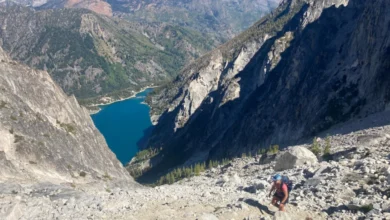
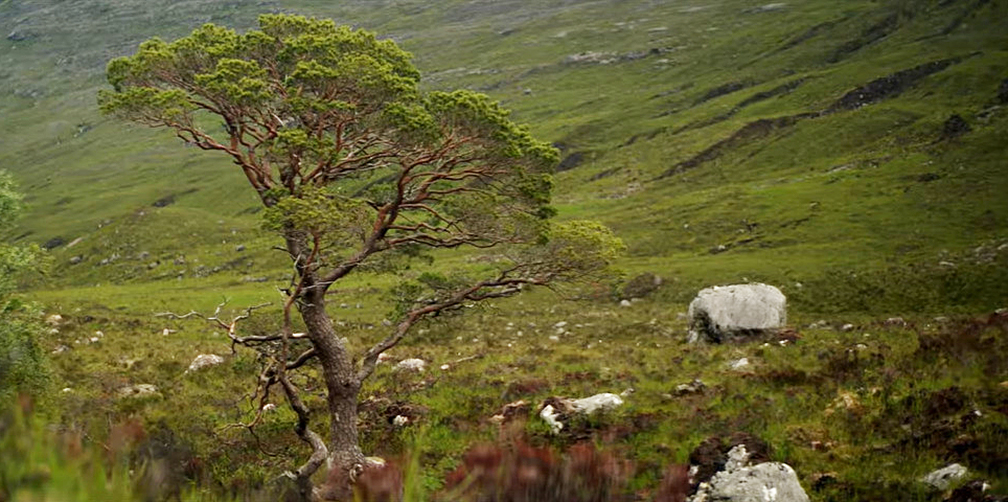
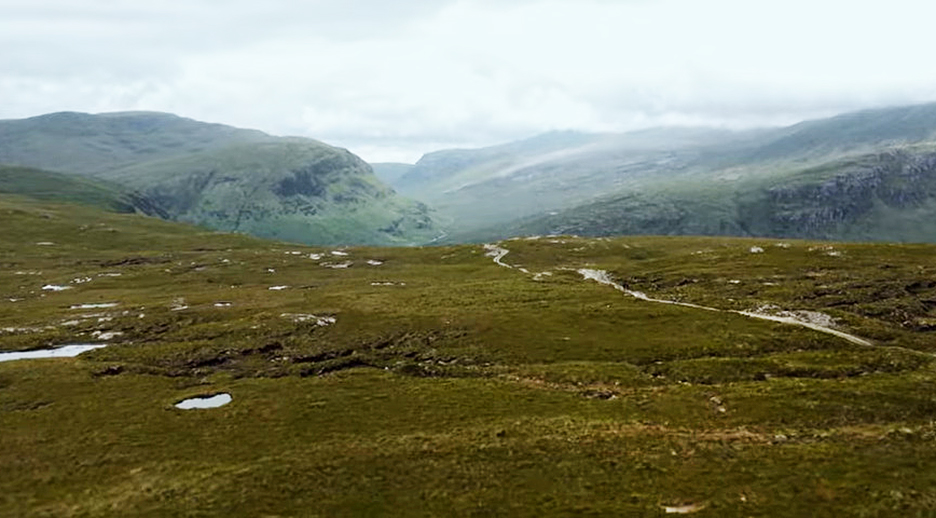
Once a promising location is identified, the real work begins: a physical expedition into the often-remote and rugged terrain of the Highlands. The documentary captures the essence of this challenging process, showcasing the ecologists navigating vast, treeless landscapes that offer little immediate evidence of their historical arboreal grandeur. The particular spot they choose to investigate is described by Rainey as one of the "biggest areas of decline," a region where 16th-century accounts described a dense forest, yet today presents a starkly different, barren vista. This dramatic transformation underscores the scale of the ecological loss they are attempting to reverse.
A Glimmer of Hope: The Lone Survivor
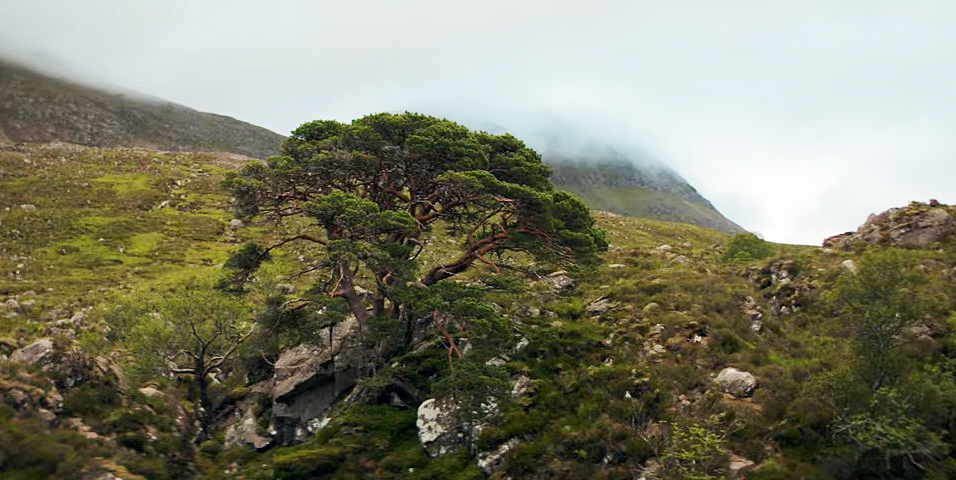
As Rainey and Sayers trek through the desolate, windswept hills, the prospect of finding a living pine appears increasingly remote. The landscape, while dramatically beautiful with its expanses of grass and stone, seems devoid of the ancient trees they seek. Then, a moment of triumph. Jane Sayers spots a darker patch of green nestled against a rocky crag. It is a single, gnarled, and twisted wild Scots pine – a solitary sentinel standing against the forces that have decimated its kin.
The discovery of this lone tree is more than just finding a specimen; it’s a testament to resilience and a beacon of hope. The ecologists meticulously take measurements of the old tree, documenting its size, health, and location. Near its roots, they make another poignant discovery: several small, stunted seedlings. Cradling one of these "rather pitiful little sprouting[s]," Rainey estimates it to be around six years old. However, its diminutive size is a stark indicator of the severe challenges facing natural regeneration in the area. Under healthier conditions, a six-year-old Scots pine seedling would be significantly larger, demonstrating the harsh environmental pressures at play.
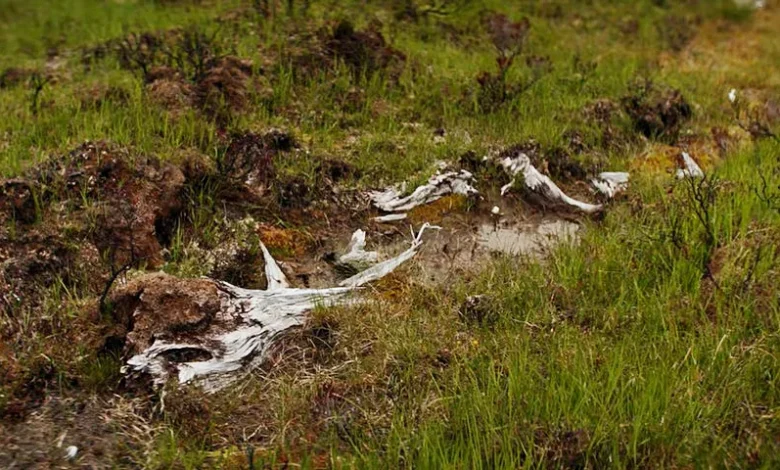
The surrounding landscape also bears the grim evidence of what has been lost. The ground is littered with "stumps, the dry footprints of felled pines." These bleached, protruding remnants, captured starkly by the documentary’s cinematography, evoke an unsettling image of bones, silent witnesses to past destruction. The lone living pine’s survival, it becomes clear, is largely due to its precarious position, stuck halfway into a ravine, offering it a degree of protection from the primary threat to its fellows: overgrazing.
The Threats Persist: Overgrazing and Lack of Regeneration
The inability of Scots pine seedlings to grow and mature in many parts of the Highlands is overwhelmingly attributed to overgrazing, primarily by deer and sheep. With the decline of natural predators such as wolves and lynx, deer populations have often grown unchecked. Coupled with extensive sheep farming, this has created an environment where young tree shoots are constantly browsed, preventing them from ever reaching maturity. The stunted seedlings found by Rainey and Sayers are direct evidence of this persistent pressure.

The consequences of this lack of regeneration extend far beyond the absence of trees. The Scots pine is a keystone species, meaning its presence is crucial for the health and stability of the entire ecosystem. When the pines vanish, the complex web of life they support unravels. This includes a multitude of insects, fungi, birds, and mammals that depend on the trees for food, shelter, and breeding grounds. The loss of forest cover also contributes to soil erosion, alters water cycles, and reduces the land’s capacity to sequester carbon, exacerbating climate change impacts. The "silent extinction" of these associated species, clustered into ever-smaller patches of holdout, paints a grim picture of ecological collapse.
Rewilding Scotland: The Vision of Trees for Life and Other Initiatives
Amidst this ecological challenge, organizations like Trees for Life offer a powerful vision for recovery. Founded in 1993, Trees for Life is dedicated to rewilding the Scottish Highlands by restoring the Caledonian Forest. Their work encompasses a multifaceted approach: planting hundreds of thousands of native trees, managing deer populations to allow natural regeneration, removing non-native species, and engaging local communities and volunteers in the restoration process. They advocate for a holistic approach, understanding that true forest recovery requires not just planting trees, but restoring the entire ecological fabric.
The efforts of such organizations are increasingly supported by broader governmental commitments. The Scottish Government’s Scottish Forestry Strategy aims to increase woodland cover and promote sustainable forest management, setting ambitious targets for new tree planting, including native species. There is growing recognition of forests’ crucial role in climate change mitigation, with targets for carbon sequestration driving new initiatives. Beyond Trees for Life, a growing "rewilding" movement in Scotland seeks to restore natural processes across landscapes, allowing ecosystems to self-regulate and thrive, with the Scots pine at the heart of this ambition. Collaboration between conservation groups, private landowners, government agencies, and the public is seen as essential for scaling up these restoration efforts.
Beyond the Trees: Ecological, Cultural, and Economic Significance
The restoration of Scots pine forests holds profound significance on multiple levels. Ecologically, these forests are indispensable. They provide critical habitat for unique biodiversity, stabilize soils, regulate water flow, and act as vital carbon sinks, absorbing atmospheric CO2. Culturally, the Scots pine is Scotland’s national tree, a symbol of resilience, endurance, and the wild spirit of the Highlands. Its deep roots in Scottish history and folklore resonate with national identity.
Economically, thriving native woodlands can support sustainable timber industries, though the primary focus for ancient woodland restoration is ecological. More significantly, healthy ecosystems underpin a burgeoning ecotourism sector, attracting visitors keen to experience Scotland’s natural beauty and wildlife. This generates revenue and creates green jobs, contributing to local economies. Furthermore, natural woodlands play a crucial role in climate change resilience, offering natural flood management and enhancing the landscape’s ability to adapt to environmental shifts.
The Path Forward: Challenges and Optimism
The work of ecologists like James Rainey and Jane Sayers, documented in "The Pine Hunters," is a vital step in this long journey. By meticulously mapping and understanding the remaining fragments of the Caledonian Forest, they provide critical data for targeted conservation and restoration efforts. Their discoveries, even of a single, struggling pine or a cluster of stunted seedlings, reinforce the urgent need for continued vigilance and active management to protect these survivors.
The scale of the task ahead is immense, requiring sustained commitment and investment. Yet, Rainey’s concluding sentiment remains one of hope: "You can see the potential for these areas to recover." This optimism is not naive; it is grounded in the understanding that nature, given a chance and a helping hand, possesses an extraordinary capacity for regeneration. Documentaries like "The Pine Hunters" are instrumental in raising public awareness, fostering a deeper connection to Scotland’s natural heritage, and inspiring collective action towards a future where the ancient Caledonian Forest can once again flourish across the Highlands. The journey to restore these majestic woodlands is a testament to human dedication and the enduring power of nature.