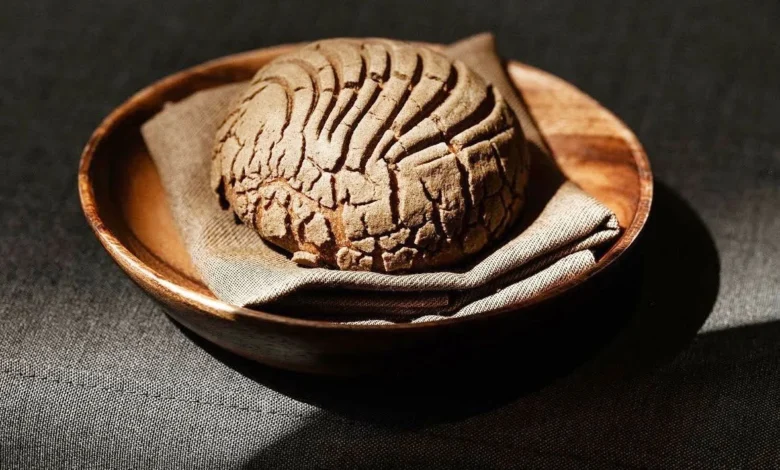
In the heart of Seattle, a culinary transformation began in 2017, sparked by Mariela Camacho, the eldest daughter of Mexican immigrants. What started as a venture baking sourdough loaves for local coffee shops soon pivoted towards a deeper connection with her heritage. Camacho set her sights on mastering the concha, the iconic, catcher’s-mitt-sized sweet bun, a ubiquitous presence in Mexican panaderías. The path, however, was unpaved. "My family cooks, but they don’t bake, so I had to figure it out myself," she recalled. "Nine years ago conchas were not cool, so I had to basically teach myself."
Today, Camacho’s dedication has blossomed into Comadre Panadería, a vibrant, bubblegum-pink shop in Austin, Texas, where she crafts conchas in a dazzling array of modern flavors. Gone are the days of simple vanilla and chocolate; her creations now feature sophisticated infusions like Earl Grey and vanilla, hot chocolate with saffron and guajillo, and the delicate aroma of brown butter lavender. This reinvention is not an isolated incident. Across the United States, contemporary conchas are experiencing a significant cultural and culinary renaissance, appearing on menus in bustling metropolises and charming small towns alike.
A Culinary Phenomenon Takes Hold
The concha’s surge in popularity is evident in its widespread presence. In New York City, establishments like Vato and Cosme are offering their interpretations, while Los Angeles boasts Santa Canela and My Panecito. Even Vermont has joined the trend with Atla’s Conchas. The phenomenon has reached unexpected heights, with fast-food giant Popeyes collaborating with Tequila Don Julio to introduce a Tequila Don Julio-flavored concha chicken sandwich during the high-profile Super Bowl. This collaboration, while perhaps surprising, underscores the concha’s growing mainstream appeal.
A particularly telling indicator of the concha’s evolving status arrived in February at La Rue Doughnuts in Dallas. This French bakery, known for its delicate pastries, fused the concha with the croissant, creating the "croncha." Amy La Rue, the owner, described the innovation as "an organic way to bring together the cultures in our kitchen," a nod to her predominantly Mexican staff. The croncha, layered like a croissant and topped like a concha, captivated diners, drawing lines that stretched down the block and solidifying the concha’s position as a pastry deserving of recognition alongside esteemed French creations.
Data Reflects the Concha’s Ascendancy
The growing prominence of the concha is not merely anecdotal; it is supported by concrete data. According to Datassential, a leading food industry research group, menus featuring conchas have seen a remarkable 68% increase in the past four years. This growth is particularly pronounced among younger demographics, with 53% of Gen Z diners expressing "definitely interested" in trying a concha, a higher percentage than any other generation. This indicates a strong and sustained appetite for this traditional Mexican pastry, especially among those who are shaping the future of culinary trends.
Erick Rocha, a pastry chef at Corima in Manhattan and the all-day cafe Vato in Park Slope, Brooklyn, where conchas frequently sell out, observes this shift firsthand. "We’re bringing our childhood memories to the table, and now people are paying attention," he stated. "A lot of us are putting conchas on the map for the American public." This sentiment highlights a broader movement among second-generation bakers and chefs to celebrate and reintroduce their cultural heritage through familiar yet innovative culinary expressions.

The Deep Roots of the Concha
The concha’s journey is steeped in history, tracing its origins back to the 16th century with the arrival of wheat in Spanish colonies. The tradition of pan dulce (sweet bread) evolved significantly in the 19th century, influenced by French patisserie techniques. Conchas, in particular, became a staple in Mexico City’s cafés de chinos, Chinese-owned diners that flourished in the early 20th century. Over generations, the concha transcended its initial classic vanilla and chocolate iterations, evolving into more complex and expressive forms, such as those scented with hoja santa (sacred herb) at the acclaimed Panadería Rosetta in Mexico City.
Innovation Meets Tradition: A New Wave of Conchas
In the United States, a new generation of pastry chefs is skillfully adapting the concha, imbuing it with flavors that reflect both their heritage and their contemporary surroundings. This often involves incorporating elements like brioche dough or sourdough starters, or utilizing heirloom grains, premium cacao, and authentic Mexican cinnamon and vanilla.
Rocha’s approach at Vato exemplifies this fusion. "We took inspiration from the cultural biodiversity of New York City," he explained, referencing his conchas filled with bright yuzu curd and a toasted totomoxtle (corn husk) chantilly cream. This innovative filling offers a zesty counterpoint to the sweet bread, showcasing a thoughtful integration of diverse flavors.
Similarly, Mariela Camacho at Comadre Panadería centers her menu around meticulously sourced Mexican ingredients. She employs fresh masa, high-quality cacao, and flours like Yecora Rojo and Sonora wheat. "It feels very appropriate to use flour grown in the Sonora Desert, which stretches into northern Mexico," Camacho remarked, emphasizing the connection between her ingredients and her ancestral lands. This commitment to regional sourcing not only enhances the flavor profile but also serves as a testament to the agricultural richness of Mexico.
Challenging Norms, Honoring History
At Atla’s Conchas, a micro-bakery nestled in Randolph, Vermont, husband-and-wife team Mauricio Lopez Martinez and Caroline Anders are crafting conchas with a distinct philosophy. They adhere to a traditional Oaxacan recipe, subtly scented with ground anise and vanilla. However, their departure from convention lies in their use of unsifted, house-milled "full inclusion" flour. This method, both technically precise and ideologically driven, retains all three components of the wheat berry: the bran, the germ, and the endosperm. In contrast, conventional white flour is sifted to isolate the starchy endosperm, stripping away valuable nutrients and flavor.
"We put the wheat berries in the mill and the flour that comes out is exactly what we use," Anders explained. "White flour was brought over by the conquistadors as a sign of wealth. Part of challenging that history is challenging the idea that white flour is superior." Their approach is a deliberate act of culinary and historical reclamation, elevating a staple ingredient by returning it to its unadulterated form and consciously rejecting colonial legacies.
The Concha as a Canvas for Cultural Reclamation
For many bakers, the concha has become more than just a pastry; it is a potent symbol of cultural reclamation and a versatile canvas for creative expression. It represents an elevation of an everyday treat, approached with the same rigor and inventiveness typically reserved for classic European pastries.

Fany Gerson, owner of Fan-Fan Doughnuts, who grew up in Mexico City where conchas were a morning ritual, sees the concha’s rising popularity as part of a larger cultural shift. "Mexico is so influential in the U.S., and in the last decade Mexico City has become one of the most popular places to visit," Gerson observed. "The concha feels familiar, and like a donut, it’s a canvas for flavor." Her own pop-up creations, such as hibiscus-vanilla conchas filled with passion fruit curd, black sesame conchas with horchata cream, and corn masa conchas filled with fresh corn custard, demonstrate the boundless potential for flavor innovation.
Ellen Ramos, pastry chef at Santa Canela in Los Angeles, part of the Muy Salsa restaurant group, echoes this sentiment. Inspired by the legacy of East LA institutions like El Águila Bakery, where she spent her childhood, Ramos reimagines traditional recipes with contemporary flavors. Her conchas have featured profiles like cookies and cream, orange blossom, and speculoos. The immense popularity of Santa Canela has spurred plans for expansion, including two additional locations in California and a kiosk at Burbank Airport, further solidifying the concha’s place in the American culinary landscape.
Ramos embraces the ongoing experimentation, even with unconventional hybrids like the croncha. "It’s okay to push boundaries," she stated. "The concha is a way to carry tradition through our own lens so it lives on." This perspective underscores a vital aspect of culinary evolution: tradition is not static but a living entity, constantly reshaped and reinterpreted by new generations.
The Future is Sweet: Where to Find Contemporary Conchas
The proliferation of innovative conchas across the country offers a delicious opportunity for culinary exploration. Here are some notable establishments leading the charge:
- Comadre Panadería, Austin, Texas: Known for its vibrant colors and modern flavor combinations.
- Santa Canela, Los Angeles, California: Offering reimagined classics with creative fillings and flavor profiles.
- My Panecito, Los Angeles, California: A dedicated spot for exquisite pan dulce, including inventive conchas.
- Fan-Fan Doughnuts, Brooklyn, New York: Showcasing a playful and experimental approach to conchas and other pastries.
- Vato, Brooklyn, New York: A popular destination for conchas that frequently sell out, reflecting high demand.
- Cosme, Manhattan, New York: A fine-dining establishment that has also embraced the concha’s potential.
- Atla’s Conchas, Randolph, Vermont: Championing traditional recipes with a commitment to unadulterated, heritage grains.
- La Rue Doughnuts, Dallas, Texas: The birthplace of the celebrated "croncha," a croissant-concha hybrid.
The sweet ascent of the concha is a testament to its enduring appeal and its capacity for reinvention. As bakers continue to draw inspiration from their heritage and their surroundings, this beloved Mexican pastry is poised to capture even more hearts and palates across America and beyond, proving that tradition and innovation can indeed create a perfectly sweet union.
Related posts: