Poland Emerges as a Premier European Family Travel Destination Offering Historical Depth and Modern Affordability


While the traditional "Grand Tour" of Europe has long focused on the historical capitals of London, Paris, and Rome, a shift in travel sentiment is bringing Central Europe—and Poland in particular—into the spotlight for family-oriented excursions. Long overshadowed by its neighbors to the west and south, Poland is increasingly recognized by travel analysts and advisors as a destination that offers a unique trifecta of medieval preservation, poignant wartime history, and a modern infrastructure specifically tailored to families. This evolution comes at a time when Western European tourism hubs are grappling with "over-tourism" and record-high costs, positioning Poland as a high-value alternative that does not compromise on cultural richness or safety.
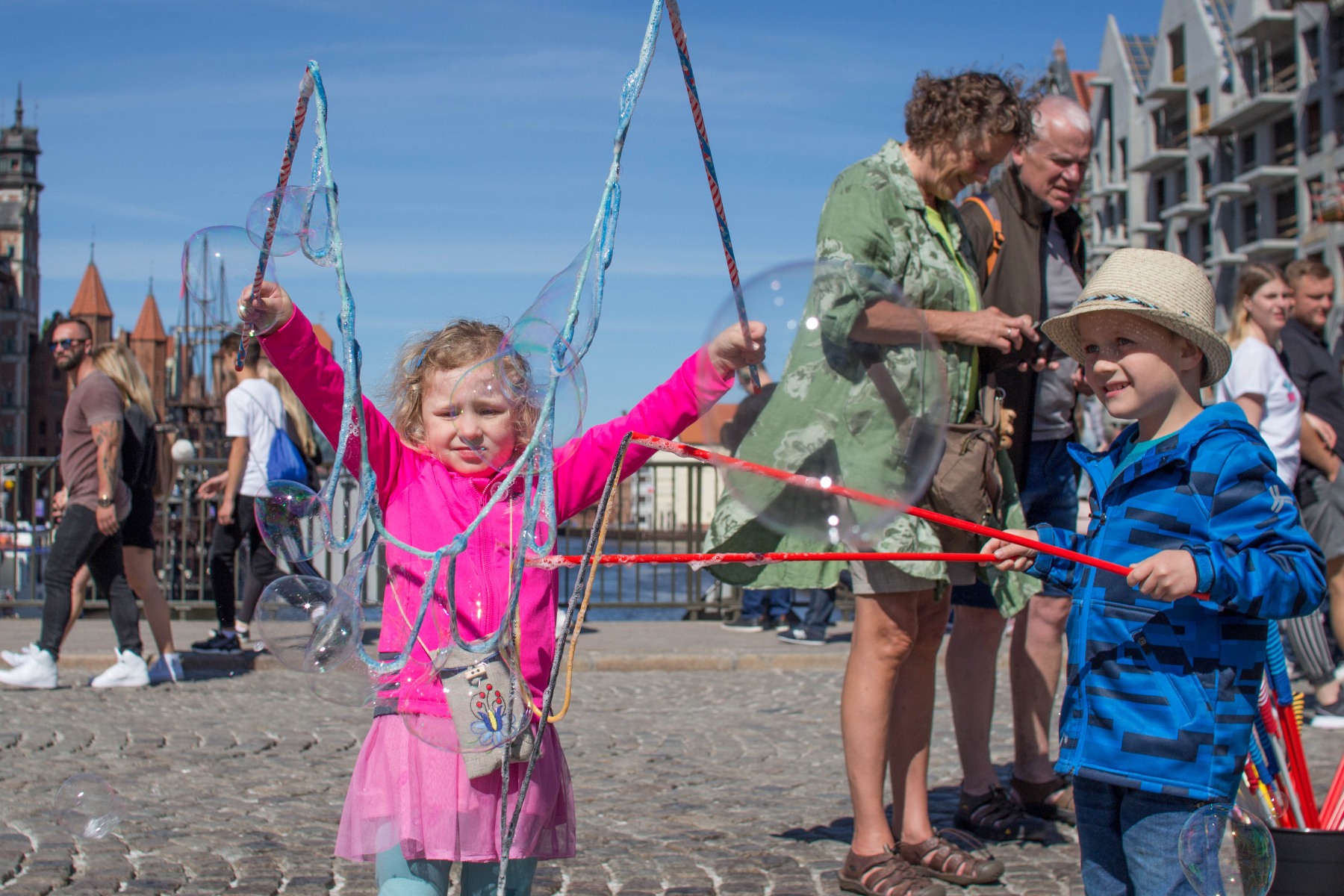
According to data from the Polish Tourism Organisation, the country has seen a steady recovery in international arrivals following the global pandemic, with a notable increase in visitors from North America and Western Europe seeking "authentic" experiences. Travel experts, including Loren Braunohler, a specialized advisor who resided in Poland for three years, suggest that the country’s appeal lies in its "lived-in" feel. Unlike museum-heavy cities where history can feel distant, Polish cities integrate their historical narratives into the daily rhythm of life, making them more accessible to younger travelers.
The Economic Advantage: High-Value Experiences at a Lower Price Point
One of the primary drivers of Poland’s rising popularity is its relative affordability. Despite being a member of the European Union, Poland retains its own currency, the złoty (PLN). This economic distinction provides travelers from the United States, Canada, and the United Kingdom with significant purchasing power. In a comparative analysis of European travel costs, a family of four can often secure a high-quality sit-down dinner in a major Polish city for roughly 150 to 200 PLN ($38 to $50 USD), a price point that would likely cover only a single entrée in London or Zurich.
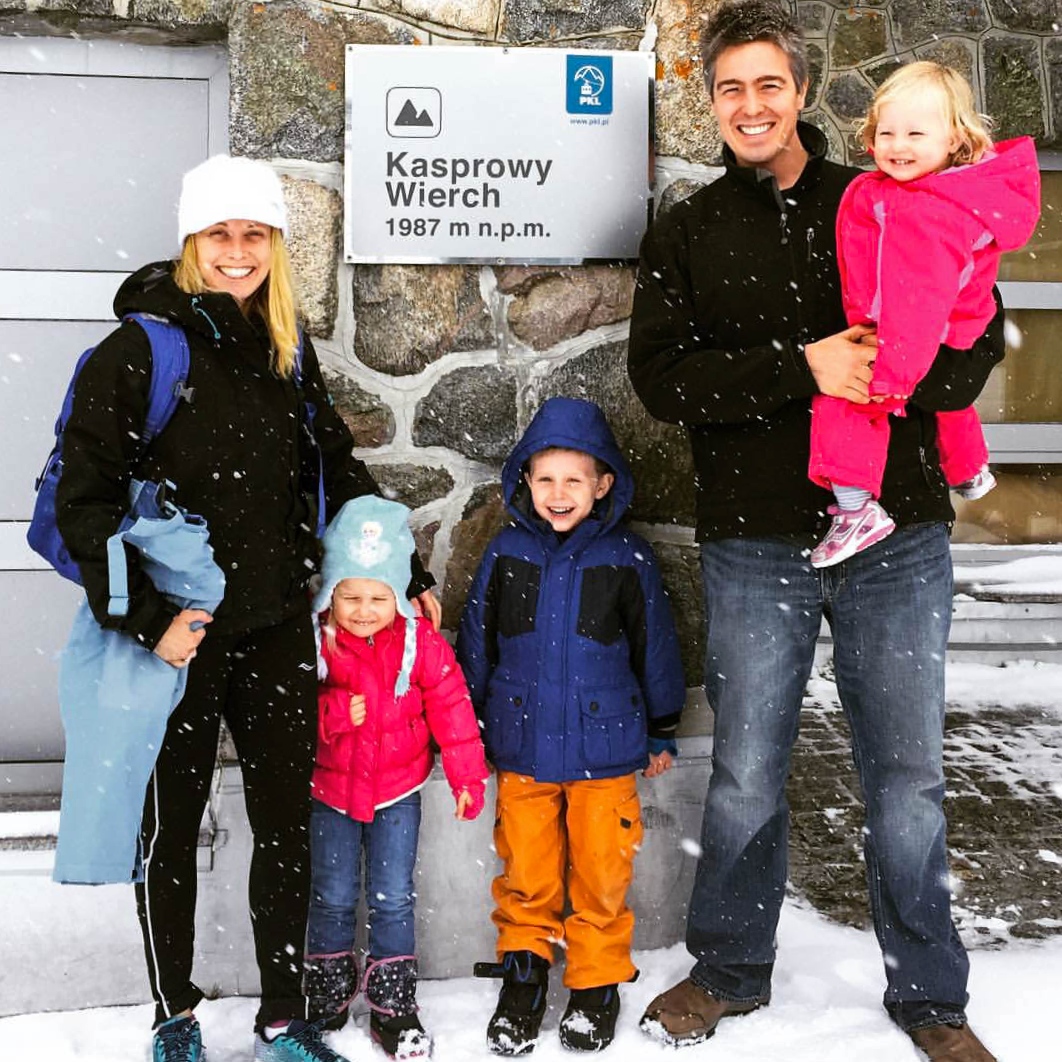
This affordability extends beyond dining to high-value activities. For instance, private ski lessons in the Tatra Mountains or guided tours of UNESCO World Heritage sites are priced at a fraction of the cost found in the Swiss Alps or the French Riviera. This economic flexibility allows families to "say yes" to upgrades, such as staying in historic boutique hotels or booking specialized private guides, which might be cost-prohibitive elsewhere in Europe.
A Tale of Two Cities: The Resilience of Warsaw and the Preservation of Kraków
The Polish travel experience is often defined by the contrast between its two most prominent cities: Warsaw and Kraków. Each offers a different perspective on European history and urban development.
Warsaw: A Masterclass in Reconstruction
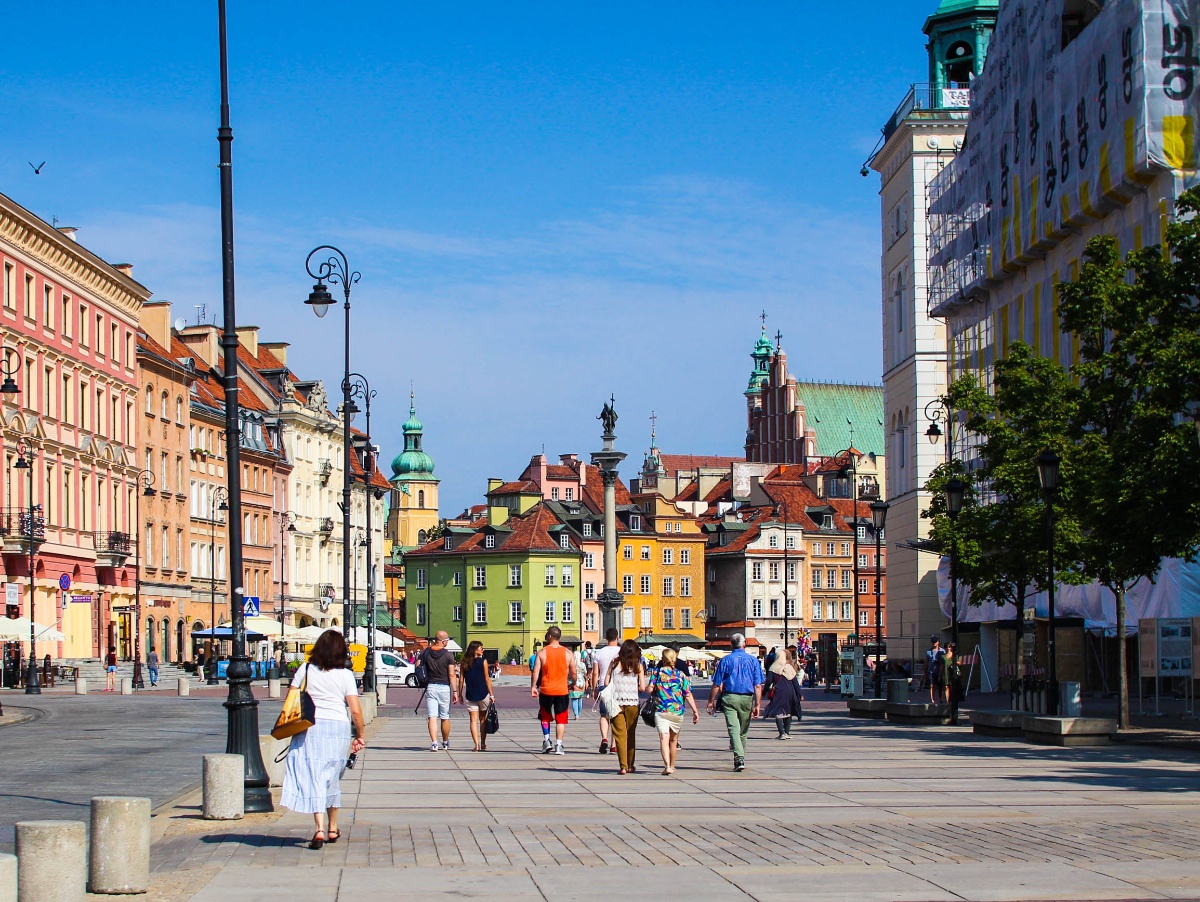
Warsaw, the capital, serves as a testament to resilience. Having been nearly leveled during World War II, the city’s Old Town (Stare Miasto) was meticulously rebuilt using 18th-century paintings by Canaletto as a blueprint. This reconstruction was so successful that it earned a place on the UNESCO World Heritage list as an outstanding example of a near-total reconstruction of a span of history. For families, Warsaw offers a more metropolitan, high-energy atmosphere with world-class museums like the POLIN Museum of the History of Polish Jews and the Warsaw Uprising Museum, both of which utilize interactive technology to engage older children and teenagers.
Kraków: The Intact Medieval Core
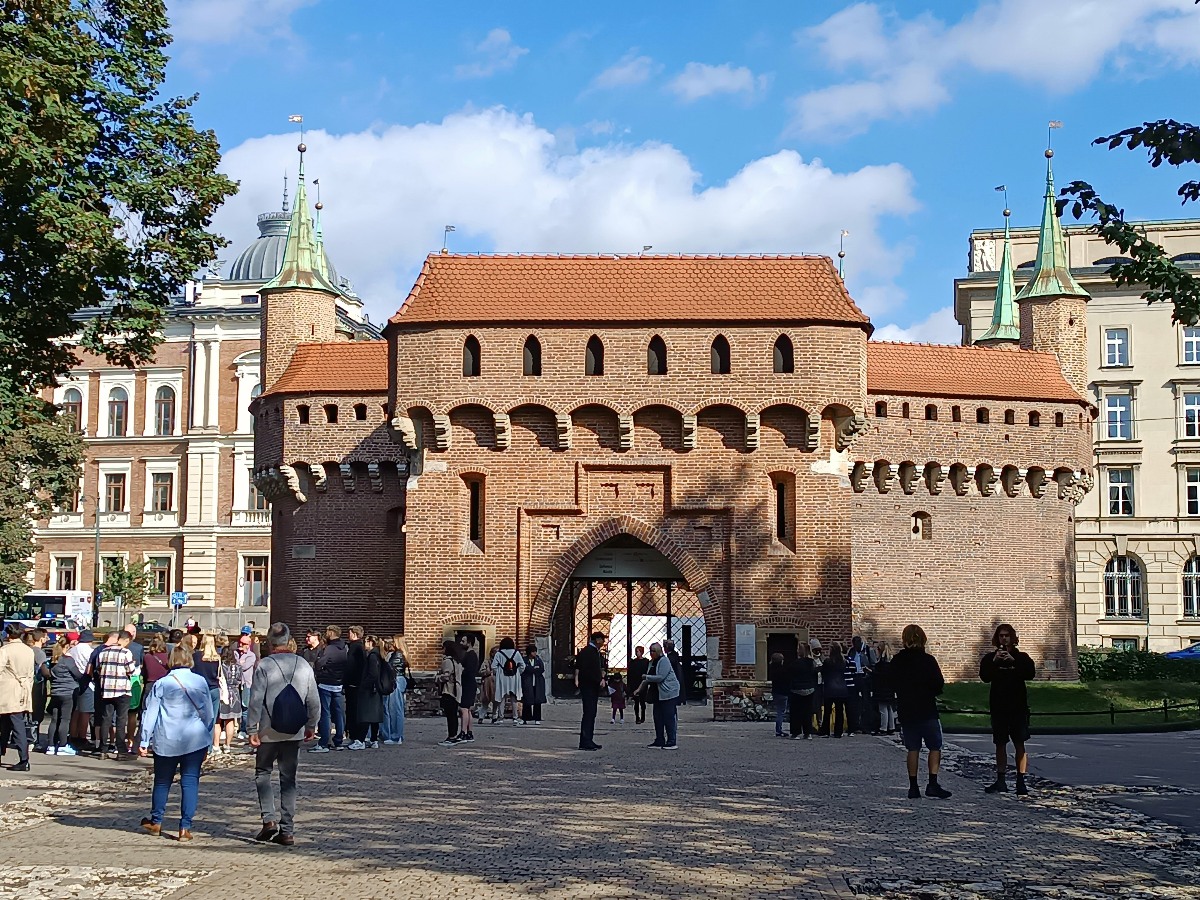
In contrast, Kraków was largely spared the physical destruction of the 20th century, leaving its medieval fabric intact. The Rynek Główny (Main Market Square) is one of the largest medieval squares in Europe and remains the heart of the city. Braunohler highlights the "ritual magic" of Kraków, such as the Hejnał Mariacki—a trumpet signal played every hour from the tower of St. Mary’s Basilica that stops abruptly to commemorate a 13th-century trumpeter shot while warning the city of invaders.
Surrounding the old city is the Planty Park, a four-kilometer ring of greenery that replaced the ancient city walls. This pedestrianized zone provides a safe, shaded corridor for families to walk or cycle between attractions, effectively creating a "green lung" in the center of a bustling urban environment.
Chronology of Tourism Development and Infrastructure
The trajectory of Poland’s tourism infrastructure has been marked by several key milestones over the last three decades:
- Post-1989 Transition: Following the fall of the Iron Curtain, Poland began a rapid modernization of its service industry, transitioning from state-run hospitality to a competitive private market.
- EU Accession (2004): Joining the European Union brought significant investment in transportation. The development of the PKP Intercity rail network and the modernization of highways made travel between major hubs like Gdańsk, Warsaw, and Kraków seamless.
- Euro 2012: Hosting the UEFA European Championship spurred a massive overhaul of airports and public transit systems, ensuring that even mid-sized cities became accessible to international travelers.
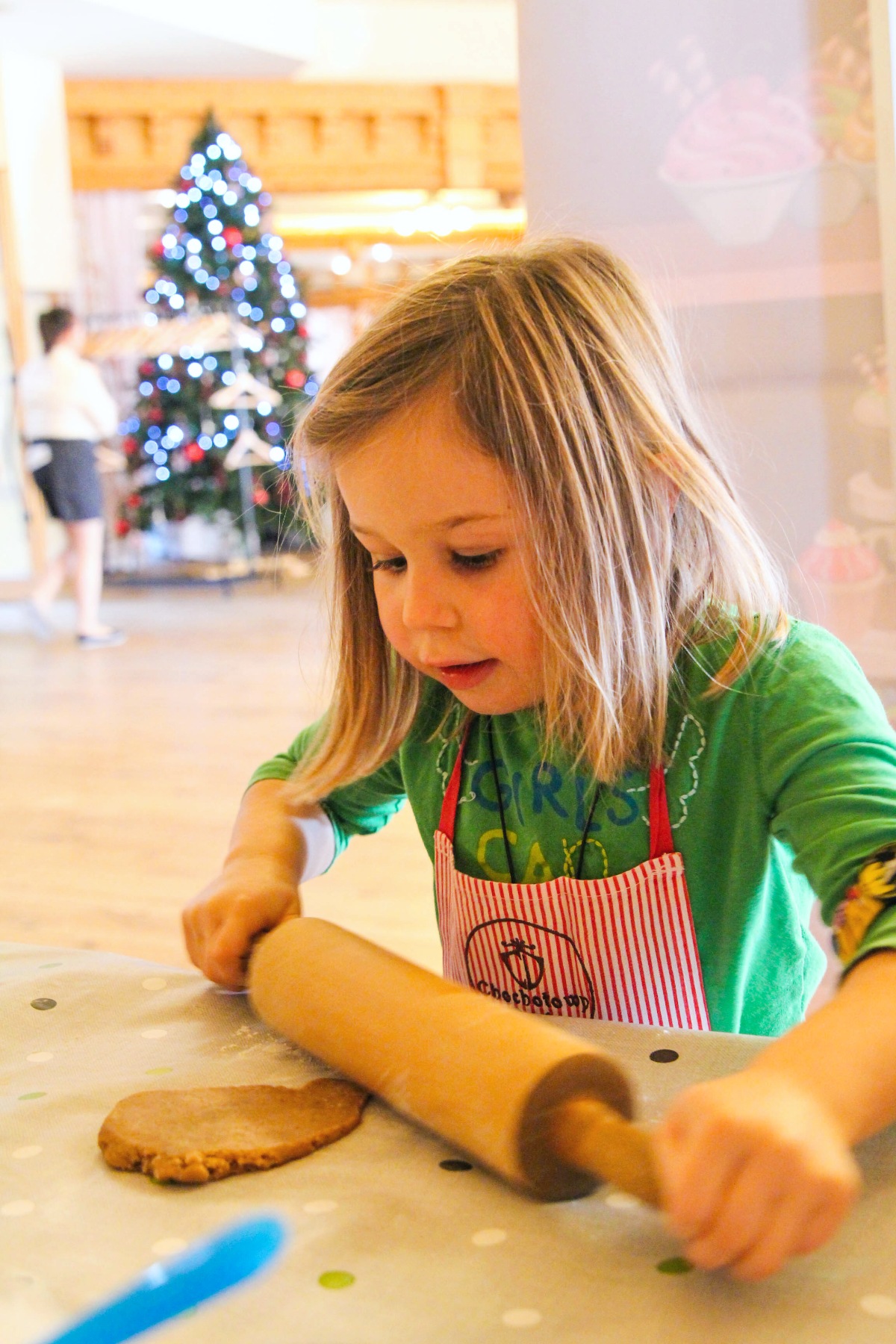
- The Modern Family Pivot (2015–Present): A cultural shift within the Polish hospitality sector has seen restaurants and public spaces adopt a "child-first" mentality. It is now common to find dedicated playrooms in restaurants and staff members tasked with organizing crafts for young diners, allowing parents a level of relaxation rarely found in high-end Western European establishments.
Regional Diversity: From the Baltic Sea to the Alpine Peaks
While the cities are the primary draw, Poland’s diverse geography offers varied experiences for families with different interests.
The Tatra Mountains (Zakopane)
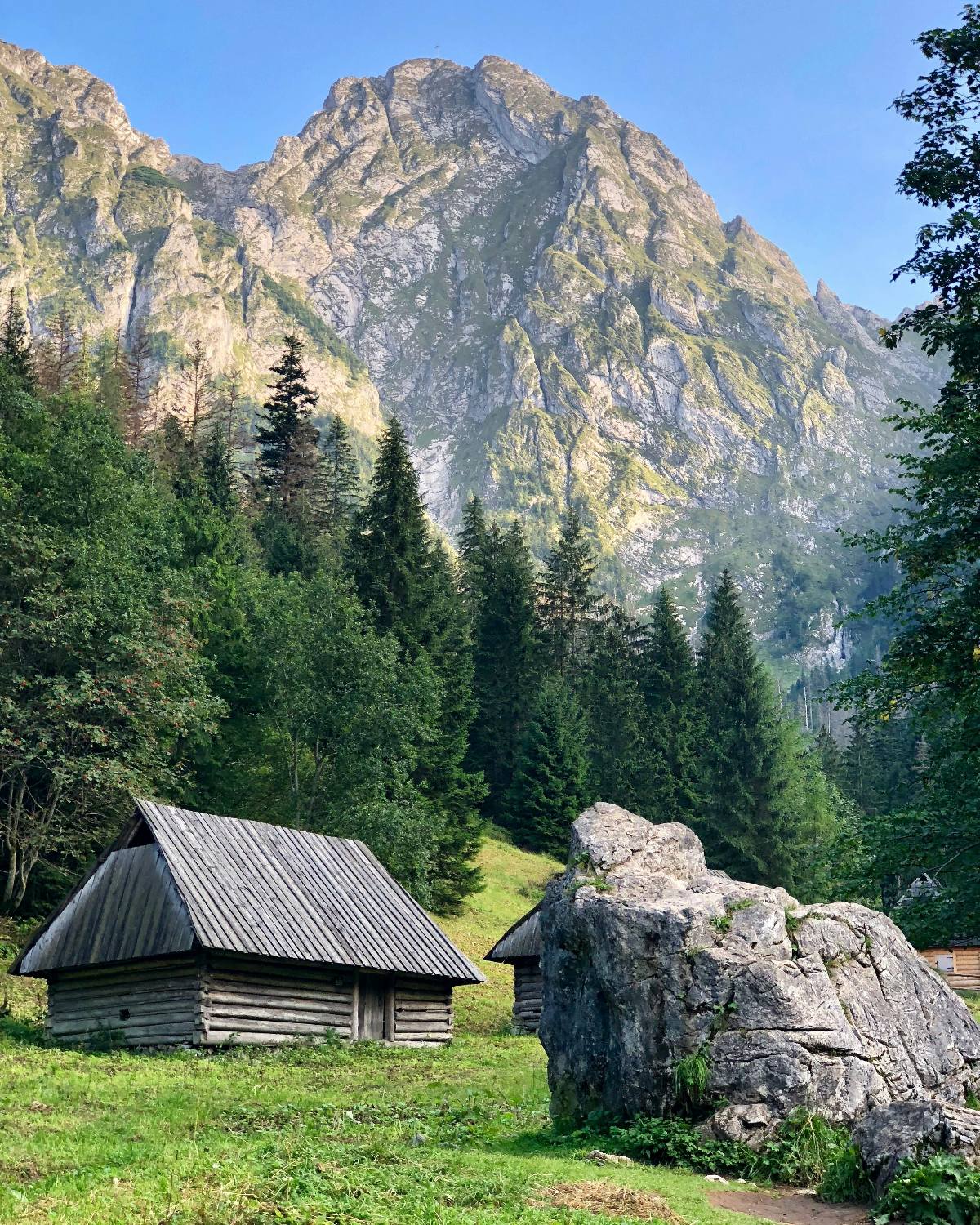
In the south, the town of Zakopane serves as the gateway to the Tatra Mountains. Known for its unique "Zakopane Style" architecture—characterized by intricate woodwork and steep roofs—the region offers a distinct highland culture. In winter, it is a hub for family-friendly skiing, while the summer months offer "hut-to-hut" hiking trails. These trails are well-marked and range in difficulty, making them accessible for families with elementary-age children.
The Baltic Coast (Gdańsk and the Hel Peninsula)
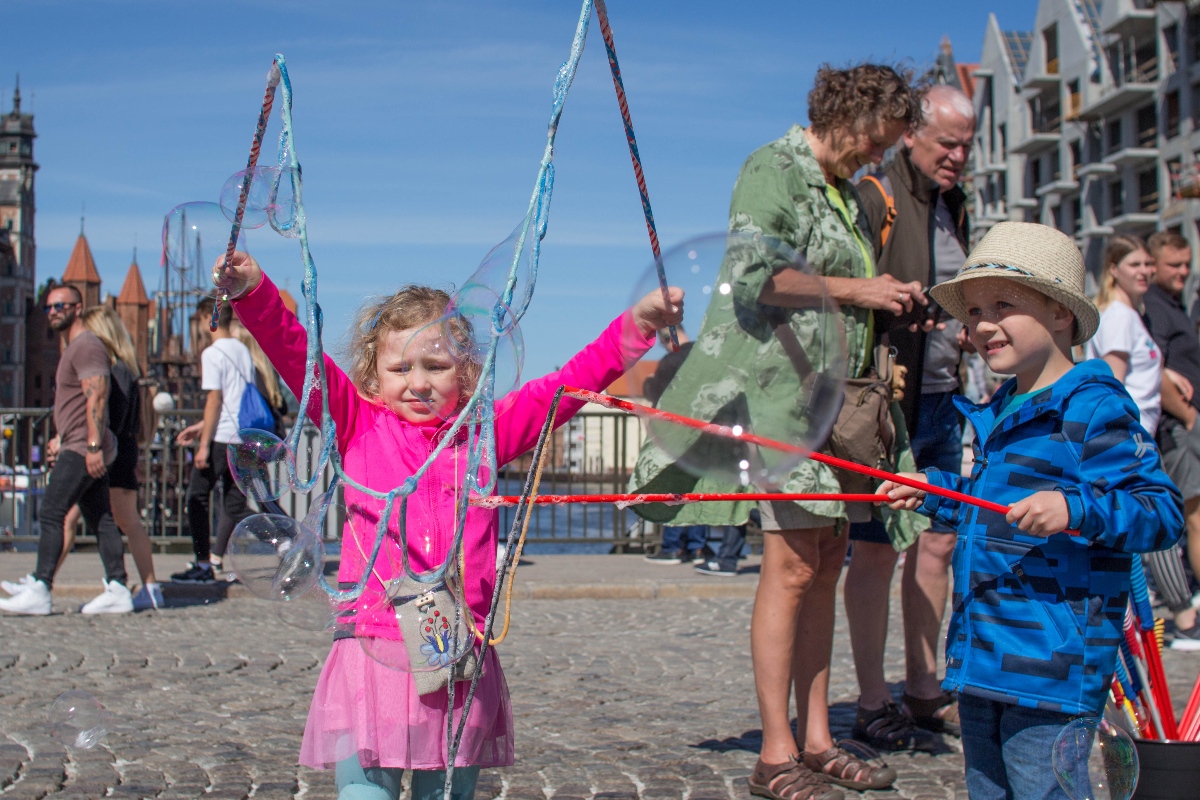
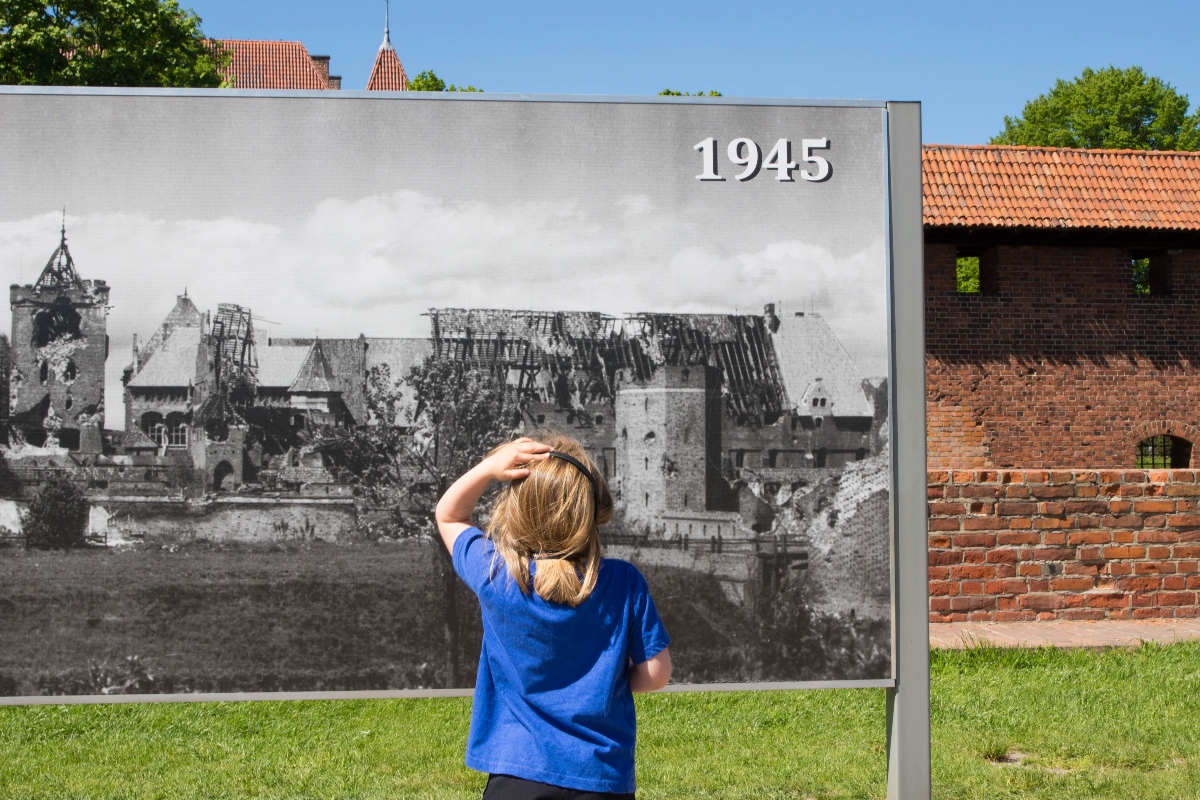
To the north, the city of Gdańsk offers a maritime history that differs significantly from the inland cities. The nearby Hel Peninsula is a unique geographical feature—a 35-kilometer long sandbar with white sand beaches that are a popular summer destination. The region is also home to Malbork Castle, the largest castle in the world by land area. Built by the Teutonic Knights in the 13th century, the fortress features drawbridges, spiral staircases, and hidden passages that provide an immersive historical experience for children.
Logistical Ease and Safety Standards
Safety and ease of navigation are paramount for family travelers, and Poland consistently ranks well in these categories. The Global Peace Index frequently places Poland among the safer countries in Europe, citing low rates of violent crime and a stable social environment.
Logistically, the country is highly navigable. Public transportation in cities like Warsaw and Kraków is dominated by efficient tram systems that are stroller-friendly. For intercity travel, the "Pendolino" high-speed trains offer family compartments, providing a private space for parents and children to travel without the stress of navigating crowded carriages. Furthermore, the prevalence of English among the younger generation and in the service industry ensures that communication barriers are minimal for international tourists.
Broader Impact and Future Outlook
The emergence of Poland as a family travel hub has broader implications for the European tourism market. As families seek "value-driven" travel, Poland sets a precedent for how a country can leverage its history and cultural traditions to create a modern, welcoming environment. The success of the Polish model suggests that the future of European tourism may lie in these "secondary" destinations that offer a more grounded, less commercialized experience.
For the travel industry, Poland represents a growing market for "educational tourism." The country’s history—ranging from the medieval Golden Age to the horrors of the Holocaust and the eventual triumph of the Solidarity movement—offers a profound curriculum for students and young adults. By making this history accessible through interactive museums and preserved sites, Poland is positioning itself as a destination that provides intellectual growth alongside traditional vacation leisure.
In conclusion, Poland’s transition from an overlooked Central European state to a top-tier family destination is the result of strategic infrastructure investment, a favorable economic climate, and a cultural embrace of family-centric hospitality. For families who have already explored the "classic" European routes, Poland offers a compelling next chapter—one that is as affordable as it is historically significant. As the global travel landscape continues to evolve, Poland stands ready to deliver "big-ticket" experiences that remain accessible to the modern family.