Home to approximately 3.3 million residents within its municipal limits and over 6.8 million in its metropolitan area, Madrid stands as the vibrant capital and largest city of Spain. This sprawling metropolis, renowned for its breathtaking architecture, world-class culinary scene, and an energetic nightlife that often extends into the early hours, consistently draws over 10 million international visitors annually. This makes Madrid one of Europe’s premier destinations, a status underscored by its unique blend of historical grandeur and contemporary vitality.
A City Defined by its Unique Rhythm
Madrid cultivates a distinct rhythm of life, characterized by a slower pace where the day’s activities, particularly dining and social engagements, begin later. Dinner is often an evening affair, and the city’s famed parties commence well after midnight. This unhurried approach is not merely a custom but a fundamental aspect of Madrileño culture, offering visitors a profound immersion into the city’s authentic pulse. Embracing this relaxed tempo is key to uncovering the true essence of Madrid, allowing for a deeper appreciation of its cultural nuances, from extended meals to the convivial late-night atmosphere.
The city’s magnetic appeal is consistently highlighted by tourism experts and visitors alike, who praise its unique blend of historical depth, artistic wealth, and an undeniable ‘cool’ factor. Despite its vastness, Madrid is meticulously structured, offering both iconic landmarks and myriad opportunities for off-the-beaten-path discoveries. City planners and tourism boards continuously work to enhance accessibility and guide visitors through its diverse offerings, ensuring a comprehensive experience that caters to varied interests and budgets.
Day 1: Immersion in the Art Walk – A UNESCO World Heritage Gem
The initial day of exploration is dedicated to Madrid’s prestigious Art Walk, a monumental area designated as a UNESCO World Heritage site in 2021. This culturally significant corridor, featuring over 40 monuments and buildings, represents one of the city’s most picturesque and historically rich districts.
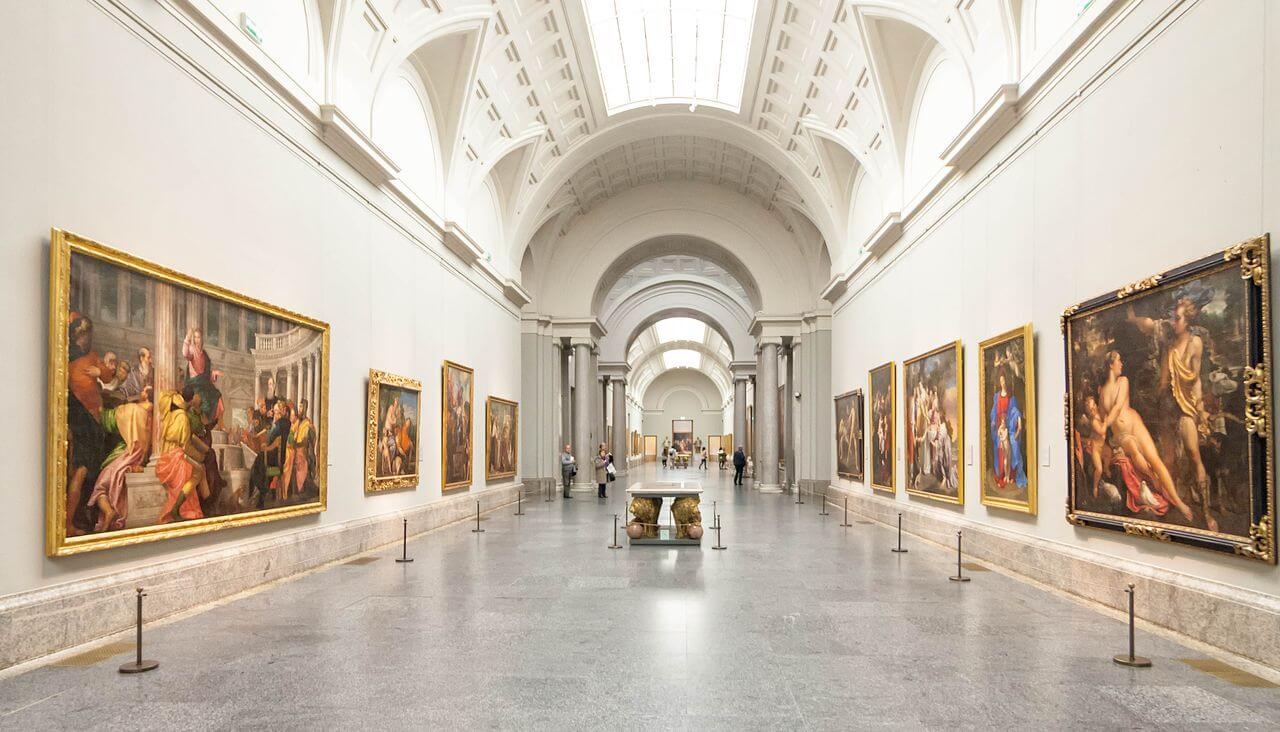
The journey commences at the Prado Museum, widely recognized as one of the planet’s foremost art institutions. Established in 1819, the Prado houses an unparalleled collection of European art, primarily Spanish, Italian, and Flemish masterpieces. Visitors can spend hours marveling at works by Spanish masters such as El Greco, Diego Velázquez, and Francisco Goya, alongside European luminaries like Rubens, Botticelli, and Caravaggio. Its extensive collection and historical significance necessitate a substantial visit, typically several hours, to fully appreciate its treasures.
A mere 10-minute stroll along the tree-lined Paseo del Prado leads to the Thyssen-Bornemisza Museum. This museum presents a fascinating chronological journey through art history, showcasing a private collection that spans from the Renaissance to 20th-century Pop Art, effectively bridging the gap between the classical works of the Prado and the modern art of the Reina Sofía. The artistic continuum culminates at the Reina Sofía National Art Center, which houses an extraordinary collection of modern and contemporary art. Here, masterpieces by Spanish and international artists such as Pablo Picasso, Joan Miró, Wassily Kandinsky, Salvador Dalí, and Francis Bacon are on display. The museum’s centerpiece is Picasso’s monumental "Guernica," a powerful 1937 oil painting widely regarded as one of the most moving anti-war statements in art history. Its visceral depiction of the bombing of Guernica during the Spanish Civil War resonates deeply, even with those less inclined towards modern art.
Following this artistic immersion, Madrid’s renowned culinary scene beckons. For a taste of traditional Madrileño fare, Taberna La Fragua de Vulcano offers a rustic ambiance perfect for savoring cocido madrileño, a hearty chickpea stew. Near the Reina Sofía, Arzábal is celebrated for its vibrant garden terrace and some of the city’s finest croquetas. For a truly unique dining experience, Bodega de los Secretos, located close to the Prado, allows diners to descend into beautifully restored 17th-century wine caves, providing an atmospheric backdrop to their meal.
The afternoon can be dedicated to exploring Madrid’s distinctive "House Museums," former private palaces meticulously preserved to reflect the intimate lifestyles of their original occupants. The jewel in this crown is the Sorolla Museum, the sun-drenched former residence of Joaquín Sorolla, "the painter of light." Following extensive architectural renovations, this underrated museum is anticipated to reopen in 2026, promising a refreshed perspective on its stunning gardens and vibrant Mediterranean canvases. Alternatively, visitors can explore the nearby Museum of Romanticism, where a tranquil secret garden offers a perfect spot for coffee, or the Lázaro Galdiano Museum, a magnificent neo-Renaissance mansion housing a private collection featuring works by Goya, Murillo, Velázquez, El Greco, and Bosch.
Day 2: The Grandeur of the Historic Center – Habsburg Madrid
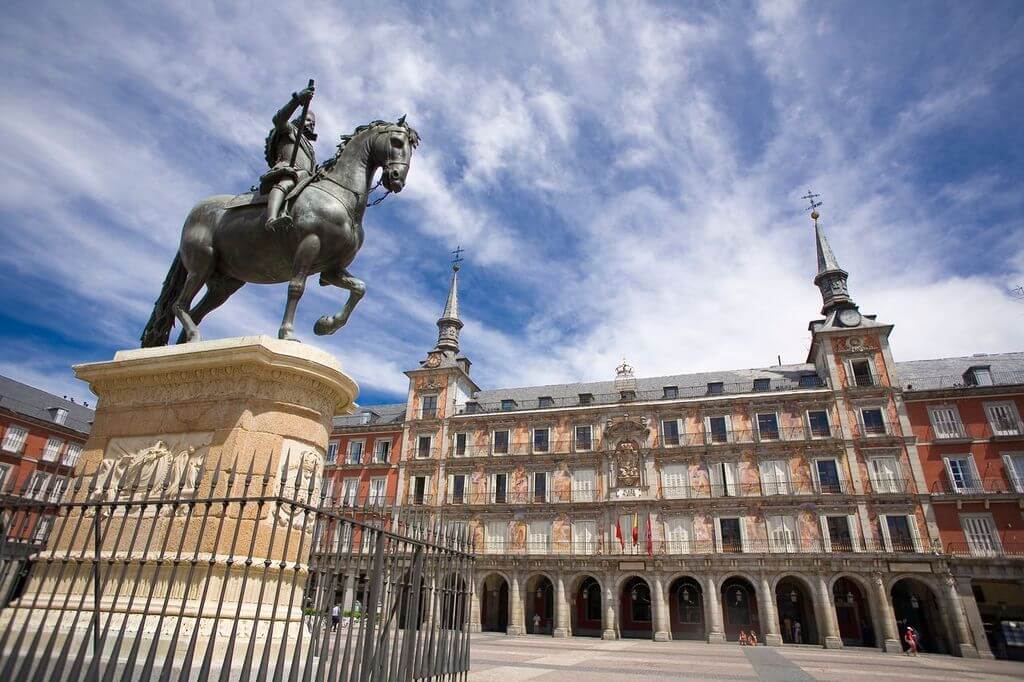
Day two plunges into the medieval and Renaissance layout of the city, famously known as Habsburg Madrid (Madrid de los Austrias). The central hub is Puerta del Sol, a bustling public square of immense national significance. A mandatory photo opportunity awaits at Kilometer Zero, the official starting point for all Spain’s radial highways and railways, symbolizing the country’s geographical heart. Nearby stands the iconic Bear and the Strawberry Tree statue (El Oso y el Madroño), a powerful emblem derived from Madrid’s coat of arms, representing the city’s historical connection to nature and prosperity.
From Puerta del Sol, a short walk leads to the majestic Plaza Mayor. Constructed during the reign of Philip III, this grand arcaded square has historically served as the epicenter of public life, hosting everything from bullfights and markets to theatrical performances and even executions. Today, it remains a lively focal point, ringed by tourist shops, cafes, and restaurants, offering an ideal setting for people-watching and occasional concerts. For an authentic "Local Life" culinary experience, stopping for a bocadillo de calamares (calamari sandwich) in the surrounding alleys is highly recommended.
The afternoon is dedicated to the Royal Palace of Madrid, the largest royal palace in Western Europe. This opulent Baroque-style edifice, built in the 18th century on the site of a former 9th-century Muslim fort, boasts over 3,400 lavishly decorated rooms. While it serves as the official residence of the Spanish royal family, it is primarily used for state functions, functioning largely as a museum. Visitors can embark on self-guided or guided tours, ascending the grand stairway and exploring magnificent staterooms adorned with works by Caravaggio, Juan de Flandes, and Francisco Goya. The Royal Armory, housing an impressive collection of medieval weapons and armor, is another highlight.
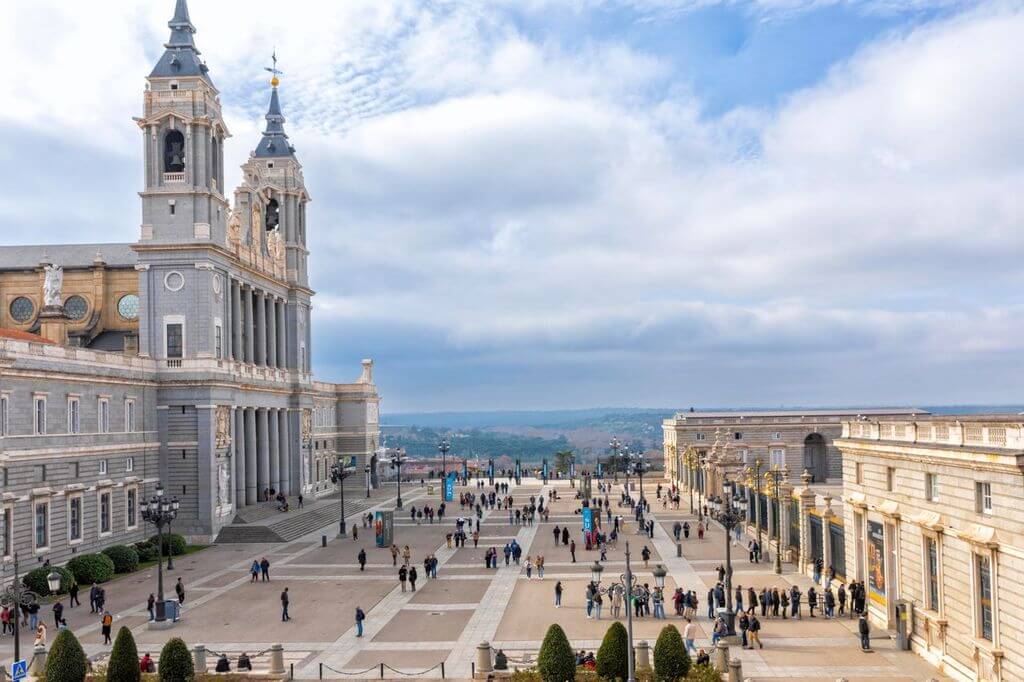
The day concludes at the Almudena Cathedral, a striking architectural contrast to many of Europe’s ancient churches. Unlike its medieval counterparts, Almudena was conceived in the late 19th century and consecrated by Pope John Paul II in 1993. Its Neo-Classical exterior harmonizes with the adjacent Royal Palace, while its interior features a unique blend of Neo-Gothic and contemporary art. The Neo-Romanesque crypt, with its 400 columns, offers a fascinating subterranean exploration, and the ascent to the cathedral’s dome provides panoramic views of the city.
Day 3: Culinary Discovery – Madrid’s Gastronomic Heartbeat
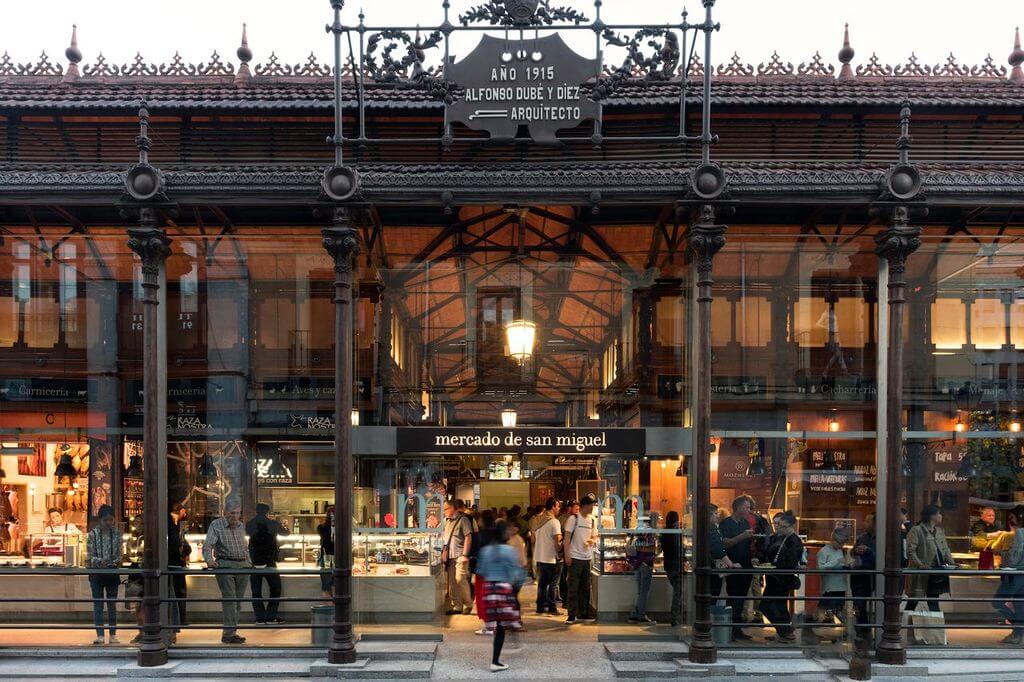
Madrid is a veritable paradise for food enthusiasts, a reputation solidified by its diverse and evolving gastronomic landscape. While guided food tours offer structured insights, independent exploration of the city’s iconic markets is equally rewarding. The glass-walled Mercado de San Miguel, located near Plaza Mayor, is an essential stop for gourmet tapas. Its vibrant atmosphere makes it a popular destination for the after-work crowd. For a deeper dive into regional flavors and a more local experience, markets such as Mercado de San Antón in Chueca and Mercado de Vallehermoso offer an extensive array of fresh produce, artisanal goods, and prepared foods, demanding a hearty appetite from visitors.
For dinner, a visit to Sobrino de Botín is a journey through culinary history. Recognized by Guinness World Records as the world’s oldest restaurant, established in 1725, Botín was a favored haunt of Ernest Hemingway during his time in Madrid. Its signature dish, roast suckling pig, continues to draw patrons. For a more casual yet equally authentic experience, "tapas crawling" through the historic streets of La Latina or Barrio de las Letras allows for sampling a variety of small plates and drinks across multiple establishments, embodying the Spanish tradition of social dining.
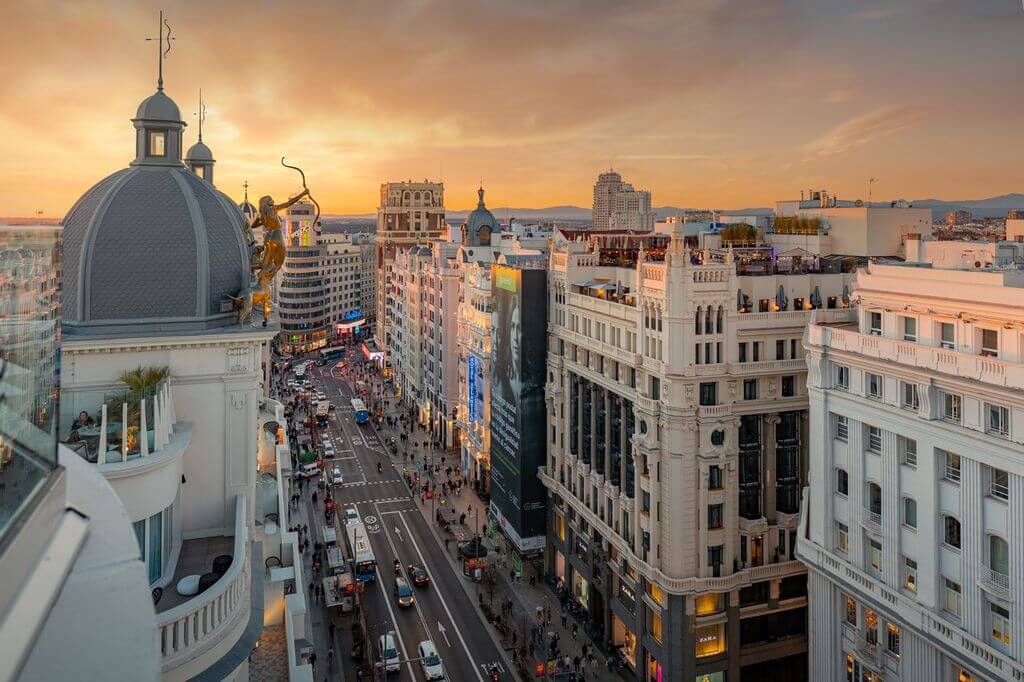
As dusk settles, Gran Vía transforms into a hub of Madrid’s world-class rooftop culture. Venues like The Roof at Picalagartos and the RIU 360º Sky Bar offer exquisite signature cocktails and dining options, complemented by breathtaking 360-degree views of the illuminated city skyline. This modern facet of Madrid’s social scene showcases its ability to blend historical charm with contemporary luxury.
Notably, Madrid has emerged as a leading vegetarian and vegan hub in Europe. Neighborhoods like Malasaña boast a vibrant plant-based dining scene, offering innovative vegan interpretations of traditional Spanish dishes. This evolution underscores Madrid’s diverse culinary identity and its capacity to cater to a broad spectrum of dietary preferences, reflecting a global trend while preserving local flavors.
Day 4: UNESCO World Heritage Wonders – Beyond the Urban Core
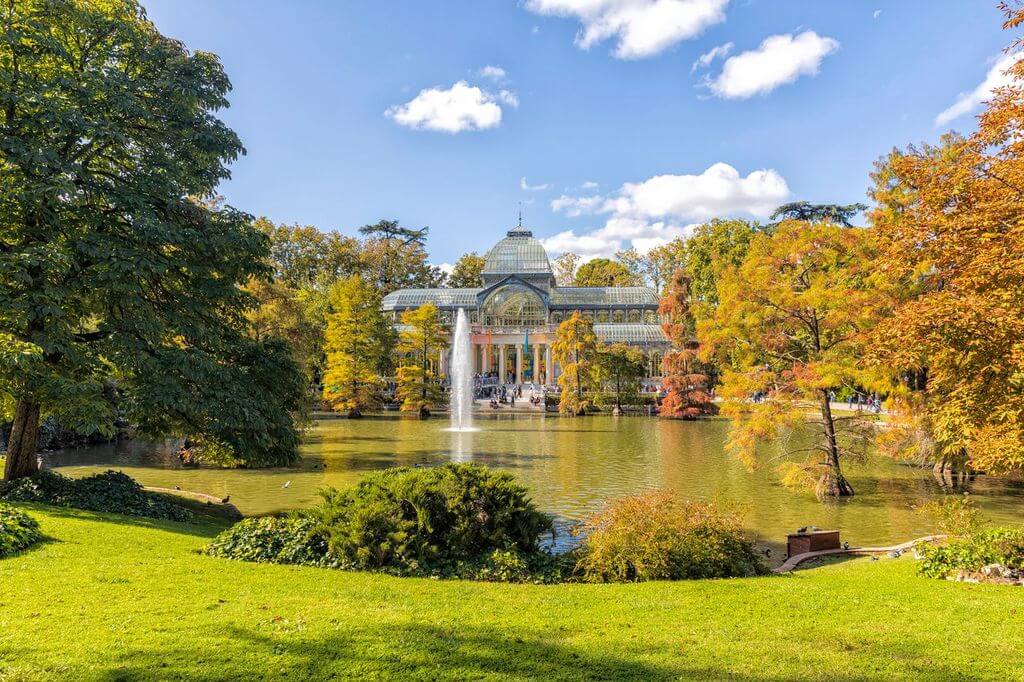
Madrid is unique among European capitals for the convergence of nature, science, and royal history within its UNESCO World Heritage oasis, the "Paisaje de la Luz" (Landscape of Light), encompassing the iconic El Retiro Park and the Paseo del Prado. However, Spain’s monumental legacy extends beyond the city limits, offering several equally significant UNESCO-listed day trips.
One such destination is the Monastery of San Lorenzo de El Escorial, a sprawling imperial masterpiece situated an hour’s drive from Madrid. Commissioned by Philip II in the 16th century, this massive complex served as a monastery, library, palace, basilica, and royal tomb. Its austere granite walls and symmetrical layout convey a sense of solemn grandeur, contrasting with the more ornate palaces of Europe, yet housing an immense collection of art and historical artifacts.
Another captivating option is the Royal Palace and Gardens of Aranjuez, a World Heritage Cultural Landscape located an hour south of the city. Originally a hunting lodge, also commissioned by Philip II in the 16th century, Aranjuez is a stunning blend of Renaissance and Baroque architectural styles. Its lavish rooms are adorned with tapestries, porcelain, and intricate decorations, while its expansive, meticulously designed gardens, which include the Parterre Garden and the Prince’s Garden, provided a verdant spring residence for the royal family, rivalling the beauty of Versailles.
Finally, the historic university city of Alcalá de Henares, just 45 minutes by car, holds its own UNESCO World Heritage status. As the birthplace of Miguel de Cervantes, the celebrated author of Don Quixote, Alcalá offers a perfectly preserved window into Spain’s Golden Age (1492–1659). Its historic university, collegiate church, and charming streets reflect centuries of intellectual and cultural vibrancy, making it a pivotal site for understanding Spanish heritage.
Day 5: Off-the-Beaten-Path Treasures – Unveiling Hidden Histories
For the final day, the itinerary diverges from the main tourist routes to uncover Madrid’s hidden treasures, offering a deeper dive into its rich history and spiritual heritage. The Monastery of Las Descalzas Reales and the nearby Royal Monastery of La Encarnación are two cloistered palaces that house breathtaking royal art collections.
The Monastery of Las Descalzas Reales, founded in 1559 by Joanna of Austria, sister of Philip II, served as a convent for nuns of the Order of Saint Clare. Its name, "Royal Barefoot Ladies," reflects their austere lifestyle. Uniquely, many aristocratic women who sought refuge within its walls brought with them dowries of artworks and other valuables, transforming the convent into an unexpected repository of exquisite religious art and historical artifacts.
The Royal Monastery of La Encarnación, established in 1611 by Margaret of Austria, wife of Philip III, was a royal convent enjoying direct monarchical support. While its exterior exhibits a sober Baroque style, the interior is remarkably lavish, featuring ornate chapels, vibrant frescoes, and a wealth of religious sculptures and paintings. It also holds several notable relics, including a vial believed to contain the blood of Saint Januarius. Although it remains an active convent, tours are available, offering a glimpse into a living historical and spiritual institution.
To conclude the Madrid experience with a local touch, a visit to the expansive Casa de Campo park is ideal. Created in 1931, this is the largest public park in the city, covering 17 square kilometers. It encompasses an artificial lake, extensive walking and cycling paths, a zoo, and an amusement park. The park’s lakeside terraces offer a serene setting for lunch or dinner, providing unparalleled views of the Royal Palace and Almudena Cathedral across the skyline, a perfect vista to reflect on Madrid’s majestic beauty and diverse offerings.
Madrid consistently demonstrates its status as one of Europe’s most compelling cities, often drawing comparisons to other cultural capitals like Barcelona while maintaining its unique identity. Its mouthwatering culinary scene, vibrant nightlife, and a vast array of historical and cultural attractions cater to every interest and budget. With nearly two decades of consistent praise from international visitors, Madrid’s blend of tapas culture, stunning architecture, and profound history ensures that the city continues to amaze. This carefully curated itinerary allows visitors to explore its main sights while also discovering the hidden gems that contribute to the enduring appeal of Spain’s historic capital.
Related posts: