The Venetian Castle of Zakynthos A Historical Bastion Overlooking Zante Town and the Ionian Sea

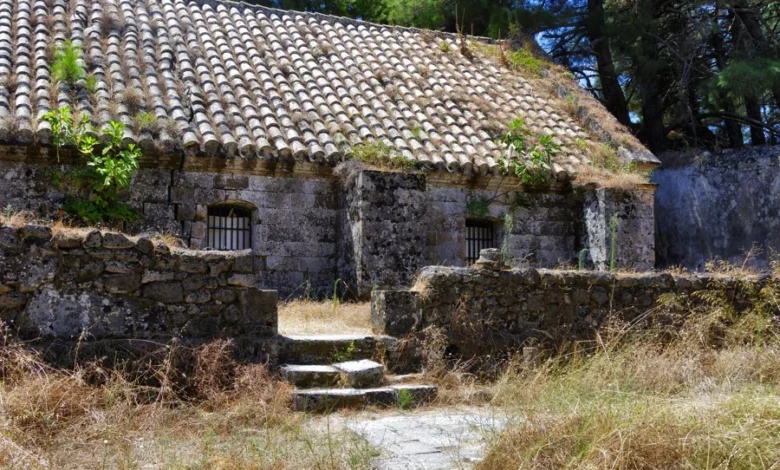
The Venetian Castle of Zakynthos, situated atop the verdant Bohali Hill, remains one of the most significant cultural and historical landmarks on the Ionian island of Zakynthos. Historically serving as the island’s administrative capital and primary defensive fortification, the castle offers a window into the complex geopolitical history of the Ionian Sea, where the interests of the Byzantine Empire, the Ottoman Turks, the Venetian Republic, and the British Empire frequently converged. Despite centuries of seismic activity and military conflict, the fortress continues to stand as a testament to Venetian military engineering and serves as a vital component of the island’s heritage tourism sector.
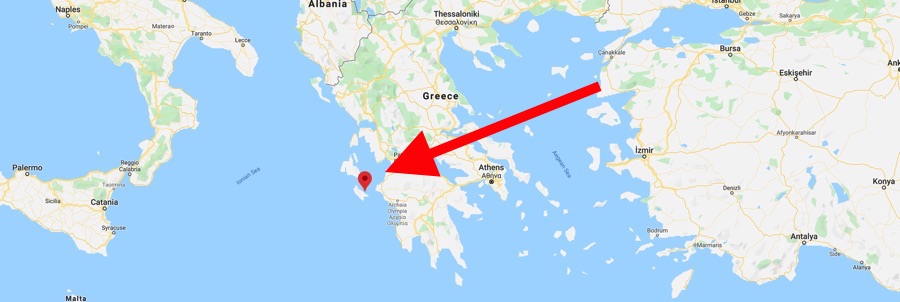
Located approximately two kilometers from the modern capital of Zante Town, the castle’s elevated position at 125 meters above sea level provides a strategic vantage point that once allowed defenders to monitor the harbor and the surrounding maritime routes for pirate raids and invading armadas. Today, this same elevation provides visitors with panoramic views of the Ionian Sea, the Peloponnese coastline, and the sprawling urban layout of Zante Town, making it a focal point for both historians and international travelers.
Historical Chronology and Evolution
The history of the Venetian Castle is a narrative of destruction and reconstruction, reflecting the volatile nature of Mediterranean history. Archaeological evidence suggests that the site was originally the location of the ancient acropolis of the island, known as Psofis. However, the medieval and early modern structures visible today primarily date back to the Venetian period.
In 1460, the original fortifications were almost entirely leveled by Ottoman forces during a period of intense conflict between the Ottoman Empire and Western powers. Following the Venetian takeover of the island, the Republic recognized the site’s strategic necessity. Reconstruction efforts began in earnest, culminating in the completion of the current fortifications in 1646 AD. During this era, the castle served as the seat of the Venetian Provveditore (governor) and housed the island’s administrative offices, military barracks, and a significant portion of the civilian population seeking refuge from coastal raids.

The geopolitical landscape shifted again in the early 19th century. In 1812, during the Napoleonic Wars, the British Empire assumed control of the Ionian Islands. Under British administration, the castle underwent further modifications to accommodate modern military needs, including the construction of new barracks, powder magazines, and a sophisticated water supply system. It also served as the meeting place for the British Parliament in the Ionian Islands before the eventual union of the archipelago with the Kingdom of Greece in 1864.
Architectural Significance and Key Features
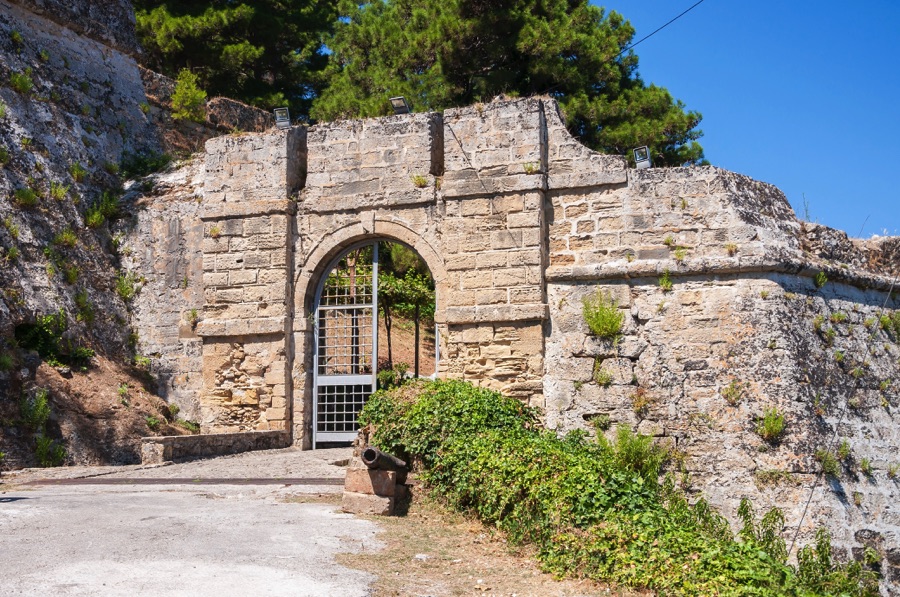
The architecture of the Venetian Castle is characterized by its robust stone masonry and the integration of natural topography into its defensive design. The main entrance is perhaps the most iconic architectural feature, adorned with the Winged Lion of Saint Mark. This relief is the heraldic symbol of the Republic of Venice, serving as a permanent marker of the city-state’s "Stato da Mar" (State of the Sea) and its maritime hegemony.
Inside the sprawling fortifications, the site preserves the remains of several ecclesiastical structures that highlight the island’s Byzantine and post-Byzantine religious history. Notable among these are:
- The Church of the Savior (San Salvatore): Dating back to the 12th century, this structure represents the Byzantine influence that predated Venetian rule.
- The Church of Saint Francis: A 14th-century edifice that showcases the intersection of Western Catholic and Eastern Orthodox architectural styles.
- The Church of Santa Barbara: A later addition that served the spiritual needs of the garrison.
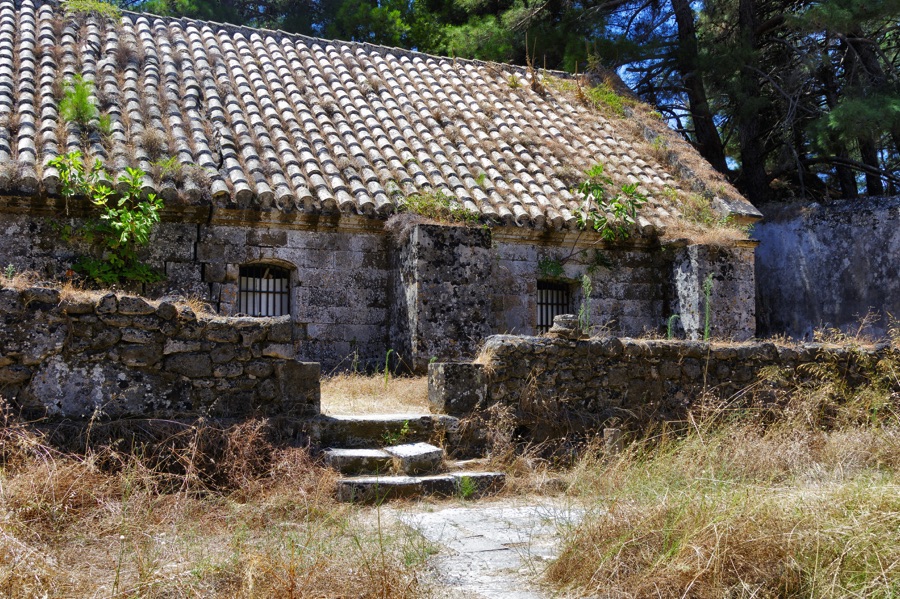
Beyond religious sites, the interior contains the ruins of the "Ditch," a series of defensive trenches, and the remains of prison cells and ammunition stores. These confined spaces offer a stark contrast to the open viewing platforms and illustrate the dual nature of the castle as both a sanctuary and a site of military discipline.
The Impact of Seismic Activity
Zakynthos is situated in one of the most seismically active zones in the Mediterranean. The castle’s current state of ruin is as much a result of natural forces as it is of historical warfare. The Great Ionian Earthquake of 1953, which measured 7.2 on the Richter scale, caused catastrophic damage across the island, leveling Zante Town and significantly impacting the castle’s walls and internal structures.
While many other historical buildings on the island were lost entirely to the 1953 quake and subsequent fires, the Venetian Castle’s foundations remained largely intact. Current conservation efforts, overseen by the Hellenic Ministry of Culture and Sports and the Ephorate of Antiquities of Zakynthos, focus on stabilizing the existing ruins rather than full-scale reconstruction. This approach preserves the "romantic ruin" aesthetic while ensuring the safety of the thousands of tourists who visit the site annually.
Geographic Context and Regional Tourism
Zakynthos, also known by its Italian name "Zante," is the third largest of the Ionian Islands, located approximately 20 kilometers west of the Peloponnese mainland. The island’s economy is heavily dependent on tourism, driven by world-renowned sites such as Navagio Beach (Shipwreck Cove) and the Blue Caves.
The Venetian Castle plays a critical role in diversifying the island’s tourism offerings. While the majority of visitors are drawn to Zakynthos for its beaches and nightlife—particularly in regions like Laganas—the castle provides a cultural and educational counterpoint. It is easily accessible from Zante Town, requiring either a five-minute drive or a 20-minute uphill walk. Regional tourism data suggests that cultural sites like the castle are increasingly popular among "slow tourism" practitioners who seek historical depth alongside traditional leisure activities.
Logistics for Visitors and Economic Integration
The Venetian Castle is managed as a public heritage site. While entry has historically been free or offered at a nominal fee, hours of operation are subject to seasonal changes determined by the national archaeological service. Typically, the site is open from early morning until mid-afternoon (3:30 PM) or early evening (7:00 PM) during the peak summer months.
The proximity of the castle to Zante Town has spurred economic development in the Bohali district. The area surrounding the castle has seen the emergence of high-end cafes, traditional tavernas, and boutique accommodations that capitalize on the panoramic views. This synergy between heritage preservation and local commerce is a model often cited in Greek regional development plans.
For travelers staying in the capital, hotels such as the Phoenix Hotel and the Yria Hotel provide convenient bases for exploring the castle and the municipal museums of Zante Town. The integration of the castle into the urban fabric of the capital ensures that it remains a living part of the community rather than an isolated monument.
Analysis of Cultural and Political Implications
The preservation of the Venetian Castle is not merely a matter of tourism but also one of national identity. In the context of Greek history, the Ionian Islands occupy a unique position as they were never occupied by the Ottoman Empire for an extended period, unlike the Greek mainland. The Venetian influence, preserved in the stone of the castle, represents a distinct cultural trajectory—one that is more closely aligned with Western European Renaissance and Baroque movements.
The Winged Lion of Saint Mark, still visible at the gate, serves as a reminder of the long-standing ties between Greece and Italy. In recent years, cultural exchange programs between the Ionian Islands and the Veneto region of Italy have highlighted these shared historical roots, often using the castle as a symbolic backdrop for diplomatic and academic collaboration.
Future Outlook and Preservation Challenges
The future of the Venetian Castle depends on continued investment in archaeological conservation. The primary challenges facing the site include:
- Weathering and Erosion: The limestone structures are susceptible to the salt-heavy air of the Ionian Sea and seasonal rainfall.
- Vegetation Management: The pine forest that surrounds and encroaches upon the castle provides aesthetic beauty but also poses a risk to the structural integrity of the ruins through root growth.
- Sustainable Tourism: Managing foot traffic to prevent the degradation of ancient pathways and surfaces.
Experts from the Ephorate of Antiquities have advocated for enhanced signage and digital guides to improve the visitor experience without physically altering the site. By utilizing augmented reality (AR) technology, the Ministry of Culture could potentially allow visitors to see digital reconstructions of the Byzantine churches and Venetian barracks in their original state, bridging the gap between the ruins of today and the bustling capital of the past.
In conclusion, the Venetian Castle of Zakynthos stands as a resilient guardian of the island’s history. It is a site where the geological volatility of the Mediterranean meets the enduring legacy of European empire-building. For the modern visitor, it offers more than just a photographic vantage point; it provides a profound connection to the centuries of sailors, soldiers, and citizens who once called these stone walls home. As Zakynthos continues to evolve as a global tourism destination, the preservation of this historical bastion remains essential to maintaining the island’s cultural soul.