Navigating the Silk Road: A Comprehensive Guide to Modern Travel Logistics and Cultural Etiquette in Uzbekistan

Uzbekistan has rapidly emerged as a focal point for international tourism in Central Asia, transitioning from a niche destination for historians to a mainstream choice for global travelers. Following significant government reforms initiated in 2016, the nation has invested heavily in infrastructure, visa liberalization, and the preservation of its Silk Road heritage. Today, the country offers a unique blend of ancient Islamic architecture, Soviet-era urban planning, and a burgeoning digital service economy. However, the complexity of its logistical networks and the depth of its cultural traditions necessitate a strategic approach to travel planning. This report details the essential requirements for navigating the Uzbek tourism landscape, covering transportation, cultural etiquette, digital connectivity, and regional highlights.
Infrastructure and Modern Transportation Networks
The modernization of Uzbekistan’s transportation sector is a cornerstone of its tourism strategy. The national railway operator, O‘zbekiston Temir Yo‘llari, has prioritized the development of high-speed rail, making the country one of the few in the region to operate such a system.
The Afrosiyab High-Speed Rail
The Afrosiyab, a high-speed train manufactured by the Spanish company Talgo, connects the capital, Tashkent, with major historical centers including Samarkand and Bukhara. While highly efficient—reducing the travel time between Tashkent and Samarkand to approximately two hours—the system faces a significant supply-and-demand imbalance. Tickets frequently sell out 45 to 60 days in advance, the moment they are released on the official railway portal.
Travel analysts note that many tickets are held by local agencies and released incrementally. For independent travelers, the inability to secure a rail seat often necessitates a five-to-seven-hour bus or shared taxi ride, which is subject to heavy traffic and variable road conditions. Consequently, early booking is categorized as the most critical logistical step for any itinerary.
Digital Transport Solutions: Yandex Go
The integration of digital ride-hailing services has revolutionized local transit. Yandex Go, a dominant application across former Soviet republics, serves as the primary method for securing reliable and transparently priced transportation. In cities like Tashkent and Samarkand, a cross-city ride typically costs between $2 and $5 USD. The app mitigates the historical challenge of negotiating fares with unmetered street taxis and provides a layer of safety through GPS tracking and driver identification.
Cultural Etiquette and Social Norms
Uzbekistan is a predominantly Muslim country characterized by a blend of traditional Islamic values and secular influences from its Soviet history. Understanding the social fabric is essential for respectful engagement with the local population.
Dress Code and Public Conduct
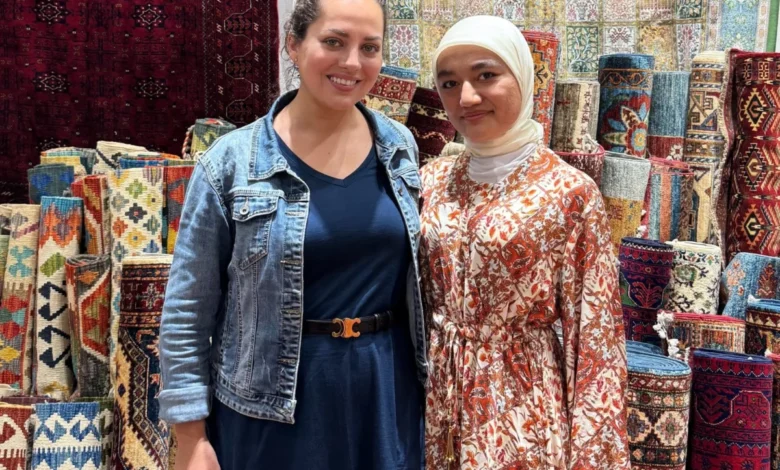
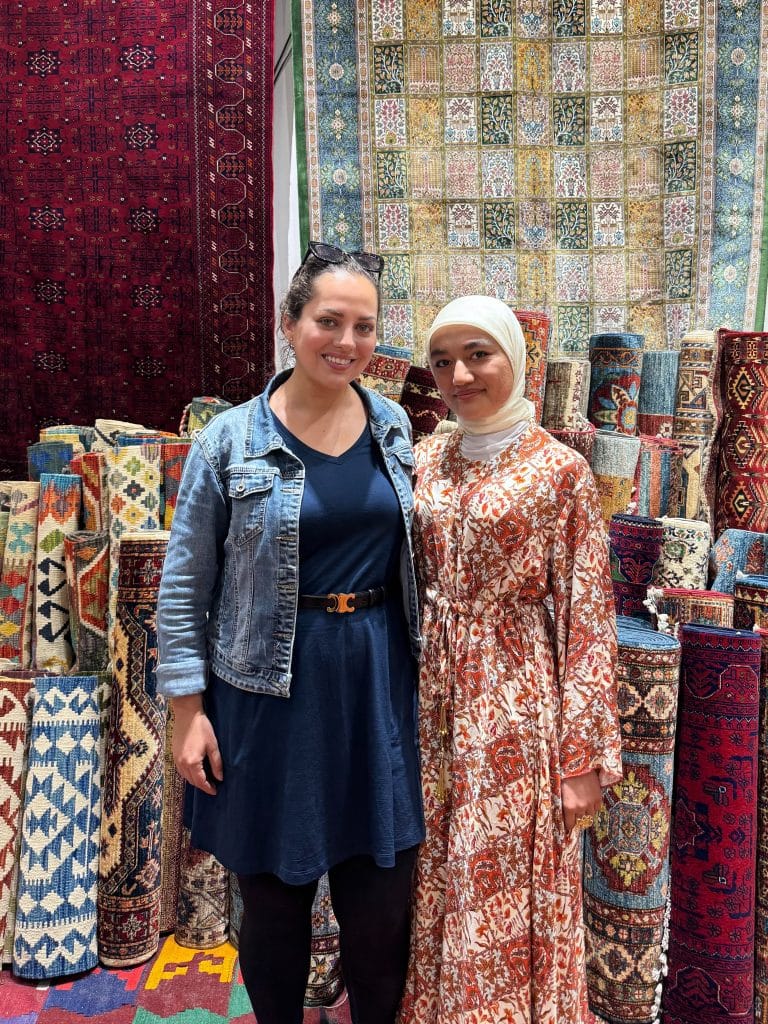
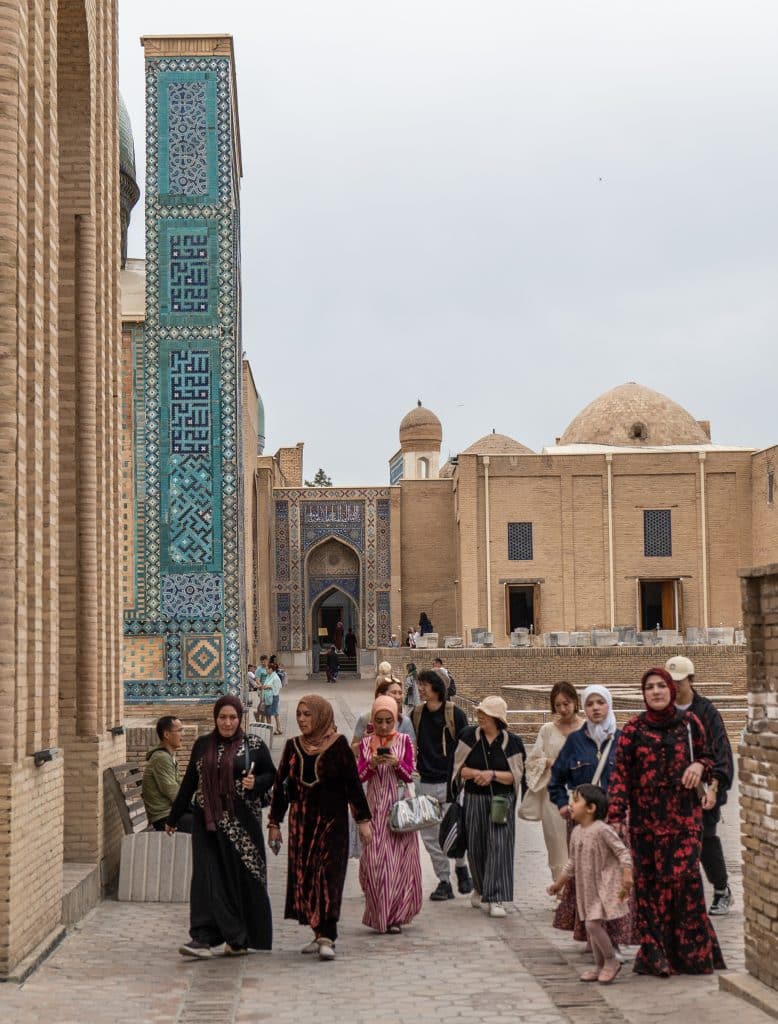
While Uzbekistan does not enforce a legal dress code for tourists, social expectations favor modesty. Local women generally opt for clothing that covers the shoulders and knees, often favoring loose-fitting traditional dresses or modern western styles that avoid revealing cuts.
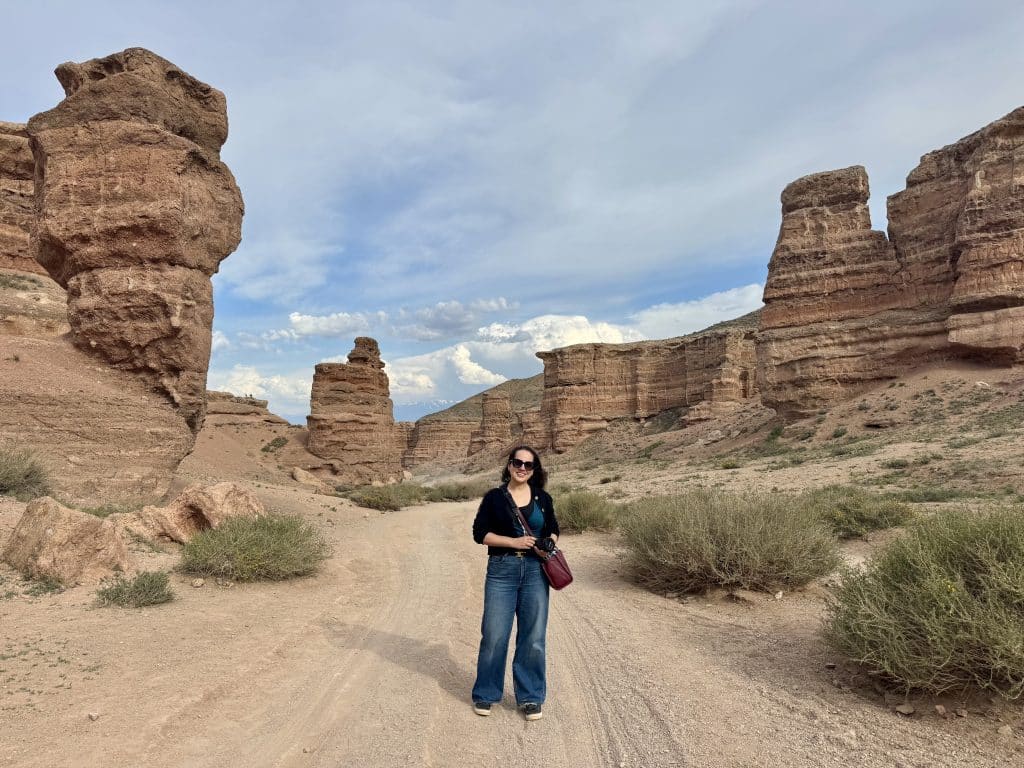
For travelers, adhering to a "smart-modest" wardrobe is recommended to avoid unwanted attention and show respect for local sensibilities. In religious sites, such as active mosques or certain mausoleums, headscarves for women and long trousers for men are often mandatory. Observers note that travelers wearing revealing clothing, such as short shorts or tank tops, stand out significantly and may be viewed as disrespectful in more conservative areas like the Fergana Valley or Khiva.
Linguistic Nuances
Uzbek is the official state language, but Russian remains the lingua franca of business and inter-ethnic communication, particularly among older generations and in urban centers. English proficiency is growing among the youth and those in the hospitality sector, but it is not yet widespread. Knowledge of basic Russian phrases—such as "spasibo" (thank you) and "zdravstvuyte" (hello)—remains a highly valuable asset for navigating markets and rural areas.
Digital Connectivity and Financial Logistics
The digital landscape in Uzbekistan has improved, but it remains distinct from Western or East Asian models.
The Necessity of eSIMs and Data
Public Wi-Fi in Uzbekistan is often unreliable and frequently requires a local phone number for authentication via SMS. For real-time navigation, translation, and ride-hailing, an eSIM is considered an essential tool. Providers such as Holafly offer specialized data packages for the region. Reliable signal is generally available in the four major tourist cities, though coverage drops significantly during long-distance train or car transits through the Kyzylkum Desert.
The Cash-Based Economy
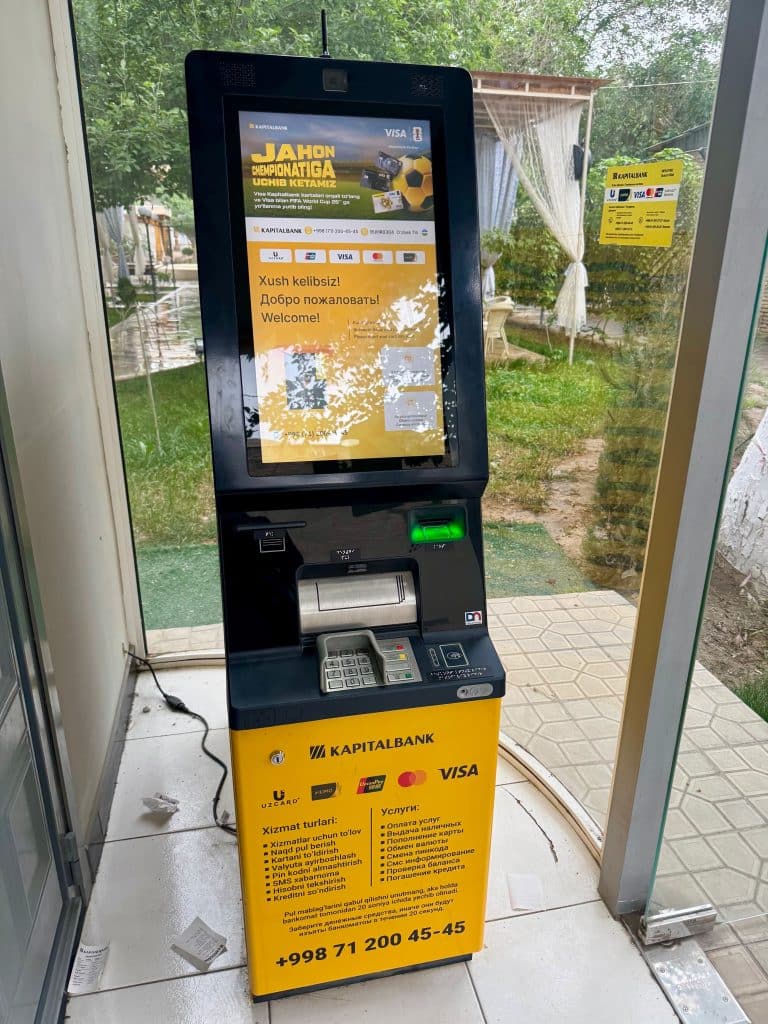
Despite the rise of digital services, Uzbekistan remains a cash-heavy economy. While high-end hotels and some restaurants in Tashkent accept international credit cards, smaller vendors, guesthouses, and souvenir shops operate almost exclusively in the local currency, the Uzbek Som (UZS).
Travelers are advised to carry a mix of USD (in pristine condition) for exchange and to utilize local ATMs. Banks like Kapitalbank are noted for their reliability in accepting international Visa and Mastercard. Due to the denomination of the currency, travelers often find themselves carrying large volumes of banknotes, though the introduction of higher-denomination bills (100,000 and 200,000 Som) has somewhat alleviated this "bulk" issue.
Regional Analysis: The Four Pillars of Uzbek Tourism
An effective Uzbek itinerary typically centers on four distinct cities, each offering a different facet of the country’s identity.
Tashkent: The Modern Gateway
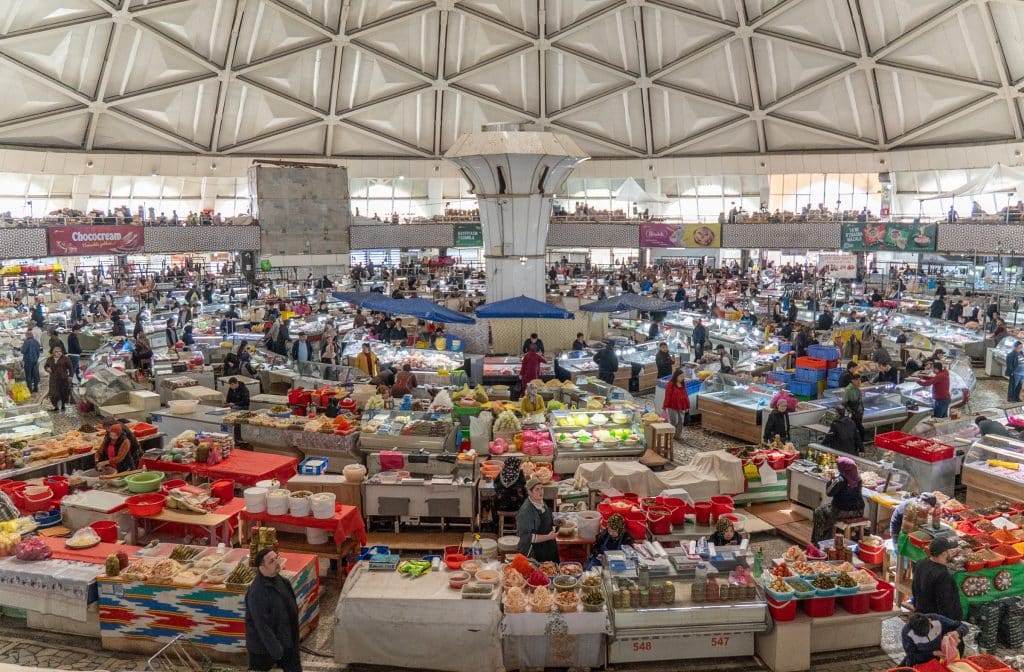
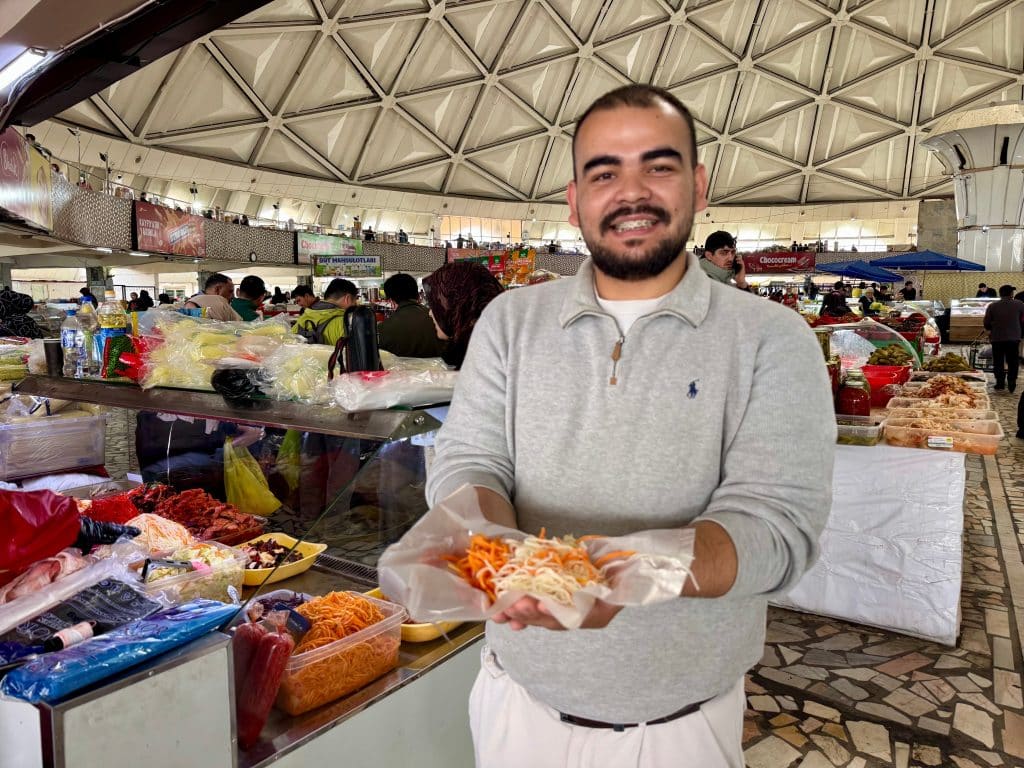
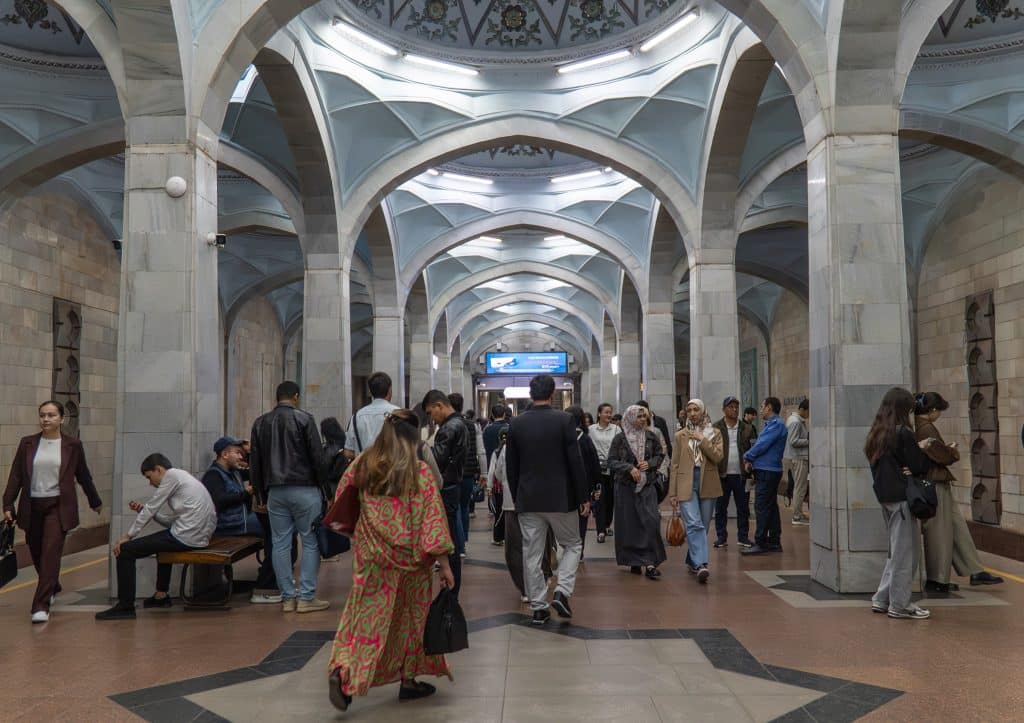
Often overlooked as a mere transit point, Tashkent is a sophisticated capital featuring a unique mix of 19th-century Russian architecture, Soviet Modernism, and contemporary skyscrapers. A highlight is the Tashkent Metro, where stations are ornately decorated with marble, mosaics, and chandeliers, doubling as underground art galleries. The Chorsu Bazaar remains the city’s beating heart, offering a glimpse into the agricultural wealth of the region and the influence of the Korean diaspora (Koryo-saram) on local cuisine.
Samarkand: The Imperial Center
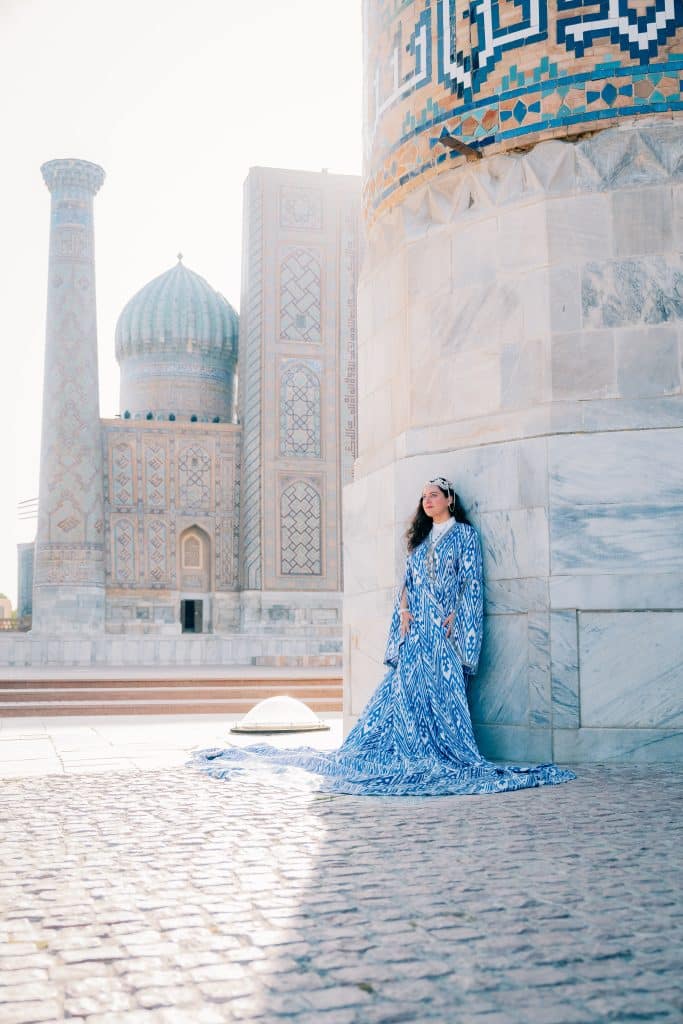
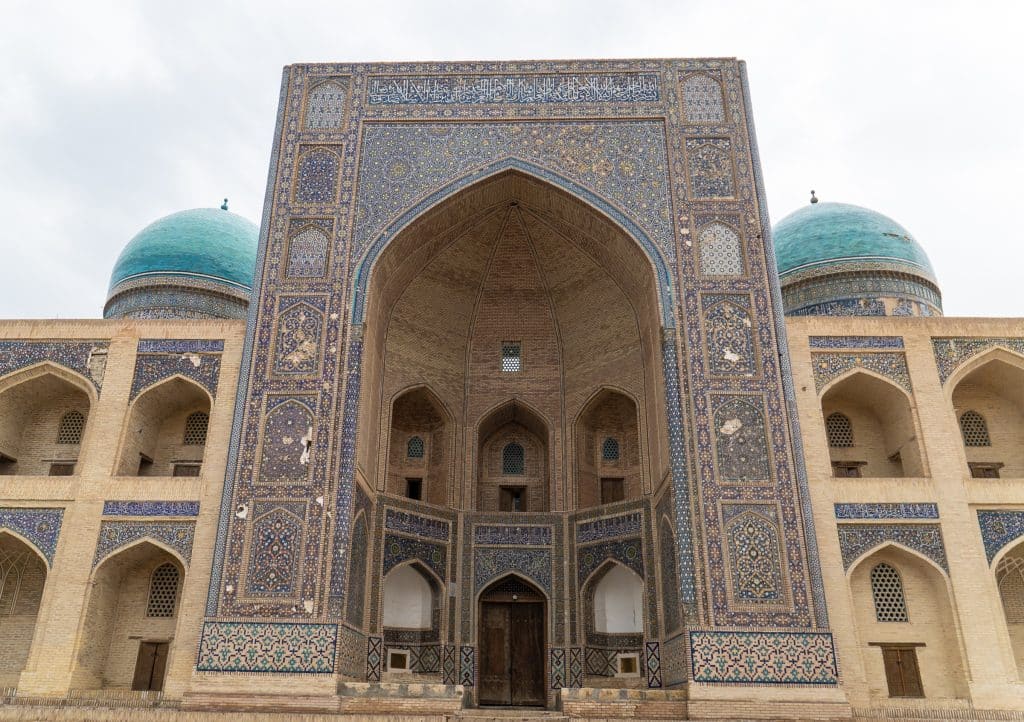
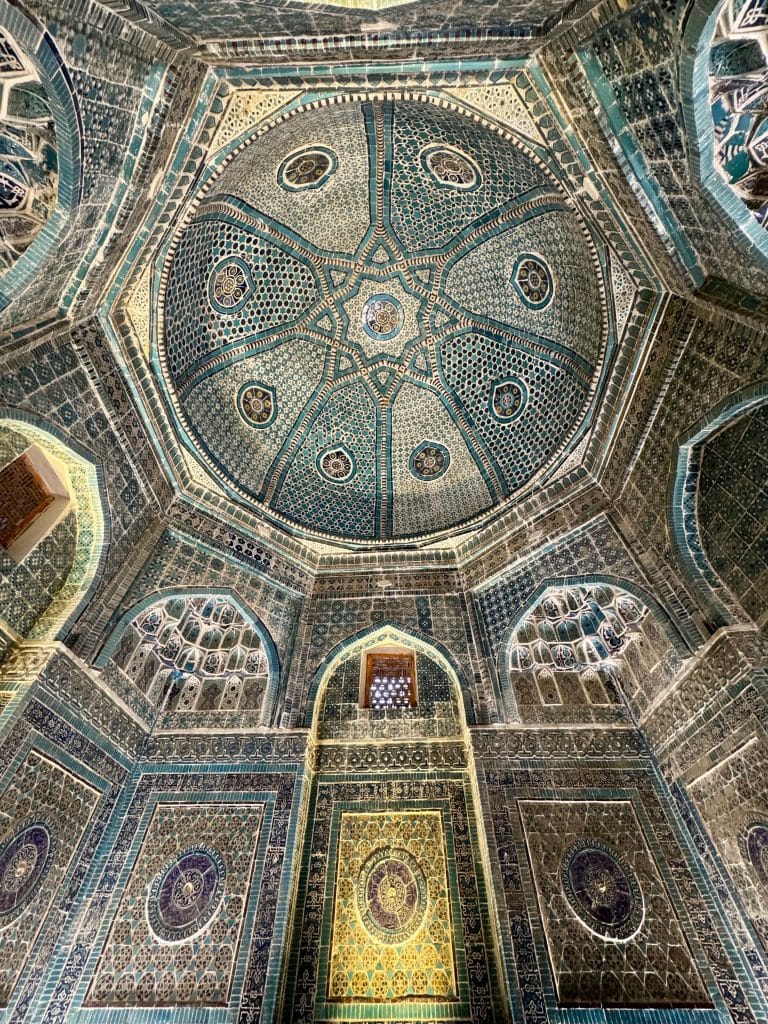
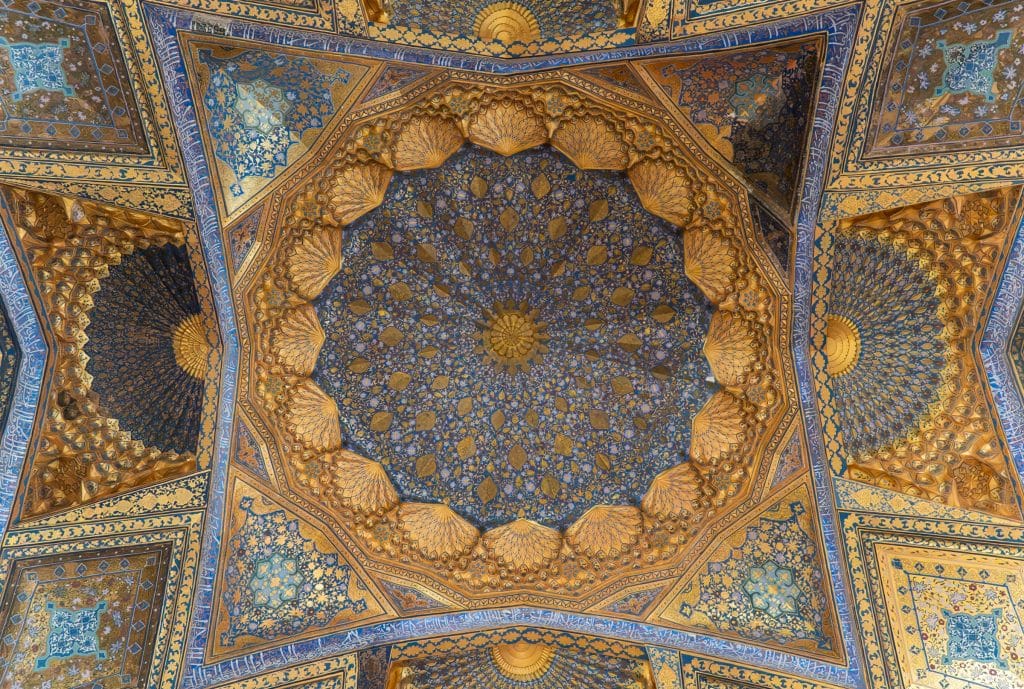
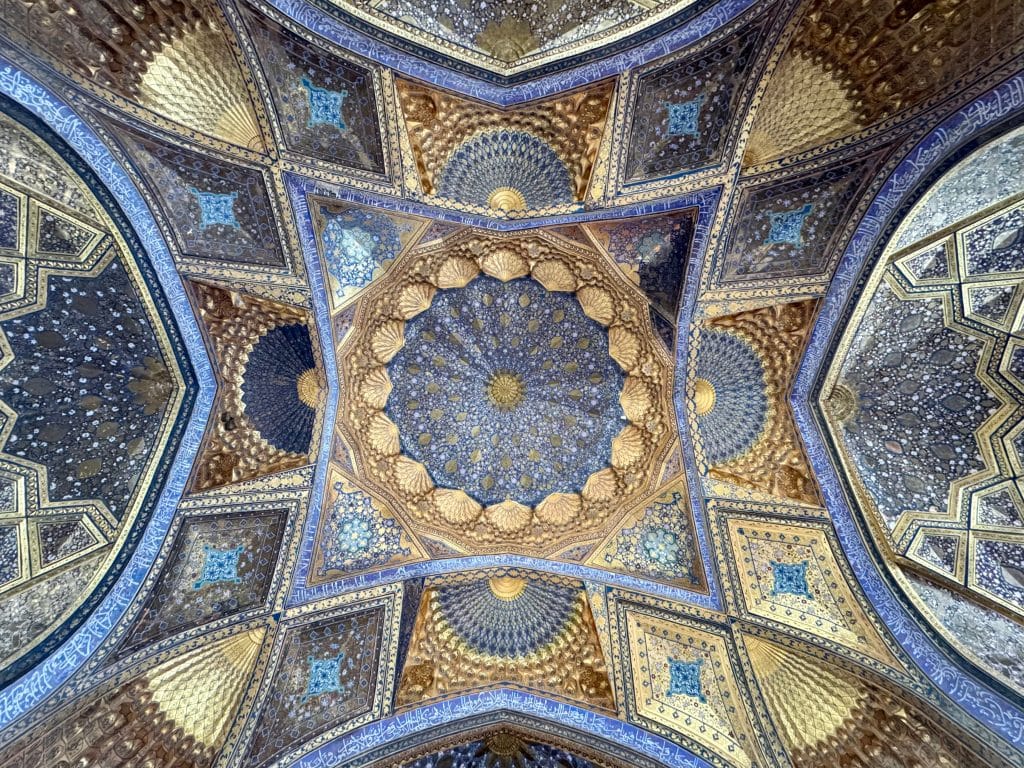
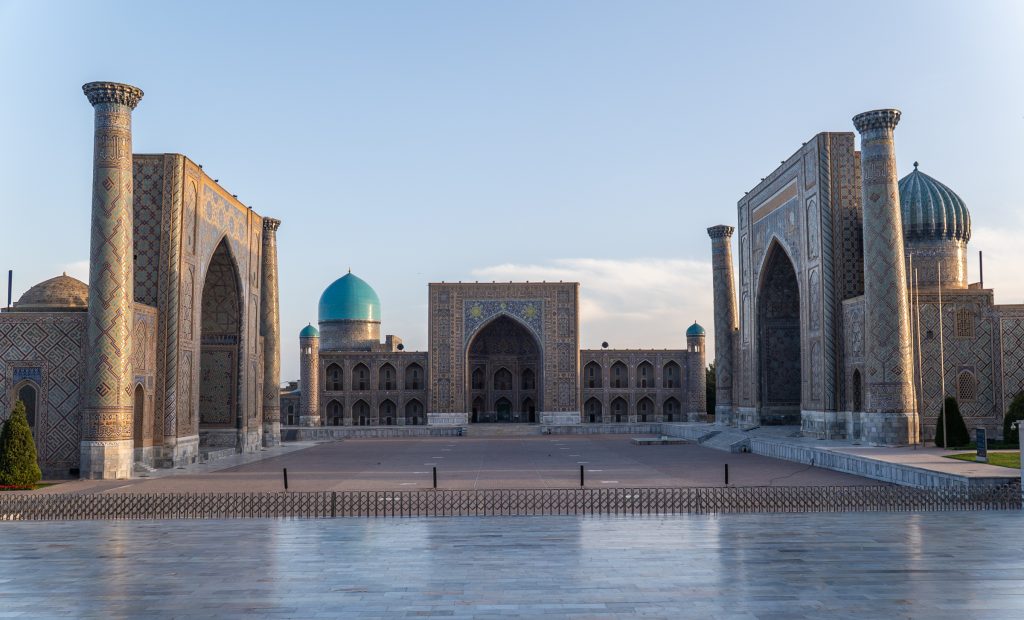
As the former capital of the Timurid Empire, Samarkand is home to the Registan—a square flanked by three massive, blue-tiled madrasahs. While the city is the most visited and can feel "museum-like" due to extensive restoration and tourism crowds, its architectural scale is unmatched. Travelers are encouraged to visit sites like the Shah-i-Zinda necropolis during early morning hours to appreciate the tilework without the interference of large tour groups.
Bukhara: The Living Museum
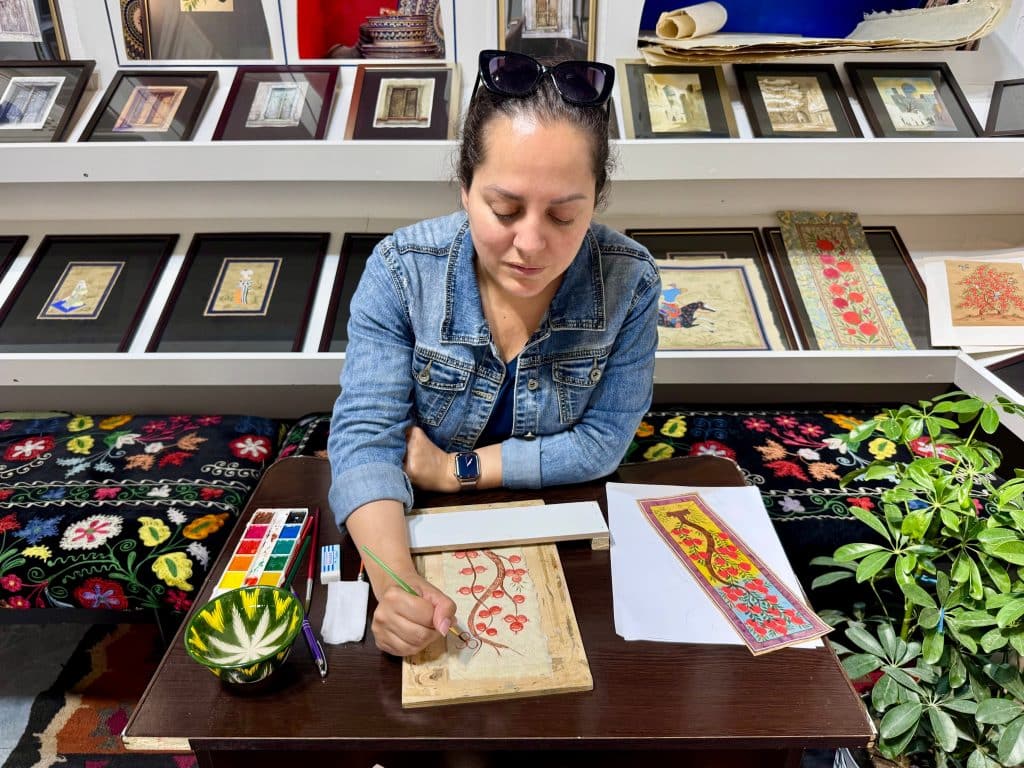
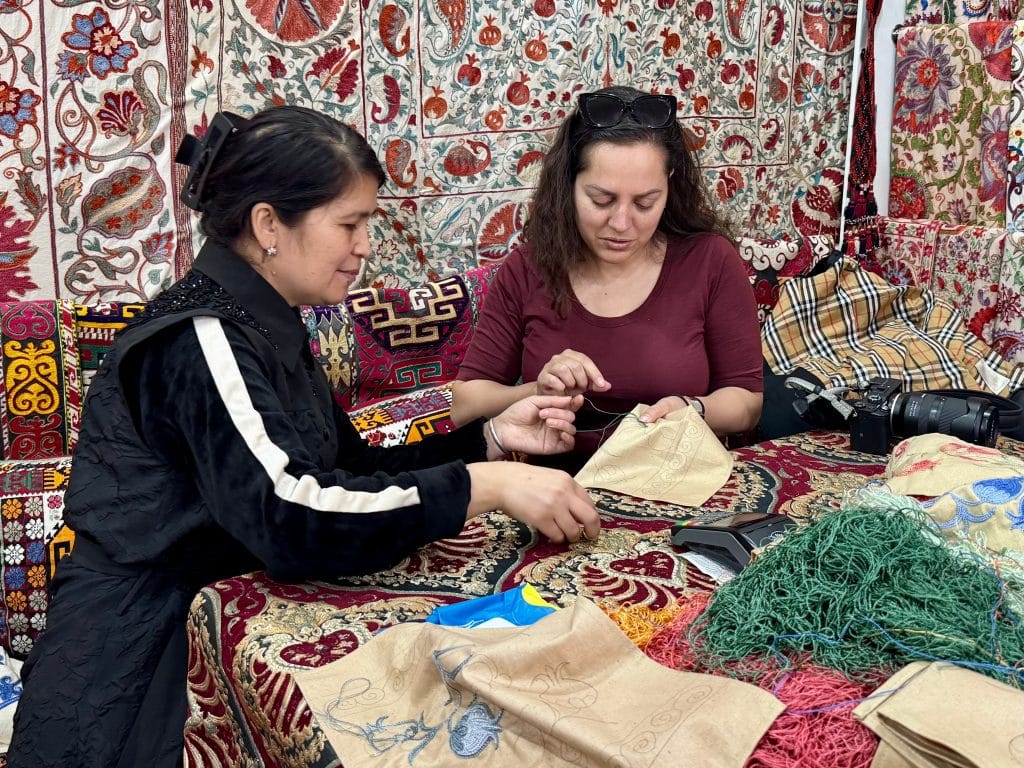
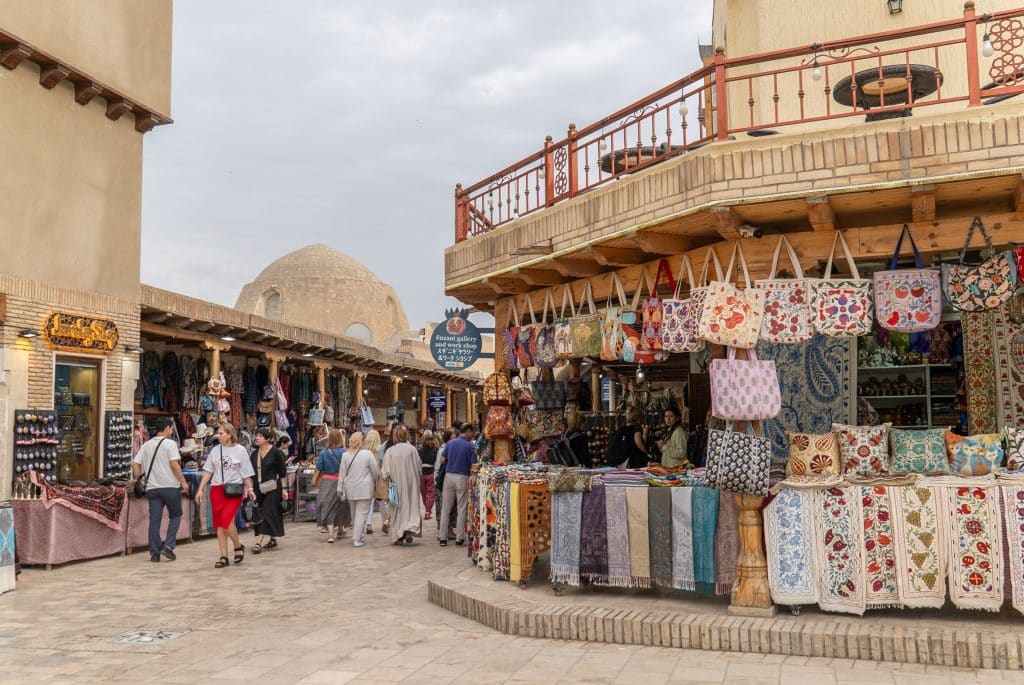
Bukhara offers a more intimate atmosphere than Samarkand. With over 2,000 years of history, its old city is a dense network of narrow alleys, ancient trading domes, and mud-brick caravanserais. It is widely regarded as the premier destination for traditional crafts, including gold embroidery, silk weaving, and the production of intricate Persian-style miniatures. The city’s "trading domes" continue to function as they did during the height of the Silk Road, serving as a hub for the region’s artisans.
Khiva: The Desert Oasis
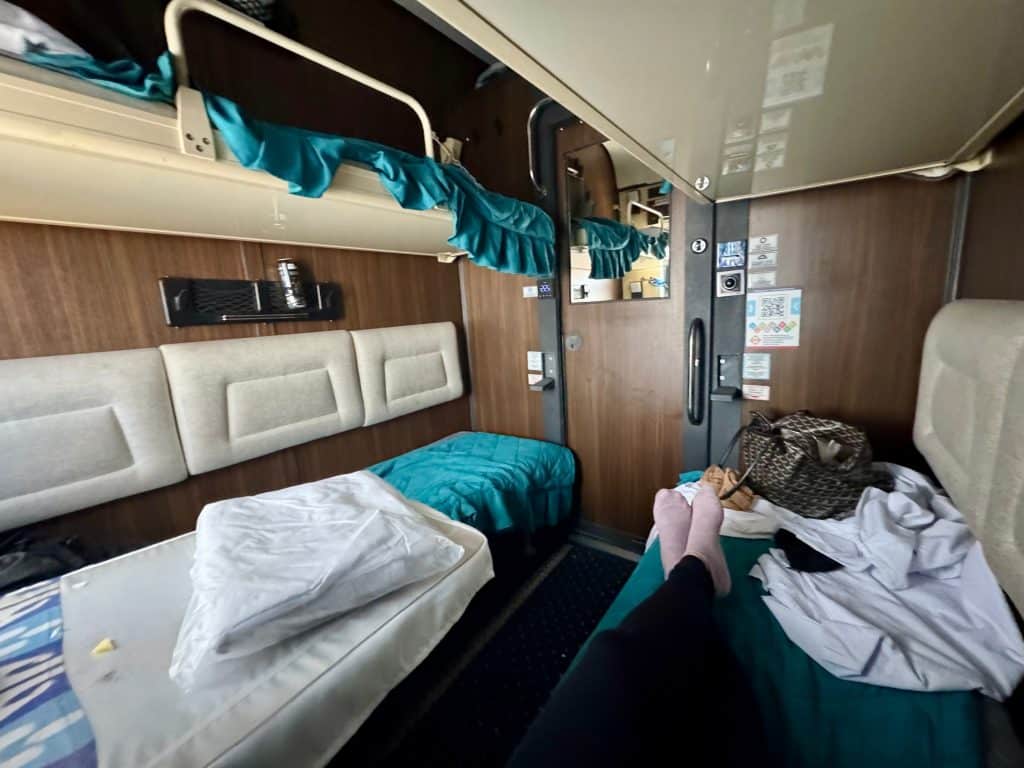
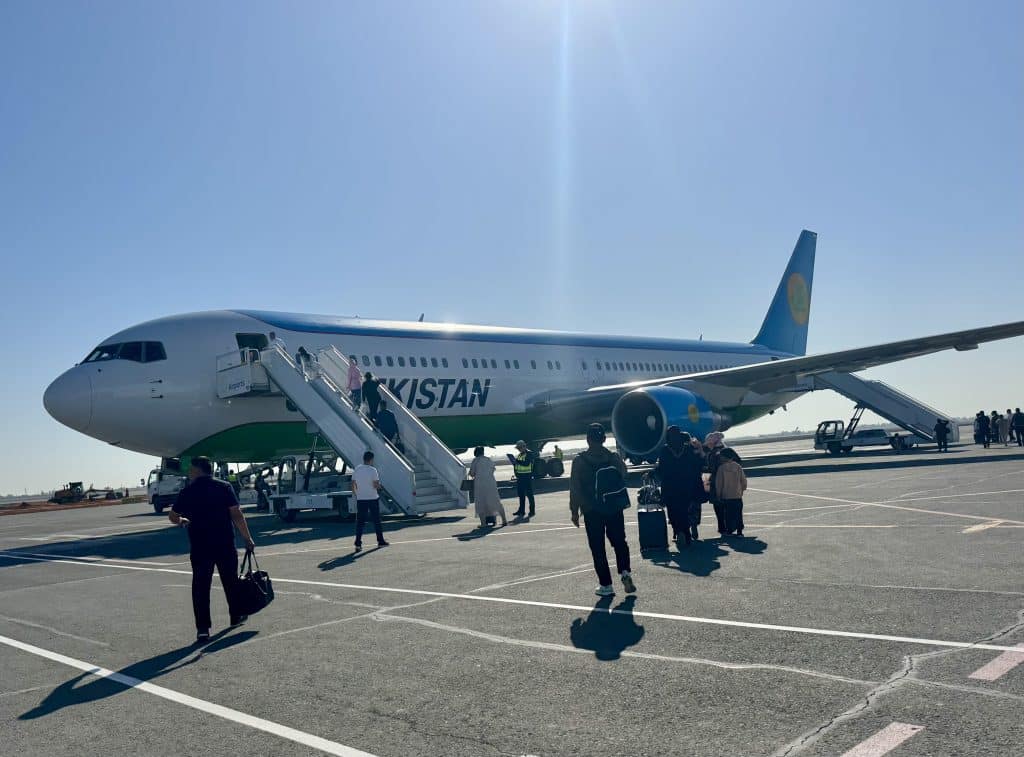
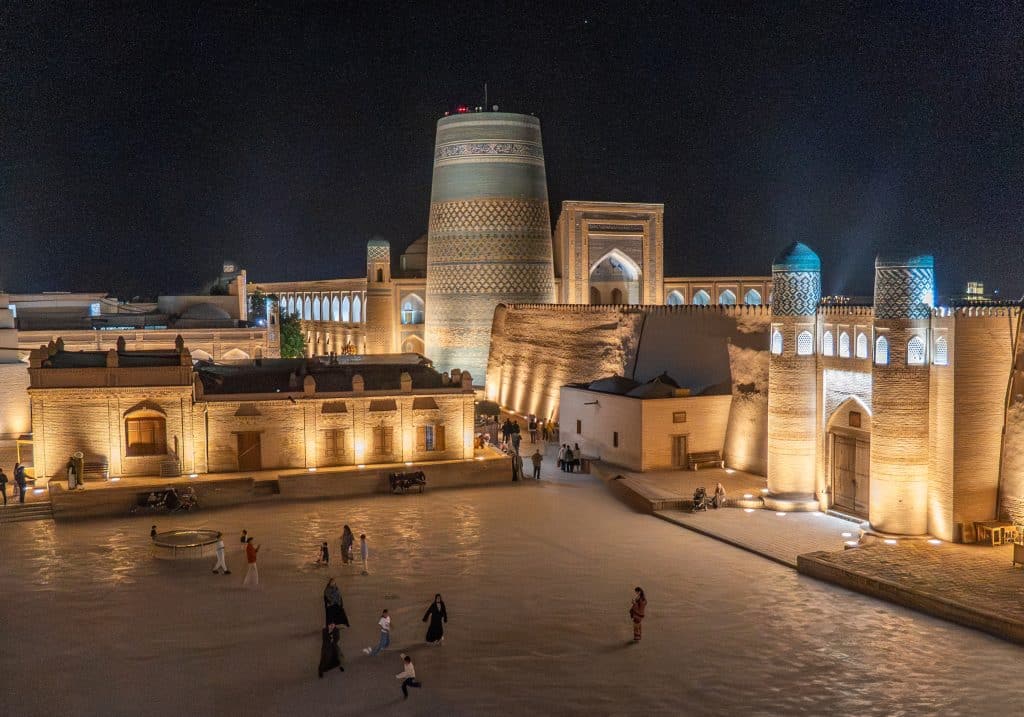
Located in the far west, Khiva is a perfectly preserved walled city (Itchan Kala) in the Khorezm region. Its remote location in the desert provides a distinct visual aesthetic, characterized by sand-colored bricks and turquoise minarets. Because of its distance from Tashkent, many travelers opt for a domestic flight from nearby Urgench Airport or a sleeper train to reach the city.
Strategic Planning and Seasonal Considerations
The continental climate of Central Asia dictates the optimal windows for travel.
Timeline and Seasonality
Spring (April to May) and Autumn (September to October) are the peak seasons. During these months, temperatures are mild, making the extensive walking required for sightseeing manageable. Summer (June to August) can see temperatures exceeding 40°C (104°F), particularly in the desert regions of Khiva and Bukhara. Conversely, winters are cold and often bleak, with many rural tourism services closing for the season.
Itinerary Construction
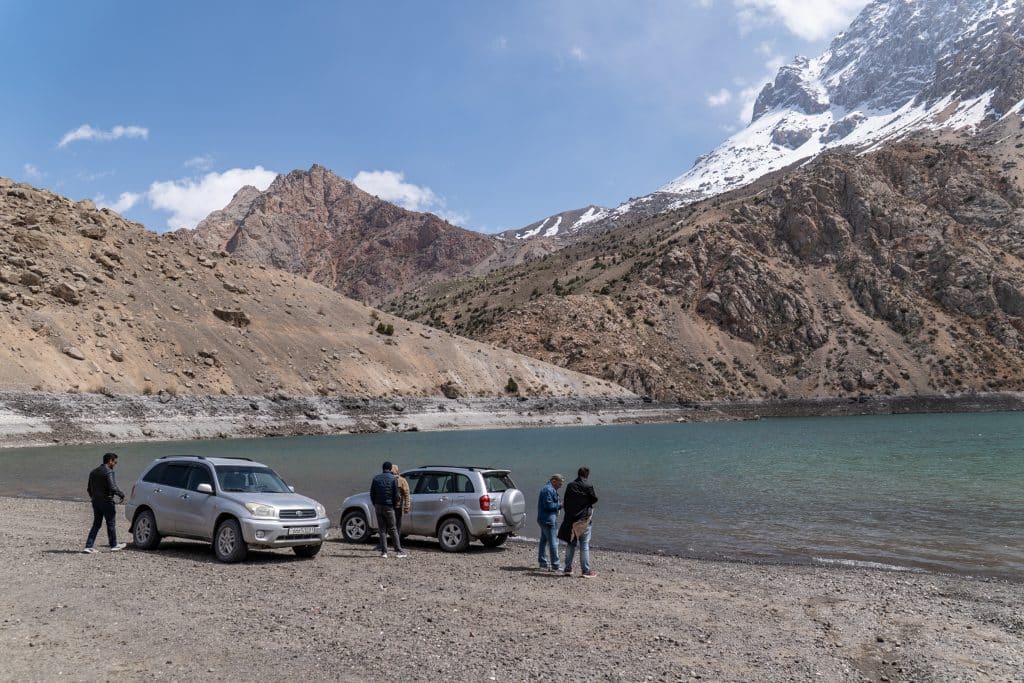
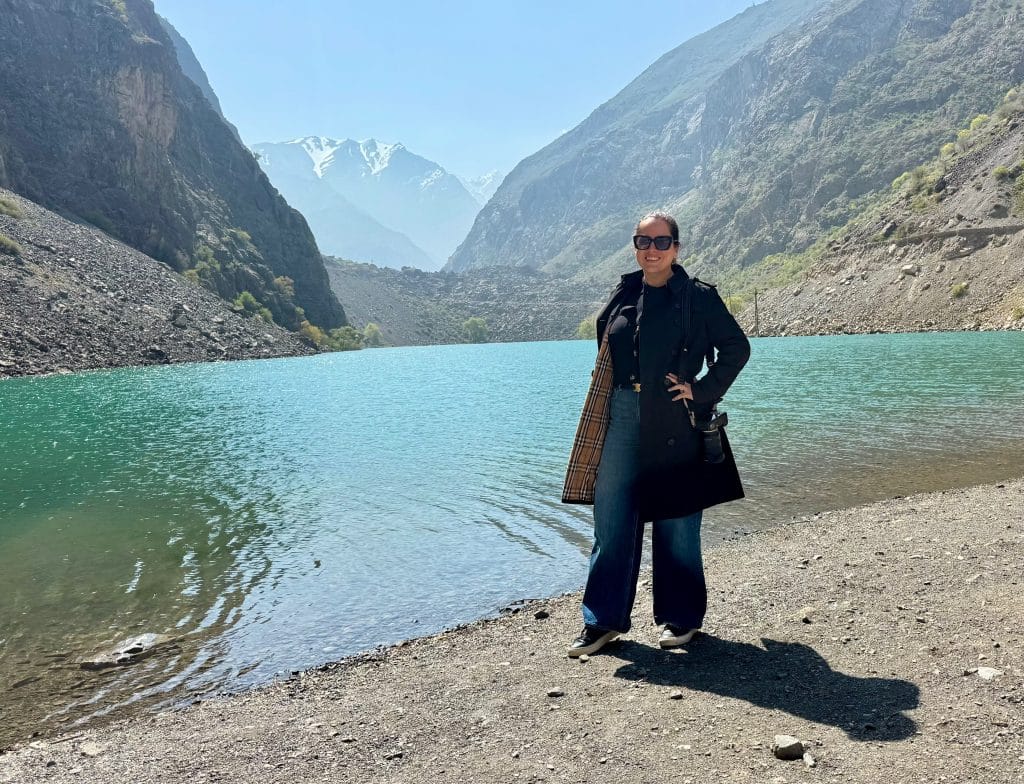
Experts advise against the "Five Stans" tour model for first-time visitors unless they have at least six weeks. A more focused "Two Stan" (e.g., Uzbekistan and Kazakhstan) or "Three Stan" (adding Tajikistan) approach allows for a deeper immersion. Uzbekistan’s geography allows for easy cross-border day trips, such as traveling from Samarkand into the Fann Mountains of Tajikistan to visit Panjakent or the Seven Lakes.
Economic and Cultural Implications
The shift toward tourism has significant implications for local communities. The revival of traditional crafts, such as Suzani (embroidery) and Ikat (weaving), is driven largely by international demand. Workshops in Bukhara and Samarkand not only preserve these arts but also provide vital income for local families.
Furthermore, the "Silk Road" brand is being leveraged to foster regional cooperation. The expansion of Turkish Airlines into secondary Uzbek cities like Urgench and Samarkand reflects a growing connectivity that bypasses the traditional reliance on Tashkent as the sole international hub. For the traveler, this means more flexibility in entering and exiting the country, potentially avoiding redundant backtracking.
In conclusion, Uzbekistan offers a high-reward experience for those willing to navigate its specific logistical requirements. By prioritizing early bookings, respecting cultural modesty, and embracing the digital tools available, visitors can witness the transformation of an ancient crossroads into a modern tourism powerhouse.