The Moroccan Festival of Roses: A Deep Dive into Kalaat M’Gouna’s Scented Heritage and Economic Vitality

In ancient Rome, legend held that the rose first sprung from the blood of Adonis, a symbol of beauty, love, and ephemeral existence. Crowns of roses adorned newlyweds, garlands graced lavish banquets, and petals were strewn beneath the feet of victors, signifying triumph and luxury. While the grandeur of ancient times has receded, the profound reverence for this exquisite flower endures, manifesting vibrantly in modern-day traditions such as the Moroccan Festival of Roses. The 2026 edition, held from May 7th to 10th, recently concluded its four-day spectacle of folklore, elaborate parades, and an omnipresent rose-scented atmosphere within the heart of the Dadès Valley. For those who missed this year’s fragrant celebration, an exploration of its depth reveals why it is an event already worth marking calendars for in 2027.
Kalaat M’Gouna: The Verdant Heart of Morocco’s Rose Industry
The annual Festival of Roses anchors itself in Kalaat M’Gouna, a town approximately 80 kilometers (50 miles) northeast of Ouarzazate, nestled within the picturesque Dadès Valley. This region, affectionately known as the "Valley of Roses," is the epicenter of Morocco’s thriving rose industry. Here, the air is perennially infused with the intoxicating fragrance of the Centifolia rose, also known as Rosa Damascena or the Persian rose, a cultivar celebrated globally for its rich, complex scent. Flowering hedgerows line the streets, transforming the landscape into a canvas of lush pink blooms each spring. The cultivation and processing of these delicate flowers form the backbone of the local economy, yielding prized rose oils for international perfume houses, beauty products, and gourmet cooking ingredients.
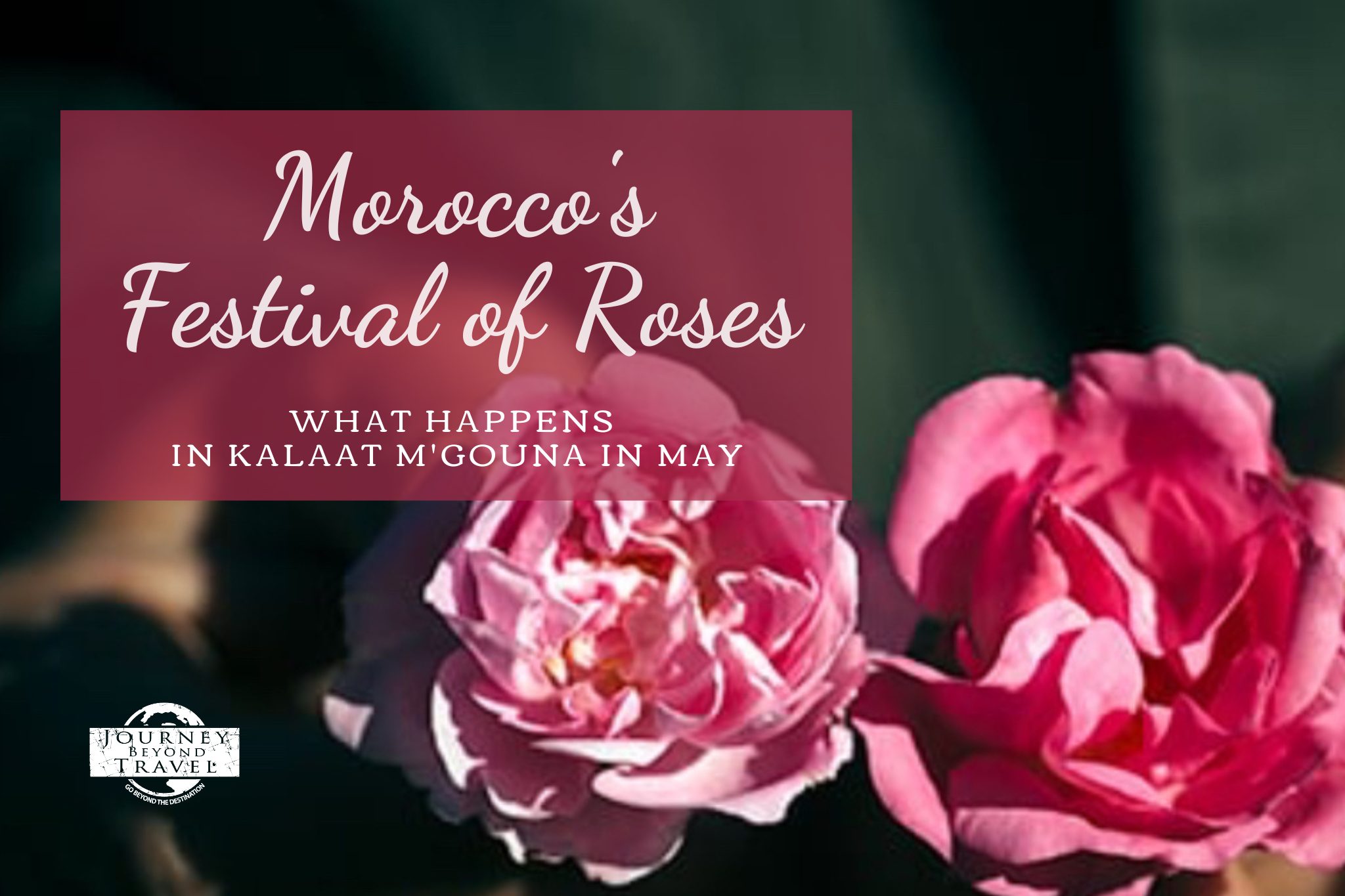
The journey of the rose in Morocco is steeped in history, with local lore tracing its arrival back to the 10th century, carried by pilgrims returning from Saudi Arabia. This historical connection underscores the deep cultural and spiritual significance the rose holds for the Amazigh communities inhabiting the valley. Over centuries, these communities have perfected the art of rose cultivation and extraction, passing down indigenous knowledge and sustainable practices through generations. The festival, therefore, is not merely a tourist attraction but a profound expression of communal identity, agricultural heritage, and economic resilience for the local farmers and artisans.
The Meticulous Craft of Rose Essence Extraction
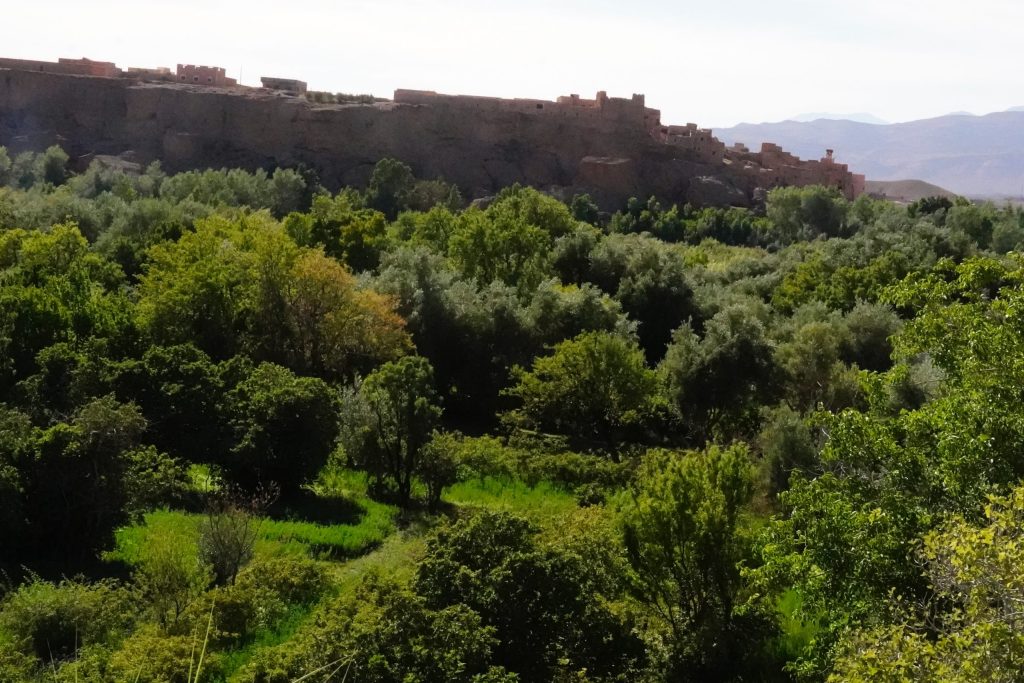
What truly distinguishes Kalaat M’Gouna’s rose industry is not just the abundance of its flowers but the sheer scale and painstaking effort required to extract their precious essence. The process highlights the extraordinary value of rose products: it takes an astonishing 3,175 kilograms (approximately 7,000 pounds) of petals to produce a mere 1 liter (around 35 ounces) of rose oil. Every liter of rose attar, the highly concentrated essential oil, represents tons of hand-picked flowers, harvested with meticulous care in the cool, early morning hours before the sun’s heat can diminish their delicate aromatic compounds. The harvested petals are then processed within hours to ensure no precious essence is lost.
Visitors have the unique opportunity to tour the country’s largest rose distilleries, witnessing firsthand the intricate process by which rosewater and rose attar are made. The experience is multi-sensory, culminating in the unforgettable aroma of the first run of condensed steam, a scent that lingers in memory long after leaving the valley. For an even more immersive experience, arriving a few days before the festival begins offers a truly unusual spectacle: literally tons of rose petals being trucked into the factories, their powerful, sweet scent wafting along the N10 highway. These pre-festival days are also ideal for leisurely, fragrant walks through the surrounding countryside, where almond groves intermingle with endless rose hedgerows, painting a serene picture of nature’s bounty.
A Detailed Chronology of the 2026 Festival
The 2026 Salon International de la Rose à Parfum, held under the distinguished patronage of King Mohammed VI, unfolded over four vibrant days, showcasing a rich tapestry of events across several venues. This layered program rewards visitors who extend their stay beyond the famous Saturday parade, offering a holistic view of the valley’s dedication to its most cherished crop.
Thursday, May 7: The Grand Inauguration
The festival commenced with a formal opening ceremony, marked by speeches from dignitaries, the signing of conventions pertaining to agricultural development, and prize-giving ceremonies recognizing outstanding contributions to the rose industry. Following these official proceedings, the Salon exhibition opened its doors to the public, offering a glimpse into the diverse products and innovations of the rose sector. By afternoon, the Place des Festivités buzzed with energy, hosting the year’s inaugural folklore performances. Attendees were treated to the rhythmic sounds of Amazigh music and the captivating group ahwach singing, embodying the particular energy of a community settling into a celebratory mode. This initial day often provides the most authentic and least crowded experience, offering an intimate portrayal of a town deeply honoring its annual harvest. A local official, perhaps the Mayor of Kalaat M’Gouna, might have remarked on the opening day, emphasizing, "This festival is a testament to our community’s enduring spirit and the invaluable legacy of our rose farmers. It is a moment of shared pride and a celebration of the traditions that define us."
Friday, May 8: The Business of Blooms
Friday morning was dedicated to the intellectual and economic facets of the rose industry, with scientific conferences held at the Salle des Conférences. Researchers, producers, and agricultural officials convened to discuss critical topics shaping the future of the rose sector. Discussions ranged from innovative cultivation techniques and optimizing distillation yields to ensuring economic sustainability for local farmers. This often-overlooked aspect of the festival is crucial, highlighting that beyond the festivities, the Moroccan rose sector is a vital, living industry supporting thousands of livelihoods in the valley. The insights shared here directly impact the economic well-being of the region, addressing challenges such as climate change resilience and market access. In the afternoon, the festival transitioned back to public engagement, with music filling the air and the Salon buzzing with activity as producers, cooperatives, and craft vendors from across the Drâa-Tafilalet region showcased their wares, fostering direct trade and community interaction.
Saturday, May 9: The Valley Turns Pink
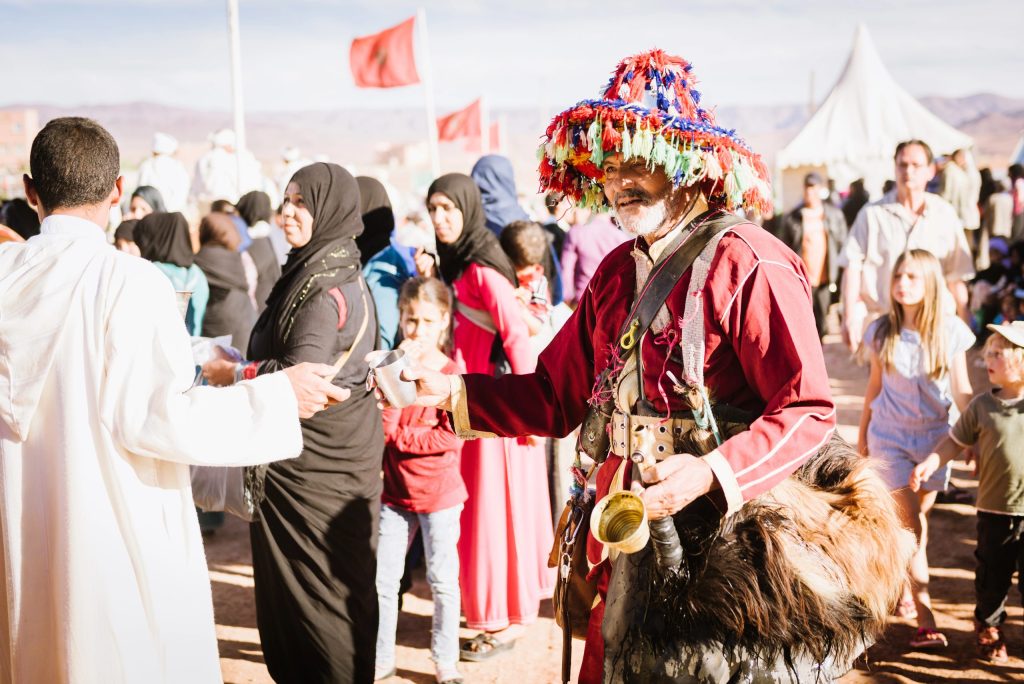
As Antoine de Saint-Exupéry beautifully penned in The Little Prince, "It is the time you have lost for your rose that makes your rose so important." The Saturday celebrations perfectly encapsulate this dedication and exuberance, making it the day around which many visitors plan their entire itinerary. The afternoon witnessed the spectacular carnival parade, winding its way down Boulevard Mohammed VI. A newly crowned Rose Queen presided over floats adorned with countless petals, while children delightedly handed out fragrant garlands to onlookers. Amazigh musicians and dancers moved along the route, their vibrant performances adding to the jubilant atmosphere. The bustling souk transformed into a bonanza of rose-scented treasures: artisanal soaps, nourishing lotions, pure rose oil, exquisite perfumes, and dried flowers. Beyond rose products, the market offered traditional Amazigh food, continuous music, and spontaneous dancing, alongside an exhibition of local crafts drawing artisans from across the region. Simultaneously, the highly anticipated Miss Rose election and the agricultural prize-giving ceremony ran alongside the afternoon festivities, layering celebration upon celebration—personal, communal, and genuinely joyful, devoid of any manufactured feel. The palpable enthusiasm of locals and visitors alike underscored the festival’s deep-rooted authenticity.
Sunday, May 10: The Long Goodbye
The festival gracefully wound down on Sunday. The Salon remained open through the morning, allowing for last-minute purchases and final exchanges. A concluding folklore session extended into the evening, providing a final opportunity to immerse in the local culture. By nightfall, the once-bustling hedgerows and streets gradually quieted. The remaining roses, not yet harvested during the festival, would be picked in the subsequent days, processed into the last batches of the season’s precious extracts. The valley would then slowly return to its ordinary rhythm, awaiting the next spring and the promise of another abundant harvest.
Economic Implications and Sustainable Practices
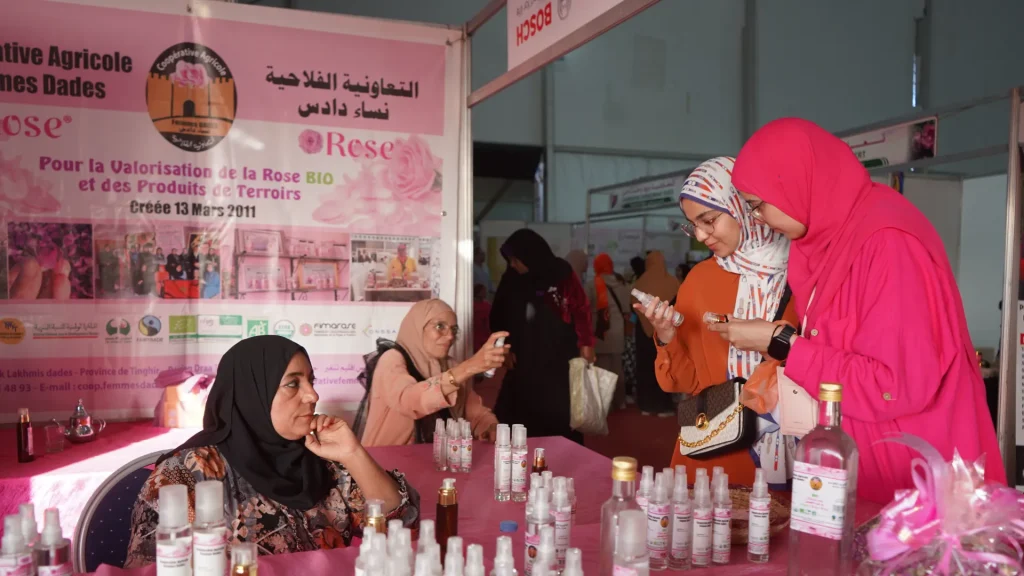
The Moroccan Festival of Roses serves as a vital economic engine for the Dadès Valley. It not only boosts tourism during a crucial period but also provides a direct marketplace for local producers and cooperatives to sell their products to a wider audience. The discussions held during the scientific conferences on Friday are instrumental in shaping sustainable agricultural practices, ensuring the longevity and profitability of the rose industry. Efforts focus on improving cultivation techniques to enhance yields, exploring organic farming methods, and developing new market opportunities for rose-based products. The cooperative model, prevalent in the region, plays a significant role in empowering local farmers, ensuring fair prices for their produce, and collectively investing in modern distillation equipment and quality control measures. This structure strengthens the local economy and helps protect the traditional knowledge associated with rose farming.
Navigating the Festival: Essential Visitor Information
For those planning to attend the Festival of Roses, understanding a few key details can significantly enhance the experience.
Authenticity in Rose Products: One of the most crucial pieces of advice for shoppers is to understand the difference between authentic and synthetic rose products. Genuine rosewater is clear. The widely available pink-colored versions sold across Morocco are almost always synthetic and should be avoided if seeking purity. Rose oil, or attar, is inherently expensive due to the minuscule yield per kilogram of petals. Any product sold cheaply as "rose oil" is likely adulterated or entirely synthetic. The Salon stands during the festival offer the best place to purchase rose products, providing a superior selection, reliable provenance, and generally better prices than those found in larger cities like Marrakech or Fès. Producers sell directly, allowing visitors to ask questions and receive authentic answers about the products. Beyond rose items, the festival souk is a treasure trove of locally made Berber jewelry, intricate leather goods, and exquisite silverwork from artisans who might otherwise have limited access to international visitors.
Planning Your Visit for 2027:
While the exact dates of the festival shift slightly each year, tied as they are to the natural rhythm of the rose harvest, the window reliably falls within the first two weeks of May. The 2026 edition ran from May 7th to 10th, suggesting that 2027 will likely fall within a similar timeframe.
- Optimal Timing: To fully appreciate the festival, it is advisable to arrive earlier than just for the Saturday parade. The crowds peak on parade day, and the preceding days, when the fields are in full bloom and distilleries are operating at peak capacity, offer a more atmospheric and insightful experience for those genuinely interested in the rose beyond its pageantry.
- Accommodation: Guesthouses in and around Kalaat M’Gouna fill up rapidly for the festival weekend. Booking accommodation well in advance is essential. While Ouarzazate, located 85 km away, can serve as a workable base, an overnight stay within the valley itself is highly recommended for a more immersive experience.
- Family-Friendly Atmosphere: The festival is inherently family-friendly. Children play a central role, from selling garlands in the streets to participating in the parade and enjoying communal meals in the town square. It is an event that genuinely caters to all ages.
- Cash is King: Most vendors at the festival, particularly local artisans and smaller cooperatives, primarily accept cash. It is prudent to carry sufficient Moroccan Dirham.
Getting There and Broader Itinerary Integration:
Kalaat M’Gouna is conveniently located on the N10 highway in the Dadès Valley, 85 km east of Ouarzazate. Most visitors integrate the festival into a broader southern Morocco circuit, typically including Ouarzazate, the dramatic Dadès Gorges, Kalaat M’Gouna, and then continuing east to Tinerhir and the Todra Gorge, or south towards the mesmerizing Sahara Desert. CTM buses provide connections to Ouarzazate and Marrakech, offering a reliable public transport option. However, opting for a private driver or renting a car offers invaluable flexibility, allowing visitors to stop at various distilleries, explore charming villages along the way, and truly savor the scenic drive through the valley, with the majestic Atlas Mountains rising on either side.
The Festival of Roses is far more than a mere tourist event; it is a genuine local celebration involving farmers, producers, and Amazigh communities from across the valley. Visitors are welcomed as guests to an authentic, deeply rooted cultural phenomenon, rather than a performance staged solely for them. This authenticity, combined with the intoxicating beauty and economic significance of the rose, makes the Moroccan Festival of Roses an unparalleled experience, offering a fragrant window into the heart of Moroccan heritage.
Related posts: