The Global Rise and Regulation of Nude Tourism: Balancing Economic Growth with Cultural Sensitivity and Public Safety

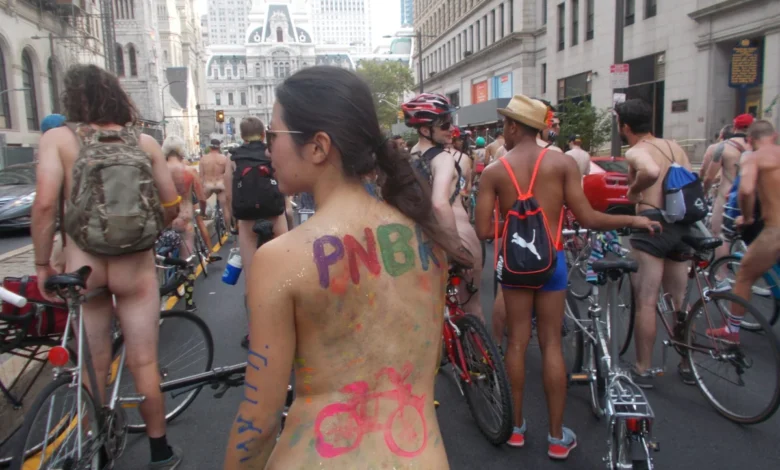
The trajectory of the modern clothing-optional tourism industry is often traced through the personal narratives of its pioneers, such as Shirley Mason, the executive director of the Beach Education Advocates for Culture, Health, Environment & Safety (B.E.A.C.H.E.S.) Foundation. Mason’s journey from the frigid climate of Minnesota to the sun-drenched shores of Florida reflects a broader demographic shift that has fueled a multi-billion-dollar niche market. As a young girl, a singular experience with skinny dipping during a summer camp served as a catalyst for a lifelong advocacy for naturism. Driven by a preference for warm water and the freedom of social nudity, Mason eventually established herself in Florida, where she became the primary architect behind the clothing-optional section of Miami-Dade County’s Haulover Beach. Today, Haulover is recognized by major travel authorities, including CNN, the Travel Channel, and Forbes, as one of the premier nude beaches in the world, serving as a cornerstone for an industry that combines personal liberty with significant economic contributions.
The Economic Impact of the Sunshine State’s Nude Tourism
The economic footprint of the nude and clothing-optional travel industry in Florida is substantial, far exceeding the perceptions of those outside the naturist community. According to a comprehensive joint study conducted by the American Association for Nude Recreation (AANR) and the American Association for Nude Travel Florida, the sector is a powerhouse of revenue generation. In 2016, the state’s 34 nudist resorts hosted approximately 2.2 million visitors, resulting in a staggering $7.4 billion economic impact.
Haulover Beach alone serves as a primary engine for local commerce. Mason reports that the beach attracts 1.3 million annual visitors, injecting an estimated $1.4 billion into the Miami-Dade economy. These figures highlight the "nakation" industry as a vital component of Florida’s broader tourism strategy. The revenue is not merely generated through resort fees but trickles down into local hospitality, transportation, and retail sectors, demonstrating that clothing-optional recreation is a legitimate and highly profitable branch of the global travel market.
Global Friction: Cultural Sensitivity and Legal Repercussions
While Florida has embraced the economic benefits of naturism, other regions of the world have seen a rise in "unauthorized" nudity, leading to significant legal and diplomatic friction. The "birthday suit" trend at major historical and religious landmarks has sparked international controversy and a wave of arrests.
At Machu Picchu, the iconic Incan citadel in Peru, authorities have been forced to increase surveillance to combat a persistent trend of tourists stripping for photographs. In 2015, at least ten visitors were removed from the site for public indecency, and the trend continued into 2018 when three visitors were expelled in March for baring their buttocks in front of the ruins. Peruvian officials have categorized these acts as disrespectful to the sacred nature of the site, emphasizing that historical landmarks are not appropriate venues for personal expressions of naturism.
Similar incidents have occurred across Asia. In Thailand, a female tourist triggered a manhunt after being filmed engaging in lewd behavior against the Hin Ta rock on Koh Samui, a site of local mythical significance. In Cambodia, the government took the drastic step of deporting several tourists who took partially nude photos at the Angkor Wat temple complex. More recently, Sri Lankan police arrested three individuals for taking "butt-baring" photos at the sacred Pidurangala Rock.
Travel experts and naturist advocates, including Nick and Lins of the website Naked Wanderings, emphasize that these incidents are detrimental to the naturist movement. They argue that respecting cultural and religious backgrounds is paramount. According to the couple, the behavior of "drunk kids" or insensitive tourists at sacred sites creates a negative stigma that makes it harder for legitimate clothing-optional venues to gain legal acceptance.
The Psychological and Health Benefits of Naturism
Advocates of the naturist lifestyle argue that the benefits of "nakations" extend far beyond the convenience of packing fewer clothes. The core appeal, according to Shirley Mason, is a profound sense of freedom and a reduction in the stress associated with societal expectations. This sentiment is echoed by researchers who have explored the link between social nudity and body image.
Studies have indicated that individuals who participate in clothing-optional activities, such as visiting nude beaches or participating in events like the World Naked Bike Ride, report higher levels of body satisfaction. By removing the markers of social status and the "idealized" bodies promoted by fashion industries, naturism allows participants to view the human form in its authentic, varied state.
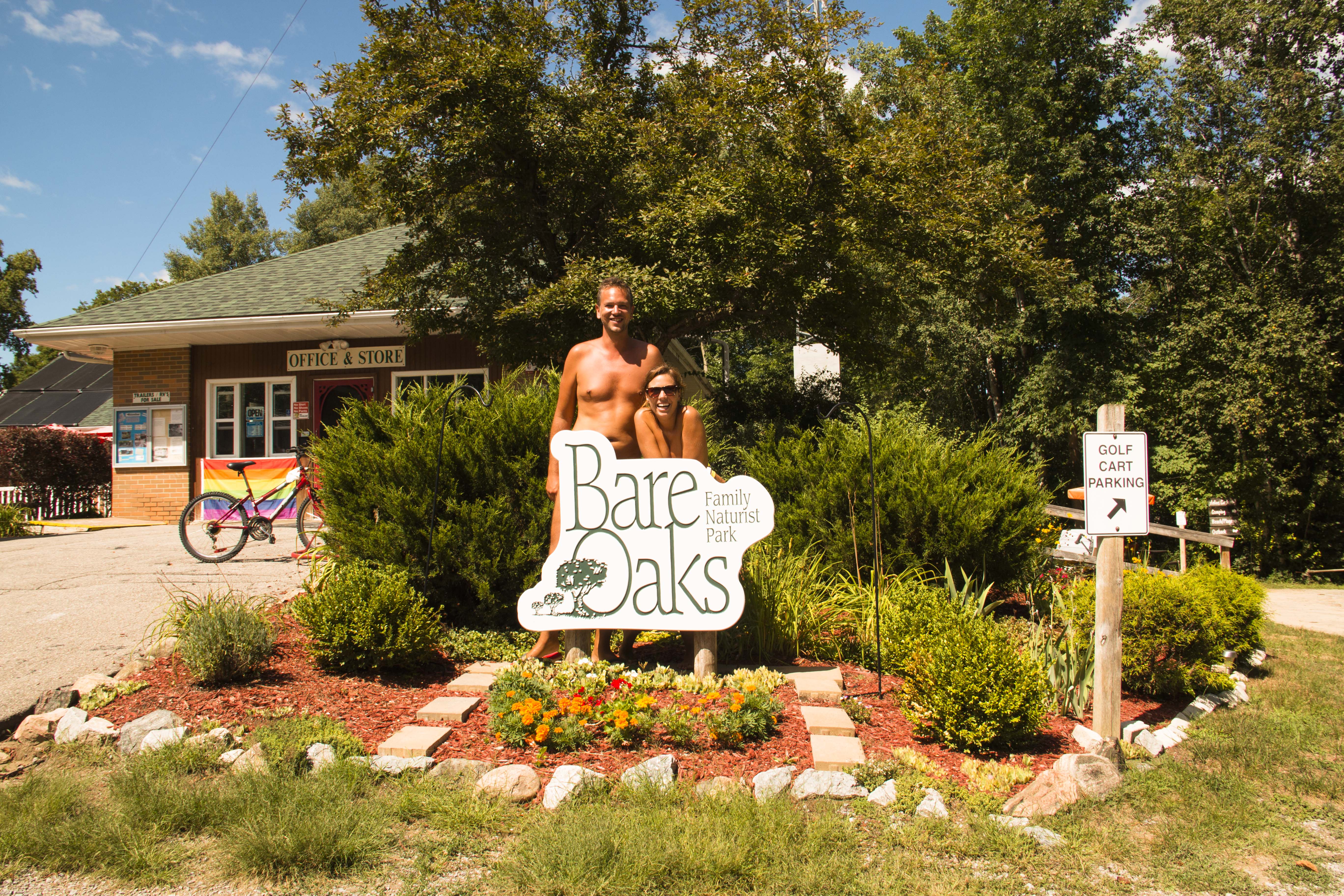
Stephane Deschenes, owner of the Bare Oaks resort in Canada, suggests that enhanced self-esteem is the primary goal of the naturist movement. Deschenes traces the roots of naturism back over a century, noting that it began as a health-focused movement before evolving to encompass psychological and emotional well-being. He posits that nudity serves as a catalyst for self-acceptance and encourages individuals to present their authentic selves. Furthermore, Deschenes advocates for the inclusion of families in naturist activities, arguing that children raised in such environments develop healthier attitudes toward their bodies and are less likely to succumb to the hypersexualization prevalent in mainstream media.
Modern Naturism: Events and the Youth Movement
The landscape of naturism is shifting as "Generation Y" begins to redefine the movement. Nick and Lins observe that twenty- and thirty-somethings are increasingly questioning conventional living and traveling habits, leading to a surge in active naturist events. Unlike the "old-fashioned" image of quiet riverside relaxation, modern naturism is often characterized by high-energy public events.
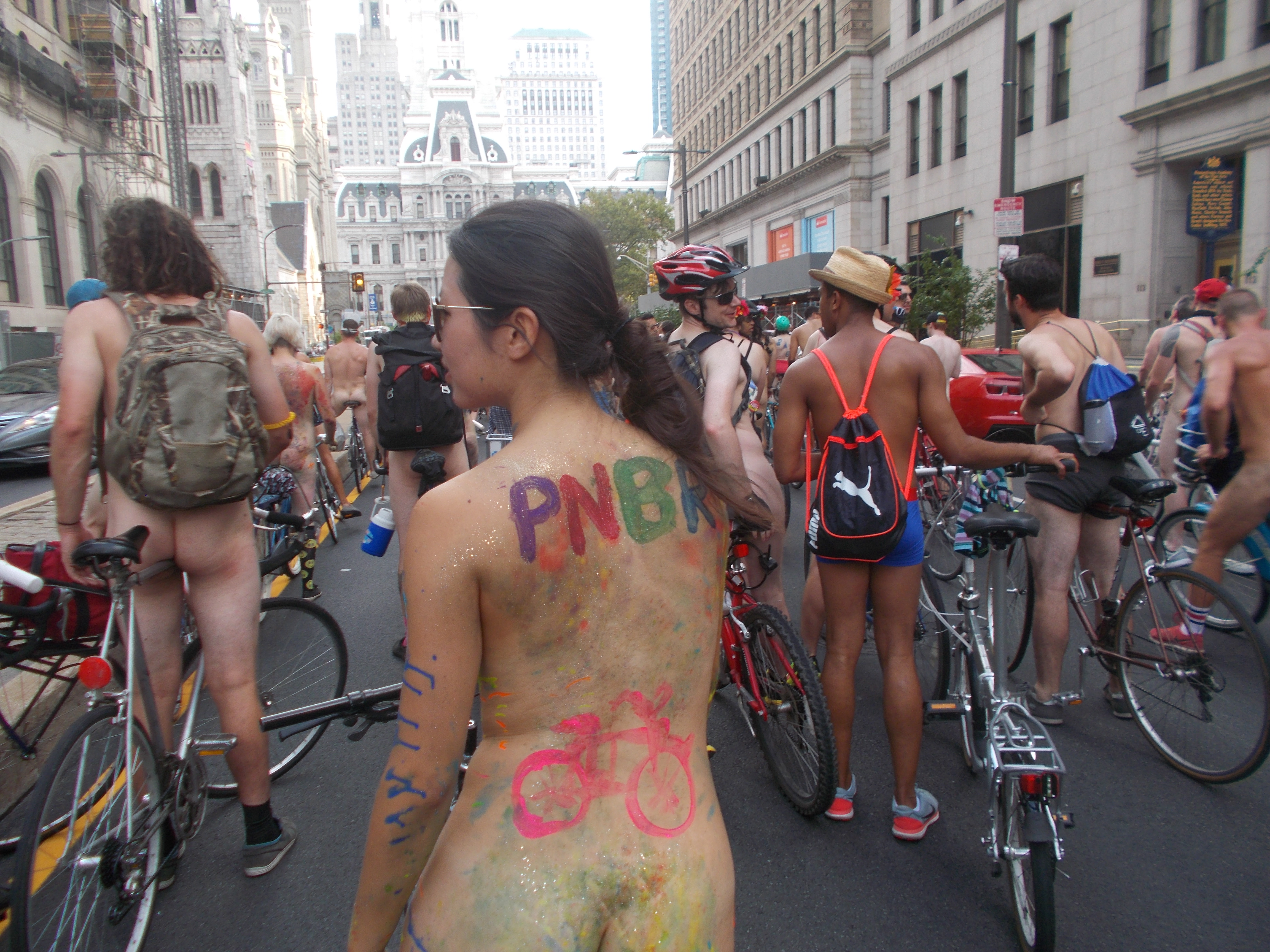
The World Naked Bike Ride (WNBR) in Portland, Oregon, serves as a prime example of this evolution. Originally founded 14 years ago as a protest against oil dependency and a way to highlight cyclist vulnerability, the event has transformed into a massive carnival-like celebration. In recent years, it has attracted upwards of 10,000 participants.
Meghan Sinnott, an organizer for the Portland WNBR, credits the event’s success to strong community ties and savvy media partnerships. By collaborating with local publications like the Portland Mercury and maintaining an "air of coolness" through professional promotional materials, the ride has become a "rite of passage" for locals. Crucially, the organizers prioritize community relations by attending neighborhood association meetings and rotating the ride’s route to ensure that no single area is disproportionately impacted.
Management and Safety: The "Beach Ambassador" Model
A significant challenge for clothing-optional venues is maintaining public order and preventing lewd behavior that could tarnish the venue’s reputation. Shirley Mason addressed this at Haulover Beach by implementing a "Beach Ambassador" program. These volunteers serve as a combination of a "welcome wagon, concierge service, and crime watch."
Beach Ambassadors are tasked with educating newcomers on proper etiquette, such as the "towel rule" (always sitting on a towel) and the prohibition of photography without consent. Mason argues that without such organized mentoring, clothing-optional areas can quickly deteriorate. She notes that the selection of remote locations for nude beaches—often done to avoid offending the public—can inadvertently attract individuals seeking to engage in illicit activities. By choosing a well-appointed site like Haulover, which features lifeguards and bathrooms, and by maintaining a visible presence of ambassadors, the community can self-police effectively.
At private resorts like Bare Oaks, security measures are even more stringent. New visitors are required to provide government-issued identification and watch an introductory video outlining the resort’s rules. Deschenes emphasizes that a "one-strike" policy for inappropriate behavior is essential for maintaining a safe, family-friendly environment. This communal sense of control is a hallmark of the naturist community, where participants actively look out for one another and report suspicious or disrespectful behavior immediately.
Conclusion: Challenging the Nudity-Sex Paradigm
The greatest hurdle for the nude tourism industry remains the societal conflation of nudity with sexual activity. Industry leaders like Mason and Deschenes spend a significant portion of their time fighting anti-nudity legislation and educating the public on the non-sexual nature of social naturism.
Mason’s work in Tallahassee, Florida’s state capital, involves demonstrating the "economic clout" of the naturist community to legislators. Her argument is pragmatic: if the community does not prove its value to the state, it risks being marginalized by political or religious opposition.
The consensus among long-term naturists is that once the initial barrier of disrobing is crossed, the environment becomes remarkably "de-sexualized." As travel writer Patrice J. Williams noted during her stay at a Jamaican resort, the lack of clothing often leads to more genuine social interactions. In a world where digital screens and fashion trends create barriers, the naturist movement offers a return to a more natural, transparent form of human connection. As the industry continues to grow, its success will likely depend on its ability to balance this quest for personal freedom with the rigorous standards of safety and cultural respect required by the global community.