The Ultimate Guide to Cape Cod Day Trips for Families Exploring the Bay States Coastal Gem


Cape Cod, a glacial peninsula extending into the Atlantic Ocean from the southeastern corner of Massachusetts, remains one of the premier summer destinations in the United States, attracting millions of visitors annually. While many travelers commit to week-long stays in shingle-style cottages, the region’s unique geography—divided into the Upper, Mid, Lower, and Outer Cape—makes it an ideal landscape for targeted day trips. For families navigating the complexities of New England summer travel, understanding the logistical constraints of the region’s infrastructure is as critical as selecting the right destination. The area is defined by its two primary vehicular arteries, the Sagamore and Bourne Bridges, which serve as the only land-based entries to the peninsula. According to data from the Massachusetts Department of Transportation (MassDOT), traffic volume on these spans increases exponentially during the summer months, often resulting in multi-hour delays on Friday afternoons and Sunday evenings. Consequently, successful day-tripping requires a strategic approach to timing, transportation modes, and geographic focus.
Strategic Logistics and Navigating the Cape Cod Canal
The seasonal nature of Cape Cod’s economy is a defining characteristic of the region. The Massachusetts Office of Travel and Tourism (MOTT) reports that the tourism industry in Barnstable County generates billions of dollars in domestic visitor spending, supporting thousands of jobs. However, this influx of people places significant pressure on the two mid-century bridges managed by the U.S. Army Corps of Engineers. To maximize the efficiency of a day trip, travel experts and local authorities recommend visiting mid-week. For those departing from the Greater Boston area, the "fast ferry" services from Long Wharf and the World Trade Center to Provincetown offer a logistical workaround, bypassing the highway congestion of Route 3 and the Sagamore Bridge entirely. These high-speed catamarans reduce a potentially three-hour drive to a 95-minute maritime transit, providing a scenic introduction to the Outer Cape while maintaining a strict schedule suitable for a single-day excursion.
The Upper Cape: Historical Foundations in Sandwich and Plymouth
For families seeking a shorter commute from the mainland, the Upper Cape offers the most accessible entry point. Sandwich, incorporated in 1639, holds the distinction of being the oldest town on Cape Cod. Its historical significance is preserved through institutions such as the Sandwich Glass Museum, which chronicles the town’s 19th-century industrial prominence in the glassmaking industry. Another primary draw is the Heritage Museums & Gardens, a 100-acre site featuring diverse botanical collections and a hidden gem for families: a vintage 1908 carousel.
Adjacent to the Cape, though technically on the South Shore of the mainland, Plymouth serves as a vital historical precursor to any Cape Cod visit. As the site of the 1620 Mayflower landing, Plymouth offers a concentrated educational experience. The Plimoth Patuxet Museums provide a living history narrative of the interactions between the English colonists and the Indigenous Wampanoag people. While Plymouth Rock remains a symbolic landmark, the Mayflower II—a full-scale reproduction of the original vessel—offers an immersive look at the maritime conditions faced by early settlers. For day-trippers, Plymouth and Sandwich can be combined into a single "heritage" itinerary that minimizes time spent on the congested Mid-Cape Highway (Route 6).
Woods Hole and the Scientific Frontier of Falmouth
Located at the southwestern tip of the Cape, the village of Woods Hole in Falmouth represents a global hub for marine science. It is home to the Woods Hole Oceanographic Institution (WHOI) and the Marine Biological Laboratory (MBL). For families, the Woods Hole Science Aquarium—the oldest public aquarium in the country—offers a focused, educational experience featuring local Atlantic species.

Falmouth also serves as a premier destination for active recreation. The Shining Sea Bikeway, a 10.7-mile paved path, follows the route of a former railroad line from North Falmouth to the Woods Hole ferry terminal. The path provides views of salt marshes, cranberry bogs, and the Vineyard Sound, making it a staple for families who prefer cycling over sightseeing. Furthermore, Woods Hole serves as the primary terminal for the Steamship Authority, providing the most frequent ferry access to Martha’s Vineyard. While the islands are often considered standalone destinations, the proximity of Woods Hole makes a "split" day trip feasible for those organized enough to manage the ferry schedules.
The Outer Cape: Provincetown and the National Seashore
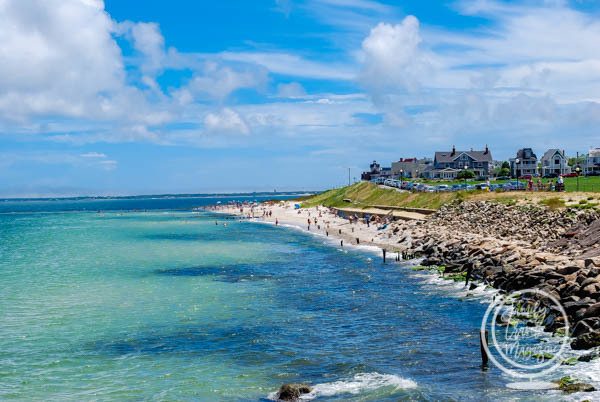
At the extreme northern tip of the peninsula lies Provincetown, a town that balances a vibrant, eclectic downtown with the pristine natural beauty of the Cape Cod National Seashore. Established in 1961 by President John F. Kennedy, the National Seashore encompasses 43,607 acres of ponds, dunes, and beachfront. Provincetown’s Commercial Street serves as the cultural heart of the town, featuring a dense concentration of art galleries, restaurants, and shops.
For a day trip, the Pilgrim Monument—a 252-foot granite structure completed in 1910—offers the highest observation point on the Cape, commemorating the first landfall of the Pilgrims in the New World. Maritime excursions are a cornerstone of the Provincetown experience; whale-watching tours departing from MacMillan Pier frequently encounter humpback and finback whales in the Stellwagen Bank National Marine Sanctuary. Environmental advocates and tour operators emphasize the importance of booking these excursions in advance, as the high demand during the peak season often leads to sold-out departures.

Mid-Cape Attractions: Yarmouth and the Family Entertainment District
The Mid-Cape region, specifically Yarmouth and Hyannis, is characterized by its high concentration of family-oriented amenities. Yarmouth is frequently cited by regional tourism boards as the most "kid-friendly" town on the Cape due to its density of miniature golf courses, inflatable parks, and specialized museums. The Whydah Pirate Museum in West Yarmouth houses the world’s first authenticated pirate shipwreck, discovered off the coast of Wellfleet. The museum serves as both a historical repository and an interactive exhibit, displaying treasures and artifacts from the 18th-century vessel.
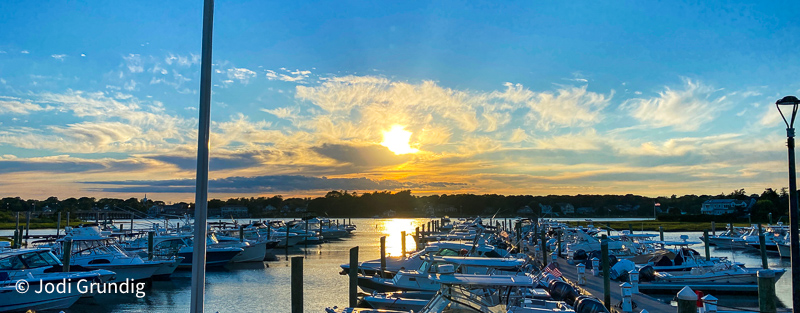
In addition to commercial entertainment, the Mid-Cape offers significant natural attractions. Gray’s Beach in Yarmouth Port features a long wooden boardwalk that extends over a salt marsh, providing a prime location for viewing the sunset and local birdlife. This area represents the "classic" Cape Cod aesthetic—calm bay waters and extensive marshes—contrasting with the rugged, high-energy surf of the Atlantic-facing beaches in Wellfleet and Truro.
Natural Preservation at Nickerson State Park and the Rail Trail
Brewster, located in the Lower Cape, offers a different pace of life, centered on conservation and quiet exploration. Nickerson State Park is a 1,900-acre preserve that deviates from the Cape’s typical coastal geography, featuring "kettle ponds" formed by retreating glaciers. These freshwater ponds provide opportunities for swimming, kayaking, and fishing in a woodland setting.
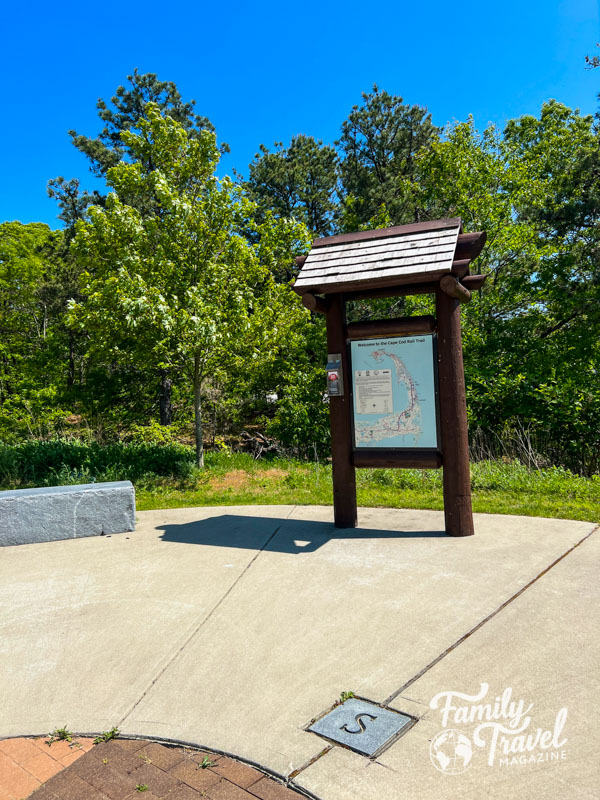
The park also serves as a major trailhead for the Cape Cod Rail Trail (CCRT). This 25-mile paved trail spans six towns, from South Yarmouth to South Wellfleet. The CCRT is a vital piece of the region’s recreational infrastructure, allowing families to traverse large sections of the Cape without interacting with vehicular traffic. State officials note that the trail is part of a broader effort to promote "green" tourism and reduce the carbon footprint of visitors to the peninsula.
The Islands: Martha’s Vineyard and Nantucket
While Martha’s Vineyard and Nantucket are often treated as distinct vacation spots requiring multi-day stays, they remain popular day-trip options for those already situated on the Cape. Martha’s Vineyard is the larger of the two and is generally more accessible for a day trip via the ferries from Woods Hole or Falmouth. The "down-island" towns of Vineyard Haven, Oak Bluffs, and Edgartown are easily navigated via the island’s robust public bus system (VTA).
Nantucket, located further out at sea, is often reached via high-speed ferry from Hyannis. The island is known for its preserved 19th-century whaling architecture and high-end boutiques. Because of its compact size, Nantucket is particularly suited for a car-free day trip, with many visitors opting to rent bicycles to reach popular spots like Madaket or Siasconset. However, travel analysts caution that the cost of ferry tickets and the time required for transit make island day trips a significant investment that requires careful planning to ensure sufficient time on the ground.
Broader Economic and Environmental Implications
The popularity of Cape Cod as a day-trip destination has broader implications for the region’s sustainability. The seasonal surge in population—which can triple the resident count in towns like Provincetown and Chatham—necessitates a delicate balance between economic growth and environmental stewardship. The Cape Cod Commission, a regional land-use agency, consistently monitors the impact of tourism on the area’s sole-source aquifer and its fragile dune systems.
Furthermore, the "day-trip" model of tourism is increasingly supported by regional transportation initiatives. The CapeFLYER, a seasonal weekend passenger rail service from Boston’s South Station to Hyannis, represents an effort to mitigate bridge congestion and provide a stress-free entry point for families. This shift toward multi-modal transportation is viewed by local officials as essential for the long-term viability of the Cape’s tourism industry.
In summary, Cape Cod offers a diverse array of experiences that can be successfully condensed into a single day, provided that visitors account for the logistical realities of New England’s coastal geography. From the scientific corridors of Woods Hole to the historic streets of Sandwich and the wild dunes of Provincetown, the peninsula provides a comprehensive look at the intersection of American history, marine science, and natural beauty. By choosing mid-week travel and utilizing ferries or rail services, families can navigate the region’s challenges and fully engage with the unique character of each Cape Cod town.