The Fly Tot Plus Inflatable Travel Cushion: A Comprehensive Analysis for Modern Families Traveling with Young Children

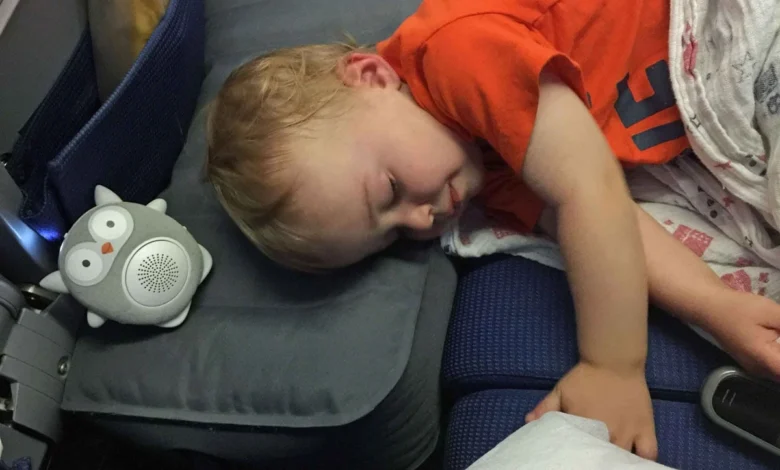
Long-haul air travel with toddlers remains one of the most significant logistical challenges for modern parents, often characterized by cramped quarters, limited mobility, and the struggle to ensure adequate rest for young children. As international tourism figures have rebounded to near pre-pandemic levels, the demand for travel-related comfort products has surged. Among these, the Fly Tot Plus, an evolution of the original inflatable airplane cushion, has emerged as a focal point in the debate over cabin comfort and in-flight accessibility for families.

The Evolution of In-Flight Comfort Solutions
The conceptual origin of the Fly Tot lies in the need to address the limitations of economy-class seating for children. Standard airplane seats are designed for adult dimensions, leaving toddlers with dangling legs and limited space to recline or lie flat. The introduction of the original Fly Tot nearly a decade ago marked a shift in how parents approached long-duration flights. By filling the void between the child’s seat and the seat in front, the cushion creates a level, extended platform that mimics the functionality of a lie-flat bed.

The current iteration, the Fly Tot Plus, incorporates several engineering refinements designed to address feedback from both users and regulatory bodies. A primary update is the dual-width design, which allows for a more adaptable fit across varying seat pitches in economy and premium economy cabins. Furthermore, the integration of a patented emergency safety release valve represents a critical move toward addressing safety concerns regarding cabin pressure fluctuations—a feature that distinguishes it from earlier, non-regulated inflatable products.
Technological and Design Enhancements
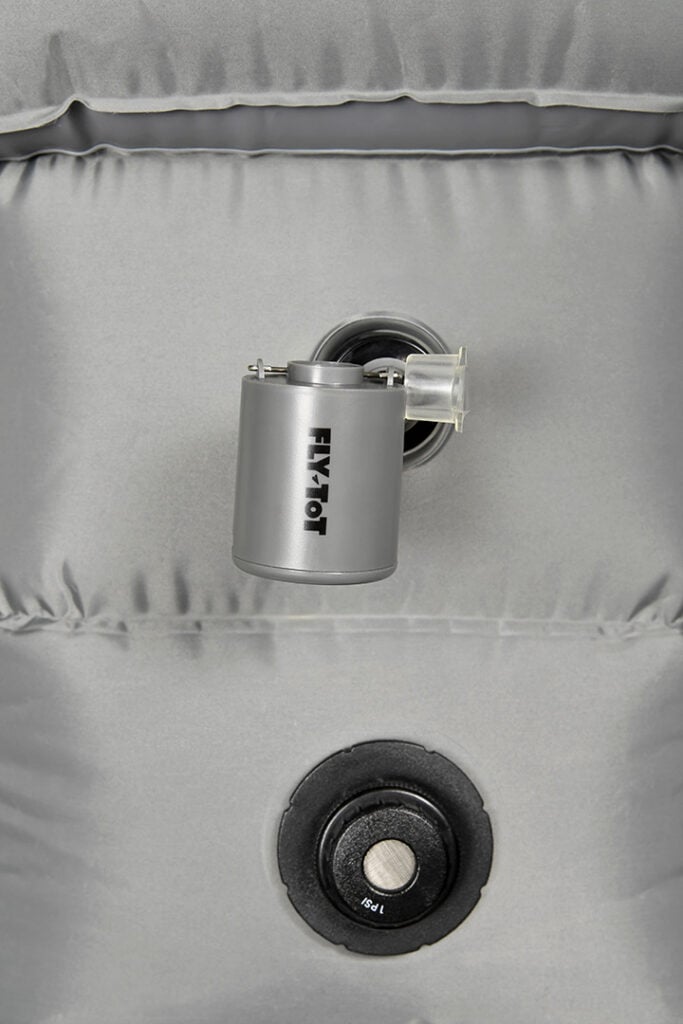
The transition from manual inflation to the inclusion of a rechargeable electric "Tiny Pump" signifies a broader industry trend toward convenience in travel gear. The pump, capable of inflating the cushion in under 60 seconds, reduces the burden on parents who are already managing multiple carry-on items. From an ergonomic perspective, the cushion’s tapered design aims to maintain access to under-seat equipment, such as life vests and in-flight entertainment hardware, which is a frequent point of contention during cabin safety inspections.
The Role of Regulatory Compliance and Airline Policy

While products like the Fly Tot Plus offer clear utility, their use is strictly governed by the internal policies of individual commercial airlines. There is no global aviation standard regarding the use of inflatable footrests or seat extenders. Consequently, the burden of verification rests entirely on the passenger. Major international carriers often maintain distinct rules—some permitting such devices only in window or bulkhead seats, while others prohibit them entirely, citing concerns over potential obstruction of emergency egress routes.
Aviation experts note that as these devices gain popularity, airlines are under increasing pressure to standardize policies. Until such time, the variability in aircraft configuration means that a product approved on one flight might be restricted on another, even within the same airline’s fleet. Passengers are advised to consult with the specific carrier’s current policy and, when possible, verify the seat configuration for their specific aircraft type.

Chronology of Usage and Real-World Application
Early adopters of the original Fly Tot technology reported significant improvements in child behavior during trans-oceanic flights. Data from frequent travelers suggests that by creating a dedicated "sleep zone," children are less prone to the restlessness associated with being confined to a lap or a standard upright seat. For parents, the implications are twofold: the reduction in physical stress and the potential for improved rest for both the child and accompanying adults.

Case studies from families who have utilized these cushions for over 50 hours of flight time highlight a consistent pattern: the successful conversion of the seat into a sleeping surface is most effective for children in the 2 to 8-year-old demographic. While some parents have attempted to use such devices for infants under two, manufacturers currently emphasize that the product is not a child restraint system and cannot replace seat belts or FAA-approved car seats.
Impact on Family Travel Dynamics
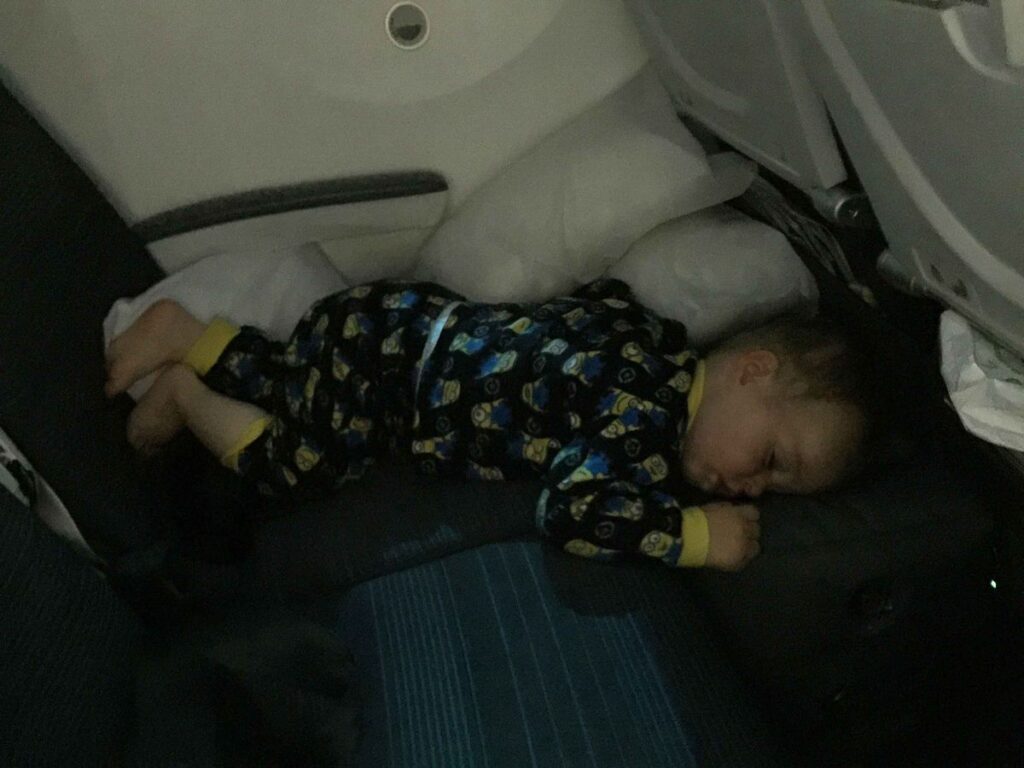
The widespread adoption of comfort-enhancing travel gear reflects a broader change in the family travel landscape. As air travel becomes more accessible, parents are increasingly looking for ways to mitigate the environmental stressors of the cabin—including noise, limited personal space, and the inability to lie down.
Analysis of travel trends indicates that products like the Fly Tot Plus contribute to a "smoother" travel experience, which may correlate with fewer in-flight disturbances. However, this is contingent upon the child’s ability to adapt to the sleep surface and the willingness of the cabin crew to permit the device’s use. Experts in family travel suggest that the most successful users are those who treat the cushion as a supplementary tool rather than a guaranteed solution. Success, they note, is often found in preparation: practicing the inflation process at home, ensuring the pump is fully charged, and maintaining a respectful dialogue with flight attendants regarding the device’s placement.

Safety and Practical Considerations for Consumers
Consumers considering an investment in a travel cushion must weigh the benefits against the potential for denial of use by cabin crew. The "Final Authority" of the Captain and cabin crew is an immutable rule in aviation; if a crew determines that a device poses a safety risk, it must be deflated and stowed immediately.
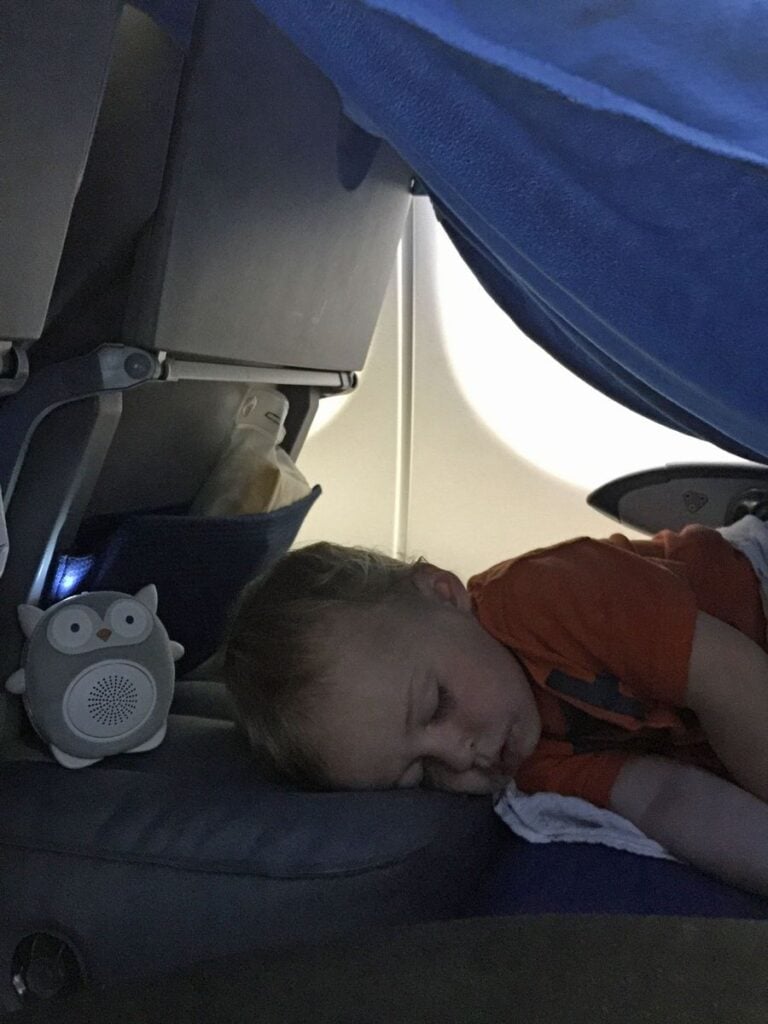
Furthermore, the environmental impact of such products is a growing consideration. The durability of the materials used in the Fly Tot Plus—intended to withstand multiple long-haul trips—is a factor that differentiates it from cheaper, disposable alternatives. Consumers are increasingly encouraged to look for high-quality, long-lasting products that avoid the cycle of frequent replacement.
The Future of In-Flight Seating Innovations

Looking forward, the debate surrounding seat-extender technology is unlikely to abate. As airlines face increased demand for passenger comfort, there is potential for a future where standard economy seats might include integrated leg rests or more sophisticated child-friendly seating solutions. Until such innovations are standard, the aftermarket for inflatable travel aids remains a robust, albeit complex, sector of the travel industry.
For families, the decision to invest in such a product is largely a risk-reward calculation. The potential for a child to sleep through a red-eye flight, thereby arriving at a destination refreshed, is a significant incentive. Conversely, the uncertainty of airline approval requires a degree of flexibility. The consensus among veteran travelers is that while such tools are not universal, they represent a significant advancement in the specialized niche of pediatric travel comfort.

As families continue to traverse the globe, the integration of specialized gear into their travel routine will likely remain a key strategy for managing the realities of air travel. By understanding the capabilities and the constraints of products like the Fly Tot Plus, parents can make informed decisions that align with both their travel requirements and the rigorous safety standards of modern aviation. The ongoing dialogue between manufacturers, airlines, and passengers will continue to shape the development of these tools, ensuring that as travel technology evolves, it remains focused on the needs of all passengers, including the youngest ones on board.