Three Generations Across the Pond: How One Mother-Daughter UK Adventure Highlights the Longevity and Bonding Power of Multi-Generational Travel

The intersection of aging demographics and shifting family dynamics has placed a renewed focus on how multi-generational travel serves as a vital tool for maintaining emotional connectivity. A recent eight-day itinerary through the United Kingdom undertaken by 86-year-old Jackie Castle and her adult daughter, Becky O’Grady, exemplifies a growing travel trend where families prioritize shared experiences across adult life stages. Expertly coordinated by Susan Robinson, a senior travel advisor with the family-focused travel planning firm Ciao Bambino, the journey bridged the physical distances often created by busy careers and modern family dispersal, offering a compelling look at the logistical, psychological, and relational dimensions of senior travel.
Main Facts and Itinerary Overview
The cross-country excursion spanned a carefully curated selection of English destinations rich in historical significance and personal resonance. O’Grady and Castle began their voyage in London, where O’Grady’s adult son resides, before traveling by rail to Bath. Following a brief car rental period to navigate the rural expanses of the Cotswolds, the duo concluded their expedition through Oxford and a return to the British capital.
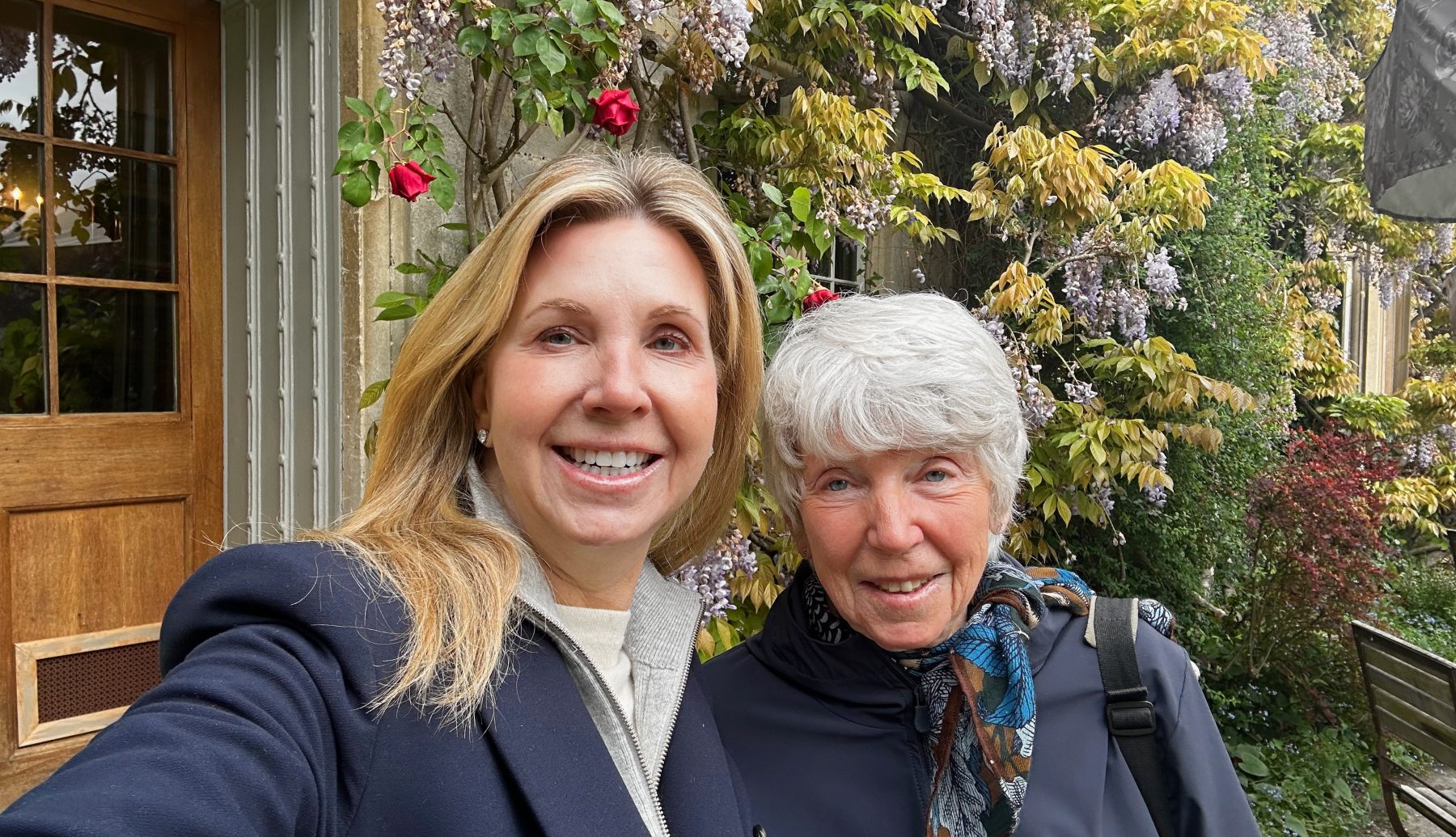
Rather than adopting a high-intensity, checklist-driven touring style, the pair operated on a principle of intentional pacing. Recognizing the physical realities of navigating uneven, historic cobblestone streets, the itinerary centered on a single primary activity per day. This deliberate flexibility accommodated Castle’s active routine—which includes daily swimming and yoga—while mitigating fatigue. Key cultural touchstones included a visit to the historic Cotswolds home of textile designer and author William Morris, a tour of King Charles’s Highgrove estate, and a spontaneous evening performance of the West End musical Hamilton upon their return to London.
Chronology and Logistical Management
The timeline of the eight-day journey required meticulous logistical planning to balance accessibility, historical exploration, and familial integration. In designing the route, Senior Travel Advisor Susan Robinson factored in the unique physical requirements of an octogenarian traveler alongside the desire for intellectual engagement.
The chronology unfolded over eight distinct phases:
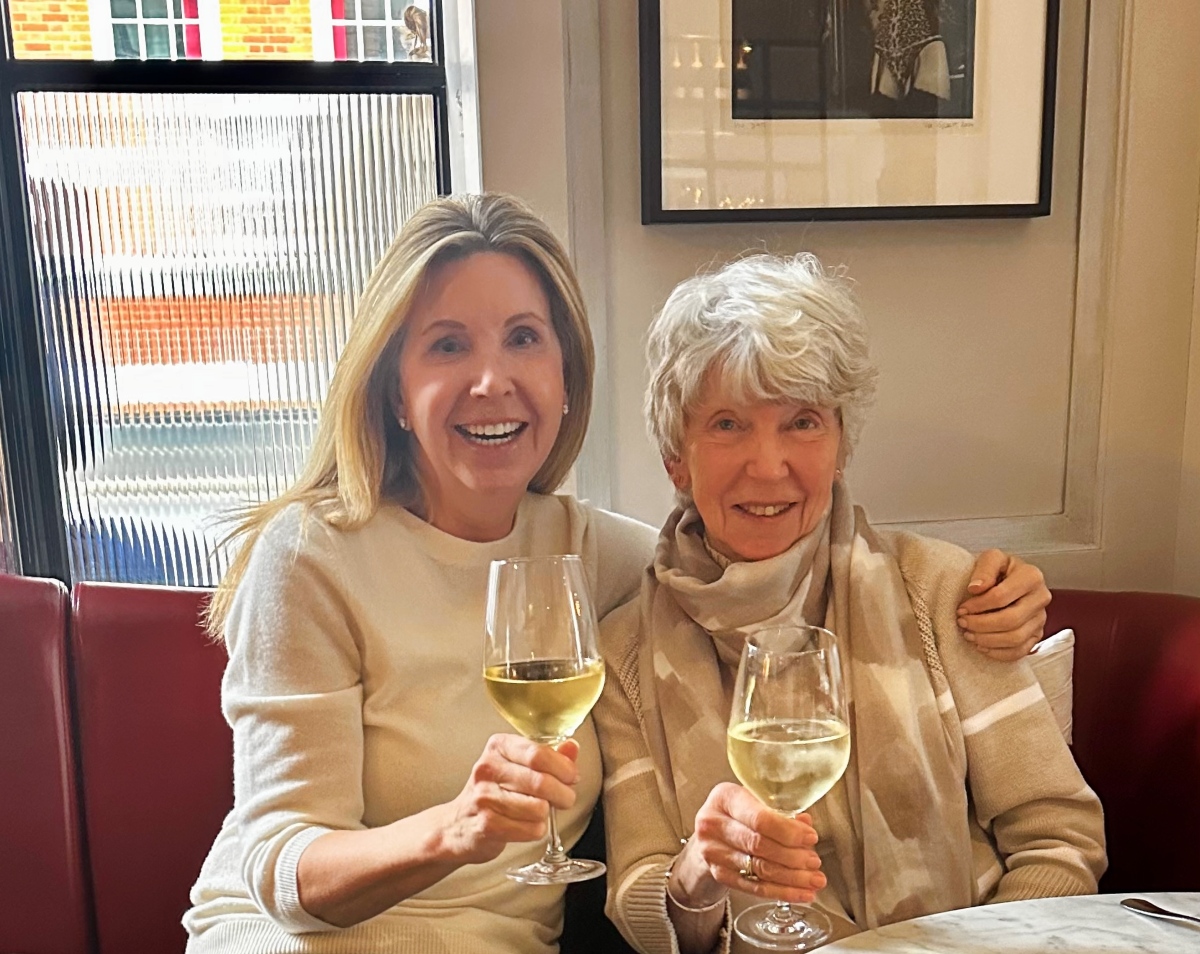
- London Arrival and Familial Immersion: The trip commenced with a multi-day stay in London, dedicated primarily to three-generation family bonding. Castle prioritized experiencing her grandson’s daily environment, walking through his neighborhood, and familiarizing herself with local establishments such as his neighborhood grocery store and Underground transit routes.
- Transit to Bath: The duo transitioned via first-class rail service to Bath, a logistics choice designed to minimize the physical strain associated with long-distance driving while offering comfort and space to review maps and itineraries.
- The Cotswolds Self-Drive Phase: Securing a rental vehicle in Bath allowed the travelers the autonomy required to explore rural villages. O’Grady managed the challenge of driving on the left side of the road, providing the flexibility needed to visit private estates and historic properties at their own pace.
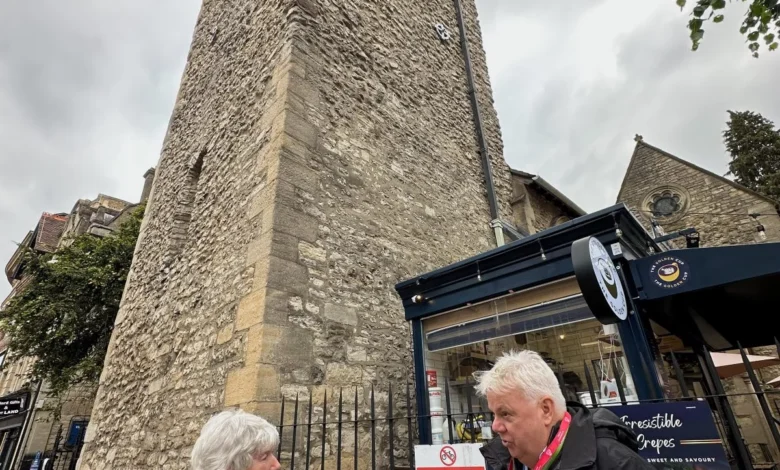
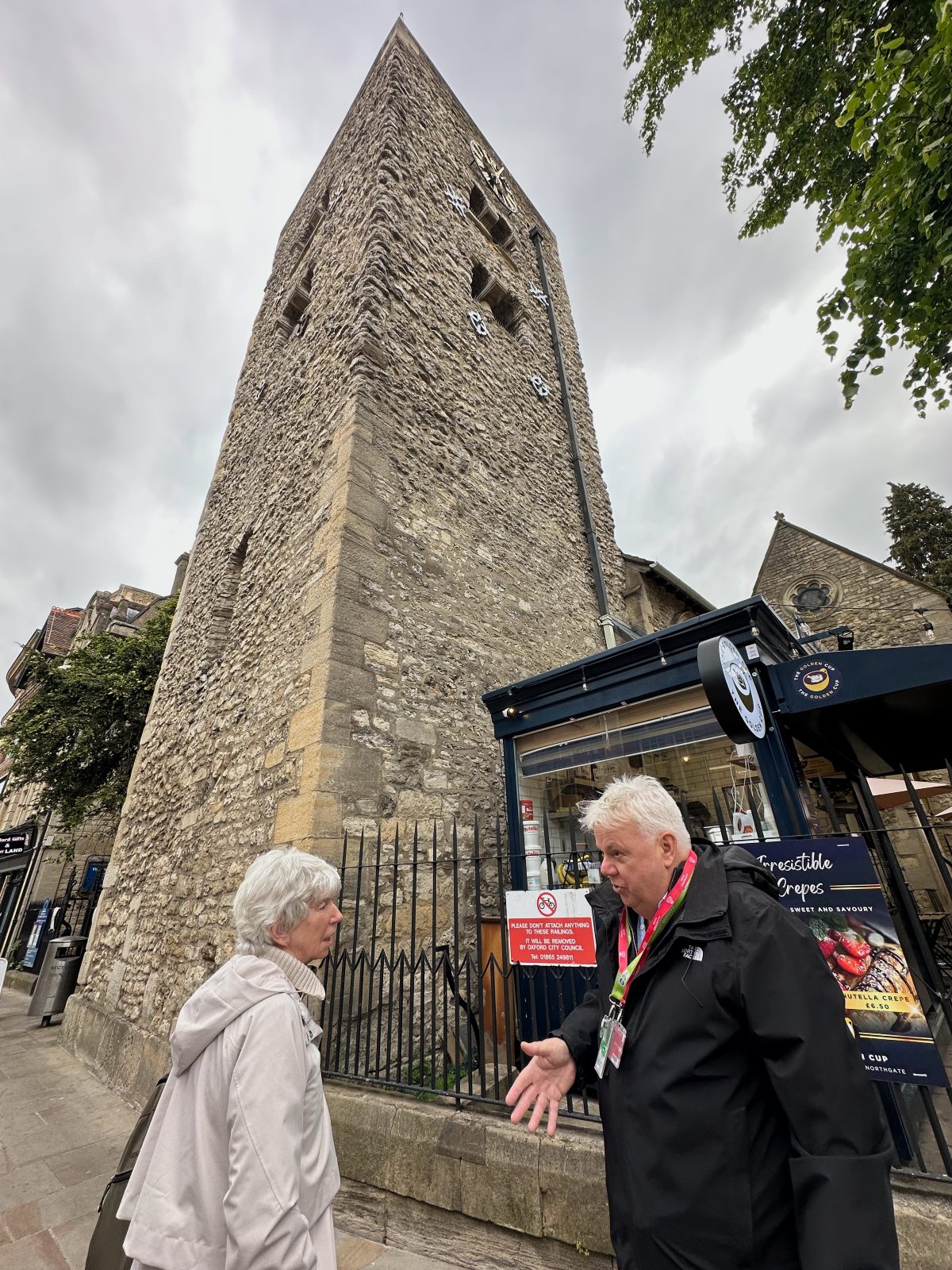
- Oxford Academic Exploration: As an academic with a PhD in English, Castle engaged deeply with the historical architecture and guided tours of Oxford, a city where she had previously spent a summer studying in her youth.
- London Finale: The trip culminated in a final multi-generational gathering in London, punctuated by cultural outings and shared dining experiences before the return flight to the United States.
Supporting Data and Demographic Context
The O’Grady-Castle journey reflects broader macroeconomic and sociological shifts in the tourism sector. According to data from travel industry analysts, multi-generational travel—particularly trips involving grandparents, adult children, and grandchildren—has expanded significantly over the past decade. Industry reports indicate that families increasingly view experiential travel as a preferred legacy investment, choosing to allocate disposable income toward shared memories rather than material inheritances.
Furthermore, changing retirement dynamics play a crucial role. With older adults remaining healthier, more active, and financially independent well into their seventies and eighties, the threshold for international travel has shifted. Demographic studies highlight that adults aged 65 and older represent one of the fastest-growing segments of international tourism consumers. Specialized travel planning, such as the customized itineraries provided by Ciao Bambino, has adapted to this demand by offering vetted accommodations, private guiding services, and paced itineraries tailored to varying physical capabilities.
Official Responses and Participant Reflections
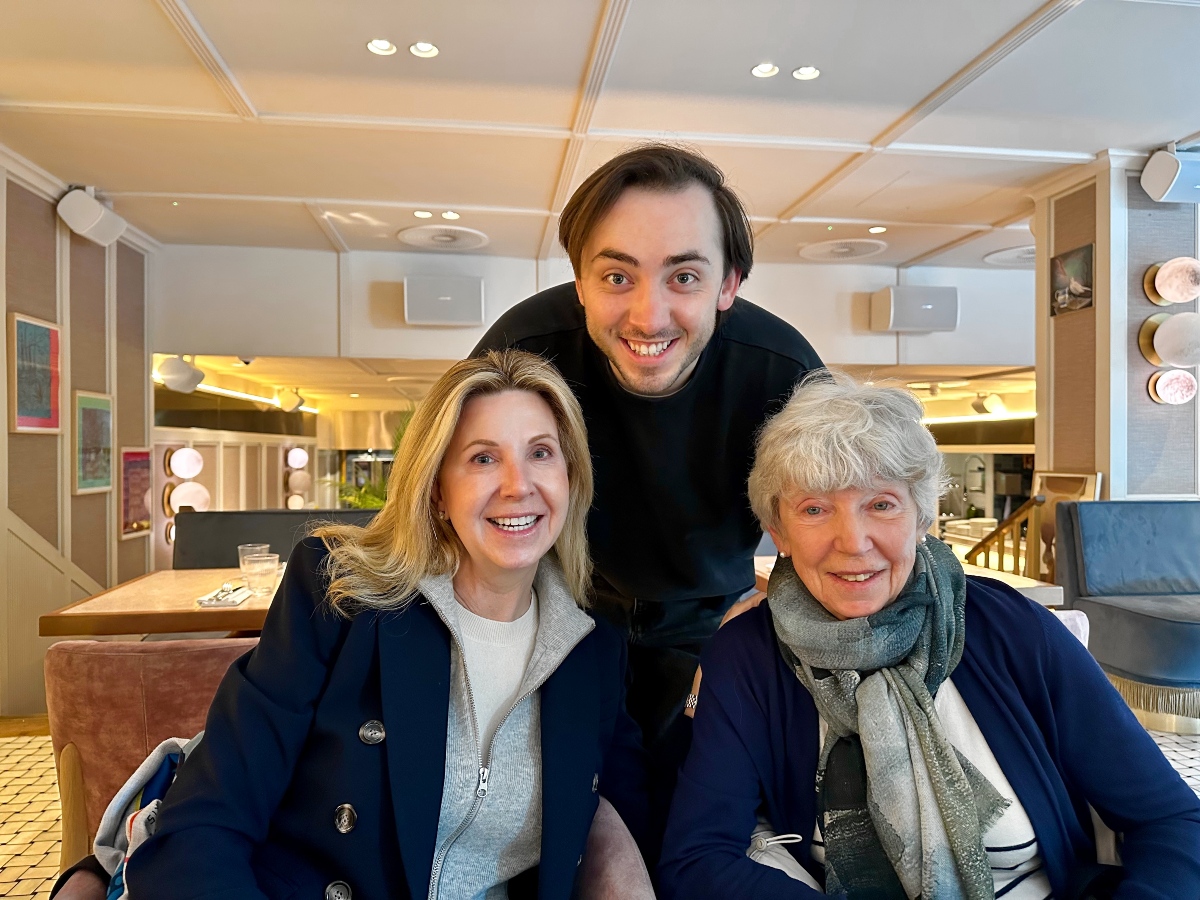
Reflecting on the psychological and emotional dimensions of the trip, O’Grady noted the profound shift in perspective regarding her mother’s quality of life and autonomy.
“My mom is very active; she does yoga and swims every day, so she was up for the travel and had a million ideas about what to do,” O’Grady observed. Observing her mother’s discipline and intellectual curiosity—including playfully fact-checking professional tour guides based on her extensive background in English literature—provided O’Grady with a reassuring model of healthy aging.
The trip also introduced a subtle role reversal characteristic of aging family structures. O’Grady acknowledged assuming a protective responsibility akin to traveling with young children, ensuring her mother’s physical safety, comfort, and regular rest intervals. However, this dynamic was balanced by the rare opportunity for uninterrupted, multi-day adult conversation.
“She said to me at one point, ‘I haven’t spent this much time with you one on one since you were in high school,’” O’Grady shared. “The travel creates that time—it’s just a totally different level of being together. You’re roommates for eight days. You get to see how someone is really doing, how they’re handling and coping with things physically, mentally.”
Broader Impact and Socioeconomic Implications
The implications of successful multi-generational excursions extend far beyond individual family bonding. From a socioeconomic standpoint, older adults who maintain active travel habits contribute significantly to the hospitality, transport, and cultural sectors. Their demand for accessible yet culturally rich experiences encourages infrastructure adaptations, such as improved pedestrian pathways, enhanced public transit accessibility, and specialized tour operations.
Moreover, travel advisors note that trips involving aging parents and adult children often serve as practical exploratory phases for families planning long-term care or future living arrangements. By sharing close quarters and navigating unfamiliar environments, family members can realistically assess physical strengths, independence levels, and mutual support systems in a positive, low-stress context.
As global life expectancy rises, the narrative established by travelers like Jackie Castle and Becky O’Grady challenges outdated stereotypes regarding aging and mobility. By combining professional travel curation with personal curiosity, multi-generational itineraries demonstrate that international exploration is not strictly the domain of youth, but a meaningful avenue for enriching the final chapters of life through connection, education, and shared discovery.