Exploring the Historical and Ecological Significance of the Town of 1770 LARC! Tours in Queensland


The Town of 1770, a coastal village situated in the Gladstone Region of Queensland, Australia, occupies a unique position in the nation’s colonial and indigenous history. As the site of Lieutenant James Cook’s second landing on the Australian continent and his first in what is now Queensland, the area is frequently cited as the "birthplace of Queensland." Today, this historical significance is preserved and interpreted through specialized eco-tourism operations, most notably the 1770 LARC! Tours. Utilizing decommissioned military amphibious vehicles, these tours provide the primary means of accessing the remote reaches of the Southern Great Barrier Reef region, including the Eurimbula National Park and the historic Bustard Head Lightstation.

The Role of Amphibious Technology in Regional Exploration
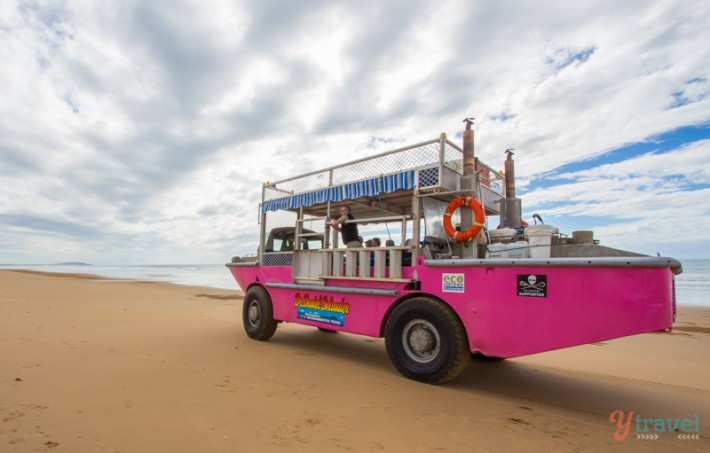
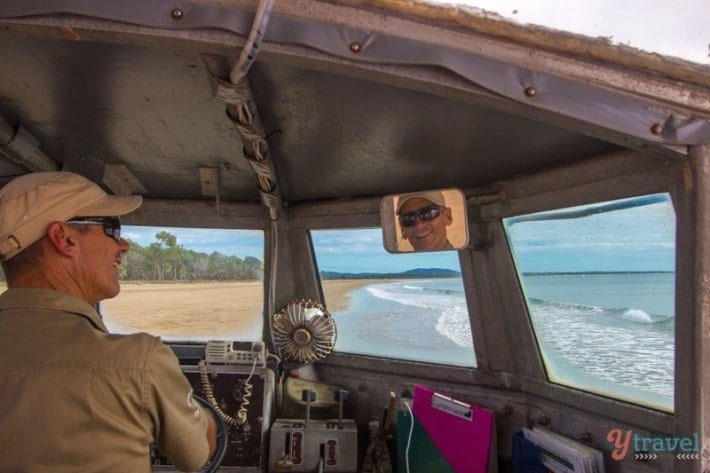
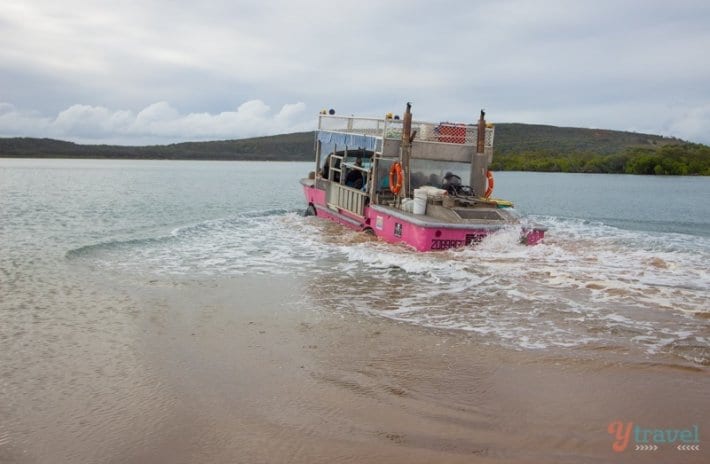
The centerpiece of the 1770 tourism industry is the LARC-V (Lighter, Amphibious, Resupply, Cargo, 5-ton), a vehicle originally developed by the United States during the Cold War era for military logistics. These vessels were designed to transport cargo from ships to shore and across rugged terrain where traditional ports were unavailable. In the context of the Town of 1770, the LARC serves as an essential tool for environmental and historical education. Because the coastline of Bustard Bay consists of shifting sandbars, tidal creeks, and protected national parkland, conventional vehicles and standard maritime vessels are often unable to navigate the terrain effectively.
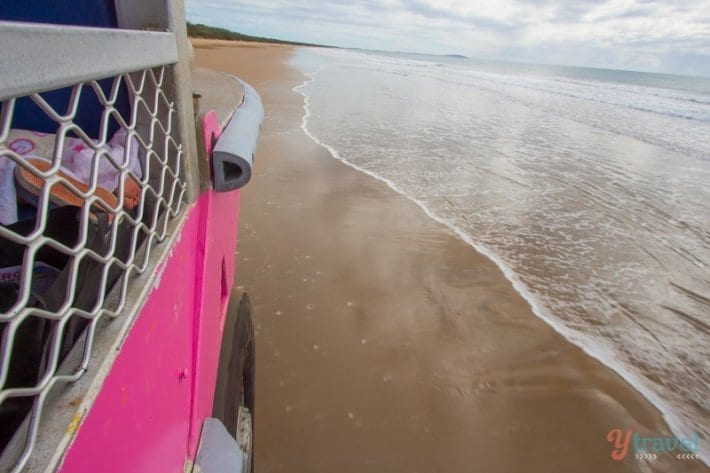
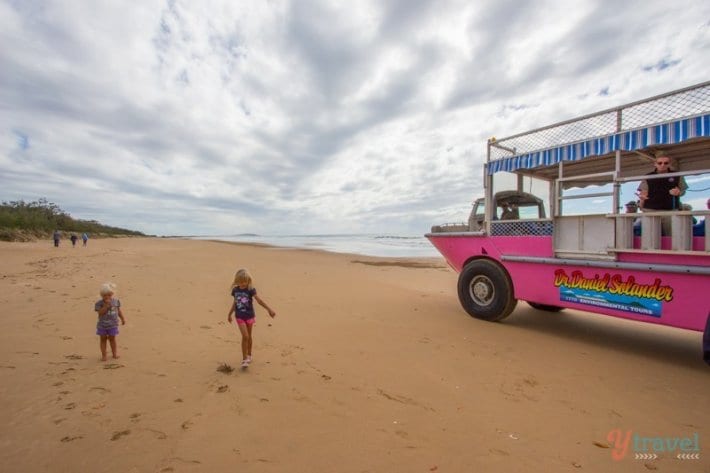
The amphibious nature of the LARC allows tour operators to transition seamlessly from the waters of Round Hill Creek to the sandy expanses of Bustard Bay. This capability is critical for maintaining the ecological integrity of the region, as it limits the need for permanent road infrastructure in sensitive habitats. The vehicles, painted in a distinctive pink hue, have become a local icon over the last two decades, representing a fusion of military engineering and modern environmental stewardship.
Historical Chronology: From 1770 to the Present
The historical narrative of the region is divided into three distinct eras: the tens of thousands of years of stewardship by the Gooreng Gooreng indigenous people, the 1770 landing of the HMS Endeavour, and the maritime development of the 19th century.
In May 1770, James Cook anchored the Endeavour in the lee of the peninsula. His landing party, which included botanist Joseph Banks, collected numerous plant specimens, marking the beginning of European scientific interest in Queensland’s flora. The Gooreng Gooreng people, the traditional custodians, have maintained a continuous connection to this land, and contemporary tours often incorporate indigenous perspectives on the landscape’s spiritual and practical value.
The mid-19th century brought a new layer of history with the construction of the Bustard Head Lightstation in 1868. As Queensland’s first coastal lighthouse, it was established to safeguard the increasing shipping traffic navigating the treacherous waters of the Great Barrier Reef. The station remained manned for over a century until its automation in the late 1980s. Following automation, the site fell into disrepair due to vandalism and neglect, leading to a significant community-led restoration effort in the early 2000s.
The Bustard Head Lightstation: A Legacy of Tragedy and Restoration
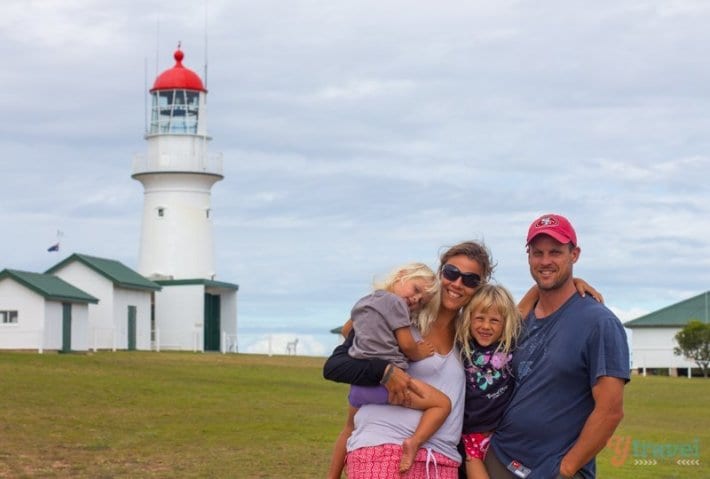
A focal point of the full-day "Paradise Tour" offered by 1770 LARC! Tours is the Bustard Head Lightstation. The site is historically referred to as the "Lighthouse of Tragedy" due to a series of grim events involving the families who lived there in isolation. Historical records and local lore document a high frequency of shipwrecks, drownings, and interpersonal violence.
One of the most documented cases is that of Kate Gibson, whose death in the late 19th century remains a subject of historical debate. While officially ruled a suicide at the time, modern analysis of the circumstances and the isolation of the lightstation suggest more complex possibilities. The nearby cemetery serves as a physical record of the hardships faced by early maritime workers, containing the graves of children and lightkeepers who succumbed to the elements and medical emergencies far from civilization.
The restoration of the site was spearheaded by Stuart Buchanan, a former lightkeeper and author, who sought to preserve the station’s architectural and social history. Through his efforts and collaboration with 1770 LARC! Tours, the lightkeeper’s cottage was transformed into a museum. Today, the station is the only operating lighthouse in Queensland that allows public access to its interior, providing a rare glimpse into the mechanics of 19th-century maritime navigation.
Ecological Importance and Wildlife Conservation
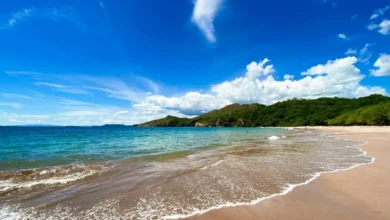
The tour traverses the Eurimbula National Park and the northern tip of Middle Island, areas characterized by high biodiversity. The region’s mangrove-fringed estuaries serve as vital nurseries for marine life, while the beaches provide nesting grounds for various bird species.
During the transit across the four tidal creeks—Round Hill, Eurimbula, Middle, and Pancake—observers frequently document sightings of:
- Avian Species: Brown kites, brahminy kites, and white-bellied sea eagles are common. The area also hosts migratory shorebirds that travel from the Northern Hemisphere.
- Marine Life: The shallow waters of the bay are home to stingrays, shovel-nosed sharks, and various species of crabs, including the soldier crab (Mictyris), which can be seen in massive "armies" during low tide.
- Terrestrial Fauna: The national park provides habitat for kangaroos, wallabies, and lace monitors.
The use of the LARC vehicle is regulated to minimize impact on these species. By following specific "tracks" on the beach and timing crossings with the tides, operators ensure that the fragile coastal ecosystem remains undisturbed for future generations.
Sandboarding and Geomorphology at Middle Island
The geomorphology of the region is highlighted during stops at Middle Island, where 35-meter-high sand dunes dominate the landscape. These dunes are the result of thousands of years of aeolian (wind-driven) sand transport and coastal erosion. For tourism purposes, these dunes serve as a site for sandboarding, an activity that allows visitors to engage physically with the landscape.
From a scientific perspective, these dunes are part of a larger system of coastal barriers that protect the inland estuaries from the full force of the Pacific Ocean. The vegetation on the fringes of these dunes, such as spinifex and she-oaks, plays a crucial role in stabilizing the sand and preventing excessive erosion during storm events.
Economic and Tourism Impact on the Gladstone Region
The 1770 LARC! Tours represent a significant economic driver for the twin towns of Agnes Water and 1770. As the only operator of its kind in the region, the company attracts thousands of domestic and international visitors annually. This influx of tourism supports a variety of ancillary businesses, including accommodation providers, restaurants, and retail outlets.
According to regional tourism data, the Southern Great Barrier Reef region has seen a steady increase in interest from "eco-conscious" travelers—those seeking low-impact, educational experiences over traditional mass tourism. The LARC tours align with this trend by emphasizing historical education and environmental awareness.
Founder Neil Mergard, who has operated the tours for over two decades, has been recognized for his contributions to regional tourism. His leadership has ensured that the operation remains a "local icon" while adhering to strict environmental standards set by the Queensland Parks and Wildlife Service (QPWS).

Broader Implications and Future Outlook
The success of amphibious tourism in the Town of 1770 offers a case study in how specialized technology can be repurposed for conservation and education. As climate change continues to impact coastal environments through rising sea levels and increased storm intensity, the ability to navigate changing terrains without permanent infrastructure becomes increasingly valuable.
Furthermore, the preservation of the Bustard Head Lightstation highlights the importance of "living history." By allowing the public to enter the lighthouse and hear the stories of those who manned it, the tour fosters a deeper connection to Australia’s maritime heritage. The integration of tragic lore and heroic restoration efforts provides a narrative that resonates with visitors, ensuring that the sacrifices of early coastal pioneers are not forgotten.
In conclusion, the Town of 1770 LARC! Tours provide more than just a recreational experience; they offer a comprehensive exploration of the intersection between human history and the natural world. Through the use of unique amphibious vehicles, the tours unlock access to a remote wilderness, allowing for the continued study and appreciation of Queensland’s historical birthplace and its vibrant ecological future. As the region moves toward 2026 and beyond, the continued balance between tourism growth and environmental preservation will remain the primary focus for operators and stakeholders in this pristine section of the Australian coastline.