The Ultimate Guide to Choosing and Using the Best eSIM Data Plans for Traveling in Europe


The modern landscape of international travel has shifted dramatically away from physical SIM cards, ushering in an era where embedded electronic SIMs, commonly known as eSIMs, have become the standard for mobile connectivity abroad. For decades, international travelers landing in European airports faced the tedious task of locating kiosks to purchase physical prepaid SIM cards, swapping out tiny plastic chips with specialized tools, and risking the loss of their home carrier’s SIM card. Today, the widespread adoption of eSIM technology by smartphone manufacturers and mobile network operators has transformed how tourists access high-speed mobile data across the European continent.

Background Context of the eSIM Evolution
The transition from physical SIM cards to embedded digital architecture began gaining significant commercial traction around 2018, when major smartphone manufacturers integrated programmable eSIM chips directly into device hardware. This technological leap eliminated the mechanical constraints of physical trays, allowing users to download and store multiple carrier profiles digitally. The telecommunications industry reached a major tipping point when Apple removed the physical SIM card tray entirely from United States models of the iPhone 14 lineup, cementing the digital standard for North American consumers. Concurrently, the European Union’s longstanding regulatory framework—which outlawed mobile data roaming fees across member states—created an ideal environment for cross-border digital connectivity. Travelers could now purchase a single prepaid data plan in one EU nation, such as France or Spain, and utilize it seamlessly across dozens of neighboring countries without incurring additional roaming charges.

Chronology and Market Development of European eSIM Providers
As consumer demand for frictionless connectivity surged, a specialized market of third-party eSIM vendors and traditional telecommunications giants emerged between 2020 and 2024. Companies recognized that traditional post-paid roaming plans offered by domestic carriers in North America and Australia were severely overpriced, often charging consumers ten dollars per day or imposing punishing data throttlings after a minimal threshold.

In response, major European carriers—including Orange, Bouygues Telecom, and O2—began offering specialized prepaid eSIM packages directed specifically at international visitors. Concurrently, digital-first virtual network enablers like Holafly and SimOptions entered the market, providing aggregated marketplaces and unlimited data packages tailored to short- and long-term travelers. By early 2024, operating system updates, such as Apple’s iOS 17.4 release, further streamlined the consumer experience by introducing automated eSIM installation and activation protocols, reducing setup times from minutes to mere seconds.
Comparative Analysis of Top eSIM Providers and Plans
Navigating the array of available eSIM plans requires an understanding of data caps, validity periods, and network reliability. Industry analysts and frequent travelers generally categorize the top options into unlimited data models and high-capacity regional packages backed by Tier-1 network operators.
Holafly Unlimited Data Plans
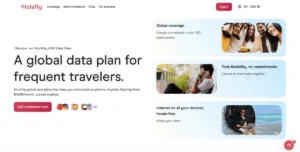
Holafly operates as a prominent Europe-based eSIM provider specializing in unlimited high-speed data packages. Designed for heavy data consumers who frequently stream video or utilize navigation applications, Holafly plans range in duration from 1 to 90 days. While the daily cost typically ranges between $2.50 and $5.00 depending on the duration, users enjoy the peace of mind of never monitoring gigabyte consumption. However, users should note that Holafly plans generally restrict mobile hotspot usage, making it an ideal solution for solo smartphone users rather than those needing to tether laptops.

Orange Holiday Europe eSIM (50GB and 30GB Variants)
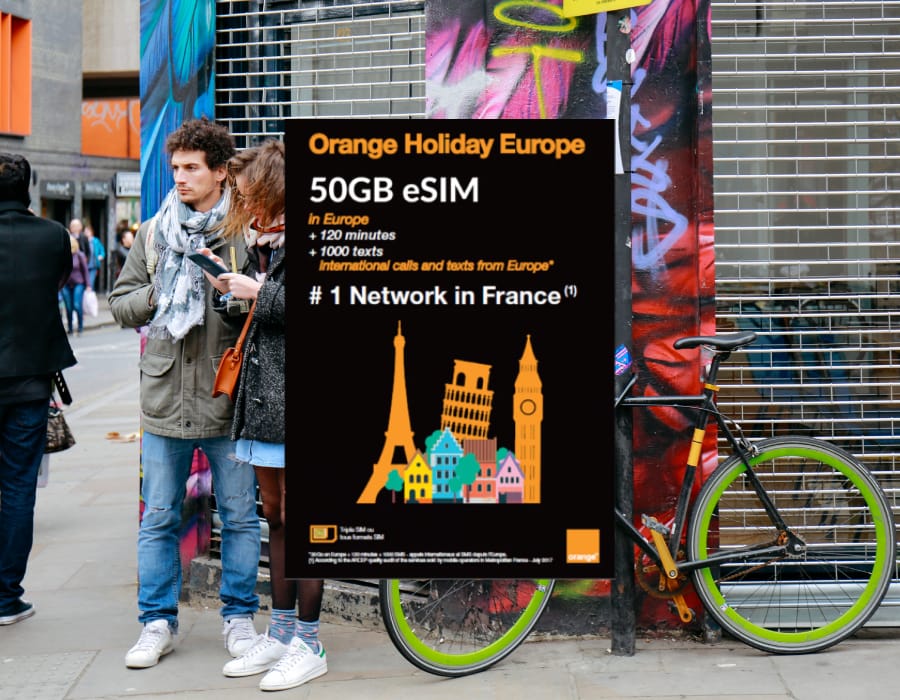
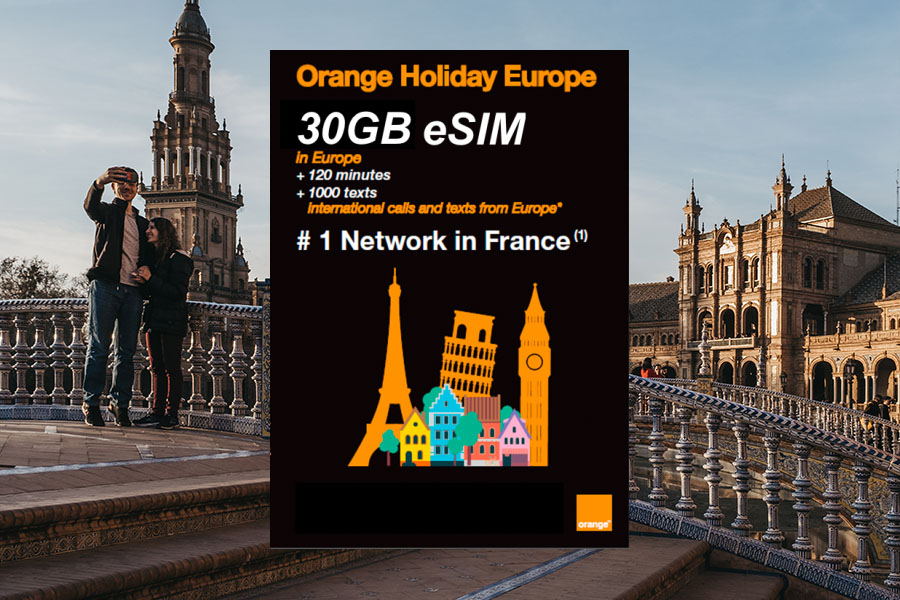
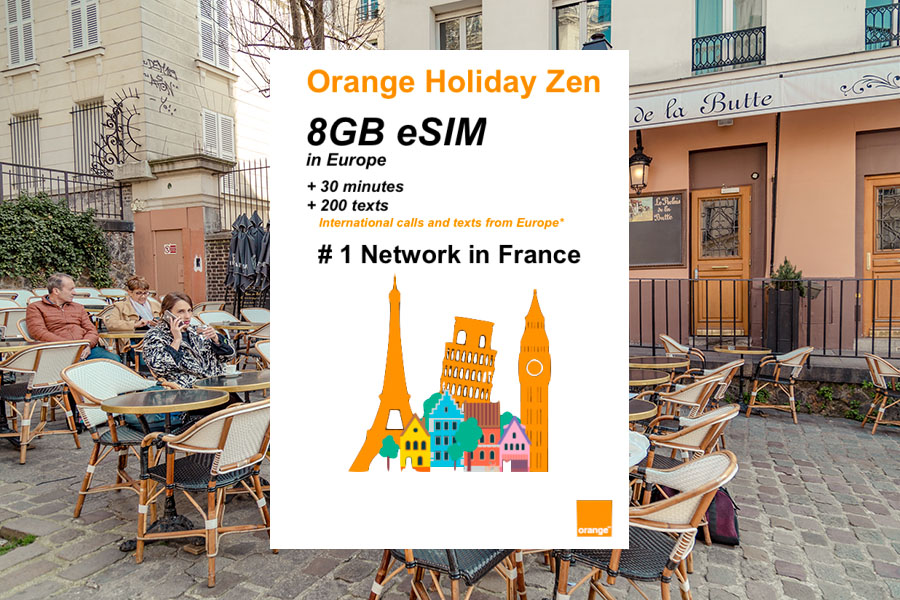
Orange, one of Europe’s largest telecommunications conglomerates, offers robust prepaid data packages through authorized retailers like SimOptions. The Orange Holiday Europe 50GB plan, valid for 28 days, and the traditional 30GB plan, valid for 14 days, represent the gold standard for network coverage and speed. Crucially, these plans assign the user an active French phone number, enabling traditional voice calling and SMS text messaging across Europe. Furthermore, Orange permits full mobile hotspot functionality, allowing travelers to share their high-speed connection with other devices.
Bouygues My European eSIM
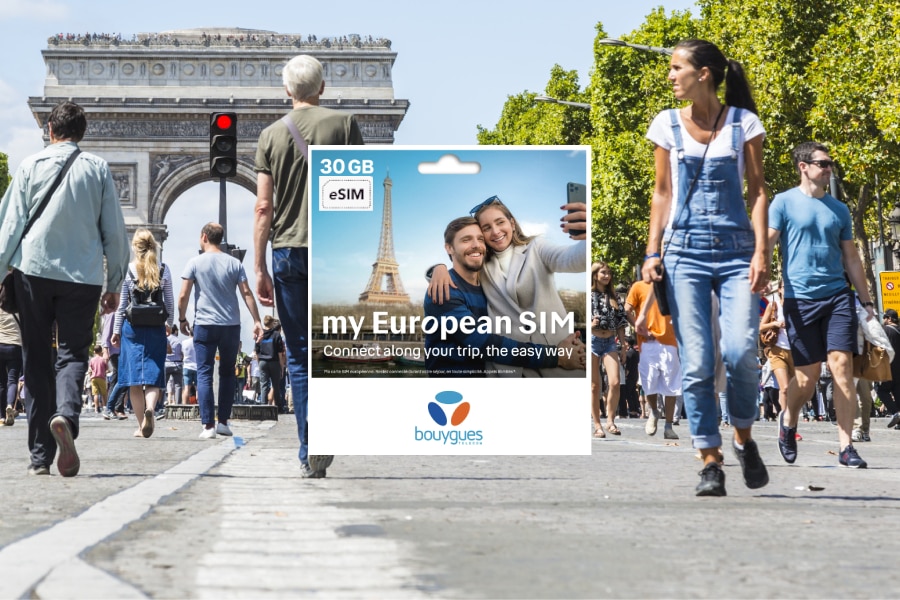
As a major competitor in the French telecommunications market, Bouygues Telecom offers a comprehensive 30GB eSIM plan valid for 30 days. This option includes unlimited voice calls within Europe, making it exceptionally well-suited for travelers embarking on month-long itineraries who require reliable voice communication capabilities alongside substantial data allowances.
Smart Comfort X and Regional Alternatives
For budget-conscious consumers with modest data needs, providers offer stripped-down international data plans such as the Smart Comfort X eSIM. Providing 5GB of data without voice calling or SMS capabilities, this type of plan relies on partner networks across various countries—such as Bouygues in France, O2 in Germany, and Telefónica in Spain. While economical, these plans require users to rely entirely on internet-based communication applications like WhatsApp or iMessage.
Economic Implications and Consumer Cost Comparison

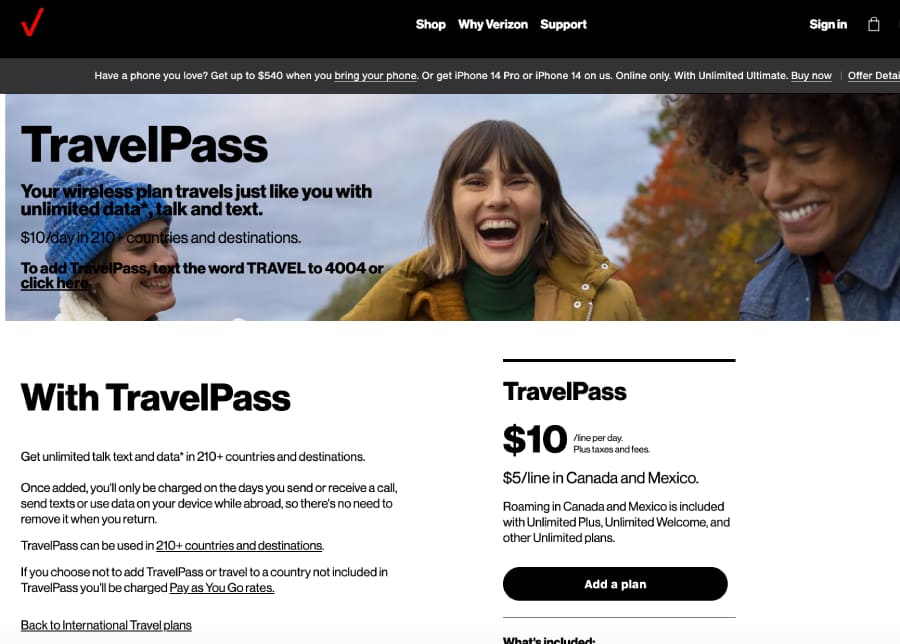
The financial implications of utilizing a prepaid European eSIM versus traditional domestic roaming plans are substantial. Major North American carriers such as AT&T and Verizon traditionally charge a flat rate of ten dollars per day through international day passes, accumulating to approximately seventy dollars per week or three hundred dollars per month for a single line. T-Mobile offers nominally free international data, but throttles speeds down to sluggish 2G levels after a five-gigabyte threshold, rendering essential applications like digital transit maps and real-time translation tools nearly unusable.
In stark contrast, third-party and carrier-direct prepaid eSIM packages in Europe generally cost between two and four dollars per day, yielding savings of up to 80 percent. This dramatic cost reduction has democratized international connectivity, ensuring that budget travelers and backpackers can maintain reliable, high-speed internet access without incurring exorbitant post-vacation cellular bills.
Technical Requirements and Device Compatibility
Before purchasing an international eSIM, travelers must verify that their mobile hardware meets specific technical criteria. Most modern smartphones manufactured from 2019 onward—including Apple iPhone models from the iPhone XS forward, Google Pixel devices from the Pixel 4 onward, and recent flagship releases from Samsung—are inherently eSIM compatible.
Crucially, consumer devices must be network-unlocked by their domestic carrier prior to departure. Many carrier-subsidized smartphones in the United States and Canada are locked via software to domestic networks, preventing the installation of alternative carrier profiles until the financial contract or device installment plan is fully satisfied.
Operational Best Practices for Travelers in Europe
Industry experts recommend adhering to specific protocols to maximize the efficiency of an eSIM data plan while abroad:
- Pre-Purchase and Installation: Travelers should purchase and install their eSIM profile while connected to a stable home Wi-Fi network prior to departure. This ensures that any authentication hurdles are cleared before arrival.
- Strategic Activation: To prevent the validity countdown from expiring prematurely, users should refrain from fully activating the data plan until their aircraft lands in Europe.
- Network Limitations in Non-EU Jurisdictions: While EU regulations eliminate roaming fees across member states, travelers must verify coverage maps for non-EU territories such as the United Kingdom and Switzerland, as some regional eSIM profiles exclude these nations or require specific partner network configurations.
- Data Conservation Strategies: To avoid exhausting data allowances prematurely, users should leverage offline mapping tools—such as downloading regional maps via Google Maps prior to travel—and restrict background data usage for bandwidth-heavy social media applications.
Broader Impact on the Global Telecommunications Sector

The mainstream adoption of eSIM technology marks a permanent structural shift in the global telecommunications industry. By decoupling mobile subscriptions from physical retail infrastructure, digital SIM cards have reduced barriers to entry for international travelers while intensifying competition among network operators. As consumer preference definitively favors instant, digital-first connectivity, traditional roaming models will likely continue to decline, paving the way for a fully digitized, frictionless era of global telecommunications.