
The recreational vehicle (RV) industry has experienced an unprecedented surge in demand over the past half-decade, driven by shifting remote-work trends, a renewed cultural appreciation for outdoor recreation, and a significant demographic shift toward domestic tourism. According to the RV Industry Association (RVIA), annual wholesale shipments of RVs to retailers surpassed 600,000 units during peak years, reflecting a fundamental change in how modern consumers approach leisure and travel. However, this commercial boom has run parallel to a rising tide of buyer remorse. Industry data suggests that a notable percentage of first-time buyers attempt to sell or trade in their newly acquired motorhomes or travel trailers within the first twenty-four months of ownership.
The core driver of this disillusionment is rarely mechanical failure. Rather, it stems from a fundamental mismatch between the physical realities of the vehicle and the practical demands of the user’s preferred travel itineraries. Navigating the sprawling marketplace of Class A motorhomes, Class B campervans, Class C rigs, fifth wheels, and travel trailers requires a systematic approach. Prospective buyers must prioritize real-world road logistics, specific regional infrastructure limitations, and daily spatial ergonomics over superficial showroom luxuries.
The Anatomy of Mismatched Expectations: Showrooms Versus Infrastructure
When consumers enter a dealership showroom, they are typically greeted by expansive models featuring residential refrigerators, king-sized master beds, opposing slide-outs, and sophisticated entertainment centers. While these amenities cater to an idealized vision of domestic comfort on the road, they frequently conflict with the physical infrastructure of national parks, historic coastal towns, and older state campgrounds.

According to the National Park Service (NPS), many of the country’s most iconic public lands were constructed decades before the advent of modern mega-motorhomes. Infrastructure limitations dictate strict vehicle-length ceilings. For instance, while national parks such as Yellowstone or the Grand Teton accommodate a wide variety of rigs, individual campsites within specific loops often enforce strict cutoffs ranging from 30 to 40 feet. Furthermore, uneven terrain, low-hanging tree branches, and narrow access roads can render massive Class A motorhomes or oversized fifth wheels entirely unusable in remote or rustic environments.
Industry analysts point out that buyers frequently evaluate RVs through a static lens—imagining the vehicle perfectly leveled on a concrete pad with full utility hookups—while failing to account for transit dynamics. Maneuvering a 40-foot rig through congested urban thoroughfares, searching for standard parking spaces during grocery runs, or attempting to navigate winding mountain passes without a secondary towed vehicle introduces significant operational stress. Consequently, the selection process must begin with a rigorous geographical and logistical assessment of the journeys a buyer intends to repeat most frequently.
Establishing Travel Parameters: Roads, Campsites, and Storage
To circumvent the pitfalls of impulse purchasing, experienced industry consultants recommend mapping out three specific, realistic itineraries for the first two years of ownership before browsing inventory. Generalized intentions, such as "visiting national parks" or "touring the coast," lack the operational specificity required to select the correct chassis and layout.
A winter excursion centered around the desert landscapes of Joshua Tree National Park presents distinct mechanical and spatial challenges compared to a summer loop through New England coastal towns or an extended autumn tour of mountainous terrain. Each region imposes distinct constraints:
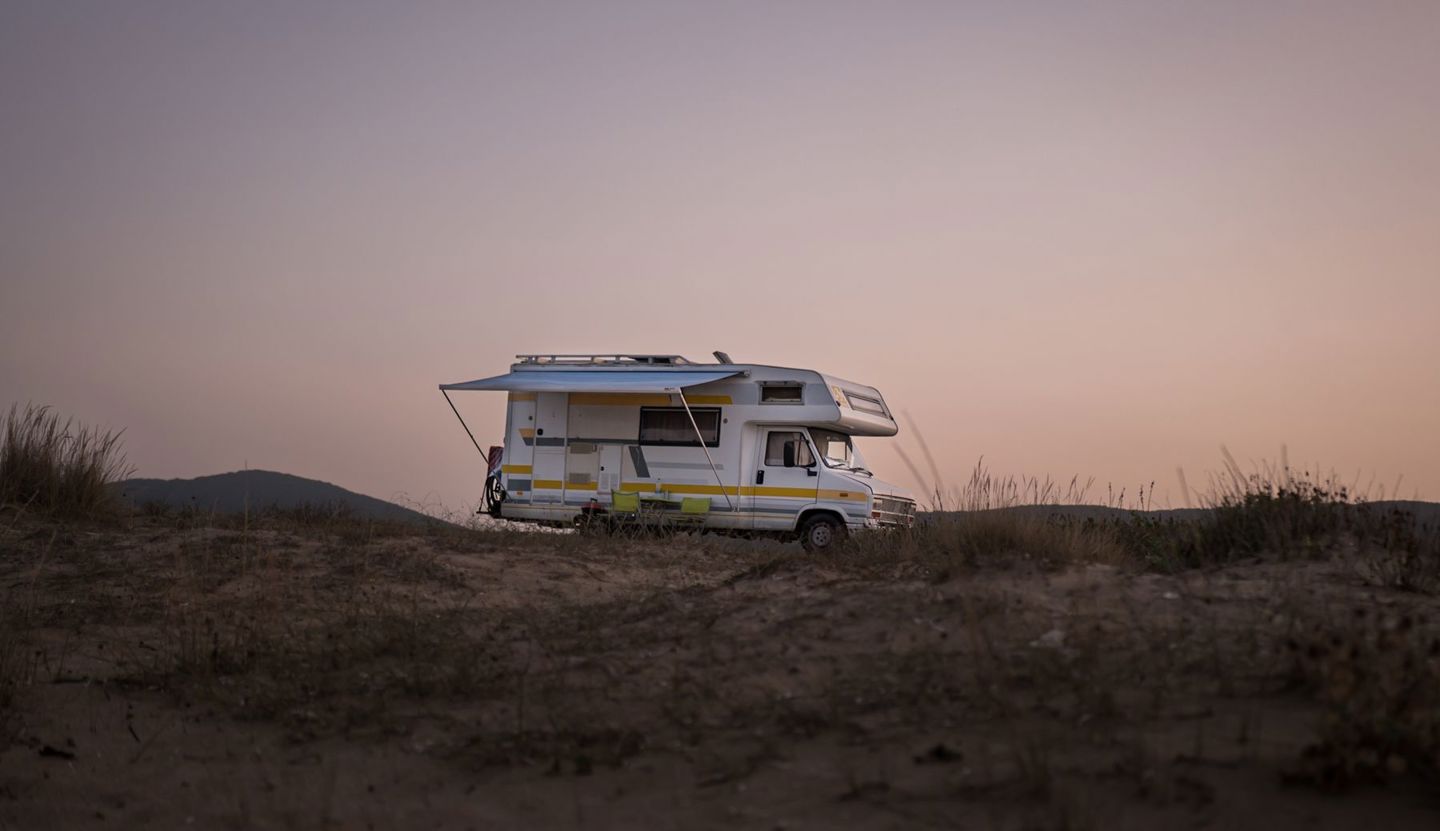
- National Park and Public Land Loops: Travelers favoring frequent relocations, older campgrounds, and backcountry access generally find optimal utility in Class B campervans or compact Class C motorhomes. These platforms offer superior maneuverability, tighter turning radiuses, and access to campsites restricted to shorter vehicles. The primary concessions involve reduced holding-tank capacities, limited interior storage, and the necessity of converting multi-use spaces—such as dinettes—into sleeping quarters nightly.
- Extended Stays and Basecamp Touring: For travelers planning multi-week or multi-month residencies in a single location, larger travel trailers and fifth wheels provide unmatched residential volume. Once unhitched at the campsite, the tow vehicle remains fully available for local errands, trailheads, and urban exploration. However, these configurations demand rigorous towing competence, precise payload calculations, and absolute confidence in reversing heavy loads.
- Coastal Towns and Mixed Urban Escapes: Weekend warriors and travelers alternating between wilderness campgrounds and metropolitan environments benefit most from low-profile, highly mobile platforms. Compact motorhomes simplify ferry crossings, street parking, and spontaneous stops. Nevertheless, these footprints require strict organizational discipline to ensure essential gear, provisions, and sanitary facilities remain functional without requiring constant reorganization of the interior layout.
Beyond the campsite, prospective owners must evaluate residential storage compliance. Local municipal ordinances and homeowners’ associations (HOAs) frequently enforce strict prohibitions against storing commercial-sized vehicles or large trailers in residential driveways or street spaces. Discovering that a newly purchased motorhome violates local zoning codes or exceeds the spatial dimensions of a home driveway results in unexpected off-site storage fees and logistical friction before the vehicle’s maiden voyage even begins.
Engineering for Climate: The Reality of Shoulder-Season and Winter Travel
A critical oversight among novice buyers involves underestimating thermal performance and structural insulation. Standard recreational vehicles are frequently marketed as three-season units, optimized for temperate spring and summer conditions. Consumers planning excursions into shoulder-season mountain passes or sub-freezing winter deserts must evaluate construction specifications far beyond promotional terminology.
True four-season capability requires specific structural enhancements. Industry standards for cold-weather performance typically mandate an enclosed and heated underbelly to protect vulnerable plumbing lines, water pumps, and holding tanks from freezing temperatures. Exposed exterior water lines are prone to rapid crystallization when ambient temperatures drop below freezing, rendering the entire domestic water system inoperable.
Furthermore, thermal efficiency is heavily influenced by window configuration and heating capacity. Single-pane windows readily conduct heat loss and accumulate substantial interior condensation during cold nights, potentially leading to mold proliferation and structural rot. Dual-pane, thermal-break windows significantly improve climate retention. Similarly, evaluating furnace BTU output, propane storage capacity, and auxiliary heating systems ensures that the vehicle can maintain livable interior temperatures without depleting battery reserves through excessive blower fan operation.
Mechanical Inspections and the Total Cost of Ownership
The financial commitment of RV ownership extends far beyond the initial purchase price, monthly loan payment, and down payment. Industry financial analysts emphasize that the total cost of ownership (TCO) encompasses comprehensive insurance premiums, annual registration fees, secure off-site storage, routine mechanical maintenance, tire replacement cycles, fuel consumption, and campground reservation costs.
When evaluating pre-owned or new inventory, mechanical integrity and structural health must take precedence over interior aesthetics. Water intrusion remains the single greatest threat to structural longevity in the RV sector. Independent structural inspectors routinely advise buyers to conduct thorough external evaluations of roof membranes, corner seams, window seals, slide-out wiper gaskets, and wall penetrations. Evidence of staining, soft subflooring, or bubbling fiberglass laminates typically signals chronic moisture infiltration and extensive underlying damage.
Tire degradation represents another critical safety vector. RV tires frequently degrade due to ultraviolet exposure and environmental aging rather than tread wear, as many vehicles spend prolonged periods parked motionless. Reviewing manufacturing date codes on tire sidewalls is essential, regardless of apparent mileage. For motorhomes, thorough evaluation of the internal combustion engine, transmission, braking systems, and onboard electrical generators requires inspection by certified heavy-duty mechanics rather than relying solely on odometer readings.
Finally, independent system tests must be performed under load. Prospective buyers should verify the operational status of shore-power connections, air conditioning units, propane furnaces, water heaters, plumbing pressure, and slide-out mechanisms. Establishing baseline independence—understanding battery bank capacities, solar charging inputs, inverter limits, and freshwater autonomy—determines how effectively the vehicle will perform when operating away from full-service commercial campgrounds.

The Operational Rehearsal and the First Voyage
Industry experts universally recommend executing a low-stakes, short-duration shakedown trip prior to undertaking long-distance expeditions. Selecting a campground located within a short driving distance of the primary residence allows new owners to test every onboard system in a controlled environment where forgetting a critical hose adapter, power dogbone, or leveling block does not escalate into a regional crisis.
During this initial trial, owners should rigorously assess spatial ergonomics by simulating everyday routines: preparing meals in the galley, navigating between the master bed and the bathroom with slide-outs retracted, and evaluating cargo weight distribution. This hands-on evaluation invariably reveals practical adjustments—such as refining mattress comfort, optimizing kitchen gadgetry, or establishing designated storage zones for daily essentials—that cannot be anticipated within the artificial environment of a sales showroom.
Ultimately, aligning an RV purchase with authentic travel habits transforms recreational travel from an exercise in logistical frustration into a sustainable, rewarding lifestyle. By anchoring purchasing decisions in verifiable road capabilities, infrastructure constraints, and rigorous mechanical inspections, buyers can secure a vehicle uniquely matched to the roads they actually intend to travel.