Iceland has solidified its reputation as one of the world’s premier self-drive destinations, characterized by a unique topography that invites exploration beyond the metropolitan confines of Reykjavík. As the nation continues to experience record-breaking surges in international tourism, the infrastructure supporting independent travel has undergone significant modernization. For the prospective traveler, the decision to rent a vehicle is no longer merely a matter of convenience but a strategic choice that dictates the quality, safety, and depth of the Icelandic experience.
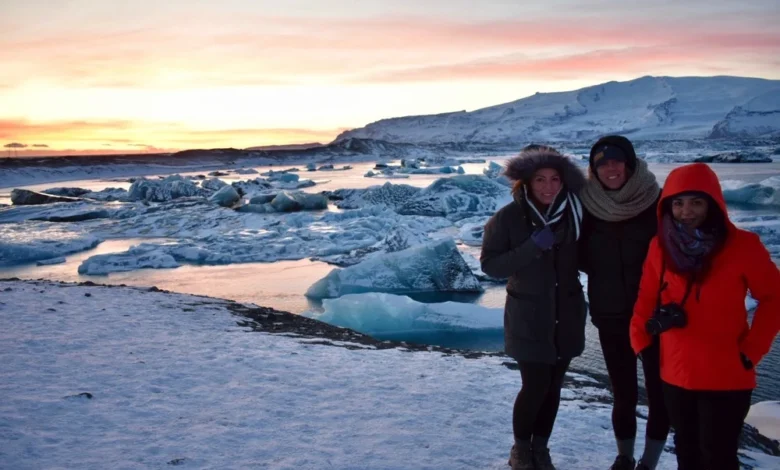
The allure of the Icelandic landscape lies in its volatility and isolation. From the basalt columns of black-sand beaches to the shifting glacial tongues of the Vatnajökull region, the geography is best navigated at the pace of the traveler. Unlike organized group tours, which are constrained by rigid schedules and predetermined routes, a private rental vehicle provides the autonomy necessary to respond to Iceland’s notoriously unpredictable weather patterns and spontaneous environmental phenomena.

Evolution of the Icelandic Road Charging Framework
A major shift in the regulatory landscape occurred on January 1, 2026, when the Icelandic government implemented a new, distance-based road usage charge. This policy replaces older taxation models and reflects a broader effort to maintain the country’s extensive road network, which faces extreme wear due to harsh sub-arctic conditions.
Under this current framework, all registered vehicles—regardless of powertrain—are subject to a kilometer-based levy. For standard passenger vehicles weighing up to 3.5 tonnes, the rate is set at ISK 6.95 ($0.057) per kilometer. To simplify administration, many rental agencies have opted for a flat daily fee of ISK 1,390 ($11.35), which is frequently billed as a supplemental charge to the primary rental agreement. Travelers are advised to verify whether their rental contract includes these fees, as failing to account for them can lead to unexpected budget discrepancies.
This policy has met with mixed reactions from the tourism sector. While the Icelandic Road and Coastal Administration (Vegagerðin) maintains that the revenue is essential for infrastructure upkeep, local car rental associations have voiced concerns regarding the transparency of these costs for international visitors who may not be familiar with the nuances of local tax law.

Chronology of Infrastructure Development
The development of Iceland’s primary artery, the Ring Road (Route 1), has been a decades-long project designed to facilitate safer transit around the island’s perimeter. Spanning approximately 1,332 kilometers, the road was only completed in its entirety in 1974 with the opening of the Skeiðarársandur bridge.
In recent years, the focus has shifted from expansion to the improvement of safety features and the management of high-traffic bottlenecks. The construction of the Vaðlaheiðargöng tunnel, which opened in 2018, significantly reduced transit times in Northern Iceland and introduced a digitized toll system that serves as a model for modern Icelandic infrastructure. The absence of traditional toll booths, replaced by automatic license plate recognition, requires drivers to register their vehicles online to avoid hefty administrative fines.
Economic Factors and Seasonal Variance
The financial commitment required to rent a vehicle in Iceland is subject to significant seasonal volatility. Data from the 2025–2026 tourism cycles indicates that daily rates for standard vehicles can fluctuate between $60 during the shoulder season and upwards of $150 during the peak of July and August.

The scarcity of vehicles during the summer months remains a primary concern for the Icelandic tourism board. As demand consistently outstrips supply, booking windows have tightened considerably. Industry analysts recommend securing reservations at least four to six months in advance. Furthermore, travelers must weigh the cost of insurance against the high probability of environmental damage. Standard collision damage waivers often exclude protection against gravel strikes, wind-induced door damage, and sandstorms—events that occur with high frequency in the volcanic plains of the south.
Safety Protocols and Environmental Realities
The Icelandic Transport Authority (Samgöngustofa) emphasizes that driving in Iceland is fundamentally different from driving in North America or mainland Europe. The combination of narrow, one-lane bridges, blind crests, and unpaved "F-roads" (mountain roads) necessitates a high level of vigilance.
Official guidelines underscore the following safety imperatives:

- Headlight Mandate: Due to low-lying sun and frequent fog, headlights must remain illuminated at all times.
- Speed Limits: The standard limit on paved highways is 90 km/h, though this is often adjusted downward based on wind speeds and surface conditions.
- F-Road Access: Access to the interior Highlands is strictly limited to 4×4 vehicles. Attempting to traverse these areas in a standard sedan is not only a violation of most rental agreements but also a significant safety hazard.
- River Crossings: Many Highland routes require fording glacial rivers. It is crucial to note that no standard rental insurance policy covers the total loss of a vehicle due to water damage in river crossings.
Regional Road Trip Archetypes
For those planning their itineraries, there are three distinct archetypes of road travel in Iceland, each requiring different levels of preparation.
1. The Perimeter Circuit (The Ring Road): This 1,300+ kilometer journey requires a minimum of 7 to 10 days. It is the most comprehensive way to witness the country’s diverse biomes, but it requires the driver to be comfortable with long hours of focus and frequent stops in remote areas.
2. The Southern Corridor: Concentrated between Reykjavík and the Jökulsárlón Glacier Lagoon, this route is the most heavily trafficked. It is ideal for those with 3 to 5 days who wish to see the highest density of waterfalls, black-sand beaches, and tectonic rift sites without venturing into the rugged interior.

3. The Snæfellsnes Peninsula Loop: Often referred to as "Iceland in Miniature," this route is perfect for a 2-day excursion. It provides a condensed look at volcanic craters, coastal fishing villages, and dramatic cliffs, making it an excellent alternative for travelers who prefer to minimize time spent behind the wheel.
Implications for the Future of Icelandic Tourism
As the government of Iceland continues to balance the economic benefits of tourism with the preservation of its fragile ecosystems, the push for more sustainable travel is gaining momentum. The introduction of the kilometer-based road charge is one of the first steps toward internalizing the environmental costs of increased traffic.
Experts suggest that future policy shifts may include restricted-access zones for certain fragile areas and increased investment in electric vehicle charging infrastructure to support the growing fleet of "green" rental cars. For the traveler, the implication is clear: the era of the "unrestricted" Icelandic road trip is slowly evolving into a more structured, regulated, and technologically monitored experience.

Ultimately, the key to a successful road trip in Iceland lies in the ability to adapt. Meteorological data from the Icelandic Met Office (Veðurstofa Íslands) should be consulted daily. In a landscape where wind gusts can reach speeds capable of damaging vehicle chassis and road closures can occur within minutes due to sudden blizzards, flexibility is the most valuable asset a driver can possess. By adhering to local regulations, respecting the fragile terrain, and adequately preparing for the logistical demands of the region, visitors can safely navigate one of the most geologically dynamic landscapes on the planet.