The Ultimate Backpacking Europe Packing List: Essential Gear, Weight Limits, and Expert Strategies for Light Travel

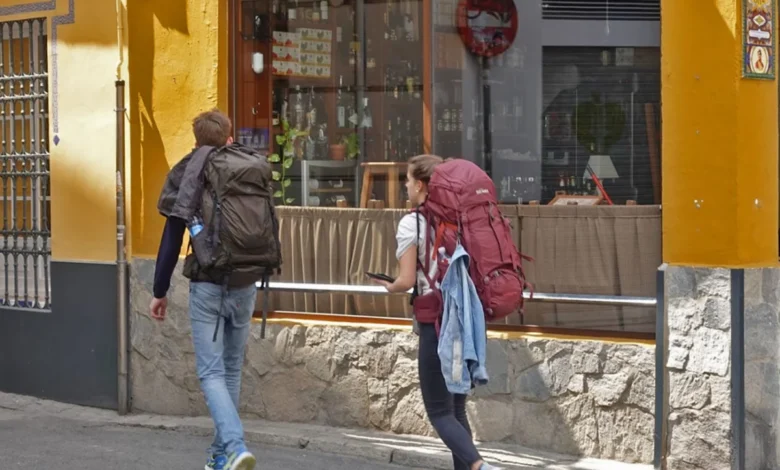
Preparing for an extended journey across Europe often presents a steep learning curve for first-time travelers, frequently resulting in the common pitfall of overpacking. Hauling excess luggage not only complicates transitions between trains, buses, and cobblestone streets, but it also increases vulnerability to petty theft by making it significantly harder to monitor personal belongings. To address these logistical hurdles, experienced globetrotters and travel industry analysts emphasize a disciplined approach centered on minimalism, multi-functional clothing, and strict adherence to airline baggage constraints.
Strategic Weight Management and Budget Airline Compliance

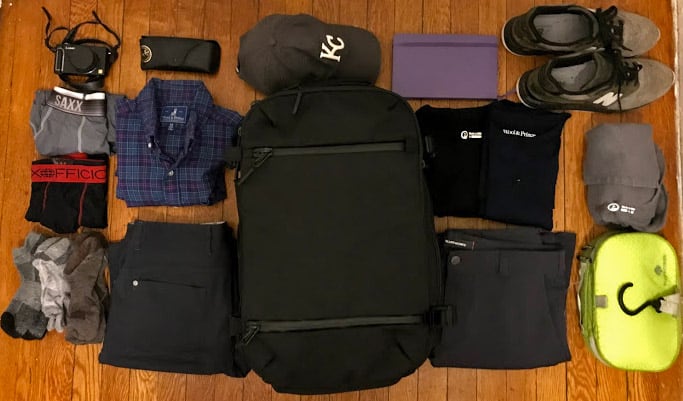
A foundational rule for modern European backpacking is capping total gear weight at 20 to 22 pounds (approximately 9 to 10 kilograms), including the weight of the backpack itself. This threshold is critical for compliance with the stringent carry-on limits enforced by European budget carriers such as Ryanair, EasyJet, and Wizz Air, which routinely penalize passengers with steep gate fees for oversized or overweight bags. Beyond avoiding airline penalties, maintaining a sub-22-pound load substantially reduces physical strain during transit, safeguarding the traveler’s back and shoulders over weeks of urban exploration.
Achieving this lightweight standard requires a deliberate reduction across three primary categories: clothing, toiletries, and footwear. Because laundry facilities are readily available throughout European hostels, hotels, and laundromats, the volume of apparel required for a two-week trip is virtually identical to that needed for a multi-month itinerary. Consequently, travelers are advised to limit themselves to foundational wardrobe pieces that can be easily washed, dried, and layered. Similarly, full-sized toiletries—such as standard shampoo and body wash bottles—add unnecessary dead weight and liquid volume. Travel industry standards recommend bringing only baseline personal care items in TSA-approved travel sizes or purchasing replacements locally upon arrival. Footwear should likewise be restricted to a maximum of two versatile pairs, prioritizing all-day comfort and weather adaptability over stylistic variety.
Wardrobe Optimization: Fabrics, Layers, and Durability
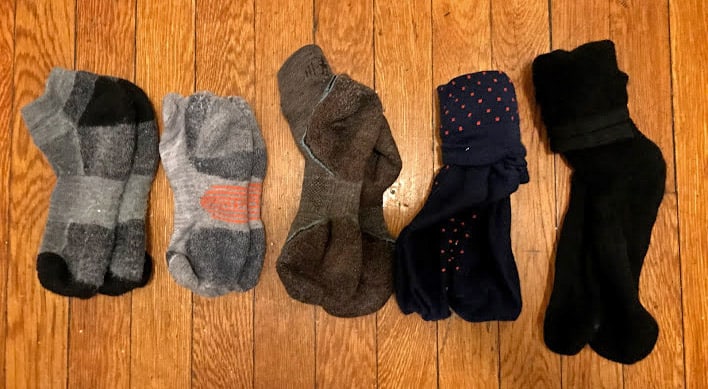
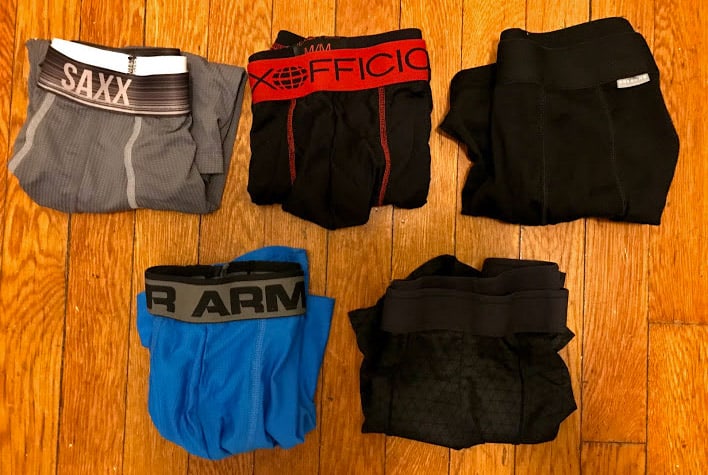
Clothing constitutes the vast majority of a backpacker’s cargo, making fabric selection paramount to managing both weight and odor control. Travel experts consistently recommend merino wool and specialized synthetic blends for base layers, socks, and undergarments. Merino wool possesses natural thermoregulating and antimicrobial properties, allowing socks and shirts to be worn multiple times between washes without retaining unpleasant odors.

A standard clothing inventory optimized for European travel typically includes:
- Travel Socks (5 to 8 pairs): Lightweight, breathable merino wool or synthetic blends to prevent blisters and moisture accumulation.
- Underwear (5 to 9 pairs): Quick-drying, moisture-wicking synthetic materials that can be easily hand-washed and air-dried overnight.
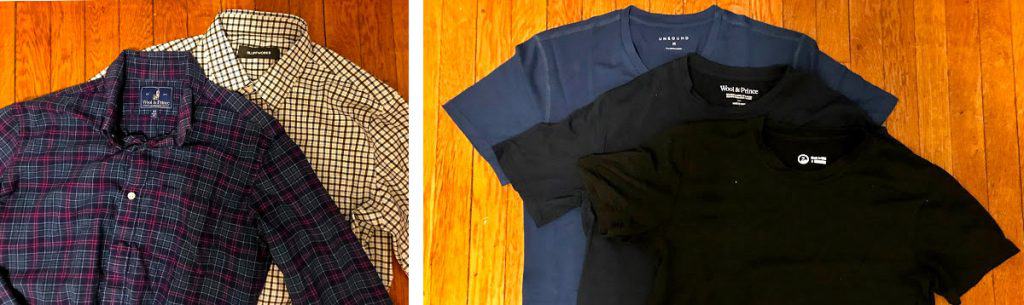
- Shirts and Tops (5 to 7 total): A combination of casual long-sleeve button-ups (which offer sun protection and adjustable ventilation) and solid-color T-shirts suitable for layering.
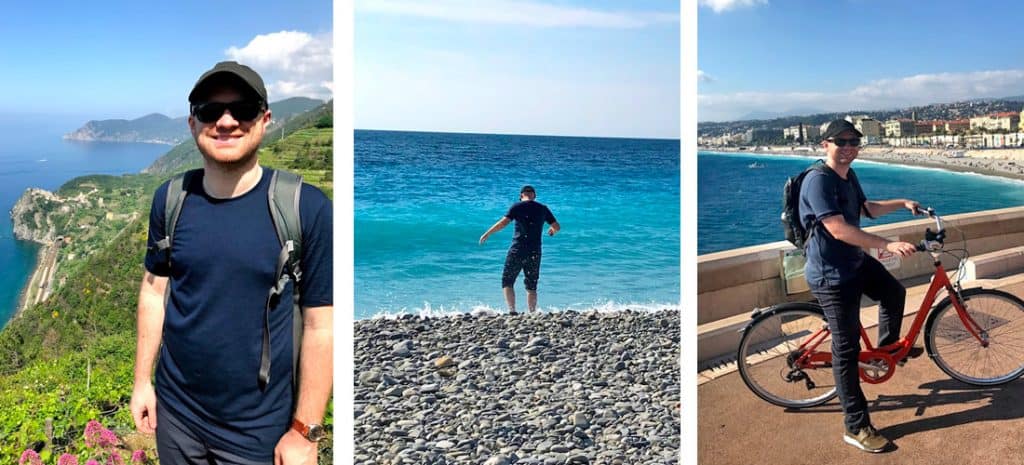
- Pants (2 pairs): A durable pair of dark denim jeans—valued for their versatility and resistance to frequent washing—paired with lightweight, neutral-colored chinos.
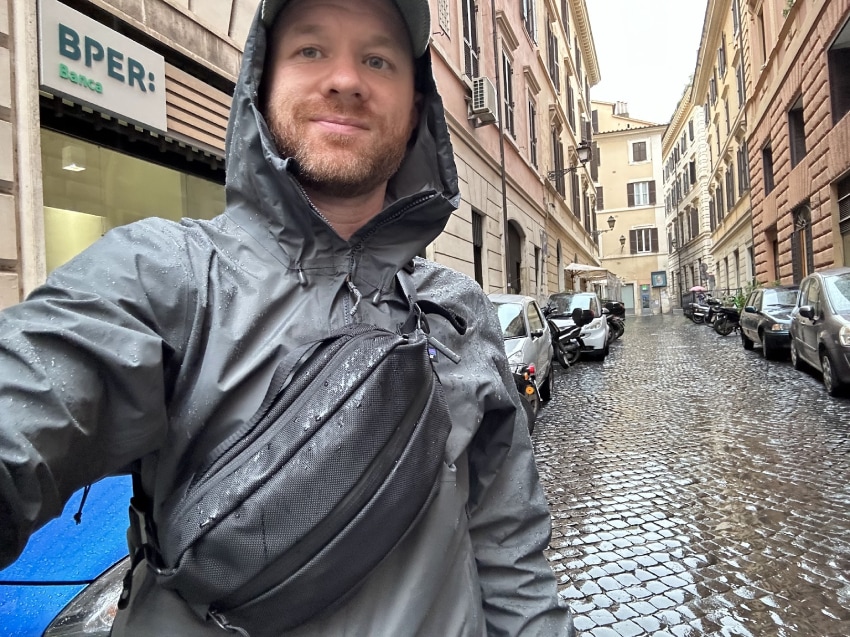
- Outerwear: A packable, waterproof rain jacket and a lightweight sweater or fleece for cooler evenings, adjusted seasonally based on destination climate.
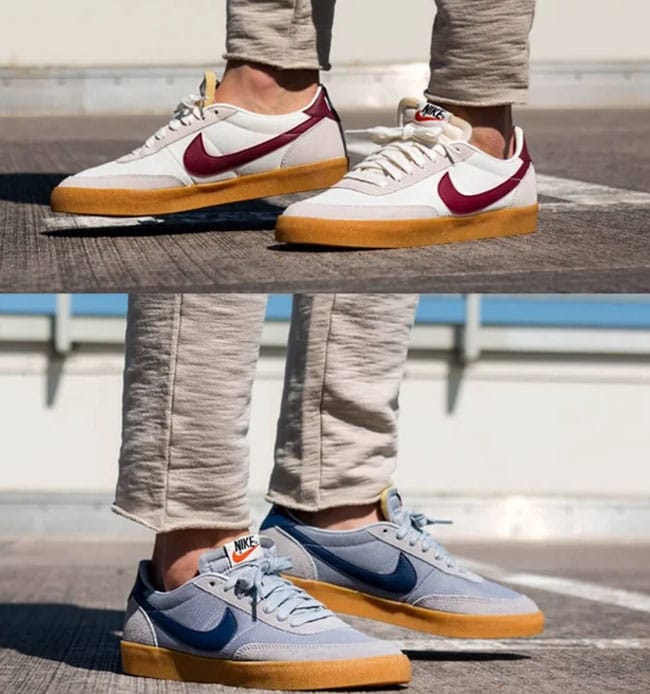
Footwear requires careful consideration given the high volume of daily walking typical of European sightseeing. Travelers are encouraged to rely on supportive, broken-in walking sneakers or lifestyle leather trainers that bridge the gap between casual daytime sightseeing and evening dining. Heavy-duty hiking boots and formal dress shoes are generally discouraged unless the itinerary involves dedicated mountain trekking or high-end dining, as smart-casual sneakers are widely accepted across urban European establishments. Additionally, lightweight rubber flip-flops are deemed essential for maintaining hygiene in communal hostel showers.
Essential Travel Accessories and Gadget Management
Beyond clothing, a carefully curated selection of accessories and electronic gear can streamline the travel experience while mitigating common logistical inconveniences. Industry specialists recommend several foundational items:
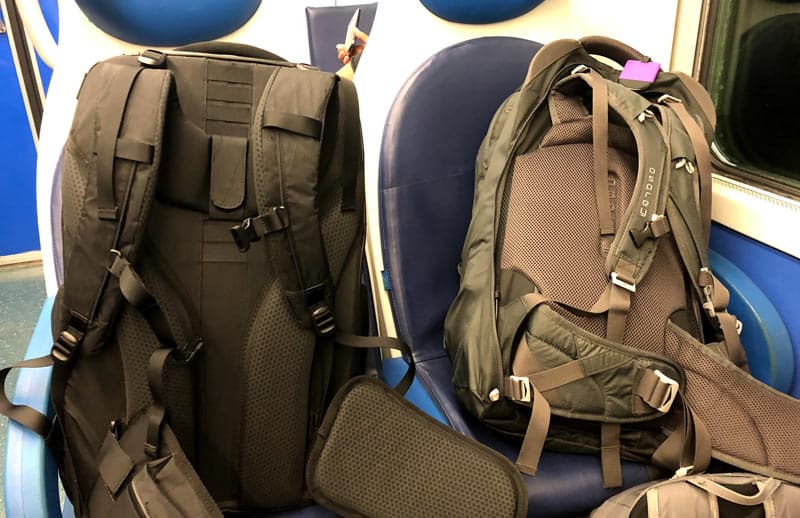
- Travel Backpacks and Packing Cubes: Front-loading carry-on backpacks—such as models from Osprey or Tortuga—facilitate rapid security checks and train boarding. Within the pack, fabric packing cubes compartmentalize clothing, compressing garments, reducing wrinkles, and eliminating the need to rummage through loose items.
- Daypacks: A lightweight, collapsible daypack serves as a secondary bag for daily excursions, holding items like cameras, water bottles, and rain jackets.
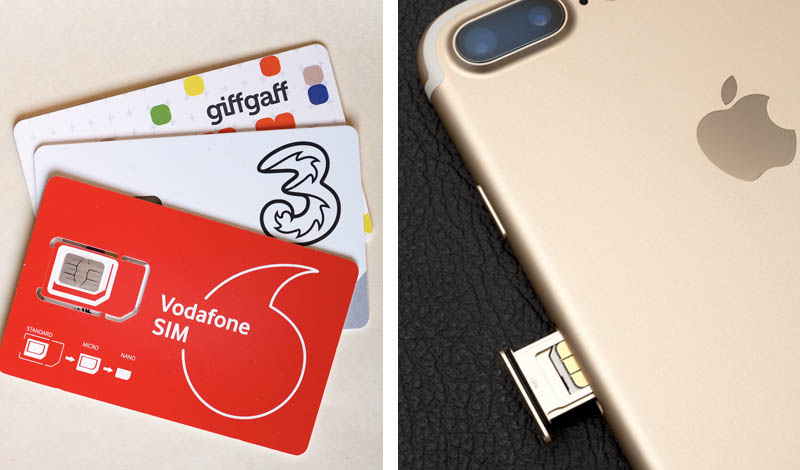
- Power and Connectivity: European electrical grids operate on different voltages and plug configurations compared to North America. Travelers must pack type C, E, or F plug adapters (alongside UK adapters where applicable) and a travel power strip to charge multiple devices from a single outlet. To avoid exorbitant international roaming fees charged by domestic mobile carriers—which can range from $10 to $15 daily—travelers increasingly utilize digital eSIM data plans from providers like Holafly or SimOptions, reducing mobile data costs to a fraction of traditional carrier rates.
- Security and Organization: Hostels often require guests to secure their belongings in lockers; a combination padlock and a retractable cable lock provide vital security. Meanwhile, digital document backups stored in secure cloud services protect against lost or stolen passports.
Economic and Practical Implications of Minimalist Travel
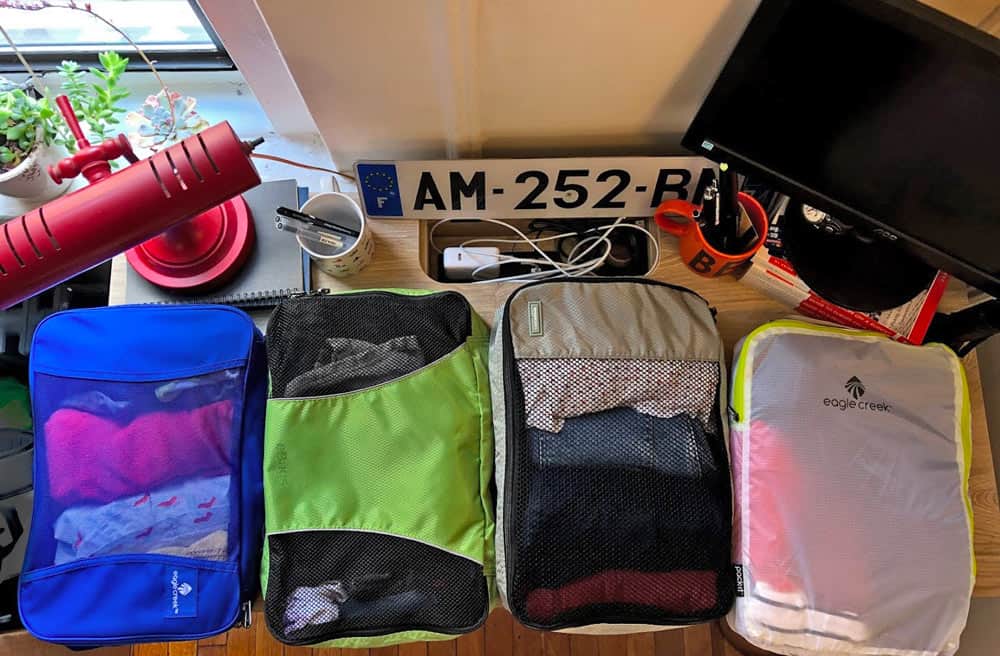
Adopting a minimalist packing strategy yields direct economic benefits for budget-conscious travelers. By consistently traveling carry-on-only, backpackers eliminate checked baggage fees that can accumulate rapidly across multi-city itineraries involving multiple flights. Furthermore, lightweight travel minimizes the physical fatigue associated with navigating historic European cities characterized by uneven stone paving, medieval staircases, and limited public elevator access.
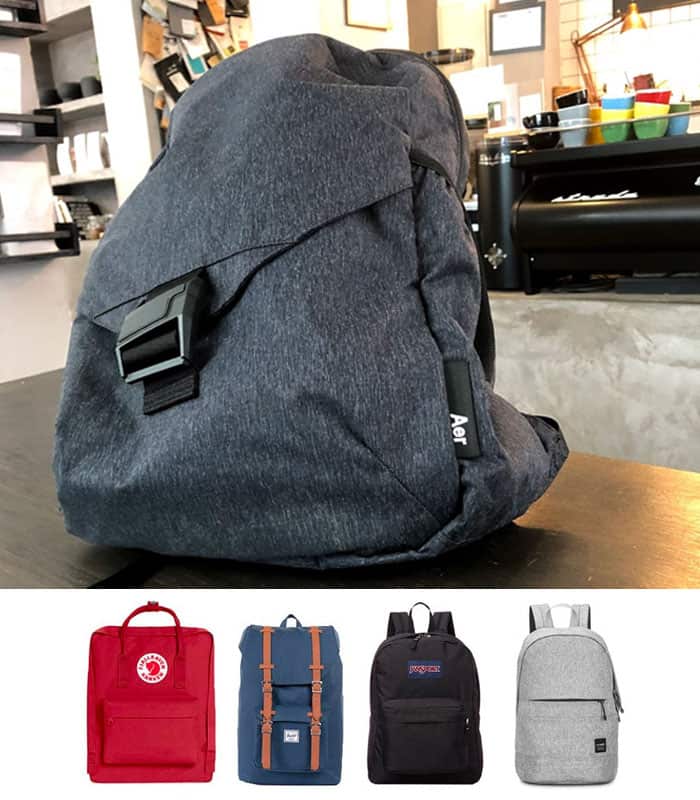
Market analysts note that the proliferation of budget travel and ultra-low-cost carrier networks over the past decade has driven a corresponding surge in demand for specialized travel gear, including compression packing cubes, modular daypacks, and ultralight technical apparel. Manufacturers have responded by expanding lines of high-durability, travel-specific consumer goods designed to maximize utility while minimizing spatial footprint.
Ultimately, successful backpacking in Europe hinges on the realization that excess gear is a liability rather than a security blanket. By prioritizing multi-use garments, embracing daily laundering routines, and leveraging modern digital tools for navigation and communication, travelers can achieve greater mobility, security, and financial efficiency throughout their journeys.