European Tourism Rebounds to Record Highs: A Comprehensive Analysis of the Continent’s 35 Most Visited Cities

Europe’s tourism sector has officially turned a corner, welcoming over 793 million international arrivals, a milestone that comfortably surpasses pre-pandemic figures and signals a full recovery for the continent’s travel and hospitality economy. Data compiled from Euromonitor International, global tourism studies, and municipal tourism offices reveal a shifting landscape of traveler preferences, infrastructure adaptation, and the persistent challenges of over-tourism in some of the world’s most historically significant urban centers.
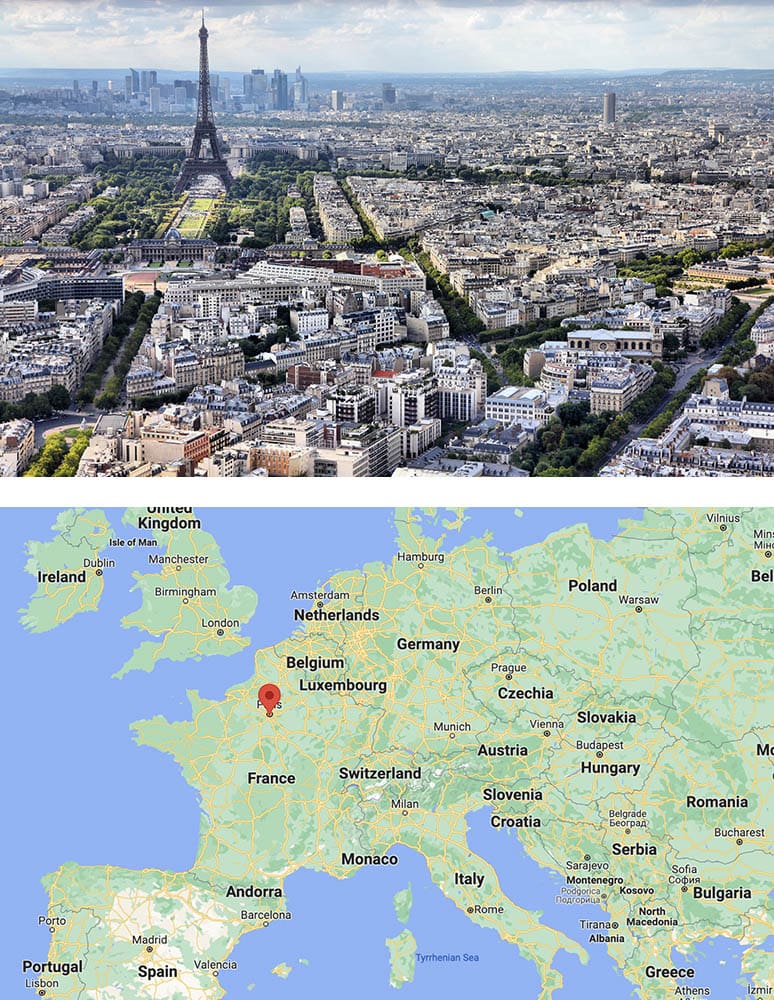
The post-pandemic travel surge has redefined urban mobility and destination management across the continent. While traditional powerhouses continue to command the highest volume of visitors, emerging hotspots and secondary destinations are experiencing unprecedented growth. This comprehensive review examines the top 35 most visited cities in Europe, detailing visitor volumes, urban dynamics, and the broader economic implications for the regional tourism sector.
The Vanguard: Europe’s Top-Tier Tourism Giants
At the pinnacle of European tourism are cities that combine centuries of cultural heritage with robust international transport infrastructure. These metropolitan hubs not only anchor the continent’s tourism economy but also serve as primary entry points for intercontinental travelers.
1. Paris, France — 50 Million Annual Visitors
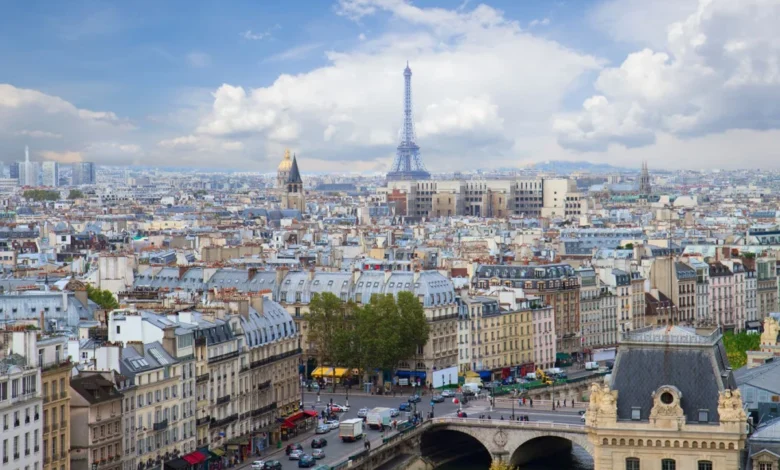
Paris has officially reclaimed its position as Europe’s most visited city, narrowly surpassing London after years of a neck-and-neck race. France as a whole maintains its standing as the most visited nation globally. Renowned for its unparalleled concentration of world-class museums, historical landmarks, and a sophisticated culinary scene, the French capital benefits from an efficient and expansive Metro network. Furthermore, Paris boasts the highest inventory of vacation rental apartments in Europe, complemented by a resilient hotel and hostel sector capable of absorbing millions of tourists annually.
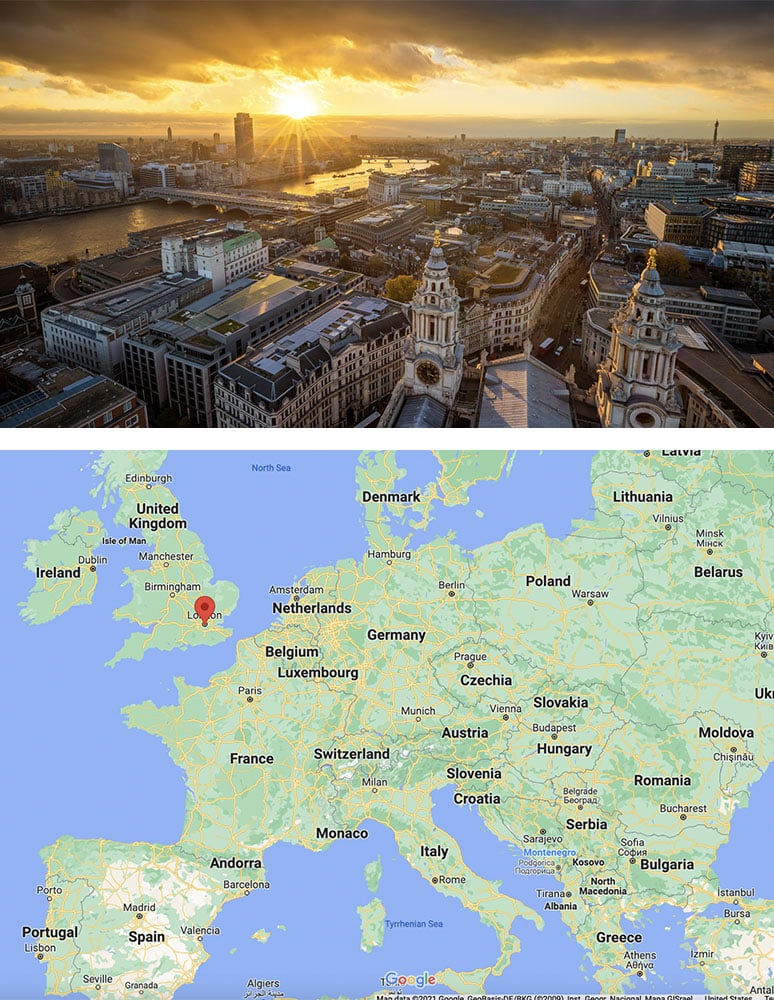
2. London, United Kingdom — 40 Million Annual Visitors
While recently edged out of the top spot by Paris, London remains a cornerstone of European and global tourism. The city’s prominence is largely driven by its multiple major international airports, which offer some of the most competitive transatlantic and intra-European flight pricing. Additionally, the absence of a language barrier makes London an ideal gateway for first-time international travelers looking to acclimate to European travel before venturing onto the continent.
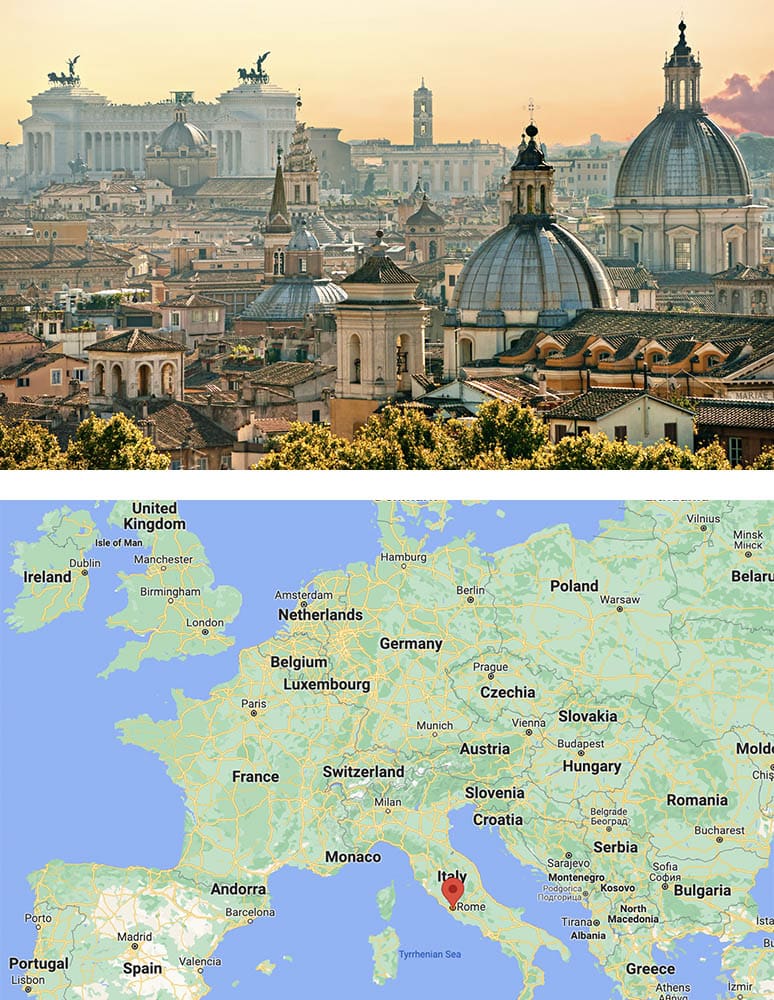
3. Rome, Italy — 35 Million Annual Visitors
Widely regarded as one of the world’s most historically and culturally significant cities, Rome draws tens of millions of visitors eager to explore its ancient ruins, Renaissance architecture, and vibrant street life. The Italian capital functions as a major transit hub, offering seamless rail connections to the rest of the country’s prominent tourism regions.
The Mid-Tier Powerhouses: Bridging Cultures and Economies
As travelers increasingly seek diverse experiences outside traditional Western European circuits, cities bridging geographic and cultural divides have experienced exponential growth.
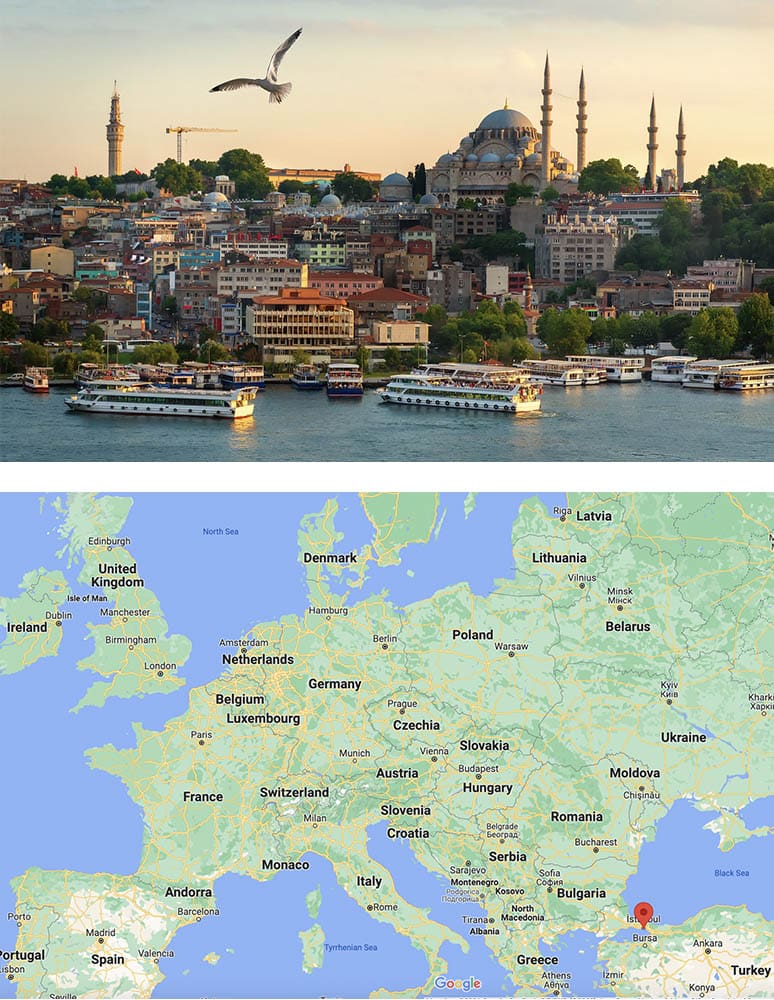
4. Istanbul, Turkey — 20 Million Annual Visitors
Following a period of regional political instability and security concerns that temporarily suppressed visitor numbers, Istanbul has mounted a remarkable tourism recovery. Today, it ranks among the most visited cities globally. Travelers are heavily drawn to its unique "East meets West" dichotomy, historical Byzantine and Ottoman architecture, and dynamic transcontinental identity.
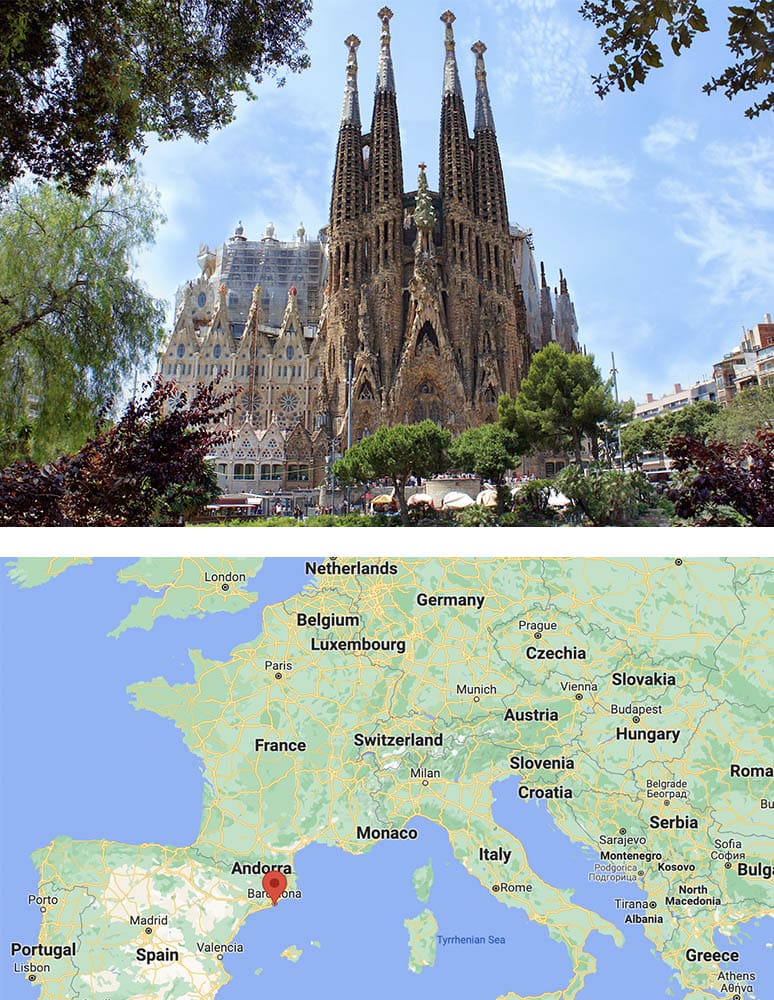
5. Barcelona, Spain — 16 Million Annual Visitors
Barcelona offers a potent mix of Mediterranean climate, iconic modernist architecture by Antoni Gaudí, and a world-renowned culinary and nightlife scene. However, the city has also become a focal point for discussions surrounding over-tourism, prompting local authorities to implement stricter regulations on short-term rentals and cruise ship docking to balance visitor numbers with resident quality of life.
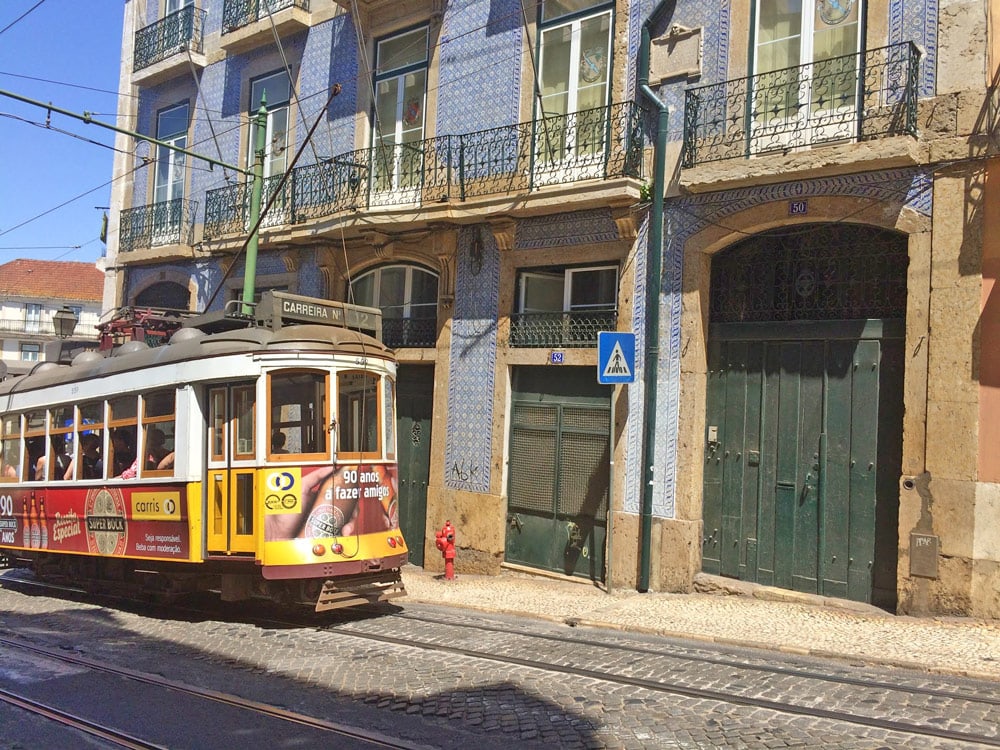
6. Lisbon, Portugal — 14 Million Annual Visitors
Lisbon has experienced a meteoric rise in popularity over the past decade. Famed for its pastel-colored hillside neighborhoods, historic tram networks, and thriving café culture, the Portuguese capital offers a more cost-effective alternative to Western European destinations without sacrificing cultural depth or coastal appeal.
Northern and Central European Highlights
From the canals of the Low Countries to the imperial grandeur of Central Europe, these destinations offer distinct architectural and cultural propositions.
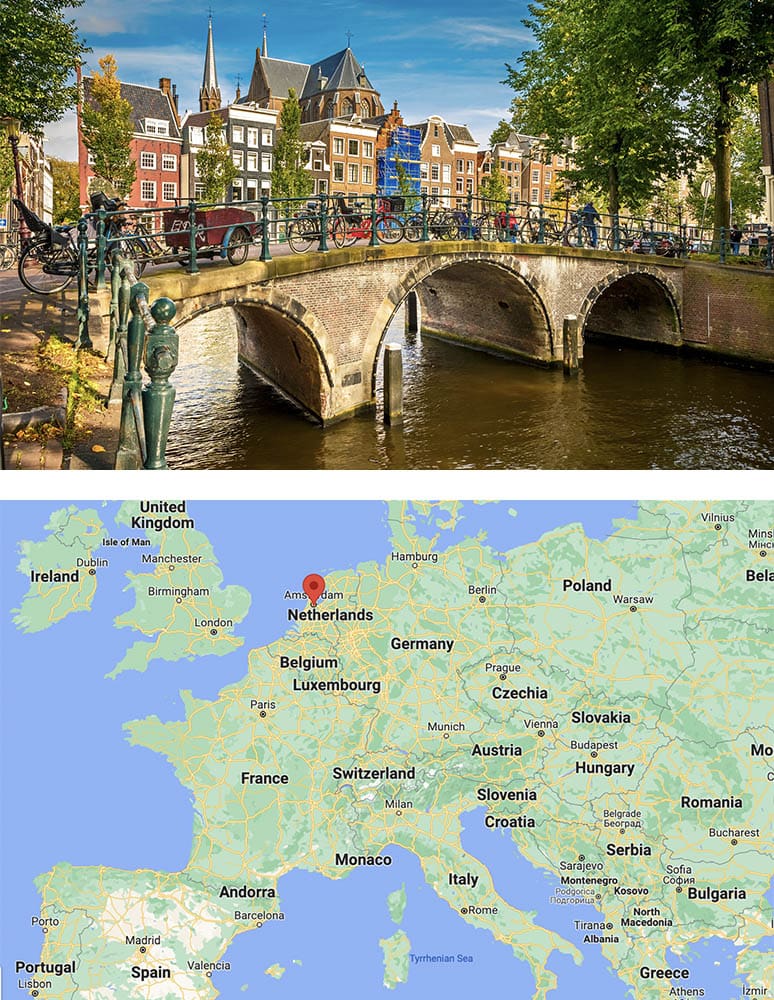
7. Amsterdam, Netherlands — 8.9 Million Annual Visitors
Despite its compact geographic footprint, Amsterdam attracts nearly nine million annual visitors due to its picturesque canals, world-class art museums, and progressive social policies. The city’s intense popularity has made it one of the most expensive urban destinations in Europe, leading municipal leaders to actively discourage rowdy tourism and promote off-season travel to mitigate severe over-tourism.
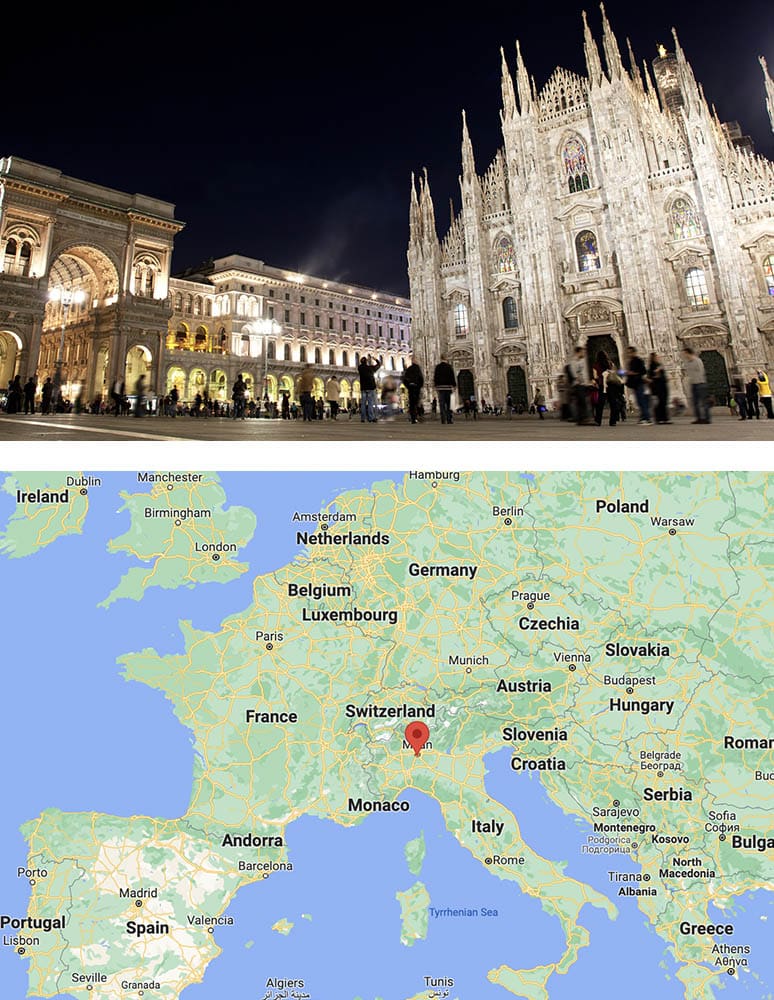
8. Milan, Italy — 8.2 Million Annual Visitors
As Italy’s financial and fashion capital, Milan presents a more contemporary, corporate atmosphere compared to historic counterparts like Rome or Florence. Beyond its status as a global design epicenter, the city attracts business travelers and culture enthusiasts alike.
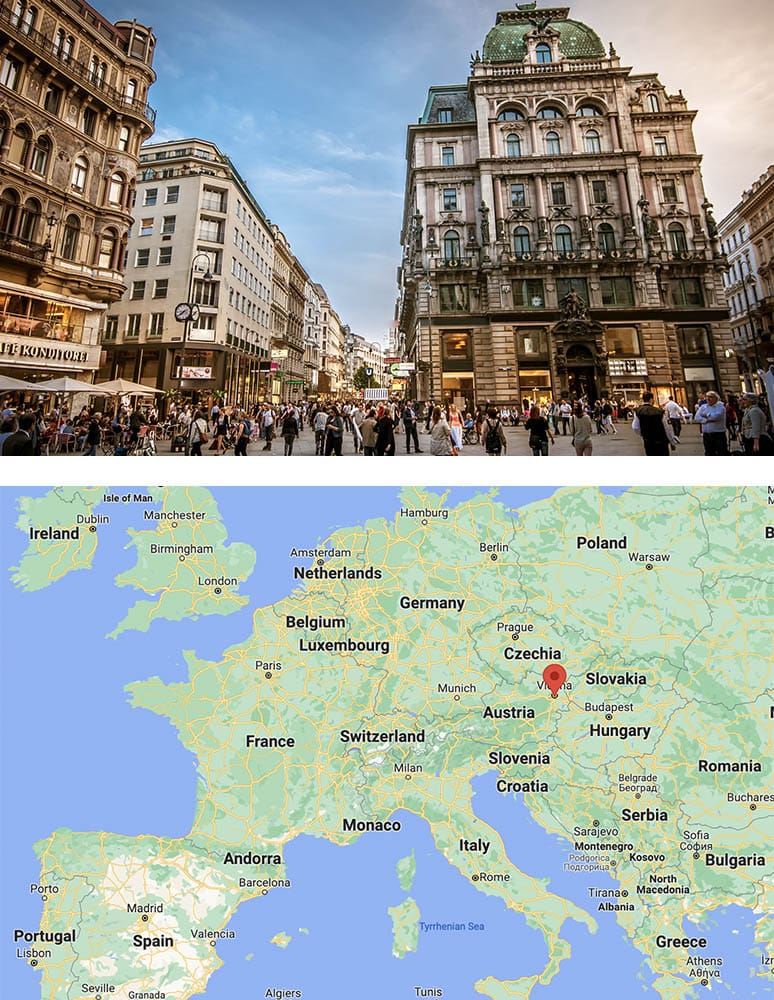
9. Vienna, Austria — 8.2 Million Annual Visitors
Consistently ranked among the world’s most livable cities, Vienna captivates visitors with its harmonious blend of Gothic, Baroque, and Art Nouveau architecture. The city’s legendary coffee house culture and rich musical heritage—associated with Mozart, Beethoven, and Strauss—continue to draw millions of cultural tourists annually.
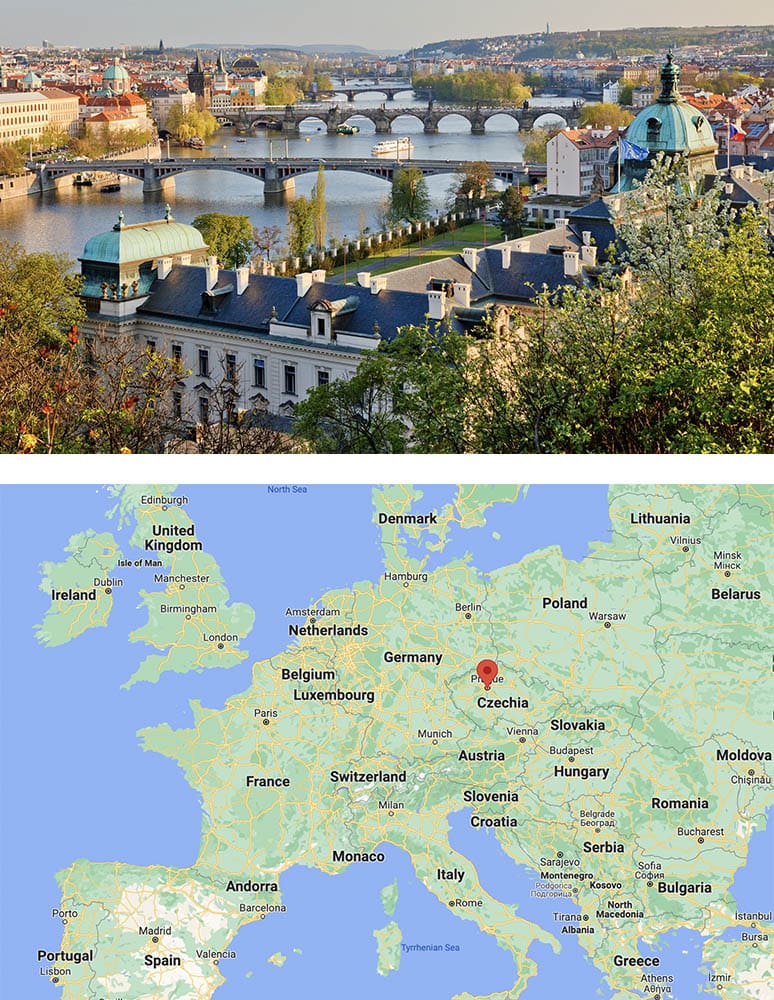
10. Prague, Czech Republic — 7.5 Million Annual Visitors
Often described as a living fairy tale, Prague’s medieval architecture and historic bridges remain major draws. While prices have risen significantly since the post-Soviet tourism boom, the Czech capital remains relatively affordable for food and beverages compared to Western European capitals.
Expanding Horizons: Eastern Europe, Scandinavia, and the Mediterranean
Beyond the top ten, a diverse array of cities completes the continent’s tourism tapestry, each offering unique regional advantages.
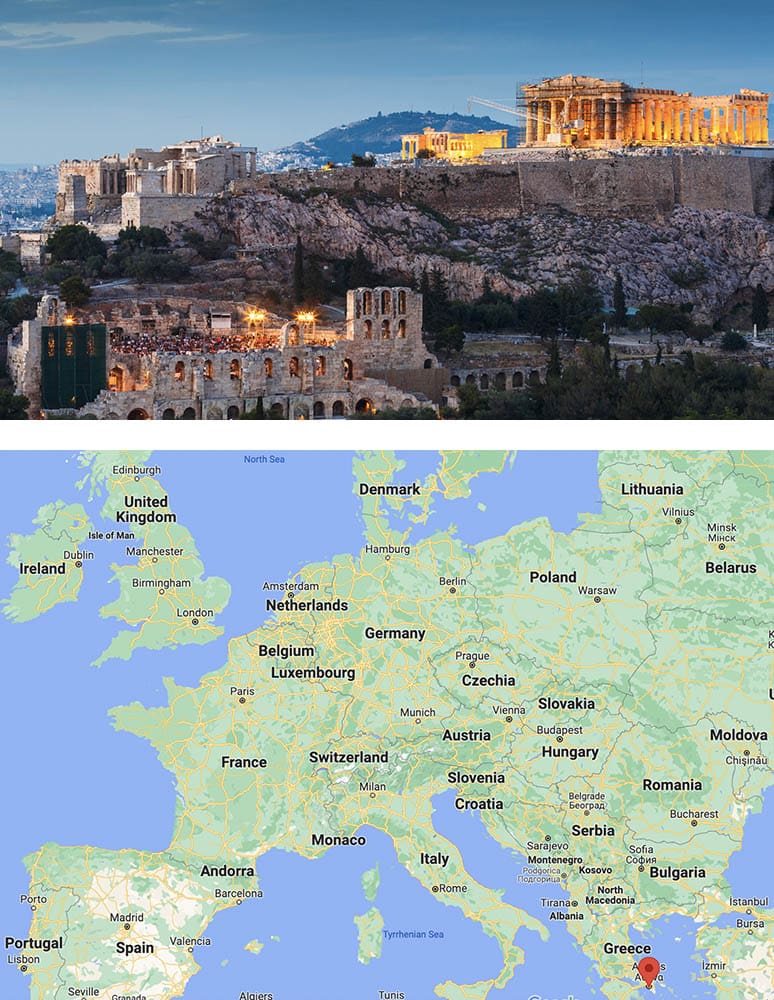
11. Athens, Greece — 6.5 Million Annual Visitors
Serving as the cradle of Western civilization, Athens combines its ancient heritage—anchored by the Acropolis and the Parthenon—with an edgy, urban energy. Many travelers use the city as a transit point to the Greek islands, though its intrinsic historical value warrants dedicated exploration.
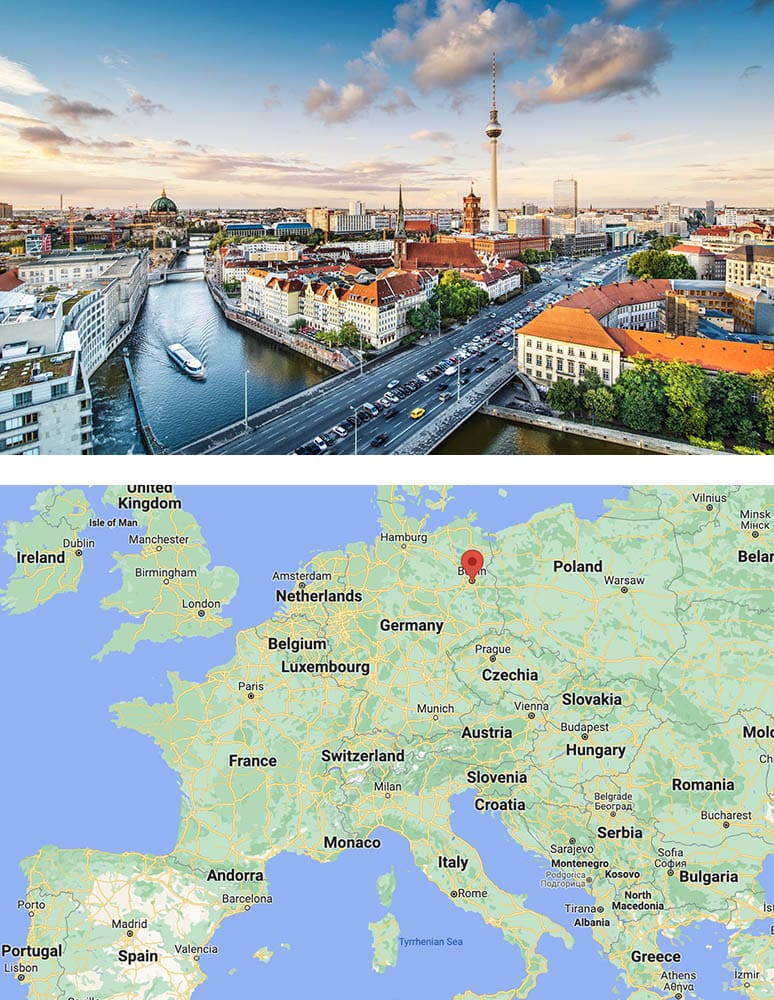
12. Berlin, Germany — 6.3 Million Annual Visitors
Famed for its turbulent 20th-century history and world-renowned nightlife, Berlin retains a reputation as one of Europe’s most culturally vibrant and relatively affordable capitals. Its extensive museum landscape and contemporary art scene attract a young, diverse demographic.
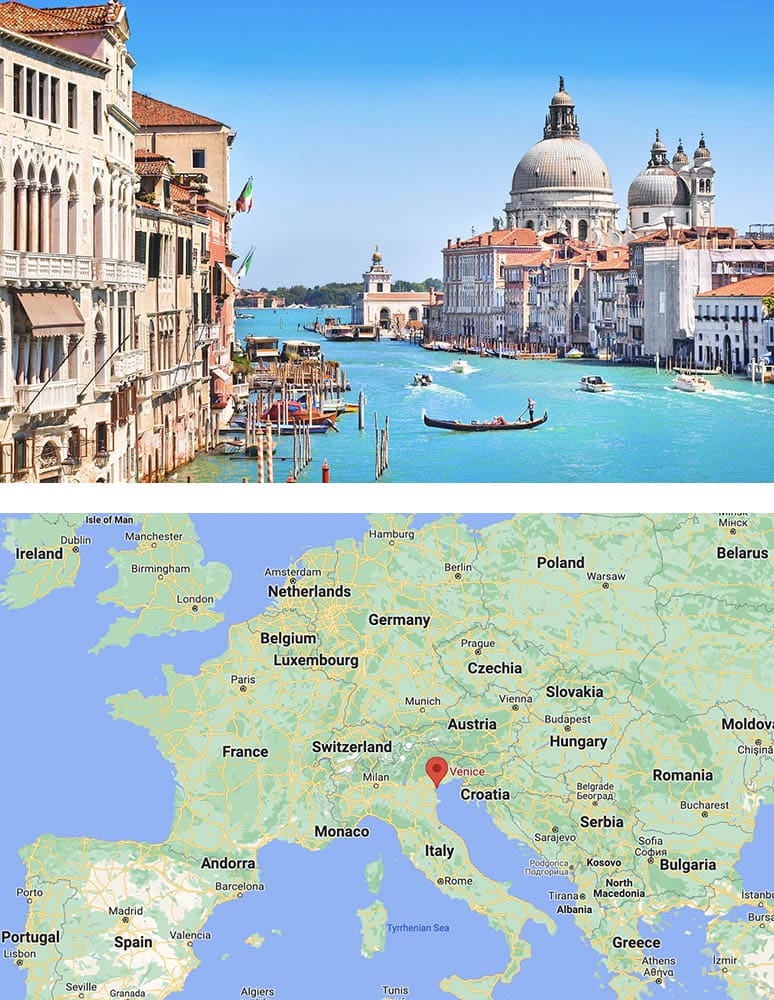
13. Venice, Italy — 5.6 Million Annual Visitors
Venice faces profound environmental and infrastructural challenges, most notably rising sea levels and intense cruise ship tourism. While daytime crowds can overwhelm the lagoon city, overnight stays offer a quieter, more atmospheric glimpse into its historic canals.
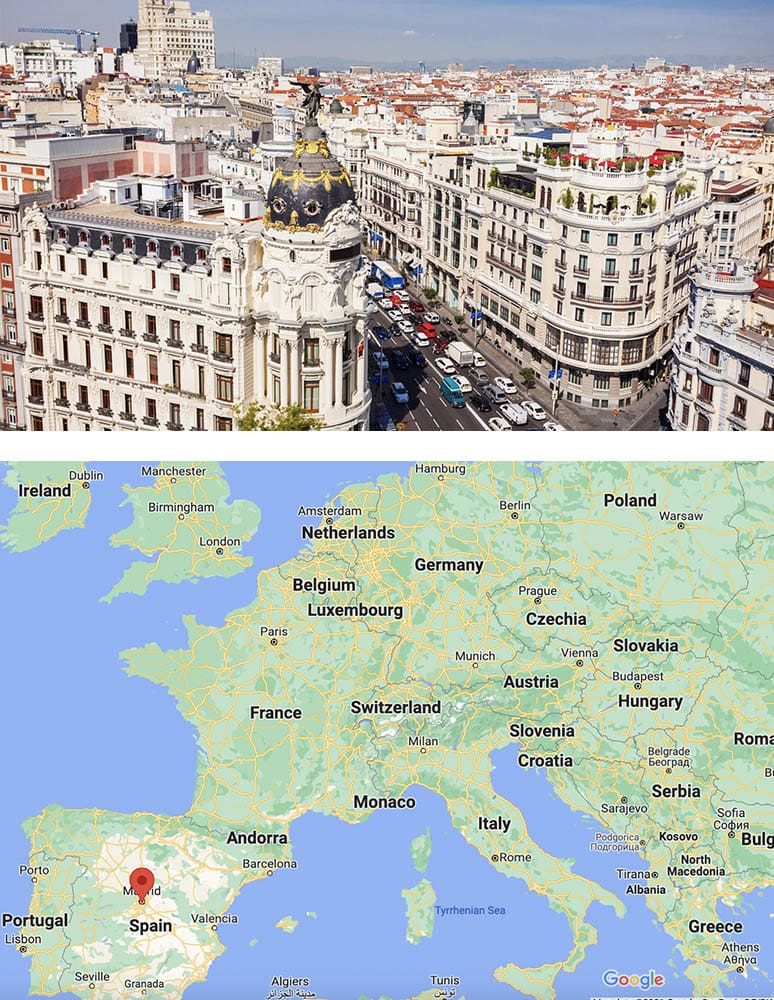
14. Madrid, Spain — 5.6 Million Annual Visitors
Spain’s energetic capital offers world-class art galleries, a thriving culinary scene, and a distinctly modern architectural landscape. Unlike older European capitals, Madrid’s vibrancy lies in its dynamic street life and cultural institutions rather than medieval relics.
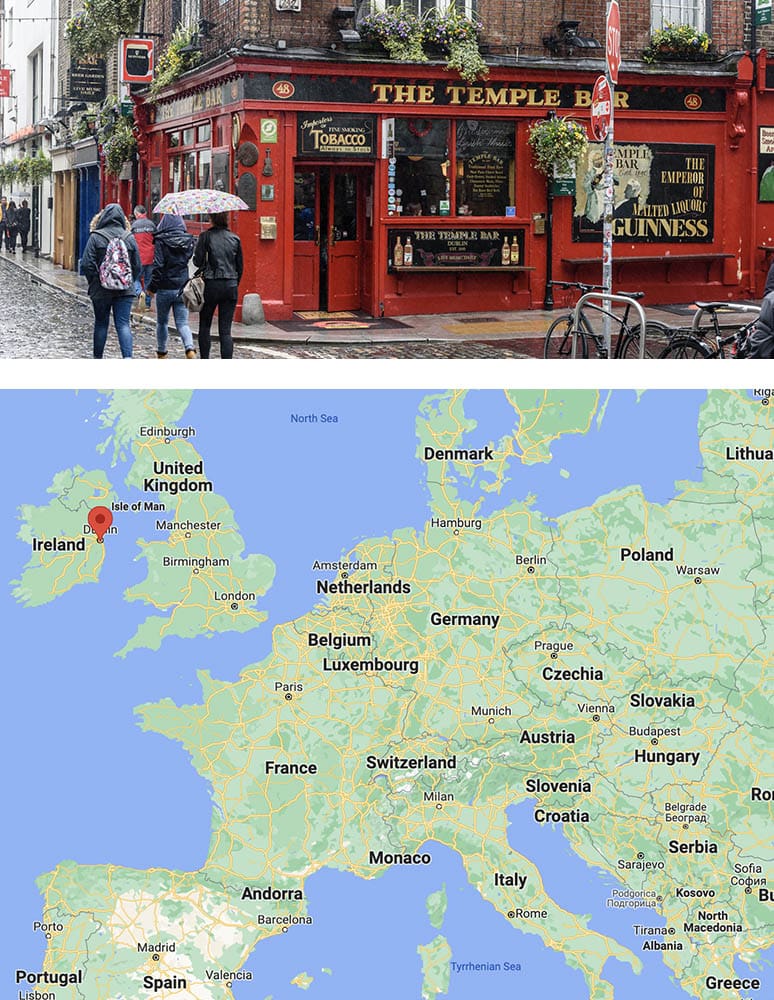
15. Dublin, Ireland — 5.5 Million Annual Visitors
Dublin’s compact, walkable layout and famous pub culture, fueled by a large student population and friendly locals, make it a perennial favorite for English-speaking travelers, though high local costs require careful budgeting.
16-35. The Broader European Landscape
The remaining cities on the continent’s top 35 list highlight regional specialization and niche tourism markets:

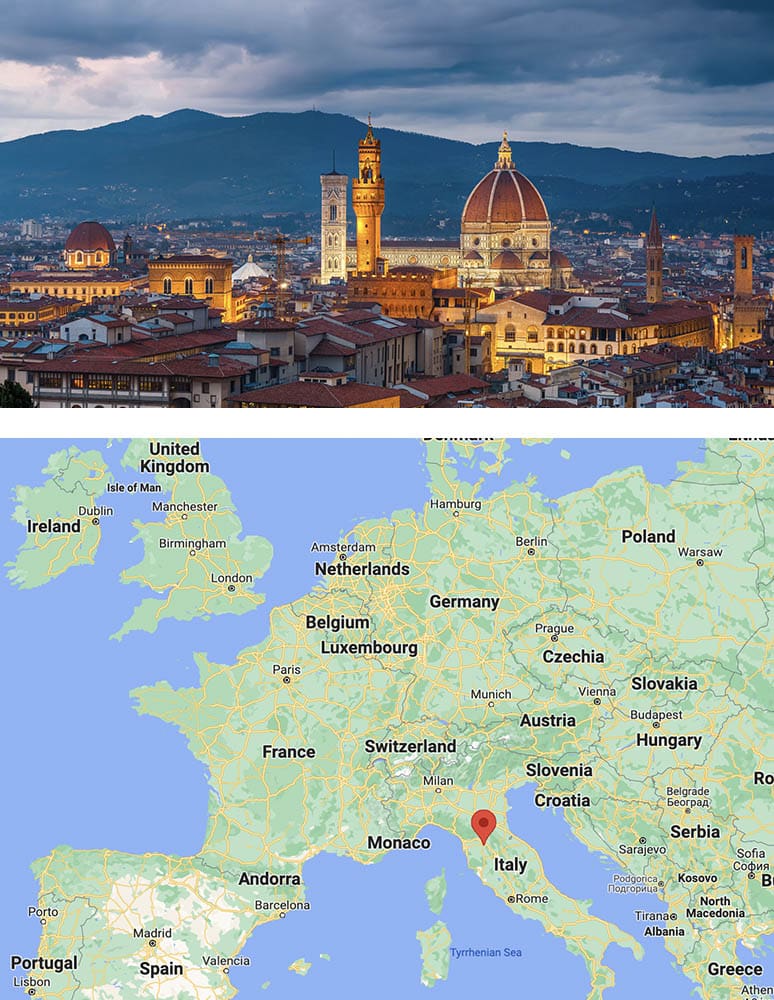
- Florence (5.1M) and Venice (5.6M) anchor Italy’s cultural dominance.
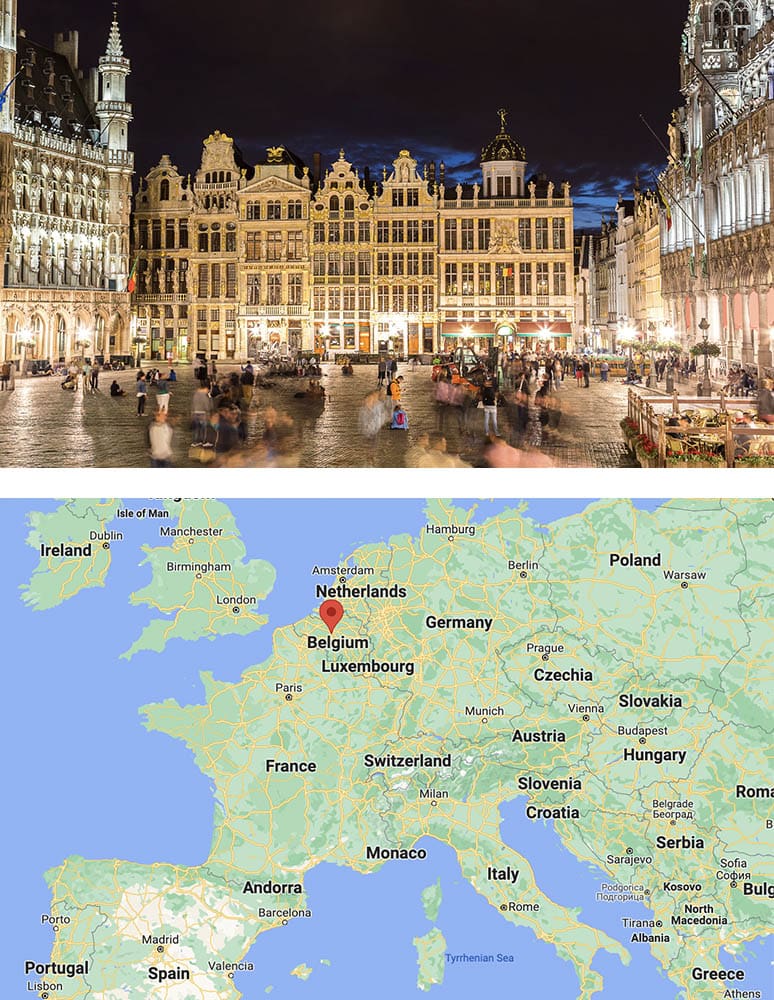
- Brussels (4.3M), Bruges (2.5M), and Antwerp sustain Belgium’s reputation for culinary and medieval heritage.
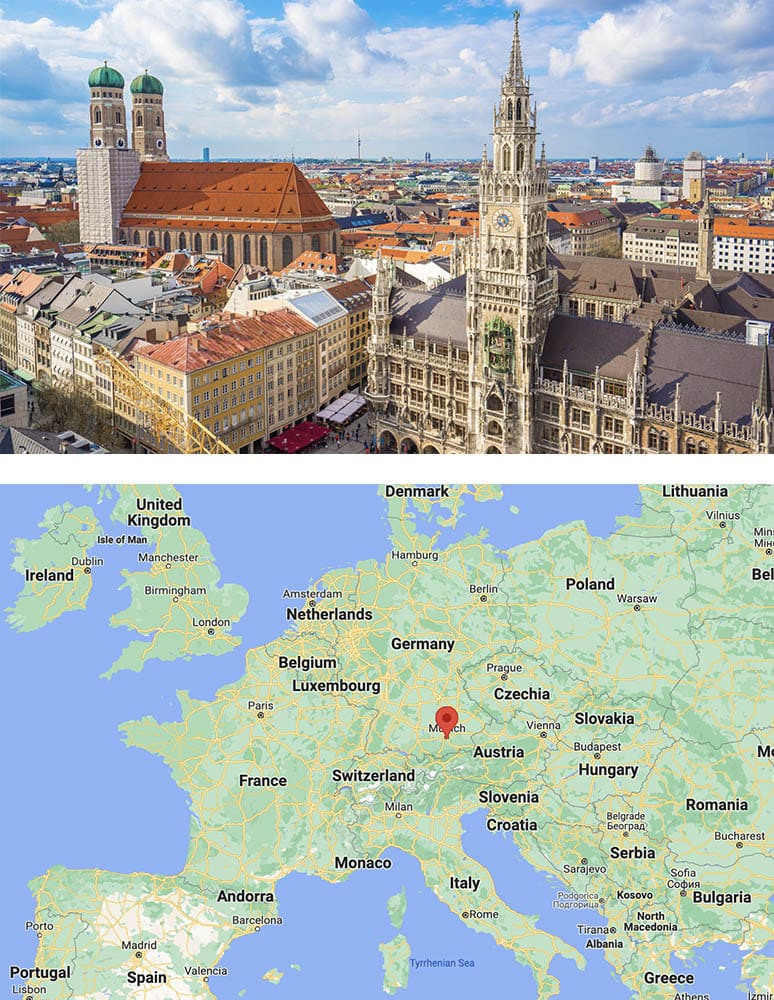
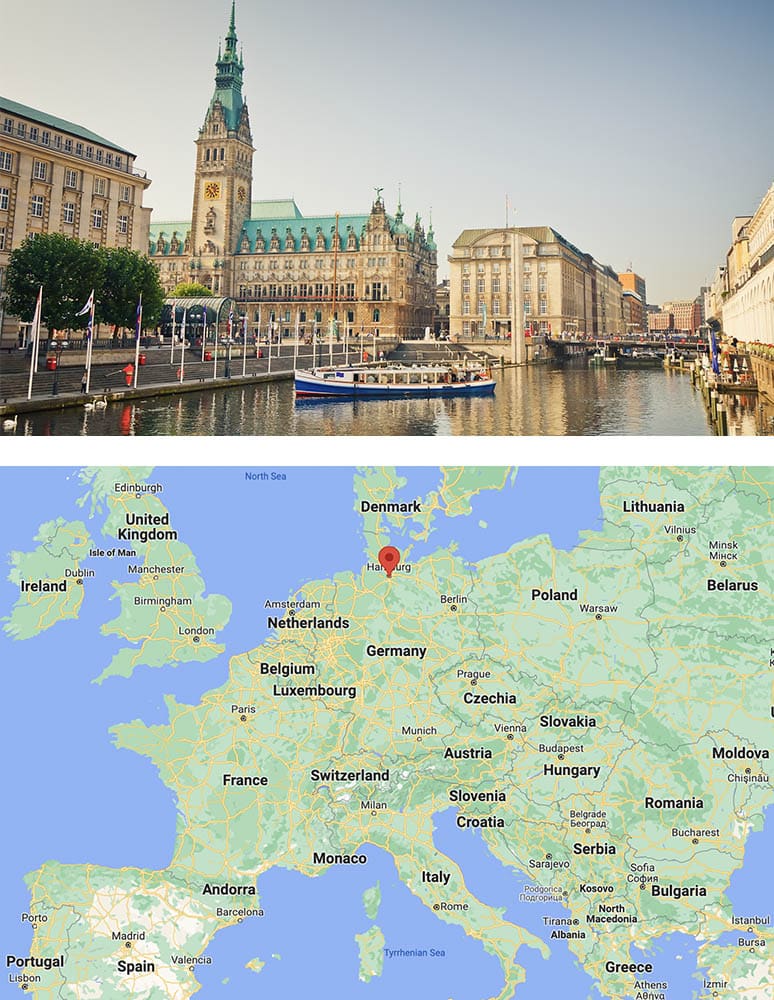
- Munich (4.2M), Hamburg (4M), and Frankfurt (2.7M) diversify Germany’s tourism appeal beyond Berlin.
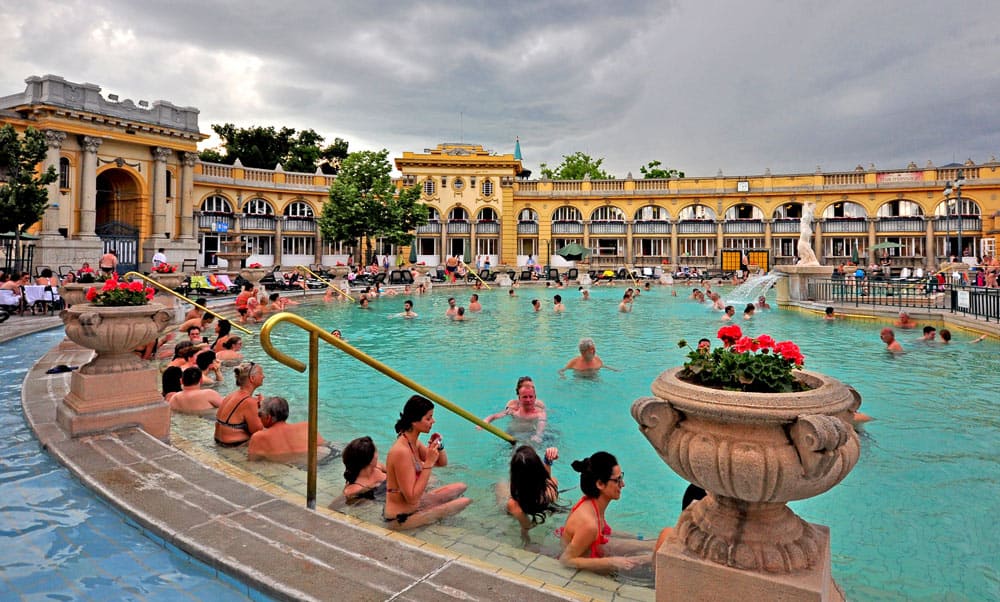
- Budapest (4M) and Kraków (2.9M) offer rich Central and Eastern European history at accessible price points.
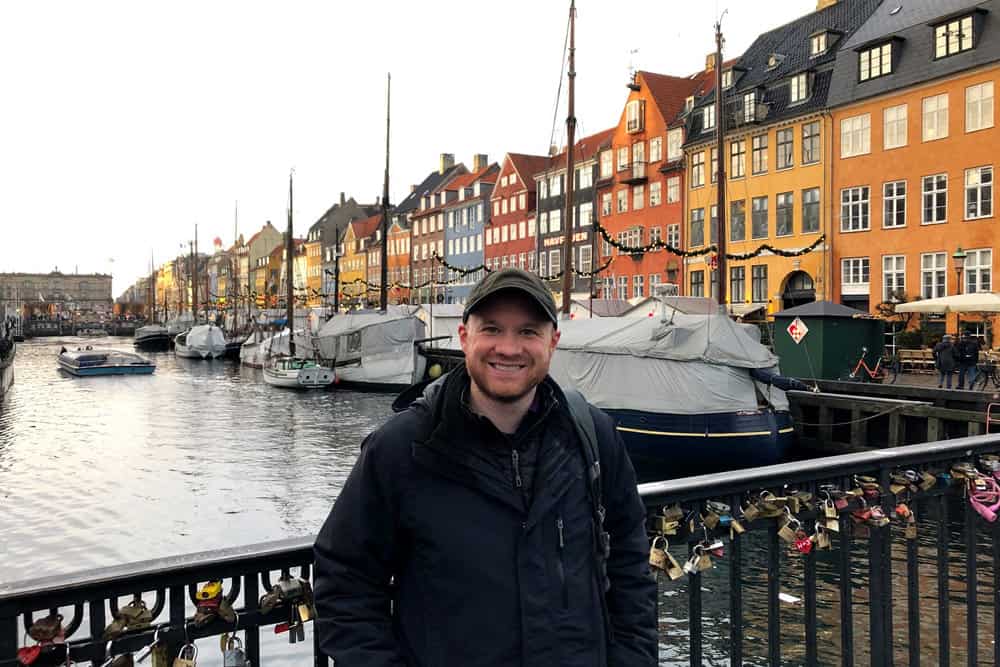
- Tallinn (4M), Stockholm (2.7M), Copenhagen (3.2M), and Reykjavik (2M) highlight the distinct appeal and high operational costs of Nordic and Baltic destinations.
- Nice (2.6M), Lyon (1.6M), and Seville (2M) provide warmer southern climates and distinct culinary traditions in France and Spain.
- Dubrovnik (1.5M) captures the Adriatic coastal boom, while Edinburgh (3.1M) and Dublin (5.5M) represent the enduring allure of the British Isles.
Economic Implications and Future Outlook
The resurgence of European tourism past pre-pandemic benchmarks carries significant economic weight, contributing hundreds of billions of Euros to the regional gross domestic product and supporting millions of jobs in hospitality, transport, and retail. However, this growth has forced municipal governments to confront structural challenges.

Over-tourism in cities like Amsterdam, Venice, Barcelona, and Dubrovnik has accelerated the implementation of tourist taxes, restrictions on short-term rentals, and caps on large cruise ship moorings. Simultaneously, the proliferation of digital infrastructure—such as affordable pan-European eSIM data plans averaging $2 to $4 per day—has transformed how modern travelers navigate these urban centers, facilitating independent travel and decentralized spending.

As Europe moves further into the late 2020s, the focus of destination marketing boards has demonstrably shifted from pure volume growth to sustainable tourism management, encouraging off-season travel, regional dispersal, and infrastructure preservation to ensure these historic urban centers remain viable for both residents and future generations of travelers.