The modern freelance economy has expanded significantly over the past decade, transforming from a supplemental income stream into a primary career path for millions of professionals globally. As of 2024, data indicates that approximately 38% of the United States workforce engages in some form of freelance work. With this shift, the administrative burden on individual contractors—who often serve as their own project managers, accountants, and IT departments—has intensified. To maintain operational efficiency, the adoption of specialized digital tools has become a necessity rather than a convenience.

The Evolution of the Freelance Toolkit
The transition toward remote and independent work was accelerated by the global health crisis of 2020, which forced a rapid digitization of client relations. Historically, freelancers relied on manual spreadsheets and basic email correspondence to manage their businesses. However, the rise of the "solopreneur" has created a market for integrated software solutions that automate mundane tasks such as time tracking, billing, and secure file sharing. The following analysis categorizes the essential digital infrastructure currently utilized by high-performing freelancers to sustain professional growth.
Time Management and Productivity Frameworks
Time remains the most valuable commodity for independent contractors, particularly those operating on an hourly or project-based fee structure. Market research suggests that effective time management tools can improve individual output by up to 20% by reducing cognitive load.

Clockify and Toggl have emerged as industry standards for granular time tracking. These applications allow for the categorization of tasks by client, enabling freelancers to conduct post-project audits. Such data is vital for objective pricing analysis; if a contractor finds that a specific project consistently exceeds estimated hours, the empirical data provides a factual basis for renegotiating rates.
For complex project management, tools such as ClickUp, Asana, and Todoist offer structured environments for task delegation and deadline tracking. Unlike traditional to-do lists, these platforms allow for the creation of distinct workspaces, ensuring that sensitive client data remains partitioned. Asana, in particular, has seen widespread adoption among social media managers and creative directors due to its timeline view features, which assist in planning multi-month content calendars.

Financial Oversight and Invoicing Infrastructure
The transition from service provider to business owner requires robust financial discipline. Inconsistent cash flow is frequently cited as the primary cause of freelance business failure. Consequently, the integration of specialized invoicing software is critical for maintaining liquidity.
HoneyBook and Dubsado are categorized as client management systems that consolidate invoicing, contract signing, and proposal management. These platforms provide an automated layer of oversight, sending reminders for overdue payments, which significantly reduces the administrative time spent on collections. For those requiring simpler billing, Wave and Invoice Simple offer direct invoicing capabilities that integrate with standard payment processors like Stripe and PayPal.

QuickBooks remains the dominant choice for those who require full-spectrum accounting, including tax preparation and expense tracking. The ability to track the status of an invoice—from sent to viewed to paid—minimizes the uncertainty often associated with freelance billing cycles.
Communication Protocols and Digital Collaboration
Effective communication is the cornerstone of client retention. The reliance on email has expanded to include instant messaging and video conferencing, creating a need for professional, secure channels.

Slack has replaced traditional email threads for many collaborative projects, offering a centralized hub for real-time discussion without the need to exchange personal phone numbers. This maintains a professional boundary while fostering team-like engagement. For synchronous meetings, Zoom has become the ubiquitous tool for virtual consultations, with integrations available for automated scheduling through platforms like Calendly.
Loom has introduced a significant shift in how freelancers provide support and tutorials. By allowing for screen recording with a camera overlay, professionals can deliver asynchronous instructions, saving time for both the contractor and the client. This method has proven particularly effective in onboarding and technical troubleshooting.

Organizational Tools and Data Security
As the volume of digital assets grows, secure and organized storage is paramount. Google Drive and Dropbox offer cloud-based solutions that allow for real-time collaboration. The importance of these platforms cannot be overstated; they act as the central repository for project deliverables, invoices, and legal documentation.
Furthermore, security is a growing concern in the freelance space. LastPass and similar password management tools enable contractors to securely store and share login credentials with clients—a common requirement for social media managers and web developers—without compromising security. This approach mitigates the risks associated with storing sensitive information in plaintext or unsecured spreadsheets.

Health and Wellness in a Remote Environment
The lack of a traditional office environment has necessitated a focus on health and ergonomic sustainability. Freelancers often report sedentary lifestyles as a primary health risk. Consequently, fitness applications have become an integral part of the "freelancer toolkit."
Platforms such as Nike Training Club and Peloton provide structured routines that do not require specialized equipment, facilitating regular physical activity during the workday. Additionally, mindfulness and yoga applications, such as Yoga for Beginners, serve as tools to manage the high levels of stress often associated with the unpredictable nature of contract work. The integration of these health apps with wearable technology, such as the WHOOP strap, allows for data-driven insights into recovery and physiological stress levels.

The Role of Marketplaces in Freelance Growth
While administrative tools manage the business, market access remains a fundamental challenge. Upwork serves as a primary intermediary, connecting businesses with independent talent. For many, this platform acts as an entry point, providing a secure environment for contracts and payments. Statistics from the freelance market indicate that while platforms charge a percentage of earnings, the value proposition—access to a global pool of vetted clients—often outweighs the associated costs for those in the growth stage of their careers.
Broader Implications and Future Trends
The integration of these applications into the daily workflow of a freelancer represents a professionalization of the industry. As the workforce continues to decentralize, the demand for "all-in-one" solutions is expected to increase. We are currently witnessing a shift where software providers are beginning to offer AI-driven insights to help freelancers predict their workload, manage their tax liabilities, and optimize their billing cycles.
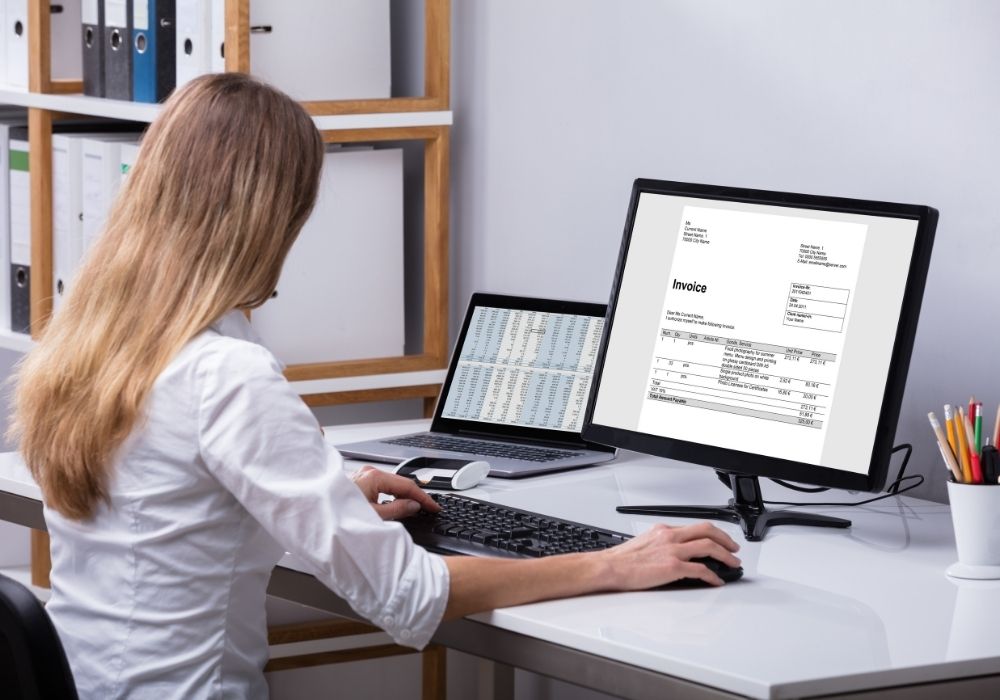
The long-term implication of this trend is a more resilient and sustainable freelance economy. By treating the freelance business as an enterprise supported by a sophisticated digital stack, individuals are better positioned to navigate market fluctuations. The consensus among industry analysts is that the successful freelancer of the future will not only be defined by their craft but by their proficiency in leveraging these digital tools to maximize efficiency and maintain professional standards.
In summary, the transition to freelancing requires a deliberate strategy for managing operations. By selecting tools that address specific needs—whether it be the precision of time tracking, the automation of finance, or the security of data—freelancers can replicate the efficiency of a larger organization, thereby securing their viability in an increasingly competitive global marketplace.
Related posts: