The landscape of international telecommunications has undergone a dramatic transformation over the past several years, shifting away from physical SIM cards toward embedded electronic SIMs, commonly known as eSIMs. For travelers planning a journey to Europe, securing reliable, high-speed mobile data is no longer a matter of hunting down a local storefront upon arrival or paying exorbitant roaming fees to domestic carriers in North America or Australia. Instead, prepaid eSIM data plans have emerged as the standard for seamless connectivity. This comprehensive guide examines the mechanics of European eSIMs, evaluates leading providers, contrasts them with traditional carrier roaming plans, and provides technical insights to ensure uninterrupted connectivity across borders.
Background Context and the Evolution of Mobile Connectivity in Europe

For decades, international travelers relied heavily on physical SIM cards. Upon landing at a European airport or navigating an unfamiliar city center, tourists would typically seek out a local kiosk to purchase a prepaid plastic card. This process often involved presenting passport information, swapping delicate pieces of hardware using a specialized ejection tool, and safely storing the domestic SIM card to prevent loss.
The introduction of eSIM technology—first popularized in consumer electronics via smartwatches and high-end smartphones—eliminated the need for physical hardware. An eSIM is a digital SIM card embedded directly into a device’s hardware by the manufacturer. Users can download, install, and activate mobile carrier profiles entirely through software applications or via QR codes sent electronically.
In Europe, the adoption of this technology aligns with a broader, highly favorable regulatory environment. Following the European Union’s landmark decision to abolish mobile data roaming fees within member states, a data plan acquired in one EU nation functions seamlessly across others without supplemental surcharges. Consequently, a traveler landing in Paris who purchases a French eSIM can travel onward to Berlin, Rome, or Madrid while utilizing the exact same data allocation at no additional cost.

Why Mobile Data is Indispensable for Modern European Travel
While older generations of travelers might have viewed constant internet access as a luxury or a distraction, contemporary infrastructure in Europe dictates that mobile data is a logistical necessity. The digitalization of the European travel and hospitality sectors has accelerated rapidly since the COVID-19 pandemic, shifting numerous routine transactions into the digital sphere.
Rail networks, including major operators like Eurostar, SNCF, and Deutsche Bahn, have largely phased out paper ticketing in favor of digital barcodes stored on smartphones. Similarly, cultural institutions, museums, and major sporting events rely almost exclusively on digital admissions. Furthermore, the restaurant industry has widely adopted QR-code menus, digital ordering systems, and mobile payment interfaces. Navigating urban transit networks, booking rideshare services such as Uber or local taxi apps, and monitoring real-time flight updates all require a consistent, high-speed cellular data connection.

Although public Wi-Fi networks are occasionally available in major European metropolitan areas, relying on them presents significant drawbacks. Public hotspots are frequently unsecured, vulnerable to cybersecurity threats, prone to bandwidth throttling, and entirely absent in rural regions, scenic transit routes, and historical city centers.
Evaluating Domestic International Plans Versus Prepaid eSIMs
Travelers frequently question whether they should simply activate international day passes or roaming packages provided by their home carriers, such as AT&T, Verizon, or T-Mobile. While domestic carrier plans offer the undeniable convenience of retaining a primary phone number without altering hardware settings, the financial and technical trade-offs are substantial.
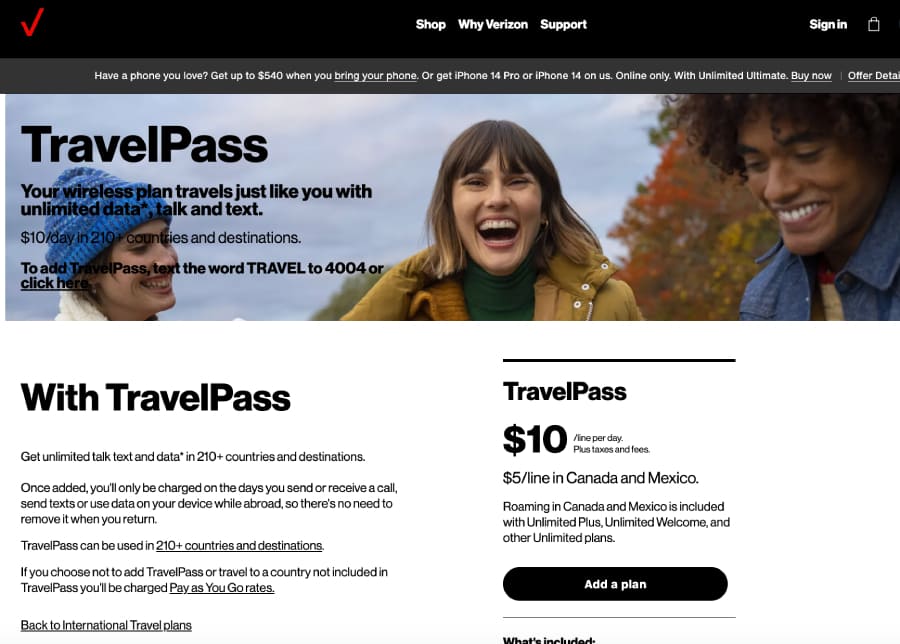
Major North American carriers typically structure their international offerings around daily fees or capped allowances with severe throttling. For instance, standard daily international passes generally cost approximately $10 per day, which accumulates rapidly over a standard two-week vacation. Alternatively, monthly international packages often feature restrictive data caps—such as 2 GB to 6 GB per month—followed by punitive overage charges or severe speed reductions. T-Mobile provides international data on certain plans, but speeds are frequently throttled down to sluggish 2G rates after a designated threshold is met, rendering map navigation and web browsing frustratingly slow.
By comparison, third-party prepaid eSIM providers operating in the European market offer data plans at a fraction of the cost, usually averaging between $2 and $5 per day. These plans leverage local network infrastructure, guaranteeing high-speed 4G LTE and 5G connectivity without unexpected billing surprises.
Comparative Analysis of Leading European eSIM Providers

Dozens of specialized eSIM retailers now service the European market, each catering to different travel durations, data volume preferences, and communication requirements. Industry analysts generally categorize these offerings into carrier-backed plans and independent third-party aggregators.
Orange Holiday Europe eSIM (30GB and 50GB Options)
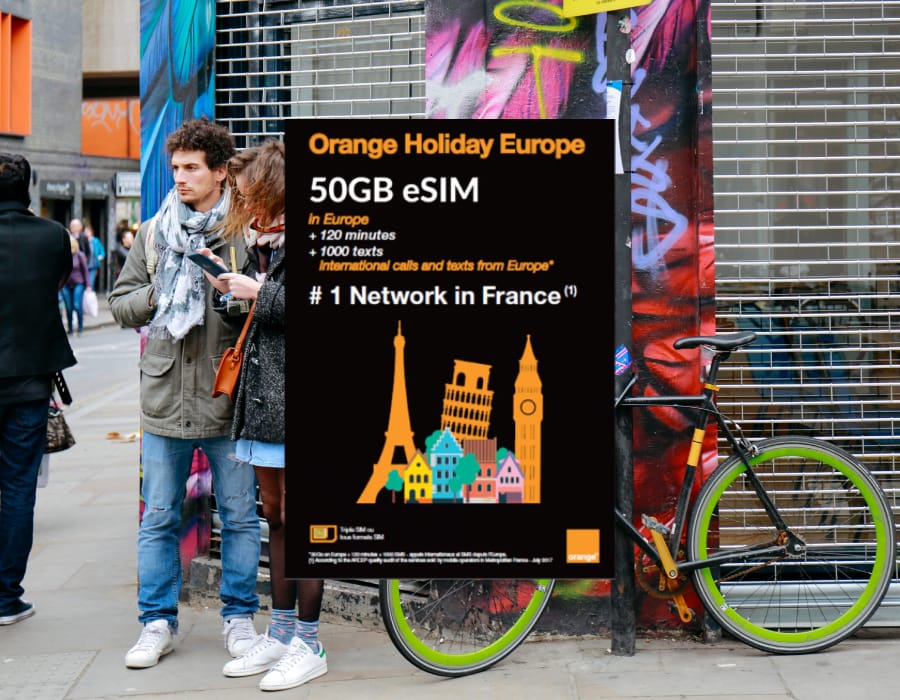
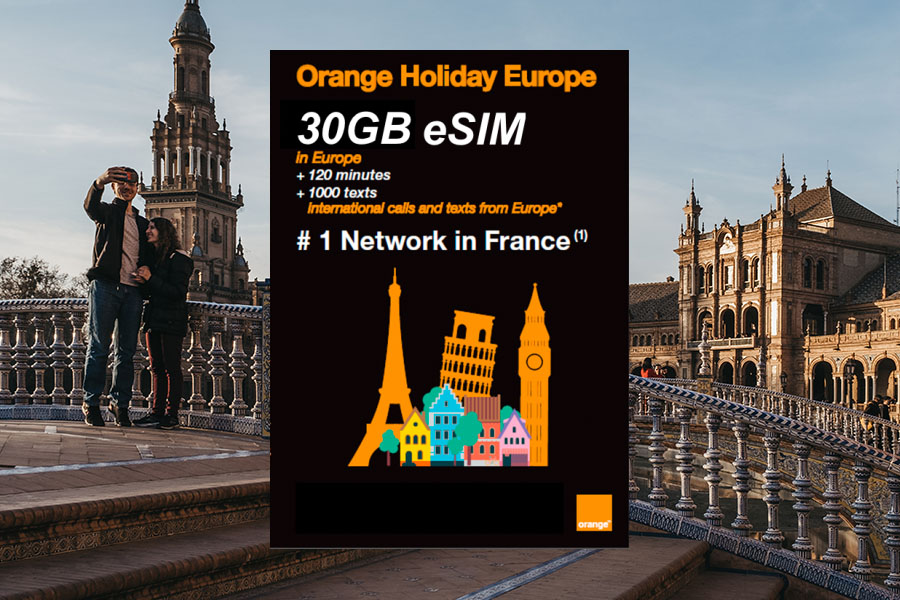
Orange, one of Europe’s premier telecommunications conglomerates, offers some of the most robust prepaid eSIM packages available to international visitors. The Orange Holiday Europe 30GB plan, valid for 14 days, and the expanded 50GB variant, valid for 28 days, provide comprehensive network access across the continent. Notably, these plans include an assigned French mobile phone number, enabling traditional voice calls and text messages throughout Europe. Additionally, Orange permits mobile hotspot usage, allowing travelers to share their cellular connection with laptops or companion devices.
Bouygues My European eSIM
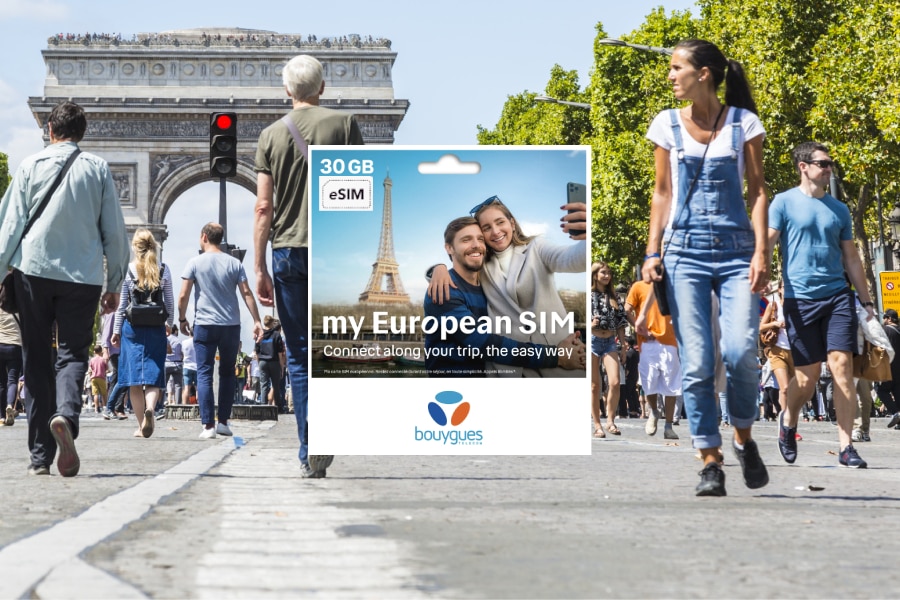
As a major competitor in the French telecommunications market, Bouygues Telecom offers a competitive alternative tailored for longer itineraries. The Bouygues My European eSIM features a 30-day validity window, standardizes data allowances at 30GB, and includes unlimited voice calls within Europe. This plan serves as an optimal solution for travelers embarking on extended European tours who require robust voice communication capabilities alongside reliable data.
Holafly Unlimited Data eSIMs

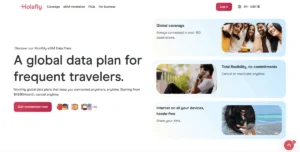
For heavy data users who wish to eliminate concerns regarding data caps entirely, Holafly provides customized unlimited data eSIM plans spanning durations from 1 to 90 days. Operating as a prominent Europe-based provider, Holafly connects users to premier local networks. While these plans offer limitless data consumption, travelers should note that certain Holafly configurations place restrictions on mobile hotspot sharing, making them best suited for single-device usage.
Orange Holiday Zen eSIM
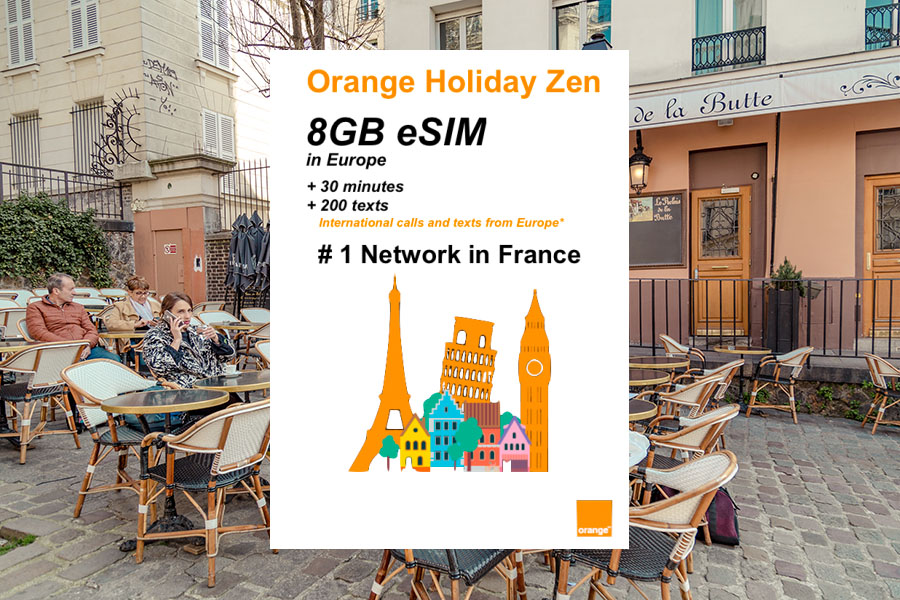
Travelers seeking a balanced, moderate data allocation frequently opt for the Orange Holiday Zen plan. Providing 15GB of mobile data valid for 14 days, the Zen plan includes unlimited calls and texts within Europe, alongside limited international calling credit to destinations outside the European Union. This makes it an efficient option for moderate users who prioritize voice accessibility alongside baseline map and messaging capabilities.
Smart Comfort X eSIM
For budget-conscious tourists with minimal data consumption habits, the Smart Comfort X eSIM offers a streamlined, data-only package typically featuring a 5GB allocation. Operating as an international eSIM rather than a direct carrier-backed plan, it dynamically routes connections through partner networks in each country, such as Bouygues in France, O2 in Germany, and Vodafone in Italy. While it lacks traditional voice calling features, it remains a cost-effective choice for light users who rely on internet-based messaging services.
Technical Requirements and Device Compatibility
Before purchasing an eSIM, travelers must verify that their smartphone fulfills two primary technical prerequisites: network unlocking and eSIM hardware compatibility.
Network Unlocking: Many mobile devices purchased through carrier financing agreements in North America are software-locked to prevent usage on competing networks. Users must contact their domestic carrier prior to departure to formally request a device unlock.
Hardware Compatibility: Virtually all smartphones manufactured and released since 2019 incorporate eSIM hardware. This includes Apple iPhone models from the iPhone XS onward, as well as flagship Android devices from Samsung, Google Pixel, and other major manufacturers. A significant development in telecommunications hardware occurred with the release of the United States versions of the iPhone 14 and iPhone 15 series, which completely removed the physical SIM card tray, making eSIM functionality mandatory. Devices purchased outside the United States typically retain dual-SIM capability, featuring both a physical SIM slot and digital eSIM support.
The primary advantage of dual-SIM functionality is the ability to maintain active service on a domestic home number—permitting crucial two-factor authentication texts from financial institutions and emergency calls—while simultaneously routing high-speed data through the European travel eSIM.
Step-by-Step Activation and Best Practices
To ensure a smooth transition to a European eSIM, industry experts recommend adhering to a structured setup protocol:

- Purchase in Advance: Acquire the eSIM profile online prior to departure. Completing the purchase while still connected to reliable home Wi-Fi ensures that download errors can be resolved proactively.
- Review Delivery Documentation: Upon purchase, the provider will deliver an email containing a setup link and a specialized QR code.
- Install Without Activating: Scan the QR code or input the installation details into the device’s cellular settings menu while connected to Wi-Fi. Users must exercise caution to avoid fully activating the data countdown prematurely. Many European plans initiate their validity period the moment the eSIM connects to a cellular network. Activating the service days before departure results in wasted time on the plan’s duration.
- Complete Activation Upon Arrival: Upon landing at a European destination, enable the eSIM data line within device settings. The phone will automatically search for and connect to a partnered local cellular provider.
Geographic Caveats: The United Kingdom and Switzerland
While the abolition of EU roaming fees simplifies travel across most of the continent, travelers must carefully review network coverage maps regarding the United Kingdom and Switzerland. Because neither nation is a member of the European Union, certain EU-centric data plans exclude them from their coverage zones. For example, while Orange Holiday plans fully encompass Swiss and British networks, budget-oriented international eSIMs occasionally exclude Switzerland. Verifying the specific country list prior to checkout prevents unexpected roaming interruptions when crossing Alpine borders or visiting London.
Implications for the Travel Industry

The widespread adoption of eSIM technology has permanently altered the airport retail landscape and traditional telecom business models. Physical SIM vending machines and airport kiosks targeting arriving tourists have experienced a noticeable decline in foot traffic as digitally savvy consumers secure connectivity before leaving their homes. Furthermore, the ability to compare, purchase, and install multi-country data plans within minutes has lowered logistical barriers for international travel, empowering tourists to navigate foreign transit networks, translation tools, and digital hospitality services with unprecedented ease.